
In This Article
- Why Ride the Amalfi Coast by Motorcycle in 2026
- Best Time to Motorcycle the Amalfi Coast in 2026
- Planning Your Amalfi Coast Motorcycle Route
- Essential Riding Tips for the Amalfi Coast
- Renting or Bringing Your Motorcycle: What to Know
- Where to Stay Along the Amalfi Coast for Riders
- Must-See Stops and Hidden Gems on Your Ride
- Packing List and Gear Recommendations for 2026
- Final Thoughts: Making the Most of Your Amalfi Coast Motorcycle Adventure
Why Ride the Amalfi Coast by Motorcycle in 2026
The Amalfi Coast is not just a destination; it is a sensory overload of cliffside curves, lemon groves, and pastel villages stacked above the Tyrrhenian Sea. In 2026, the region has doubled down on sustainable and alternative transport, making a motorcycle the single smartest way to explore this UNESCO World Heritage stretch. While buses crawl behind tour groups and cars fight for impossibly tight parking spots, a motorcycle slips through the chaos with grace.
Riding here means you are not just observing the landscape through a window. You are inside it. The scent of wild fennel and sea salt hits you mid-corner. The temperature drops by five degrees when you enter a shaded limestone tunnel, then warms again as you burst back into the sunlight. These are details you simply cannot experience in a rental Fiat with the air conditioning on full blast.
For 2026 specifically, several local municipalities have introduced motorcycle-friendly parking zones in Positano and Amalfi town. This is a game changer. Previously, two-wheeled travelers often had to park outside the center and walk. Now, designated areas near the marinas and upper village edges make stopping for a granita or a quick swim much easier. Local tourism boards have recognized that riders spend money at family-run trattorias and ceramic shops, and they are finally welcoming us properly.
Another reason to ride in 2026 is the road surface quality. The SS163, the famous coastal road, has undergone significant resurfacing on the stretch between Praiano and Conca dei Marini. The potholes that rattled teeth in previous years are gone, replaced by smooth, grippy asphalt. This means you can focus on the views and the hairpin technique rather than scanning for road damage.
There is also a practical benefit regarding traffic. The Amalfi Coast has a seasonal traffic regulation system. During peak hours, certain sections are restricted to local plates or alternate plates on specific days. Motorcycles are exempt from most of these restrictions in 2026. This gives you the freedom to move while four-wheeled traffic sits stationary, engines idling. You can cover more ground in a day than a car driver can manage in two.
Riding a motorcycle here also changes your relationship with the locals. You are more approachable. A rider pulling up to a roadside fruit stand is a welcome sight. The vendor will happily tell you which beach is quiet that day or which restaurant just caught fresh anchovies. In a car, you are often seen as part of the traffic problem. On two wheels, you are part of the solution.
The sense of achievement cannot be overstated. Navigating the switchbacks, managing the blind corners, and maintaining focus while the Mediterranean glitters below you is a genuinely rewarding riding experience. It is challenging enough to keep you sharp, but not so difficult that it becomes exhausting. By the end of each day, you will feel a deep, satisfied fatigue that only a day of perfect curves can provide.
Finally, the Amalfi Coast in 2026 is a place that rewards slow travel, even though the road itself is fast-paced. A motorcycle allows you to stop at the tiny viewpoints that buses ignore. You can pull over to photograph a lone chapel on a cliff edge or watch fishermen mend nets in a cove. You are not tied to a schedule. You are free. That is the ultimate luxury on one of the most beautiful coastlines in the world.
Best Time to Motorcycle the Amalfi Coast in 2026
Timing is everything on the Amalfi Coast. The season you choose will dramatically alter your experience of the road, the weather, the traffic, and even the price of your espresso. While the coast is technically rideable year-round, the sweet spot for motorcyclists falls in the shoulder seasons. However, each period has its own distinct character, and understanding these nuances will help you plan the perfect trip for your riding style.
In 2026, the tourist calendar is expected to be busier than ever, with international travel fully rebounded. This makes choosing the right month even more critical. The difference between riding in mid-July and mid-October is not just a matter of degrees on a thermometer; it is the difference between a relaxed, flowing ride and a stop-and-go crawl behind a line of tourist coaches.
Below, we break down the three main riding seasons so you can decide which one matches your tolerance for heat, crowds, and adventure.
Spring Riding: March to May
Spring is arguably the most beautiful time to ride the Amalfi Coast. The hillsides are lush green, wildflowers erupt from every stone wall, and the air carries a crisp freshness that summer simply lacks. Daytime temperatures in April and May typically range from 18 to 24 degrees Celsius, which is nearly perfect for riding in full gear without overheating.
Traffic is light in March and early April, giving you the road almost to yourself. You can stop at viewpoints without waiting for a parking spot and enjoy lunch at a trattoria without a reservation. The sea may still be too cold for swimming, but the visual reward is unmatched.
One thing to watch for in spring is residual moisture. Morning dew and the occasional rain shower can leave shaded sections of the road damp, especially in tunnels and under overhanging cliffs. Ride with smooth inputs and give yourself extra braking distance until the sun burns off the moisture. May is the busiest of the spring months, but it is still far more pleasant than the summer peak.
Summer Riding: June to August
Summer on the Amalfi Coast is intense. The heat, the crowds, and the energy all peak during these months. If you ride in July or August, expect temperatures often above 30 degrees Celsius. This makes full protective gear a challenge, and you will need to plan your riding for early mornings or late afternoons to avoid the worst of the heat.
Traffic is heavy from mid-June onward. The SS163 becomes a slow-moving ribbon of rental cars, scooters, and buses. Motorcycles can filter through some of this, but you must be extremely cautious. Tourists in cars are often distracted by the views and may drift across the center line. Patience is essential.
The advantage of summer is the full experience. Every restaurant, beach club, and ferry is open. The water is warm and inviting. If you can handle the heat and the crowds, summer offers the classic Amalfi atmosphere. Just start your days early, take a long lunch break during peak heat, and ride again in the golden evening light.
Autumn Riding: September to November
Autumn is the connoisseur's choice for riding the Amalfi Coast. September still feels like summer, with warm seas and long days, but the crowds begin to thin noticeably. October is often the single best month to ride. The air is mild, the light is golden, and the road returns to a more relaxed rhythm.
Temperatures in October range from 15 to 22 degrees Celsius, ideal for spirited riding. The sea retains its summer warmth, so a mid-ride swim is still possible. Many hotels and restaurants remain open through October, though some begin to close in November.
By November, the coast becomes quiet and introspective. Rain becomes more frequent, and some days are better spent exploring inland villages than hugging the exposed coastal cliffs. If you ride in November, pack proper waterproof gear and check the forecast daily. The reward is having this legendary road almost entirely to yourself.
Planning Your Amalfi Coast Motorcycle Route
The Amalfi Coast is compact, but the roads are slow and winding. You will not cover huge distances in a day, and you should not try to. The joy here is in the details: the pause at a viewpoint, the detour to a hidden hamlet, the long lunch overlooking the water. A good route plan leaves room for spontaneity while giving you a solid framework for each day.
Most riders base themselves in Sorrento, Salerno, or one of the smaller villages along the coast. From these bases, you can ride the main coastal road, explore the dramatic inland mountains, or take day trips to nearby attractions. The key is to avoid overpacking your itinerary. Three or four hours of riding per day is plenty when every kilometer demands your full attention.
Road conditions in 2026 are generally good, but the SS163 remains a narrow, technical road. Expect sharp hairpins, blind corners, and sections where the road is barely wide enough for two vehicles. Ride defensively, especially around buses. They often need to use the entire road to navigate tight turns, and they will expect you to yield.
Fuel stations are not abundant on the coastal road itself. Fill up in Sorrento, Amalfi town, or Salerno before heading out for the day. Carry water, wear sunscreen, and keep your phone charged. Mobile signal is generally reliable, but there are dead zones in the deeper valleys.
Below are three route frameworks to help you build your perfect Amalfi Coast motorcycle guide 2026 itinerary.
Classic Coastal Route: Sorrento to Salerno
This is the ride that made the Amalfi Coast famous. The SS163 runs for roughly 50 kilometers from Sorrento to Salerno, but do not let the short distance fool you. With its endless curves and constant views, this road deserves a full day. Start early to beat the tour buses and enjoy the cool morning air.
From Sorrento, the road climbs quickly above the sea. Your first major stop is Positano, the vertical village of pastel houses. Parking a motorcycle here is easier than a car, but still requires patience in high season. Stop for a coffee and a photo from the upper road before the steep descent into town.
Continuing east, you will pass through Praiano, a quieter village with stunning views back toward Positano. The road then enters the dramatic Furore Fjord area, where a deep gorge cuts into the coastline. A little further on, you reach Amalfi town, the historic maritime republic. Its cathedral and lemon-scented streets are worth a long break.
From Amalfi, the road climbs to Ravello, a detour that takes you high above the sea. Ravello's gardens and villas offer some of the most famous views in Italy. The final stretch to Salerno follows the coast past Atrani, Minori, and Maiori, each with its own charm. Arrive in Salerno by late afternoon, park by the seafront, and enjoy a well-earned dinner.
Inland Detours: Mountains and Villages
While the coast gets all the attention, the mountains behind it hide some of the best riding in the region. The Lattari Mountains offer a completely different experience: quiet roads, dense forests, and villages where time seems to stand still. These detours are perfect for a hot afternoon when you want to escape the coastal crowds.
The road from Amalfi up to Pogerola and then to Agerola is a rider's delight. It climbs steeply through a series of switchbacks, each one revealing a wider view of the coastline below. Agerola is known for its cheese and its walking paths, but for motorcyclists, the real reward is the road itself and the sudden silence.
From Agerola, you can continue to the Sentiero degli Dei trailhead, a famous hiking route that runs high above the coast. Even if you do not hike, the ride to the trailhead is spectacular. The road then descends toward Positano or loops back toward Amalfi, creating a perfect half-day circuit.
Further inland, the road to Tramonti winds through chestnut forests and past ancient farmhouses. This valley is the agricultural heart of the coast, producing wine, lemons, and mozzarella. Stop at a family-run agriturismo for lunch. The food is rustic, generous, and far cheaper than anything on the coast. These inland detours add depth to your trip and show you a side of the region that most tourists never see.
Day Trips: Capri, Pompeii, and Beyond
Your motorcycle is not limited to the Amalfi Coast itself. The surrounding area offers several outstanding day trips that are easily reachable on two wheels. These excursions add variety to your itinerary and give you a break from the intensity of the coastal road.
Pompeii is a must-see. From Sorrento or Salerno, the ride takes less than an hour on the main road. The archaeological site is vast, so plan to spend at least half a day exploring. Parking a motorcycle near the entrance is straightforward and inexpensive. Visit early in the morning to avoid the worst of the heat and the tour groups.
For Capri, you will need to leave the motorcycle behind. Ferries depart regularly from Sorrento, Positano, and Amalfi. The island is best explored on foot or by scooter, which you can rent at the marina. It makes for a relaxing day away from the saddle, though the sea views from the ferry are a highlight in themselves.
Another excellent day trip is the ride to Paestum, south of Salerno. Here you will find some of the best-preserved Greek temples in the world, set in a quiet plain. The ride down the coast is fast and open compared to the Amalfi road. Stop at a buffalo mozzarella farm along the way for a tasting you will never forget. In 2026, Paestum remains blissfully uncrowded compared to the Amalfi hotspots, making it a perfect escape.
Essential Riding Tips for the Amalfi Coast
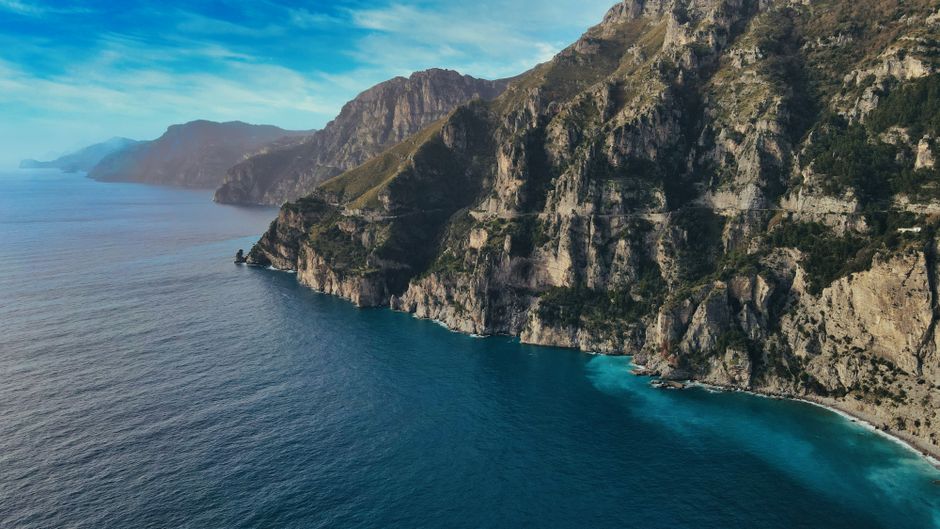
The Amalfi Coast is one of the most spectacular rides in Europe, but it is not a racetrack. The SS163 clings to cliffs, twists through villages, and demands constant attention. This Amalfi Coast motorcycle guide 2026 is built around one core principle: ride to enjoy the scenery, not to set lap times. The road is narrow, often without guardrails in the most dramatic sections, and local traffic follows rhythms that can surprise first-time visitors.
Before you twist the throttle, understand that the coast rewards patience and punishes haste. A 50-kilometer stretch can easily take two hours in summer. Plan your days around short, immersive rides rather than marathon distances. Stop often. The viewpoints are the whole point.
Your riding position matters more here than on open highways. Keep your weight centered, look through the turn, and never fixate on the cliff edge or the stone wall. Use engine braking on descents to save your brakes, especially on the long drop from Ravello down to Amalfi. Keep your head on a swivel for buses, scooters, and pedestrians who step into the road without looking.
Here are a few non-negotiable habits for this coastline:
- Always ride with your headlight on, even in daylight
- Use your horn before blind hairpins, a local custom that prevents head-on surprises
- Keep a two-second following distance from buses, which stop frequently and occupy the entire lane on corners
- Carry water and a light layer, as microclimates change between sun-soaked coves and shaded gorges
Navigating Narrow Roads and Hairpin Turns
The SS163 is famously tight, with sections barely wide enough for two small cars to pass. On a motorcycle, that narrowness is an advantage, but only if you ride predictably. Stay in the center of your lane on straight stretches, then move slightly outward before a turn to open your line of sight. Never cross the center line on blind corners; an oncoming bus will not have room to avoid you.
Hairpin turns are frequent and often off-camber. Approach them in second gear, sometimes first if the radius is extremely tight or the grade is steep. Look for the vanishing point where the two edges of the road appear to meet, and adjust your speed so that point always stays ahead of you. If you cannot see the exit, slow down until you can.
Village streets in Positano, Amalfi, and Atrani are even narrower than the main road. Some are one-way, others are shared with delivery vans and foot traffic. Fold in your mirrors if you have a wide adventure bike. Be prepared to stop and put a foot down on steep cobblestones, which can be slick after morning dew or light rain.
Dealing with Traffic and Parking
Summer traffic on the Amalfi Coast is intense, especially between 10 a.m. and 4 p.m. Buses dominate the road and have absolute priority on narrow sections. If you see a SITA bus approaching, pull into the nearest lay-by and let it pass. Do not try to squeeze alongside it on a curve. Local scooter riders will pass you at every opportunity, so check your mirrors before changing position.
Parking a motorcycle is far easier than parking a car, but it still requires care. In Positano and Amalfi, designated motorcycle spaces are scarce. Many riders park in small piazzas or at the edge of pedestrian zones, but always ask a nearby shop or bar if it is acceptable. A friendly question in Italian, or even a gesture, goes a long way.
Never park blocking a driveway, a church entrance, or a bus stop. Traffic police do issue fines, and towing is not unheard of. Secure your bike with a disc lock and a cable if you are leaving it overnight. Theft is rare but not impossible, especially in busy tourist hubs.
Weather and Road Conditions
The Amalfi Coast enjoys a Mediterranean climate, but the road surface changes quickly. In summer, heat softens asphalt patches, making them greasy. In spring and autumn, morning mist leaves shaded corners damp until midday. Ride the first hour of the day with extra caution, especially under overhanging cliffs where the sun has not reached the tarmac.
Rain is uncommon from June through September, but when it falls after a dry spell, the road becomes extremely slippery. Dust, oil, and rubber build up on the surface and turn to a slick film. If you are caught in a shower, reduce speed, avoid painted lines, and brake gently. Wait out heavy downpours in a village cafe; they rarely last long.
Rockfalls are a real hazard. Small stones and gravel wash onto the road after storms, and debris can appear on any blind bend. Scan the road surface ahead for fresh scree, especially near cliff faces. Local authorities clear major slides quickly, but smaller debris can linger for days on less-traveled stretches.
Renting or Bringing Your Motorcycle: What to Know
Deciding between renting a bike in Italy and shipping your own machine is the biggest logistical choice of your trip. For most riders, renting is simpler, cheaper, and avoids weeks of planning. But if you are on a long European tour or ride a highly customized bike, bringing your own may make sense. This Amalfi Coast motorcycle guide 2026 covers both paths so you can choose with confidence.
Rental bikes in the region tend to be small to mid-sized, which is exactly what you want on these roads. A 300cc to 700cc machine is ideal. Big touring bikes feel cumbersome in villages and offer no advantage on hairpins. If you are used to a liter bike at home, consider downsizing for this trip. You will enjoy the ride more and park far more easily.
Book your rental well in advance for summer months. Availability drops sharply from June through August, and walk-in rentals are often impossible. Reserve online with a reputable company, confirm your pickup time, and ask about helmet and gear inclusion. Some shops provide jackets and gloves, but quality varies.
Motorcycle Rental Options on the Amalfi Coast
Rental shops cluster in Sorrento, Salerno, and Naples, with a few smaller outfits in Amalfi and Positano. Sorrento is the most convenient base for a coast-focused itinerary, as it sits at the western end of the SS163 and offers easy access to the road without entering Naples traffic. Salerno works well if you plan to ride the coast from east to west.
Expect to pay between 60 and 120 euros per day for a mid-range bike in 2026, depending on season and model. Weekly rates often drop to 50 to 80 euros per day. Scooters are cheaper, starting around 35 euros per day, and are surprisingly capable for solo riders with light luggage. Most shops require a credit card deposit of 500 to 1,500 euros.
Before you ride away, photograph the bike from every angle, note existing scratches, and test the brakes, lights, and horn. Ask for a phone number to call in case of breakdown. Reputable shops include roadside assistance in the price or as a small add-on. Do not skip it; a flat tire on the coast road is a long walk from help.
Shipping Your Own Bike: Logistics and Costs
Shipping a motorcycle from North America or the UK to Italy is straightforward but not cheap. Air freight from the US East Coast to Rome or Milan typically costs 1,500 to 2,500 dollars one way. Sea freight is less expensive, often 800 to 1,500 dollars, but takes three to six weeks. From the UK, overland transport or a ferry to northern Italy is far more practical.
You will need to handle customs clearance, which a freight forwarder can manage for a fee. Budget an extra 200 to 400 euros for paperwork, port fees, and local transport from the arrival hub to your starting point. Timing is critical; ship your bike at least six weeks before your planned departure to avoid stress.
Once your bike arrives, you will ride it from the freight depot to the coast. Naples and Rome are the closest major hubs. The ride from Rome takes about three hours via the A1 and A3 motorways. From Naples, it is roughly 90 minutes to Sorrento. Both routes are straightforward but busy, so plan your arrival for daylight hours.
Insurance and Documentation Requirements
For rental bikes, basic third-party liability insurance is mandatory and included in the price. Collision damage waiver, which reduces your financial responsibility for damage to the bike, usually costs 15 to 30 euros per day. Read the excess carefully. Some policies carry a 1,000 to 2,000 euro deductible, which you can reduce to zero with a premium supplement.
You will need a valid motorcycle license from your home country. If it is not in English or Italian, carry an International Driving Permit alongside it. Your passport and a credit card in the main rider's name are also required. Some rental companies ask for a second form of ID, so bring a driver's license or national ID card.
If you bring your own bike, you need your registration document, proof of ownership, and a Green Card or equivalent proof of insurance valid in Italy. Check with your insurer before departure; many policies cover EU countries but not always non-EU riders. Carry physical copies of all documents in a waterproof pouch, as digital-only copies are not always accepted at police checks.
Where to Stay Along the Amalfi Coast for Riders
Choosing the right base transforms your Amalfi Coast motorcycle experience. The coast is not a single destination but a string of villages connected by one spectacular road. Where you sleep determines how much traffic you face each morning and how easily you can park your bike at night. This Amalfi Coast motorcycle guide 2026 recommends splitting your stay between two or three bases rather than committing to one.
Sorrento offers the most services, the best rental options, and the easiest access from Naples. Positano is stunning but chaotic and expensive, with challenging parking. Amalfi town is a good middle ground, with a working harbor and a more local feel. Salerno is affordable, practical, and often overlooked, with fast train links to Rome and Naples.
For riders, the single most important amenity is secure parking. Always confirm parking before booking. A hotel that says "parking available" may mean a public lot 500 meters away. Ask specifically: Is the parking covered? Is it gated or guarded overnight? Can I access my bike at any time? These questions save real headaches.
Motorcycle-Friendly Hotels and B&Bs
Several hotels along the coast actively welcome motorcyclists. These places offer dedicated motorcycle parking, often in a courtyard or private garage, and staff who understand riders' needs. In Sorrento, look for family-run hotels on the quieter streets behind Piazza Tasso. Many have small garages that fit two or three bikes and are happy to accommodate riders.
In Amalfi and Minori, a number of B&Bs occupy converted lemon houses with gated gardens. Parking is often inside the property, hidden from the street. These are ideal for riders who want to unload luggage directly from the bike. Breakfast is usually generous, and owners are a rich source of local road advice.
Village locations beat hillside spots for convenience. If you stay high above the coast, every ride begins and ends with a steep, narrow climb. That can be fun once, but after a long day it becomes a chore. Choose accommodation within walking distance of the main road or the village center, even if it costs slightly more.
Budget Accommodations and Camping
Budget riders have solid options, especially outside the peak summer months. In Salerno, guesthouses near the old town offer rooms from 60 euros per night, with motorcycle parking in private courtyards. In Vietri sul Mare, the eastern gateway to the coast, small B&Bs are affordable and often include a garage for bikes.
Camping is a budget-friendly choice with a unique twist: several campsites sit on terraced cliffs directly above the sea. The largest is in Marina di Praia, near Praiano, with tent pitches and small bungalows. Motorcycles can be parked next to your pitch in most cases. Book ahead in summer, as these sites fill with European campers.
Agriturismi, or farm stays, offer another excellent budget option. Many are located inland from the coast, a 15-to-30-minute ride from the sea. They provide home-cooked meals, quiet nights, and secure parking on the property. For riders who prefer peaceful mornings over immediate beach access, these are hard to beat.
Luxury Stays with Secure Parking
If budget is not a concern, the Amalfi Coast offers some of the most memorable luxury hotels in Italy. The key for riders is finding one that treats your motorcycle as a valued guest, not an inconvenience. Five-star properties in Ravello and Positano often have valet parking, but motorcycles are sometimes directed to a separate, less secure area. Clarify this before booking.
In Ravello, several historic palazzo hotels offer gated garages carved into the cliff. Your bike stays cool, dry, and out of sight, while you enjoy terraced gardens and infinity pools above the sea. The ride up to Ravello is demanding, but the reward is a level of tranquility that Positano cannot match in summer.
In Positano, Le Sirenuse and similar top-tier hotels do accommodate riders, but parking is at a premium. Expect to pay 30 to 50 euros per night for secure motorcycle parking, sometimes in a private garage a short walk from the hotel. For a truly seamless experience, choose a hotel that handles parking entirely in-house, so you simply hand over the key and relax.

Must-See Stops and Hidden Gems on Your Ride
The Amalfi Coast is not just about the road itself—it is about the places you pull over to experience. While the SS163 connects the dots, the real magic happens when you park the bike, remove your helmet, and walk into a piazza or down a hidden stairway. This section of the Amalfi Coast motorcycle guide 2026 covers the stops that make the ride unforgettable, from the famous trio to spots most tourists never see.
Plan your stops strategically. Parking a motorcycle is far easier than parking a car, but in high season even scooter spaces fill up fast. Arrive in Positano or Amalfi before 10:00 AM, or after 4:00 PM, to avoid the worst crowding. Carry coins for metered parking, and never leave your helmet unsecured on the bike—use a cable lock or take it with you.
Distances are short but time is deceptive. A stop that looks like a quick photo can easily turn into an hour of wandering. Budget at least three full days if you want to see the highlights and still have time for swimming and long lunches. Rushing the Amalfi Coast defeats the purpose of riding it.
Positano, Amalfi, and Ravello: The Iconic Trio
Positano is the postcard image of the coast, with pastel houses tumbling toward a pebble beach. Riding in from the west gives you the famous panoramic view from the roadside pullout just before the descent. Stop there first, because parking inside Positano is limited and expensive. Walk down through the pedestrian lanes lined with linen shops and lemon ceramic studios, then cool off with a granita at the beach. The climb back up is steep—save energy for it.
Amalfi feels different: more historic, more grounded, and centered around the grand Duomo di Sant'Andrea with its striking Arab-Norman facade. Park near the port and walk into the old paper mill district, where handmade paper has been produced for centuries. The Chiostro del Paradiso next to the cathedral is a quiet, cool escape from the midday heat. Amalfi is also a good spot to refuel both the bike and yourself, with several reliable restaurants just off the main square.
Ravello sits high above the coast, reached by a series of tight switchbacks from Amalfi. The ride up is a highlight in itself, with views opening up at every hairpin. Once there, visit Villa Rufolo or Villa Cimbrone—both have gardens that overlook the sea from dizzying heights. Ravello is quieter than the coastal towns, and an overnight stay here feels like a different world. If you only have time for one viewpoint on the entire coast, make it the Terrace of Infinity at Villa Cimbrone.
Off-the-Beaten-Path Villages and Viewpoints
Furore is easy to miss because it hides in a deep gorge that cuts down to a tiny fjord. The bridge over the gorge offers a dramatic photo, and the small beach below is accessible by steps. Furore is often called the painted village because of the murals scattered across its houses. It is a quick stop but unlike anything else on the coast.
Atrani, just around the corner from Amalfi, is the smallest municipality in southern Italy. Its compact piazza and narrow alleys feel untouched by mass tourism. Park at the edge and walk in on foot—the village is best explored slowly, without a destination. Nearby, the viewpoint from the cemetery above Atrani offers one of the most photographed panoramas of the coast.
For a true escape, head up to Tramonti, inland from Maiori. This area is green, cool, and full of vineyards and family-run trattorias. The road winds through chestnut forests and past terraced farms. Stop at a winery for a tasting of local Tintore grapes, something very few coastal visitors ever do. The ride back down toward the sea is a reward all on its own.
Beach Breaks and Swimming Spots
The Amalfi Coast has few sandy beaches—most are pebbles, but the water is impossibly clear. Bring water shoes, as the stones can be sharp and hot. The best swimming stops combine easy access, clean water, and a place to lock your gear.
Marina di Praia is a small cove tucked between cliffs near Praiano, popular with locals and far less crowded than Positano. There is a small beach club and a casual restaurant right on the water. The cove is sheltered, making it a good choice on windy days. Arrive early to claim a spot on the narrow strip of sand and pebbles.
Further east, the beach at Erchie near Cetara offers a more local feel. The village is tiny, with a few excellent seafood spots serving anchovies and tuna caught the same morning. The beach is small but rarely packed. For a truly hidden swim, look for the steps leading down to the water just west of Conca dei Marini, near the natural arch. You may have the rocks to yourself.
Packing List and Gear Recommendations for 2026
Packing for a motorcycle trip on the Amalfi Coast means preparing for heat, sudden rain, and steep terrain. The coast has its own microclimate, and conditions can change between morning and afternoon. This Amalfi Coast motorcycle guide 2026 section focuses on gear that keeps you safe, comfortable, and ready for anything without overloading the bike.
Space is limited on a motorcycle, so choose items that serve more than one purpose. A lightweight dry bag works as a backpack, beach bag, and waterproof storage. A microfiber towel dries fast and packs small. Every item should earn its place on the bike. If you are renting a motorcycle in Italy, ask whether helmets and luggage are included—many rental shops offer top cases or soft panniers for a small fee.
Remember that the coast demands frequent stops, so you will be on and off the bike constantly. Gear that is easy to remove and carry makes the day smoother. Avoid heavy, bulky jackets in summer, but do not sacrifice protection. The right layering system lets you adapt without carrying excess weight.
Riding Gear for All Weather
A vented textile jacket with CE-rated armor is the best all-around choice for the Amalfi Coast. It breathes in the heat but still protects your elbows, shoulders, and back. Look for a model with a removable waterproof liner rather than carrying a separate rain jacket. Temperatures in summer often exceed 30°C, so ventilation matters as much as protection.
Bring lightweight riding gloves with good palm protection, plus a spare pair in case one gets soaked. Your hands take the brunt of sun exposure, and sweaty palms make throttle control harder. A neck tube or bandana is essential—soak it in water at a fountain and wear it around your neck to stay cool. For your lower body, armored riding jeans are comfortable for walking around towns and offer decent slide protection.
Pack a compact rain suit even in July and August. Thunderstorms can roll in quickly, especially in the afternoon, and the roads become slick. A bright-colored rain jacket also improves visibility when the weather turns gray. Waterproof boot covers are small enough to fit under your seat and keep your feet dry during sudden downpours.
Navigation and Communication Tools
Phone signal on the coast is generally good, but there are dead zones in gorges and tunnels. Download offline maps of the entire Amalfi Coast and Sorrento Peninsula before you leave. Google Maps works offline, but apps like Maps.me or Organic Maps often handle small walking paths and stairways better.
A handlebar phone mount with vibration dampening is worth the investment. The cobblestone streets and rough patches can destroy a phone camera’s stabilizer without it. Use a Bluetooth headset in your helmet for turn-by-turn directions, so you keep your eyes on the road. This is especially useful when navigating the tight switchbacks, where glancing at a screen is dangerous.
Carry a small power bank and a charging cable that reaches from your tank bag to your phone. Navigation drains batteries quickly, and you do not want to be stranded without maps. If you are traveling with other riders, a simple intercom system makes it far easier to coordinate stops and warn about oncoming buses in blind corners.
Emergency Kit and Spare Parts
A compact tool kit with the basics—hex keys, screwdrivers, a small adjustable wrench, and a tire pressure gauge—covers most minor issues. Check what your rental or personal bike includes before you go. Many European rentals include a basic kit under the seat, but it is often minimal.
Carry a tire repair kit with CO2 cartridges or a mini compressor. A puncture on the coast road means either fixing it yourself or waiting hours for assistance. Know how to use the kit before you leave home. Zip ties, duct tape, and a small roll of electrical tape solve more problems than you would expect and weigh almost nothing.
Pack a small first aid kit with blister plasters, antiseptic wipes, painkillers, and any personal medication. Pharmacies are available in larger towns, but hours are limited and you may be far from one when you need it. Include a compact emergency blanket—it takes up no space and is invaluable if you are stuck waiting for help on a cool evening.
Final Thoughts: Making the Most of Your Amalfi Coast Motorcycle Adventure
The Amalfi Coast rewards riders who slow down. It is not a place to chase lap times or tick off miles. The road demands your attention, but the real payoff comes when you stop, breathe, and let the place settle in. A motorcycle gives you something no car or bus can: the ability to pause at a viewpoint, squeeze into a tiny parking spot in Atrani, or simply smell the lemon blossoms as you climb toward Ravello. This Amalfi Coast motorcycle guide 2026 is built around that idea—ride less, experience more.
Plan your days with room to wander. The coast has a way of changing your plans, whether it is a sudden swim at Marina di Praia or a long lunch that turns into an afternoon of conversation. Leave space for those moments. Book your key accommodations in advance, especially in peak season, but keep your daily itinerary loose. The best memories from this coast rarely come from a checklist.
Respect the road and the people who live along it. Ride defensively around blind corners, be patient with buses, and keep noise levels reasonable in the villages. The Amalfi Coast is a living place, not a theme park, and the warmth of its people is part of what makes it special. A friendly wave and a little patience go a long way.
As you pack your gear and study the maps, remember why you chose two wheels. The Amalfi Coast is one of the world’s great riding destinations not because it is fast or technical, but because it is beautiful, challenging, and deeply human. Take your time, stay curious, and let the coast reveal itself to you one curve at a time. By the time you reach the end of the road, you will already be planning your return.
Gear for this trip
As an Amazon Associate I earn from qualifying purchases.


No comments:
Post a Comment