
In This Article
- Getting to Know Palma de Mallorca in 2026: What Makes It Special
- Best Time to Visit Palma de Mallorca in 2026: Month-by-Month Breakdown
- Top Attractions and Must-See Sights in Palma
- The Best Beaches Near Palma: From City Shores to Secret Coves
- Foodie’s Guide to Palma de Mallorca: What and Where to Eat in 2026
- Where to Stay in Palma: Neighborhood and Accommodation Guide
- Getting Around Palma and Beyond: Transport Tips for 2026
- Final Thoughts: Making Your 2026 Palma de Mallorca Trip Truly Unforgettable
Getting to Know Palma de Mallorca in 2026: What Makes It Special
Palma de Mallorca is far more than just a gateway to the Balearic Islands' famous beaches. It is a living, breathing Mediterranean capital where centuries-old courtyards hide behind modern boutiques, where the scent of fresh ensaimadas drifts from traditional bakeries, and where a glittering superyacht marina sits in the shadow of a Gothic cathedral. In 2026, the city has refined its balance between preserving its deep-rooted heritage and offering world-class contemporary experiences, making it one of Europe's most compelling urban-island hybrids. Whether you arrive for a weekend city break or use it as a base for a longer Mallorcan adventure, Palma delivers a sophistication that surprises even seasoned travelers.
The city unfolds in layers. The historic old town, with its labyrinthine cobbled streets, reveals Arab baths and medieval churches. The vibrant Santa Catalina neighborhood buzzes with market-fresh food and lively tapas bars. Meanwhile, the sweeping Paseo Marítimo invites long walks along the waterfront, with the azure Mediterranean stretching toward the horizon. This Palma de Mallorca travel guide 2026 will help you peel back those layers to find the authentic heart of the island's capital, beyond the obvious postcard views.
A Mediterranean Gem: Culture, Coastline, and Character
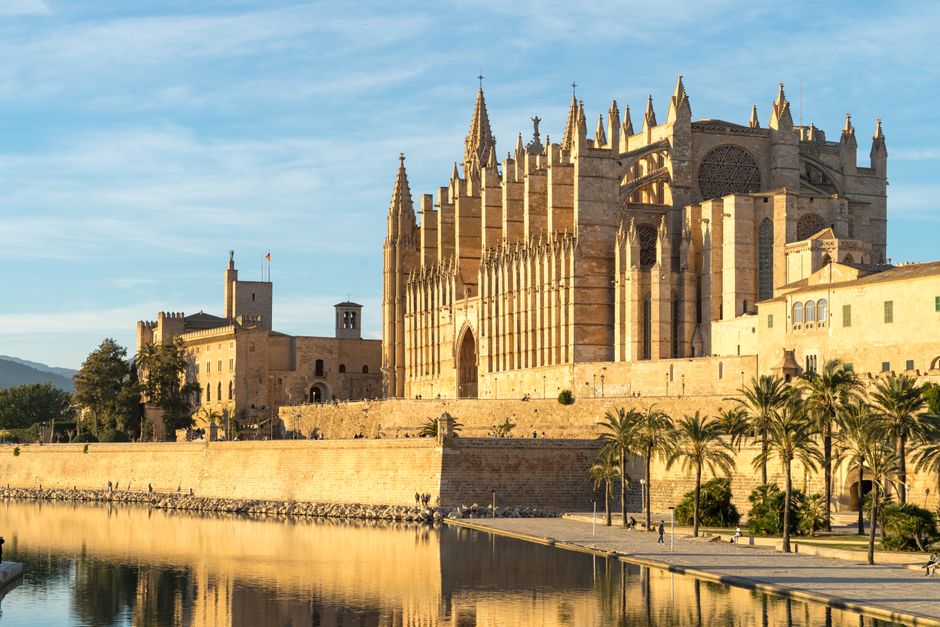
Palma's cultural crown jewel is La Seu, the magnificent sandstone cathedral that dominates the bay. Its flying buttresses and one of the world's largest rose windows create an almost supernatural interior light, especially during the early morning when the sunrise projects a kaleidoscope of colors onto the stone walls. Right next door, the Almudaina Palace stands as a testament to the island's Moorish past, later transformed by Christian kings into a fortress of elegant courtyards and tapestries. For a deeper dive into the artistic soul of the city, the Es Baluard Museum of Modern and Contemporary Art offers not only a stellar collection of Balearic artists but also a terrace with one of the best panoramic views in town.
Yet Palma's character is not locked away in museums. It spills onto the streets. The coastline shapes daily life here. A short stroll from the cathedral brings you to the Parc de la Mar, a saltwater lake reflecting the cathedral's spires, where locals gather to picnic and children splash in the shallows. Further east, the newly revitalized Portixol district has transformed old fishermen's houses into chic waterfront eateries where you can dine with your toes practically in the sand. This seamless blend of high culture and laid-back coastal living defines Palma's unique magnetism, offering a city break that doesn't force you to choose between urban energy and beach relaxation.
Why 2026 is the Perfect Year to Visit
Choosing 2026 for your Palma escape means timing your visit with a city that has fully embraced sustainable tourism without sacrificing its celebratory spirit. The local government has recently expanded its pedestrian-only zones in the old town, making this year the most walkable yet. Entire streets that once buzzed with traffic are now filled with café terraces and artisan shops. This creates a far more tranquil atmosphere for exploring the historic core. Furthermore, 2026 marks the completion of several key hotel renovations, meaning the accommodation scene is fresher than ever, with historic palaces converted into boutique stays offering brand-new amenities. The cultural calendar is also packed, with the annual Nit de l'Art in September promising an even larger collective of open galleries and street performances. Visiting now means experiencing Palma at its most polished, accessible, and vibrant.
Palma vs. the Rest of Mallorca: Where to Base Yourself
A critical decision for any Mallorca trip is whether to stay in the capital or base yourself in the countryside or a coastal resort. Palma offers an entirely different rhythm. Unlike the quiet, early-to-bed villages in the Tramuntana mountains or the all-inclusive enclaves of Magaluf, Palma pulses with cosmopolitan energy late into the night. Here, you trade a rental car's dependency for walkability. You swap isolated mountain views for rooftop bars overlooking the marina. Basing yourself in Palma means you have immediate access to dozens of authentic restaurants without needing a designated driver, and you can explore the historic sites on foot each morning before the day-trippers arrive. However, it's not an either/or proposition. The island is compact, and Palma's central location makes it an incredibly efficient hub. You can spend your morning hiking in the Serra de Tramuntana, a UNESCO World Heritage site just 20 minutes away by car, and be back in time for a sunset aperitivo in the Santa Catalina district. If you crave a trip filled with art, architecture, fine dining, and nightlife, but still want the option of a beach day, staying in Palma is the strategic choice that delivers the best of all worlds.
Quick Facts: Language, Currency, and Local Customs
Navigating Palma is straightforward, but knowing a few local nuances goes a long way. The official languages are Spanish and Mallorquín, a dialect of Catalan. You will see street signs in Catalan, but almost everyone in the service industry speaks fluent English. The currency is the Euro, and while card payments are universally accepted in the city, carrying a small amount of cash is useful for the traditional markets like Mercat de l'Olivar. A key local custom to respect is the late eating schedule. Lunch typically starts around 1:30 PM and can stretch to 3:30 PM, while dinner rarely begins before 8:30 PM, with many locals sitting down at 9:30 PM. Tipping is not obligatory but is appreciated; leaving 5-10% at a restaurant for exceptional service is standard practice for visitors in 2026. Lastly, embrace the siesta. Many smaller boutiques and family-run shops will shutter between 2:00 PM and 5:00 PM, a rhythm that encourages you to slow down and adopt the island's famously relaxed pace.
Best Time to Visit Palma de Mallorca in 2026: Month-by-Month Breakdown
Timing is everything when crafting the perfect island escape. The beauty of Palma is that it offers a genuinely distinct flavor in every season. Unlike purely resort-driven destinations that shutter completely in winter, Palma is a real, working city that thrives year-round. Your ideal travel window depends entirely on the type of experience you crave: buzzing beach clubs and festival chaos, peaceful cultural immersion, or crisp sunny days perfect for hiking and cozy dining. This Palma de Mallorca travel guide 2026 breaks down the year into three distinct seasons to help you pinpoint your perfect travel dates, balancing weather expectations with the local event calendar.
While the classic Mediterranean climate guarantees hot summers and mild winters, each month in 2026 carries its own unique energy. From the explosion of almond blossoms in January to the Christmas markets in December, the city's calendar is packed with reasons to visit beyond just the thermometer reading. Let's explore what each season truly feels like on the ground, so you can align your visit with your personal travel style.
Peak Season (June–August): Sun, Crowds, and Festivals
The summer months transform Palma into a sun-drenched playground. By June, the weather has settled into a reliable pattern of cloudless skies and temperatures hovering between 28°C and 32°C (82°F to 90°F). The sea is finally warm enough for long swims, and the entire coastline comes alive. This is the season for embracing the city's outdoor lifestyle. You'll want to book beach clubs like Anima Beach Club or Balneario Illetas weeks in advance, as their Balinese beds become prime real estate. The energy is electric; the Paseo Marítimo hums from morning jogs until the late-night club crowds spill out at dawn.
However, this vibrancy comes with intense crowds and premium pricing. The historic old town can feel congested, and securing a table at trendy rooftop bars like the one at Hotel Almudaina requires patience and planning. The standout event during this peak is the Revetlla de Sant Joan on June 23rd, a magical midsummer solstice celebration where bonfires dot the coastline and locals gather on the beaches for midnight swims and fireworks. July brings the Can Melis jazz festival, offering open-air concerts in picturesque courtyards. By August, the city is at its hottest and most crowded, and many locals escape the heat, but the cultural highlight is the Festa de l'Estendard, commemorating the reconquest of Mallorca. If you visit during this period, plan your sightseeing for early mornings before 10:00 AM, book every dinner reservation far ahead, and budget significantly more for flights and four-star hotels, which can easily double in price compared to the off-season.
Shoulder Seasons (April–May, September–October): The Sweet Spot
For the vast majority of travelers, the shoulder seasons deliver the most magical version of Palma. In April and May, the island literally blooms. The weather is gloriously warm without being oppressive, with daytime highs comfortably sitting between 20°C and 25°C (68°F to 77°F). You can hike up to Bellver Castle at noon without melting, and the beaches are serene and uncrowded. The light during these months is a photographer's dream: soft, golden, and perfect for capturing the cathedral without the harsh summer glare. The sea in May might still be a bit bracing for some, but it's perfectly refreshing for a quick dip. The Oliva Art Fair in April and the vibrant street parties of Sant Sebastià (if it extends late into January) set a cultural tone, but the real joy is simply sitting at a sunny plaza without jostling for space.
September and October are arguably even more spectacular. The Mediterranean Sea retains all its summer warmth, often reaching 25°C, making September one of the best swimming months of the year. The tourist crowds thin significantly once the school holidays end in early September, yet the city is far from sleepy. This is harvest season, and the local markets overflow with figs, mushrooms, and the first pressings of olive oil. The Nit de l'Art transforms the entire city into a giant gallery hop on a balmy September night. By October, you might catch a dramatic thunderstorm rolling over the bay, but the majority of days remain sunny and warm enough for al fresco dining at lunch. It's the perfect window for cycling, vineyard tours, and exploring the Serra de Tramuntana without the summer traffic. Hotel prices drop by 30-40% from their August peak, giving you access to luxury boutique hotels in the Old Town at a far more gentle price point. In this Palma de Mallorca travel guide 2026, we consider the shoulder season the undisputed champion for a balanced island escape.
Off-Season (November–March): Mild Weather and Authentic Local Life
Visiting Palma in the off-season is a completely different, yet equally enriching, experience. You trade beach days for cultural depth. The weather is mild by northern European standards, with daytime temperatures often hovering between 10°C and 16°C (50°F to 61°F). You will need a proper coat for the evenings, but sunny afternoons are frequently warm enough to shed layers and enjoy a cortado at a street-side terrace. The real gift of this season is space. You can stand alone beneath the giant rose window of La Seu, wander the Arab Baths in solitude, and have the cobbled lanes of the Jewish Quarter almost entirely to yourself.
January is particularly special, not only for the Sant Sebastià festival with its fire runs and live music, but also for the breathtaking sight of almond trees bursting into white and pink blossom across the countryside, a surreal preview of spring while the rest of Europe shivers. February brings the Carnival, a riot of color and costumes before the solemnity of Lent. March sees the city slowly waking up, with the Balearic Symphony Orchestra season in full swing and the first hints of spring warmth. This is when Palma feels most authentic. The tapas bars of Santa Catalina are filled with locals, not tourists. The Mercat de l'Olivar is a hive of daily life rather than a photo opportunity. You'll find amazing deals on flights and accommodation, but be aware that some beach-centric businesses and smaller boutique hotels might close for a few weeks in January or February for renovations. The key to a successful off-season trip is to embrace the slow, cultural rhythm: sleep in, take a long lunch, visit a museum, and end the day in a cozy wine bar. It's a deeply romantic and budget-friendly way to experience the island's capital.

Top Attractions and Must-See Sights in Palma
Palma is a city that wears its history beautifully, layering centuries of culture beneath a sun-drenched Mediterranean veneer. As you plan your visit using this Palma de Mallorca travel guide 2026, you'll find the capital is compact enough to explore on foot yet dense with world-class landmarks. From Gothic masterpieces to avant-garde galleries, the hardest choice is deciding where to start your day.
La Seu Cathedral: Gothic Grandeur by the Sea
Le Seu, as locals call it, is not just Palma's most iconic landmark—it's a breathtaking dialogue between medieval ambition and modern artistic intervention. Construction began in 1229 on the site of a former mosque, and the sandstone masterpiece took over 400 years to complete. Its flying buttresses and towering spires dominate the waterfront, but it's the interior that truly stuns visitors.
The rose window is one of the world's largest in Gothic architecture, flooding the nave with kaleidoscopic light during early morning hours. Antoni Gaudí contributed to renovations between 1904 and 1914, reimagining the choir stalls and introducing electric lighting. Later, contemporary artist Miquel Barceló transformed the Chapel of the Holy Sacrament with a ceramic mural depicting the miracle of loaves and fishes, a striking contrast of modern clay forms against ancient stone. Visit on a sunny morning when sunlight streams through the eastern windows, painting columns in jewel tones. Tickets are best booked online ahead of time, especially during peak summer months when entry slots sell out by midday.
Royal Palace of La Almudaina: History with a View
Directly opposite the cathedral, the Royal Palace of La Almudaina stands as a testament to Mallorca's layered past. Originally an Islamic fortress, it was converted into a residence for the Kings of Mallorca in the 14th century. Today it remains an official royal residence, used by the Spanish royal family during summer visits. Inside, you'll wander through grand halls adorned with Flemish tapestries, period furniture, and intricate Mudéjar ceilings. The Gothic chapel and Arab baths beneath the palace reveal the cultural crossroads that define the island. Step outside to the gardens and you're rewarded with sweeping views of the bay, with yachts bobbing in the marina below and sea breezes carrying the scent of salt and cypress. The juxtaposition of fortified severity and delicate courtyards makes this a genuinely enriching stop.
Bellver Castle: A Unique Circular Fortress
Few castles in Europe are perfectly round, which makes Bellver Castle an architectural curiosity worth the short uphill journey from the city center. Built in the early 1300s for King James II, its design prioritizes both defense and aesthetics, with a central courtyard ringed by two levels of Gothic arcades. The panoramic terrace offers the best vantage point in Palma, a 360-degree sweep encompassing the cathedral, the bustling port, and the Tramuntana mountains. Inside, the city history museum traces Mallorca's evolution from prehistoric settlements through the modern era. The surrounding pine forest provides shaded walking paths, making this an excellent morning excursion before the midday heat intensifies. Bus number 2 from Plaça d'Espanya drops you a short walk from the entrance.
Es Baluard Museum of Modern Art
Housed within the 16th-century Sant Pere bastion, Es Baluard bridges Palma's fortified past with a decidedly contemporary present. The collection focuses on Balearic artists alongside major names like Picasso, Miró, and Barceló. Sunlit galleries open onto terraces where sculptures frame sea views, and the minimalist architecture respects the original stone walls while introducing light-filled exhibition spaces. Even if modern art isn't your primary interest, the rooftop café and the museum shop featuring local artisan products make it a worthwhile cultural pause.
Wandering the Old Town: Plaça Major, Arab Baths, and Hidden Courtyards
Palma's old town is a labyrinth of narrow cobblestone lanes, wrought-iron balconies, and secret patios that reward aimless exploration. Start at Plaça Major, the city's central square lined with arcaded buildings and lively cafés. From there, duck into the maze of streets leading toward the cathedral quarter. The Arab Baths are a quiet treasure tucked away on Carrer de Serra; these 10th-century hammams feature a domed ceiling with star-shaped skylights and a small garden of ferns and citrus trees. It's understated but evocative, a whisper of the city's Moorish era.
Keep your eyes peeled for heavy wooden doors left slightly ajar, revealing patios bursting with bougainvillea and the sound of trickling fountains. Carrer de Sant Feliu and Carrer de l'Argenteria are particularly rich in these glimpses of private life. In the afternoon, pause at a traditional pastry shop for a freshly baked ensaimada, then continue toward the Passeig des Born, where the old town unfolds into a grand tree-lined boulevard. Comfortable shoes are non-negotiable—the polished limestone streets are beautiful but unforgiving after hours of walking.
The Best Beaches Near Palma: From City Shores to Secret Coves
One of the greatest advantages of basing yourself in the capital is the sheer variety of beaches within easy reach. Whether you want a quick dip between sightseeing stops or a full day of castaway-style relaxation, this Palma de Mallorca travel guide 2026 covers the shoreline options that suit every pace and preference. The Mediterranean here is warm, clear, and generally calm, making it ideal for swimming from late May through October.
Playa de Palma and Ca'n Pere Antoni: Urban Beach Vibes
Playa de Palma stretches for nearly 5 kilometers east of the city center, a long ribbon of golden sand backed by a lively promenade packed with restaurants, beach clubs, and shops. It's easily reached by bus from the city in about 20 minutes, making it the go-to choice for travelers staying in Palma without a car. The beach is wide, the water shallow, and facilities are excellent—expect sunbed rentals, showers, and volleyball nets. Families appreciate the gentle slope into the sea, while groups gravitate toward the buzzing Balneario zones where music and cocktails flow all afternoon.
For something even closer to the old town, Ca'n Pere Antoni sits just east of the cathedral, a small city beach where you can literally stroll from sightseeing into the sea. It's narrower and more intimate than Playa de Palma, with the cathedral's silhouette rising behind you as you swim. A stylish beach bar serves cold drinks and tapas, and the crowd is an appealing mix of locals and in-the-know visitors. Arrive early in peak summer, as space fills quickly. Both beaches fly Blue Flags, ensuring clean water and well-maintained amenities. For a quieter stretch on Playa de Palma, walk past the main clusters toward S'Arenal—the further you go, the more breathing room you'll find.
Cala Major: A Royal Favorite Just Minutes from the Center
Cala Major is the closest proper cove to Palma's center, a sheltered bay framed by low cliffs and dotted with whitewashed buildings. King Juan Carlos I famously summered here at the Marivent Palace, cementing the area's reputation as a royal retreat. Today the beach is public and welcoming, with fine golden sand and calm, turquoise water ideal for leisurely swims. The surrounding neighborhood has a slightly retro charm, with ice cream kiosks, seafood terraces, and a promenade perfect for sunset strolls. Bus number 4 from the city center runs frequently, and the ride takes barely 15 minutes. While the beach itself is modest in size, its convenience and clear water make it a favorite for a quick morning dip before returning to urban exploration. The rocky outcrops on either side provide excellent snorkeling spots where you'll spot small fish darting among the posidonia seagrass.
Illetas and Cala Comtesa: Crystal-Clear Waters and Pine-Fringed Bays
A short drive west of Palma, Illetas delivers a trio of small coves with Caribbean-esque clarity. The main beach is popular and well-equipped, but the real gems are Cala Comtesa and Cala Xinxell, tucked behind pine groves and low sandstone cliffs. The water here is extraordinarily clear, shifting from pale aquamarine near the shore to deep sapphire further out. Pines provide natural shade, and the rocky seabed makes for rewarding snorkeling. Illetas is accessible by bus in about 25 minutes from Palma, and the area feels more exclusive than the city beaches without being pretentious. Pack a picnic and water shoes for the rocky entry, and plan to spend a full afternoon floating in water so still and transparent you can count the pebbles on the bottom.
Day Trip Worthy: Es Trenc and Cala Mondragó
If you're willing to venture further, two beaches justify the journey entirely. Es Trenc, about an hour's drive southeast, is Mallorca's last great undeveloped beach—nearly 3 kilometers of powdery white sand backed by protected dunes and salt flats. The shallow water extends far out, creating a natural wading pool effect. Cala Mondragó, within a protected natural park, offers two exquisite sandy coves separated by rocky headlands, with gentle walking trails connecting them. Both beaches lack major development, so bring water, snacks, and shade. A rental car provides the easiest access, though seasonal buses run from Palma. The effort is rewarded with a pristine coastal experience that feels worlds away from the capital's bustle.
Foodie's Guide to Palma de Mallorca: What and Where to Eat in 2026
Palma's dining scene has evolved into one of the Mediterranean's most exciting culinary destinations, where centuries-old recipes coexist with Michelin-starred innovation. Eating here means embracing both rustic traditions and contemporary flair, often within the same meal. This Palma de Mallorca travel guide 2026 steers you through the essentials, from market stalls to tasting menus.
Must-Try Traditional Mallorcan Dishes
Mallorcan cuisine is hearty, honest, and deeply rooted in the island's agricultural heritage. Start with pa amb oli, the quintessential snack of rustic bread rubbed with ripe tomato and garlic, drizzled with local olive oil, and topped with cheese or cured ham. Tumbet is a vegetable lover's dream—layers of fried eggplant, potato, and red bell pepper baked in tomato sauce, often served as a side to meat or fish. For something deeply comforting, seek out frito mallorquín, a fry-up of lamb offal, potatoes, onions, and fennel that farm workers traditionally prepared after harvest. Soups are taken seriously here; sopa mallorquina is a thin vegetable and bread soup enriched with cabbage and sometimes pork. In cooler months, a steaming bowl in a family-run restaurant feels like the island in a dish. Finally, arròs brut, meaning "dirty rice," is a richly spiced broth with rice, rabbit, and vegetables that belies its humble name with deep, complex flavor.
The Best Tapas Bars and Local Bodegas
Palma's tapas culture blends Spanish tradition with Mallorcan personality. The Santa Catalina neighborhood, once the fishermen's quarter, is now the undisputed tapas capital. Carrer de Sant Magí and its surrounding streets hum with energy each evening as friends gather around wine barrels repurposed as tables. Bar Coto and La Bóveda are institutions where the counter displays glistening seafood, stuffed peppers, and tortilla de patatas. Order a glass of crisp white from the Binissalem region and point at what looks good—it's that simple.
For a more polished experience, the old town harbors bodegas where locals linger over vermouth and anchovies. Taberna de la Bóveda pairs local wines with grilled octopus and pimientos de padrón. Don't overlook vermuterías, casual bars specializing in house-made vermouth served over ice with an olive and a slice of orange. The ritual of a pre-lunch vermut is practically a civic duty here. Most tapas bars open around 8 p.m. and get genuinely busy by 9:30, so arrive early or embrace the standing-room-only atmosphere. In 2026, reservations are increasingly recommended for the most popular spots.
Mercat de l'Olivar: A Feast for the Senses
No food-focused visit to Palma is complete without a morning at Mercat de l'Olivar, the city's main covered market. Under soaring iron-and-glass ceilings, vendors hawk glistening Mediterranean fish, ruby-red tomatoes, and wheels of Mahón cheese. The seafood section is spectacular—turbot, red shrimp, and octopus laid out on ice, much of it caught hours earlier. Upstairs, several small bars cook what the stalls below sell, making it an ideal spot for an impromptu seafood lunch. Grab a stool at El Ancla for grilled razor clams and a glass of Albariño while watching the market bustle below. The produce section overflows with local almonds, olives, and seasonal fruits. Even if you don't cook, the market offers a vivid snapshot of island life and the raw ingredients underpinning Mallorcan cuisine.
Seafood, Sobrasada, and Ensaimadas: A Culinary Tour
Mallorca's larder extends far beyond standard Mediterranean fare, shaped by centuries of trade and isolation. Sobrasada is the island's most famous product, a soft, spreadable cured sausage tinted deep red with paprika and eaten on bread or melted into stews. It's intensely savory with a lingering warmth, utterly unlike any charcuterie from the mainland. Seafood naturally dominates coastal menus; grilled squid, salt-baked sea bass, and the tiny, sweet red shrimp from nearby Sóller are local specialties worth seeking out.
For a sweet finish, the ensaimada reigns supreme—a coiled pastry made from flour, water, sugar, eggs, and pork lard, creating impossibly light, buttery layers. The plain version is a breakfast staple, but you'll also find them filled with angel hair pumpkin jam or cream. Bakeries like Forn des Teatre and Horno Santo Cristo have been perfecting their recipes for generations. Pair a slice with a café con leche at a sunny plaza table and you've experienced one of the island's simplest, most profound pleasures.
Top Restaurants for Every Budget
Palma caters to all wallets without sacrificing quality. For affordable bites, Bar Espanya near the cathedral serves excellent tapas and grilled seafood at honest prices. Mid-range standouts include Marc Fosh, where the lunch menu brings Michelin-starred cooking within reach. At the high end, Adrián Quetglas blends Mallorcan ingredients with global technique in a tasting menu format that represents the island's 2026 culinary ambition. Book well ahead for these top-tier tables, especially during summer.
Where to Stay in Palma: Neighborhood and Accommodation Guide
Choosing the right base is the secret ingredient to any perfect island escape. Palma is a city of distinct barrios, each offering a completely different rhythm of life. Whether you dream of waking up in a centuries-old stone building or falling asleep to the sound of waves, this Palma de Mallorca travel guide 2026 breaks down the neighborhoods that will define your stay. Accommodation in 2026 continues to evolve, with historic palaces transformed into boutique hotels and a growing emphasis on sustainable, design-led guesthouses.
Old Town (Casco Antiguo): Charm, History, and Proximity
Staying in the Old Town places you inside a living postcard. This is a labyrinth of narrow, cobbled lanes where wrought-iron balconies overflow with geraniums and the scent of fresh ensaimadas drifts from hidden bakeries. You are steps from La Seu Cathedral, the Almudaina Palace, and the bustling Plaça Major. Accommodation here leans toward the romantic, with boutique hotels tucked inside meticulously restored 16th and 17th-century manor houses.
Expect original stone archways, internal courtyards with trickling fountains, and rooftop terraces offering views across the terracotta rooftops to the sea. It is a pedestrian-first area, so you will be walking everywhere, which is exactly the point. The trade-off is that nights can be lively, especially on streets with ground-floor tapas bars. Request a room facing the interior courtyard if you are a light sleeper. For 2026, look out for small luxury pads that have incorporated smart-home tech discreetly into their ancient walls, blending medieval charm with modern comfort. Parking is nearly impossible here, so do not bring a rental car into this district.
Santa Catalina: The Trendy Foodie Hub
Once a fishermen’s quarter, Santa Catalina has transformed into Palma’s most dynamic and effortlessly cool neighborhood. The beating heart is its covered market, where you can start your morning with a café con leche at a standing bar and browse stalls piled high with local produce. By day, the streets are lined with bohemian boutiques and vintage stores, and by night, the area explodes with culinary energy.
This is the epicenter of Palma’s modern dining scene, with a dense concentration of innovative tapas bars, natural wine shops, and international fusion restaurants. Accommodation options are mostly stylish apartments and small, design-focused guesthouses. Staying here puts you within a 15-minute walk of the historic center, but the vibe is distinctly local and unpretentious. For a 2026 stay, look for a renovated flat with a balcony overlooking the pedestrianized streets, giving you a front-row seat to the district’s electric evening paseo.
Paseo Marítimo: Sea Views and Nightlife
The wide avenue skirting the harbor is the place to be for sweeping Mediterranean vistas and a high-energy atmosphere. Staying along the Paseo Marítimo means you are booking a room with a view, gazing out over the mega-yachts and the glittering Bay of Palma. This strip is flanked by modern hotels, many with infinity pools that seem to spill directly into the sea.
It is an excellent choice if convenience and nightlife are priorities, as many of Palma’s famous clubs and late-night bars are located right here. However, this comes with a soundtrack of traffic and music that continues into the early hours. This is not the neighborhood for a quiet, sleepy retreat. Instead, it is ideal for travelers wanting a sleek, resort-style stay with instant access to the city’s after-dark scene. In 2026, several hotels here have completed rooftop renovations, adding sophisticated cocktail bars that capitalize on those priceless sunset views.
Portixol and Molinar: Laid-Back Seaside Living
Just a breezy 20-minute coastal stroll or a short bike ride from the cathedral, Portixol and its quieter neighbor El Molinar feel like a totally separate seaside village. This is the old fishing harbor reimagined as a laid-back, upscale coastal strip. The bay is dotted with small sandy coves and lidos where you can swim directly in the sea before drying off over a long lunch at a waterfront chiringuito.
Accommodation here is dominated by small, whitewashed boutique hotels and private villas that channel a cool, minimalist Ibiza-meets-Mallorca aesthetic. The vibe is horizontal; days are spent cycling along the promenade, paddleboarding on calm water, and eating grilled sardines with your feet practically in the sand. It is ideal for couples seeking a romantic but relaxed alternative to the intensity of the city center. In 2026, this area remains the top pick for those wanting a beach holiday with city access, combining the best of both worlds without needing a car.
Getting Around Palma and Beyond: Transport Tips for 2026
Navigating Mallorca has never been smoother, but knowing the right mode of transport for each scenario will save you time and money. This section of our Palma de Mallorca travel guide 2026 focuses on seamless mobility, from the moment your wheels touch the tarmac to your day trip into the Tramuntana mountains. The island’s infrastructure has seen smart upgrades for 2026, with a push toward electric vehicle rentals and improved digital ticketing across the public network.
Arriving by Air: Palma de Mallorca Airport (PMI) Essentials
Palma de Mallorca Airport is the third busiest in Spain, and it operates with surprising efficiency. In 2026, the airport has fully streamlined its summer arrival process with expanded biometric e-gates for EU passport holders. Once you collect your luggage, you have a few solid options for the 10-kilometer journey into the city. The frequent A1 and A2 airport buses are the budget-friendly workhorses, departing every 15 to 20 minutes and dropping you at Plaça d'Espanya in about 25 minutes for a flat fare of 5 euros.
Official taxis are plentiful and use a fixed-rate system to the city center, costing around 25 to 30 euros. Avoid unlicensed drivers offering rides inside the terminal. Ride-hailing apps operate under local regulations, but a taxi is often quicker from the official rank. If you have pre-booked a rental car, follow the signs for the shuttle to the off-site collection hubs. Do not attempt to drag heavy luggage onto the public bus during peak commuter hours; the taxi surcharge is well worth the stress saved.
Public Buses and Metro: Navigating on a Budget
Palma’s EMT bus network is clean, reliable, and covers every corner of the city. The system now fully supports contactless payment; you can tap your credit card or phone on the validator as you board, with daily fare capping applied automatically. A single journey costs 2 euros, but if you make more than three trips, the daily cap kicks in, making it cheaper than a traditional day pass.
The tiny metro line runs from Plaça d'Espanya to the university, which is useful for reaching the outskirts but rarely needed by tourists. For most visitors, bus lines 1, 3, and 25 will be your staples, connecting the cathedral, the harbor, and the beaches. In 2026, the city has expanded its fleet of electric buses, making rides quieter and greener. Use a transit app for live tracking, as bus timetables in the late evening can be sporadic, especially on local routes outside the center.
Renting a Car vs. Scooter vs. Bicycle
Your choice of wheels will define your Mallorca experience. A rental car is essential if you plan to frequently explore the wild beaches of the north, the mountain villages of Deià and Valldemossa, or the rugged Formentor peninsula. However, a car is a liability within Palma itself, where parking is a nightmare of underground lots charging 3 euros per hour. The smart strategy is to rent a car for only the days you need, picking it up from a city office on the morning you head out.
For zipping around the city and reaching nearby covas, a scooter is unbeatable. Parking is free for two-wheelers, and you can slip through traffic with ease. In 2026, a fleet of electric mopeds is available for rent via app-based services, offering a silent, eco-friendly ride. For the flat coastal stretch between Palma and S'Arenal, nothing beats a bicycle. The dedicated bike lane along the bay is a joy, and the city's bike-share scheme, BiciPalma, has added more electric bikes to its stations for tackling headwinds. Always lock rentals securely, especially scooters, as theft is opportunistic.
Day Trips Without a Car: Train to Sóller and Coastal Buses
You do not need four wheels to experience the island's beauty. The vintage wooden train from Palma to Sóller is one of Europe’s most scenic rail journeys, and it runs daily in 2026 with the same old-world charm. Departing from a dedicated station on Eusebi Estada, the train rattles through citrus groves and mountain tunnels, taking exactly one hour. From Sóller, you can hop directly onto the connecting tram to the Port de Sóller beach.
The TIB bus network also opens up the coast effortlessly. The direct bus to the crystal-clear coves of Cala Pi and the postcard-perfect village of Banyalbufar departs from the main bus station underground at Plaça d'Espanya. For the dramatic cliffs of the southeast, the L307 line hugs the coastline. In 2026, booking your train tickets online is recommended for peak summer mornings, as the historic train has limited wooden seats and fills up fast.
Final Thoughts: Making Your 2026 Palma de Mallorca Trip Truly Unforgettable
Palma de Mallorca in 2026 is a destination that rewards curiosity. It is a city where a casual turn down a narrow alley can lead to a hidden courtyard bursting with bougainvillea, where a morning swim in the Med is followed by a world-class cappuccino, and where ancient history hums beneath the surface of a sophisticated, modern port. The magic of this island escape lies not in ticking off a checklist of monuments, but in finding your own rhythm within its sun-drenched streets and embracing the Mediterranean pace of life.
As you plan your journey, remember that the most unforgettable moments often arrive unscripted. It might be the impromptu invitation to join a local fiesta in a village square, the taste of a perfectly grilled red prawn at a seaside shack you almost walked past, or a sunset so vivid it silences a whole terrace. Use this guide as your compass, but leave plenty of room for spontaneity. Let the island’s golden light guide your days, and you will return home carrying a piece of Mallorca’s soul with you, long after the tan has faded.
Gear for this trip
- Comfortable Walking Shoes for Cobblestone Streets
- Snorkeling Gear Set
- Water Shoes for Rocky Beaches
- Picnic Backpack for Beach
As an Amazon Associate I earn from qualifying purchases.


No comments:
Post a Comment