Photo by Mareike Mgwelo via Pexels
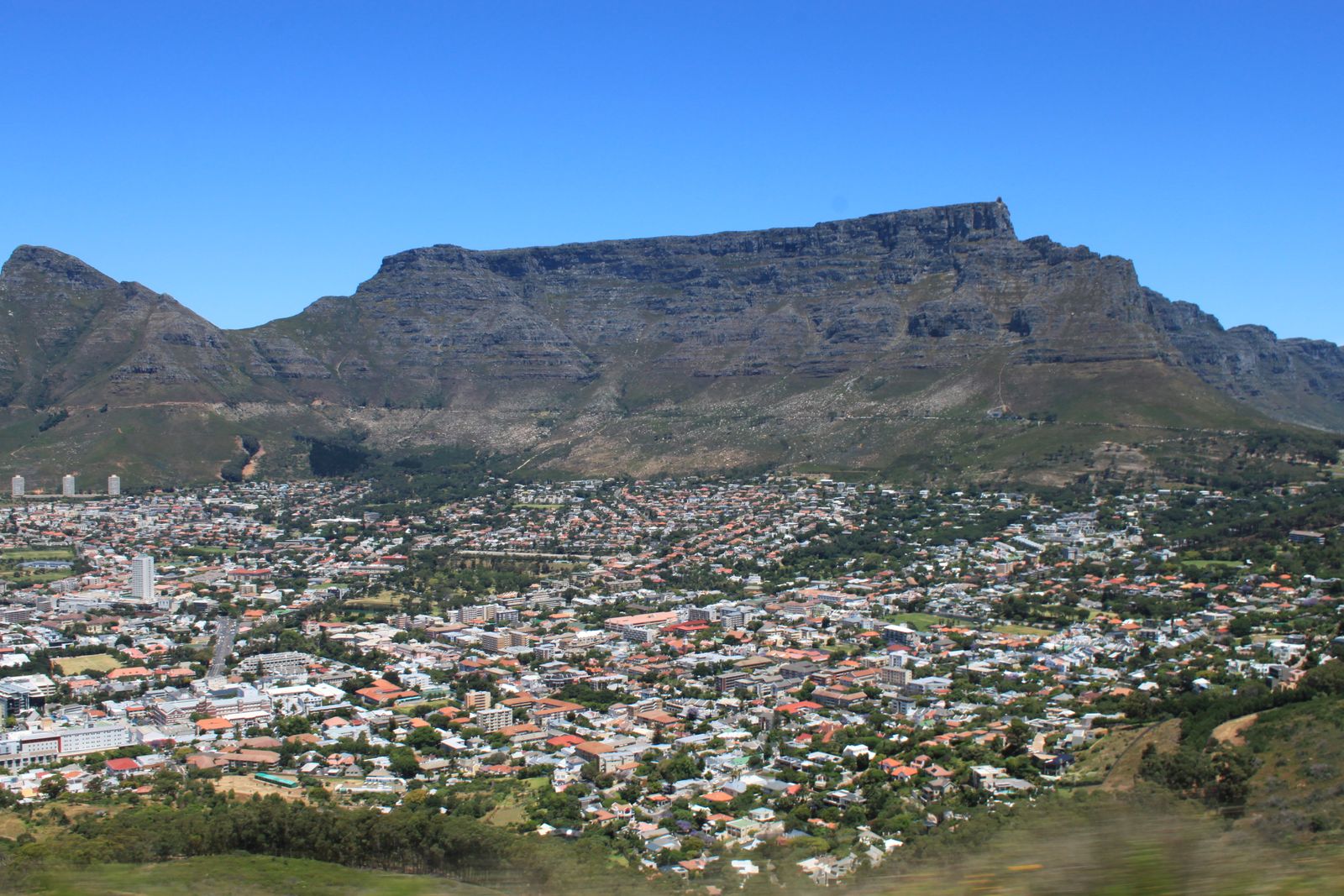
Few cities on earth pack as much natural drama into their skyline as Cape Town. A flat-topped mountain rises straight out of the Atlantic, wrapped in cloud on some mornings and glowing pink at sunset on others, while the city below sprawls across a peninsula where vineyards, penguin colonies, surf beaches, and a bustling harbor all sit within an hour's drive of one another. It is a place where you can hike a fynbos-covered ridge before breakfast, sip a glass of Constantia sauvignon blanc at lunch, and watch the sun sink into the ocean from a rooftop bar by evening. Few destinations anywhere offer that kind of range in a single day.
Cape Town is also a city layered with history, and a thoughtful visitor will find that as compelling as the scenery. This was a strategic refreshment station for Dutch and British ships rounding the Cape centuries ago, a place shaped by colonialism, slavery, and later the machinery of apartheid, and also a place of extraordinary resilience and reinvention. Robben Island and the District Six Museum tell hard truths plainly, while neighborhoods like Bo-Kaap and Langa show how culture and community endured and flourished despite systematic injustice. Visiting with curiosity and respect for that history adds real depth to a trip that could otherwise stay purely scenic.
Beyond the landmarks, Cape Town simply works well as a travel destination. The city has a mild, walkable center, a well-developed tourism infrastructure, some of the best food and wine in the Southern Hemisphere, and an outdoor culture built around mountains and ocean that rewards active travelers and slow ones alike. Whether you have three days or three weeks, this guide will help you build an itinerary around the landmarks worth seeing, the neighborhoods worth wandering, and the practical details that make a Cape Town trip run smoothly from the moment you land at Cape Town International Airport to the last sundowner on Camps Bay beach.
Quick Facts & Best Time to Visit
Cape Town sits in the Southern Hemisphere, so its seasons run opposite to those in Europe and North America. Summer (December to February) brings long, hot, dry days, the famous "Cape Doctor" southeasterly wind, and the peak tourist crowds around the festive season, when prices for flights and accommodation climb sharply. Autumn (March to May) is arguably the sweet spot: warm days, thinning crowds, and calmer winds. Winter (June to August) is the rainy season, with Table Mountain frequently shrouded in cloud and the cableway sometimes closed for days at a stretch, though days are often crisp and clear between fronts and this is also whale-watching season along the coast. Spring (September to November) brings wildflowers, mild temperatures, and increasingly good conditions as summer approaches. For a first visit balancing weather, cost, and crowds, October, November, March, and April are excellent choices.
South Africa's currency is the South African rand (ZAR), and Cape Town is generally affordable for visitors carrying US dollars, euros, or British pounds, though prices in tourist-heavy areas like the Waterfront run higher than elsewhere. Card payments are widely accepted, including tap-to-pay, though it is worth carrying some cash for markets, small vendors, and tips. English is the dominant language for tourism, alongside Afrikaans and isiXhosa, and you will have no trouble getting by with English alone. Many nationalities, including US, UK, EU, Australian, and Canadian passport holders, can enter South Africa visa-free for tourism for up to 90 days, but requirements change periodically, so confirm current rules with the South African embassy or consulate before booking.
Cape Town International Airport is about 20 minutes from the city center, with metered taxis, ride-hailing apps (Uber and Bolt both operate reliably), and pre-booked shuttles all readily available. Once in the city, ride-hailing apps are the easiest and safest way to get around for most visitors, since public minibus taxis, while cheap and extensively used by locals, are not designed with tourists in mind. The MyCiTi bus rapid transit system covers useful routes including the city bowl, Sea Point, and the airport, and is a reasonable budget option. Renting a car is worthwhile if you plan to explore the Cape Peninsula, Constantia wine route, or venture toward the Winelands, since South Africans drive on the left and the road network is generally excellent, though be alert and avoid driving after dark in unfamiliar areas.
Top Things to Do in Cape Town
Table Mountain & the Cableway
No Cape Town itinerary is complete without standing atop Table Mountain, the flat-topped sandstone massif that dominates the city's skyline and forms part of the Cape Floristic Region, one of the richest floral kingdoms on the planet. The rotating cable car whisks you from the lower station on Tafelberg Road to the summit plateau in about five minutes, offering 360-degree views that spin slowly past as you ascend. At the top, easy paved paths lead to lookout points over the City Bowl, Robben Island, Lion's Head, and the Atlantic seaboard, while the on-site cafe and shop make it easy to linger. Weather is the biggest variable here: the mountain is frequently capped by its signature "tablecloth" cloud, and the cableway closes in high winds or heavy cloud, so build flexibility into your schedule and check the live weather cam before heading up. Booking timed tickets online in advance is strongly recommended, both to skip the ticket queue and to guarantee entry on a clear day. Fit hikers can also ascend on foot via Platteklip Gorge, a steep but straightforward route taking two to three hours, and descend by cable car, or attempt the more scenic Skeleton Gorge and Kirstenbosch route with a guide.
Robben Island
A short ferry ride from the V&A Waterfront's Nelson Mandela Gateway takes visitors to Robben Island, the former penal colony where Nelson Mandela spent 18 of his 27 years in prison. Tours are led by former political prisoners themselves, whose firsthand accounts of life in the maximum-security block bring a rawness to the experience that no museum plaque could replicate. You will see Mandela's small cell, the limestone quarry where prisoners labored and where Mandela's eyesight was permanently damaged by glare, and communal cells that once held other struggle icons. The full excursion, including the ferry crossing each way, takes roughly three and a half to four hours. Because capacity is limited and demand is high, especially in summer, book tickets well in advance directly through the official Robben Island Museum website rather than through resellers. Crossings can be choppy and are occasionally canceled in rough weather, so allow flexibility in your schedule, particularly if you are visiting during winter's stormier months.
V&A Waterfront
The Victoria & Alfred Waterfront is Cape Town's working harbor turned lifestyle hub, and it rewards a few hours of unhurried wandering. Wander past seals lounging on pontoons near the marina, browse boutiques and craft stalls, and dip into the Watershed market for locally made design, jewelry, and textiles. The Two Oceans Aquarium here is one of the best in Africa, with ragged-tooth sharks, kelp forest tanks, and excellent programming for kids. In the evenings the harbor lights up, restaurants spill onto the quaysides, and buskers and street performers set the mood. It is also the departure point for Robben Island ferries, sunset harbor cruises, and helicopter flights over the peninsula. The Cape Wheel offers postcard views over the harbor and mountain for those short on time, and the Zeitz Museum of Contemporary Art Africa, housed in a dramatically converted grain silo, is one of the world's foremost collections of contemporary African art and worth two or three hours alone.
Cape of Good Hope & Cape Point
At the southwestern tip of the Cape Peninsula, within Table Mountain National Park, the Cape of Good Hope and Cape Point deliver some of the most dramatic coastal scenery in South Africa. Contrary to popular myth, this is not the meeting point of the Indian and Atlantic oceans (that honor goes to Cape Agulhas farther southeast), but the windswept cliffs, wild fynbos, and crashing surf make it feel like the edge of the world regardless. A funicular, the Flying Dutchman, carries visitors up to the old lighthouse near Cape Point for sweeping views, or you can walk the steep path in 20 to 30 minutes. Keep an eye out for the peninsula's resident baboon troops and ostriches roaming near the road, but never feed or approach them. The reserve is best combined with Boulders Beach and Chapman's Peak Drive as a full-day loop around the peninsula, ideally starting early to beat tour bus crowds and to have the best light for photography.
Boulders Beach Penguin Colony
Near Simon's Town on the peninsula's False Bay side, Boulders Beach is home to a thriving colony of African penguins that has made its beach among the most photographed in the country. Wooden boardwalks let you observe the birds waddling among giant granite boulders, nesting in the coastal scrub, and braying their distinctive donkey-like calls up close without disturbing them. There is also a swimming beach here, sheltered by the boulders, where on quieter mornings you can actually swim alongside penguins in the calm, clear water. Arrive early, both to beat the tour groups and because the light is best for photos before mid-morning. A small entrance fee supports conservation of this endangered species, whose numbers have declined sharply over recent decades due to overfishing and habitat pressure, making a respectful visit feel like it contributes to something worthwhile rather than just a photo opportunity.
Bo-Kaap
Perched on the slopes of Signal Hill above the city center, Bo-Kaap is Cape Town's most photographed neighborhood, its steep cobbled streets lined with brightly painted 18th- and 19th-century houses in candy shades of pink, turquoise, and mustard. The area has deep roots as the historic heart of the Cape Malay community, descendants of enslaved and free Muslim people brought to the Cape from Southeast Asia, India, and East Africa, and it remains a proud, living neighborhood rather than a museum piece, with mosques calling the faithful to prayer and family-run bakeries selling koeksisters and samosas. The small Bo-Kaap Museum on Wale Street gives useful context on the area's history and the community's fight against forced removals during apartheid. Many visitors book a Cape Malay cooking class here, learning to make bobotie or curries in a local home, which is a wonderful way to engage with the neighborhood respectfully rather than simply photographing doorways. Go early morning for soft light and quieter streets, and be mindful that this is a residential area, so keep noise down and ask before photographing residents.
Kirstenbosch National Botanical Garden
Set against the eastern slopes of Table Mountain, Kirstenbosch is consistently ranked among the world's most beautiful botanical gardens, showcasing South Africa's extraordinary indigenous flora across 528 hectares of cultivated garden and wild mountainside fynbos. The Boomslang canopy walkway, a curving steel-and-timber bridge that rises above the treetops, is the garden's signature feature and offers gorgeous views back toward the mountain. Wander through proteas, cycads, and fragrant herb gardens, or take on the more strenuous Skeleton Gorge trail that climbs from the garden's upper reaches to the top of Table Mountain itself. From November through April, Kirstenbosch hosts hugely popular Sunday evening Summer Sunset Concerts on the lawns, where locals bring picnics, wine, and blankets to watch touring musicians perform as the sun sets over the mountain; buy tickets online ahead of time since these sell out. Even without a concert, a picnic on the lawns is one of the most relaxing things you can do in Cape Town.
Camps Bay
Camps Bay is the glamorous face of Cape Town's Atlantic seaboard, a white-sand beach backed by the jagged Twelve Apostles mountain range and fronted by a palm-lined strip of restaurants, cocktail bars, and boutique hotels. The Atlantic here is bracingly cold year-round thanks to the Benguela current, so most visitors come for sunbathing, people-watching, and sundowners rather than long ocean swims, though the beach itself is beautiful and popular with sunset joggers and volleyball players. Victoria Road's restaurant strip fills up on warm evenings, with rooftop bars offering front-row seats for one of the best sunsets in the city as the sky burns orange behind the mountains. It gets crowded and pricey in peak summer, so if you prefer quieter sand, nearby Clifton's four coves, tucked below exclusive cliffside homes and reachable by steps, offer more sheltered, wind-protected spots to sunbathe. Both beaches are a short Uber ride or scenic walk from the city bowl.
Signal Hill
Signal Hill offers what might be Cape Town's best value-for-effort viewpoint: a short drive or moderate walk up a paved road delivers sweeping views over the City Bowl, Table Mountain's western face, Robben Island, and the Atlantic seaboard, all without the queues or fees of the cableway. It takes its name from the cannon once fired here to signal the time and ship arrivals to the city below, a tradition still marked today by the noon gun fired from Lion's Battery. Sunset is by far the most popular time to visit, when locals and visitors alike gather with picnic blankets, wine, and camp chairs along the grassy slopes to watch the sky change color over the ocean; arrive at least 45 minutes before sunset to claim a good spot and expect the small parking area to fill quickly. The adjoining Lion's Head, a distinctive cone-shaped peak, is a popular sunrise and full-moon hike offering even higher views, with sections of chain and ladder near the summit that add a bit of adventure for capable hikers.
District Six Museum
Housed in a former Methodist mission church in the city center, the District Six Museum tells the story of one of apartheid's most notorious acts of destruction: the 1966 declaration of District Six as a whites-only area under the Group Areas Act, followed by the forced removal of over 60,000 residents and the bulldozing of their homes. The museum's centerpiece is a massive floor map of the old district, annotated by hand by former residents themselves with the names of streets, shops, and neighbors that no longer exist, a powerful and deeply personal act of memory-keeping. Photographs, recorded oral histories, and recovered street signs fill the rest of the space, curated with a restraint that lets the material speak for itself. Former residents sometimes volunteer as guides, and hearing their personal accounts adds another layer entirely. Plan on an hour to ninety minutes, and consider pairing this visit with a walk through the still largely empty land where District Six once stood, now a quiet, unsettling reminder of what was lost, just a short walk from the city center.
Constantia Wine Route
Constantia is South Africa's oldest wine-producing region, established in 1685 under Dutch settler Simon van der Stel, and its lush, mountain-backed valley just twenty minutes from the city center produces some of the country's most elegant wines, particularly its historic sweet Constantia dessert wines once favored by European royalty. Groot Constantia, the estate that anchors the valley, offers cellar tours and tastings alongside a well-preserved Cape Dutch manor house and museum. Klein Constantia, Constantia Glen, Buitenverwachting, and Steenberg round out a route that can easily fill a relaxed half or full day, each with its own tasting room, and several with excellent restaurants set among vineyards and oak trees. Because tastings involve alcohol and roads wind through hilly terrain, booking a driver or a small-group wine tour is the sensible choice over self-driving, and most tours can be arranged directly through Cape Town hotels or tour operators. The route pairs beautifully with a stop at Kirstenbosch, which sits just at the valley's edge, making for an easy combined outing.
Chapman's Peak Drive
Chapman's Peak Drive, known locally simply as "Chappies," is one of the most spectacular coastal drives in the world, a nine-kilometer toll road carved into the cliffside between Hout Bay and Noordhoek that hugs the mountain in a series of dramatic switchbacks high above the Atlantic. Numerous small viewpoints and pull-offs along the route let you stop for photographs of the turquoise water crashing against the rocks far below, and the road is engineered with rockfall netting after a history of closures due to slides and fires, so check current conditions before setting out, since it does occasionally close in bad weather. The drive itself takes only about fifteen minutes without stops, but budget closer to an hour with photo breaks. It works perfectly as part of a full peninsula loop that also takes in Hout Bay's harbor and seal colony, Cape Point, and Boulders Beach, best driven early in the day when traffic is light and light is soft, and the toll fee is a small price for one of the best drives most visitors will ever take.
Table Mountain National Park Hikes
Beyond the cableway, the mountains ringing Cape Town offer some of the best urban hiking on earth, with trailheads accessible directly from the city bowl and southern suburbs. Lion's Head is the most popular sunrise and sunset hike, a two-to-three-hour round trip with chains and ladders near the top and 360-degree summit views, hugely popular during full moon hikes when hundreds of locals climb together after dark. Platteklip Gorge is the classic direct route up Table Mountain itself, steep and sun-exposed but requiring no technical skill. For something quieter, the Pipe Track along the mountain's western flank offers gentler contouring views over the Atlantic seaboard without the crowds. Always hike with at least one companion, carry more water than you think you need, wear proper shoes, and check weather conditions before setting out, since Table Mountain's weather can change with startling speed and several hikers get into difficulty here every year. The Table Mountain National Park website and local hiking groups are good sources for current trail conditions and safety advisories.
Company's Garden & City Bowl Museums
In the heart of the city center, the Company's Garden began life in the 1650s as a vegetable garden supplying passing Dutch East India Company ships, and today survives as a shaded, tranquil park lined with oak avenues, a rose garden, and resident grey squirrels descended from a pair gifted by Cecil Rhodes. It anchors a cluster of excellent museums within easy walking distance of each other: the Iziko South African Museum with its natural history and cultural collections, the Iziko South African National Gallery with strong South African and contemporary African art, and the Slave Lodge, one of the oldest buildings in the country and a sobering, essential look at the Cape's history of slavery. Nearby, St. George's Cathedral, where Archbishop Desmond Tutu once preached and led anti-apartheid marches, is open to visitors and holds real historical weight. This cluster makes for an easy, walkable half-day, particularly useful as a rainy-day plan or a way to break up an otherwise outdoor-heavy itinerary with some air-conditioned culture and history.
Best Neighborhoods to Explore
City Bowl is Cape Town's compact downtown core, cradled between Table Mountain and the harbor, and makes an ideal home base for first-time visitors. Long Street is its buzzing spine, lined with Victorian-era facades now housing bars, backpacker hostels, secondhand bookshops, and live-music venues, while quieter Kloof Street nearby has a more grown-up scene of coffee roasters, design stores, and restaurants. Everything from the Company's Garden museums to the Table Mountain cableway station is within a short drive or Uber ride, making the City Bowl the most convenient base for sightseeing without a car.
Bo-Kaap, discussed above as an attraction in its own right, doubles as a neighborhood worth a slower wander beyond its headline photo spots. Climbing higher up the hill away from the most-photographed corner of Chiappini and Wale streets reveals quieter residential lanes, corner shops selling halal snacks and Cape Malay pastries, and mosques whose calls to prayer punctuate the day. Staying in a Bo-Kaap guesthouse puts you within easy walking distance of the city center while immersing you in one of Cape Town's most distinctive communities.
The Atlantic Seaboard, stretching from Sea Point through Camps Bay to Clifton and Bantry Bay, is where Cape Town's coastline meets its most polished side. Sea Point's long promenade is a favorite for morning runs and sunset strolls, lined with an open-air public swimming pool, playgrounds, and increasingly good casual dining. Further along, Camps Bay and Clifton bring white sand, palm trees, and some of the city's most expensive real estate, along with excellent restaurants and beach clubs. This area suits travelers who want a beach-adjacent base with easy access to the city center, typically a fifteen- to twenty-minute drive away.
Woodstock and the Southern Suburbs corridor reveal a grittier, more creative side of Cape Town. Woodstock, once industrial and now gentrifying fast, is home to the Old Biscuit Mill, whose Saturday Neighbourgoods Market draws crowds for artisanal food, crafts, and live music, alongside a growing cluster of galleries and design studios. Further into the leafy Southern Suburbs, neighborhoods like Observatory ("Obs") offer a studenty, bohemian energy with vintage stores and cheap eats, while Constantia and Newlands bring oak-lined streets, historic estates, and proximity to Kirstenbosch, appealing to visitors who prefer a quieter, more residential base with easy access to the Winelands.
Simon's Town and the False Bay coast offer a slower-paced alternative to the Atlantic seaboard's glitz, with a naval history, colorful Victorian-era main street, and the famous Boulders Beach penguins right on its doorstep. Staying here suits travelers focused on the Cape Peninsula's natural attractions, wanting easy access to Cape Point and the penguin colony without the daily commute from the city center, and who enjoy a more low-key, seaside-town atmosphere with fresh fish and chips shops and a slower rhythm than the bustle of downtown Cape Town.
Where to Eat & Drink
Cape Town's food scene reflects its layered history, blending Cape Malay, Dutch, British, and indigenous African influences into something distinctly its own, alongside a contemporary fine-dining scene that regularly earns international recognition. A great place to start is with Cape Malay classics: bobotie, a fragrant baked dish of spiced minced meat topped with an egg custard, and bunny chow, a hollowed-out loaf of bread filled with curry (technically a Durban import but widely available), both worth seeking out at casual, family-run spots rather than only upscale restaurants. Biltong and droëwors, South Africa's beloved dried, spiced meats, make excellent portable snacks and are sold everywhere from petrol stations to gourmet delis, while a proper braai, the South African take on a barbecue, is a cultural institution worth experiencing if you get invited to one or find a restaurant doing it well.
For sit-down dining, the Bo-Kaap Kombuis and Biesmiellah offer excellent, welcoming introductions to Cape Malay cuisine right in the neighborhood where it originated. In the City Bowl, the Test Kitchen's various incarnations and a cluster of ambitious fine-dining restaurants have put Cape Town firmly on the global culinary map, while more casual standouts like The Pot Luck Club (perched atop the Old Biscuit Mill with sweeping views) offer inventive small plates without the formality. Seafood lovers should not miss fresh linefish, West Coast rock lobster in season, and Cape Malay-spiced snoek, best enjoyed at harborside spots in Hout Bay, Kalk Bay, or the V&A Waterfront, where the catch often comes straight off the boats moored nearby.
Kalk Bay, a quirky fishing village on the False Bay coast about half an hour from the city center, deserves special mention as a food-focused day trip in itself, with its harbor-front fish market, antique shops, and a concentration of excellent cafes and restaurants along the main road, including the beloved Olympia Cafe and Deli, known for fresh-baked bread and simple, perfectly executed seafood. For coffee culture, Truth Coffee in the City Bowl, with its steampunk-industrial interior, is as much a design landmark as a caffeine stop, while Origin Coffee Roasting and Deluxe Coffeeworks have loyal local followings across several branches.
No culinary visit to Cape Town is complete without wine, and you do not need to leave the city to drink well: Constantia's estates, covered above, offer world-class tastings, while City Bowl and Atlantic seaboard wine bars showcase small producers from Stellenbosch, Franschhoek, and Swartland alongside the classics. For something distinctly local, seek out a bar pouring Pinotage, South Africa's signature grape, or a craft gin, since the country has developed a serious gin culture in recent years. The Old Biscuit Mill's Saturday Neighbourgoods Market and the newer V&A Waterfront food halls are excellent one-stop options for sampling a wide range of local producers, from craft beer to artisanal cheese, biltong, and baked goods, in a single relaxed visit, particularly useful for travelers with limited time who want a broad taste of the local food scene in one sitting.
Best Day Trips from Cape Town
Stellenbosch & the Cape Winelands
Roughly 45 minutes from the city center, Stellenbosch is the heart of South Africa's wine country, a university town of oak-lined streets and Cape Dutch architecture surrounded by some of the country's finest wine estates. A day here typically means tasting your way through three or four estates, ranging from historic properties like Boschendal and Spier to smaller boutique producers, often paired with a long, leisurely lunch at a vineyard restaurant. Nearby Franschhoek, a further 20 minutes away, offers a more concentrated, walkable version of the same experience, with a French Huguenot history, a well-regarded wine tram linking estates, and some of the country's best fine dining. Book a driver or organized tour rather than self-driving if tastings are the focus.
Cape Peninsula Loop
A full-day self-drive or guided loop around the Cape Peninsula strings together several of this guide's top attractions into one unforgettable route: head south along Chapman's Peak Drive through Hout Bay, continue to Cape Point and the Cape of Good Hope reserve, then swing back north via Simon's Town and Boulders Beach before returning to the city. Start early, around 8am, to beat both crowds and the midday heat, and allow a full day, roughly eight to nine hours including stops, for the approximately 150-kilometer round trip. This is easily done independently by rental car, or booked as a guided day tour if you would rather not navigate and want the added context a good guide provides.
Hermanus & Whale Watching
Around a 90-minute drive along the scenic Overberg coast, Hermanus is regarded as one of the best land-based whale-watching destinations in the world, thanks to southern right whales that come remarkably close to shore to calve between roughly June and November, with peak sightings typically in September and October. The town's cliff path offers uninterrupted whale-watching for free, while boat-based tours (operating under strict permits) get you even closer to these gentle giants. Beyond whales, Hermanus offers its own wine route, fresh seafood restaurants, and pleasant coastal walks, making it a satisfying full-day trip even outside whale season, when the drive and coastal scenery alone justify the trip.
Where to Stay
Cape Town offers accommodation to suit every budget and travel style, and choosing the right area matters as much as choosing the right hotel. The City Bowl is the most practical base for first-time visitors without a car, putting the Company's Garden museums, Long Street's nightlife, and the Table Mountain cableway all within easy reach, with everything from boutique guesthouses to well-known international hotel brands. For travelers prioritizing beach time and a more resort-like feel, the Atlantic seaboard suburbs of Sea Point, Camps Bay, and Clifton offer everything from mid-range apartments to some of Africa's most luxurious five-star hotels, many with dramatic ocean and mountain views, though expect to pay a premium and to rely more on rideshares for city-center sightseeing.
Budget travelers are well served by Cape Town's strong backpacker and hostel scene, concentrated mainly around Long Street and the City Bowl, offering dorm beds, private rooms, and a built-in social scene with organized tours departing daily. Mid-range travelers will find excellent value in guesthouses and boutique hotels scattered across Green Point, Gardens, and the City Bowl, often family-run with personal service that larger hotels cannot match. For a quieter, more residential experience with easy access to Kirstenbosch and the Constantia wine route, guesthouses in the Southern Suburbs offer leafy surroundings and a genuine slice of local life, particularly appealing for travelers with a rental car who do not need to be within walking distance of downtown nightlife.
Whatever the budget, book accommodation well ahead for peak summer travel (December through February), when prices spike and popular properties sell out months in advance, and pay attention to security features like gated parking and 24-hour reception, standard at most reputable properties, as one marker of a well-run establishment in any neighborhood.
Suggested 3-Day Itinerary
Day 1: City Bowl, Table Mountain & Bo-Kaap
Start early with breakfast in the City Bowl before heading to Table Mountain for the cableway as soon as it opens, when queues are shortest and the light is often clearest; spend an hour or so at the summit taking in the views. Descend by early afternoon and walk through Bo-Kaap's colorful streets, stopping at the Bo-Kaap Museum and perhaps booking a Cape Malay cooking class for a hands-on cultural experience. In the late afternoon, stroll through the Company's Garden and duck into one or two of the surrounding museums, such as the Iziko South African Museum or the Slave Lodge, before catching sunset from Signal Hill with a picnic. Finish the evening with dinner and drinks on Long Street or Kloof Street.
Day 2: Cape Peninsula Loop
Devote your second day to the full Cape Peninsula circuit described above: depart early via Chapman's Peak Drive toward Hout Bay, continue to Cape Point and the Cape of Good Hope for a mid-morning walk or funicular ride to the lighthouse, then head to Boulders Beach in the early afternoon for penguin viewing before the light gets too harsh. On the way back, stop in Simon's Town for lunch or continue to Kalk Bay for fresh seafood and a browse through its antique shops and galleries. Return to the city in time for a relaxed dinner, or extend the day with a detour through Constantia for a late-afternoon wine tasting if energy allows.
Day 3: Robben Island, Waterfront & District Six
Book the first available Robben Island ferry slot in the morning, since tours run for roughly three and a half to four hours including the crossing; this is a full and often emotionally heavy morning that deserves your full attention. In the afternoon, explore the V&A Waterfront at a relaxed pace, browsing the Watershed market, visiting the Two Oceans Aquarium or Zeitz MOCAA if either appeals, and grabbing a late lunch overlooking the harbor. Late in the afternoon, head to the District Six Museum for an hour or so of reflection on this pivotal chapter of Cape Town's history, then close out the trip with a sunset dinner in Camps Bay or Sea Point, watching the sun drop into the Atlantic as a fitting farewell to the city.
Practical Travel Tips
Getting around independently is easiest with Uber or Bolt, both of which operate extensively and reliably throughout the city and are generally the safest option for visitors, particularly at night; agree on or confirm fares in the app before traveling and avoid unmetered, unmarked taxis. Renting a car opens up the peninsula and Winelands at your own pace, but be aware that South Africans drive on the left, that petrol stations are full-service (a tip for the attendant is customary), and that car theft from parked vehicles does occur, so never leave valuables visible inside.
Cape Town is a wonderful destination, but like any major city it has areas and situations that call for common-sense caution: stick to well-populated, well-lit areas at night, avoid displaying expensive jewelry or camera gear ostentatiously in crowded areas, keep bags zipped and close to your body in markets and on Long Street at night, and take particular care around the Company's Garden and city center after dark, when it's best to use a rideshare rather than walk. Hiking alone, especially on Table Mountain and Lion's Head, is discouraged due to occasional muggings on quieter trails; hike with a group or a guide, and stick to well-used routes and busy times. That said, millions of tourists visit Cape Town safely every year, and staying alert rather than anxious is the right approach.
Budget-wise, Cape Town can flex from backpacker-cheap to five-star luxury; a comfortable mid-range trip covering good guesthouses, some tours, and nice meals typically runs considerably less than equivalent European or North American cities, making it excellent value for the experience on offer. Tipping around 10 to 15 percent at restaurants is standard and appreciated, as service charges are not usually included. Pack layers regardless of season, since coastal weather shifts quickly and mountain-top temperatures run noticeably cooler and windier than the city below; a light rain jacket and sturdy walking shoes earn their keep year-round. Dress is generally casual throughout the city, though modest dress is appropriate when visiting Bo-Kaap's mosques or other religious sites. Finally, tap water in Cape Town is safe to drink, a legacy of the city's hard-won lessons from its 2017-2018 "Day Zero" drought crisis, after which water conservation became a point of civic pride, so refilling a bottle rather than buying plastic is both safe and appreciated.
Frequently Asked Questions
How many days do I need in Cape Town?
Three full days covers the essential landmarks at a reasonably brisk pace, as outlined in the itinerary above, but five to seven days lets you add day trips to the Winelands and Hermanus, explore neighborhoods more slowly, and build in weather backup days for the cableway and Robben Island ferry, both of which are sometimes affected by wind and cloud.
Is Cape Town safe for tourists?
Cape Town welcomes millions of visitors safely each year, and its major tourist areas are generally well-policed and well-trafficked. As in any big city, petty crime such as pickpocketing and opportunistic theft is the main risk rather than violent crime targeting tourists, and standard precautions, avoiding isolated areas after dark, not flashing valuables, using rideshares at night, go a long way toward a trouble-free visit.
Do I need a car to get around Cape Town?
Not necessarily. The City Bowl and Atlantic seaboard are well served by Uber and Bolt, and many top attractions can be reached by rideshare or organized tour. A rental car becomes genuinely useful if you want flexibility for the Cape Peninsula loop, the Constantia wine route, or a Winelands day trip, though hiring a driver for these excursions is also a relaxed, popular alternative.
When is the best time to see penguins at Boulders Beach?
The penguins are resident year-round, so there is no single best season, though arriving early in the morning, ideally before 9am, gives you the best light for photos and the smallest crowds, particularly important in the busy December to February summer season when tour buses arrive steadily throughout the day.
Should I book Table Mountain and Robben Island tickets in advance?
Yes, strongly recommended for both. Table Mountain cableway tickets can be booked online for a specific time slot, which avoids long queues and helps you plan around weather, while Robben Island tours have limited daily capacity and regularly sell out days or weeks ahead in peak season, so book as early as your itinerary allows directly through the official websites.
Is Cape Town expensive to visit?
Compared to major European or North American cities, Cape Town offers strong value, with quality accommodation, dining, and tours generally costing less for an equivalent experience. Costs can rise quickly in peak summer season and at top-end Atlantic seaboard hotels and restaurants, so travelers on a budget will find comfortable options by staying slightly outside the priciest pockets and traveling in shoulder seasons like spring or autumn.
Final Thoughts
Cape Town rewards travelers who come with both curiosity and a bit of flexibility, since its greatest asset, the mountain and ocean that frame nearly every view, also dictates the rhythm of a visit through wind, cloud, and swell. Build in buffer days for weather-dependent activities like the cableway and Robben Island, balance the scenic highlights with the deeper, harder history found at District Six and on Robben Island itself, and leave room to simply sit somewhere beautiful, whether that's a Camps Bay sunset or a quiet corner of Kirstenbosch, and let the city's singular setting do the rest. Few places blend natural spectacle, layered history, and genuine warmth quite like this one, and most visitors leave already planning their return.


No comments:
Post a Comment