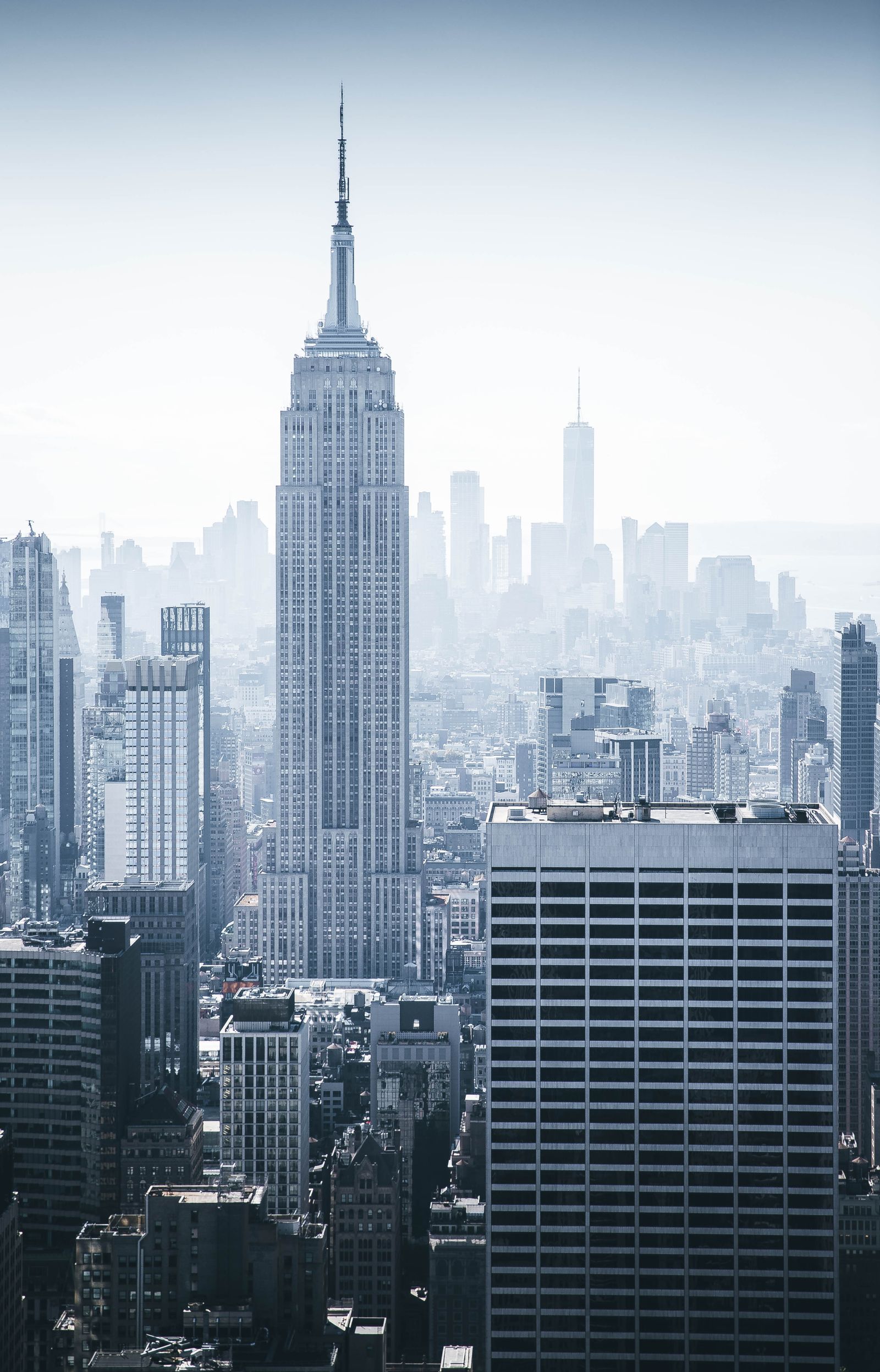
Photo by Louis via Pexels
There is a reason New York City occupies the top of so many travel bucket lists, and it has little to do with any single landmark. It is the density of experience packed into 33,000 acres of concrete, steel, and river-fringed parkland that makes Manhattan and its surrounding boroughs feel less like a destination and more like a universe. You can eat dumplings in Flushing at noon, stand beneath a Vermeer at the Frick Collection by mid-afternoon, and watch a Tony-winning musical before midnight, all without leaving a five-borough radius that most cities would take a week to cover.
New York rewards both the meticulous planner and the aimless wanderer. Show up with a list of must-see landmarks like the Statue of Liberty and the Empire State Building, and you will check every box efficiently thanks to a subway system that runs 24 hours a day. But some of the city's best moments arrive unplanned: a jazz trio spilling out of a Greenwich Village basement club, the smell of fresh bagels from a corner shop at 7 a.m., the sudden hush that falls over Central Park's Sheep Meadow just blocks from Fifth Avenue traffic. Few cities on earth let you toggle so easily between iconic spectacle and quiet, personal discovery.
It also helps that New York is, fundamentally, a city built by and for people from everywhere else. More than 800 languages are spoken across its five boroughs, and that diversity shows up in the food, the festivals, the street fashion, and the unpredictable rhythm of daily life. Whether you are visiting for a long weekend built around Broadway and the museums, or settling in for a two-week deep dive into every borough, this guide will help you plan a trip that captures both the postcard version of New York and the layered, lived-in city behind it.
Quick Facts & Best Time to Visit
New York City is made up of five boroughs: Manhattan, Brooklyn, Queens, the Bronx, and Staten Island, each with its own character and its own claim on your itinerary. Most first-time visitors base themselves in Manhattan, which puts the largest concentration of famous sights within walking or short subway distance, though Brooklyn neighborhoods like Williamsburg and DUMBO have become destinations in their own right.
The best time to visit depends on what kind of trip you want. Late spring, from April through June, brings mild temperatures in the 50s to 70s Fahrenheit, blooming trees in Central Park, and outdoor dining season kicking into gear. Fall, particularly late September through November, is widely considered the sweet spot: crisp air, golden foliage in the parks, and the energy of the city returning from summer. Summer (June through August) is hot and humid, with temperatures regularly climbing into the 90s, but it also brings free outdoor concerts, rooftop bars in full swing, and long daylight hours for sightseeing. Winter is cold and can be harsh, but it delivers the holiday magic of the Rockefeller Center tree, ice skating, and hotel rates that dip noticeably outside the December peak.
Getting to New York is straightforward: John F. Kennedy International Airport (JFK) and Newark Liberty International Airport (EWR) handle most international arrivals, while LaGuardia (LGA) serves primarily domestic routes. From JFK, the AirTrain connects to the subway for a budget-friendly ride into Manhattan in about an hour; from Newark, the AirTrain links to NJ Transit trains into Penn Station. Yellow cabs and rideshares are available at all three airports but can take 45 minutes to over an hour depending on traffic.
Once you are in the city, the subway is the fastest and cheapest way to get around, running around the clock for a flat fare regardless of distance. A single OMNY tap-to-pay ride currently costs a few dollars, and unlimited weekly options make sense for longer stays. Walking is often just as practical in Manhattan given the grid layout above 14th Street, and citywide bike-share is a fun way to cover ground while seeing street level detail you would otherwise miss underground. Taxis and rideshares fill in the gaps, especially late at night or when traveling between boroughs with luggage.
Top Things to Do in New York City
Statue of Liberty and Liberty Island
No monument represents the American story quite like the Statue of Liberty, and seeing her up close on Liberty Island is a different experience entirely from viewing her from the Staten Island Ferry. Ferries depart regularly from Battery Park in Lower Manhattan and from Liberty State Park in New Jersey, and the ride itself offers some of the best skyline photography angles in the city. Basic ferry tickets let you walk the island's perimeter and visit the pedestal museum, while reserved crown access takes you up into the statue's copper folds for a genuinely thrilling, if narrow and warm, staircase climb. Book crown tickets weeks or even months ahead during peak season, since only a limited number are released each day. Give yourself at least half a day for the full excursion, since the ferry ride, security screening, and island time all add up. Arrive early, both to beat the crowds and because morning light photographs the statue beautifully against the harbor. Even without a reservation, the plaza-level views and the sheer scale of the statue up close make this one of the most moving stops in the entire city.
Ellis Island Immigration Museum
The same ferry ticket that takes you to Liberty Island typically includes a stop at Ellis Island, where more than 12 million immigrants were processed between 1892 and 1954. The National Museum of Immigration, housed in the restored Registry Room and surrounding halls, tells that story through personal artifacts, photographs, oral histories, and the actual inspection stations where families were examined and questioned before being allowed into the country. For many American visitors, this is also a genealogical pilgrimage; the American Family Immigration History Center on site lets you search historic ship manifests for ancestors who may have passed through. Plan for one to two hours to do the museum justice, longer if you intend to dig into the records center. The Wall of Honor outside, inscribed with hundreds of thousands of immigrant names, is a quietly powerful place to pause before heading back to the ferry dock. Combine this with the Statue of Liberty visit in a single outing, since both sites are only accessible by the same ferry service and most visitors do them back to back in one determined day of exploring New York Harbor's history.
Central Park
Central Park is 843 acres of engineered wilderness in the middle of Manhattan, and it rewards both a quick stroll and a full day of exploring. Designed by Frederick Law Olmsted and Calvert Vaux in the 1850s, the park contains distinct micro-worlds: the formal symmetry of Bethesda Terrace and Fountain, the wooded paths of the Ramble, the open lawns of Sheep Meadow, and the reservoir loop favored by runners with skyline views on every side. Families gravitate toward the Central Park Zoo and the whimsical bronze Alice in Wonderland statue near Conservatory Water, where you can rent a toy sailboat on weekends. Strawberry Fields, the Beatles memorial near West 72nd Street, draws quiet pilgrims year-round. Renting a rowboat at the Loeb Boathouse or simply people-watching from the Mall's elm-lined promenade are equally worthwhile ways to spend an hour. Bikes and pedicabs are available for rent at multiple entrances if you want to cover more ground quickly. Come at any season: cherry blossoms in spring, shaded green canopies in summer, blazing foliage in fall, and a hushed, snow-dusted quiet in winter. Free walking maps at any entrance make self-guided exploring easy, and much of the park is stroller and wheelchair accessible.
Times Square
Love it or find it overwhelming, Times Square is unavoidable and, for most first-time visitors, unmissable. The intersection of Broadway and Seventh Avenue at 42nd Street blazes with digital billboards day and night, and the sheer sensory overload is part of the appeal. This is the heart of the Theater District, so it is also the natural jumping-off point for a Broadway show, and the TKTS red steps booth here sells same-day discounted tickets for shows across the district. Costumed characters, street performers, and massive flagship stores line the pedestrian plazas that were carved out of former traffic lanes in 2009, making it far more walkable than it once was. Visit at night for the full illuminated spectacle, but also consider an early morning pass through around sunrise, when the crowds thin dramatically and you can actually appreciate the architecture and scale of the space. New Year's Eve here is world-famous for the ball drop, though that requires arriving hours in advance and standing in a packed security pen for most of the day. Nearby, Bryant Park offers a quieter green respite, with a carousel and a winter holiday market, just a five-minute walk away.
Empire State Building
Opened in 1931 and still one of the most recognizable silhouettes on earth, the Empire State Building offers two observation decks: the 86th floor open-air deck and the more exclusive 102nd floor deck, which sits nearly 1,250 feet above Fifth Avenue. The Art Deco lobby alone is worth admiring before you even reach the elevators, with its gleaming murals and metalwork. Sunset is the most popular time to visit, since you get daylight skyline views that transition into the glittering nighttime cityscape, but that popularity means longer lines; sunrise or a weekday mid-morning slot delivers similar views with a fraction of the crowd. Skip-the-line and combo tickets that bundle both observation levels are worth the upgrade if you want the full experience without waiting through multiple security and elevator queues. On clear days you can see up to 80 miles in every direction, spotting the Statue of Liberty, Central Park's green rectangle, and all three of the city's major airports' flight paths. The building is also famously lit in different colors for holidays and causes, so check ahead for a special lighting scheme during your visit. Photography tip: bring a phone or camera with a wide lens, since the wraparound views are hard to capture otherwise.
The Metropolitan Museum of Art
The Met is one of the largest and most comprehensive art museums in the world, with a permanent collection exceeding two million objects spanning 5,000 years of human creativity. Its Fifth Avenue location, facing Central Park, makes it easy to combine with a park stroll before or after your visit. Highlights include the Egyptian wing's Temple of Dendur, reassembled inside a glass-walled hall with a reflecting pool; the arms and armor collection that fascinates kids and adults alike; and an unrivaled collection of European paintings including Vermeer, Rembrandt, and Van Gogh. The rooftop garden, open seasonally, offers a sculpture installation alongside one of the best skyline views over Central Park available anywhere in the city, often paired with a bar for evening visits. The museum is enormous, so trying to see everything in one visit is unrealistic; instead, pick two or three wings that interest you most and budget three to four hours. The Met operates on a pay-what-you-wish basis for New York State residents, while out-of-state visitors pay a set admission that also grants same-week access to The Met Cloisters, its medieval art branch uptown in Fort Tryon Park.
Brooklyn Bridge
Walking across the Brooklyn Bridge is one of the free, essential New York experiences, and it takes only 30 to 40 minutes at a relaxed pace from the Manhattan side near City Hall to DUMBO in Brooklyn. Completed in 1883, the bridge's Gothic stone towers and web of steel cables were engineering marvels of their era, and the elevated wooden pedestrian promenade running above the traffic lanes delivers sweeping views of the Manhattan skyline, the East River, and the Statue of Liberty in the distance. Go early in the morning to avoid the heaviest foot and bike traffic, since the shared path gets crowded with tourists stopping mid-span for photos. Once you reach the Brooklyn side, reward yourself with a stop at Brooklyn Bridge Park, where Jane's Carousel sits inside a glass pavilion right on the waterfront, and the view back toward Manhattan at dusk, with the bridge illuminated, is one of the most photographed scenes in the city. Grab a slice at Juliana's or Grimaldi's, both located just beneath the bridge on the Brooklyn side, for a classic post-walk reward. Note that cyclists have their own lane on the bridge, so stay alert and keep to the pedestrian side to avoid a collision.
MoMA (Museum of Modern Art)
MoMA, on 53rd Street in Midtown, houses one of the finest modern and contemporary art collections anywhere, including Van Gogh's The Starry Night, Picasso's Les Demoiselles d'Avignon, Warhol's soup cans, and an entire floor dedicated to design and architecture, from Eames chairs to actual helicopters suspended from the ceiling. The building itself, renovated and expanded in 2019, is a work of architecture worth admiring, with a sculpture garden that offers a peaceful outdoor break between galleries. Because the collection spans painting, sculpture, photography, film, and design, MoMA appeals even to visitors who typically find traditional art museums slow going. Plan for two to three hours minimum, and check the film schedule, since MoMA runs a genuinely excellent repertory cinema program in its lower-level theaters. Admission is not cheap, but free entry windows exist on certain evenings, and many bank cards and museum membership reciprocity programs offer discounts. The museum store is one of the better design-focused gift shops in the city if you want a well-made souvenir rather than a novelty T-shirt.
Broadway Theater District
Seeing a live Broadway show is, for many visitors, the single most memorable thing they do in New York. The Theater District clusters around Times Square, with roughly 41 professional theaters staging everything from decades-running classics to brand-new productions each season. Big-budget spectacles, sharp comedies, and searing dramas all compete for audiences within a few blocks of each other. Booking strategy matters: buy well ahead online for hit shows that sell out months in advance, or take a chance on the TKTS discount booth in Times Square or Lincoln Center for same-day tickets at reduced prices on shows with available inventory. Student and rush tickets, released the morning of a performance, are another way to see a hot show without paying full price if you are willing to queue early. Beyond the marquee names, Off-Broadway and Off-Off-Broadway productions in smaller houses around the East Village and Chelsea often deliver equally compelling theater at a fraction of the cost. Dress code is casual to smart-casual; nobody requires formalwear anymore. Arrive at least 30 minutes early to avoid the coat-check and will-call lines, and consider a pre-theater prix fixe dinner, a tradition many Restaurant Row spots on 46th Street built their entire business model around.
The High Line
Built on a former elevated freight rail line running along Manhattan's west side, the High Line is a 1.45-mile linear park that has become one of the city's most inventive public spaces since opening in sections starting in 2009. Landscaped with native grasses, perennial plantings, and rotating public art installations, it threads between and sometimes directly through buildings from Gansevoort Street in the Meatpacking District up to Hudson Yards near 34th Street. Walking its full length takes about an hour without stops, but budget more time to linger at the sun deck loungers, the amphitheater-style seating overlooking Tenth Avenue traffic, or the various food and coffee vendors along the route. The park connects naturally to Chelsea Market at its southern end, a former Nabisco factory turned indoor food hall, and to the Vessel and Hudson Yards development at its northern terminus. Spring and early summer show off the plantings at their best, though the park is worth visiting in every season, including a quieter, frost-touched winter walk. It gets crowded on weekend afternoons, so an early morning or weekday visit gives you more breathing room to actually appreciate the landscaping and the rotating art installed along the path.
9/11 Memorial & Museum
The 9/11 Memorial, occupying the footprints of the original Twin Towers in Lower Manhattan, consists of two enormous reflecting pools, each nearly an acre in size, with the names of nearly 3,000 victims inscribed in bronze around their edges. The memorial plaza itself is free and open to the public, shaded by swamp white oak trees that create a contemplative, park-like atmosphere amid the surrounding financial district. Below ground, the museum tells the story of September 11, 2001, through recovered artifacts, real-time audio recordings, photographs, and personal testimonies, and it is an emotionally intense experience that most visitors need at least two hours to process. Exhibits include a preserved fire truck, steel structural remnants, and a moving timeline of the day's events told in near real time. The adjacent One World Observatory, discussed separately below, sits atop One World Trade Center just steps away. Because of the subject matter, this is not a rushed stop; many visitors pair a quiet walk around the memorial pools with a separate, dedicated visit to the museum, rather than trying to do both in a single hurried afternoon. Advance timed tickets are strongly recommended for the museum, especially around the September 11 anniversary.
Rockefeller Center and Top of the Rock
Rockefeller Center is a National Historic Landmark complex of Art Deco buildings spanning several Midtown blocks, home to NBC Studios, the famous ice rink and Christmas tree during winter, and the Top of the Rock observation deck. Many visitors actually prefer Top of the Rock to the Empire State Building's decks, since it offers three open-air tiers with unobstructed views that include the Empire State Building itself in the frame, something you obviously cannot capture from atop the Empire State Building. The plaza below hosts seasonal events year-round, from the ice rink and towering Christmas tree from late November through early January to outdoor dining in warmer months. A backstage NBC Studio Tour lets fans peek behind the scenes of Saturday Night Live and other productions filmed on site. Radio City Music Hall, just across the street, hosts the Rockettes' Christmas Spectacular each holiday season along with concerts and events throughout the year. Book Top of the Rock tickets for early evening to catch both daylight and sunset transitioning into the city's nighttime lights, and check same-day availability, since it tends to be less consistently sold out than the Empire State Building.
One World Observatory
One World Trade Center is the tallest building in the Western Hemisphere, and its observatory on floors 100 through 102 delivers a genuinely dramatic ascent: a high-speed elevator ride that takes under a minute while time-lapse video screens on the walls simulate 500 years of New York's growth from marshland to skyline. Floor-to-ceiling windows offer 360-degree views stretching across all five boroughs and into neighboring states on clear days. An interactive "City Pulse" feature lets visitors tap touchscreen tables to explore neighborhoods and landmarks visible below in real time. Because the building sits directly above the 9/11 Memorial, many visitors combine both in a single Lower Manhattan day, though the observatory and museum require separate tickets and lines. Sunset slots are popular and book up first, but a clear midday visit offers the sharpest, longest-range visibility. The observatory includes a full-service restaurant and bar if you want to linger over the view rather than a quick photo stop, and the gift shop stocks some of the more design-forward New York souvenirs in the city.
Chinatown
Manhattan's Chinatown, centered around Mott, Canal, and Grand Streets, is one of the oldest and largest Chinese enclaves in the Western Hemisphere, and it remains a vibrant, working neighborhood rather than a tourist recreation. Wander past produce stands overflowing with bok choy and dragon fruit, herbal medicine shops, and bakeries selling egg tarts and pork buns for a couple of dollars. Dim sum is the star attraction here; sit-down banquet halls with rolling carts still operate alongside newer, more streamlined dumpling counters. Columbus Park, at the neighborhood's edge, is where locals play mahjong and practice tai chi each morning, a genuinely candid slice of daily life worth watching for a few minutes. The Museum of Chinese in America offers context on the immigrant history behind the neighborhood if you want more than just a meal. Chinatown blends almost seamlessly into Little Italy to the north along Mulberry Street, so many visitors combine both in a single afternoon, comparing a plate of soup dumplings with a cannoli from one of Mulberry's old-school bakeries. Come hungry, come with cash for some of the smaller stalls, and expect crowded sidewalks, especially on weekends.
SoHo
SoHo, short for South of Houston Street, is famous for two things: its unmatched concentration of cast-iron architecture from the late 1800s, and its status as one of the city's premier shopping districts. Broadway and Prince Street form the commercial spine, lined with flagship stores from both global luxury brands and buzzy contemporary labels that use SoHo as their New York proving ground. Look up as you walk; the cast-iron facades, originally built to mimic stone at a fraction of the cost, are protected landmarks and among the best-preserved examples of the style anywhere in the world. Beyond shopping, SoHo has a strong gallery scene left over from its 1970s and 80s days as an artist enclave, plus cobblestone side streets like Greene and Wooster that photograph beautifully and offer a quieter break from the main shopping drags. The neighborhood transitions naturally into NoHo and the East Village if you keep walking east, or into Tribeca heading south. Weekday mornings are far less crowded than weekend afternoons, when the sidewalks fill shoulder to shoulder with shoppers. Even if high-end shopping is not your priority, an hour spent architecture-spotting and café-hopping here is time well spent.
Greenwich Village
Greenwich Village has been synonymous with bohemian New York since the early twentieth century, when it drew writers, folk musicians, and artists who valued its winding, tree-lined streets that break from Manhattan's rigid grid. Washington Square Park, anchored by its triumphal arch, serves as the neighborhood's social heart, especially around New York University, and is home to street performers, chess hustlers, and an ever-present hum of activity. Bleecker Street once hosted the folk clubs where a young Bob Dylan performed, and while the scene has changed, a handful of intimate jazz and comedy clubs still operate in Village basements. The West Village, technically a distinct sub-neighborhood, is particularly beloved for its picture-perfect brownstone-lined blocks like Bedford Street and Grove Street, plus a dense concentration of excellent small restaurants and wine bars. This is a neighborhood built for wandering without an agenda; ditch the map for an hour and let the crooked streets lead you past hidden courtyards, historic townhouses, and neighborhood bars that have been serving the same corner for decades.
American Museum of Natural History
Located on Central Park West, the American Museum of Natural History is one of the largest natural history museums on earth, instantly recognizable to many visitors from the Night at the Museum film franchise. Its dinosaur halls, featuring an enormous mounted Titanosaur and classic Tyrannosaurus rex and Barosaurus skeletons, are the undisputed highlight for most families. The Hayden Planetarium, housed in a striking glass cube visible from outside the building, runs immersive space shows narrated by prominent astrophysicists. Other highlights include the Hall of Ocean Life, with its suspended life-size blue whale model, and the Akeley Hall of African Mammals, with dioramas so meticulously crafted they remain a benchmark of the form. The museum spans four city blocks and multiple floors, so grabbing a map at the entrance and prioritizing two or three halls is far more manageable than trying to see it all in one visit. Special ticketed exhibitions rotate through several times a year and are worth checking in advance. Because it sits directly across from Central Park, it pairs naturally with a morning or afternoon in the park, making the Upper West Side an easy half-day combination for families and culture-focused visitors alike.
Best Neighborhoods to Explore
Beyond the marquee attractions, New York's neighborhoods each offer a distinct rhythm and character worth building into your itinerary. The Upper East Side, home to the Met, the Guggenheim, and Museum Mile along Fifth Avenue, feels genteel and residential, with prewar apartment buildings and quiet, tree-lined side streets running between Park and Fifth Avenues. It rewards a slower pace: a coffee at a corner café, a wander through Carl Schurz Park along the East River, and an afternoon spent moving between two or three of the strip's world-class museums. The neighborhood can feel formal compared to downtown, but that contrast is part of what makes it worth experiencing.
The East Village and its southern neighbor, the Lower East Side, offer New York's grittier, more countercultural side, layered with immigrant history and decades of punk, art, and music scenes. Tompkins Square Park anchors the East Village, surrounded by dive bars, vintage clothing shops, and some of the city's most interesting small restaurants, many with just a dozen seats and a devoted following. The Lower East Side Tenement Museum offers a powerful look at the crowded, formative immigrant experience that shaped this part of the city, and the neighborhood's Orchard Street was once the beating heart of the Jewish garment district, a legacy still visible in a handful of surviving delis and shops. Both neighborhoods come alive after dark, with a dense concentration of bars and live music venues that draw a younger, more local crowd than Midtown.
Williamsburg, across the East River in Brooklyn, has become one of the city's most talked-about neighborhoods over the past two decades, evolving from an industrial waterfront into a hub of independent boutiques, craft breweries, and a live music and arts scene that rivals anything in Manhattan. Bedford Avenue is the main commercial spine, but the real draw is Domino Park and the Williamsburg waterfront, where converted sugar refinery grounds now offer green space and unbeatable Manhattan skyline views, especially at sunset. Smorgasburg, the outdoor food market that runs on weekends during warmer months, draws crowds from across the city for its rotating lineup of inventive food vendors. A short walk or bike ride south brings you to DUMBO, with its cobblestone streets framed by the Manhattan and Brooklyn Bridges, a scene so photogenic it has become one of the most Instagrammed spots in the five boroughs.
Harlem, in Upper Manhattan, is the historic heart of African American culture in New York and remains one of the most musically and culturally significant neighborhoods in the country. The Apollo Theater on 125th Street has launched and celebrated Black musical talent for nearly a century, and its Amateur Night is still a beloved, unpredictable weekly tradition. Sunday gospel services, some of which welcome respectful visitors, fill Harlem's historic churches with music that predates most of the city's other tourist attractions by generations. Restaurant Row along Frederick Douglass Boulevard and Lenox Avenue serves some of the city's best soul food, and a stroll past the brownstones of Striver's Row offers a glimpse of Harlem's architectural grandeur, largely untouched since the early twentieth century.
Long Island City in Queens, just one subway stop from Manhattan, has quietly become one of the city's most rewarding waterfront neighborhoods, with sweeping skyline views from Gantry Plaza State Park, a burgeoning gallery and studio scene, and a noticeably calmer pace than its Manhattan counterparts across the river. It is often overlooked by first-time visitors, which makes it an excellent choice for anyone who has already covered the classic sights and wants a neighborhood that still feels like a discovery rather than a checklist item.
Where to Eat & Drink
New York's food scene is arguably the most diverse and dynamic in the world, spanning everything from a two-dollar dollar slice to some of the most acclaimed tasting menus on the planet, often within blocks of each other. Pizza is the essential New York food experience, and the debate over the best slice is a permanent local sport; classic coal and wood-fired institutions like Lombardi's in Little Italy, Di Fara in Midwood, Brooklyn, and Joe's Pizza in Greenwich Village all have passionate followings, and trying more than one during your trip is practically a rite of passage. Bagels are the other essential carbohydrate: a proper New York bagel, hand-rolled, boiled, then baked, is a genuinely different food from what most of the country calls a bagel, and spots like Ess-a-Bagel and Russ & Daughters (also renowned for its smoked fish and appetizing counter) have been perfecting the craft for decades.
The city's immigrant history means genuinely excellent international food is never far away. Flushing, Queens, has arguably surpassed Manhattan's Chinatown as the best destination for regional Chinese cuisine, with an enormous range of provincial specialties packed into food courts and family-run restaurants along Main Street and Roosevelt Avenue. Jackson Heights, also in Queens, delivers outstanding South Asian and Latin American food along a few compact blocks, a genuinely eye-opening contrast to Manhattan's more polished dining scene. Koreatown, clustered on and around 32nd Street in Midtown, stays open late with barbecue restaurants and karaoke rooms that make for a lively, communal night out.
For a classic New York deli experience, Katz's Delicatessen on the Lower East Side has been slicing pastrami since 1888, and its towering sandwiches, along with the deli's cinematic fame from When Harry Met Sally, make it a near-mandatory stop for first-time visitors, even with the inevitable line out the door. Food halls have also become a defining part of the modern dining scene: Chelsea Market offers dozens of vendors under one industrial roof, while Grand Central Terminal's dining concourse and the Oyster Bar downstairs let you eat well without ever leaving the transit hub. Smorgasburg in Brooklyn, running seasonally, showcases the city's most inventive up-and-coming food vendors in an open-air market setting.
On the higher end, New York's fine dining scene includes numerous Michelin-starred restaurants across nearly every cuisine imaginable, and reservations at the most in-demand spots should be booked weeks in advance through booking platforms the moment your travel dates are confirmed. Rooftop bars, meanwhile, offer a more accessible way to enjoy a New York evening with a view; spots atop hotels in the Meatpacking District, Williamsburg, and Midtown let you nurse a cocktail while the skyline lights up around you. Speakeasy-style cocktail bars, often hidden behind unmarked doors or through phone booths and vending machines, have become a beloved New York nightlife tradition, blending theatrical presentation with genuinely well-crafted drinks. Whatever your budget, the golden rule of eating in New York is to wander off the most obvious tourist strip by even one block; that is usually where the better, more authentic version of whatever you are craving is quietly waiting.
Best Day Trips from New York City
The Hudson Valley, roughly 90 minutes north of the city by train or car, offers a complete change of pace, with historic mansions, art museums, and the kind of dramatic river scenery that inspired the Hudson River School of American painting. Storm King Art Center, a 500-acre outdoor sculpture park, pairs monumental modern artworks with rolling hills and meadow views, and is especially stunning in fall when the surrounding foliage turns. Towns like Beacon and Cold Spring offer walkable Main Streets with antique shops, farm-to-table restaurants, and direct Metro-North train service from Grand Central Terminal, making a car unnecessary for a satisfying day trip.
Long Island's beaches and vineyards make for an easy warm-weather escape. The Hamptons, roughly two to three hours east by car or the Long Island Rail Road, offer polished beach towns with upscale shopping and dining, popular with a well-heeled weekend crowd, particularly in July and August. Closer in, the North Fork has developed into a genuine wine region over the past two decades, with dozens of vineyards open for tastings along a much quieter, less crowded stretch of coastline than its more famous southern counterpart. Fire Island, reachable by ferry from Long Island's south shore, offers car-free beach towns and boardwalks that feel worlds away from Manhattan despite the relatively short journey.
Closer to home, Fort Tryon Park and The Met Cloisters in far Upper Manhattan technically require no trip out of the city at all, but the medieval architecture, cloistered gardens, and unbeatable Hudson River views make it feel like a genuine escape, reachable via a scenic subway and bus ride or an even better approach along the Hudson River Greenway by bike. For a true out-of-state day trip, Philadelphia is under two hours away by Amtrak train from Penn Station, offering Independence Hall, the Liberty Bell, and an entirely different Revolutionary War-era history than anything New York offers, plus its own celebrated food scene built around cheesesteaks and Reading Terminal Market. Whichever direction you choose, booking train tickets in advance, particularly for weekend Hudson Valley or Hamptons trips, secures both a better price and a guaranteed seat during the busiest travel windows.
Where to Stay
Midtown Manhattan puts you within walking distance of Times Square, the Empire State Building, and Rockefeller Center, and it has the largest concentration of hotels at every price point, from budget chains to iconic luxury properties. It is convenient but can feel touristy and loud, particularly around Times Square itself; staying a few blocks west toward Hell's Kitchen often delivers a quieter, more local feel while keeping the same easy access to major sights and subway lines.
For a more residential, boutique-hotel atmosphere, the Upper West Side and Upper East Side offer proximity to Central Park and the major museums, with generally quieter streets and a strong selection of well-reviewed independent hotels and bed-and-breakfast-style stays. Downtown neighborhoods like the West Village, SoHo, and Tribeca deliver a trendier, design-forward hotel scene with excellent restaurants and nightlife right outside your door, though rates here tend to run higher, particularly in Tribeca's boutique luxury properties.
Budget-conscious travelers should consider Long Island City in Queens or Downtown Brooklyn, both just one or two subway stops from Manhattan with noticeably lower nightly rates and, in Long Island City's case, some genuinely striking skyline views from the waterfront. Hostels remain available throughout Manhattan and Brooklyn for solo travelers and those on tighter budgets, with several well-regarded options in Chelsea and the East Village offering private rooms alongside traditional dorm beds. Whatever neighborhood you choose, proximity to a subway line matters more than proximity to any single attraction, since the transit network makes even a stay in an outer borough perfectly workable for a Manhattan-focused itinerary. Book well ahead for stays around major holidays, marathon weekend in early November, and the New Year, when rates spike and availability tightens considerably across every borough.
Suggested 3-Day Itinerary
Day 1: Lower Manhattan and Iconic Landmarks
Start early at Battery Park to catch a morning ferry to the Statue of Liberty and Ellis Island, giving yourself four to five hours for both stops including transit time. Back in Lower Manhattan by early afternoon, walk over to the 9/11 Memorial to pay respects at the reflecting pools before deciding whether you have the emotional bandwidth for the museum as well. From there, it is a short walk to One World Observatory for sweeping views before the light starts to fade. Finish the day by walking across the Brooklyn Bridge into DUMBO for sunset skyline views and a classic slice at one of the pizzerias just beneath the bridge, then take the subway back to your hotel.
Day 2: Midtown and Central Park
Devote the morning to Central Park, entering near Columbus Circle and working your way toward Bethesda Terrace, Strawberry Fields, and the Mall, with a stop at the zoo if you are traveling with kids. Exit near Fifth Avenue for lunch, then spend the afternoon at the Metropolitan Museum of Art, prioritizing two or three wings rather than attempting the whole collection. In the late afternoon, head to Top of the Rock or the Empire State Building for sunset views over the skyline. Cap the night with dinner in Hell's Kitchen followed by a Broadway show in the Theater District, booking tickets either in advance or same-day at the TKTS booth depending on your flexibility.
Day 3: Downtown Neighborhoods and Culture
Begin in Greenwich Village and the West Village with a leisurely coffee and a walk through Washington Square Park, then continue south into SoHo for shopping, architecture, and a browse through its gallery scene. Head east into Chinatown for a dim sum lunch, then wander north into Little Italy for a cannoli before the neighborhood blurs into the East Village and Lower East Side for an afternoon of vintage shopping and a stop at the Tenement Museum if history interests you. If time allows, ride the High Line in the late afternoon from the Meatpacking District up toward Hudson Yards, finishing at Chelsea Market for an early dinner among its many food stalls. This route covers an enormous range of New York's neighborhood character in a single, largely walkable day.
Practical Travel Tips
New York's subway is the backbone of any visit, and downloading a transit app before you arrive will save you significant time navigating the system's occasionally confusing express and local train patterns. Get an OMNY-enabled contactless card or use your phone's tap-to-pay feature directly at the turnstile rather than dealing with paper MetroCards, which are being phased out. Walking is often faster than the subway for short distances in Manhattan, particularly during rush hour, so do not automatically default to transit for trips under ten blocks.
New York is generally safe for tourists, especially in the heavily trafficked areas covered in this guide, but standard city precautions apply: keep valuables secure, stay aware in crowded tourist zones where pickpocketing can occur, and avoid flashing expensive electronics on the subway late at night. Tipping is expected and typically runs 18 to 22 percent at sit-down restaurants, a dollar or two per drink at bars, and a few dollars for hotel bellhops and housekeeping.
Budget realistically: New York is an expensive city, with hotel rates, restaurant checks, and attraction tickets all running higher than the national average, particularly in Manhattan. That said, many of the best experiences, walking the Brooklyn Bridge, exploring Central Park, wandering SoHo and Greenwich Village, and taking the Staten Island Ferry for skyline views, cost nothing at all. Buying combination attraction passes can meaningfully reduce costs if you plan to visit several paid observation decks and museums.
Pack layers regardless of season, since indoor spaces are often heavily air-conditioned in summer and overheated in winter, and comfortable walking shoes are non-negotiable; you will likely cover five to eight miles on foot in a typical sightseeing day. Rain gear is worth carrying year-round given the city's unpredictable weather. Finally, book timed-entry tickets for major attractions like the Statue of Liberty, the 9/11 Museum, and popular observation decks as far in advance as possible, since many sell out days or weeks ahead during peak travel seasons.
Frequently Asked Questions
How many days do I need to see New York City?
Three to five days is enough to hit the major highlights covered in this guide comfortably, but New York genuinely rewards longer stays. A week allows time to add a full day in Brooklyn, a day trip out of the city, and a slower pace through neighborhoods that reward wandering rather than checklist-style sightseeing.
Is New York City expensive to visit?
Yes, New York ranks among the more expensive US cities for hotels and dining, though costs vary enormously by neighborhood and choice. Staying in an outer borough, eating at casual and food hall spots rather than exclusively fine dining, and taking advantage of free attractions like Central Park and the Brooklyn Bridge walk can keep a trip reasonably affordable.
What is the best way to get around New York City?
The subway is the fastest and most economical option for most trips, running 24 hours a day across all five boroughs. Walking covers Manhattan's grid efficiently for shorter distances, and taxis or rideshares fill in the gaps, particularly late at night or when traveling with luggage between boroughs.
Do I need advance tickets for the Statue of Liberty and other major attractions?
Yes, strongly recommended. Crown access to the Statue of Liberty, timed entry to the 9/11 Museum, and popular observation decks like the Empire State Building and One World Observatory frequently sell out days or weeks in advance, especially during summer and around major holidays.
Is New York City safe for tourists?
Generally yes, particularly in the well-trafficked neighborhoods and attractions covered in this guide. Standard urban precautions apply: stay aware in crowded areas, secure your belongings, and use common sense about which subway lines and neighborhoods to explore late at night, the same way you would in any major global city.
What should I pack for a trip to New York City?
Comfortable, broken-in walking shoes are essential given how much ground you will cover on foot each day. Pack in layers regardless of season, since weather and indoor climate control can shift quickly, and bring compact rain gear, since sudden showers are common throughout the year.
Final Thoughts
New York City does not simply meet expectations built up by decades of film, television, and photography; it complicates and deepens them the moment you arrive. The landmarks are genuinely as thrilling as advertised, but the city's real magic lives in its texture: the overheard conversations on the subway, the smell of a corner bakery at dawn, the way a single walk across a bridge can carry you between two entirely different worlds. Whatever draws you here first, the skyline, the museums, the food, the theater, you will likely leave already planning your return, because no single trip, however carefully planned, ever quite exhausts what this city has to offer.


No comments:
Post a Comment