
In This Article
- Why Egypt Should Be Your Next Adventure in 2026
- Egypt Travel Planning: Visas, Budget & Packing
- Cairo and the Pyramids: A Step-by-Step Guide
- Luxor: The World's Greatest Open-Air Museum
- Nile Cruise: The Ultimate Way to See Ancient Egypt
- Aswan: Nubian Culture and Timeless Beauty
- The Perfect 7-10 Day Egypt Itinerary for 2026
- Egyptian Food and Cultural Etiquette
- Final Thoughts: Making Your Egypt Dream Trip a Reality
Why Egypt Should Be Your Next Adventure in 2026
Imagine standing where ancient pharaohs once stood, gazing up at monuments that have weathered over 4,500 years of desert sun. Egypt isn't just another destination on a bucket list—it's a journey through time itself. In 2026, this incredible country is poised to welcome travelers with a host of new openings, improved infrastructure, and the same timeless magic that has captivated explorers for centuries. Whether you're a history buff, an adventure seeker, or someone craving a complete cultural immersion, this Egypt travel guide pyramids itinerary will help you navigate the trip of a lifetime. The country offers an intoxicating mix of ancient wonders and vibrant modern life. You can explore a 5,000-year-old tomb in the morning, enjoy a world-class meal overlooking the Nile by afternoon, and drift to sleep under a blanket of desert stars. The warmth of the Egyptian people, the tantalizing aromas of street food, and the sheer scale of the monuments make this an emotional and sensory experience like no other. With the highly anticipated Grand Egyptian Museum fully operational in 2026, there has never been a better moment to visit. This guide breaks down everything you need to know, from planning logistics to deep dives into the pyramids and hidden corners of Cairo.
What Makes Egypt a Timeless Destination
Egypt's allure transcends trends and eras. It's a place where the ancient world feels startlingly present. You aren't just looking at artifacts behind glass; you're walking through temples aligned with the sun, entering chambers designed for eternity, and sailing on the same river that built a civilization. The sheer audacity of the pyramids—built with mathematical precision that still baffles engineers—is a humbling reminder of human ingenuity. Beyond the monuments, there's a cultural richness that unfolds in bustling souks, Nubian villages painted in bright colors, and the call to prayer echoing across Cairo at dusk. The contrast between the eternal desert and the fertile Nile Valley creates a landscape of dramatic beauty. For travelers seeking depth, Egypt offers layers of history from Pharaonic, Greco-Roman, Coptic, and Islamic periods all coexisting. Every stone has a story, and every interaction with locals reveals the legendary Egyptian hospitality. This isn't just a vacation; it's a profound connection to the roots of human history. The 2026 travel season brings renewed energy, with better curated experiences that make these wonders more accessible while preserving their dignity.
Best Time to Visit Egypt in 2026
Timing your Egyptian adventure is crucial for comfort, especially when visiting open-air sites like the Giza Plateau. The sweet spot for travel is from October through April, when daytime temperatures hover between a pleasant 68°F and 77°F, perfect for extended exploration. December and January offer the coolest weather, ideal for Luxor and Aswan, but evenings can be surprisingly chilly, so a warm layer is essential. If you're focused on this Egypt travel guide pyramids itinerary, aim for late October or early November 2026. The summer heat has faded, the crowds are manageable, and the low-angle winter sun casts a gorgeous golden light on the monuments. March and April can bring occasional khamsin winds—dust storms that sweep in from the desert—but they usually pass quickly. Summer months from May to September are intensely hot, often exceeding 100°F, making midday sightseeing strenuous. However, this is when you'll find the fewest tourists and lowest prices. For 2026, keep an eye on the Ramadan dates, which shift annually. Traveling during Ramadan offers a unique cultural insight, with festive nights but slower daytime activity and altered meal schedules for guides.
Safety and Travel Tips for First-Timers
Safety is a common concern for first-time visitors, and in 2026, Egypt continues to prioritize tourist security with visible measures at all major sites and airports. Tourist police are stationed throughout Cairo, Luxor, and resort areas, and they are generally helpful to visitors. The most common challenges aren't violent crime but rather petty scams and aggressive touts. A firm, polite "la shukran" (no thank you) goes a long way. Always agree on taxi fares before starting a ride, or better yet, use ride-hailing apps like Uber and Careem, which are widely available in Cairo and Alexandria and eliminate haggling entirely. For female travelers, dressing conservatively—covering shoulders and knees—significantly reduces unwanted attention and shows respect for local customs. Stick to bottled or filtered water at all times, and avoid raw vegetables from street stalls to prevent stomach issues. Egypt's tap water is heavily chlorinated and not recommended for drinking. When exploring sites on this Egypt travel guide pyramids itinerary, hire a reputable guide or join a small group tour. Not only does this provide rich historical context, but guides also act as a buffer against hustlers. Keep your valuables in a hotel safe and carry only what you need for the day. Finally, purchase a local SIM card upon arrival for easy navigation and communication.
Egypt Travel Planning: Visas, Budget & Packing
Strategic planning transforms a good trip into a seamless adventure. Egypt in 2026 offers options for every travel style, from shoestring backpackers drifting down the Nile on feluccas to luxury seekers enjoying private guides and five-star historic hotels. Getting the administrative details right—visas, money, and luggage—frees you to focus on the magic of the ancient world. The Egyptian government has streamlined several processes for international visitors, making entry smoother than in previous years. Still, being prepared with the correct documentation and a realistic budget ensures you won't encounter stressful surprises. This section of our Egypt travel guide pyramids itinerary covers the nuts and bolts of preparation. Whether you're wondering about the new e-visa portal updates for 2026, calculating what a camel ride at sunset should actually cost, or deciding if you really need that fourth pair of shoes, we've got you covered. Smart packing is particularly crucial in Egypt, where you'll transition from dusty archaeological sites to elegant Nile-side restaurants, often within the same day. The key is versatility, modesty, and sun protection. Let's break down exactly what you need to know before you board your flight to Cairo.
Visa Requirements for US Citizens in 2026
For US citizens planning to follow this Egypt travel guide pyramids itinerary in 2026, obtaining a visa is a straightforward process with two main pathways. You can secure a single-entry 30-day tourist visa on arrival at Cairo International Airport for $25 USD, payable in cash. The booths are located just before passport control, and the process is typically quick. However, the much smarter option for 2026 is the official Egypt e-Visa portal, which allows you to apply online before departure. This avoids potential queues and the need to carry exact change after a long flight. The e-Visa costs $25 for a single entry and $60 for a multiple-entry visa, which is highly recommended if your Egypt travel guide pyramids itinerary includes a side trip to Jordan or a return visit. Apply at least seven days before travel; the approval arrives via email, and you should print a hard copy. Ensure your passport is valid for at least six months beyond your entry date. There is a notable exception for travelers staying exclusively in the Sinai resorts (Sharm El Sheikh, Dahab) who receive a free 14-day Sinai-only stamp, but this won't cover Cairo or the pyramids.
Budget Breakdown: How Much Does an Egypt Trip Cost?
Egypt remains one of the best-value destinations for the sheer magnitude of experiences it delivers, and 2026 prices are expected to stay competitive with a slight increase due to new museum openings. A mid-range traveler can expect a comfortable, private two-week Egypt travel guide pyramids itinerary for around $2,500 to $3,500 per person, excluding international flights. Budget backpackers easily survive on $40–$60 per day by using public transport, eating local street food like ful and taameya, and staying in hostels. Entry fees to major sites are the one non-negotiable cost that adds up quickly. The Giza Pyramids entry is approximately $15, while the Grand Egyptian Museum will likely charge a premium ticket around $25–$30. A private Egyptologist guide for a full day ranges from $60 to $100, and splitting this with a small group is a brilliant way to enhance your experience without breaking the bank. Accommodation varies wildly: a clean, air-conditioned three-star hotel in Cairo costs $40–$70 per night, while a historic luxury stay like the Mena House with pyramid views can exceed $300. A domestic flight from Cairo to Luxor saves a night on a train and costs about $80–$120 if booked in advance.
What to Pack for Egypt: Essential Gear and Clothing
Packing for Egypt is an exercise in strategic layering and sun defense, especially for a 2026 trip where you'll be spending long hours outdoors executing this Egypt travel guide pyramids itinerary. The foundation of your wardrobe should be lightweight, breathable fabrics like cotton and linen that cover your shoulders and knees for both sun protection and cultural respect. Loose-fitting long pants and maxi skirts are far more comfortable than shorts in the dry heat. For footwear, bring sturdy, broken-in walking shoes for uneven terrain at the pyramids and temples, plus sandals for relaxing on the Nile cruise deck. A wide-brimmed hat, polarized sunglasses, and a high-SPF sunscreen are non-negotiable; the Egyptian sun reflects off sand and stone with surprising intensity. A large, lightweight scarf or pashmina is your multi-tool—it provides extra modesty for mosque entry, shields your neck from the sun, and doubles as a light blanket on chilly early-morning balloon rides. Pack a reusable water bottle with a built-in filter to minimize plastic waste, as you'll be hydrating constantly. Other essentials include high-quality electrolyte packets, anti-diarrheal medication, and a portable power bank, as capturing the perfect pyramid shot drains batteries fast.
Cairo and the Pyramids: A Step-by-Step Guide
Cairo is a magnificent, chaotic symphony of car horns, centuries-old minarets, and 20 million people living amidst layers of history. It's the necessary and utterly rewarding gateway to your Egypt travel guide pyramids itinerary. This sprawling metropolis doesn't reveal its secrets easily, but with a solid plan, you'll find an endlessly fascinating city where the medieval and the modern collide. In 2026, Cairo is stepping into a new spotlight with the full opening of the Grand Egyptian Museum, a billion-dollar architectural marvel that fundamentally changes how visitors experience the treasures of Tutankhamun. But Cairo is more than just a staging ground for the pyramids. It's a city where you can stand on the ramparts of a 12th-century citadel, get happily lost in a labyrinth of spice-scented alleyways, and dine on a rooftop overlooking the Nile as the call to prayer drifts through the twilight. This section of the guide maps out the essential experiences, from the iconic Giza Plateau to the Islamic quarters that many tourists unfortunately overlook. We'll navigate the logistics of visiting the pyramids without stress, dive deep into the new museum complex, and uncover the hidden gems that make Cairo a truly world-class destination.
Exploring the Giza Pyramids and Sphinx
The Giza Plateau, home to the last surviving wonder of the ancient world, is the undisputed anchor of any Egypt travel guide pyramids itinerary. Arriving right at the 8 AM opening time in 2026 is the single best strategy to beat the heat of the day and the largest tour bus crowds. You enter through the main gate near the Great Pyramid of Khufu. As you approach, the sheer scale is disorienting; each limestone block at the base can be waist-high. A limited number of tickets are sold daily to enter the Great Pyramid's interior, and while the narrow, steep climb is claustrophobic, the experience of being inside the core of this ancient structure is profound. Just don't expect hieroglyphics or painted walls—the burial chamber is stark granite. Next, walk or take a short camel ride to the panoramic viewpoint for the iconic shot of all nine pyramids lined up with the Cairo skyline in the hazy distance. The Sphinx, smaller than many expect, is best viewed in the soft light of mid-morning. Resist the pushy camel tout offers of a "free" ride; agree on a total price including the tip before mounting. Hiring a guide at the entrance gates enriches the visit immensely, explaining the solar boat pits and the mathematical mysteries of the alignment with Orion's belt.
The Egyptian Museum and Grand Egyptian Museum (Opening 2026)
2026 marks a historic transition in how the world experiences Egypt's treasures. The iconic pink Egyptian Museum in Tahrir Square, a relic of the 19th century, remains open but is gradually shifting its role to house a curated selection of masterpieces. However, the star of your Egypt travel guide pyramids itinerary is undoubtedly the fully operational Grand Egyptian Museum (GEM). Situated just two kilometers from the Giza Pyramids, this colossal structure finally displays the complete Tutankhamun collection—over 5,000 artifacts from his tomb—together for the first time. The GEM's soaring atrium features a 3,200-year-old statue of Ramses II, and the floor-to-ceiling glass walls frame the pyramids themselves, visually connecting the artifacts to their landscape. You'll want to allocate at least four to five hours to do the museum justice. Pre-booking a timed-entry ticket online is essential for 2026, as daily visitor caps aim to protect the collection. While the GEM is a futuristic marvel, don't skip the old Tahrir museum entirely. Its dusty, colonial-era cabinets hold the Royal Mummies and the Narmer Palette in an atmosphere dense with archaeological history that the new museum's sleek halls can't replicate.
Hidden Gems in Cairo: Khan El Khalili and Islamic Cairo
Beyond the pharaonic wonders, a complete Egypt travel guide pyramids itinerary must include the beating heart of medieval Cairo. The district of Islamic Cairo, a UNESCO World Heritage site, is a dense forest of minarets, domes, and thousand-year-old gates. Start your exploration at the Citadel of Saladin, a massive fortress offering panoramic views of the city, and tour the breathtaking alabaster Mosque of Muhammad Ali inside. From there, descend into the alleyways toward Khan El Khalili, the sprawling souk that has been a trading hub since the 14th century. This isn't just a tourist trap; it's a genuine local market where Cairenes buy wedding jewelry and spices. For an authentic hidden gem, seek out the Wikala al-Ghouri, a restored caravanserai where you can catch a free Sufi whirling dervish performance on certain evenings—a mesmerizing spiritual experience rarely found by casual visitors. Another must-see is the Street of the Tentmakers, a covered lane where artisans craft vibrant appliqué textiles by hand. As dusk falls, head to the centuries-old El Fishawy café, squeeze into a tiny mirror-lined booth, and order a glass of sweet mint tea while smoking a shisha pipe. The noise, the aroma of fresh bread, and the call to prayer create a sensory immersion that feels untouched by time.

Luxor: The World's Greatest Open-Air Museum
If Cairo is the frantic, dusty heart of modern Egypt, Luxor is its ancient soul. Straddling the Nile, this city holds nearly a third of the world's antiquities. It’s impossible not to feel a sense of wonder here. Every corner reveals a temple, a tomb, or a towering colossus. This is where you truly step into the pages of your Egypt travel guide pyramids itinerary, moving beyond the iconic Giza structures to the sprawling complexes of Thebes. The air is drier, the sky impossibly blue, and the history is so dense you can almost taste it. Split into the East Bank (the city of the living) and the West Bank (the city of the dead), Luxor demands at least three days to scratch the surface. You’ll navigate chaotic streets, haggle for horse-carriage rides, and stand dwarfed by columns that have defied gravity for millennia.
Planning your time here is crucial. The East Bank temples glow at sunset and shimmer under artificial lights at night, while the West Bank tombs are best tackled at dawn to beat the crushing heat. A good Egypt travel guide pyramids itinerary balances structured exploration with spontaneous discovery. You might plan to see a specific tomb, but you'll remember the quiet moment you shared with a guardian who unlocked a hidden chamber. Always carry small change for bathrooms and tips, and wear sturdy shoes—the terrain is uneven and sprawling. The scale of Luxor is humbling; it’s a place that makes you rethink the capabilities of ancient civilizations. Don't rush from site to site. Sit on a fallen block, watch the hot air balloons drift over the West Bank at sunrise, and let the magnitude of it all sink in.
Karnak Temple and Luxor Temple by Day and Night
Karnak isn't just a temple; it's a multi-generational statement of power spanning over 2,000 years. Walking through it is a masterclass in ancient architectural ambition. Start your visit early, around 7 AM, to have the Great Hypostyle Hall almost to yourself. The 134 massive sandstone columns, carved with intricate hieroglyphs, create a forest of stone that plays tricks with the morning light. This is a highlight of any Egypt travel guide pyramids itinerary. Pay attention to the slight curve in the columns—ancient engineers designed them to correct the optical illusion of a straight line sagging. Don't miss the sacred lake, the obelisk of Hatshepsut, and the scarab statue. Local legend says walking around the scarab seven times brings good luck, a ritual you’ll see many visitors performing with a smile.
As the day cools, shift your focus to Luxor Temple, located right in the city center. Unlike the sprawling complexity of Karnak, Luxor Temple is compact and elegant. But the real magic happens at night. Return after dark when the temple is floodlit, transforming the sandstone into a glowing gold. The contrast between the dark sky and the illuminated reliefs is breathtaking. During the day, look for the Roman frescoes layered over Egyptian carvings in one of the inner chambers, a tangible record of changing religions. The Avenue of Sphinxes, once a 3-kilometer processional route connecting the two temples, has been painstakingly excavated. Walking even a portion of it at sunset, with the noise of modern Luxor fading behind you, is an essential experience that perfectly bridges the ancient and the modern.
Valley of the Kings: Tombs, Tips, and Ticket Strategy
The West Bank’s Valley of the Kings is the ultimate destination for understanding the pharaonic obsession with the afterlife. A solid Egypt travel guide pyramids itinerary requires a smart ticket strategy here, as your standard entry ticket only grants access to three tombs—and you can't photograph inside, a rule strictly enforced. The tombs open on a rotation system to preserve them, so researching which ones are accessible on your day is vital. Prioritize the tombs with the most vivid color. The tomb of Ramesses V/VI (KV9) requires an extra ticket but is worth every penny for its astronomical ceiling. Seti I (KV17) is the most expensive but is the Sistine Chapel of ancient Egypt, with every inch covered in exquisite art.
Arrive by 6 AM to descend into the earth before the heat intensifies and the tour buses roll in. The walkways are steep and the air inside the tombs is humid, so bring water and a sweat rag. Don’t underestimate the physicality of the visit. A golf-cart train saves you a dusty walk from the visitor center to the tomb entrances for a small fee—take it. Read the tomb descriptions carefully; the artistry isn't just about beauty, it's a functional map of the underworld, guiding the king through the 12 hours of the night. After the Valley, a quick stop at the nearby Colossi of Memnon is a must. These two massive seated statues are all that remain of Amenhotep III’s mortuary temple, and they are hauntingly photogenic, standing sentinel alone in a field.
Hot Air Balloon Rides and West Bank Adventures
For the most unforgettable morning of your life, book a sunrise hot air balloon ride over the West Bank. This is a non-negotiable splurge on any Egypt travel guide pyramids itinerary. You’ll be picked up before dawn, cross the Nile by boat in the dark, and watch the crew inflate the massive balloons with bursts of fire. As you lift off, the sky turns from indigo to rose gold, and the entire Theban landscape unfolds beneath you. You float silently over the Ramesseum, the Colossi of Memnon, and the temple of Hatshepsut, seeing the sharp line where green farmland meets the desert necropolis. It’s a perspective that reveals the true scale of the archaeological wealth and is a photographer's dream.
Once your feet are back on the ground, rent a bicycle or hire a private driver to explore the rest of the West Bank at your own pace. The Temple of Hatshepsut at Deir el-Bahari is a modernist masterpiece of ancient architecture, its clean geometric lines jutting from a sheer cliff face. Read the story of the female pharaoh's reign and her ambitious trading expedition to Punt, depicted in reliefs on the middle colonnade. Further along, the Valley of the Queens houses the breathtaking tomb of Nefertari, which requires an expensive limited-access ticket but is the best-preserved and most delicate artwork in all of Egypt. Finish your West Bank adventure at a local alabaster workshop to see how the translucent stone is carved, a craft passed down for generations. The combination of aerial views and ground-level exploration makes for a perfectly balanced day.
Nile Cruise: The Ultimate Way to See Ancient Egypt
A multi-day journey on the Nile is the historic artery connecting the dots of your Egypt travel guide pyramids itinerary. This isn't just transportation; it's a slow, immersive travel experience that harks back to the golden age of exploration. Gliding between Luxor and Aswan, you watch 5,000 years of history drift by your window. Life on the riverbank unfolds in a timeless rhythm: farmers tending fields with donkeys, children splashing in the shallows, and feluccas tacking gracefully against the current. The cruise becomes a moving sanctuary, a place to decompress after the sensory overload of the temples. You’ll sail mostly at night, waking up to a new vista and a new temple mooring, making the most of your daylight hours for exploration.
The social aspect of a cruise is a highlight itself. Over communal meals and afternoon tea on the sundeck, you’ll swap stories with travelers from around the globe. The gentle pace forces you to slow down. You can read a novel on a lounger, play cards, or simply watch the green palm groves slip by as the call to prayer echoes from distant minarets. For a complete Egypt travel guide pyramids itinerary, the cruise is the essential mid-trip reset. It connects the grandeur of Luxor with the serene beauty of Aswan. Just be prepared for the lock system at Esna, a fascinating process where your boat squeezes through a narrow passage, often surrounded by local vendors in rowboats throwing textiles up to the deck to sell—a chaotic, hilarious spectacle not to be missed.
Choosing the Right Nile Cruise for Your Itinerary
Selecting a vessel can make or break your trip, so this is a crucial planning step for your Egypt travel guide pyramids itinerary. The range is vast, from budget "floating buses" to ultra-luxurious boutique ships. For most travelers, a 5-star deluxe cruise offers the best balance of comfort, service, and price. Look for ships with a large sundeck, a pool (even if it’s small), and cabins with panoramic windows. A common mistake is booking a standard cabin; a Nile view is worth every upgrade, as you’ll spend hours watching the riverbank life from your bed. Dahabiyas, the traditional wooden sailing ships, are a superior alternative for a more intimate and flexible experience. They carry fewer passengers and can moor at quieter spots, but they lack the engine power to stick to a strict schedule.
The standard itinerary is either 3 nights from Aswan to Luxor or 4 nights from Luxor to Aswan. The 4-night option is better, as the upstream journey is slower and gives you more time to relax. Always check what’s included. Most cruises bundle all meals, but drinks can be shockingly overpriced. Some ships include a few guided excursions in the price, while others charge extra. In 2026, wi-fi on board is still notoriously unreliable and often costs extra, so plan to disconnect or buy a local SIM card with plenty of data. Read recent reviews carefully; a ship that was top-rated in 2024 might be tired and worn by 2026. Book through a reputable agent who can vouch for the specific vessel's current condition.
Must-See Stops: Edfu, Kom Ombo, and Philae Temple
Between the bookends of Luxor and Aswan, your cruise will stop at two essential temples that no Egypt travel guide pyramids itinerary can skip. Edfu, dedicated to the falcon god Horus, is Egypt’s best-preserved temple. Approached by a dusty horse-carriage ride from the river, its massive pylon is astonishingly intact. The inner sanctuary still houses the polished granite shrine where the god’s statue once rested. The reliefs here tell a dramatic story of the battle between Horus and Seth, a mythological soap opera carved in stone. The completeness of Edfu gives you a real sense of what a working temple felt like, with its sealed chambers and hidden staircases leading to the roof.
Kom Ombo is unique as a double temple dedicated to two gods: the crocodile-headed Sobek and the falcon-headed Haroeris. Its location on a bend in the river makes it especially stunning at sunset, which is exactly when most cruises schedule the visit. The golden light hits the columns perfectly. Look for the fascinating reliefs of medical instruments on the back wall, a snapshot of ancient surgical tools. Adjacent to the temple is a small but fascinating Crocodile Museum, displaying dozens of mummified crocs that were venerated here. The symmetry of the design, with everything duplicated for the two deities, makes it a photographer's delight. The combination of the sunset, the river views, and the unusual dual design make this a memorable stop that perfectly breaks up the day's sailing.
Life Onboard: What to Expect on a Nile Cruise
Daily life on a Nile cruise settles into a pleasant rhythm. Mornings are typically early, with a wake-up call and a buffet breakfast before you disembark for a temple visit around 7 AM. The early starts beat the heat and the crowds, getting you back on board for lunch. Afternoons are for sailing. This is when the sundeck fills up with sunbathers and card players. The staff often organizes activities like a galabeya party, where everyone dresses in traditional Egyptian robes for a night of music and dancing—it’s touristy but genuinely fun. The bar becomes the social hub in the evening, with a belly dancing show or a Nubian music performance.
Dining is a major part of the experience. Expect extensive buffets with Egyptian and international dishes, usually with a themed night. The food is generally safe, but stick to bottled water and avoid raw salads if you have a sensitive stomach. Tipping is a complex ritual on cruises. It’s standard to contribute to a communal tip box at the end of the trip, distributed among the entire unseen staff, rather than tipping individuals daily. Your cabin steward will create whimsical towel art—swans, crocodiles, and monkeys—each time you return. The feeling of waking up, opening your curtains, and seeing a new temple floating outside your window is a unique thrill. The engine's gentle hum, the cool Nile breeze, and the endless parade of river life create a floating bubble of tranquility that is the heart of any great Egypt travel guide pyramids itinerary.
Aswan: Nubian Culture and Timeless Beauty
If Luxor is a powerhouse of ancient might, Aswan is its gentler, more soulful counterpart. This is Egypt at its most picturesque, where golden desert dunes roll right down to the sapphire-blue Nile, dotted with granite boulders and swaying palms. Aswan’s beauty is legendary, and it has long been a winter escape for those seeking a slower pace. The air is cleaner, the streets calmer, and the Nubian culture adds a vibrant splash of color and warmth. Integrating Aswan into your Egypt travel guide pyramids itinerary provides the necessary decompression after the intensity of the tombs and temples. Spend your days sailing a felucca to the botanical gardens on Kitchener’s Island, or simply sipping mint tea at a riverfront café watching the world float by.
The soul of Aswan lies in its people. The Nubians, with their distinct language and traditions, are famous for their hospitality. Their villages, painted in bright blues and yellows, contrast beautifully with the arid landscape. You’ll hear a different rhythm to the music here, a hypnotic drumming that echoes across the water at night. Aswan is also a city of engineering marvels, from the ancient to the modern. The Unfinished Obelisk shows the raw ambition of the pharaohs, while the High Dam represents the contemporary struggle to control the Nile’s floods. For a truly complete Egypt travel guide pyramids itinerary, Aswan is the essential, tranquil finale that leaves a lasting imprint of genuine connection and serene landscapes.
Abu Simbel: How to Visit the Iconic Temples
The temples of Ramesses II at Abu Simbel are not just a highlight of your Egypt travel guide pyramids itinerary; they are a life-list travel goal. The colossal seated statues guarding the entrance are a breathtaking testament to one pharaoh's ego and the modern engineers who saved them from the rising waters of Lake Nasser. The journey is a commitment, a 3-hour drive south of Aswan through the desert, but it's non-negotiable. You have two options: a police-escorted convoy departing around 4 AM, or a short 45-minute flight. The convoy is cheaper and a shared travel rite of passage, with everyone arriving en masse. The flight is more expensive but gives you an hour of near-solitude at the temples before the crowds arrive—a truly priceless experience in 2026.
Upon arrival, the walkway curves to hide the temple, building suspense until you round the corner and see them. Go inside the Great Temple to see the battle reliefs of the Battle of Kadesh, and then into the inner sanctuary. This inner chamber is precisely aligned so that twice a year, on February 22 and October 22, the sun illuminates the statues of Ptah, Amun, and Ramesses II. The statue of the god of darkness, Ptah, remains in shadow. The smaller temple dedicated to Queen Nefertari is equally beautiful, showing her in equal scale to the king—a rare and telling artistic choice. Don't rush. After the convoy buses leave, you'll have a brief window of relative quiet. Use it to stand back and grasp the sheer scale of the rescue operation that cut and relocated this entire mountain in the 1960s. The visitor center details this feat and is worth a quick look.
Philae Temple and the Unfinished Obelisk
Philae Temple, dedicated to the goddess Isis, is the jewel of Aswan and a mandatory stop on any Egypt travel guide pyramids itinerary. Reached by a short motorboat ride from a marina, it sits isolated on an island, surrounded by blue water and black granite boulders. The approach is magical. The temple was also rescued from flooding, relocated block by block to its current higher island. The result is a perfectly preserved complex where you can wander through colonnades and courtyards at leisure. The Kiosk of Trajan, with its 14 columns, is one of the most photographed sites in Egypt, its silhouette perfectly framed against the sky. Visit in the late afternoon when the stone glows and the crowds thin out.
A short drive away, the Unfinished Obelisk lies in an ancient granite quarry. It provides a unique "behind-the-scenes" look at ancient Egyptian engineering. Had it been completed, it would have been the largest piece of stone ever shaped by human hands, standing over 40 meters tall. A crack in the granite caused the workers to abandon it, and here it remains, still attached to the bedrock. You can see the marks of the chisels and the process of carving directly from the earth. It gives you a profound appreciation for the logistical genius required to transport and erect the finished obelisks you see at Karnak and around the world. The site also has a small area where you can touch the smooth, polished granite, a tangible connection to the ancient craftsmen.
Nubian Village Visit and Aswan's Souks
A visit to a Nubian village on the West Bank of the Nile is a burst of pure joy. A motorboat will take you to villages like Gharb Soheil, where houses are painted in vibrant geometric patterns, often decorated with painted plates and stuffed crocodiles. This is a cultural immersion, not just a photo op. You'll be invited into a home for hibiscus tea, and you can learn a few words of the Nubian language. Many families keep pet crocodiles, and you’ll be offered a chance to hold a small (muzzled) one. The warmth of the Nubian people is genuine and disarming. Support the local economy by buying handmade beaded jewelry and woven baskets directly from the women’s cooperatives, rather than imported trinkets.
Back in Aswan proper, end your day wandering the Sharia as-Souk, one of the most pleasant market experiences in Egypt. Unlike the aggressive hassle of Cairo's Khan el-Khalili, Aswan’s souk is a long, covered street where the vendors are more relaxed and the goods are more authentically African. The scent of spices—dried hibiscus, cumin, and curry—fills the air. This is the place to buy Nubian skullcaps, colorful scarves, and exotic perfumes. Practice your bargaining with a smile; it’s a social dance. Stop for a fresh mango juice at a stall and simply people-watch. The Nubian and Egyptian cultures mix here in a vibrant, unhurried atmosphere. It’s the perfect, gentle way to wrap up your southern exploration, leaving you with a suitcase full of treasures and a sense of deep, peaceful satisfaction from your Egypt travel guide pyramids itinerary.
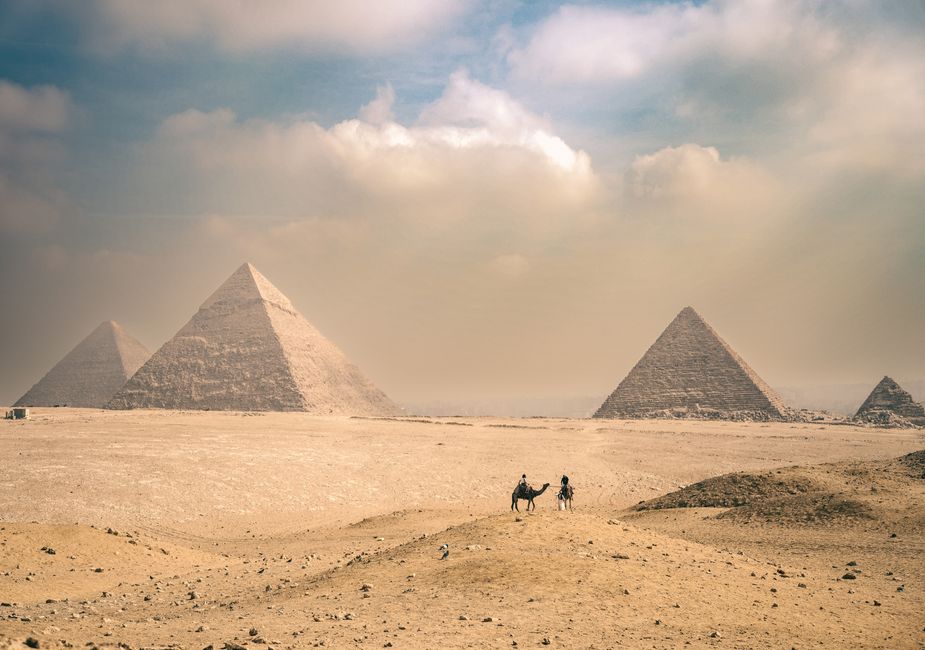
The Perfect 7-10 Day Egypt Itinerary for 2026
Crafting the ideal Egypt travel guide pyramids itinerary requires balancing iconic sites with breathing room. This 7-10 day plan hits the cultural trifecta of Cairo, Luxor, and Aswan without feeling rushed, giving you time to absorb the magic rather than just ticking boxes. For 2026, morning departures are your best friend given the midday heat, and booking entrance tickets online in advance saves hours of queuing.
Day-by-Day Itinerary: Cairo, Luxor, Aswan
This classic route flows southward, following the Nile's current and building anticipation from the Great Pyramid to the Valley of the Kings.
- Day 1 - Arrival in Cairo: Land at Cairo International Airport, arrange your visa on arrival ($25 USD, have exact cash), and settle into a hotel in Zamalek or Garden City.
- Day 2 - Giza Plateau & Grand Egyptian Museum: Arrive at the pyramids by 8:00 AM sharp to beat crowds, spend two hours exploring the plateau, then head to the fully operational Grand Egyptian Museum for its staggering Tutankhamun collection.
- Day 3 - Old Cairo & Khan El Khalili: Explore the Citadel of Saladin and Mohamed Ali Mosque in the morning, then descend into Coptic Cairo's hanging church before an evening getting lost in the Khan El Khalili bazaar.
- Day 4 - Fly to Luxor, East Bank: Catch the 6:00 AM EgyptAir flight to Luxor, drop bags, and visit Karnak Temple in the cooler late afternoon light when the sandstone glows amber.
- Day 5 - Luxor West Bank: Cross the river at sunrise for the Valley of the Kings (choose Tutankhamun, Ramses VI, and Seti I tombs), then see the mortuary temple of Hatshepsut and the Colossi of Memnon before noon.
- Day 6 - Dendera Day Trip & Nile Felucca: Hire a private driver north to the stunningly preserved Temple of Hathor at Dendera, returning to Luxor for a sunset felucca sail on the Nile.
- Day 7 - Drive to Aswan, Kom Ombo: Take a 3-hour private car south, stopping midway at the crocodile god temple of Kom Ombo, arriving in Aswan by late afternoon to check into a Nubian guesthouse on Elephantine Island.
- Day 8 - Abu Simbel: Join the 4:00 AM convoy for the three-hour desert drive to Ramses II's breathtaking Abu Simbel temples, returning by early afternoon for a restful evening.
- Day 9 - Aswan Highlights: Visit the Philae Temple of Isis by boat, see the unfinished obelisk, and stroll the spice-scented Aswan Souk for Nubian handicrafts.
- Day 10 - Departure: Fly from Aswan back to Cairo for your international connection, or depart directly from Aswan if routing permits.
Alternative Itineraries: Red Sea Add-On and Alexandria
If you have extra days or different interests, these variations slot neatly into the core Egypt travel guide pyramids itinerary.
The Red Sea add-on works best after Luxor. Instead of driving directly to Aswan, take a 4-hour bus from Luxor to Hurghada or Marsa Alam for two to three days of world-class diving. The underwater gardens of Ras Mohammed National Park near Sharm El Sheikh offer visibility exceeding 30 meters and encounters with hawksbill turtles. This beach break provides a sharp, refreshing contrast to the dust of archaeological sites. Fly from Hurghada to Cairo to rejoin your departure.
For history lovers who want something beyond pharaonic Egypt, Alexandria delivers Greco-Roman ruins with a Mediterranean breeze. Take the 2.5-hour train from Cairo for a two-day detour. Visit the stunning modern Bibliotheca Alexandrina, explore the catacombs of Kom El Shoqafa where Egyptian and Roman iconography fuse, and eat fresh grilled fish at the waterfront. The city's relaxed, European-tinged café culture feels worlds away from Cairo's intensity.
Transportation Tips: Trains, Flights, and Private Drivers
Getting around Egypt efficiently makes or breaks your timeline. Domestic flights are the backbone of any tight schedule. EgyptAir and Nile Air operate multiple daily connections between Cairo, Luxor, and Aswan, with flight times under 90 minutes. Book directly on airline websites at least a month ahead for the best 2026 fares, as last-minute prices spike dramatically.
The overnight sleeper train from Cairo to Luxor remains an atmospheric, time-saving option. The Watania deluxe train includes a private two-berth cabin with dinner and breakfast served to your compartment. It departs Ramses Station around 8:00 PM and arrives in Luxor by 7:00 AM, saving you a hotel night. For daytime journeys between Luxor and Aswan, a private air-conditioned car with a trusted driver costs roughly $80-100 USD and gives you the flexibility to stop at Edfu and Kom Ombo temples en route.
Within cities, skip hailing street taxis entirely in 2026. Use Uber or Careem for transparent pricing and no haggling in Cairo and Alexandria. In Luxor and Aswan, arrange a private driver through your hotel for the day rather than negotiating individual rides. For the Abu Simbel convoy, book through your Aswan accommodation to ensure a reliable driver who knows the departure protocols.
Egyptian Food and Cultural Etiquette
Egyptian cuisine is a soulful, slow-cooked affair that rewards adventurous eaters. Beyond the pyramids, your senses will feast on aromatic stews, fire-licked flatbreads, and desserts dripping with honey. Understanding local dining customs and social norms deepens every interaction, turning simple meals into memorable connections.
Must-Try Egyptian Dishes and Street Food
Start your culinary journey with koshari, the national comfort dish layering rice, macaroni, lentils, chickpeas, and crispy onions under a tangy tomato-garlic sauce. It is carb-heavy, entirely vegan, and available everywhere from street carts to sit-down restaurants. For breakfast, seek out ful medames, slow-simmered fava beans mashed with olive oil, lemon, and cumin, scooped up with fresh baladi bread.
Street food stalls sell taameya, Egypt's fava-bean falafel with a bright green interior thanks to fresh parsley and coriander. At dinner, order molokhia, a viscous green soup made from jute leaves scented with garlic and coriander, typically ladled over rice with roasted chicken on the side. For dessert, nothing beats konafa, shredded phyllo pastry wrapped around sweet cheese or nuts and soaked in rose-scented syrup. Wash it all down with a glass of chilled karkadeh, a deep crimson hibiscus tea that tastes like liquid cranberries.
Dining Etiquette and Tipping Culture
If invited to an Egyptian home, remove your shoes at the door unless your host insists otherwise, and bring a small gift like pastries or fruit rather than alcohol. Always accept tea or coffee when offered; refusing can be seen as rejecting hospitality. Use only your right hand for eating and passing dishes, as the left is traditionally considered unclean.
Tipping, called baksheesh, is an embedded part of daily life and extends far beyond restaurants. Expect to tip bathroom attendants 5 EGP, parking helpers 10 EGP, and restaurant servers 10-15% of the bill. Keep a dedicated pocket full of small notes so you are never fumbling for change. In hotels, tip housekeeping 20-30 EGP per day and the luggage porter 20 EGP per bag. This small change makes a real difference in local wages, so budget it into your trip costs rather than seeing it as an annoyance.
Cultural Dos and Don'ts for Respectful Travel
Dress modestly regardless of gender, covering shoulders and knees, particularly at religious sites and in rural areas. Women will feel more comfortable with a light scarf handy for entering mosques. Public displays of affection beyond hand-holding draw stares and discomfort, so save kisses for private moments. Ask permission before photographing locals, especially women and children, and respect a refusal gracefully.
During Ramadan 2026, avoid eating, drinking, or smoking in public during daylight hours out of respect for those fasting. Many restaurants remain open discreetly for tourists, but be mindful. Remove your shoes before stepping onto carpeted mosque floors, and speak in a calm, measured tone even when frustrated. Egyptians value dignity and saving face, and a smile paired with "shukran" opens more doors than any raised voice ever will. A genuine interest in the culture transforms you from a tourist into a welcomed guest.
Final Thoughts: Making Your Egypt Dream Trip a Reality
An Egypt travel guide pyramids itinerary can only do so much on a screen. The real transformation happens when you stand at the base of the Great Pyramid, craning your neck until the limestone blocks fill your entire field of vision, or when the first light of dawn turns the Nile into a ribbon of molten silver from your felucca deck. Those moments cannot be captured in photographs or bullet points; they must be lived.
Travel in Egypt rewards patience and presence. The pace is different here, the rhythm older and slower than what many visitors are accustomed to. Lean into that. Accept the third cup of tea offered by a shopkeeper. Let the muezzin's call to prayer wash over you at sunset. Say yes to the unplanned detour down a narrow Cairo alley where the scent of fresh bread spills from a hidden bakery. These unscripted minutes often become the memories you carry home.
As you finalize your plans for 2026, remember that the best preparation balances structure with spontaneity. Book your key internal flights and the Abu Simbel excursion in advance, but leave afternoons open for wandering. Pack light, breathable clothing, a reusable water bottle with a filter, and an open mind. Egypt has been welcoming travelers for over five thousand years, and it remains one of the most profoundly rewarding destinations on earth. Your adventure is waiting exactly where history began.
Gear for this trip
As an Amazon Associate I earn from qualifying purchases.


No comments:
Post a Comment