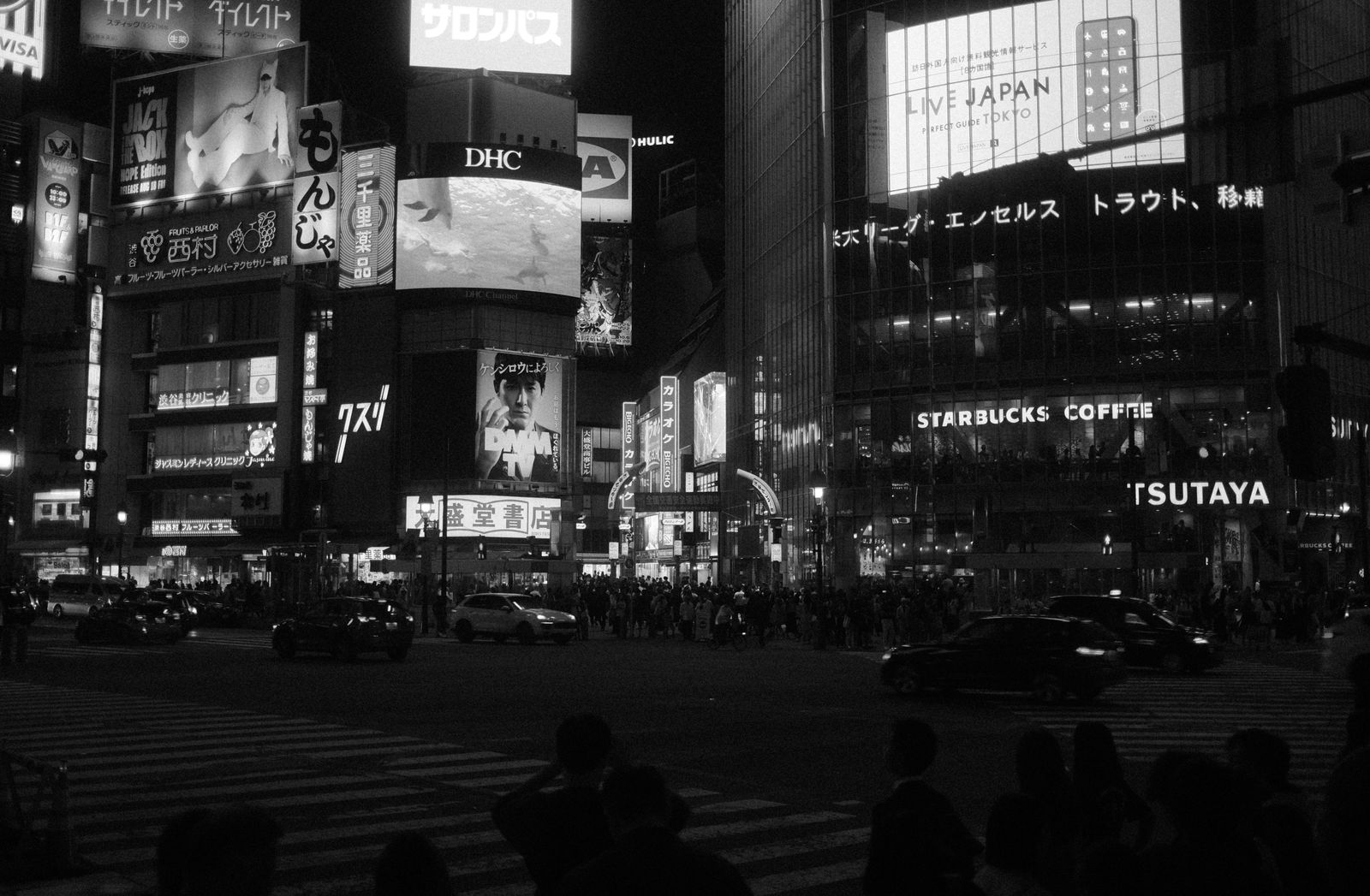
Photo by Reinaldo Simoes via Pexels
Tokyo is a city that refuses to be summarized. It is simultaneously the world's largest metropolitan economy, a repository of centuries-old temple traditions, and a laboratory for whatever comes after modern. You can step off a train at Sensoji Temple in Asakusa, where incense smoke drifts over a market street that has sold souvenirs since the Edo period, and forty minutes later be standing in the neon canyon of Shinjuku's Kabukicho, or riding a glass elevator up a skyscraper in Shibuya to watch the sun set over a sea of rooftops that stretches to the horizon in every direction. Few cities on earth pack this much contrast into a single metro system, and fewer still make it so effortless to move between the contrasts. Tokyo's trains run on time to the minute, its streets are safe to walk at almost any hour, and its 23 wards and surrounding cities somehow function as one coherent, if enormous, whole.
What makes Tokyo worth visiting is not any single monument, because Tokyo does not really have a single monument the way Paris has the Eiffel Tower or Rome has the Colosseum. Instead it offers an accumulation of experiences: the hush of a Shinto shrine forest in the middle of a district otherwise devoted to fashion retail, the quiet concentration of a sushi counter where the chef has spent decades perfecting rice temperature, the barely controlled chaos of an izakaya alley at 9 p.m. on a Friday, the specificity of a shop that sells nothing but chopsticks, or nothing but stationery, or nothing but vintage vinyl. Tokyo rewards travelers who are willing to wander without an agenda as much as it rewards those chasing a checklist of famous sights, and the city is large enough that both approaches can coexist in the same afternoon.
First-time visitors are often surprised by how easy Tokyo actually is to navigate despite its reputation for overwhelming scale. The train and subway network, while dense, is logically color-coded and increasingly bilingual, station staff are patient with lost tourists, and convenience stores on nearly every corner sell everything from fresh onigiri to phone chargers to bottles of good sake. Cash is used more than in many Western capitals, but IC cards like Suica and Pasmo now work as tap-and-go payment almost everywhere, including vending machines and convenience stores, and can even be loaded directly onto an iPhone or Android wallet before you land. This guide walks through when to go, what to see, where to eat, where to sleep, and how to structure a first visit so that Tokyo's scale becomes an asset instead of an obstacle.
Quick Facts & Best Time to Visit
Tokyo sits in a humid subtropical climate zone with four distinct seasons, and the time of year you choose shapes the trip considerably. Spring, from late March through April, brings cherry blossom season, when parks like Ueno, Shinjuku Gyoen, and the Meguro River banks fill with pink canopies and hanami picnickers; this is the most popular and most expensive season to visit, so book flights and hotels months ahead. Autumn, from mid-November through early December, offers similarly spectacular koyo (fall foliage) in gardens such as Rikugien and Koishikawa Korakuen, with the bonus of comfortable, dry, cool weather and thinner crowds than spring. Summer, June through August, is hot and extremely humid, punctuated by a rainy season in June, though it is also festival season, with fireworks displays and Bon Odori dances lighting up the calendar. Winter, December through February, is cold but dry and sunny, with excellent visibility for skyline and Mount Fuji views, plus the lowest hotel prices and thinnest crowds of the year, making it an underrated season for a first visit.
The currency is the Japanese yen (JPY), and while contactless and IC card payments have expanded enormously, it is still wise to carry cash, particularly for smaller restaurants, temples, and rural day trips; 7-Eleven ATMs reliably accept foreign cards. The language is Japanese, and while English signage is common in central Tokyo, particularly on trains, learning a handful of polite phrases goes a long way and is genuinely appreciated. Citizens of the United States, United Kingdom, Canada, Australia, most of the European Union, and roughly 70 other countries can enter Japan visa-free for stays up to 90 days for tourism; always check current requirements before booking, as policies can change. Tokyo has two major international airports: Narita, about 60 to 90 minutes from central Tokyo via the Narita Express or Skyliner train, and Haneda, which is closer, only 20 to 40 minutes from most central areas via monorail or the Keikyu line, and increasingly the preferred gateway for international arrivals. Within the city, the JR Yamanote loop line, the Tokyo Metro, and the Toei subway together cover almost every neighborhood; a Suica or Pasmo IC card, purchasable at any station, is the single most useful thing you can buy in your first ten minutes in Japan.
Top Things to Do in Tokyo
Explore Sensoji Temple and Nakamise Street in Asakusa
Sensoji is Tokyo's oldest temple, founded in the year 645, and it remains the spiritual anchor of the Asakusa district on the city's east side. Approach through the massive red Kaminarimon Gate, with its enormous paper lantern, and you will find yourself funneled onto Nakamise Dori, a pedestrian street lined with more than 50 stalls selling traditional snacks, folding fans, yukata robes, and souvenirs, largely unchanged in spirit for well over a century. The temple's main hall, rebuilt after wartime destruction, still draws worshippers who toss coins, ring the gong, and waft incense smoke over themselves for good fortune before continuing to the adjacent five-story pagoda and the shrine of Asakusa Jinja next door. Arrive before 9 a.m. if you want the approach street relatively free of crowds, or come at dusk when the lanterns are lit and the day-trip tour groups have thinned out. Renting a kimono for the afternoon from one of the many nearby shops is a popular and inexpensive way to make the visit feel more immersive, and the surrounding streets are dense with old-fashioned tempura restaurants and rice cracker shops worth a browse. The Asakusa Culture Tourist Information Center directly across from the gate has a free observation deck on its top floor with excellent views back over the temple complex and the Tokyo Skytree beyond, and it is one of the best free viewpoints in the entire city.
Experience Shibuya Crossing and Shibuya Sky
Shibuya Crossing is the busiest pedestrian intersection in the world, with as many as 3,000 people crossing at once when the lights change, streaming in from all directions in a scene that has become shorthand for Tokyo itself in countless films and photographs. The best free view is from the second-floor window of the Starbucks inside the Tsutaya building on the northwest corner, though you will need to be patient for a window seat. For a more dramatic perspective, head up to Shibuya Sky, the open-air rooftop observation deck atop Shibuya Scramble Square, which opened in 2019 and offers 360-degree views across the entire city, including Mount Fuji on clear days; book timed-entry tickets online in advance, as walk-up slots sell out, and try to catch either sunset or the blue hour just after, when the crossing below lights up. Beyond the crossing itself, Shibuya is a shopping and youth-culture hub, home to the Hachiko statue, a beloved meeting point named for a famously loyal dog, as well as multi-story fashion complexes like Shibuya 109. The neighborhood has also been steadily gentrifying around Miyashita Park, a rooftop green space above a shopping and dining complex that is a pleasant place to decompress after the crossing's sensory overload.
Wander Meiji Jingu Shrine and Yoyogi Park
Meiji Jingu is a Shinto shrine dedicated to Emperor Meiji and Empress Shoken, tucked inside a forest of some 100,000 trees donated from across Japan when the shrine was built in 1920, and the effect of walking from the bustle of Harajuku directly into this hushed woodland is genuinely striking. The main approach path passes beneath towering wooden torii gates and often features a wall of sake and wine barrels donated by producers as offerings, a popular photo stop. At the shrine itself you can watch traditional Shinto weddings on weekends, write a wish on a wooden ema plaque, or purchase an omamori charm. The shrine grounds connect directly to Yoyogi Park, one of Tokyo's largest and most beloved green spaces, which comes alive on weekends with street performers, rockabilly dancers who gather near the park's Harajuku entrance, picnicking families, and joggers circling the park's outer paths. Cherry blossoms here in spring rival any park in the city. Because the shrine sits between Harajuku and Shibuya, it is easy to combine a peaceful morning visit with an afternoon of shopping, making this one of the most efficient pairings in central Tokyo.
Shop and People-Watch on Takeshita Street and Omotesando
Harajuku is Tokyo's epicenter of youth fashion and pop culture, and its two defining streets could not be more different from each other. Takeshita Street is a narrow, densely packed pedestrian lane bursting with crepe stands, cosmetics shops, character goods stores, and secondhand fashion boutiques, and on weekends it can feel like the most crowded 350 meters in Japan; go on a weekday morning if crowds aren't your thing. A five-minute walk away, Omotesando is practically the opposite: a broad, tree-lined boulevard often nicknamed Tokyo's Champs-Elysees, home to flagship stores from global luxury brands housed in architecturally significant buildings, including Tadao Ando's Omotesando Hills complex. Branch off into the surrounding backstreets of Ura-Harajuku and Cat Street to find independent boutiques, vintage shops, and some of the city's best specialty coffee, well away from the main crowds. This is also excellent territory for people-watching, since Harajuku has functioned as an incubator for Japanese street fashion subcultures for decades, and even if the more extreme styles of the 1990s and 2000s have mellowed, the neighborhood's creative energy is still visible on any given afternoon.
Ascend Tokyo Skytree or Tokyo Tower
Tokyo has two great towers, and each has its partisans. Tokyo Skytree, completed in 2012 in Sumida ward near Asakusa, is the tallest structure in Japan and the second-tallest in the world at 634 meters, with two observation levels, the higher of which includes a glass-floored section not for the faint of heart. Skytree's base, Tokyo Solamachi, is a large shopping and aquarium complex worth an hour on its own. Tokyo Tower, by contrast, is the older, more nostalgic option, an orange-and-white lattice structure completed in 1958 and modeled loosely on the Eiffel Tower, standing in Minato ward with views that sweep toward Mount Fuji on a clear day and, many argue, a more charming retro atmosphere, especially when lit up at night in its seasonal color schemes. Neither view technically includes the other tower's structure in the frame in a satisfying way, which is precisely why photographers debate which one to climb; if you can only pick one, Skytree offers the higher, more technically impressive vantage, while Tokyo Tower offers better value, shorter lines, and a view that includes both the tower's own illuminated silhouette from the ground and the classic Tokyo cityscape from above.
Walk Through Shinjuku Gyoen National Garden
Shinjuku Gyoen is a sprawling 58-hectare park a short walk from the chaos of Shinjuku Station, and it is one of the most beautifully landscaped green spaces in the city, blending three distinct garden styles: a formal French garden, an English landscape garden, and a traditional Japanese garden with ponds, bridges, and a teahouse. It is consistently ranked among the best cherry blossom viewing spots in Tokyo thanks to its more than 1,000 trees of some dozen varieties that bloom in a staggered sequence, extending the flowering season longer than in most other parks, and it is equally spectacular during autumn foliage. Because it charges a small admission fee, unlike most Tokyo parks, Shinjuku Gyoen tends to be noticeably less crowded and litter-strewn than free alternatives during peak hanami season, and alcohol and large tarps are prohibited, which keeps the atmosphere calmer and more contemplative. Bring a book, or simply sit near the Taiwan Pavilion pond and watch the turtles, as a genuine break from the intensity of the surrounding city. The park closes relatively early, typically around 4:30 p.m. for last entry, so plan a late morning or early afternoon visit rather than an evening one.
Get Lost in Akihabara Electric Town
Akihabara, often shortened to Akiba, began as Tokyo's postwar electronics bazaar and has evolved into the global capital of anime, manga, and gaming culture, its streets lined with multi-story electronics retailers, arcades, maid cafes, and shops devoted to everything from retro video games to trading cards to collectible figures. Yodobashi Camera and Sofmap are useful for duty-free electronics shopping, while stores like Mandarake and Super Potato are treasure troves for collectors of vintage manga, anime cels, and classic game consoles you will not find assembled in this density anywhere else in the world. The neighborhood is loud, visually overwhelming, and unapologetically niche, and even visitors with no particular interest in anime or gaming tend to find the sheer specificity of the shops fascinating. Try a round or two at a retro arcade, many of which still charge under 100 yen per play, or visit a themed cafe for the novelty, though be aware these typically involve a cover charge and photography restrictions. In recent years Akihabara has also become a serious destination for duty-free electronics, from cameras to rice cookers, so bring your passport if you plan to shop, since tax-free purchases require it at checkout.
Immerse Yourself at teamLab Planets or teamLab Borderless
Tokyo is home to two of the most talked-about digital art experiences in the world, both created by the collective teamLab. teamLab Planets, located in Toyosu, is a barefoot, semi-immersive museum where visitors wade through ankle-deep water illuminated by projected koi fish, walk through mirrored infinity rooms filled with hanging orchids, and lie down in rooms of shifting light. teamLab Borderless, which relocated to Azabudai Hills in 2024 after its original Odaiba venue closed, is a similarly disorienting, boundary-free maze of projection-mapped rooms where the artworks move between spaces and interact with visitors' movements, with no fixed floor plan and no map, deliberately designed to encourage wandering. Both require advance timed-entry tickets purchased online, as they frequently sell out days or weeks ahead, especially on weekends; wear clothes you don't mind getting slightly wet at Planets, and allow at least two hours to properly explore either venue. These are among the most Instagrammed spots in the city for good reason, but they also reward slower, unhurried exploration rather than a rush through for photos, since many rooms are genuinely meditative when the crowds thin out on weekday mornings.
Browse Tsukiji Outer Market
Although the famous wholesale fish auctions moved to the newer Toyosu Market in 2018, the Tsukiji Outer Market beside the old site remains one of Tokyo's best food destinations, a dense grid of narrow lanes packed with seafood vendors, knife shops, tea merchants, and small stand-up eateries serving impossibly fresh sushi, grilled skewers, and tamagoyaki (rolled omelet) on sticks for a few hundred yen. Go early, ideally before 9 a.m., both to beat the crowds and because many stalls sell out of their best items by early afternoon and start closing around 2 p.m. This is an excellent, cheaper alternative to a formal sushi omakase if you want to sample very high-quality seafood without a reservation, and grazing your way down a single lane trying different stalls is part of the fun. For visitors who want to see the modern wholesale action, Toyosu Market itself, about a 20-minute taxi or train ride away, has a public observation deck where you can watch the famous tuna auctions from a glassed-in gallery starting around 5:30 a.m., though advance registration is now required for the closest viewing window.
Take In the View from the Tokyo Metropolitan Government Building
Few visitors realize that one of the best skyline views in Tokyo is entirely free. The Tokyo Metropolitan Government Building in Shinjuku, designed by architect Kenzo Tange and completed in 1991, has two observation decks, one in each of its twin towers, both open to the public at no charge and situated 202 meters above the street. On a clear winter morning, Mount Fuji is visible on the horizon to the southwest, and at night the deck offers a sweeping panorama of Shinjuku's neon core alongside the quieter glow of the rest of the city stretching toward Tokyo Bay. Because admission is free, the decks can draw lines, particularly the southern tower's deck around sunset, so arrive with some flexibility or try the northern tower, which is often less crowded and stays open later, until 10:30 p.m. There is a small cafe and gift shop on the observation floor as well. This is an ideal first- or last-night activity, easily combined with dinner in Shinjuku's restaurant-dense west side, and it remains one of the better-kept secrets among Tokyo's many observation decks precisely because it costs nothing.
Wander Ueno Park, Museums, and Ameyoko Market
Ueno Park is one of Tokyo's oldest and most culturally dense public spaces, home to the Tokyo National Museum, which holds the country's largest collection of Japanese art and antiquities, along with the National Museum of Nature and Science, the National Museum of Western Art, a small zoo that houses giant pandas, and the historic Toshogu Shrine, whose approach is lined with stone lanterns. The park's central pond, Shinobazu, is ringed with lotus flowers in summer and rentable rowboats, and the cherry blossom tunnel along the park's main promenade is one of the most photographed hanami spots in the city each spring. Just south of the park's main entrance, the Ameyoko market street runs along and beneath the elevated JR train tracks, a lively, distinctly unpolished strip of discount clothing stores, dried seafood stalls, cheap sneaker shops, and street food vendors that dates back to a black market that sprang up here after the Second World War. The contrast between the park's refined museum culture and the market's shoulder-to-shoulder bargain-hunting energy, separated by literally a single street, captures something essential about how Tokyo layers eras and moods on top of each other without much fuss.
Discover Traditional Culture in Yanaka
Yanaka is one of the few Tokyo neighborhoods to have largely escaped both the 1923 earthquake and the firebombing of the Second World War, and as a result it retains a genuinely old Tokyo atmosphere of narrow lanes, wooden houses, small temples, and a resident cat population that has made the area something of an unofficial feline mascot district. The main draw is Yanaka Ginza, a charming, low-key shopping street lined with senbei rice cracker shops, old-fashioned tofu makers, and casual food stalls selling menchi katsu (fried meat croquettes) to eat while strolling, entirely free of the crowds found in more famous districts. Yanaka Cemetery, a sprawling and surprisingly beautiful burial ground shaded by cherry trees, is the final resting place of several historical figures and doubles as a peaceful walking route connecting several of the neighborhood's small temples. This is the part of Tokyo to visit if Asakusa's crowds felt like too much and you want a quieter, more residential glimpse of how the city's older neighborhoods actually live day to day, with far fewer tourists and a genuinely unhurried pace.
Watch a Sumo Practice or Tournament in Ryogoku
Ryogoku, on the eastern side of the Sumida River, is sumo's spiritual home, anchored by the Ryogoku Kokugikan arena, which hosts three of Japan's six annual Grand Sumo Tournaments, in January, May, and September, each running for fifteen days. Tickets range from inexpensive same-day arena seats to reserved box seating, and even a half-day visit lets you watch the lower-ranked wrestlers in the morning and build toward the more prestigious top-division bouts in the late afternoon. Outside tournament months, several sumo stables in the surrounding streets allow visitors to observe early-morning practice sessions, either independently with advance arrangement or through a guided tour, offering an intimate look at the discipline's grueling training routines. The neighborhood itself is dotted with chanko nabe restaurants, the protein-rich hot pot stew wrestlers eat in large quantities to build mass, many of them run by retired sumo wrestlers, and eating a bowl here is a fitting way to round out the visit. The nearby Sumo Museum, free with Kokugikan admission during tournaments, displays historical wrestling artifacts and portraits of past yokozuna grand champions.
Explore the Imperial Palace East Gardens
The Imperial Palace itself, home to Japan's reigning emperor, is closed to the public for most of the year aside from two special days, but the palace's East Gardens are open free of charge most days of the week and occupy the former site of Edo Castle, once the largest fortress in the world. Massive stone walls, moats, and the foundation of the castle's former main keep remain, alongside beautifully maintained gardens that shift with the seasons, from plum blossoms in February to azaleas in spring and vivid foliage in autumn. Enter through Ote-mon Gate, a short walk from Tokyo Station, and budget an hour or two to walk the grounds at an unhurried pace; because it sits directly beside Tokyo's central business district, the gardens offer an unusually quiet, green counterpoint to the surrounding skyscrapers of Marunouchi. On the two days each year the inner palace grounds open to the public, for the Emperor's birthday and New Year's greetings, visitors can catch a rare glimpse of the imperial family, but the East Gardens alone are more than enough to appreciate the historical weight of the site on any ordinary day.
Shop and Dine in Ginza
Ginza has been Tokyo's premier upscale shopping district since the late 19th century, and its main strip, Chuo Dori, is lined with flagship department stores like Mitsukoshi and Matsuya, international luxury boutiques, and architecturally striking buildings, including the striped, all-glass Ginza Six complex, which houses a rooftop garden with skyline views alongside its retail floors. On weekend afternoons, Chuo Dori closes to vehicle traffic and becomes a pedestrian-only promenade, when cafe tables spill out onto the street and the whole district takes on a more relaxed, browsable atmosphere. Beyond the big-name shopping, Ginza's basement food halls, particularly inside Mitsukoshi and Matsuya, known as depachika, are extraordinary places to graze on beautifully packaged sweets, bento boxes, and regional specialties from across Japan, often available as free samples. The district is also home to some of Tokyo's most celebrated and hardest-to-book sushi counters, tucked into unassuming basement and back-alley spaces that reveal little from the street. Even without spending a yen on shopping, an evening walk through Ginza's illuminated streets, especially around the Wako department store's landmark clock tower, is one of Tokyo's classic urban pleasures.
Best Neighborhoods to Explore
Shibuya is Tokyo's youth-culture and fashion engine, built around the world-famous scramble crossing and radiating outward into dense shopping streets, rooftop bars, and a genuinely round-the-clock nightlife scene. It is loud, crowded, and relentlessly energetic, home to Shibuya 109's fashion floors, the Hachiko meeting spot, and an ever-expanding cluster of new skyscrapers, including Shibuya Sky, that have transformed the district's skyline over the past decade. Base yourself here if you want to be at the center of the action with easy access to Harajuku and Shinjuku via a short train or walk.
Shinjuku functions almost as two neighborhoods split by the station: the western side is a forest of skyscrapers, including the free-to-visit Tokyo Metropolitan Government Building, hotels, and camera and electronics megastores, while the eastern side, particularly Kabukicho, is Tokyo's largest and most famous entertainment district, packed with izakayas, karaoke boxes, host and hostess clubs, and the tiny, atmospheric bars of Golden Gai and Omoide Yokocho. Shinjuku Station itself is the busiest train station in the world by passenger volume, so allow extra time to navigate its sprawling underground concourses, but the neighborhood's sheer density of dining and nightlife options makes the maze worth it.
Asakusa preserves Tokyo's older, more traditional atmosphere better than almost anywhere else in the city center, centered on Sensoji Temple and its approach street, and extending into quieter lanes of craft shops, rickshaw pullers, and old-fashioned restaurants specializing in tempura, unagi (eel), and monjayaki. It sits on the Sumida River across from Tokyo Skytree, and a river cruise or a walk along the riverside Sumida Park, especially during cherry blossom season, connects the two areas nicely. Asakusa also tends to offer better value accommodation than the more central wards.
Harajuku and Omotesando together cover the spectrum from teenage street fashion to high-end luxury shopping within a ten-minute walk, bordered by the forested calm of Meiji Jingu Shrine on one side. This is prime territory for people-watching, boutique browsing, and some of Tokyo's most inventive cafe culture, and its backstreets reward aimless wandering more than almost any other district in the city.
Nakameguro and Daikanyama, sitting just southwest of Shibuya, represent Tokyo's more understated, design-conscious side, favored by locals over tourists. Nakameguro is built along the Meguro River, whose banks are lined with cherry trees that turn the neighborhood into one of the city's loveliest hanami spots each spring, alongside a cluster of independent coffee roasters, vintage shops, and low-key wine bars. Neighboring Daikanyama has a similarly relaxed, boutique-heavy atmosphere with excellent architecture, including Tsutaya Books' flagship store, and is a favorite for a slower, more residential afternoon away from the busier tourist circuits.
Where to Eat and Drink
Tokyo has more Michelin-starred restaurants than any other city in the world, but its everyday food culture is arguably even more remarkable, since genuinely excellent meals are available at every price point, from a 400 yen bowl of standing-counter soba to a multi-hundred-dollar sushi omakase. Ramen is the city's most beloved comfort food, and shops specialize deeply in particular styles: Ichiran offers a famous solo-booth, customizable tonkotsu (pork bone broth) experience with locations across the city, while Fuunji in Shinjuku draws long lines for its rich, dipping-style tsukemen. Sushi ranges from the theater of a high-end omakase counter, such as the internationally famous Sukiyabashi Jiro in Ginza, which requires booking months ahead and a serious budget, to the far more accessible and equally delicious conveyor-belt chains like Uobei or Genki Sushi, where plates arrive via tablet order and small conveyor track.
For a classic, unpretentious dinner, head to an izakaya, a casual pub-style restaurant built around small shared plates and drinks, ideally in an atmospheric alley like Omoide Yokocho near Shinjuku Station, a narrow lane of tiny, smoke-tinged yakitori stalls that has operated since the postwar era, or Golden Gai nearby, a warren of more than 200 minuscule themed bars, some seating only five or six people, each with its own devoted regulars and idiosyncratic personality. Yakitori, skewered and grilled chicken, is a staple of these spots, along with edamame, karaage (Japanese fried chicken), and cold draft beer or highballs. Tempura, lightly battered and fried seafood and vegetables, is best eaten fresh at a counter where the chef fries to order, and Asakusa has several long-standing specialists worth seeking out.
Depachika, the elaborate basement food halls found beneath major department stores like Isetan in Shinjuku, Mitsukoshi in Ginza and Nihonbashi, and Takashimaya, are essential stops even if you have no intention of buying anything, offering an overwhelming, beautifully presented array of wagashi sweets, bento boxes, cheese, wine, and regional specialties from every corner of Japan, often with free tasting samples on offer. For something more casual, convenience stores such as 7-Eleven, Lawson, and FamilyMart genuinely punch above their category, selling surprisingly good onigiri rice balls, sandwiches, and hot fried chicken at any hour, and are a legitimate, cheap meal option between sightseeing stops. Tsukiji Outer Market remains the best spot for a seafood-forward breakfast or lunch, while Tokyo's numerous kissaten, old-fashioned coffee houses with dark wood interiors and siphon-brewed coffee, offer a slower counterpoint to the city's newer specialty coffee scene, which has flourished particularly in Nakameguro, Kiyosumi-Shirakawa, and Shimokitazawa. Whatever the budget, reserving ahead is increasingly necessary for any restaurant with a strong reputation, particularly sushi and high-end tasting menus, so plan key dinners a few weeks out where possible.
Best Day Trips from Tokyo
Kamakura, about an hour south of Tokyo by train, was once Japan's political capital during the 12th and 13th centuries and remains packed with historic temples and shrines, most famously the Great Buddha of Kotokuin, a 13-meter bronze statue cast in 1252 that visitors can view up close, and Hasedera Temple, known for its hillside garden and ocean views. The Enoshima Electric Railway, a charming local tram line, connects several of Kamakura's temple districts and runs briefly along the coastline near Enoshima Island, making it easy to combine a temple-focused morning with a beach-town afternoon. Kamakura is an easy, low-effort day trip well suited to travelers who want a taste of pre-modern Japan without venturing far from Tokyo.
Nikko, roughly two hours north of Tokyo by train, is a UNESCO World Heritage mountain town centered on Toshogu Shrine, the lavishly decorated mausoleum of the shogun Tokugawa Ieyasu, whose ornate carvings, including the famous three wise monkeys, represent some of the most elaborate craftsmanship in Japanese religious architecture. The surrounding forested hills, waterfalls including the dramatic Kegon Falls, and the volcanic Lake Chuzenji make Nikko worth an early start and a full day, and the JR/Tobu combination ticket from Asakusa Station simplifies the logistics considerably. Autumn foliage season, typically mid to late October, is spectacular here but also extremely crowded, so a weekday visit is strongly advised during that window.
Hakone and the Mount Fuji Five Lakes region, both roughly 90 minutes to two hours from Tokyo, offer the best realistic chance of seeing Mount Fuji up close, along with hot spring bathing, since Hakone is one of Japan's most famous onsen resort areas. A popular loop takes in the Hakone Ropeway over the volcanically active Owakudani valley, a cruise across Lake Ashi with Fuji visible behind its iconic red torii gate on clear days, and an overnight or day-use stay at a traditional ryokan inn with private or public hot spring baths. Alternatively, Kawaguchiko in the Fuji Five Lakes area offers some of the most photographed Fuji views in the country, particularly from the Chureito Pagoda. Both destinations are weather-dependent for Fuji sightings, so building in flexibility, or an overnight stay, meaningfully improves your odds of a clear view.
Where to Stay
Shinjuku is arguably the single most practical base for first-time visitors, offering direct train access to almost every other major district, an enormous concentration of hotels across every budget tier, and its own considerable dining and nightlife scene right outside the door; it works well whether you're staying in a mid-range business hotel chain like APA or Tokyu Stay, or splurging on a landmark property like the Park Hyatt Tokyo, familiar to many from the film Lost in Translation. Shibuya offers similarly strong transit connectivity with a younger, trendier atmosphere and a growing cluster of design-forward hotels near the scramble crossing, ideal for travelers prioritizing nightlife and shopping. Asakusa is the best choice for a more traditional, budget-friendly stay, with a wide range of guesthouses, capsule hotels, and even a handful of ryokan-style inns, at generally lower prices than the central wards, though it sits a bit farther from Shibuya and Shinjuku's nightlife. Ginza and the nearby Nihonbashi and Marunouchi areas suit travelers who want polished, upscale hotels close to Tokyo Station, with easy access to the Shinkansen bullet trains for day trips or onward travel, along with the city's most refined shopping and dining right outside. For solo travelers or those on a tight budget, capsule hotels have evolved considerably from their utilitarian origins, and many now offer stylish, comfortable pods with lockers, shared lounges, and on-site baths for a fraction of a standard hotel room's price, with well-regarded chains such as Nine Hours and The Millennials operating locations across several central neighborhoods.
Suggested 3-Day Itinerary
Day 1: Old Tokyo - Asakusa, Ueno, and Akihabara
Start early at Sensoji Temple in Asakusa before the crowds arrive, walking Nakamise Dori and the surrounding backstreets, then take a river cruise or a short walk to admire Tokyo Skytree from across the Sumida River. Head to Ueno Park by late morning to explore the Tokyo National Museum or simply walk the grounds, then wander south into Ameyoko Market for a cheap, lively lunch among the market stalls. In the afternoon, take the train to Akihabara for a couple of hours browsing electronics stores, arcades, and manga shops. End the day back in Asakusa or nearby Ryogoku with a chanko nabe hot pot dinner, or return toward Ueno for an izakaya meal in one of the area's atmospheric under-track alleys.
Day 2: Modern Tokyo - Shibuya, Harajuku, and Shinjuku
Begin at Meiji Jingu Shrine, entering through Harajuku, and spend a quiet morning walking the forested approach before emerging into the shrine's Yoyogi Park grounds. Cross into Harajuku proper to browse Takeshita Street and then Omotesando, allowing time for a leisurely lunch at one of the neighborhood's cafes. In the afternoon, walk or take a short train ride to Shibuya, timing your arrival to catch Shibuya Sky around sunset, followed by an up-close look at Shibuya Crossing and the Hachiko statue once darkness falls and the neon is at its most vivid. Finish the evening in Shinjuku, dining in Omoide Yokocho or a Kabukicho izakaya, then heading up to the free observation deck at the Tokyo Metropolitan Government Building for a final skyline view, or continuing into Golden Gai for a nightcap in one of its tiny bars.
Day 3: Art, Gardens, and a Signature Experience
Spend the morning at Shinjuku Gyoen or the Imperial Palace East Gardens for a calmer pace, followed by a wander through Ginza's flagship department stores and depachika food halls for lunch, sampling from the sample counters or picking up an elaborate bento box. In the afternoon, book a timed slot at teamLab Planets or teamLab Borderless for an immersive art experience unlike anything available outside Japan, allowing at least two unhurried hours inside. Alternatively, if art installations aren't your priority, substitute a half-day trip to Kamakura for temples and coastal views, returning to central Tokyo by early evening. Close out the trip with a proper sushi dinner, whether an ambitious reserved omakase or a satisfying conveyor-belt meal, as a fitting final Tokyo meal before departure.
Practical Travel Tips
Tokyo's public transit is the backbone of any visit, and a Suica or Pasmo IC card, which can now be added directly to an iPhone or compatible Android wallet before you even land, will save enormous amounts of time compared to buying individual paper tickets at every station. Google Maps handles Tokyo's train network remarkably well, including platform numbers and transfer times, and is genuinely reliable for navigating the city's more than 800 train and subway stations. If your trip includes destinations well outside Tokyo, such as Kyoto or Osaka, a Japan Rail Pass can offer meaningful savings on Shinkansen travel, but it is rarely worth purchasing for a Tokyo-only itinerary, since the city's core sights are covered by cheaper metro and JR city tickets.
Tokyo is exceptionally safe by almost any global standard, with low rates of violent and petty crime, and it is common, even expected, for visitors to walk almost anywhere at night without particular concern; standard city sense, watching belongings on crowded trains and around major stations, is still sensible, and natural hazards such as occasional earthquakes and, in summer, typhoons are worth being aware of, though Tokyo's infrastructure is built to a very high standard of resilience. Budget-wise, Tokyo has a reputation for being expensive that is only partly deserved; accommodation and formal dining can run high, but public transit, convenience store meals, and many temples and shrines are inexpensive or free, so a mid-range daily budget of roughly 12,000 to 20,000 yen per person, excluding hotels, comfortably covers food, local transport, and a couple of paid attractions.
Pack layers regardless of season, since Tokyo's indoor spaces are often strongly heated or air-conditioned relative to outside temperatures, and comfortable walking shoes are essential given how much of any Tokyo itinerary involves walking between train stations and attractions. A pocket wifi router or a local eSIM data plan, both easily arranged before arrival, will make navigation, translation apps, and restaurant research far smoother than relying on hotel wifi alone. On etiquette, avoid eating or talking loudly on phones while riding trains, remove shoes when entering traditional restaurants, ryokan, and some temples, and note that tipping is not customary anywhere in Japan and can occasionally cause confusion if offered; excellent service is simply the cultural default, not something purchased separately.
Frequently Asked Questions
How many days do I need in Tokyo?
Four to five days allows a comfortable first visit covering the major districts, a day trip, and some unstructured wandering time, though even three focused days, as outlined in the itinerary above, can hit the highlights. Travelers combining Tokyo with Kyoto and Osaka often allocate three to four days to Tokyo within a broader ten-to-fourteen-day Japan itinerary.
Is Tokyo expensive to visit?
Tokyo can be as expensive or as affordable as you make it. Five-star hotels and Michelin-starred dinners cost what you would expect in any major global city, but public transit is cheap, many temples and parks are free, and excellent meals are available for well under 1,500 yen at ramen shops, convenience stores, and casual eateries, making Tokyo considerably more budget-friendly than its reputation suggests, especially for food.
Do I need to speak Japanese to visit Tokyo?
No. Central Tokyo, particularly train stations, major attractions, and hotels, has extensive English signage, and translation apps handle most remaining gaps easily. Learning a few basic phrases, such as arigato gozaimasu (thank you) and sumimasen (excuse me), is appreciated by locals and smooths small daily interactions, but it is entirely possible to navigate Tokyo comfortably without prior Japanese language study.
What is the best time of year to visit Tokyo?
Late March through April for cherry blossoms and mid-November through early December for autumn foliage are the most visually spectacular and most crowded seasons. For a quieter, still pleasant trip, October and the first half of November offer comfortable temperatures with thinner crowds, while winter offers the clearest skies and lowest prices for travelers who don't mind cold weather.
Is Tokyo safe for solo travelers, including women?
Yes, Tokyo is consistently rated among the safest large cities in the world for solo travelers, including women traveling alone, with low crime rates and a strong culture of returning lost items. Standard urban precautions still apply, particularly around very crowded nightlife areas late at night, but violent crime against tourists is rare, and walking alone at night in most neighborhoods is common practice for residents of all backgrounds.
Should I buy a Japan Rail Pass for a Tokyo trip?
If your itinerary stays within Tokyo, a Japan Rail Pass is generally not worth the cost, since city subway and JR lines are inexpensive on their own and the pass is priced for longer-distance Shinkansen travel. If you plan to also visit Kyoto, Osaka, or other cities by bullet train, run the math on a pass calculator using your specific planned routes, since pricing and eligibility rules have changed in recent years and a pass is only cost-effective for certain itineraries.
Final Thoughts
Tokyo rewards travelers who let its contrasts sit side by side rather than trying to resolve them into a single narrative. It is a city where a fifteenth-century shrine and a cutting-edge digital art museum can occupy the same afternoon, where a 200-yen bowl of noodles and a once-in-a-lifetime sushi omakase are both, in their own way, essential Tokyo experiences, and where getting deliberately lost in a residential backstreet often turns out to be as memorable as any headline attraction. The logistics, thanks to an extraordinarily efficient train system and a culture of genuine hospitality, are far more manageable than the city's scale might suggest, which frees up mental space to simply notice things: the specificity of a shop that does one thing extremely well, the quiet of a shrine forest a block from a shopping strip, the choreography of a crossing filled with thousands of strangers who somehow never collide. Whatever draws you to Tokyo first, whether ancient temples, neon skylines, or a particular bowl of ramen, it is very unlikely to be the last thing that keeps you thinking about a return visit.


No comments:
Post a Comment