
Asunción: The Unhurried Heartbeat of a Nation
Introduction
The first thing you notice is the silence. Not a true silence, but a profound, languid quietude that drapes itself over the city like a worn, comfortable shawl. You step out of the airport, the humid subtropical air pressing against your skin with the weight of a warm, damp cloth, and you are met not with the frantic honking of a typical capital, but with the low murmur of a city waking from a long, pleasant siesta. This is Asunción, the Mother of Cities, the capital of Paraguay, a place where time has not so much stopped as decided to amble, to linger over a glass of tereré in the shade of a lapacho tree. It is a city that does not shout its charms; it whispers them in the rustle of jacaranda blossoms on cobblestone streets, in the distant strum of a guitar from a colonial courtyard, in the gentle lapping of the Paraguay River against its muddy banks.
Founded in 1537 on a bluff overlooking the broad, brown river, Asunción is one of the oldest cities in South America. It earned its maternal nickname for spawning expeditions that founded other great metropolises like Buenos Aires and Santa Fe. Yet, unlike its more flamboyant descendants, Asunción has remained introspective, content in its own skin. The cityscape is a fascinating, sometimes jarring, cinematic montage. Belle Époque mansions with flaking pastel paint and ornate ironwork stand shoulder-to-shoulder with brutalist concrete blocks from the Stroessner era. Gleaming new shopping malls rise just blocks from quiet plazas where old men play chess under the watchful gaze of heroes cast in bronze. The scent of charcoal-grilled meat and wood-fired chipa bread mingles with the perfume of orange blossoms and the faint, earthy smell of the river.
To travel here is to surrender to a different rhythm. You will not find a checklist of world-famous monuments. Instead, you will find a city of profound authenticity, where daily life is the main attraction. The cinematic quality of Asunción lies in its textures: the cool touch of the red tile floors in the Palacio de los López at dusk, the gritty feel of the cobblestones in the historic center underfoot, the vibrant splash of a Ñandutí lace doily displayed in a market stall, its spiderweb pattern a testament to patient artistry. The soundscape is a symphony of specificities—the clink of the bombilla in a shared gourd of iced yerba mate, the call of the chipá vendor on a sleepy Sunday morning, the melancholic strains of a Paraguayan polka floating from a corner bar. This is a city that asks you to sit, to observe, to sip, and to listen. It is not a destination for the hurried tourist, but a sanctuary for the curious traveler seeking a place still beautifully, unapologetically itself.
Why Visit Asunción?
You visit Asunción for the feeling, not just the sights. You come to experience a capital city that has defiantly retained its soul, a place where globalization feels like a faint whisper, not a roaring engine. In an era where so many city centers have become homogenized, Asunción's identity is potent and unique. It is a city of profound contrasts that somehow coalesce into a harmonious whole. One moment you are in the bustling Mercado 4, a labyrinthine universe of stalls selling everything from medicinal herbs to pirated DVDs, the air thick with the cries of vendors and the scent of ripe mangoes and diesel fumes. Twenty minutes later, you can be in the tranquil Botanical Garden, strolling among towering palms and listening to the chatter of monkeys, feeling a world away from any urban sprawl.
You visit for the human scale. This is a city made for walking, for getting lost in residential neighborhoods like Villa Morra, where every house seems to hide behind a riot of bougainvillea and the gates are left invitingly ajar. You visit for the palpable sense of history that feels lived-in, not museum-ified. The National Pantheon of Heroes is not just a monument; it's a living plaza where couples meet, shoeshine boys ply their trade, and the changing of the guard is observed with a quiet, everyday reverence. You come to witness the enduring Guarani culture, woven into the very fabric of the Spanish language, visible in the faces of the people, and tasted in the staple foods. This bilingual, bicultural heart of Paraguay beats strongest in its capital.
Most of all, you visit for the people—the Asuncenos. Their hospitality is not a service industry performance; it is a genuine, understated warmth. A smile is readily given, directions are offered with patience, and an invitation to share a tereré is a common gesture of friendship. In Asunción, you are not a spectator behind a lens; you are a potential guest, a momentary part of the community. To visit is to be gently pulled into the city's slow, steady rhythm, to understand that here, connection is valued over efficiency, and a shared moment in the shade is the true currency of a good life.
When to Visit
Timing your cinematic journey to Asunción is crucial to the film's mood. The city experiences a humid subtropical climate with two distinct acts: sweltering summer and mild, drier winter. The summer months, from December to February, are intense. The sun is a relentless, brilliant spotlight, temperatures often soaring above 95°F (35°C) with oppressive humidity. The air feels thick and sweet, heavy with the scent of blooming flowers and impending thunderstorms that arrive with dramatic, cathartic force, flooding streets in minutes before clearing to leave the city steaming. This is the time for vibrant, high-contrast scenes—lush green parks, explosive sunsets over the river, and the vibrant energy of summer festivals. But it is not for the faint of heart; pacing yourself is essential.
The golden hour for Asunción, without a doubt, is the Southern Hemisphere autumn and winter, from April through September. This is when the city is shown in its most flattering light. Days are sunny, clear, and pleasantly warm, with temperatures ranging from 60°F to 80°F (15°C to 27°C). The light is softer, casting long, dramatic shadows across the colonial facades. The humidity drops, making exploration on foot an absolute joy. Evenings require a light jacket, perfect for sitting at a sidewalk café in the historic center, watching the city's elegant old streetlights flicker on. This dry season is also festival season, with events like the Asunción International Film Festival adding a buzz to the cultural calendar.
Spring (October-November) brings a surge of color as the iconic lapacho trees erupt in spectacular blooms of pink, yellow, and purple against the blue sky. It is stunningly beautiful, though the heat and humidity begin their crescendo towards December. The shoulder months of March and October offer a compelling mix, with fewer visitors and the chance to see the city in transition, though be prepared for the occasional, moody rain shower that only enhances the cinematic atmosphere, glistening on the cobblestones and deepening the colors of the aged walls.
How to Get There
Your arrival scene in Asunción will likely begin at Silvio Pettirossi International Airport (ASU), a modest but modern gateway located about 12 miles northeast of the city center. The approach, especially at dusk, offers a sweeping aerial view—a sprawling mosaic of red-tiled roofs, shimmering skyscrapers, and the vast, serpentine brown ribbon of the Paraguay River cutting through the landscape. Upon landing, the pace is immediately noticeable; immigration lines move with a calm efficiency, devoid of the frantic energy of larger hubs. Exiting the arrivals hall, the warm, fragrant air is your first true introduction.
The journey from the airport to the city is your opening sequence. The most straightforward option is a taxi. Use the official taxi booth inside the terminal to purchase a fixed-fare ticket to your destination—this avoids any negotiation. The drive is a perfect primer. You'll pass through bustling commercial districts, past sleepy neighborhoods, and along the Costanera, the city's beautiful riverfront avenue, with the water gleaming in the distance. For a more local experience, public buses run from the airport into the city center. They are incredibly inexpensive and offer an unfiltered slice of Asunceno life, though they can be crowded and challenging with luggage.
Asunción is also connected by land and river. Long-distance buses from across Paraguay and neighboring countries like Argentina, Brazil, and Bolivia arrive at the Terminal de Ómnibus, a chaotic but fascinating microcosm of the continent. For a truly unique and leisurely approach, consider the ferry from the Argentine city of Formosa across the Paraguay River. The slow chug across the muddy waters, with the skyline of Asunción growing larger on the bluffs, is a timeless, evocative way to arrive, mirroring the journeys of the city's earliest founders.
Accommodation
Choosing where to stay in Asunción is like selecting the setting for your personal film. The city offers a range of backdrops, from historic charm to modern luxury. For the true immersive experience, seek out the historic center, El Centro. Here, you can find beautifully restored boutique hotels housed in 19th-century mansions. Waking up in a room with high ceilings, tall shuttered windows, and original tile floors, the morning sun filtering through the lace curtains, is pure magic. You step outside directly onto cobblestone streets, with the city's main landmarks—the Cathedral, the Cabildo, the Palacio de los López—all within a few blocks. The soundtrack is the gentle hum of the waking city, the clip-clop of a horse-drawn cart, and the bells from the cathedral tower.
For a more contemporary, upscale vibe, the neighborhoods of Villa Morra and Las Mercedes are your setting. This is where sleek glass towers house international hotel chains and stylish aparthotels. The scene here is one of manicured gardens, upscale shopping malls like the Paseo La Galería, and trendy restaurants and bars. It's a quieter, more polished version of the city, offering respite in plush comfort after a day of exploration. Many of these establishments boast rooftop pools with staggering panoramic views of the city skyline against the river—the perfect spot for a sunset cocktail.
For the budget-conscious traveler and social butterfly, the area around Plaza Uruguaya and the bus terminal offers a number of hostels and modest hotels. This is a vibrant, noisy, and authentically local part of town. You'll be at the crossroads of daily Asunceno life, with street markets, cheap eateries, and a constant flow of people. It's less about luxury and more about raw, unfiltered immersion. Wherever you choose, prioritize a place with a patio, a balcony, or a window that opens. In Asunción, the boundary between inside and outside is porous, and you'll want to let the sights, sounds, and scents of the city drift in.
Things to Do
Your days in Asunción should be unstructured, a series of wandering scenes rather than a rigid schedule. Begin at the heart: the Plaza de la Independencia. Feel the cool marble of the Pantheon of Heroes under your fingertips, watch the eternal flame flicker, and observe the quiet comings and goings. From there, let your feet guide you. Wander down Calle Palma, the main commercial artery, a sensory overload of music shops, old-school pharmacies, and street vendors. Peek into the majestic Metropolitan Cathedral, its interior a cool, shadowy sanctuary of gold leaf and quiet devotion.
Your next scene should be the Costanera. This magnificent riverfront promenade is the city's living room. Rent a bike or simply stroll as the river, wide and slow as poured honey, stretches to the horizon. Families picnic on the grass, fishermen cast hopeful lines, and couples share tereré on benches as the sky erupts in oranges and purples at dusk. It is here you feel the city's connection to its lifeblood, the Paraguay River.
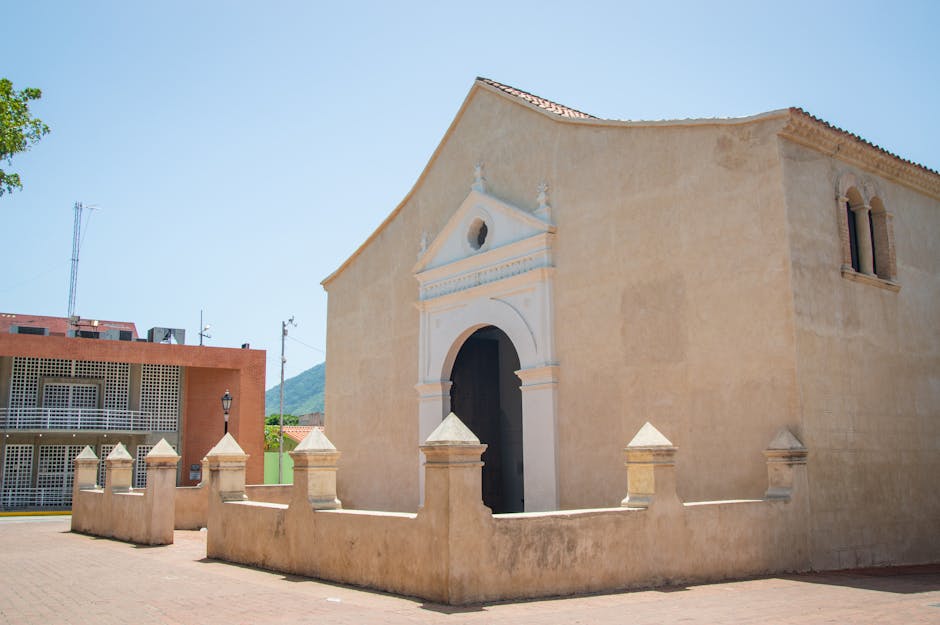
For a dramatic shift in setting, dive into the Mercado 4. This is not a market; it's an organism. Navigate narrow alleys crammed with stalls selling pirarucu fish, bundles of mint and boldo for tea, piles of colorful flip-flops, and bootleg reggaeton CDs. The air is thick with the smell of frying empanadas, ripe fruit, and sweat. It's chaotic, overwhelming, and utterly captivating—a documentary unfolding in real time. For contrast, seek out the Museo del Barro, a world-class museum dedicated to indigenous and contemporary Paraguayan art. Its stark, modern rooms house powerful ceramics, intricate featherwork, and provocative modern pieces that tell the nation's complex story.
As the afternoon heat peaks, follow the local cue and find shade. Visit the Jardín Botánico, once the personal estate of a 19th-century dictator, now a sprawling, slightly wild park. Walk among eucalyptus groves, visit the small zoo, and find a bench in the Japanese garden. The only sounds are birdsong and the rustle of leaves. Later, explore the cultural heart of the city in the Manzana de la Rivera, a row of colorfully restored colonial houses facing the presidential palace. They house cafes, art galleries, and cultural museums, perfect for a late-afternoon coffee. As night falls, make your way to the Loma San Jerónimo, a historic hillside neighborhood now famous for its restaurants and bars. The narrow, winding streets are adorned with vibrant murals, and from its heights, you get a breathtaking, twinkling view of the city and the river below—the perfect final shot for the day.
Food and Drink
The culinary soundtrack of Asunción is a sizzle. It's the sound of meat hitting a hot grill at a parrilla, the crunch of a deep-fried empanada, and the gentle scrape of a bombilla through yerba mate. Paraguayan cuisine is hearty, comforting, and deeply rooted in its Guarani and mestizo heritage. Your non-negotiable opening scene is at a parrilla. Order the asado, a parade of grilled meats—beef ribs, chorizo, vacio (flank steak)—served with mandioca (cassava), a starchy, earthy staple. The flavor is pure, smoky, and primal.
Then, explore the street food symphony. Follow the scent of baking bread to a chipería for chipá, a cheesy, gluten-free bread made from mandioca starch, best eaten warm from the oven. Try a lomito, a monstrous sandwich piled with steak, ham, cheese, tomatoes, and mayonnaise, a delicious challenge to finish. Seek out sopa paraguaya, which is not a soup but a dense, savory cornbread studded with cheese and onions—a culinary paradox that is utterly delicious.
But the true ritual, the drink that defines the rhythm of the day, is tereré. In the morning, it's mate (served hot). As the sun climbs, it transitions to tereré: yerba mate served ice-cold in a shared gourd, infused with fresh herbs like mint, lemon verbena, or boldo. You'll see it everywhere—in the hands of construction workers, office secretaries, and groups of friends sitting in circles in any patch of shade. To be offered a sip is an act of inclusion. For something stronger, try caña, a local sugarcane spirit, or the excellent national beer, Pilsen. End your culinary day with a dulce de mamón, a sweet preserve made from green papaya, or a simple but perfect slice of local orange, often sweeter and more fragrant than any you've tasted before.
Practical Tips
To move through Asunción like a local, a few practical notes will frame your experience. The currency is the Paraguayan Guaraní (PYG). Carry a mix of cash (small bills are essential for markets and buses) and a debit/credit card for larger establishments. ATMs are widely available. While Spanish is the official language, you'll hear Guarani spoken everywhere—a beautiful, flowing language. Learning a few basic phrases in Spanish ("Mba'éichapa" for hello, "Aguyje" for thank you) will be met with warm appreciation. English is not widely spoken outside tourist hotels, so a translation app or phrasebook is your best co-star.
Getting around is part of the adventure. City buses are ubiquitous and incredibly cheap, but routes can be cryptic. Hail them with a wave; pay the conductor as you board. Taxis are plentiful and affordable; insist they use the meter ("el taxímetro, por favor") or agree on a fare beforehand. Ride-hailing apps like Uber and Bolt operate efficiently. For the ultimate freedom, consider renting a car to explore beyond the city, but be prepared for chaotic traffic in the center. Safety-wise, Asunción is generally safe, but practice common sense: avoid flashing valuables, be cautious in isolated areas at night, and use hotel safes. The greatest daily challenge will be the sun—a wide-brimmed hat, high-SPF sunscreen, and constant hydration are non-negotiable props for your journey.
Suggested Itinerary
Day 1: The Historic Heartbeat. Morning: Start at the Plaza de la Independencia and Pantheon. Explore the Cathedral and the Cabildo museum. Walk down Calle Palma, soaking in the atmosphere. Afternoon: Lunch at a traditional parrilla in the center. Visit the Casa de la Independencia museum. Late afternoon: Stroll along the Costanera as the sun begins to lower, watching river life. Evening: Dinner in the Loma San Jerónimo neighborhood, enjoying the murals and the view.
Day 2: Culture & Contrast. Morning: Immerse yourself in the controlled chaos of Mercado 4. Follow this with the calm and profound artistry of the Museo del Barro. Afternoon: Escape the heat in the Jardín Botánico. Wander the paths and find a quiet spot to relax. Late afternoon: Explore the Manzana de la Rivera and have a coffee in its courtyard. Evening: Experience Asunción's modern side with dinner and a cocktail in the Villa Morra district.
Day 3: Local Life & Departure. Morning: Visit a local chipería for fresh chipá. Take a local bus (choose a route that goes along the river) for an authentic experience. Do some last-minute souvenir shopping for Ñandutí lace or a tereré set. Afternoon: Enjoy a final, leisurely tereré or coffee in a plaza, simply watching the world go by—the most Asunceno activity of all.
Conclusion
Asunción does not leave you with a postcard image. It leaves you with a feeling—a slow, steady pulse that continues to beat in your memory long after you've left. It is the feeling of warm tile under bare feet, the taste of yerba mate and mint on a hot day, the sight of a violet jacaranda bloom against a terracotta roof. This city, the unassuming capital of Paraguay, teaches a quiet lesson in the art of presence. In a world obsessed with faster, newer, louder, Asunción is a masterclass in dignified continuity, in savoring the simple, profound moments of shared humanity.
You will not have checked off a list of Top Ten Attractions. Instead, you will have collected a series of intimate, sensory vignettes: the smile of the old lady selling chipá, the cool darkness of a colonial courtyard, the vast, open sky over the endless river. You depart not with souvenirs, but with a new rhythm in your step, a patience you didn't know you needed, and the understanding that some of the world's greatest treasures are the ones that don't shout for your attention, but wait patiently for you to discover them. Asunción, the Mother of Cities, remains a quiet, beautiful secret, and to know her is to carry a piece of that serene, unhurried heartbeat home with you.
Frequently Asked Questions
Is Asunción safe for tourists?
Asunción is generally safe for travelers who exercise common sense. Petty crime like pickpocketing can occur in crowded markets and bus stations, so keep valuables secure and be aware of your surroundings. Avoid walking alone in isolated areas at night, use official taxis or ride-sharing apps after dark, and leave unnecessary passports and large amounts of cash in your hotel safe. The vast majority of visitors experience no issues and find the local people to be incredibly helpful and honest.
What is the must-try food in Asunción?
You cannot leave without trying a traditional asado (mixed grill) at a local parrilla and sampling fresh, warm chipá (cheesy bread) from a street-side oven. For a truly local experience, participate in drinking tereré (iced yerba mate), which is far more than a beverage—it's a social ritual that defines daily life and offers a moment of cool respite and connection.
Do I need to speak Spanish or Guarani to visit?
While you can manage with minimal Spanish, knowing some basic phrases will greatly enhance your experience and is warmly appreciated. English is not widely spoken outside major hotels and some tourist restaurants. Guarani is spoken by nearly everyone, often mixed with Spanish, but you don't need to learn it. A translation app on your phone will be an invaluable tool for menus and deeper conversations.
What is a unique souvenir to bring back from Asunción?
Look for exquisite Ñandutí lace, a traditional Paraguayan craft featuring intricate, spiderweb-like patterns, often made into doilies, tablecloths, or decorative pieces. A tereré set—complete with a guampa (gourd), bombilla (metal straw), and a thermos—is a functional and authentic reminder of your trip. Fine leather goods and silver filigrana jewelry are also beautiful, high-quality crafts.
How walkable is Asunción?
The historic city center (El Centro) is very walkable, with most key sights within a compact area. However, the city is sprawling, and distances between neighborhoods can be vast, especially in the heat. For longer trips, you'll need to use the inexpensive and extensive bus system, taxis, or ride-hailing apps. Walking is best enjoyed in the cooler mornings and late afternoons within specific districts.
Can I use US dollars or credit cards easily?
Credit and debit cards are widely accepted in hotels, nicer restaurants, and shopping malls. However, for markets, street food, local buses, and smaller establishments, you will need Paraguayan Guaraní in cash. US dollars are not commonly accepted for daily transactions, so it's best to withdraw local currency from ATMs, which are plentiful throughout the city.


No comments:
Post a Comment