
The City of Seven Hills: A Cinematic Journey Through Lisbon
Introduction: The First Glimpse
The light hits differently here. It's not the harsh, bleaching sun of the Mediterranean, nor the soft, diffused glow of the north. Lisbon's light is a character in itself—a golden, liquid honey that pours down steep, cobbled streets, gilds the edges of ancient trams, and makes the Tagus River shimmer like a bed of scattered diamonds. You feel it before you see the city proper, from the window of your taxi or the crest of the 25 de Abril Bridge. Lisbon, Portugal, unfolds before you, a sprawling amphitheater of terracotta roofs, white domes, and pastel-colored façades tumbling down seven hills to meet the wide, blue embrace of the river. The air carries a symphony: the distant clang of a tram bell, the mournful cry of a fado guitar seeping from a cellar door, the chatter from a sun-drenched esplanade, and beneath it all, the salty, briny whisper of the Atlantic, just a stone's throw away.
This is a city built on layers, both geological and historical. Your feet on the calçada portuguesa, the iconic black-and-white limestone mosaics, walk over Roman ruins, Moorish fortifications, and the memories of an empire that once spanned continents. The 1755 earthquake shattered its bones, but Lisbon rose again, phoenix-like, with a grid of elegant, Pombaline downtown streets and a resilient, melancholic joy woven into its soul. To wander Lisbon is to engage in a constant, gentle ascent and descent. Your calves will burn as you climb the Alfama's labyrinthine alleys, only to be rewarded with a sudden, breathtaking miradouro—a viewpoint—where the entire city seems laid at your feet, a reward for your pilgrimage. You'll descend into the bustling grid of Baixa, feeling the energy of commerce and revival, then ride a century-old elevator, the Santa Justa Lift, to yet another vantage point, the city revealing itself in fragments and panoramas.
The soul of Lisbon, however, isn't just in its vistas; it's in the texture. Run your fingers over the cool, geometric azulejos—the blue and white ceramic tiles that adorn everything from grand churches to humble tavern walls, telling stories of saints, ships, and daily life. It's in the warm, slightly gritty feel of a pastel de nata, the iconic custard tart, its flaky crust giving way to a creamy, cinnamon-dusted center, best enjoyed with a bica (espresso) at a standing-only counter. It's in the sudden, heart-stopping strain of a fadista's voice in a dimly lit bar, singing of saudade—a profound, untranslatable longing that is the city's emotional bedrock. Lisbon doesn't shout its beauty; it murmurs it in the rustle of laundry hanging from wrought-iron balconies, in the scent of grilled sardines on a summer night, in the way the last light of day sets the Christ the King monument across the river ablaze. It asks you to slow down, to get lost, to feel the gradient of its streets, and to listen.
Why Visit Lisbon: The Irresistible Pull
Why does Lisbon, Portugal, captivate so utterly? It's the perfect alchemy of the timeless and the trendy, the melancholic and the vibrant. It's one of Europe's oldest capitals, yet it pulses with a youthful, creative energy. You come for the history, but you stay for the atmosphere. There's an effortless charm here, a lack of pretense that is disarming. Unlike more polished European capitals, Lisbon feels lived-in, authentic, and wonderfully human. Its scale is intimate; you can traverse distinct neighborhoods—each with its own personality—on foot, by iconic tram, or via a cheap, ubiquitous rideshare.
For the romantic, it's a dreamscape of miradouros at sunset, vintage trams rattling through narrow streets, and hidden courtyards bursting with bougainvillea. For the historian, it's a living museum of Age of Discovery grandeur, from the monumental Jerónimos Monastery in Belém to the Torre de Belém standing sentinel on the water's edge. For the epicurean, it's a playground of fresh seafood, robust wines, and innovative chefs reimagining traditional tabernas. For the aesthete, it's a visual feast of Manueline architecture, vibrant street art in LX Factory, and the haunting beauty of the ruins of the Carmo Convent, its Gothic arches open to the sky.
But perhaps the most compelling reason is the city's spirit. Lisbon possesses a hard-won optimism, a celebration of life forged from earthquake, dictatorship, and economic hardship. This manifests in its vibrant street life. Squares are not just to be crossed, but to be inhabited. You'll join locals at a kiosk in Príncipe Real for a late-afternoon ginjinha (sour cherry liqueur), watch families and friends spill out of restaurants in Bairro Alto as night falls, and feel the collective, easy-going rhythm of a city that knows how to enjoy the simple pleasures: good food, good company, and a beautiful view. It's affordable, welcoming, and possesses a cinematic quality that makes every corner feel like a scene from a beautifully shot film.
When to Visit: Chasing the Golden Light
Lisbon is a year-round destination, but its character shifts dramatically with the seasons. The sweet spot, without a doubt, is spring (March to May). This is when the city truly earns its reputation for pleasant spring weather perfect for wandering. The hills are carpeted with wildflowers, the temperatures are a blissful 18-24°C (64-75°F), and the legendary light is at its most gentle and poetic. The crowds are manageable, and you can enjoy outdoor cafes without the intense summer heat. It's the ideal time for those long, aimless strolls that define the Lisbon experience.
Summer (June to August) is vibrant and packed. The city erupts with festivals, like the Feast of St. Anthony in June, where the smell of grilled sardines fills the Alfama. The weather is hot, dry, and sunny, perfect for day trips to Cascais or the beach. However, this is peak tourist season; the queues for major attractions are long, and the central areas can feel overwhelmed. If you visit in summer, embrace the late-night energy and seek out breezy miradouros or the riverfront for relief.
Autumn (September to November) is a close rival to spring. The sea is warm, the summer crowds have dissipated, and the city settles into a relaxed groove. September and October often boast continued sunshine, making it a fantastic time for visitors. Winter (December to February) is mild but can be rainy and windy. Yet, this is when you'll see the city's authentic, everyday life. Fado houses feel cozier, museums are peacefully empty, and a different, moody beauty descends upon the cobbled streets. For a balance of good weather and fewer people, the shoulders of April-May and September-October are pure magic.
How to Get There: Arriving in Style
Your journey to Lisbon, Portugal, typically begins at Humberto Delgado Airport (LIS), a modern and efficient hub located just 7 kilometers north of the city center. As you disembark, the first breath of Atlantic-tinged air signals your arrival. The most cost-effective and straightforward way to reach the heart of the city is via the Metro. The Aeroporto – Saldanha red line takes you directly to key interchange stations in about 20 minutes. Purchasing a reusable Viva Viagem card is your first small step into Lisbon's transit system.
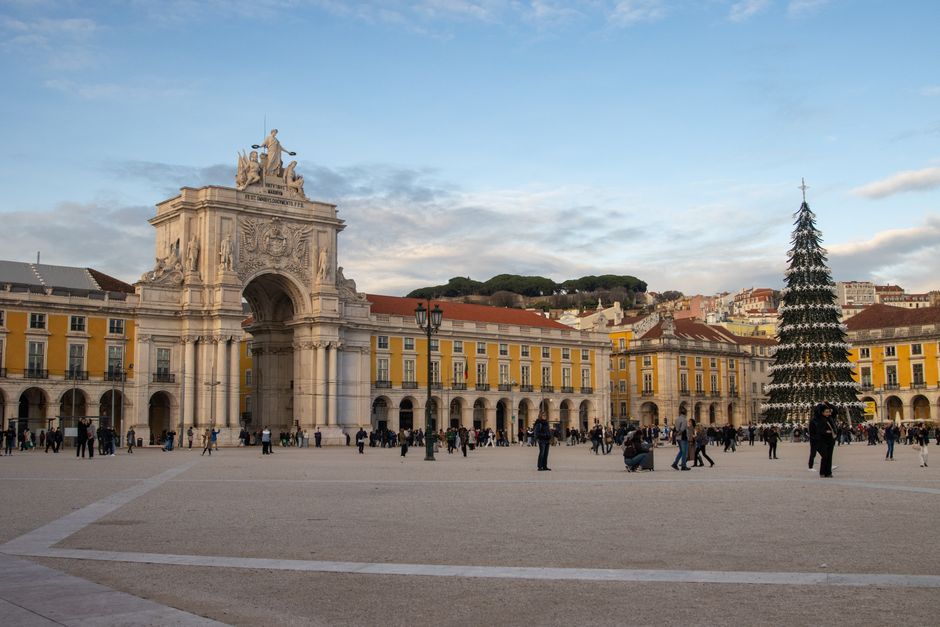
For a more direct route to your accommodation, especially with luggage, taxis and rideshares like Uber or Bolt are plentiful, reliable, and reasonably priced. The ride into the city offers your first moving postcard: glimpses of the Parque das Nações with its contemporary architecture, followed by the gradual ascent into the older neighborhoods. If you're arriving from elsewhere in Europe or Portugal, the Santa Apolónia or Oriente train stations are grand gateways. Oriente Station itself, a masterpiece of modern architecture by Santiago Calatrava, is worth a visit even if you're not catching a train. For the truly romantic, consider arriving by cruise ship, sailing dramatically under the 25 de Abril Bridge to dock almost in the shadow of the Praça do Comércio, the city's majestic riverside square—an entrance fit for a king.
Accommodation: Finding Your Lisbon Nest
Where you stay in Lisbon will define your experience, as each neighborhood has a distinct heartbeat. For first-time visitors who want to be in the thick of history and classic charm, the Alfama is unforgettable. Staying here means falling asleep to the sound of fado and waking up in a medieval maze. Be prepared for steep climbs and a quieter nightlife. Look for a boutique guesthouse with a terrace overlooking the red roofs and the river—the ultimate Lisbon cliché that never gets old.
Bairro Alto and Chiado offer a dynamic blend. By day, Chiado is elegant and literary, with grand cafes and chic shops. By night, Bairro Alto transforms into the city's epicenter of bar-hopping, with crowds spilling into the streets. A hotel here puts you at the crossroads of culture and revelry. For a more polished, flat, and central base, Baixa and Rossio are ideal. These are the elegant, gridded streets of the post-earthquake reconstruction, brimming with grand plazas, traditional shops, and easy access to transport. It's bustling, convenient, and feels like the city's living room.
For a more contemporary, creative vibe, consider the emerging areas of Santos (designer hotels and great restaurants) or the riverside hub of Cais do Sodré. For a local, village-like feel across the river, Almada offers stunning reverse views of the Lisbon skyline. Across all areas, Portugal's famed *pousadas* (historic hotels) and a wealth of stylish, design-conscious boutique hotels and Airbnb apartments provide options for every taste and budget, often featuring those priceless tilework details and small, sun-drenched balconies.
Things to Do: The Cinematic Checklist
To experience Lisbon is to move through it, to engage with its rhythms and vistas. Start with a pilgrimage to Belém. Here, the Age of Discovery is set in stone. Stand inside the cavernous, lace-like nave of the Jerónimos Monastery, a UNESCO masterpiece of Manueline architecture. Then, walk along the river to the Torre de Belém, its ornate turrets reflected in the water. Between them, join the queue at Pastéis de Belém for what many argue is the original, secret-recipe pastel de nata. The experience is a multisensory dive into Portugal's golden age.
Back in the city center, surrender to the charm of its vintage transport. Board the iconic Tram 28. It's not just a tourist ride; it's a rickety, rattling rollercoaster through the city's postcard-perfect heart, lurching through Alfama, Graça, and Baixa. Hold on tight, watch your belongings, and soak in the passing tableau of daily life. For a more vertical journey, ascend in the elegant, ironwork Santa Justa Lift for a stunning view over Rossio, or take the Gloria Funicular up to the Bairro Alto.
No day is complete without a *miradouro* session. Time your evening to arrive at the Miradouro da Senhora do Monte or the Miradouro da Graça as the sun begins its descent. Join a crowd of locals and travelers, bottle of wine or Super Bock in hand, as the city is bathed in that legendary golden light, slowly transforming into a tapestry of twinkling lights. The shared, silent appreciation is a powerful communal moment.
Dedicate time to get lost in the Alfama. Put away your map. Follow narrow staircases adorned with potted plants, discover tiny squares where old men play cards, and listen for the sound of a guitar being tuned. Visit the Lisbon Cathedral, its fortress-like façade a stark contrast to the delicate tiles inside. For a poignant history lesson, the National Tile Museum is a unique celebration of the azulejo art form, housed in a former convent. For a dose of the contemporary, cross under the bridge to LX Factory, a revitalized industrial complex under the shadow of the 25 de Abril Bridge, now home to edgy boutiques, concept stores, and lively restaurants—a testament to Lisbon's modern, adaptive spirit.
Food and Drink: A Feast for the Senses
Lisbon's culinary scene is a hearty, unfussy embrace. It begins with the sea. Follow the scent of charcoal to a tasca (tavern) and order sardinhas assadas (grilled sardines) in summer, or try bacalhau à brás (shredded salt cod with onions, potatoes, and eggs) any time of year. For a truly local experience, seek out a cervejaria for a plate of amêijoas à bulhão pato (clams in a garlic and coriander broth), perfect for sopping up with fresh, crusty bread.
Beyond seafood, the iconic bifana (a simple, sublime pork sandwich marinated in garlic and wine) served at a stand-up counter is a rite of passage. For a sweet finish, the pastel de nata is non-negotiable. The ritual—sprinkling it with cinnamon and powdered sugar, then biting into the warm, flaky crust—is a daily joy. Wash it all down with local libations: a crisp Vinho Verde, a robust Alentejo red, or a refreshing imperial (draft beer). As an aperitif or digestif, join the locals for a shot of ginjinha, often served in a tiny chocolate cup.
While tradition reigns, a new wave of chefs is reinventing Portuguese cuisine with modern techniques and global influences. In neighborhoods like Príncipe Real and Santos, you'll find innovative restaurants where the classics are deconstructed and reimagined. Yet, the soul of Lisbon dining remains in the shared, convivial atmosphere of the tasca, where checkered tablecloths, the clatter of plates, and the sound of lively conversation are the true ingredients of every meal.
Practical Tips: Navigating the City Like a Local
To move seamlessly through Lisbon, embrace its transit system. The aforementioned Viva Viagem card is your key. Load it with money for pay-as-you-go rides on metros, trams, buses, and funiculars, or buy a 24-hour pass for unlimited travel. Wear shoes with grip and support—the cobblestones are beautiful but treacherous, especially when wet. Hills are inevitable; see them as part of the adventure and use the trams and elevators strategically.
While many speak English, especially in tourist areas, learning a few basic Portuguese phrases—*Bom dia* (Good morning), *Por favor* (Please), *Obrigado/a* (Thank you)—will be met with warm appreciation. Tipping is not obligatory but is customary for good service; rounding up the bill or leaving 5-10% is perfectly fine. Be mindful of pickpockets in crowded trams and viewpoints—keep valuables secure and out of easy reach. Finally, adopt the local timetable: dinner is rarely before 8 PM, and the night starts late. Slow down, linger over your coffee, and let the city's rhythm become your own.
Suggested Itinerary: Four Days in the Golden City
Day 1: The Heart of History. Start at the sprawling Praça do Comércio by the river. Walk up through the triumphal arch into Baixa, feeling the grid of the rebuilt city. Ride the Santa Justa Lift for a bird's-eye view. Wander into the Chiado district for a coffee at A Brasileira, then lose yourself in the Alfama's labyrinth. Visit the Lisbon Cathedral and the São Jorge Castle for commanding views. End your day at the Miradouro de Santa Luzia as the sun sets.
Day 2: Monuments & Sweets. Take a tram or bus to Belém. Marvel at the Jerónimos Monastery, then walk to the Monument to the Discoveries and the Belém Tower. The mandatory stop at Pastéis de Belém is your lunch dessert. Return to the city and explore the bohemian-feeling LX Factory for dinner and drinks under the bridge.
Day 3: Neighborhoods & Views. Explore the elegant Príncipe Real park and its surrounding design shops. Walk to the Embaixada, a shopping gallery in a Moorish Revival palace. Stroll through the Botanical Garden. In the afternoon, take Tram 28 on its scenic route. Get off in Graça for a late-afternoon drink at one of its famed miradouros before experiencing a fado show in the Alfama with dinner.
Day 4: Choice & Departure. Options abound: Dive into art at the Calouste Gulbenkian Museum, take a short train to the fairy-tale Sintra to explore its palaces, or hop on a ferry to Cacilhas for spectacular Lisbon views and fantastic seafood lunches. Alternatively, simply revisit your favorite neighborhood, buy some azulejos as souvenirs, and savor your final pastel de nata, imprinting the taste and the light into memory.
Conclusion: The Longing to Return
Leaving Lisbon, Portugal, you don't just carry photos; you carry sensations. The muscle memory in your calves from the hills. The taste of salt and cinnamon. The specific shade of blue on a tile. The sound of a tram's bell echoing off ancient walls. This historic coastal capital with colourful tiles, lively neighbourhoods, and pleasant spring weather perfect for wandering gets under your skin. It teaches you that beauty is often found in the climb, that history is best felt underfoot, and that a profound emotion like saudade can be a beautiful, shared human experience. Lisbon is not a city that shouts; it's a city that lingers—in a viewpoint at dusk, in the last notes of a fado song, in the quiet corner of a tasca where the wine is poured generously. It's a place that, upon departure, you already miss, and in that missing, you understand its deepest secret: it has quietly, irrevocably, become a part of you. You will return. If not in body, then in dreams, always climbing towards that golden light.
Frequently Asked Questions
Is Lisbon very hilly, and how do I get around?
Yes, Lisbon is famously built on seven hills, which means there are many steep, cobbled streets. However, the city is exceptionally well-equipped for this. A network of vintage trams (like the iconic Tram 28), funiculars, and public elevators like the Santa Justa Lift can help you conquer the inclines with ease and charm. The metro system is also excellent for covering longer distances on a flatter plane. Comfortable, grippy shoes are your most important piece of luggage.
What is the best area to stay in for a first-time visitor?
For a classic, immersive experience, the Alfama offers historic charm and proximity to fado houses, but it's very hilly. Baixa and Chiado are more central and flat, providing easy walking access to major sites, shops, and transport links, making them ideal for a first visit. Bairro Alto is perfect for those who want to be in the heart of the nightlife, while Príncipe Real offers a more upscale, design-conscious vibe.
Do I need to speak Portuguese to visit Lisbon?
Not at all. English is widely spoken in hotels, restaurants, and tourist attractions throughout Lisbon. However, Portuguese people deeply appreciate any effort to speak their language. Learning a few basic phrases like "Bom dia" (Good day), "Por favor" (Please), and "Obrigado" (Thank you - masculine) or "Obrigada" (feminine) will go a long way in showing respect and will often be met with a warm smile.
What is a must-try food I shouldn't leave without tasting?
You absolutely cannot leave Lisbon without trying a pastel de nata, the iconic Portuguese custard tart. For the most famous version, take a trip to the Pastéis de Belém factory in the Belém district. Beyond that, sampling fresh grilled sardines (in summer), bacalhau à brás (shredded salt cod dish), and a bifana (garlicky pork sandwich) from a local tasca are essential culinary experiences.
Is Lisbon safe for tourists?
Lisbon is generally a very safe city for tourists, with a low rate of violent crime. The primary concern, as in many major European cities, is pickpocketing, especially in crowded areas like Tram 28, popular viewpoints (miradouros), and the metro. Use common sense: keep your wallet in a front pocket or a secured bag, be aware of your surroundings in crowds, and don't leave valuables unattended at cafe tables.
What is a good day trip from Lisbon?
Sintra is the quintessential and most magical day trip, a UNESCO World Heritage site just a 40-minute train ride away. It's a landscape of lush, misty hills dotted with extravagant palaces like the colorful Pena Palace and the mysterious Quinta da Regaleira. Other excellent options include the coastal towns of Cascais and Estoril, or the dramatic cliffs and beaches of the Costa da Caparica south of the Tagus River.


No comments:
Post a Comment