
Buenos Aires: A Symphony of Tango, Melancholy, and Unbridled Passion
Introduction: The First Embrace of the Porteño Soul
You arrive not by plane, but by osmosis. The city seeps into you before your feet even touch the pavement. It begins with the air—a warm, humid breath carrying the distant, earthy perfume of freshly brewed *mate* and the faint, sweet decay of jacaranda blossoms fallen on old stone. This is your first, wordless introduction to Buenos Aires, the capital of Argentina, a city that doesn't simply host you but envelops you in a grand, operatic drama where you are both audience and participant. The taxi from Ezeiza speeds down wide, tree-lined avenues, past grand, soot-stained Beaux-Arts buildings with wrought-iron balconies that seem to hold a century of whispered secrets. You catch glimpses of chaotic, vibrant murals splashed across corrugated metal shutters, a visual cacophony of political slogans and surrealist dreams. The city's nickname, "The Paris of South America," feels instantly inadequate. Yes, there are the elegant boulevards and ornate cupolas, but the soul here is fiercer, more raw, more tangibly alive with a Latin heartbeat that thrums through the very cobblestones.
This is a city of profound, beautiful contradictions. It is a place of European grandeur built upon the vast, wild Pampas, a metropolis of refined opera houses and raucous, smoke-filled football stadiums. It is a culture that dances a dance of intimate, tragic love—the tango—in public squares, and debates philosophy in bustling, century-old cafés until the small hours. The people, the *porteños* (people of the port), are the city's true architects. They possess a weary elegance, a melancholic nostalgia they call *añoranza*, yet their passion ignites with volcanic force over a football match, a political opinion, or the perfect doneness of an *asado* steak. They will argue with you about Borges and Cortázar one moment, and pull you into a spontaneous, shared circle of *mate* the next. To walk through Buenos Aires is to walk through a living novel, each neighborhood a different chapter, each corner café a new paragraph in a story of immigration, art, resilience, and an unquenchable thirst for life. Prepare not just to see, but to feel. Prepare for the city to get under your skin, to haunt your dreams, and to call you back long after you've left its seductive, sprawling embrace.
Why Visit Buenos Aires: The Irresistible Pull of a City That Lives in Full Color
Why does one visit Buenos Aires? It's not for a checklist of monuments, though it has stunning ones. You come for the *experience*—the visceral, emotional plunge into a culture that feels both familiar and thrillingly foreign. You come to witness a city that lives its life entirely in public, turning its streets into a perpetual stage. In the bohemian alleyways of San Telmo, you'll see couples, young and old, executing precise, sensual tango steps on Sunday afternoons, the music spilling from antique shop doorways. In La Boca, the cacophony of color from the corrugated tin houses, the *conventillos*, is a defiant celebration in a historically working-class neighborhood. You visit to lose yourself in the labyrinthine shelves of El Ateneo Grand Splendid, a majestic theatre reborn as a bookstore, where you can sip coffee on a stage that once hosted tango legends.
You come for the profound sense of history that is not locked away in museums but is etched into the very fabric of the city. The faded glamour of the Café Tortoni, with its stained-glass ceilings and ghostly echoes of literary giants. The silent, powerful presence of the Plaza de Mayo, where the Mothers still march, a living testament to memory and justice. Buenos Aires teaches you that culture is not a spectator sport. It is in the ritual of the *asado*, an hours-long communion over fire and meat. It's in the shared *mate* gourd, passed hand to hand, a symbol of friendship and community. It's in the late-night dinners that begin at 10 PM and stretch into a haze of Malbec and animated conversation. You visit to have your senses overwhelmed, your routines dismantled, and your definition of living passionately irrevocably expanded. It is a city that refuses to be indifferent, and in doing so, ensures you will never be indifferent to it.
When to Visit: Timing Your Tango with the Seasons
Buenos Aires wears each season with a distinct, dramatic flair, and choosing when to visit is like selecting the soundtrack for your personal film of the city. The undisputed superstar seasons are the Southern Hemisphere spring (September to November) and fall (March to May). Spring is pure magic. The city, a concrete jungle interlaced with countless trees, erupts in a violet haze of jacaranda blossoms. The air is soft and temperate, perfect for long, aimless walks through Palermo's parks or along Puerto Madero's sleek docks. The energy is palpable, as if the city itself is waking from a short winter slumber, with outdoor cafés spilling onto sidewalks and *milongas* (tango halls) opening their windows to the gentle night air.
Fall is its melancholic, beautiful counterpart. The leaves in the Bosques de Palermo turn shades of gold and rust, carpeting the paths, and there's a crisp, intellectual quality to the light. It's a season made for cozying up in historic cafés with a book and a *cortado*. Summer (December to February) is hot, humid, and gloriously chaotic. The city emptys as *porteños* flee to beach resorts, but those who stay embrace a slower, stickier pace. Nights are alive with open-air cinema and music festivals. Winter (June to August) is mild by most standards, often damp and foggy, which only amplifies the city's nostalgic, introspective mood. It's the perfect time to dive deep into the tango scene, museum-hop, and enjoy the lack of crowds. For a truly cinematic experience, align your visit with a major festival: the fierce passion of a Boca Juniors football match, the intellectual frenzy of the Buenos Aires International Book Fair in April, or the gritty, authentic celebration of Tango Day in December.
How to Get There: The Gateway to a New Rhythm
Your journey to Buenos Aires, the capital of Argentina, will almost certainly land you at Ministro Pistarini International Airport, universally known as Ezeiza (EZE). Located about 22 miles southwest of the city center, it's the primary hub for international flights. The arrival hall is a symphony of reunions—emotional, loud, tearful embraces that set the tone for the expressive culture you're entering. The most reliable and comfortable transfer into the city is by official, pre-booked remise (private car) or a trusted ride-sharing app. The drive is a 45-minute to hour-long preview: billboards for *yerba mate* and dulce de lece, glimpses of the sprawling *villas* (shantytowns) juxtaposed with sleek apartment towers, the landscape slowly morphing into the dense urban fabric of the capital.
For flights from within South America, you might also arrive at Aeroparque Jorge Newbery (AEP), nestled charmingly along the Río de la Plata waterfront, just a 15-minute taxi ride from the central neighborhoods. This is a far more convenient and scenic entry point. Whichever airport you use, have some Argentine pesos on hand for your first taxi or coffee. As you cross the city's threshold, let the rhythm shift. The notorious *porteño* driving style—a confident, assertive ballet of near-misses—is your first lesson in the city's chaotic harmony. Roll down the window. Let the humid air, the scent of diesel and blooming flowers, the rapid-fire Spanish from the radio, wash over you. The journey has ended. The immersion has begun.
Accommodation: Finding Your Stage in the City's Neighborhoods
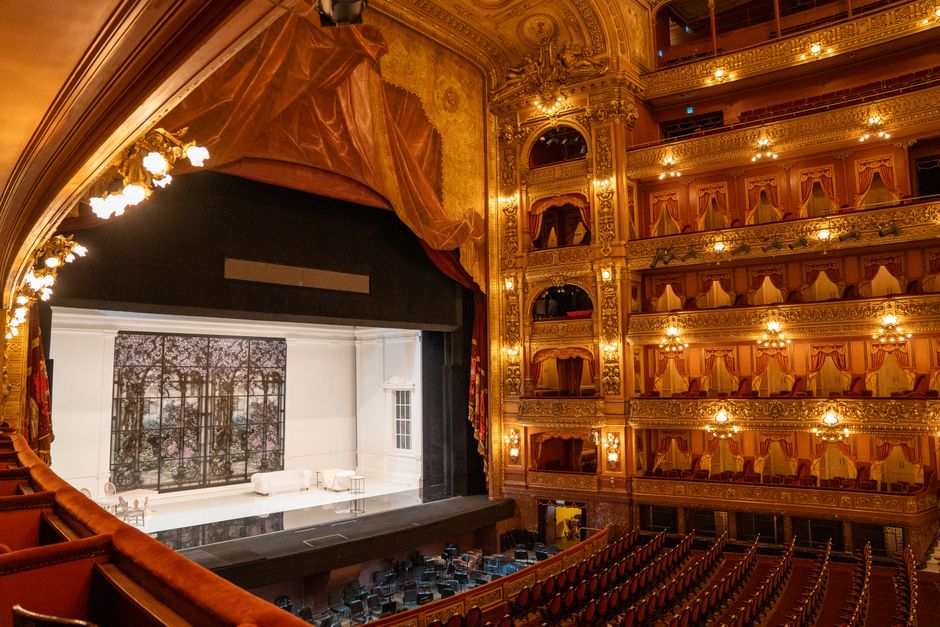
Choosing where to stay in Buenos Aires is less about picking a hotel and more about selecting the character for your personal act in the city's endless play. Each barrio (neighborhood) offers a radically different setting and script. For first-time visitors and the classic cinematic experience, the microcenter and Recoleta offer the grand, establishing shot. Here, you'll find historic, five-star palaces like the Alvear or Palacio Duhau, where marble lobbies whisper of a gilded age. You'll be steps from the Obelisco, the Teatro Colón, and the aristocratic tombs of Recoleta Cemetery. It's elegant, central, and buzzing with a more formal, business-like energy.
For a bohemian, soulful narrative, the cobblestone streets of San Telmo are your stage. Converted *conventillos* now house charming boutique hotels and atmospheric guesthouses, their high ceilings and exposed brick walls echoing with tales of tango and immigrant history. Sundays explode with the famous antique market, filling the air with the smell of choripán and the sound of bandoneóns. For the young, the trendy, and those who live for design, cuisine, and nightlife, Palermo is the undisputed star. Split into sub-barrios like Palermo Soho and Palermo Hollywood, it's a labyrinth of tree-lined streets, hidden patios, chic design hotels, and converted townhouses. Here, you'll wake to the smell of artisan coffee from the corner café and spend your evenings hopping between fusion restaurants and cocktail bars hidden behind unmarked doors. Wherever you lay your head, ensure it has a balcony or a window that opens to the street—the soundtrack of the city is an essential part of the accommodation.
Things to Do: The Director's Cut of Porteño Life
To experience Buenos Aires is to surrender to its rhythm, a rhythm composed of leisurely strolls, intense cultural encounters, and late-night revelry. Begin with the city's grand, beating heart: the Plaza de Mayo. Stand in the center, surrounded by the candy-striped Cabildo, the rosy Presidential Casa Rosada, and the modernist bank buildings. Feel the weight of history here—the revolutions, the protests, the joyful gatherings. From there, wander south into the time-warp of San Telmo. Let the cobblestones guide you past antique shops overflowing with chandeliers and vintage tango records, and stop at the Plaza Dorrego. Even on a weekday, you might catch an impromptu tango demonstration, the dancers' faces a mask of intense concentration and romance.
For a burst of unapologetic color, venture to La Boca and the iconic Caminito street. It's a tourist magnet, yes, but its vibrancy is genuine—an open-air museum of painted sheet metal, tango performers, and the palpable spirit of the Italian immigrants who built it. Keep your camera ready, but more importantly, feel the defiant joy of the place. Then, shift gears entirely. Retreat to the serene, aristocratic world of Recoleta Cemetery. This is no gloomy graveyard; it's a miniature city of marble mausoleums, angels, and crumbling crypts, where the elite of Argentine history rest in extravagant, competitive peace. Finding Evita Perón's modest (by comparison) tomb is a pilgrimage that speaks volumes about her enduring, complicated legacy.
As evening falls, you have a choice that defines two sides of the city's soul. One path leads to a *milonga*. Find one in the unassuming back room of a cultural center or a dimly lit hall. You don't need to dance. Just watch. Observe the intricate codes of the *cabeceo* (the nod inviting someone to dance), the profound connection between partners, the raw emotion that flickers across their faces. It is theater, sport, and intimate conversation all in one. The other path leads to a football stadium. If you can, secure tickets to see Boca Juniors play at the legendary La Bombonera. The stadium doesn't just shake; it convulses. The noise is a physical force, a relentless, singing, jumping tsunami of blue and gold. It is an explosion of pure, tribal passion that will leave you breathless and understanding a fundamental piece of the *porteño* heart.
Balance these intense experiences with the city's quieter pleasures. Spend a morning getting lost in the Rosedal rose garden, a afternoon browsing the indie bookshops and designer boutiques of Palermo Soho, or a lazy Sunday watching families rollerblade around the lakes of the Bosques de Palermo. Take a boat trip across the brown waters of the Río de la Plata to the sleepy, cobblestone streets of Colonia del Sacramento in Uruguay, a reminder of the region's colonial past. Buenos Aires rewards both the planner and the wanderer. The key is to leave space for the unexpected: the street performance that stops you in your tracks, the conversation with a local in a dive bar, the perfect slice of pizza found in a corner *pizzería* at 2 AM.
Food and Drink: A Carnivore's Dream and a Connoisseur's Playground
The cuisine of Buenos Aires is a love letter to the land—the vast, fertile Pampas that surround it. It is robust, unpretentious, and deeply satisfying. The undisputed king is the *asado*, not merely a barbecue but a sacred social ritual. To be invited to one is a great honor. You'll stand around the *parrilla* (grill) as the *asador* masterfully tends to chorizo sausages, blood sausage (*morcilla*), sweetbreads (*mollejas*), and every cut of beef imaginable, all seasoned with nothing but coarse salt. The star is the *bife de chorizo*, a sirloin steak so flavorful and tender it can redefine your understanding of meat. Pair it with a bold, fruity Malbec from Mendoza, a wine that seems genetically engineered to complement Argentine beef.
But the culinary scene is far more than steak. Dive into the legacy of Italian immigration with a perfect, cheesy *fugazzeta* pizza or a plate of homemade *ñoquis* (gnocchi) on the 29th of the month—a tradition for good luck. Grab a *choripán* from a street vendor: a crusty bread roll split and loaded with grilled chorizo and *chimichurri*, that vibrant, parsley-based sauce that is the lifeblood of the *asado*. For a sweet, sticky addiction, *dulce de leche* is everywhere—swirled into ice cream (*helado*), spread on toast, or stuffed into delicate pastries called *alfajores*.
Your daily rhythm will be punctuated by drinks. The morning (and afternoon, and evening) ritual is *mate*. You'll see it everywhere: in parks, in offices, clutched by motorcycle delivery drivers. It's a bitter herbal tea sipped through a metal straw from a shared gourd, a profound symbol of community. In the cafés, order a *cortado* (espresso with a dash of milk) and linger for hours; it's expected. As the sun sets, join the *porteños* for *la hora del vermut*, a pre-dinner aperitif of vermouth on the rocks. And when the night deepens, venture into the world of craft cocktails in the speakeasies of Palermo, where bartenders are treated with the reverence of sommeliers. In Buenos Aires, every meal, every drink, is an event, a pause for connection, and a celebration of abundance.
Practical Tips: Navigating the Porteño Plot
To move through Buenos Aires like a local, a few practical notes will smooth your path. The currency is the Argentine peso, but it operates in a complex dual system. The official rate is available via credit cards and ATMs, but the ubiquitous *cuevas* (unofficial exchange houses) offer the parallel "blue dollar" rate, which can be significantly more favorable. Research this thoroughly before your trip. Cash, especially in smaller denominations, is king for markets, taxis, and smaller establishments. On the streets, practice relaxed awareness. Petty theft like phone snatching can occur in crowded areas, so keep valuables secure and out of sight. Use a money belt or a cross-body bag worn in front.
Getting around is part of the adventure. The Subte (subway) is fast, cheap, and adorned with beautiful tilework on its oldest lines. Buses (*colectivos*) are ubiquitous but require a SUBE card, which you can buy at kiosks. Taxis are plentiful and relatively inexpensive; ensure they use the meter (*reloj*). Ride-sharing apps are also widely used. A key cultural tip: pace yourself like a *porteño*. Dinner starts late, often after 9 PM. Nightclubs don't get going until 2 AM. Embrace the siesta-like lull of the early afternoon. Most importantly, learn a few Spanish phrases. While many in tourist areas speak English, a simple "¡Hola! ¿Cómo estás?" or "¡Gracias!" opens doors and hearts. *Porteños* appreciate the effort immensely and will reward your attempts with warmth and patience.
Suggested Itinerary: A Five-Day Epic
Day 1: The Grand Arrival & Historic Heart. Check into your hotel in Recoleta or Microcentro. Shake off the flight with a walk to the Plaza de Mayo. Feel the history. Wander up Avenida de Mayo to the iconic Café Tortoni for a *cortado*. Peek inside the Teatro Colón. In the evening, enjoy a classic *parrilla* dinner and an early night to acclimate.
Day 2: Color, Culture, & Tango. Morning in La Boca. Explore Caminito, visit the Boca Juniors stadium museum. Afternoon in San Telmo. Browse the antique shops (Sunday is for the market). As dusk falls, take a beginner tango lesson or simply watch the professionals in a *milonga*. Dinner at a traditional *bodegón* in the neighborhood.
Day 3: Elegance & Green Spaces. Morning at Recoleta Cemetery. Then, explore the elegant shops and museums of the Recoleta neighborhood. After lunch, escape to the Bosques de Palermo. Rent a paddle boat, stroll through the Rosedal. Evening in Palermo Soho for boutique shopping and a trendy dinner at one of its many hidden gems.
Day 4: A Day of Choices. Option A: Ferry to Colonia del Sacramento, Uruguay for a charming day trip. Option B: Deep dive into Palermo's museums (MALBA for Latin American art is a must). Option C: A food-focused day with a market tour and empanada-making class. Evening: Experience a professional tango show with dinner, embracing the theatrical side of the dance.
Day 5: Local Life & Farewell. Morning at a local market like the Feria de Mataderos (Sunday only) or the Mercado de San Telmo. Buy leather goods, *mate* gourds, and local crafts. Have a final, long, lingering *asado* lunch. Spend your last evening like a local: a *vermut* hour followed by a late, emotional dinner, toasting to the city that has, undoubtedly, captured a piece of your soul.
Conclusion: The Never-Ending Finale
Leaving Buenos Aires is a peculiar kind of heartbreak. As your taxi speeds back toward the airport, the grand avenues blurring past, you realize the city has performed its most subtle magic: it has made you a temporary *porteño*. You find yourself craving the bitter taste of *mate* at 5 PM, missing the rhythmic click of heels on cobblestone, hearing the phantom echo of a bandoneón in a quiet moment. The capital of Argentina doesn't just give you memories; it imprints a new sensory template, a different tempo for life. You leave with the scent of grilled meat and jacaranda on your clothes, the map of its neighborhoods etched behind your eyelids, and the resonant, melancholic beauty of the tango in your heart.
Buenos Aires is not a city you "do." It's a city you have a relationship with—tempestuous, passionate, demanding, and infinitely rewarding. It shows you that beauty exists in the decay of a frescoed ceiling, that community is forged in a shared gourd, and that art is not just for galleries but for street corners and midnight cafés. It is a city that stares unflinchingly at its own ghosts while dancing furiously into the night. You may board the plane, but a part of you stays behind, forever wandering its moonlit plazas, forever sipping coffee in its shadowy cafés, forever waiting for the next act to begin. It's not a goodbye, but a *hasta luego*—a promise to return to its endless, captivating embrace.
Frequently Asked Questions
Is Buenos Aires safe for tourists?
Like any major metropolis, Buenos Aires requires awareness. Petty crime like pickpocketing and phone snatching is the primary concern, especially in crowded tourist areas like Florida Street or the Subte at rush hour. However, by taking sensible precautions—using a cross-body bag, not flashing expensive jewelry, being cautious with phones at outdoor tables, and using official taxis or ride-sharing apps at night—most visitors have a completely safe and wonderful experience. Violent crime against tourists is rare.
Do I need to speak Spanish to visit Buenos Aires?
While you can certainly navigate the main tourist areas with English, knowing even basic Spanish will profoundly enrich your experience. In restaurants, shops, and taxis outside the central hubs, English is not widely spoken. Learning key phrases for greetings, ordering food, and asking for directions is highly recommended. Porteños are generally patient and appreciative of any effort you make, and it opens doors to more authentic interactions.
What is the best way to handle money in Buenos Aires?
Argentina has a complex currency situation. It's essential to have a mix of payment methods. Bring US dollars in cash (in good condition) to exchange at licensed *cuevas* for the favorable parallel "blue dollar" rate. Use credit cards for larger purchases (hotels, nice restaurants) as they often get a good rate. Always have a supply of Argentine pesos in smaller bills for daily expenses like markets, taxis, and cafés, as many places are cash-only. Never exchange money on the street.
How should I dress for a night out, especially for tango or a nice dinner?
Porteños tend to dress up, not down. For a nice dinner or a professional tango show, smart casual to elegant attire is the norm—think dresses, nice trousers, collared shirts, and stylish shoes. For a traditional *milonga* (tango social dance), dancers often wear serious dance shoes, but as an observer, neat, respectful clothing is fine. In general, Buenos Aires is a city where looking put-together is appreciated, even during the day.
What is a must-try food beyond steak?
Absolutely try the *empanadas*—baked or fried pastry pockets filled with spiced beef, chicken, ham and cheese, or corn (*humita*). They are the perfect snack. Also, seek out *provoleta* (grilled provolone cheese with oregano), *bondiola* (slow-cooked pork shoulder sandwich), and for dessert, you must try *dulce de leche* in any form, especially as *alfajores* (cookie sandwiches) or artisanal ice cream.
Is it easy to take a day trip from Buenos Aires?
Yes, there are several fantastic options. The most popular is the ferry to the charming UNESCO World Heritage town of Colonia del Sacramento in Uruguay, just an hour away. You can also visit the historic ranch (*estancia*) towns of San Antonio de Areco to experience gaucho culture, or take a short flight or long bus ride to the spectacular Iguazú Falls on the Argentine-Brazilian border.
What's the tipping etiquette in restaurants and cafes?
Tipping is appreciated but not as heavily expected as in countries like the US. In restaurants, a tip of 10% of the bill is standard for good service, often left in cash even if you pay by card. In cafes and bars, it's common to leave some small change or round up the bill. For taxi drivers, rounding up to the nearest convenient amount is typical.


No comments:
Post a Comment