
Porto: A City of Wine, Stone, and the River's Whisper
Introduction: The First Frame
The scent hits you first. It's a rich, sweet, and slightly musty perfume that drifts on the Atlantic breeze, weaving through the labyrinth of steep, cobbled streets. It's the smell of oak barrels and aging wine, the very breath of Porto, Portugal. This isn't a city that politely introduces itself; it envelops you. Your feet, soon to be intimately acquainted with its punishing gradients, find their first purchase on the polished calçada portuguesa, the black and white mosaic stones that shimmer like wet fish scales after a morning rain. The soundscape is a layered symphony: the distant, mournful cry of a seagull, the clang of a tram bell echoing off ancient walls, the low, resonant murmur of the Douro River carving its relentless path through the city's heart.
To call Porto a charming riverside town is to tell only the first chapter of a deeply epic novel. It is a city of profound contrasts, built on a foundation of granite and resilience, yet softened by the golden glow of Port wine and the pastel hues of its tiled façades. From the Ribeira district, a UNESCO World Heritage site that clings to the riverbank like a colony of barnacles, your gaze is drawn upward. The city ascends in a chaotic, breathtaking jumble of terracotta roofs, Baroque church towers, and the iconic, soaring arches of the Dom Luís I Bridge. This iron behemoth, a masterpiece by a disciple of Gustave Eiffel, stitches the two halves of the city together—the historic Porto on the north bank and the wine lodges of Vila Nova de Gaia on the south.
Walking through Porto is a tactile, almost cinematic experience. You run your fingers over the cool, blue-and-white azulejo tiles that tell stories of saints and battles on the side of a 16th-century church. You feel the sun-warmed stone of a centuries-old wall, and the sudden chill as you pass through the narrow shadow of an alleyway just three feet wide. The light here is a character in itself. In the morning, it cuts sharp and clear, illuminating the dust motes dancing in the air of the Livraria Lello. By late afternoon, it turns honeyed and languid, gilding the river and making the entire city look as if it's been dipped in a vat of tawny Port. This is a place that doesn't just cater to tourists; it goes about its business with a proud, slightly melancholic authenticity. The laundry still hangs from wrought-iron balconies, old men argue over backgammon in sun-drenched squares, and the clatter of plates and the smell of grilled sardines spill out from tiny tascas at lunchtime. Porto doesn't perform; it simply exists, magnificently and unapologetically itself, and invites you to witness it.
Why Visit Porto: The Soul of the North
You visit Lisbon for its grandeur and light, but you come to Porto for its soul. This is Portugal's northern powerhouse, a city that feels more lived-in, more raw, and ultimately more genuine. Its history is etched into every sloping street and faded façade—a history of seafaring explorers, mercantile wealth, and a hardscrabble determination that birthed its most famous export. Porto gave the country its name, and its people, known as Tripeiros (literally, "tripe-eaters"), are famed for their generosity and grit, a reputation forged from legends of sacrificing their own meat to feed the explorers' ships.
Porto's magic lies in its ability to be both monumental and intimate within the same glance. You can stand in the middle of the majestic Avenida dos Aliados, feeling the weight of its neoclassical architecture, and then turn a corner into the labyrinth of the Miragaia district, where time seems to have stood still. It's a city for connoisseurs of atmosphere, for those who find beauty in the slightly frayed edges, in the patina of age, and in the deep, complex flavors of a wine that has been nurtured for decades. Unlike more polished European capitals, Porto retains an edge, a working-class heart that beats strongly beneath the tourist surface. This authenticity is palpable. You feel it in the bustling Bolhão Market, where vendors shout the merits of their glistening fish and perfect fruits. You hear it in the fado houses of the Ribeira, where the saudade—the uniquely Portuguese feeling of deep, nostalgic longing—hangs in the air as thickly as the cigar smoke.
Ultimately, you visit Porto to be moved. To have your senses overwhelmed, your calves challenged, and your perception of beauty refined. It's a city that demands to be explored on foot, promising hidden miradouros (viewpoints) with heart-stopping vistas around every other corner. It's a place where you can lose yourself in a 19th-century bookstore that inspired a global wizard, sip a world-class nectar in a centuries-old lodge, and share a simple, perfect meal with locals at a counter, all in one profoundly rich day. Porto doesn't just offer sights; it offers experiences that seep into your bones.
When to Visit: Chasing the Golden Light
Porto wears the seasons with distinct character, each offering a different lens through which to view its beauty. The city truly comes alive in the spring, from late March to June. This is when the promise of the charming riverside town known for wine lodges, old streets, and springtime blooms is fulfilled in spectacular fashion. The air is soft and mild, the hills are manageable under a gentle sun, and the entire city seems to exhale. Jacaranda trees burst into violet clouds, and the parks are awash with color. The crowds are thinner than in peak summer, allowing for a more serene communion with the city's ancient spaces. Early mornings in spring, with a mist rising off the Douro, are moments of pure, cinematic magic.
Summer (July-August) brings vibrant energy, long, sun-drenched evenings, and a festival atmosphere, especially during the Festas de São João in late June, when the city erupts in street parties, plastic hammers, and grilled sardines. However, be prepared for significant crowds and heat that amplifies as you climb those famed hills. Autumn (September-October) is a connoisseur's choice. The grape harvest (the *vindima*) is in full swing up the Douro Valley, the summer tourists have departed, and the light takes on a warm, golden quality that perfectly matches the city's palette. It's an ideal time for wine-focused travel. Winter is Porto's most dramatic and introspective season. The weather can be moody, with rolling fogs that swallow the bridge whole and sudden, lashing rains. But this only amplifies the city's melancholic romance. Cafés become cozy havens, the Port wine lodges feel even more welcoming, and you'll have many of the iconic sites almost to yourself, wrapped in a dramatic, grey-scale atmosphere straight out of a film noir.
How to Get There: Crossing the Threshold
Your journey into Porto, Portugal, typically begins at Francisco Sá Carneiro Airport (OPO), an award-winning hub located about 13 kilometers north of the city center. The arrival is smooth; the airport is modern, efficient, and well-connected. The most cost-effective and straightforward way to reach the city heart is via the metro's violet E line. You purchase a reusable Andante card at the airport station, load it with a Z4 ticket, and in about 45 minutes, you're deposited at the bustling Trindade station in the city center. The ride itself is a gentle introduction, transitioning from suburban landscapes to the first glimpses of Porto's iconic tiled buildings.
For a more direct, door-to-service, taxis and ride-shares are readily available outside arrivals. The fixed fare to the city center is reasonable and the drive, especially as you first catch sight of the Douro estuary and the city's cascading skyline, is thrilling. If you're arriving by train from elsewhere in Portugal or Spain, you'll likely pull into the stunning São Bento station—an arrival that is an attraction in itself. Stepping off the train and into the grand hall, your first impression of Porto is one of awe, surrounded by approximately 20,000 exquisite azulejo tiles depicting historical scenes. It's a breathtaking prologue to your adventure. For those driving, be forewarned: Porto's historic center is a maze of one-way streets, steep inclines, and limited parking. Your best bet is to park in a secure, long-term garage on the city's periphery and surrender to the far more pleasurable and practical mode of transport: your own two feet, supplemented by the occasional tram, funicular, or metro ride.
Accommodation: Finding Your Nest in the Stone
Where you lay your head in Porto is integral to the story of your stay. The city offers a spectrum of lodgings, each providing a different vantage point. For the full, immersive, postcard experience, choose the Ribeira district. Waking up in a centuries-old building with a balcony overlooking the river is unforgettable. You'll hear the gentle lap of water against the barcos rabelos (traditional wine boats), see the bridge illuminated at dawn, and be steps from some of the city's most atmospheric restaurants. The trade-off is that it's the busiest tourist area, especially in the evenings. For a more local, residential feel with easy access to both the historic center and the modern city, the Cedofeita and Miragaia neighborhoods are superb choices. Here, you'll find beautifully restored townhouses turned into chic guesthouses, your mornings soundtracked by the chatter of neighbors rather than tour groups.
The Bolhão area, near the iconic market, places you in the bustling commercial heart, surrounded by classic cafés and old-school shops. For sheer grandeur and panoramic views, consider the hotels and upscale guesthouses in the Vitória and Sé districts, perched on the cliffs above the Ribeira. The climb home each night is a workout, but the views from your window are your reward. Finally, for the quintessential Porto experience, cross the river to Vila Nova de Gaia. Staying here, amidst the very Port wine lodges, offers a unique perspective looking back at Porto's stunning skyline, which is particularly spectacular when lit up at night. Whether you choose a historic *palacete* (manor house), a sleek design hotel, or a simple, family-run *alojamento local*, ensure your sanctuary provides respite from the city's exhilarating but relentless energy.
Things to Do: The City's Greatest Scenes
To experience Porto is to engage in a series of unforgettable set-pieces. Begin at the Livraria Lello, arguably the world's most beautiful bookstore. Arrive early to beat the crowds, and as you enter, let your eyes travel up the neo-Gothic carved wood, the stained-glass skylight, and the iconic, undulating crimson staircase that seems to defy physics. It's a temple to the written word, and the hushed, reverent atmosphere is palpable, even amidst the whispers of Harry Potter pilgrims who recognize its inspirational magic.
Then, descend. Walk down to the Ribeira, letting the maze of alleys guide you. Get gloriously lost. Emerge onto the Cais da Ribeira, the riverfront promenade, a riot of colorful buildings, bustling café terraces, and street performers. Here, you board a traditional rabelo boat for a six-bridge cruise. As you putter upstream, the city unfolds like a pop-up book. You pass under the monumental arches of the Dom Luís I Bridge, see the filigree of the Maria Pia Bridge (designed by Eiffel himself), and gain a profound appreciation for Porto's geography. The perspective from the water is essential, grounding you in the river's central role in the city's history and soul.
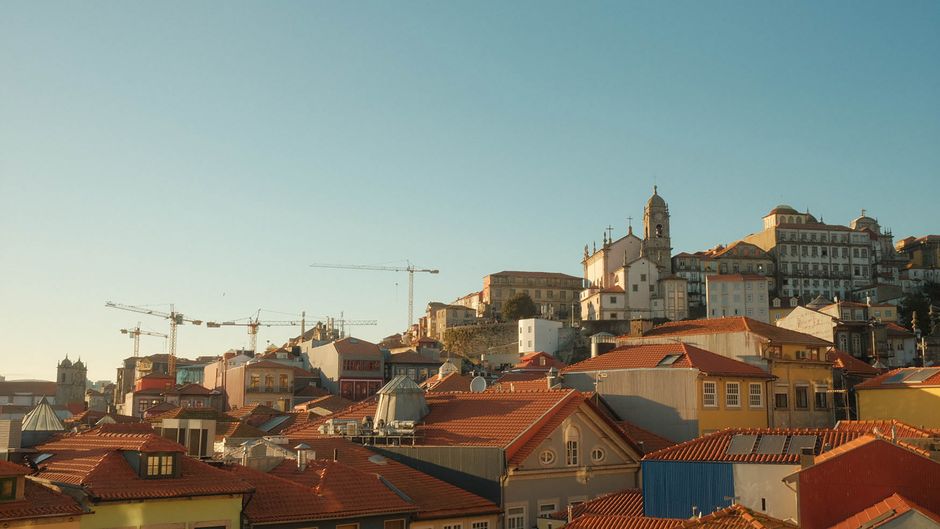
After your cruise, cross the lower deck of the Dom Luís I Bridge to Vila Nova de Gaia. This short walk, with the river rushing far below and the cityscape spread before you, is a cinematic moment. In Gaia, you are in the kingdom of Port. Choose one or two of the famed lodges—Taylor's, Graham's, Sandeman—for a tour and tasting. In the cool, dim cellars, surrounded by the vanilla scent of oak barrels, you learn the alchemy of turning Douro Valley grapes into this fortified legend. A tasting of a fine Tawny or a vibrant Ruby is a rite of passage.
Back in Porto, seek out the city's viewpoints. The climb to the terrace of the Clérigos Tower is arduous but rewards you with a 360-degree panorama of red roofs and winding streets. The Miradouro da Vitória offers a breathtaking, postcard-perfect frame of the Ribeira and the bridge. For art and architecture, the São Bento train station is a must, as is the Igreja do Carmo, with its extraordinary side façade completely covered in blue and white azulejos. Finally, spend a morning at the Mercado do Bolhão. This is Porto's beating heart. Navigate the bustling stalls, sample creamy *queijo da serra* cheese and juicy pêra rocha pears, and feel the vibrant, noisy, glorious pulse of daily life in this extraordinary city.
Food and Drink: A Feast for the Senses
Porto's cuisine is a reflection of its character: robust, honest, and deeply satisfying. The national icon, the *francesinha*, is a beast of a sandwich not for the faint of heart. Imagine layers of ham, linguiça, fresh sausage, and steak, tucked between bread, smothered in melted cheese, and drowned in a rich, slightly spicy tomato and beer sauce, often served with a fried egg on top and a moat of crispy fries. It's a culinary event, best tackled at a classic spot like Café Santiago, followed by a long, contemplative walk.
But Porto's gastronomy goes far beyond this heavyweight. Fresh seafood is paramount. Order *sardinhas assadas* (grilled sardines) when in season, their smoky, oily flesh perfect with a boiled potato and a drizzle of olive oil. Sample *bacalhau* (salt cod) in its myriad forms, or try *tripas à moda do Porto*, the offal stew that gave the Tripeiros their name. For a quick, delicious bite, follow the locals to a *tasca* for a *prego no pão* (garlic steak sandwich) or a *bifana* (pork sandwich).
And then, there is the wine. Port is the undisputed king, but don't neglect the excellent, affordable table wines of the Douro and Vinho Verde regions. The latter, a slightly spritzy, young white wine, is the perfect refreshment on a warm day. Pair your meals with a glass of *vinho da casa* (house wine) and you'll rarely be disappointed. End your day with a coffee and a *pastel de nata* (custard tart), perhaps from the legendary Confeitaria do Bolhão, or indulge in a *pastel de feijão* (bean tart) from the iconic Leitaria da Quinta do Paço. In Porto, every meal, from the simplest snack to the most elaborate feast, is an integral part of the journey.
Practical Tips: Navigating the Narrative
To move through Porto like a local, a few practical notes are essential. First, footwear is not a fashion statement; it is survival. Leave the heels and thin-soled shoes behind. Your most valuable possession will be a pair of sturdy, comfortable walking shoes that can handle slick cobblestones and punishing inclines. Second, embrace the metro system. The Andante card is your key; it works on metros, buses, and even the historic Tram 1 line along the river. For the historic center, however, walking is the only way to truly discover its secrets.
While Portuguese is the language, you'll find English widely spoken in tourist areas. Learning a few basic phrases—*bom dia* (good morning), *obrigado/obrigada* (thank you), *por favor* (please)—will be met with warm appreciation. Porto is generally safe, but standard city precautions apply: be mindful of your belongings in crowded areas like the tram and the Ribeira. The city's tap water is safe to drink, but most locals prefer bottled or filtered water. Finally, pace yourself. Porto's beauty is best absorbed slowly, with time for long coffees, spontaneous viewpoint stops, and getting lost in its enchanting alleyways. Don't try to conquer it; let it reveal itself to you, scene by beautiful scene.
Suggested Itinerary: A Three-Day Epic
Day 1: The Historic Heart & The River. Start at the São Bento station, absorbing its tilework. Walk to the Clérigos Tower for a morning panorama. Descend to the Livraria Lello (book tickets online in advance). Wander down to the Ribeira, getting lost in the alleys of the Sé district. Have a traditional lunch at a riverside *tasca*. In the afternoon, take the six-bridge Douro river cruise. Cross the Dom Luís I Bridge to Gaia, visit one Port lodge for a tour and tasting, and watch the sunset over Porto from the Gaia waterfront. Dine in the Ribeira, soaking in the evening atmosphere.
Day 2: Art, Tiles & Local Life. Begin at the Mercado do Bolhão to feel the city's pulse. Walk to the Igreja do Carmo and the Capela das Almas, marveling at their stunning tile façades. Explore the chic shops and galleries of the Cedofeita neighborhood. Visit the Serralves Museum of Contemporary Art and its stunning gardens for a modern contrast. In the late afternoon, take the historic Tram 1 from the Ribeira to the Foz do Douro, where the river meets the Atlantic. Stroll along the promenade, watch the powerful waves crash against the seawall, and enjoy a seafood dinner by the ocean.
Day 3: Beyond the Center & Farewell Feasts. Dedicate a morning to the Palácio da Bolsa, especially the breathtaking Arabian Hall. Alternatively, take a short train journey from São Bento to the nearby city of Guimarães, the birthplace of Portugal. If you stay in Porto, explore the Miragaia district and the beautiful Jardim do Morro across the river. For your final lunch, seek out a classic *francesinha* or a final plate of fresh sardines. Spend your last hours revisiting a favorite miradouro or café, purchasing a bottle of Port to take home, and imprinting the golden light and the river's whisper into your memory.
Conclusion: The Final Frame
Leaving Porto, Portugal, you don't just carry souvenirs; you carry sensations. The memory of the cool, smooth surface of a Port glass in a sun-drenched lodge. The echo of your footsteps in a deserted, tiled hallway at dawn. The taste of salt from the Atlantic air mixed with the sweetness of a pastel de nata. Porto is not a city that shouts; it murmurs. It tells its stories in the faded glory of its azulejos, in the deep amber of its aged wine, and in the stoic beauty of its granite walls facing the endless river and sea.
It gets under your skin, this city of contrasts—both rugged and delicate, melancholic and joyfully alive. You will remember the physical challenge of its hills and the profound reward of its vistas. You will remember the warmth of its people, whose pride in their city is as solid as the foundations of the Dom Luís I Bridge. More than a charming riverside town, Porto is an experience, a feeling of saudade that begins even as you leave. It promises that a piece of you will remain there, on a balcony overlooking the Douro, waiting for the moment you return to answer the river's whisper once more.
Frequently Asked Questions About Porto, Portugal
Is Porto a walkable city?
Absolutely, but with a crucial caveat. Porto's historic center is compact and best explored on foot, allowing you to discover hidden alleys and stunning viewpoints. However, the city is famously built on steep hills. While extremely walkable, it is also physically demanding. Comfortable, sturdy shoes are non-negotiable, and you should be prepared for a lot of uphill and downhill climbing.
How many days do I need to see Porto properly?
We recommend a minimum of three full days to experience Porto without rushing. This allows one day for the historic center and Ribeira, one day for Vila Nova de Gaia and the Port lodges, and one day for exploring other districts, markets, and perhaps a trip to the Foz do Douro or a nearby town like Guimarães.
Is it better to stay in Porto or Vila Nova de Gaia?
It depends on the experience you seek. Staying in Porto's historic center (like Ribeira, Sé, or Cedofeita) puts you in the heart of the action, amidst the main landmarks. Staying in Vila Nova de Gaia offers stunning, postcard views of Porto's skyline from your hotel and immerses you in the Port wine culture, with the lodges at your doorstep. Both are excellent choices, connected by a short walk across the bridge.
What is the best way to visit the Port wine lodges?
Simply walk across the Dom Luís I Bridge to Vila Nova de Gaia. The major lodges (Taylor's, Graham's, Sandeman, Cálem, etc.) are clustered along the riverfront. You can choose one or two for a formal tour and tasting, which typically includes a history of the house and a walk through the cellars. Many also have excellent restaurants or bars where you can just enjoy a tasting or a glass without a tour.
Do I need to speak Portuguese to visit Porto?
No, it is not a necessity. In hotels, restaurants, tourist attractions, and shops in the main areas, English is widely spoken. However, learning a few basic Portuguese phrases is a sign of respect and will be greatly appreciated by locals, especially in more traditional, off-the-beaten-path establishments.
What is the local food I must try?
You cannot leave without trying a francesinha, Porto's iconic layered meat sandwich. Also, seek out fresh grilled sardines, bacalhau (salt cod) dishes, and the local tripas à moda do Porto (tripe stew). For a sweet treat, have a pastel de nata and a pastel de feijão (bean tart).
Is Porto safe for tourists?
Porto is generally a very safe city for tourists. Violent crime is rare. However, as in any popular European destination, you should be vigilant against petty theft, especially pickpocketing in crowded areas like the tram, the Ribeira waterfront, and on public transportation. Use common sense: keep valuables secure and be aware of your surroundings.


No comments:
Post a Comment