
Kaleidoscope Copenhagen: A Cinematic Journey Through the City of Spires and Stories
Introduction: The First Frame
The first impression of Copenhagen is a whisper of salt and stone, a cool breath from the Øresund that carries the scent of damp cobblestones and freshly baked kanelsnegle. You step out, perhaps from the central station, and the city doesn't roar; it hums. It's a symphony of bicycle bells like wind chimes, the soft whir of thousands of wheels on wet pavement, and the gentle lapping of canals against centuries-old houseboats painted in joyful, defiant colors. This is not a city that shouts its history; it wears it lightly, like a well-tailored coat. Copenhagen unfolds not as a grand, imposing epic, but as a beautifully shot, intimate film where you are both audience and protagonist.
Your eyes are drawn upward first, to the spiraling green copper of the Baroque towers, the sleek needle of the Rundetårn, and the whimsical, candy-colored spires of Christiansborg. The skyline is a storybook silhouette. But then the lens pulls down to street level, to the true heartbeat of the city. Here, the camera would follow a local—a woman with a practical bob and an effortlessly chic scarf, pedaling a cargo bike laden with groceries and a laughing child. She glides past a café where people are wrapped in wool blankets, faces tilted toward the weak, golden sun, a ritual known as hygge that is less a trend and more a national survival tactic turned art form. The light in Copenhagen is a character itself. In winter, it's a low, slanting silver that makes the gilded details on buildings glow with internal fire. In summer, it lingers endlessly, a soft, honeyed haze that stretches evenings into magical, blue-hour dreams.
To walk through Copenhagen is to move through layers of time and texture. One moment you're in the medieval maze of cobblestone streets in Indre By, the air thick with the aroma of roasting coffee and aged paper from antique bookshops. Turn a corner, and you're confronted with the brutalist concrete curves of the Royal Danish Playhouse, reflecting in the black water of the harbor. Cross the bridge to Christianshavn, and you're in a mini-Amsterdam of tranquil canals and leaning houses, before stumbling upon the anarchic, psychedelic oasis of Christiania, a universe unto itself. This seamless blend of fairy-tale charm and razor-sharp modern design is the city's defining paradox. It's a place where you can stand in the shadow of a 17th-century castle and watch a sleek electric ferry, silent as a ghost, glide by. It feels both timeless and urgently of-the-moment, a city deeply respectful of its past but pedal-stroking firmly toward the future.
Why Visit: The City's Allure
Why Copenhagen? The question isn't answered with a single monument or museum, but with a feeling—a specific, palpable atmosphere of livability and quiet joy that seeps into your bones. You visit to experience a society that functions, beautifully. It's in the wide, dedicated bike lanes that are arteries of life, carrying everyone from CEOs to students. It's in the clean, harbor water so pristine people jump into it for their morning swim from designated platforms. It's in the trust you see when parents leave their sleeping babies in prams outside cafés, a cup of coffee and a moment of peace within sight. This isn't just efficiency; it's a profound civic faith that translates into an incredible sense of freedom and safety for a visitor. You can breathe here, both literally and metaphorically.
You come for the design, a language spoken in every object, from the curve of a door handle to the layout of a public square. Danish design isn't just minimalist aesthetics; it's a philosophy of functional beauty, of creating objects and spaces that enhance daily life. You'll feel it in the ergonomic wonder of a simple chair in your hotel, the intuitive layout of a museum, the pleasing weight of cutlery in a restaurant. The city itself is a design museum, from the iconic Egg chairs in the airport to the flowing lines of the Opera House. It trains your eye to appreciate the thought behind everything.
But beyond the philosophy and function, you visit for the sheer, cinematic beauty of it all. There's the visceral thrill of climbing the winding ramp of the Rundetårn for a panoramic view of the terracotta rooftops. The childlike wonder of seeing the Little Mermaid, smaller and more poignant than you imagined, gazing eternally toward the horizon. The sensory overload of Torvehallerne market, where stalls burst with vibrant heirloom vegetables, glistening seafood on ice, and the warm, buttery scent of smørrebrød being meticulously assembled. Copenhagen is a city that engages all your senses, promising not just a trip, but a recalibration of what a city can be—a place built not just for monuments, but for people, for comfort, for a good life in every frame.
When to Visit: Chasing the Light
Choosing when to visit Copenhagen is choosing which version of the city's film you want to star in. Each season directs a completely different scene, with its own palette, mood, and soundtrack.
The Golden Summer (June-August): This is the city's blockbuster season, shot in high-definition color. Days are luxuriously long, with the sun setting well past 9 PM, casting a magical "golden hour" that seems to last for three. The air is mild, the outdoor tables are packed, and the harbor baths and canals become communal swimming pools. The parks, like the iconic Tivoli Gardens, are in full, glorious bloom, and the city buzzes with festivals and open-air events. But be prepared: this popularity comes with higher prices and more fellow travelers in every shot.
The Amber Glow of Spring & Autumn (May, September, October): These are the arthouse seasons, perhaps the most perfect times for the discerning traveler. The light is softer, a photographer's dream. Crowds thin, prices relax, and the city feels more like itself. In spring, cherry blossoms explode along the canals of Langelinie, and the Danes shed their winter layers with palpable relief. Autumn wraps the city in a blanket of gold and crimson, the air turns crisp, and the concept of hygge shifts inward to candlelit cafes and cozy pubs. The weather can be changeable—a sun shower one moment, a cool breeze the next—but it adds drama to your exploration.
The Noir Winter (November-February): Do not dismiss the winter. This is Copenhagen's most atmospheric and intimate season, a film in moody black, white, and silver. Yes, the days are short, and the light is a precious, low commodity. But this is when the city's soul truly shines. Millions of fairy lights twinkle in the bare trees, Christmas markets fill the squares with the scent of gløgg (mulled wine) and fried æbleskiver, and Tivoli transforms into a breathtaking winter wonderland. It's cold, often damp, but the warmth found inside—in a crowded jazz club in the Latin Quarter, or over a steaming bowl of fish soup—is profound and unforgettable. You'll earn your hygge, and it will taste all the sweeter.
How to Get There: The Opening Sequence
Your cinematic entry into Copenhagen is likely through the award-winning Copenhagen Airport (CPH), Kastrup. Consistently ranked among the world's best, it's a masterclass in Scandinavian efficiency and design. Disembarking, you're greeted by clean lines, intuitive signage, and an almost serene calm. The journey from the plane to the city center is one of the smoothest transitions in travel. A short, scenic metro ride—where the train emerges from a tunnel to glide over the waters of the Øresund, with views of the iconic bridge to Sweden—delivers you to the heart of the city in under 15 minutes. It's a breathtaking opening sequence that sets the tone perfectly.
For those arriving from elsewhere in Europe, the train is a romantic and sustainable option. The grand Copenhagen Central Station (Københavns Hovedbanegård) is a destination in itself, a bustling, ornate hub from the 19th century. Stepping off an intercity train from Berlin, Hamburg, or Stockholm, you are immediately plunged into the city's vibrant pulse. The station's arched iron and glass roof echoes with a thousand stories—commuters, travelers, the occasional melody from a busking musician. From here, you are a stone's throw from the buzzing Tivoli Gardens and the start of the main shopping street, Strøget.
If your journey is a grand tour, you might arrive by sea. The ferries from Oslo, Norway, glide majestically into the harbor, offering a stunning, water-level approach to the city's skyline. You disembark right in the heart of the action, near the Little Mermaid and the Kastellet fortress, ready to explore. And of course, once you're in the city, the star of the show is the bicycle. Renting one is not just transport; it's an initiation. You become part of the flowing, silent river of cyclists, seeing the city at the perfect speed—fast enough to cover ground, slow enough to catch the details, the scents, the snippets of conversation. It is the ultimate way to direct your own adventure.
Accommodation: Your Setting
Where you stay in Copenhagen frames your entire experience. The city offers a diverse cast of neighborhoods, each with its own distinct character, and your choice of lodging can immerse you in a different genre of the city's story.
For the classic, fairy-tale introduction, base yourself in Indre By (the Inner City). Here, you can wake up in a boutique hotel housed in a 300-year-old building, with original beams and courtyard views. The morning soundtrack is the clip-clop of horse-drawn carriages on the cobblestones outside, heading toward the Royal palaces. You're steps from the Round Tower, the Latin Quarter's cozy cafes, and the shimmering Børsen, the old stock exchange with its legendary dragon-tail spire. It's historic, central, and endlessly charming.
For a dose of bohemian cool and postcard-perfect views, Christianshavn is your setting. This canal-laced district, with its leaning houses and houseboats, feels like a peaceful village within the city. Stay in a waterfront hotel and watch the light play on the water from your window, or choose a design-focused apartment with views of the spiral spire of Our Saviour's Church. From here, you're a short walk from the culinary wonderland of Torvehallerne and the free-spirited enclave of Christiania. It's quieter than the city center but vibrantly alive.
If your taste runs toward the sleek and contemporary, the Vesterbro and Nørrebro districts offer a grittier, more dynamic backdrop. Once working-class areas, they've transformed into hubs of creativity, dotted with design hotels featuring raw concrete, curated art, and rooftop bars. Vesterbro, near the meatpacking district (Kødbyen), thrums with innovative restaurants and nightlife. Nørrebro is multicultural and energetic, home to the Assistens Cemetery (where Hans Christian Andersen rests) and the bustling Jægersborggade street. Staying here, you live like a modern Copenhagener, surrounded by cutting-edge culture and the city's most diverse food scene.
Things to Do: The Key Scenes
Copenhagen's narrative is woven from iconic landmarks and hidden moments. Your itinerary is the script.
Begin with the timeless: Tivoli Gardens. It's not merely an amusement park; it's a 19th-century fantasyland that inspired Walt Disney. Enter its gates, and you step into a world of exotic pagodas, manicured gardens, twinkling lights, and the joyful screams from vintage roller coasters. Even if you don't ride a thing, the atmosphere is intoxicating. Have a drink at the historic Nimb Bar, watch the pantomime theatre, and stay as dusk falls, when thousands of lights ignite, transforming it into a true wonderland.
Then, engage with history at Rosenborg Castle, a Dutch Renaissance jewel set in the King's Garden. Inside, it's a treasure chest of royal artifacts, culminating in the dazzling, crown-jewel-filled treasury in the basement. The contrast between the martial, bejeweled swords and the delicate, life-sized silver lions is breathtaking. Afterwards, wander the geometrically perfect paths of the gardens, a favorite sunbathing spot for locals.
No visit is complete without confronting the city's maritime soul. Walk the ramparts of the star-shaped Kastellet citadel, a perfectly preserved fortress where soldiers still march, and the wind whips off the harbor. A short stroll away is the Little Mermaid. She is small, often crowded, but in the right light—especially at dawn—her longing gaze is surprisingly moving. For a more powerful maritime statement, visit the Opera House on Holmen. Its modern, cantilevered canopy seems to float over the water, a stunning piece of architectural theater. Take the harbor ferry to see it from the water, part of the city's excellent public transport network.
For a shift in perspective, visit the autonomous neighborhood of Freetown Christiania. Entering through the iconic gate feels like stepping into a different film—a 1970s commune documentary. Colorful, self-built houses, murals advocating peace, and the infamous Pusher Street (where photography is forbidden) create an atmosphere that is both unsettling and fascinating. It's a living experiment in alternative living, a stark contrast to the orderly beauty just outside its borders. Respect the rules, explore the peaceful back paths along the lake, and support the community by eating in one of its vegetarian cafes.
Finally, let the city's modern ethos wash over you at the Designmuseum Danmark, a temple to the chair and the philosophy that shaped a nation. Or, for a truly immersive experience, take a dip in the Islands Brygge Harbour Bath. Floating in the clean, cool water with a view of the city's towers is a uniquely Copenhagen moment—a perfect blend of urban life and nature, design and simple pleasure.
Food and Drink: A Culinary Close-Up
Copenhagen's culinary scene is a dramatic evolution, a story told on the plate. For decades, the star was the humble, perfect smørrebrød. This open-faced sandwich is a canvas for artistry: a slice of dense, dark rye bread (rugbrød) topped with everything from pickled herring with curry salad and crispy onions to thin slices of roast beef with remoulade and fried shallots. Eating it is a ritual—knife and fork, specific order (herring first), often accompanied by a icy cold snaps. Find it at historic institutions like Schønnemann or the vibrant stalls of Torvehallerne market.
But the city's food film took a radical turn with the New Nordic revolution, spearheaded by restaurants like Noma. This philosophy, focusing on hyper-local, seasonal, and foraged ingredients, transformed global gastronomy. While a meal at Noma is a pilgrimage, the ethos has trickled down everywhere. You can experience it in more accessible venues where chefs tell stories of the Danish landscape through fermented vegetables, wild herbs, and pristine seafood. The tasting menu becomes a sensory journey through the region's terroir.
Beyond the fine dining, Copenhagen's streets offer delicious subplots. The scent of Danish pastries (wienerbrød) wafts from every bakery—order a spandauer (custard-filled) or a kanelsnegle (cinnamon snail) and feel the flaky, buttery layers dissolve. For a quick, satisfying bite, seek out a pølsevogn (sausage wagon) for a classic red rød pølse with all the trimmings. And as day turns to night, embrace the Danish craft beer scene in the brown bars of Vesterbro or the trendy microbreweries of Refshaleøen. Cap the evening with a cocktail at a hidden, speakeasy-style bar, where mixologists treat spirits with the same reverence as the New Nordic chefs treat a wild mushroom. Every meal here, from the simplest hot dog to the most elaborate tasting menu, feels considered, intentional, and deeply connected to place.
Practical Tips: Directing Your Trip
To navigate your Copenhagen feature film smoothly, keep these production notes in mind. Currency: Denmark uses the Danish Krone (DKK). While cards are accepted almost universally, having a few kroner for small markets or vintage shops is wise. Language: Danish is melodic but complex; thankfully, English fluency is ubiquitous and effortless. A friendly "Hej" (hello) and "Tak" (thank you) will be appreciated. Getting Around: The bike is king. Rent one and follow the rules—signal with your hand, stay in the bike lane, and always lock it securely. The public transport system (metro, buses, trains) is integrated, punctual, and clean. Purchase a City Pass for unlimited travel for your chosen number of days. The Copenhagen Card is an excellent investment if you plan to visit many attractions, as it includes entry and transport.
Money-Saving Scenes: Copenhagen has a reputation for being expensive, but you can direct a budget-friendly version. Fill your water bottle from the pristine taps. Enjoy affordable meals from food markets, kebab shops, or the classic sausage wagon. Many major attractions, like the Statens Museum for Kunst (National Gallery) and the Botanical Garden, have free admission. Simply walking the city, picnicking in the parks, and swimming in the harbor are priceless experiences that cost nothing. Remember, the Danish concept of hygge is about atmosphere, not expense—a coffee and a pastry in a lovely square can be the highlight of your day.
Suggested Itinerary: A Three-Day Shoot
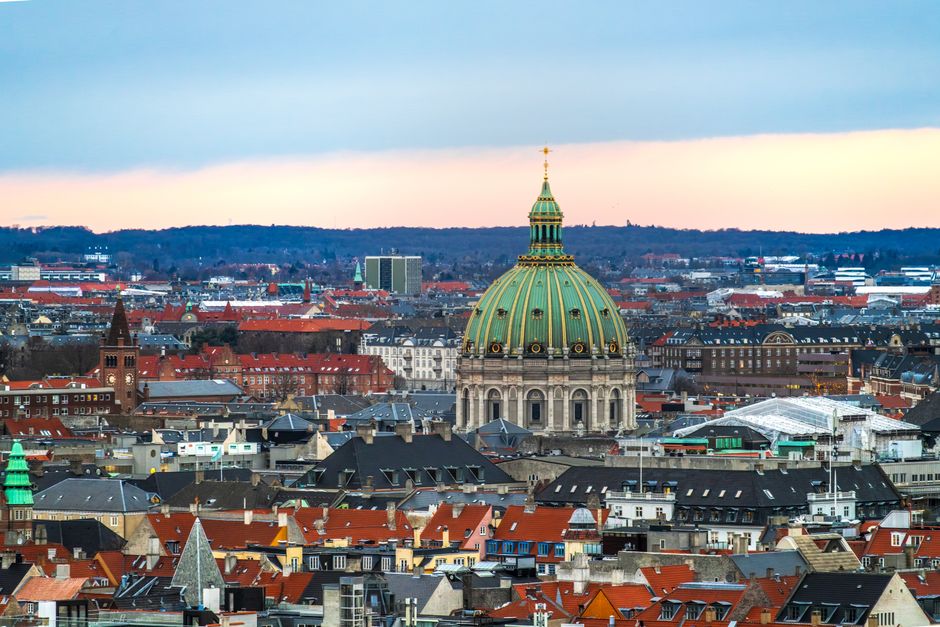
Day 1: The Classic Cut. Start at the Rundetårn for a panoramic establishing shot of the city. Wander down the Strøget to Amalienborg Palace to watch the Changing of the Guard at noon. Visit the magnificent Frederik's Church (The Marble Church) and then stroll along the waterfront to the Little Mermaid and the Kastellet fortress. In the afternoon, immerse yourself in the history and bling of Rosenborg Castle and its gardens. As evening falls, step into the fairy tale of Tivoli Gardens. Have dinner inside the park or at a nearby traditional Danish restaurant.
Day 2: The Bohemian & The Bold. Cross the canal to Christianshavn. Climb the external winding staircase of Our Saviour's Church for heart-stopping views. Then, explore the complex, captivating community of Freetown Christiania. Have a late lunch at one of its organic cafes. Afterwards, indulge your senses at the Torvehallerne food market. In the late afternoon, visit the starkly beautiful Designmuseum Danmark. For dinner, explore the trendy restaurants of the former meatpacking district, Kødbyen, in Vesterbro.
Day 3: The Modern Montage. Dive into Danish history at the exceptional National Museum. Then, take a harbor bus or ferry to see the city from the water, passing the Black Diamond library and the Opera House. Get off at Refshaleøen, a former shipyard island now home to street food markets (Reffen), microbreweries, and the avant-garde restaurant Noma. Alternatively, visit the contemporary art haven of Louisiana Museum of Modern Art—a 35-minute train ride north along the coast, worth every second for its stunning sculpture garden overlooking the Øresund. Return for a final evening, perhaps catching live jazz in a cellar bar or enjoying a quiet drink by the canals of Nyhavn, now illuminated in the dusk.
Conclusion: The Final Frame
Leaving Copenhagen, you don't just have photos; you have a new sensory template for what a city can feel like. The memory isn't of a single monument, but of a feeling—the smooth glide of a bicycle, the weight of a well-designed coffee cup in your hand, the taste of salty air and cardamom, the sight of a thousand candles flickering against a dark winter window. It's the profound sense of a society that, for all its modern challenges, has prioritized human-scale living, beauty in the everyday, and a deep connection to its environment. Copenhagen changes you subtly. It makes you notice light, appreciate a well-placed bench, and yearn for a slower, more intentional pace. It's a city that proves functionality can be beautiful, that history and hyper-modernity can dance together gracefully, and that the pursuit of happiness (lykke) is a valid and visible civic project. As your plane lifts off over the silver waters of the Øresund, you'll already be writing the script for your return, eager to step back into its beautifully composed frames.
Frequently Asked Questions
Is Copenhagen a walkable city?
Absolutely. The city center (Indre By) and many key districts like Christianshavn and Vesterbro are extremely compact and best explored on foot. The flat terrain and extensive pedestrian zones make walking a pleasure. For longer distances, the bicycle or the efficient public transport system seamlessly takes over.
How many days do I need to see Copenhagen properly?
A three to four-day visit allows you to cover the major highlights at a comfortable pace, including a day trip to nearby attractions like the Louisiana Museum or Kronborg Castle (Hamlet's Castle) in Helsingør. With five days or more, you can delve deeper into specific neighborhoods, museums, and the local café culture, embracing the slower, hygge rhythm of the city.
Is it true that Copenhagen is very expensive?
Yes, Copenhagen is one of the more expensive European cities. However, smart planning can mitigate costs. Utilize the Copenhagen Card for attractions and transport, eat at food markets and casual spots, enjoy free activities like swimming in the harbor or visiting free museums, and consider accommodation slightly outside the very center. The value is often in the quality of experience.
What should I pack for a trip to Copenhagen?
Think layers and practicality, regardless of season. A waterproof jacket is essential year-round. Comfortable walking shoes are non-negotiable for the cobblestones. In summer, pack light layers and a sweater for cooler evenings. In winter, a warm coat, scarf, gloves, hat, and sturdy, waterproof boots are crucial. Danes favor a smart-casual, understated style.
Do I need to speak Danish to get by?
Not at all. English is spoken fluently and widely by virtually everyone, from museum staff and waiters to bus drivers and shopkeepers. It is one of the most effortless non-English speaking countries to navigate as a tourist. Learning a few basic Danish pleasantries is a nice gesture but not necessary for communication.
Is the Copenhagen Card worth it?
It can be, depending on your itinerary. If you plan to visit 2-3 major paid attractions per day and use public transport extensively, the card will likely save you money. Calculate the individual entry fees for the places you want to visit and compare it to the card's price for the corresponding number of days. The convenience of skipping ticket lines is an added bonus.
What's a unique, off-the-beaten-path experience in Copenhagen?
Visit Assistens Cemetery in Nørrebro. It sounds morbid, but it's a beautiful, park-like space where locals sunbathe, jog, and picnic among the graves of famous Danes like Hans Christian Andersen and Søren Kierkegaard. It's a profound and peaceful insight into the Danish relationship with life, death, and public space.


No comments:
Post a Comment