
Denpasar: The Beating Heart of Bali
Introduction: The City That Whispers and Roars
The first thing that hits you is the air. It's a thick, warm broth, fragrant with a thousand stories. It carries the sharp, sweet smoke of clove cigarettes from a motorbike taxi driver idling on the corner, the heady perfume of frangipani blossoms crushed underfoot, and the distant, salty breath of the Java Sea. This is not the Bali of postcard-perfect infinity pools and silent retreats. This is Denpasar (Bali), Indonesia—the island's sprawling, chaotic, and utterly captivating capital. Forget what you think you know. Denpasar is not a place you merely pass through on your way to the southern beaches or the upland jungles. It is the living, breathing core of the island, a gateway town with easy beach access and cultural markets that thrum with a raw, unfiltered energy.
Your ears adjust next. The soundtrack is a relentless, symphonic chaos. A chorus of motorbike engines weaves through the streets like angry hornets, their beeping horns a staccato punctuation. Beneath it, the melodic chime of a gamelan orchestra drifts from a hidden temple compound, its metallic harmonies clashing beautifully with the modern din. From a roadside warung, the sizzle of garlic hitting hot oil provides a percussive baseline. This is a city that never sleeps, but its pulse is not one of stress, but of vibrant, unceasing life. The streets are a river of humanity—women in elegant kebayas balancing towering offerings of fruit and flowers on their heads, schoolchildren in crisp uniforms laughing on their way home, old men playing chess in the shade of a banyan tree, its roots spilling over the sidewalk like melted wax.
To walk the streets of Denpasar is to witness a city in constant negotiation between the sacred and the secular. One moment you're navigating a gridlock of honking cars, the next you're stepping aside for a silent, solemn procession of worshippers dressed in white, carrying a palanquin towards the sea for a purification ceremony. Shiny glass-fronted mobile phone stores sit shoulder-to-shoulder with ancient family temples, their moss-covered stone walls cool to the touch. This juxtaposition is not jarring; it is the essence of Bali. In Denpasar, spirituality is not reserved for holy sites; it is woven into the fabric of daily commerce, family, and community. It is a city that demands you engage with all your senses, to look beyond the initial layer of traffic and concrete to discover the profound beauty and deep cultural roots that sustain the entire island. This is where Bali's heart beats loudest, a powerful, rhythmic drum that sets the pace for paradise.
Why Visit Denpasar?
You might ask, with Bali's famed beaches and rice terraces beckoning, why dedicate precious time to its capital? The answer is authenticity. Denpasar offers the rare and precious gift of context. It is the key to understanding the Bali that exists beyond the resort walls. This is where you witness the unvarnished rhythm of Balinese life, where ceremony and routine are inseparable. While the southern tourist hubs cater to an international fantasy, Denpasar caters to itself. Its energy is genuine, its smiles are uncalculated, and its cultural offerings are not performances, but daily expressions of identity.
As a gateway town with easy beach access and cultural markets, it provides a perfect, balanced base. Within a 20-minute drive, you can be on the sands of Sanur, watching the sun rise over the Lombok Strait with a gentle, swimmable sea at your feet. Yet, instead of returning to a tourist bubble, you return to a city alive with local purpose. The cultural immersion here is passive and profound. Simply sitting in a modest coffee shop, you'll observe the intricate social dance of the city. You'll see the fierce pride in traditional dress during Galungan, when the streets become a runway for vibrant Balinese fashion. You'll feel the collective reverence during Nyepi, the Day of Silence, when the famously noisy city falls into a profound, awe-inspiring hush, the sky darkening to reveal stars normally drowned in light.
Denpasar is also the undisputed champion of markets. Unlike the art markets in Ubud which are geared towards souvenirs, Denpasar's markets are vital organs of the city. They are places of commerce, gossip, and sustenance. Visiting them is not shopping; it is anthropology. You come not just to buy, but to be immersed in a cacophony of scents, colors, and sounds, to see the raw ingredients of Balinese life before they are polished for visitor consumption. For the curious traveler, the one who seeks to understand the soul of a place, skipping Denpasar is like reading only the climax of a novel. You miss the rich character development, the setting, the very essence of the story. Denpasar is Bali's foundational narrative.
When to Visit: Timing the Rhythm of the Island
Choosing when to visit Denpasar (Bali), Indonesia is less about avoiding rain and more about aligning with the island's spiritual calendar for a truly transformative experience. The climate is tropical year-round, with two main seasons: the dry season (April to October) and the wet season (November to March). During the dry season, you'll be greeted by brilliant blue skies and sunshine that makes the city's colors pop with almost surreal intensity. The air is slightly less humid, and evenings are pleasant. This is the classic, postcard-perfect weather for exploration. The wet season brings daily, dramatic downpours that usually arrive in the late afternoon or evening—spectacular thunderstorms that crack open the sky, cleanse the air, and leave the city glistening and refreshed. The landscape is a deeper, more lush green, and the temperatures remain warm.
But beyond the weather, the cultural calendar dictates a richer rhythm. To witness Denpasar at its most spectacular, plan your visit around major Hindu Balinese festivals. Galungan and Kuningan, which occur every 210 days, are a 10-day celebration of the victory of dharma over adharma. The city transforms. Every street, every doorway, is adorned with towering *penjor*—curved bamboo poles decorated with coconut leaves and offerings, creating a breathtaking canopy of devotion. The air thrums with a festive, sacred energy. Conversely, Nyepi, the Balinese Day of Silence (usually in March), is an experience like no other. For 24 hours, the entire island shuts down. No lights, no traffic, no work. From your accommodation, you will witness the eerie, beautiful silence of a metropolis at complete rest, followed the night before by the incredible, cacophonous *Ogoh-Ogoh* parade, where giant papier-mâché monsters are paraded through the streets to cleanse the island of evil spirits. Visiting during these times requires planning (flights in/out are halted on Nyepi), but it offers a deep, unforgettable dive into the Balinese psyche.
How to Get There: The Gateway Opens
Your journey to the heart of Bali almost always begins at Ngurah Rai International Airport (DPS), ironically located not in Denpasar proper but in the Badung Regency, between Kuta and Jimbaran. Despite this, it is universally considered Denpasar's airport, the main portal for millions of travelers. Stepping out of the cool, conditioned arrival hall is your first cinematic moment. The wall of humid air, the chorus of drivers holding signs, the orderly chaos—it's your first taste of the island's vibrant energy. Denpasar itself is just a short ride south, typically a 20 to 40-minute drive depending on the legendary traffic.
Your choice of transport sets the tone for your adventure. For a seamless, air-conditioned arrival, pre-booking a private airport transfer is wise. Your driver will be waiting, offering cold towels and bottled water, whisking you into the city while you gaze wide-eyed at the passing scene. For the more intrepid and budget-conscious, official airport taxis are available at fixed-rate counters—insist on using these to avoid overcharging. The real Denpasar experience, however, begins with the ride-hailing apps, Gojek and Grab. Download them before you arrive. With a few taps, a friendly local on a motorbike (for solo travelers) or a car will arrive to navigate the intricate backstreets. On a motorbike, you are no longer a spectator; you are in the film, the wind in your hair, weaving through traffic, intimately sensing the city's scale and scent. For travel within Denpasar itself, these apps, along with the ubiquitous blue *metromini* buses and *bemo* vans (for the truly adventurous), are your lifelines. Renting a scooter offers ultimate freedom, but only attempt this if you are experienced and confident in chaotic, left-hand-drive traffic.
Accommodation: From Heritage Homes to Urban Sanctuaries
Finding your nest in Denpasar requires a shift in expectation. You won't find sprawling beachfront resorts here. Instead, you discover intimate hotels that offer a sanctuary from the urban energy, often with deep ties to local culture. For an experience dripping with heritage, seek out a renovated *rumah tua* (old house) in the historic Kesiman or Renon areas. These boutique properties are often family-run, set behind high walls that open to reveal hidden paradises: courtyards with ancient frangipani trees, pools tiled in traditional patterns, and rooms furnished with antique *kayu* wood and hand-woven textiles. Waking up to the sound of canaries and distant prayers rather than tourist crowds is a uniquely Denpasar luxury.
For modern comfort with excellent access, the Teuku Umar and Sunset Road areas are hubs for contemporary business hotels and stylish apartment-style stays. Here, you'll find rooftop pools with skyline views, sleek cafes, and easy app-based transport connections to everywhere. A particularly charming and central option is to stay near Puputan Badung Square or the traditional market area. Your mornings will begin with the soft hum of the city coming to life, and you can step directly into the daily flow of local commerce. Many of these mid-range hotels boast beautiful, compact gardens and small pools—essential oases for a refreshing dip after a day of dusty, exhilarating exploration. Wherever you choose, prioritize a place with character. Your accommodation in Denpasar should be more than a bed; it should be a quiet stage from which you observe the city's endless play, a cool, calm anchor in its beautiful storm.
Things to Do: The City's Living Tapestry
The magic of Denpasar is not found on a checklist of attractions, but in the act of purposeful wandering. Start at the monumental Bajra Sandhi Monument in Renon Square. This immense, neo-Balinese structure, representing the turning point of the universe, houses a diorama museum tracing Bali's history. Climb to its top floor for a panoramic, 360-degree view of the city sprawling towards the mountains and sea—a perspective that lays the urban landscape bare. Then, dive into the dense, historical heart of the city at the Puri Pemecutan Palace. Though partly reconstructed after colonial conflicts, its gates and courtyards whisper of royal intrigue and pre-colonial power. Time your visit with a rehearsal of the *Legong* or *Baris* dance in the outer courtyard, where the hypnotic gamelan practice transforms the space.
No visit is complete without surrendering to the sensory overload of its markets. Pasar Badung is the city's main culinary and daily goods powerhouse. Ascend its multiple floors. The ground level is a kaleidoscope of fruits you can't name, pyramids of spices, and baskets of glistening fish. The smell is potent, organic, real. Upstairs, you'll find sarongs, ceremonial umbrellas, and stacks of beautiful, everyday dishware. A short walk away, Pasar Kumbasari specializes in textiles—a shimmering world of songket silks, batik in a thousand patterns, and bolts of vibrant fabric. Haggling is expected, but do it with a smile. For a more curated but still authentic craft experience, the Kreatif Denpasar (KRED) Market on Sunday evenings is a delight, showcasing local designers, live acoustic music, and fantastic street food in a trendy, open-air setting.
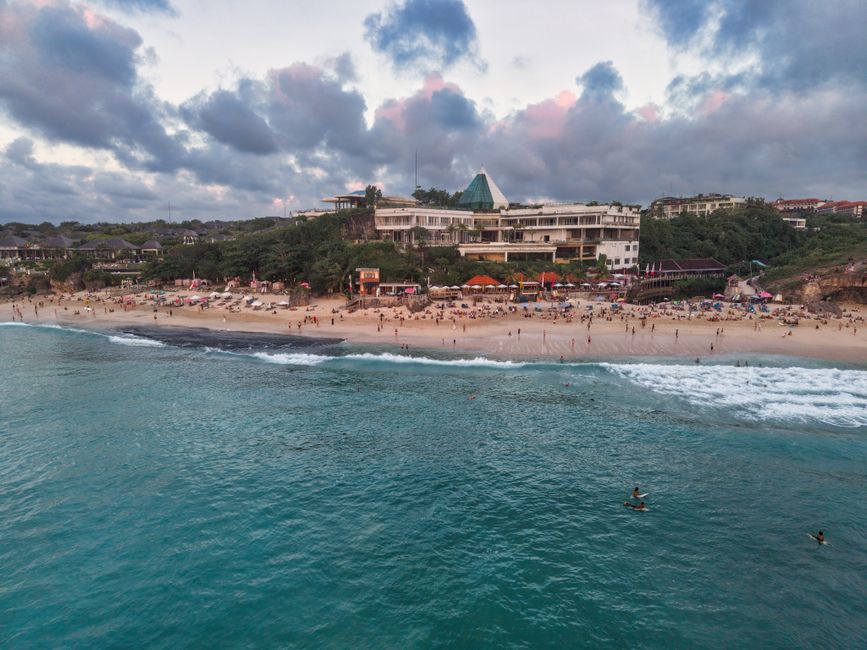
To understand the spiritual core, visit the Pura Jagatnatha, the state temple opposite the museum. Dedicated to the Supreme God Sang Hyang Widhi, its central altar is made of white coral, a stunning sight, especially during full moon ceremonies. For a more personal, moving experience, seek out the Pura Maospahit, one of Bali's oldest temples, with exquisite red brickwork and ancient statues shrouded in moss and mystery. As the sun begins to lower, make your way to the Sanur Beachfront. This is Denpasar's easy beach access promise fulfilled. Join locals and expats on the paved seaside path for a *jalan-jalan* (stroll). Watch traditional jukung fishing boats bob on the horizon, feel the breeze, and witness a spectacular sunrise the next morning—a quiet, majestic counterpoint to the city's daytime fervor.
Food and Drink: A Culinary Pilgrimage
Denpasar is Bali's undisputed culinary capital. This is where you eat not just to dine, but to understand. Forget fancy fusion; here, the food is honest, bold, and deeply rooted in tradition. Your pilgrimage must begin at a *warung makan*—a humble, often family-run food stall. Point to what looks good in the glass display (*lihat-lihat*), or be adventurous and ask for the *nasi campur*. This "mixed rice" is a perfect introduction: a scoop of rice surrounded by a constellation of small, flavorful dishes—a spoonful of spicy *sambal*, some crispy fried tempeh, a piece of turmeric chicken, a dab of savory jackfruit curry, and boiled vegetables in coconut sauce. Each bite is a new discovery.
For a truly iconic Denpasar experience, you must seek out Babi Guling (suckling pig). While the town of Gilimanuk is famous, Denpasar's versions are legendary. Find a busy spot like Warung Babi Guling Sanur or the famed Ibu Oka branch in Renon. The plate is a symphony of textures and tastes: crisp, golden skin, tender meat, spiced blood sausage, and a riot of accompanying vegetables and broths, all united by a complex, aromatic base of turmeric, ginger, and chili. It's a must-try. At night, the city's food courts and *kaki lima* (street cart) scenes come alive. At the intersection near Pasar Kumbasari, night markets materialize, serving everything from savory *sate lilit* (minced seafood satay) to sweet *martabak manis* (thick, stuffed pancakes).
Wash it all down with local brews. Kopi Bali is strong, often served sweet, and sometimes with a unique "torch ginger" flavor. For a refreshing non-alcoholic option, es kelapa muda (young coconut water with the soft flesh) is heaven-sent. In the evenings, explore the burgeoning cafe scene in the Petitenget and Kerobokan fringe areas for craft cocktails with a local twist—think arak-infused mojitos or tamarind margaritas. But the true drink of Denpasar is the atmosphere: the clatter of plates, the laughter from a family warung, the sizzle of the grill, and the profound satisfaction of a meal that tastes of place and history.
Practical Tips for Navigating the Heartbeat
To move through Denpasar with ease, embrace its logic. Transport: Use Gojek/Grab for everything. They are cheap, efficient, and eliminate haggling stress. For short distances, a *becak* (pedicab) is a charming, slower alternative—agree on the price firmly before you get in. Currency: While cards are accepted in malls and hotels, cash is king in markets, warungs, and for transport. ATMs are plentiful, but notify your bank before travel. Temple Etiquette: Always dress modestly when visiting temples. A sarong and sash are mandatory; these are almost always provided for a small donation or rental fee at major temples. Never step on offerings (*canang sari*) placed on the ground, and avoid pointing your feet at shrines or people. Health: Drink only bottled or filtered water. Street food is generally safe if it's cooked fresh and hot in front of you—follow the crowds. Have basic stomach remedies handy as your system adjusts. Bargaining: In markets, do it politely and with a smile. Start at about 50-60% of the asking price and meet in the middle. In fixed-price stores, don't. Connectivity: Buy a local SIM card at the airport or a Telkomsel/XL center in town for cheap, excellent data coverage. Most importantly, carry patience like a currency. Traffic jams are part of the story. Let go of a rigid schedule and allow the city's rhythm to guide you.
Suggested Itinerary: Three Days in the Soul of Bali
Day 1: History & The Senses. Begin with context at the Bajra Sandhi Monument for that panoramic view. Then, plunge into the past at the Bali Museum in the city center, its courtyards housing artifacts from prehistoric to colonial times. For lunch, brave the glorious chaos of Pasar Badung's food stalls. In the afternoon, explore the Puri Pemecutan Palace and the serene Pura Jagatnatha temple. As the late afternoon heat softens, take a Gojek to the Sanur beach path for a leisurely stroll and a breathtaking sunset. Dine at a classic Sanur warung for fresh seafood.
Day 2: Market Culture & Craft. Dedicate your morning to the markets. Start early at Pasar Badung to see it at its most vibrant. Then, cross the river to Pasar Kumbasari to admire textiles. Afterwards, find a famous Babi Guling warung for a legendary lunch. In the afternoon, visit the Le Mayeur Museum in Sanur, the home of a Belgian artist who fell in love with Bali and a Balinese dancer, a poignant love story. Later, explore the upscale Kerobokan area for boutique shopping. If it's a Sunday, spend your evening at the KRED creative market for local crafts, live music, and a youthful, vibrant atmosphere.
Day 3: Local Life & Hidden Gems. Venture to the northern part of the city to the Sidakarya area to see the impressive Pura Dalem Sidakarya and witness local life away from the center. Then, head to the serene Serangan Island (Turtle Island), connected by a causeway, to visit the Pura Sakenan temple and see conservation efforts. Return for a late lunch at a *warung nasi ayam* (chicken rice warung). Spend your final afternoon seeking out a specific craft, like a goldsmith workshop in the Penatih area or a traditional cake (*jaja*) maker. For your farewell dinner, choose a restaurant in the trendy Petitenget area, reflecting on the incredible contrast and depth you've witnessed in Denpasar (Bali), Indonesia.
Conclusion: The Heartbeat You Carry Home
Leaving Denpasar, you realize you haven't just visited a city; you've been let in on a secret. The postcards will show the temples and the beaches, but they won't show the determined focus of a woman assembling her morning offering, the explosive laughter from a group of men at a roadside coffee stall, or the profound quiet of a temple courtyard in the middle of a bustling street. You take with you the scent of incense and frangipani, the taste of complex sambal, the memory of golden light filtering through market awnings. Denpasar is the anchor that keeps Bali real. It is the relentless, beautiful, chaotic engine of tradition that powers the island's paradise. It teaches you that true beauty isn't found in perfection, but in vibrant, unapologetic life lived with devotion and community. You may have come to Bali for the beaches, but it is the heartbeat of Denpasar that will echo in your memory long after your tan has faded, a persistent, rhythmic reminder of a place where the sacred and the everyday dance together in the streets.
Frequently Asked Questions (FAQ)
Is Denpasar just a crowded, noisy city, or is it worth visiting for a tourist?
Denpasar is absolutely worth visiting precisely because it is a living, breathing Indonesian city, not a tourist construct. While it is bustling and noisy, these are the sounds of authentic Balinese life. It offers unparalleled cultural immersion, incredible food markets, historic temples, and acts as the perfect contextual counterpoint to the island's resort areas. It provides a deep, meaningful understanding of Bali that you simply cannot get elsewhere.
How do I get from Denpasar to the popular beach areas like Seminyak or Canggu?
The beach areas of Seminyak, Legian, and Canggu are located northwest of Denpasar, within the Badung Regency. The easiest and most reliable way is to use the ride-hailing apps Gojek or Grab, which offer both car and motorbike options at fixed, affordable rates. A car ride can take anywhere from 30 to 60 minutes depending on traffic. You can also negotiate with a local Blue Bird taxi, but ensure the meter is used.
What should I wear when visiting temples in Denpasar?
Modesty is key. Both men and women should wear clothing that covers the shoulders and knees. Most major temples will provide or rent sarongs and sashes at the entrance for a small donation, which are mandatory to wear over your clothes. It's respectful to carry a light scarf or shawl with you for impromptu temple visits. Always remove your shoes before entering enclosed pavilion areas within the temple.
Is Denpasar a good place to shop for authentic Balinese souvenirs?
Yes, it is arguably the best place. Unlike tourist markets, Denpasar's markets like Pasar Badung and Pasar Kumbasari sell goods primarily for locals. You'll find authentic textiles (batik, songket), ceremonial items, kitchenware, and crafts at more direct prices. For higher-end, designer goods from local artisans, the KRED creative market is excellent. The shopping experience is more authentic and often more rewarding than in heavily touristed towns.
How safe is Denpasar for travelers, especially at night?
Denpasar is generally very safe for travelers. Violent crime is rare. The primary concerns are petty theft (keep bags secure, especially on motorbikes) and traffic safety. At night, stick to well-lit areas, use reputable ride-hailing apps for transport, and exercise the same common sense you would in any major city. The local people are famously hospitable and helpful to visitors who show respect.
Can I use US dollars or credit cards in Denpasar, or do I need Indonesian Rupiah?
You will need Indonesian Rupiah (IDR). While some large hotels or high-end stores may accept credit cards, the vast majority of transactions in markets, warungs, and for transport are cash-based. US dollars are not accepted for daily purchases. ATMs are widely available, and money changers are plentiful (use authorized, reputable ones with clear posted rates). It's best to always have a supply of smaller denomination notes.
What is a "must-eat" dish I can only find authentically in Denpasar?
While found across Bali, Denpasar is the pinnacle for experiencing authentic Babi Guling (suckling pig). The city's warungs have perfected this complex dish, which involves roasting a whole pig stuffed with a rich spice paste. The result is a plate with crispy skin, tender meat, spicy sausages, and a variety of complementary vegetables and broths. Seeking out a renowned Babi Guling warung is a culinary pilgrimage essential to the Denpasar experience.


No comments:
Post a Comment