
Haifa: A City of Stairways, Gardens, and Golden Light
Introduction
The first thing you notice is the light. It's a specific, golden, Mediterranean light that seems to pour over the city like honey, gilding the white stone buildings and making the sea shimmer with a million liquid diamonds. Haifa doesn't announce itself with the frenetic energy of Tel Aviv or the ancient, heavy gravity of Jerusalem. Instead, it unfolds. It reveals itself in layers, quite literally, as you ascend from the bustling port at sea level, through the commercial heart of the city, and up, up, up the slopes of Mount Carmel to the crest where the world-famous Baha'i Gardens spill down the mountainside in a breathtaking cascade of emerald green and pristine white. This is a city built on a slope, a city of stairways and cable cars, where the scent of salt air mingles with the perfume of pine and jasmine.
Close your eyes for a moment. Listen. The deep, mournful blast of a container ship's horn from the port below. The cheerful clatter of a tram—the Carmelit, Israel's quirky, subterranean funicular—rattling through its stations carved into the mountain's belly. The distant murmur of prayers, perhaps from the Elijah's Cave, a site sacred to Jews, Christians, Muslims, and Druze alike. This symphony is the essence of Haifa, Israel's third-largest city and perhaps its most successful experiment in coexistence. Here, Jewish, Arab, Christian, Druze, and Baha'i communities don't just live side-by-side; they intertwine. You'll hear Arabic and Hebrew flowing with equal ease from market vendors, see a mosque's minaret and a church's spire sharing a skyline, and feel a palpable, unforced sense of normalcy in the daily rhythm.
Haifa is a working city, a major port and industrial center, and it wears its practicality with a quiet pride. But within that framework lies immense beauty and soul. The German Colony, with its red-roofed Templer houses lining a grand boulevard that points like an arrow to the Gardens above, feels like a slice of old Europe. The winding alleyways of Wadi Nisnas, an Arab Christian neighborhood, explode with color during the Holiday of Holidays festival and the scent of fresh za'atar and baking pita year-round. The artist's colony in Ein Hod offers a bohemian escape, while the student energy around the University of Haifa injects a vibrant, youthful pulse. To visit Haifa is to engage with a city that is profoundly real, complex, and stunningly beautiful—a sea town with gardens and a mixed cultural heritage that isn't just displayed in museums, but lived on every street corner, in every shared smile over a cup of strong coffee.
Why Visit Haifa
You visit Haifa for the perspective, both literal and metaphorical. From the top terrace of the Baha'i Gardens, the panoramic vista is more than just a pretty picture; it's a lesson in geography and harmony. You see the entire city draped over the Carmel like a layered tapestry, the blue arc of the bay embracing it all, ships tracing silent lines on the water. It's a vantage point that forces you to see how everything connects. Metaphorically, Haifa offers a perspective on Israel that is often obscured by headlines. It's a model of what "normal" can look like, a place where the narrative isn't solely one of conflict, but of daily life, shared spaces, and mutual respect. You come here to witness a different rhythm, one that is slower, more contemplative, and deeply rooted in community.
You also come for the texture. Haifa is a city to be felt underfoot. The smooth, worn stones of the Louis Promenade under your shoes as you take an evening stroll. The gritty, energetic feel of the port area, being revitalized with new restaurants and galleries. The cool, shaded paths of the Carmel forests, just minutes from the urban center, where you can hike to a waterfall. It's a city of distinct neighborhoods, each with its own fingerprint. The sleek, modern architecture of the upper Carmel feels worlds away from the dense, aromatic chaos of the Talpiot Market. This variety means your experience can shift dramatically from one hour to the next—from a serene garden meditation to a lively feast for the senses in a hummusiya, all within a short drive or a thrilling ride on the cable car that soars over rooftops and pine trees.
Ultimately, you visit Haifa for its soul. It's an unpretentious, hard-working city that has cultivated beauty and peace in its own unique way. It doesn't shout; it whispers. And in that whisper, you hear something profoundly hopeful. It's a destination for the traveler who seeks beauty beyond the postcard, who wants to understand the multifaceted reality of a region, and who finds joy in discovering a city that feels both magnificently grand and intimately knowable.
When to Visit
Haifa, blessed with a classic Mediterranean climate, is a year-round destination, but its character shifts beautifully with the seasons. The sweet spot, when the city is at its most cinematic, is undoubtedly spring (April to early June). Imagine this: the Baha'i Gardens are a riot of meticulously maintained color, the air is soft and warm without being oppressive, and the light is that perfect, clear gold. You can hike in the Carmel forests surrounded by wildflowers, dine on a patio without a jacket, and enjoy the city before the peak summer humidity and crowds descend. It's pure magic.
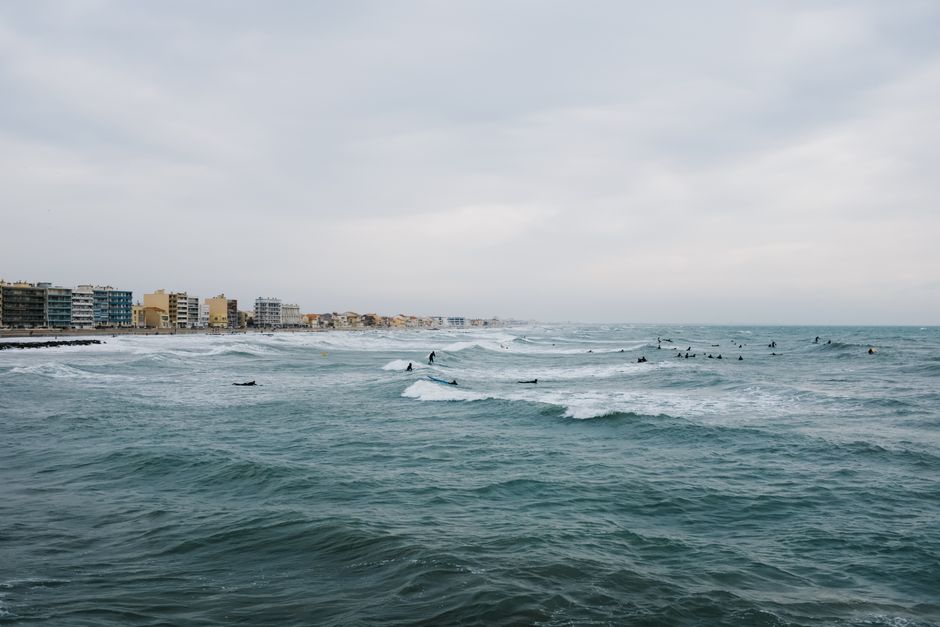
Autumn (late September to November) is a close second. The heat of summer breaks, the sea remains swimmably warm, and the city slips back into its everyday rhythm after the holiday season. This is an ideal time for long walks and cafe culture. Summer (July-August) brings intense heat and humidity, but also a vibrant, festive energy. The beaches are packed, open-air concerts fill the air, and the Holiday of Holidays festival (spanning December) begins its celebratory fuse of Hanukkah, Christmas, and Eid. While winter (December-March) can be rainy and surprisingly chilly, especially on the mountaintop, it has its own drama. Storm clouds rolling over the Carmel, lashing the sea, create a moody, powerful landscape straight out of a epic film. You'll have sites nearly to yourself and experience Haifa as the locals do, cozy in cafes with a steaming hot drink.
How to Get There
Your journey to Haifa, Israel, often begins with a grand aerial approach. Flying into Ben Gurion International Airport (TLV) near Tel Aviv, you're then faced with a choice that sets the tone for your adventure. The most seamless option is a pre-booked private transfer or taxi, a 90-minute to two-hour drive north along the coastal highway (Highway 2). As you leave the Tel Aviv sprawl, the landscape opens to citrus groves and the glimmering sea, with the silhouette of the Carmel range gradually rising ahead—a thrilling first glimpse.
For the immersive, local experience, the train is the way to go. A short shuttle from the airport leads to the Tel Aviv HaHagana station. From there, Israeli Railways offers fast, frequent, and incredibly scenic service directly to Haifa. Choose between the Haifa Center HaShmona station (in the lower city) or the Bat Galim station (near the port and cable car). The journey, about an hour, is a rolling documentary: you'll zip past beach towns, archaeological tells, and finally, hug the coastline with waves crashing just below your window as you enter Haifa. It's efficient, affordable, and stunning. Buses are also plentiful, though less comfortable for luggage. Once in the city, your feet, the efficient local bus network, the iconic Carmelit funicular, and taxis will be your primary tools for navigating its vertical challenge.
Accommodation
Where you lay your head in Haifa defines your experience, as the city's neighborhoods offer distinct personalities. For first-time visitors and those seeking iconic views, the German Colony or the Central Carmel area are unparalleled. The German Colony, centered on Ben Gurion Boulevard, places you at the literal foot of the Baha'i Gardens. Here, historic Templer buildings have been transformed into boutique hotels and elegant guesthouses. Waking up, drawing your curtains, and seeing those immaculate terraces glowing in the morning sun is a memory you'll keep forever. The atmosphere is tranquil, upscale, and steeped in history, with some of the city's best restaurants at your doorstep.
For a more local, lived-in feel with easy access to cafes, shops, and the green lungs of the Carmel, the neighborhoods of Central Carmel and Ziv are perfect. Here you'll find a range of modern hotels and apartment rentals favored by Israeli families. The air is cooler, the streets are lined with trees, and you're a short walk from the Louis Promenade and the Carmelit stations. It feels residential yet connected. For the budget-conscious and the bohemian at heart, the port area (Haifa Port) and lower city are undergoing a exciting renaissance. Converted warehouses and new hostels offer a grittier, more artistic base. You'll be surrounded by galleries, innovative eateries, and the raw energy of a working port, with the rest of the city easily accessible via the cable car or a short bus ride uphill.
Things to Do
Begin your exploration at the crown jewel: the Baha'i Gardens. This isn't merely a garden; it's a spiritual and architectural masterpiece, a symbol of the Baha'i faith's principles of unity and perfection. Join a free guided tour (reservations essential) that starts at the top terrace. As you descend the 19 immaculate terraces—a literal hanging garden of Babylon for the modern age—the symmetry, the silence broken only by the sound of water in fountains, and the sheer scale of the landscaping will leave you breathless. The golden-domed Shrine of the Báb, the resting place of the faith's herald, sits at the center, a beacon of serenity. The view upwards from the German Colony at night, when the gardens are illuminated, is equally spellbinding.
From this pinnacle of tranquility, dive into the human tapestry of the city. Wander the German Colony's main boulevard, then lose yourself in the adjacent Wadi Nisnas neighborhood. Here, the air is thick with the aroma of Arabic coffee, frying falafel, and sweet knafeh. Murals adorn the walls, small grocery shops spill their wares onto the sidewalk, and the sound of animated conversation fills the air. It's the perfect place to practice your bargaining skills for spices or to simply sit and observe the daily flow. For a different artistic vibe, drive south to the village of Ein Hod, a colony of artists nestled in the Carmel. Studios, galleries, and quirky sculptures dot the lanes, and you can often meet the artists at work.
Haifa's maritime soul calls. Ride the Carmelit, the world's shortest subway, from top to bottom, feeling the temperature rise as you descend. At the port, board the Rakavlit, a cable car that offers a silent, soaring journey over the rooftops and train tracks to Bat Galim promenade and the charming Stella Maris monastery. For a deeper connection to the sea, the Clandestine Immigration and Naval Museum tells the gripping stories of Jewish refugees arriving by boat, while the nearby beach at Dado is perfect for a sunset stroll or a dip. Finally, seek out Elijah's Cave. Tucked into the cliffside, this humble grotto, revered by multiple faiths as a place where the prophet Elijah found refuge, hums with a powerful, quiet energy. Sitting in its cool dimness, you feel the accumulated weight of centuries of prayer and hope—a fitting encapsulation of Haifa itself.
Food and Drink
Haifa's culinary scene is a direct reflection of its cultural mosaic—a delicious, unpretentious, and deeply satisfying fusion. Your first mission must be to find your favorite hummusiya. This is a sacred quest. Forget the bland paste you might know; here, hummus is a warm, velvety, ethereal cloud, drizzled with golden olive oil, sprinkled with paprika and whole chickpeas, and served with raw onion, pickles, and a stack of fresh pita. Places like Hummus Eliyahu or Hummus Ha'Carmel are institutions where you'll join locals in a silent, focused communion with your plate. It's a meal, not a dip.
For a feast of the senses, head to the Talpiot Market or the Wadi Nisnas streets. The cacophony of vendors, the pyramids of glistening olives, barrels of briny pickles, and trays of baklava dripping with syrup are intoxicating. Grab a bag of crunchy, savory za'atar-covered bread rings (ka'ach), or a paper cone filled with sweet, fried zalabia. As evening falls, the German Colony's Ben Gurion Boulevard transforms into a lively restaurant row. You can enjoy everything from high-end modern Israeli cuisine that plates the Galilee's bounty artistically, to hearty Druze meals in nearby Daliat el-Carmel featuring stuffed vegetables, labneh, and fresh-off-the-saj bread. Don't leave without trying a glass of salty, minty *leben* (a yogurt drink) or a strong, cardamom-scented Arabic coffee. The wine bars in the port area, showcasing excellent Israeli wines, speak to the city's modern, evolving palate.
Practical Tips
Navigating Haifa's topography is the key to enjoyment. Wear comfortable, sturdy shoes—you will be walking on inclines. The public transport system is your friend. Get a Rav-Kav card (rechargeable transit card) from a central station or kiosk; it works on all buses, the Carmelit, and the trains, making hopping between city layers seamless. Remember that public transport largely stops from Friday afternoon until Saturday evening for Shabbat. Plan accordingly: this is a great time for walking tours, taxis (which operate but are pricier), or simply relaxing in your neighborhood. While Haifa is generally safe and relaxed, standard travel precautions apply. Be respectful when visiting religious sites: cover shoulders and knees at the Baha'i Gardens, Stella Maris, and Elijah's Cave.
Hebrew and Arabic are both widely spoken, but you'll find English common in tourist areas, hotels, and restaurants. A few words in Hebrew (*shalom* for hello, *toda* for thank you) or Arabic (*marhaba*, *shukran*) are always appreciated. The currency is the Israeli New Shekel (ILS). Credit cards are widely accepted, but having some cash for markets and smaller eateries is wise. Finally, embrace the pace. Haifa operates on "Haifa time," which is slower and less frantic than Tel Aviv. Service in restaurants can be leisurely; it's not inefficiency, but a different philosophy. Sit back, people-watch, and enjoy the moment.
Suggested Itinerary
Day 1: The Grand Vista & The German Heart. Start at the top. Take a morning guided tour of the Baha'i Gardens, absorbing the sublime views and tranquility. Walk down through the terraces to the German Colony. Have a long, luxurious lunch on Ben Gurion Boulevard, then explore the Templer History Museum in one of the restored houses. As evening falls, walk the length of the boulevard towards the illuminated gardens—a sight that never loses its power.
Day 2: Cultural Labyrinths & Carmel Heights. Dive into Wadi Nisnas. Explore its winding streets, visit the market stalls, and find a local spot for hummus. In the afternoon, take the Carmelit to the Central Carmel. Stroll along the Louis Promenade for a different panoramic perspective, then wander through the Gan HaEm park and the nearby Haifa Museum of Art. Have dinner in the Carmel Center, enjoying the cooler air and local vibe.
Day 3: Sea, Soul & Art. Head down to the port. Visit the Clandestine Immigration Museum for a powerful history lesson. Then, take the Rakavlit cable car for stunning aerial views, alighting at Stella Maris. Find the path down to Elijah's Cave for a moment of reflection. In the afternoon, drive to the artist village of Ein Hod to browse galleries. Return for a final dinner at one of the trendy restaurants in the renovated port area, listening to the ships' horns echo in the night.
Conclusion
Leaving Haifa, you don't just carry photographs; you carry a feeling. It's the memory of that golden light washing over stone, the taste of warm hummus and sharp lemon, the scent of pine and sea, and the profound quiet of a garden carved into a mountainside. Haifa, Israel, gets under your skin not with grandeur alone, but with its compelling, everyday harmony. It shows you that beauty can be cultivated in terraces, that coexistence can be a living practice, and that a city built on a steep slope can offer the most level-headed perspective of all. It is unapologetically itself—a port, a haven, a mosaic. It doesn't ask for your awe, but it quietly, confidently earns your deepest respect and affection. You come as a visitor, but you leave feeling you've understood something essential, something hopeful, about this complex corner of the world.
Frequently Asked Questions
Is Haifa safe for tourists?
Haifa is widely considered one of Israel's safest and most relaxed cities for tourists. Its reputation for coexistence translates to a generally calm and welcoming atmosphere. As with any urban destination, standard precautions like being aware of your belongings in crowded areas are wise, but visitors commonly feel at ease walking through its diverse neighborhoods day and night.
How many days do I need to see Haifa properly?
While you can see the major highlights in a packed day trip, to truly absorb Haifa's unique atmosphere and explore its layered neighborhoods, a minimum of two to three full days is recommended. This allows time for the Baha'i Gardens tour, exploration of the German Colony and Wadi Nisnas, a trip to the port or artists' village, and leisurely meals to soak in the local pace.
What is the best way to get around Haifa?
The best way is a combination of walking for exploring distinct neighborhoods and using the city's excellent public transport to conquer its steep slopes. The Carmelit funicular connects the lower and upper city, buses cover extensive routes, and the Rakavlit cable car offers a scenic link to the western coast. A Rav-Kav transit card makes using all these services easy and affordable.
Can I visit the Baha'i Gardens on my own?
Access to the terraced gardens is only permitted as part of a free guided tour, which must be booked in advance online through the official Baha'i Gardens website. The tours are highly informative and the only way to walk the length of the terraces. However, you can visit the shrine at the center independently during opening hours, and the view from the top and bottom gates is always accessible.
What makes Haifa different from Tel Aviv or Jerusalem?
Haifa offers a distinct contrast: it's quieter, more residential, and famously integrated. Unlike Jerusalem's intense historical-religious focus or Tel Aviv's non-stop secular party vibe, Haifa blends industry, nature, and multi-faith daily life with a slower, northern Israeli pace. Its beauty is more panoramic and cultivated, and its social fabric is a key part of its identity.
Is Haifa a good base for exploring northern Israel?
Absolutely. Haifa's central location on the Mediterranean coast makes it an ideal hub for day trips. You can easily reach the ancient port city of Acre (Akko), the grottos of Rosh Hanikra, the mystical city of Safed (Tzfat), and even parts of the Galilee and Golan Heights within an hour or two by car or train.
What should I pack for a trip to Haifa?
Comfortable walking shoes are non-negotiable for its hills and stairways. Pack layers, as the temperature can differ between the port and mountaintop. Include modest clothing for religious sites (covering shoulders and knees). In summer, bring sun protection and a hat; in winter, a waterproof jacket and warm layers for the rainy, chilly season.


No comments:
Post a Comment