
Helsinki: Where Light Meets Granite, and Silence Sings
Introduction: The First Breath of Northern Air
The first thing you notice is the light. It has a quality unlike any other—a sharp, crystalline clarity that seems to polish every surface it touches, a cool, silvery glow that makes the world appear both vivid and dreamlike. You step off the vessel or out of the station, and the air fills your lungs, cool and clean, carrying the faint, briny whisper of the Baltic Sea, mixed with the scent of wet granite and blooming lilacs in summer, or the crisp, metallic tang of impending snow in winter. This is your arrival in Helsinki. It doesn't shout. It doesn't overwhelm. It simply is—a profound, elegant presence carved from rock and surrounded by water.
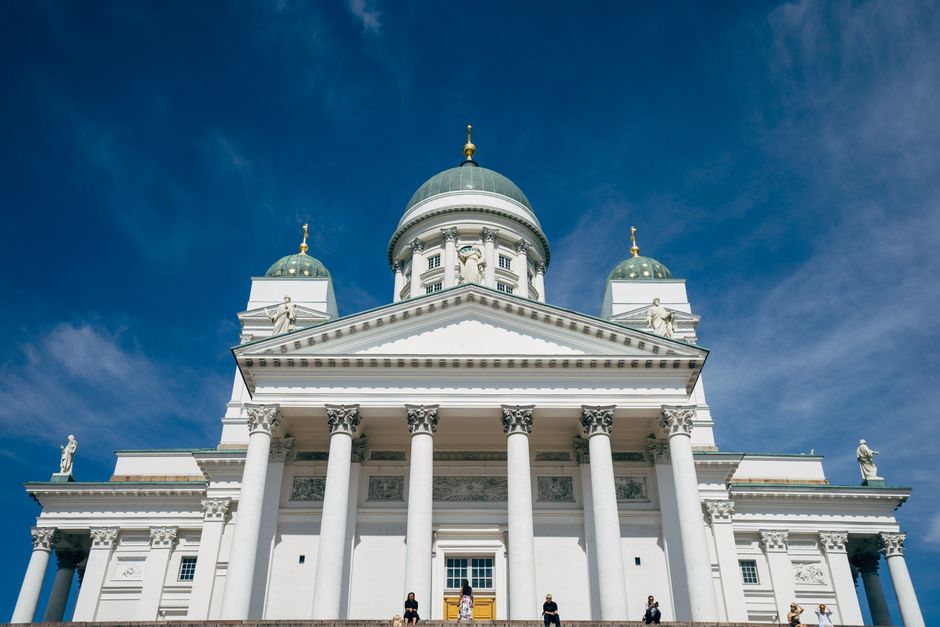
Helsinki, this town in Finland, feels less like a constructed capital and more like an organic outcrop of the Nordic landscape itself. It is a city of quiet drama, where the soundtrack is the cry of gulls, the gentle lapping of water against granite quays, and the rhythmic clang of tram bells echoing off pastel-colored facades. The architecture speaks in bold statements of faith and function: the startling white of the Lutheran Cathedral standing sentinel over Senate Square, the earthy, muscular curves of Temppeliaukio Church hewn from solid bedrock, and the playful, futuristic swirls of the Kamppi Chapel of Silence, a sanctuary of pure wood in the city's heart. To walk its streets is to move through a series of beautifully composed frames, where human design respectfully contends with, and ultimately yields to, the raw power of nature.
There's a rhythm here, a cadence known as the Finnish "sisu"—a kind of stoic resilience, a quiet determination. You see it in the way a local endures a downpour without breaking stride, in the purposeful solitude of a swimmer in the icy Allas Sea Pool, in the intense, respectful silence shared in a traditional sauna. But beneath this calm exterior lies a vibrant, creative pulse. It's in the cutting-edge design shops of the Design District, the rebellious street art of the Kallio neighborhood, and the innovative New Nordic cuisine that transforms foraged berries and simple fish into culinary poetry. Helsinki is a city of contrasts: profoundly ancient and thrillingly modern, reserved yet deeply welcoming, intimately connected to the wild forests and archipelagos that press against its edges. It is a place that asks you to slow down, to listen, to feel the texture of the granite under your palm, to taste the cloudberry on your tongue, and to understand that sometimes, the most powerful experiences are wrapped in silence.
Why Visit Helsinki: The Allure of the North
Why journey to this northern town in Finland? The answer lies not in a checklist of monuments, but in an experience of atmosphere, a shift in perspective. You visit Helsinki to recalibrate your senses. In a world of constant noise, Helsinki offers the profound luxury of quietude—not emptiness, but a rich, contemplative space. It is a masterclass in living well, where design is not a luxury but a fundamental human right, evident in the elegant curve of a coffee cup, the ergonomic grace of a public bench, and the harmonious flow of a light-filled library. You come to witness the sublime interplay of water and stone; with over 300 islands in its archipelago, the sea is ever-present, a shimmering, moody companion that changes from steely grey to brilliant blue with the caprice of the sky.
You visit for the rituals. The sauna is not merely a pastime here; it is a secular cathedral, a place of purification and equality. To sit in the enveloping, cedar-scented heat, feel the stress melt away, and then plunge into the shocking cold of the Baltic is to participate in a centuries-old cycle of death and rebirth, emerging with skin tingling and spirit clarified. You come for the light—the endless, golden "White Nights" of summer where the sun merely dips below the horizon, painting the sky in pastel hues at 2 a.m., and the cozy, candlelit "kaamos" of winter, where the city glows with a warm, defiant hygge against the deep blue darkness.
Ultimately, Helsinki rewards the curious traveler, the one who finds beauty in minimalist aesthetics, joy in a simple, perfectly brewed cup of coffee paired with a pulla (cardamom bun), and connection in a shared, wordless moment of peace. It's a city that doesn't try to sell you anything but an authentic feeling of place. It is sophisticated yet unpretentious, wild yet orderly, a unique European capital that feels profoundly connected to the elemental forces of the earth. To know Helsinki is to understand a different, more intentional way of being in the world.
When to Visit: Chasing the Light and Embracing the Dark
Helsinki is a city of stark seasonal personalities, each offering a radically different, yet equally compelling, cinematic experience. Choosing when to visit is about deciding which version of the Nordic dream you wish to step into.
The White Nights of Summer (June-August): This is Helsinki in its most vibrant, celebratory guise. The city shakes off the long winter, and life spills outdoors. Sidewalk cafes hum with conversation, parks become impromptu picnic grounds, and the sea is alive with ferries shuttling people to the archipelago islands. Days are long and luminous, with up to 19 hours of sunlight, creating an almost dreamlike energy where time seems to stretch. It's the perfect season for coastal walks, open-air concerts, and midnight sun watching. The weather is mild, with temperatures typically between 15-25°C (59-77°F), though a cool breeze off the water is a constant companion. Pack a light jacket and a sense of adventure.
The Golden Shoulder Seasons (May & September): For the cinematographer of the soul, these months are pure magic. May brings the explosion of spring; the air is fresh, the trees a vivid green, and the city blooms with color. September offers the "ruska" season—the breathtaking autumn foliage that paints the parks and surrounding forests in fiery reds and golds. The tourist crowds thin, the light is softer and more golden, and there's a crisp, poetic quality to the air. It's ideal for photography, peaceful exploration, and enjoying sauna culture without the summer bustle.
The Silent Drama of Winter (December-March): This is Helsinki at its most atmospheric and introspective. Short days (as little as 6 hours of twilight-like light) are compensated for by the city's enchanting glow. Snow blankets the streets, muffling sound and turning the city into a monochrome wonderland, punctuated by the warm glow of candlelit windows and stylish street lamps. It's the season for cozying up in cafes, exploring world-class museums, and, if you're lucky, witnessing the ethereal dance of the Northern Lights on the city's outskirts. The cold is dry and manageable with proper layers. This is the time to experience the true Finnish "sisu" and the unique, cozy comfort of winter rituals.
How to Get There: Gateways to the North
Your journey to Helsinki begins with the pleasing efficiency that is a hallmark of Finnish culture. Helsinki-Vantaa Airport (HEL) is the primary international gateway, a sleek, well-organized hub located about 20 kilometers north of the city center. Stepping off the plane, you're immediately immersed in a space of calm design. The connection to the city is seamless: the Finnair City Bus offers a direct route to the central railway station, but the real magic is the train. The I and P trains whisk you from the airport terminal to Helsinki Central Station in a smooth, 30-minute glide through pine forests and suburban landscapes, offering your first cinematic frames of Finland. It's affordable, punctual, and the most civilized airport transfer imaginable.
For those already in Europe, the sea offers a dramatically beautiful approach. The overnight ferries from Stockholm (Sweden) or Tallinn (Estonia) are not just transport; they are a classic Nordic experience. Imagine standing on the deck as the ship glides silently through the labyrinthine archipelago, past countless forested islets and rocky skerries, with the city skyline gradually emerging from the morning mist. The arrival by water, docking right in the heart of the city at the Market Square (Kauppatori), is an unforgettable introduction, placing you immediately at the historic nexus of Helsinki's maritime soul.
Train travelers will find the Central Railway Station itself a destination—an iconic National Romantic-style building with stern granite figures holding globe lamps, guarding the entrance. Connections from St. Petersburg (Russia) and other European cities are possible, offering a slow-travel perspective across the changing landscapes. Once in the city, your feet, the comprehensive tram network, and the efficient metro will be your best companions, allowing you to navigate the compact center with ease and grace.
Accommodation: From Design Havens to Island Retreats
Where you rest your head in Helsinki is an integral part of the narrative. The city excels in accommodations that are extensions of its design philosophy and connection to nature. For the ultimate urban design immersion, stay in the heart of the Design District. Here, boutique hotels are temples to Finnish aesthetics, where every chair, lamp, and textile is a curated piece of functional art. Think minimalist rooms with blonde wood floors, furniture by iconic designers like Alvar Aalto, and bathrooms featuring sleek Finnish fixtures. Waking up in such a space feels like inhabiting a living design magazine, with the creative energy of the city right outside your door.
For a more historic and atmospheric stay, seek out the elegant hotels surrounding Senate Square. These grand dames, often housed in beautiful 19th-century buildings, offer plush comfort and stunning views of the cathedral. You can almost hear the echoes of history in their hallways. But the most uniquely Helsinki experience lies beyond the mainland. Consider booking a night on one of the archipelago islands, like Suomenlinna. Waking up in a charming guesthouse on the historic sea fortress, with the sound of waves and seabirds as your alarm, is transformative. As the last day-tripper ferry departs, you'll have the UNESCO World Heritage site almost to yourself, a rare privilege.
For budget-conscious travelers and social butterflies, Helsinki offers a range of stylish hostels that defy stereotypes, focusing on clean, smart design and communal spaces that foster connection. And for a truly local feel, short-term apartment rentals in neighborhoods like Kallio or Punavuori let you live like a Helsinkian, shopping at the local market hall and brewing your morning coffee in a cozy, light-filled flat. No matter your choice, prioritize light, space, and a connection to the Finnish design ethos—it will deepen your experience of the city immeasurably.
Things to Do: Composing Your Helsinki Symphony
To experience Helsinki is to engage in a series of sensory vignettes. Start at the beating heart: Senate Square. Stand in the vast, open space, feel the cobblestones underfoot, and let your gaze travel up the monumental stairs to the blinding white facade and green domes of the Lutheran Cathedral. The scale is humbling, a neoclassical masterpiece that commands the skyline. Then, descend into the earth at Temppeliaukio Church, the "Rock Church." Here, the atmosphere shifts from celestial to primordial. The walls are raw, striated bedrock, and light filters down from a stunning copper-wire dome. The acoustics are so pure that sitting in silence, or listening to a concert, becomes a spiritual, vibrational experience.
From the sacred, move to the playful at the Sibelius Monument in Sibelius Park. A mesmerizing sculpture of over 600 steel pipes, it resembles both organ pipes and a frozen, abstract forest, created to honor Finland's great composer, Jean Sibelius. Run your hands over the cool metal, listen to the wind hum through it, and feel the connection between art, music, and nature.
No visit is complete without a sea voyage. A short public ferry ride transports you to Suomenlinna, the 18th-century sea fortress sprawled across six islands. Spend a day exploring its ramparts, tunnels, and museums. The views back toward the city are spectacular, and the sense of history is palpable in the salty air.
Then, engage in the most Finnish of all rituals: the sauna. Forgo the hotel spa and head to a public sauna like Löyly, a breathtaking architectural wonder of smoked wood perched on the water's edge. The ritual is simple: heat, steam (from a proper "löyly" throw on the rocks), quiet contemplation, and a bracing plunge into the Baltic. As you sit in the communal heat, differences melt away; you are simply human, sharing in a ancient, purifying tradition. Afterwards, wrapped in a towel on the terrace with a cold cider, watching the sun dip low, you'll feel a profound sense of peace and belonging.
Dedicate time to wander. Stroll through the Design District, popping into concept stores and antique shops. Explore the Hakaniemi Market Hall, a symphony of scents with vendors selling fresh fish, reindeer meat, and piles of seasonal berries. Take Tram line 2 or 3 on a circular tour of the city center—it's the cheapest and most scenic sightseeing tour available. End your day at the Oodi Central Library, a stunning modern ode to knowledge and community. Walk its flowing wooden decks, see people 3D-printing, gaming, reading, and living within its walls, and step onto the vast terrace for another breathtaking panorama of the city. Helsinki's activities are less about ticking boxes and more about immersing yourself in a feeling, a design, a moment of quiet awe.
Food and Drink: A Taste of the Nordic Soul
Finnish cuisine is a direct reflection of the landscape: pure, seasonal, and honest. It tells a story of forests, lakes, and a resilient people. Your culinary journey must begin with a simple, perfect cup of coffee. Finland consumes more coffee per capita than almost any nation, and the ritual of "kahvi ja pulla"—coffee and a cardamom-spiced bun—is sacred. Find a cozy "kahvila" (café), settle in, and observe the unhurried pace of life.
For a deeper dive, visit the Old Market Hall (Vanha Kauppahalli) by the harbor. The air is thick with the salty smell of the sea. Vendors display glistening salmon, rainbow trout, and tiny Baltic herrings. Try "graavilohi," dill-cured salmon, on a dark rye bread open sandwich—a symphony of salty, sweet, and earthy flavors. Rye is the backbone of the Finnish diet, a dense, sour, nutritious bread that is the perfect canvas for anything from smoked reindeer to a slice of cheese.
Lunch is often a democratic affair via "lounas" (lunch buffet). Join locals in unassuming restaurants for a hearty, affordable spread that might include creamy salmon soup, Karelian stew, meatballs, and a vast array of salads and pickles. It's a fantastic way to sample a variety of traditional dishes.
For dinner, Helsinki's New Nordic scene is thrilling. Innovative chefs are reimagining foraged ingredients like chanterelles, nettles, and sea buckthorn, and presenting them with stunning artistry. Think pan-seared whitefish with a butter sauce infused with spruce tips, or reindeer tartare with pickled lingonberries. Pair your meal with a local craft beer or a cloudberry liqueur for dessert. And you cannot leave without experiencing a Finnish summer staple: fresh, wild strawberries. They are tiny, intensely red, and burst with a flavor so profound it tastes like the essence of sunshine itself. Dining in Helsinki is an exercise in mindful eating, where every flavor is clean, intentional, and deeply connected to the land and sea.
Practical Tips: Navigating with Nordic Ease
To move through Helsinki like a local, embrace a few key principles. First, silence is golden. Finns are comfortable with quiet, in elevators, public transport, and queues. Don't mistake it for coldness; it's a form of respect for personal space. A warm, genuine smile will be met in kind once you initiate contact. Cash is rarely needed; debit and credit cards (especially Visa and Mastercard) are accepted everywhere, even for the smallest purchase like a tram ticket or a market-stall coffee. Speaking of trams, download the HSL app to buy mobile tickets for all public transport—it's intuitive and covers buses, trams, the metro, and even the Suomenlinna ferry.
English is widely and fluently spoken, so language is no barrier. However, learning a few Finnish words like "kiitos" (thank you) and "hei" (hello) is always appreciated. Tipping is not expected; salaries are fair, and service is included. The tap water is among the cleanest and best-tasting in the world—bring a reusable bottle and fill up freely. Dress for the weather in layers, and always have a waterproof layer handy, even in summer. For sauna etiquette, remember to shower thoroughly before entering, sit on a towel, and be prepared for the possibility of a mixed-gender sauna where swimsuits are not worn (these are clearly indicated). When in doubt, follow the lead of the locals. Helsinki is an exceptionally safe, clean, and honest city. Relax, observe, and let the city's efficient, gentle rhythm carry you along.
Suggested Itinerary: Four Days in the Nordic Frame
Day 1: The Heartbeat of the City. Start at Senate Square and the Lutheran Cathedral. Walk down to the Havis Amanda statue and the bustling Market Square. Pop into the Old Market Hall for a salmon soup lunch. In the afternoon, take the short ferry to Suomenlinna. Explore the fortress, walk the coastal paths, and soak in the maritime history. Return for a classic Finnish dinner in a traditional restaurant near the harbor.
Day 2: Design & the Depths. Begin with coffee and pulla in the Design District. Spend the morning browsing the shops and galleries. Visit the Design Museum for context. In the afternoon, experience the contrasting sacred spaces: the soaring Rock Church (Temppeliaukio) and the serene Kamppi Chapel of Silence. Later, head to the Löyly sauna complex for the quintessential heat-and-plunge ritual, followed by dinner at their excellent restaurant overlooking the water.
Day 3: Parks, Panoramas, and Local Life. Take a morning stroll through Kaivopuisto Park. Visit the Sibelius Monument and wander the surrounding Töölö neighborhood. Have lunch at the Hakaniemi Market Hall. In the afternoon, explore the trendy Kallio district, with its vintage shops and street art. As evening falls, visit the Oodi Central Library, explore its wonders, and enjoy the city view from the terrace. Dine in Kallio for a more local, vibrant vibe.
Day 4: Archipelago or Art. Choose your own adventure. Option A (Summer): Take a longer ferry or guided tour to explore the wider Helsinki archipelago, perhaps visiting the island of Vallisaari for nature and military history. Option B: Immerse yourself in art at the Ateneum (Finnish masters) or Amos Rex (contemporary installations). End your trip with a final, memorable New Nordic tasting menu, reflecting on the textures and tastes of your journey.
Conclusion: The Lingering Glow
Leaving Helsinki, you carry a different kind of light with you. It's not the glare of a hundred souvenirs, but the soft, internal glow of clarity and calm. The city's essence—the feel of cool granite, the scent of sea and birch, the taste of wild berries, the profound silence of a snow-covered park, the shared, wordless communion of the sauna—these become imprinted on your senses. Helsinki, this remarkable town in Finland, doesn't shout its wonders; it whispers them in the rustle of leaves in Esplanadi Park, in the steam rising from a cup of coffee on a grey morning, in the geometric perfection of a tram line against fresh snow.
It teaches you that beauty lies in functionality, that strength is found in quiet resilience, and that community can exist in respectful silence as much as in lively conversation. You depart not just with photographs, but with a feeling—a cleaner, sharper, more intentional perspective on the world. Helsinki is a balm for the overloaded soul, a cinematic journey that replays in your mind in scenes of stunning light, elegant design, and profound peace. It is a city that asks for your attention and, in return, gives you a piece of its serene, northern soul.
Frequently Asked Questions About Helsinki
Is Helsinki expensive to visit?
Helsinki is generally considered a premium destination, similar to other Nordic capitals. However, value is high. While dining out and alcohol can be costly, you save money with free attractions like stunning churches, parks, and architecture, an efficient public transport system, and the ability to drink delicious tap water everywhere. Smart choices like lunch buffets ("lounas"), self-catering from market halls, and using city bikes or walking can make a trip very manageable.
What is the sauna culture like, and what should I know before going?
Sauna is central to Finnish life, a place for physical and mental cleansing. Public saunas can be gender-separated or mixed. In mixed saunas, nudity is the norm (swimsuits are often not allowed as they trap chemicals). Always sit on your towel, shower thoroughly before entering, and be quiet and respectful. The classic cycle is: 10-15 minutes in the heat, a cool shower or quick Baltic plunge, then a rest before repeating. It's a profoundly relaxing and egalitarian experience.
Do I need to speak Finnish to get by in Helsinki?
Not at all. English is spoken fluently and widely by almost everyone, from museum staff and restaurant servers to bus drivers and shopkeepers. Signs and menus are almost always in both Finnish and English. Learning a few basic pleasantries like "kiitos" (thank you) or "hei" (hello) is a nice gesture, but you will have no language barrier during your visit.
How many days are enough to see Helsinki?
Three to four full days is ideal to experience the core of Helsinki without feeling rushed. This allows time for the central city sights, a trip to Suomenlinna, a proper sauna experience, exploration of a neighborhood like Kallio or the Design District, and a day trip into the archipelago or a deeper dive into museums. Helsinki's compact center makes it efficient to explore, but its atmosphere is best absorbed at a leisurely pace.
What is a unique souvenir to bring back from Helsinki?
Skip the generic trinkets. Opt for a piece of timeless Finnish design, such as a Iittala glass object (like an Aalto vase), Marimekko textile (their iconic Unikko poppy pattern), or a set of Moomin mugs. For a culinary souvenir, look for high-quality dried chanterelle mushrooms, a bag of salty licorice ("salmiakki"), or a bottle of cloudberry liqueur. These items carry the true essence of Finnish creativity and landscape.
Is Helsinki a good destination for a winter trip?
Absolutely, if you come prepared. Winter transforms Helsinki into a serene, snow-dusted wonderland. Days are short but magical, with cozy candlelight in cafes and the possibility of seeing the Northern Lights. It's perfect for museum-hopping, enjoying Christmas markets (in December), and experiencing the authentic warmth of Finnish sauna culture against the cold. Just pack warm, layered clothing, good boots, and embrace the unique beauty of the Nordic winter.


No comments:
Post a Comment