
Osaka Unbound: A Cinematic Journey Through Japan's Electric Heart
Introduction: The First Breath of Osaka
The first thing that hits you is the sound. It's not a single note, but a symphony of urban life conducted at a frenetic, joyous tempo. It's the sizzle of takoyaki batter on a hot griddle, the rhythmic clatter of pachinko balls from a neon-lit parlour, the booming laughter from a standing bar, and the cheerful, brash shouts of "Irasshaimase!" that seem to come from every direction at once. This is Osaka, Japan's defiantly unrefined, gloriously human counterpoint to Tokyo's polished grandeur. You don't just visit Osaka; you step into its bloodstream, a vibrant commercial hub and undisputed food capital of Japan, where the air is thick with the scent of promise and frying oil, and where every interaction feels less like a transaction and more like a scene from a play.
Forget the hushed reverence of Kyoto's temples or the futuristic sheen of Tokyo's Shibuya. Osaka is a city that wears its heart on its sleeve, a merchant city built on the principle of "kuidaore" – to eat oneself into ruin. Its spirit is embodied in its people, the Osakans, who are famously direct, quick-witted, and obsessed with comedy and good food. As you emerge from the labyrinthine Umeda Station, one of the world's largest underground complexes, you're not greeted by serene order but by a thrilling, chaotic ballet of salarymen, students, and shoppers, all moving with a purposeful energy beneath a canopy of skyscrapers and massive digital screens. The cityscape is a cinematic collage: the stoic, green-roofed silhouette of Osaka Castle, a symbol of feudal power, rising from a park of cherry blossoms, while just across the river, the neon extravaganza of Dotonbori screams into the night, its famous Glico Running Man sign a beacon for every reveler and food pilgrim.
My own initiation happened on a side street in Namba. Overwhelmed by the sensory overload, I paused at a tiny okonomiyaki stall. The chef, a wizened man with a towel wrapped around his head, saw my hesitation. Without a word, he gestured me to the counter, poured a perfect circle of batter, and began a silent, masterful performance—layering cabbage, pork, dancing bonito flakes, and a zigzag of rich sauce. When he slid the savoury pancake before me, he finally spoke: "Oishii yo." It will be delicious. It wasn't just an instruction; it was a guarantee, an embodiment of the Osakan pride. In that moment, I understood. Osaka doesn't ask for your quiet admiration; it demands your participation, your appetite, your laughter. It's a city built not for emperors, but for the people, and to walk its streets is to feel, viscerally and immediately, alive.
Why Visit Osaka: The Soul of Modern Japan
So why choose Osaka? If Tokyo is the brain of Japan—efficient, innovative, and global—then Osaka is its stomach and its id. It's the birthplace of bunraku puppet theatre and the manic energy of manzai stand-up comedy. It's where business deals are sealed over shared plates and pints of beer, where history isn't locked away in museums but is lived in the shadow of its majestic castle and along the ancient canals. You come here for the authenticity, for the feeling that you're experiencing Japan without a filter. The famous Kansai friendliness isn't a myth; it's a tangible warmth. Ask for directions, and you might get an escorted walk to your destination. Sit at a counter, and the stranger next to you is just as likely to offer you a taste of their dish as they are to strike up a conversation.
As a vibrant commercial hub, Osaka thrums with a distinct entrepreneurial spirit. This is the city that gave the world companies like Panasonic and Sharp, but that same mercantile DNA flows through the tiny, family-run shops in Shinsekai that have been perfecting a single dish for three generations. It's in the sprawling, multi-story department stores of Shinsaibashi and the discount electronics havens of Den Den Town. There's a tangible sense of abundance, of things being made, sold, and enjoyed with unapologetic gusto. And then there's the food. To call Osaka the food capital of Japan is almost an understatement. It's the nation's kitchen, its culinary laboratory and communal dining table. This is where iconic street foods like takoyaki (octopus balls) and okonomiyaki (savoury pancakes) were born, not as haute cuisine but as food for the masses, delicious, filling, and designed for sharing. Every meal here feels like a celebration, a testament to the Osakan belief that life's greatest pleasures are simple, direct, and best enjoyed in good company.
When to Visit: Osaka Through the Seasons
Osaka is a year-round destination, but its personality shifts dramatically with the seasons, each offering a different cinematic backdrop for your adventure. The undisputed champion is spring, particularly from late March to early April. The city softens. The concrete and neon are tempered by the ethereal blush of cherry blossoms (sakura). Osaka Castle Park becomes a scene from a dream, with thousands of pale pink flowers framing the fortress's stone walls, and locals gathering for hanami (flower-viewing) parties under the falling petals. The air is cool and crisp, perfect for long walks. Autumn (October to November) is a close second, painting the city in fiery hues of red and gold. The humidity of summer has passed, leaving clear, sunny days and cool evenings ideal for exploring the castle grounds or strolling along the Okawa River.
Summer (June to August) is intense. Osaka becomes hot, humid, and gloriously energetic. This is festival season. The air vibrates with the deep, rhythmic beats of taiko drums during the Tenjin Matsuri, one of Japan's top three festivals, where processions of boats light up the river with lanterns and fireworks. While the days can be sweltering, the nights are electric, and there's nothing quite like enjoying a chilled beer and kakigori (shaved ice) on a bustling terrace. Winter (December to February) is cold but rarely harsh, and the city sparkles with festive illuminations, like the spectacular Midosuji Boulevard light-up. Crowds are thinner, prices are lower, and there's a unique pleasure in ducking into a cozy, steam-filled ramen shop to escape the chill. No matter when you come, Osaka dresses for the occasion, offering a unique spectacle.
How to Get There: Gateways to the Kansai Heartland
Osaka is the pulsating heart of the Kansai region, and arriving here is a seamless entry into Japan's second great metropolis. Most international travellers will touch down at Kansai International Airport (KIX), a futuristic island airport built in Osaka Bay. The arrival itself is a preview of Osaka's efficiency. From KIX, you can be in the center of the city in under an hour. The sleek, blue Nankai Limited Express "Rapi:t" train rockets you directly to Namba Station, plunging you into the chaotic heart of the city's southern district. Alternatively, the JR Haruka Airport Express offers a smooth ride to Tennoji and Shin-Osaka stations, major hubs for the bullet train (Shinkansen). If you're coming from elsewhere in Japan, the Shinkansen is an experience in itself. Pulling into Shin-Osaka Station aboard the iconic white bullet train, you feel the shift in energy the moment the doors open—the pace is quicker, the announcements louder, the atmosphere charged with a grittier, more down-to-earth vibe than Tokyo.
Once within the city, Osaka's subway and JR train network is your lifeline. It may seem daunting at first—a colourful spider-web of lines with names like Midosuji, Yotsubashi, and Chuo—but it's incredibly logical. Invest in an IC card like ICOCA or Suica; a simple tap gets you through the gates and onto the trains that rumble beneath this bustling metropolis. For a more nostalgic and scenic route, don't overlook the city's trams and buses. Gliding through older neighbourhoods on the Hankai tramline offers a slower, more intimate perspective of daily life, far from the tourist trails. Remember, getting lost in Osaka is often the best way to discover it; around any corner, you might find a hidden izakaya or a tiny shrine sandwiched between modern buildings.
Accommodation: From Capsule Hotels to Riverside Luxury
Osaka caters to every traveller's fantasy, offering a place to rest that matches the city's multifaceted character. For the ultimate immersion in the urban pulse, base yourself around Namba or Shinsaibashi. Here, you'll find everything from internationally renowned hotels perched atop skyscrapers, offering breathtaking night views of the neon-lit canyons below, to quirky business hotels with surprisingly spacious rooms. Stepping out your door, you are instantly swallowed by the energy of Dotonbori and America-mura (American Village), with endless dining and shopping at your fingertips. It's loud, it's bright, and you'll never be bored. Umeda, the city's northern commercial center, offers a more polished, corporate vibe, with soaring atriums, direct access to massive underground shopping malls, and some of the city's finest dining in sleek towers.
For a more local, residential feel, consider the quieter streets of Honmachi or the Tennoji area, which is undergoing a renaissance with new parks and the Abeno Harukas skyscraper. Budget travellers and those seeking a uniquely Japanese experience should not miss the chance to stay in a capsule hotel or a modern hostel, many of which are design-forward and sparkling clean, offering a chance to connect with fellow explorers. For a touch of history, look for a ryokan (traditional inn) in quieter neighbourhoods like the area around Osaka Castle. Waking up on a tatami mat, donning a yukata robe, and enjoying a multi-course kaiseki breakfast is a serene counterpoint to the city's daytime frenzy. Wherever you lay your head, your accommodation in Osaka is more than just a bed; it's a launchpad into a different layer of the city's vibrant personality.
Things to Do: The Osaka Rollercoaster
Your days in Osaka will be a thrilling ride between ancient majesty and modern madness. Start with the symbol of the city: Osaka Castle. Approach it through the sprawling park, especially stunning in cherry blossom season. The castle's imposing stone walls and moats tell a story of war and shoguns, but the reconstructed keep, with its museum inside, offers panoramic views from its top floor. Feel the history in the cool stone, then contrast it with the sheer exuberance of Dotonbori. As dusk falls, this canal-side district ignites. The giant mechanical crab, the pufferfish, the grinning clown—the three-dimensional signs compete for your attention in a glorious, garish spectacle. Join the river of people, sample takoyaki from a street vendor, and feel the collective joy of the crowd.
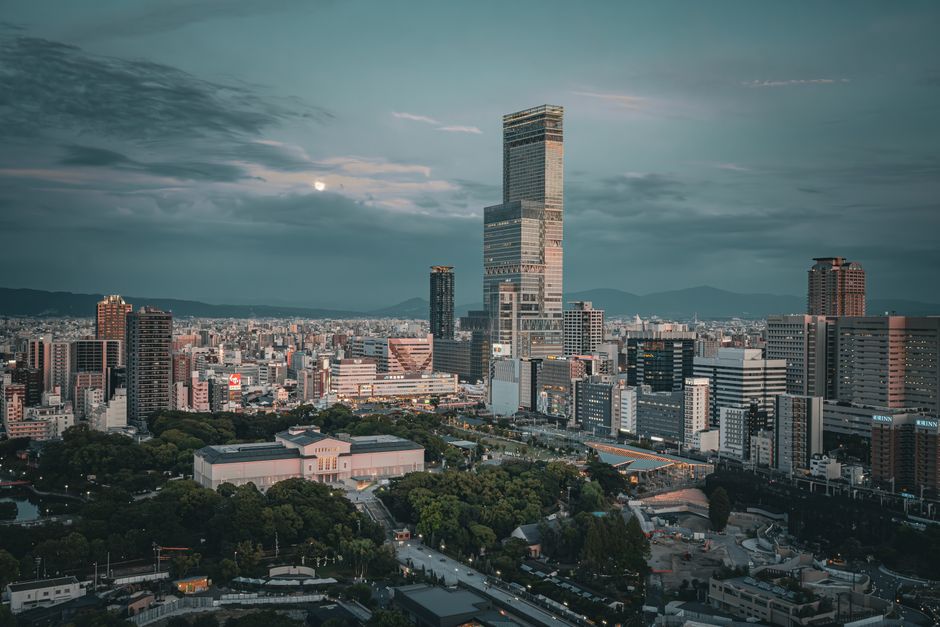
For shopping, the covered Shinsaibashi-Suji arcade is a marathon of retail therapy, stretching for blocks with everything from high-end boutiques to century-old pickle shops. Duck into the parallel, narrower streets of America-mura, the epicenter of Osaka's youth culture, brimming with vintage clothing stores, skate shops, and graffiti-covered walls. For a shot of nostalgia, head to Shinsekai ("New World"), a district frozen in a 1960s vision of the future, centered around the iconic Tsutenkaku Tower. The atmosphere here is wonderfully retro, filled with old-school kushikatsu (deep-fried skewer) restaurants and bustling public baths. Don't miss the Kaiyukan Aquarium in the Tempozan Harbor Village, one of the world's best, where you walk through a mesmerizing, multi-story tank as whale sharks and manta rays glide silently overhead—a moment of profound calm amidst the urban storm. And for a view that ties it all together, ascend the Umeda Sky Building's Floating Garden Observatory, an open-air deck bridging two towers, where you can watch the sun set and the city transform into a galaxy of lights, with the Yodo River cutting a dark ribbon through the glitter.
Food and Drink: The Doctrine of Kuidaore
To write about food in Osaka is to attempt to catalogue joy. This is a city where the primary form of greeting is "Have you eaten?". Your culinary journey must begin with the holy trinity of street food. Takoyaki: golden, spherical parcels of batter with a piece of tender octopus at the heart, slathered in Worcestershire-like sauce, mayonnaise, and dancing bonito flakes. Eat them piping hot from a paper boat, careful of the molten center. Okonomiyaki: the "as-you-like-it" grilled pancake. At a counter grill, you'll watch your chosen ingredients—seafood, meat, noodles—be mixed into batter and cooked into a hearty, savoury masterpiece right before your eyes. Kushikatsu: various ingredients, from meat and cheese to seasonal vegetables, breaded and deep-fried to perfection on a skewer. The cardinal rule? No double-dipping in the shared tonkatsu sauce!
But Osaka's food scene scales from street to sublime. For a truly local experience, spend an evening hopping between izakayas in a narrow alleyway like Hozenji Yokocho, near the moss-covered Fudo Myoo statue. Point at what looks good, order a cold draught beer or some local sake, and soak in the convivial atmosphere. Don't shy away from the standing bars (tachinomi) either; they're social hubs where conversation flows as freely as the drinks. For the ultimate splurge, seek out a high-end kappo restaurant, where a master chef prepares a seasonal tasting menu right across the counter from you. And save room for dessert—whether it's matcha parfaits in the traditional streets of Namba or the famous cheesecake from Rikuro-Ojisan, still warm and jiggling from the oven. In Osaka, every meal is a scene, every bite a line in the city's delicious, ongoing story.
Practical Tips for Navigating the Kitchen of Japan
To move through Osaka like a local, embrace a few key principles. First, cash is still king in many smaller restaurants, markets, and temples. While IC cards and credit cards are widely accepted in department stores and hotels, always carry a healthy stash of yen. Second, the Osaka Metro is your friend, but walking is often quicker for short distances in dense areas like Namba. Wear comfortable shoes—you'll be on your feet a lot. Third, don't be afraid to point, gesture, and use translation apps. Osakans are incredibly forgiving and helpful to visitors trying to navigate their city. A smile and a "Sumimasen" (excuse me) will get you very far.
Tipping is not practiced in Japan and can cause confusion; excellent service is the standard and is included. When entering a traditional restaurant or someone's home, remember to take off your shoes, often stepping up to a raised floor. On public transportation, keep your voice low and switch your phone to silent mode. Finally, embrace the city's pace. Osaka is fast, but it's not rude. It's enthusiastic. It's alive. Let yourself be carried by its current, follow the delicious smells, and don't over-schedule. The best moments here are the unplanned ones: the serendipitous discovery of a tiny bar down an alley, the shared laugh with a vendor, the quiet moment of awe in a hidden temple garden amidst the skyscrapers.
Suggested Itinerary: Four Days in the Pulse
Day 1: The Neon Heartbeat. Arrive and dive straight into the deep end. Settle into your accommodation in Namba. As evening falls, walk the frenetic length of Dotonbori, letting the signs and smells guide you. Have your first dinner of takoyaki and okonomiyaki from street stalls. Cap the night with a drink in Hozenji Yokocho alley, soaking in the historic atmosphere.
Day 2: History & Heights. Morning at Osaka Castle. Explore the museum inside and walk the Nishinomaru Garden for postcard views. In the afternoon, head to Umeda. Experience the mind-bending escalator ride up to the Umeda Sky Building's Floating Garden Observatory. Later, explore the vast underground shopping labyrinths or the Grand Front Osaka complex for dinner.
Day 3: Retro Futures & Ocean Depths. Journey to the Shinsekai district. Feel the retro-future vibe and ascend the Tsutenkaku Tower for a different perspective. Enjoy a classic kushikatsu lunch here. In the afternoon, visit the incredible Kaiyukan Aquarium in Tempozan. Afterwards, take a ride on the giant Tempozan Ferris wheel as the sun sets over the harbour.
Day 4: Shopping & Soul. Dedicate the morning to shopping and exploration in Shinsaibashi and America-mura. Find unique fashion and vintage treasures. For your final afternoon, choose your own adventure: art at the National Museum of Art, Osaka, or relaxation and people-watching in Nakanoshima Park. For your farewell dinner, book a counter seat at a specialized restaurant for fugu (blowfish), kappo cuisine, or the best ramen of your life, reflecting on the incredible, overwhelming feast for the senses that is Osaka.
Conclusion: The Last Bite, The Last Memory
Leaving Osaka is always accompanied by a specific melancholy, a feeling that you're stepping out of a vibrant, living film and back into the quieter real world. The city's sounds—the sizzle, the laughter, the rhythmic train announcements—echo in your memory like a favourite soundtrack. You realize Osaka hasn't just been a destination; it's been an experience, a masterclass in joyful living. It taught you that history and hyper-modernity can coexist in a dynamic dance, that the best food is often the simplest, shared with strangers who become friends, and that a city's true character is found not in its monuments alone, but in the spirited warmth of its people.
You'll carry pieces of it with you: the taste of perfectly crisp kushikatsu, the dizzying view from the Sky Building, the sight of the castle framed by blossoms, and the infectious, booming laugh of an Osakan chef. It's a city that gets under your skin, reminding you of the pure, unadulterated pleasure of being alive and curious in a world full of flavour and light. Osaka doesn't say goodbye; it says, "Mata, kuidaore ni kite kure." Come again, and eat yourself to ruin. And you know, with absolute certainty, that you will.
Frequently Asked Questions About Osaka
Is Osaka better for food than Tokyo?
While both cities offer incredible culinary experiences, Osaka earns its title "Japan's Kitchen" through its foundational role in iconic, casual street foods like takoyaki and okonomiyaki, and its culture of "kuidaore." The atmosphere around food is more boisterous and communal, often feeling less formal and more immediately satisfying. Tokyo has more Michelin stars, but Osaka has more soul in its everyday eating.
How many days do I need in Osaka?
A solid three to four full days is ideal to experience Osaka's core without rushing. This allows time for the castle, the neon districts of Dotonbori and Shinsekai, major shopping areas, a day trip to the aquarium or a museum, and, most importantly, ample hours dedicated to eating your way through the city's legendary food scene.
Is Osaka a good base for day trips?
Absolutely. Osaka's central location in the Kansai region makes it a perfect hub. You can easily take day trips to the historic temples of Kyoto (30 mins by train), the deer park and grand shrine of Nara (45 mins), the spiritual mountaintop complex of Mount Koya (90 mins), or even the modern port city of Kobe (30 mins) for famous beef.
Is Osaka expensive to visit?
Osaka is generally considered slightly more affordable than Tokyo, especially for food and accommodation. You can eat incredibly well on a budget through street food and casual izakayas. While luxury options abound, a fantastic and immersive trip is very achievable for mid-range budgets by utilizing the efficient public transport and enjoying the many free or low-cost sights like exploring vibrant neighbourhoods and parks.
What is the best area to stay in for first-time visitors?
For first-timers, Namba (Minami) is the most popular and exciting choice. You'll be in the heart of the action, with Dotonbori, Shinsaibashi shopping, and major train stations within walking distance. It's noisy and vibrant, placing you right in the epicenter of Osaka's famous energy, perfect for those who want to be where the pulse is strongest.
Do I need to speak Japanese to get by in Osaka?
Not at all. While learning a few basic phrases (hello, thank you, excuse me) is always appreciated, you can navigate Osaka comfortably with English. Major train stations have signs in English and Romaji (Japanese written in the Latin alphabet), and many restaurants have picture menus or plastic food displays. Osakans are famously helpful and will often go out of their way to assist you even with a language barrier.


No comments:
Post a Comment