
Yokohama: Where the Sea Whispers Tomorrow
Introduction
The first thing you notice is the light. It's a different quality of light than Tokyo's, just thirty minutes away by train. It's softer, diffused by the immense, shimmering expanse of the bay, catching on the sails of distant ships and glinting off the impossible curve of the Cosmo Clock 21 Ferris wheel. This is Yokohama, Japan's great port of dreams, a city that doesn't just have history but wears it in its very architecture, its pace, its salt-tinged air. You step out of Sakuragicho Station, and the panorama unfolds like a cinematic reveal: on your left, the red brick warehouses of a bygone era, solid and stoic; ahead, the sleek, alien silhouette of the Yokohama Landmark Tower, a needle stitching cloud to water; and binding it all, the bay itself, a vast, breathing entity of deep blues and silver, dotted with freighters moving with a slow, silent grace. The air carries a cocktail of scents—freshly baked bread from a European-style bakery, the faint, briny tang of the sea, and the clean, rain-washed scent of urban greenery.
Yokohama is not a city that shouts. It murmurs. It's in the gentle clatter of the Sea Bass water taxi cutting across the harbor, the laughter spilling from a craft beer hall in the red bricks, the nostalgic chime of a streetcar bell in the old Yamate district. As Japan's first major port to open to the West in 1859, Yokohama absorbed the world and metabolized it into something uniquely its own. This is not a museum piece, but a living, evolving dialogue between past and future. You can feel it underfoot as you walk from the meticulously preserved foreign merchants' homes in the Bluff to the hyper-digital art installations of the teamLab Borderless museum. The city's rhythm is maritime, governed by tides and trade winds rather than the frenetic stock ticker of Tokyo. There's a spaciousness here, both physical and psychological. Wide boulevards, expansive parks, and that endless horizon give you room to breathe, to wander, to let your thoughts drift out with the tide.
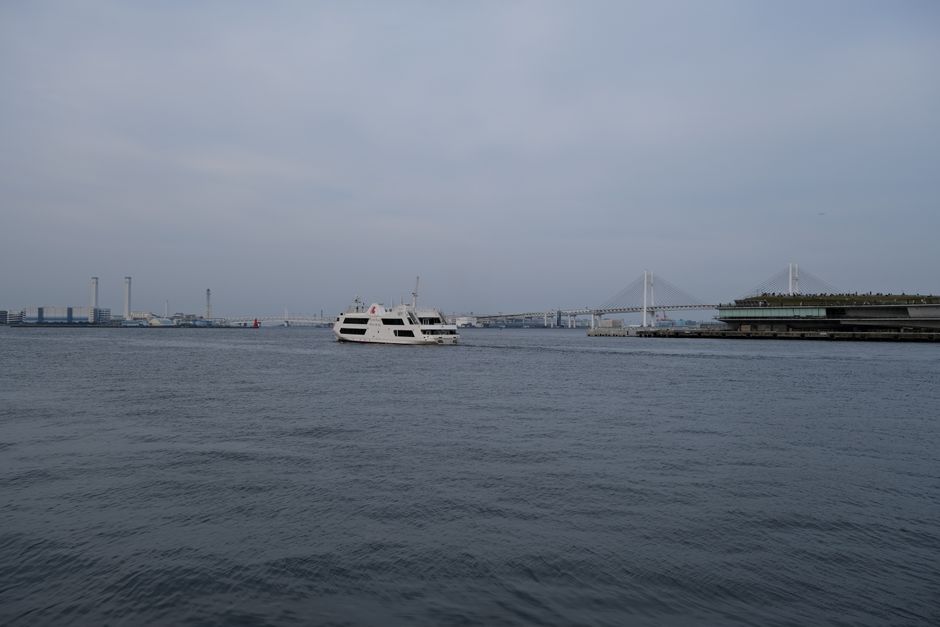
I remember standing on the wooden deck of the Osanbashi Pier at dusk. The pier itself is an architectural marvel, a sweeping, undulating structure of wood and steel that feels like the spine of a great sea creature. As the sun dipped behind the Minato Mirai skyline, setting the glass towers ablaze in orange and pink, a cruise ship, lit up like a floating city, began its slow, majestic glide out into the Pacific. In that moment, Yokohama's soul was laid bare: it is a city of departures and arrivals, of hellos and goodbyes, a perpetual gateway. It holds the melancholy of sailors long gone and the electric thrill of what's coming next. To visit Yokohama is to stand at the edge of Japan, literally and metaphorically, looking both inward to the nation's complex history and outward to the boundless possibilities of the sea and the world beyond.
Why Visit Yokohama?
Why choose Yokohama when the neon vortex of Tokyo is so close? Precisely because it is not Tokyo. While the capital is a dense, exhilarating compression of everything, Yokohama is its decompression chamber. It offers the sophistication and innovation of a world-class Japanese city but with a relaxed, cosmopolitan flair that is entirely its own. You come here for the vistas, not just the streets. The iconic Minato Mirai 21 waterfront skyline is one of the most photographed cityscapes in Japan for a reason—it is a masterclass in urban planning, a harmonious blend of water, historic architecture, and futuristic design that feels optimistic, human. You can spend a day here and feel enriched, not exhausted.
The city's historical narrative is immediate and tangible. In the Yamate district, you can walk quiet, cobbled lanes past Western-style mansions built by foreign traders, their gardens spilling with hydrangeas, and feel the strange, layered history of Japan's forced opening. In Chinatown, the most vibrant in Japan, you are engulfed in a riot of color, scent, and sound—the sizzle of kaoya (Peking duck) being prepared, the glow of hundreds of red lanterns, the intricate beauty of temple roofs against the sky. It's a direct result of those first ships docking in 1859. This is a city built on cultural exchange, and that DNA persists in its open-minded atmosphere, its diverse culinary scene, and its artistic spirit.
There's also a profound sense of discovery here. Tokyo can feel like a finished product, a perfect, overwhelming machine. Yokohama feels like it's still being written. You might stumble upon an independent gallery in a converted warehouse in Kannai, find a quiet jazz cafe tucked beneath the train tracks, or join locals flying kites in the sprawling Yamashita Park. The pace allows for serendipity. For families, the attractions are second to none—from the interactive wonders of the Cup Noodles Museum to the awe-inspiring whales at the Yokohama Hakkeijima Sea Paradise. For romantics, there are sunset harbor cruises and Ferris wheel rides that feel lifted from a film. For the urban explorer, it's a beautifully walkable lesson in modern Japanese history. Yokohama doesn't compete with Tokyo; it complements it, offering a deeper, more reflective, and spaciously beautiful counterpoint to the capital's intensity.
When to Visit
Yokohama is a city of moods, each season painting the bay and its skyline with a different palette. The crown jewel of the calendar is spring, specifically from late March to early April. The city's many parks, particularly Sankeien Garden, erupt in a soft blizzard of cherry blossoms. Seeing the historic pagodas and tea houses of Sankeien framed by delicate sakura, with the modern skyline a distant silhouette, is a breathtaking juxtaposition of old and new Japan. The weather is crisp and gentle, perfect for long walks along the waterfront. Autumn, from October to November, is a close rival. The humidity lifts, the skies become a sharp, crystalline blue, and the ginkgo trees lining the streets turn into brilliant tunnels of gold. The evening lights of Minato Mirai reflect on the calm bay waters with stunning clarity.
Summer brings vibrant festivals and a lively, energetic buzz, though it comes with the weight of Japan's infamous humidity and heat. This is when the city truly embraces its maritime identity. The sparkling illumination of the Port Anniversary Festival in late May and the breathtaking fireworks displays over the bay in summer are worth braving the warmth. Sitting in Yamashita Park with a cold beer, feeling the cool sea breeze as fireworks explode over the Rainbow Bridge, is a quintessential Yokohama summer memory. Winter, from December to February, is cold but rarely severe, and often sunny. The city dresses in festive illuminations, with the Minato Mirai area becoming a wonderland of light. Crowds are thinner, and you can often have iconic views like the waterfront from Osanbashi Pier almost to yourself, the winter light casting long, dramatic shadows. For comfortable exploration, spring and autumn are unbeatable, but each season unlocks a different facet of Yokohama's character.
How to Get There
Arriving in Yokohama is a lesson in seamless Japanese transit. The city is intricately woven into the fabric of the Greater Tokyo Area, making access almost effortless. The primary gateway for international travelers is either Narita (NRT) or Haneda (HND) Airport. Haneda is vastly more convenient, located in Tokyo itself and just a 25-30 minute train or taxi ride from central Yokohama via the Keikyu Line or highway. From Narita, the journey is longer but equally straightforward; the sleek Narita Express (N'EX) train will whisk you directly to Yokohama Station in about 90 minutes, offering glimpses of the suburban and industrial landscape giving way to the port city's skyline.
Once you're in Tokyo, Yokohama feels like a natural extension of the metropolis. The Tokyu Toyoko Line from Shibuya Station delivers you to Minato Mirai station in the heart of the action in under 30 minutes, often via through-services with the Tokyo Metro. The JR Keihin-Tohoku Line and Yokosuka Line from Tokyo Station or Shinagawa Station are workhorses, connecting you to Sakuragicho and Kannai stations, the gateways to the waterfront and historic districts. For a truly cinematic entrance, take the JR Line to Sakuragicho Station. Exit the ticket gate, follow the signs for the "Sky Walk," and as you emerge onto the elevated pedestrian pathway, the entire Minato Mirai panorama will hit you in a single, glorious vista—a grand introduction engineered by the city itself. Within Yokohama, the subway, buses, and the charming antique streetcars (the "Akai Kutsu") are efficient, but the city's flat, walkable core is best explored on foot, with the gentle sea breeze as your companion.
Accommodation
Your choice of bed in Yokohama can define your experience of the city. For the full immersive, cinematic effect, you want a harbor view. The hotels in the Minato Mirai district offer just that. Waking up in a high-floor room at the Yokohama Bay Hotel Tokyu or the Hotel New Grand, drawing back the curtains to see the Cosmo Clock 21, the sailing ship Nippon Maru, and the endless movement of ships on the bay is unforgettable. The InterContinental Yokohama Grand, with its unique, ship-like structure actually in the water, makes you feel you're sleeping on the bay itself. These are splurges, but for a special stay, the panorama is worth every yen, especially at night when the skyline becomes a jewel box.
For a more historic and atmospheric stay, consider the Kannai or Yamate areas. Kannai, the old central business district, is dotted with stylish business hotels that are steps from the red brick warehouse, the Silk Center, and the baseball stadium. It's lively, convenient, and full of character. Yamate, the Bluff area, offers a completely different vibe. Here, you'll find charming boutique guesthouses and B&Bs housed in renovated historic properties. Waking up to the sound of birds in a quiet, leafy neighborhood, surrounded by Western-style homes from the Meiji era, feels like a secret escape. For budget-conscious travelers, the area around Yokohama Station, a massive transit and shopping hub, has a plethora of reliable chain business hotels like APA or Dormy Inn, offering tiny but efficient rooms and easy access to trains heading everywhere. Wherever you stay, prioritize proximity to a JR or subway station—it will gift you more time to explore and less time in transit.
Things to Do
Yokohama unfolds like a series of beautifully composed scenes. Start your exploration at the Osanbashi Pier. Don't just look at it; walk its length. Feel the give of the wooden deck under your feet, marvel at the ingenious architecture that creates grassy knolls and sheltered nooks, and stand at its very tip. From here, the view of the Minato Mirai skyline is unimpeded, a sweeping 180-degree panorama of human ambition meeting the sea. It's the perfect orientation point. From there, wander into Yamashita Park, Japan's first seaside park. Stroll its length, past flowerbeds and fountains, with the Hikawa Maru, a retired ocean liner known as the "Queen of the Pacific," permanently docked alongside. The park is a living room for the city, where joggers, families, and couples all come to bask in the open space and salty air.
Next, let your senses be overwhelmed in Yokohama Chinatown. Pass through any of its ten ornate gates and enter another world. The air is thick with the aromas of steamed buns, star anise, and frying garlic. Hundreds of restaurants and food stalls compete for your attention, their windows displaying gleaming roasted ducks and pyramids of colorful dim sum. Visit the Kanteibyo Temple, a blaze of red and gold, and soak in the chaotic, joyful energy. For a stark contrast, take the historic elevator up to the Yamate district (the Bluff). The noise fades, replaced by the chirping of cicadas and the rustle of leaves. Wander the Yamate Foreigners' Cemetery and the preserved Western-style homes at the Bluff No. 18 and No. 111, feeling the quiet history of the city's international community.
No visit is complete without engaging with Yokohama's innovative spirit. The Cup Noodles Museum is a surprisingly profound and fun tribute to instant ramen and human ingenuity. Designing your own cup noodle container is pure joy. For art, the teamLab Borderless in nearby Haneda (or its digital art cousins in the city) is a mind-bending experience where art moves, interacts, and dissolves around you. Finally, as evening falls, you must ascend. The observation deck of the Yokohama Landmark Tower, the "Sky Garden," offers a dizzying, silent view from Japan's second-tallest building. Or, for a more romantic and moving perspective, take a ride on the Cosmo Clock 21 Ferris wheel. As your gondola climbs, the city spreads out beneath you like a circuit board of light, the bay a dark velvet sheet punctured by the running lights of ships. It's the definitive closing shot to a day in Yokohama.
Food and Drink
Yokohama's culinary scene is a direct reflection of its port city heritage: diverse, innovative, and unpretentiously excellent. The obvious starting point is Chinatown, but move beyond the main drags. Seek out a tiny spot specializing in xiaolongbao (soup dumplings), where the delicate skins burst with hot, savory broth. Try the local Yokohama version of a rice bowl, the "Shumai-don," featuring steamed shrimp dumplings over rice. For a truly local experience, join the queue at one of the many Iekei ramen shops. Born here in the 1970s, this style blends tonkotsu (pork bone) and shoyu (soy sauce) broths into a rich, creamy soup, served with thick, straight noodles, spinach, and a sheet of nori. It's hearty, soul-satisfying fare for the working port.
Given its history, Yokohama also has a deep-rooted yoshoku (Western-inspired Japanese food) culture. The classic place to experience this is at the historic Hotel New Grand, where the first Japanese curry rice was reportedly served or where you can have a decadent omurice (omelette rice). The Red Brick Warehouse complex is a hub for more contemporary tastes, housing everything from craft beer halls where you can sample local Yokohama Bay Brewing ales to stylish cafes and international eateries. Don't miss the chance to try Yokohama beer itself, a legacy of the city's early breweries. As the sun sets, head to the Noge district, near Sakuragicho Station. This is Yokohama's answer to a shot bar alley, a warren of tiny, atmospheric bars each seating maybe five or six people. It's here you can sip shochu or whisky with salarymen and locals, experiencing the city's unvarnished, welcoming nightlife.
Practical Tips
Navigating Yokohama is a pleasure, but a few insider tips will smooth your journey. First, transport: invest in a rechargeable IC card (Suica or Pasmo) immediately upon arrival in Japan. It works on all trains, subways, buses, and even in most vending machines and convenience stores in Yokohama. For a nostalgic and scenic route, try the Akai Kutsu (Red Shoes) bus, a retro-style bus that loops past major tourist sites. While the city is walkable, comfortable shoes are non-negotiable—you'll be covering miles of waterfront and park paths. Money is rarely an issue, with credit cards accepted in most hotels and larger restaurants, but always carry some cash for smaller eateries, market stalls, and the bars in Noge.
For connectivity, portable Wi-Fi routers or a local SIM card are invaluable for navigating on the go. Yokohama has excellent free Wi-Fi in major tourist areas (look for the "Yokohama Free Wi-Fi" network), but a personal connection is more reliable. A useful phrase to know is "Sumimasen" (Excuse me), your key to polite interactions. While many in the service industry speak basic English, a translation app can help with deeper menus or complex questions. Finally, embrace the city's weather. The bay can be windy, so a light jacket or scarf is wise even in warmer months. Always check the forecast before heading to outdoor attractions like Osanbashi or the parks. Most importantly, don't try to rush. Yokohama's magic is in its leisurely pace—the long, lingering coffee with a view, the aimless stroll through a garden, the quiet moment watching a ship disappear over the horizon.
Suggested Itinerary
Day 1: The Waterfront & History. Start at Sakuragicho Station for the iconic skyline view. Walk to Osanbashi Pier and soak in the vista. Stroll through Yamashita Park to the Hikawa Maru. Enter the sensory overload of Yokohama Chinatown for lunch—follow your nose to a busy dumpling shop. In the afternoon, explore the historic Red Brick Warehouse (Akarenga), browsing shops and perhaps grabbing a craft beer. As evening approaches, take the elevator or a short taxi to the Yamate district for a peaceful walk among the historic Western homes. For dinner, return to Minato Mirai and ascend to the Sky Garden in the Landmark Tower for night-time views, then dine in one of the area's many excellent restaurants.
Day 2: Innovation, Culture & Local Flavor. Begin with a visit to the Cup Noodles Museum in Minato Mirai—book your custom cup noodle workshop slot online in advance. Afterward, take a short train ride to Sankeien Garden. Spend a few hours wandering its expansive grounds, which beautifully transplant historic buildings from across Japan into a stunning landscape. For lunch, seek out a classic Iekei ramen shop near Kannai station. In the afternoon, choose your adventure: immerse yourself in digital art at a teamLab exhibit or visit the Mitsubishi Minatomirai Industrial Museum for a hands-on look at technology. As dusk falls, take a ride on the Cosmo Clock 21 Ferris wheel. For your final dinner, dive into the local vibe in the Noge district, hopping between tiny izakayas and bars for a taste of Yokohama's spirited nightlife.
Conclusion
Leaving Yokohama, you don't feel drained; you feel refreshed. The city leaves a residue of calm, a memory of open skies and reflective waters. It's the taste of salt on your lips, the afterimage of neon reflecting on black bay water, the comforting weight of a full stomach from perfect ramen. Yokohama teaches you that progress doesn't have to erase the past—it can dance with it. The red bricks stand proudly in the shadow of glass towers, the clang of a streetcar bell harmonizes with the hum of a maglev train test line, and the scent of Chinese five-spice blends with the smell of fresh-brewed coffee. It is a city utterly confident in its layered identity, a place that welcomed the world and in doing so, found its own unique voice.
More than just a day trip from Tokyo, Yokohama is a destination with its own profound soul. It's a city for dreamers and wanderers, for food lovers and history buffs, for couples holding hands on a Ferris wheel and families laughing as they design silly noodle cups. It offers the grandeur of a global port with the intimacy of a neighborhood where everyone seems to have time to pause and look out at the sea. You come to Yokohama to see a different side of Japan—one that is outward-looking, spacious, and infused with a gentle, maritime melancholy and hope. It's the city where Japan first reached out to the world, and standing on its piers, looking out at the endless horizon, you can't help but feel that same pull of possibility, that same whisper of tomorrow carried in on the tide.
FAQ
Is Yokohama worth visiting if I only have one day in the Tokyo area?
Absolutely. A single day in Yokohama provides a distinct and rewarding contrast to Tokyo. You can experience the iconic waterfront views, explore the vibrant chaos of Chinatown, and enjoy a relaxed, spacious atmosphere that feels worlds away from Tokyo's density, all within a 30-minute train ride. It's a perfect blend of culture, cuisine, and scenic beauty in a highly manageable package.
What is the best way to get between Tokyo and Yokohama?
The most efficient ways are by train. From Shibuya, the Tokyu Toyoko Line goes directly to Minato Mirai station. From Tokyo Station or Shinagawa, the JR Keihin-Tohoku or Yokosuka Lines go to Sakuragicho or Kannai stations in central Yokohama. The journey typically takes 25-40 minutes and is covered by the Japan Rail Pass if you have one.
Is Yokohama Chinatown better for eating or just sightseeing?
It is emphatically for eating. While the gates and temples are beautiful to see, the primary draw is the incredible concentration of authentic restaurants and food stalls. Go hungry, wander the side streets, and follow the crowds or enticing smells to find the best dumplings, buns, and full-course meals.
Can I see Mount Fuji from Yokohama?
Yes, on clear, crisp days, especially in winter and early spring, you can see Mount Fuji from various high points in Yokohama. The best vistas are from the Landmark Tower's Sky Garden observatory, the Cosmo Clock 21 Ferris wheel, or from the waterfront areas like Yamashita Park. The majestic sight of Fuji framed by the modern skyline is unforgettable.
What unique souvenirs can I buy in Yokohama?
Look for souvenirs tied to the city's identity. From the Cup Noodles Museum, you can design your own custom cup noodle as a unique gift. Yokohama has a famous "Shumai" (steamed dumpling) souvenir scene, with many shops selling high-quality packaged versions. Also, consider crafts from the Red Brick Warehouse shops or local Yokohama beer and sake from breweries like Yokohama Bay Brewing.
Is Yokohama a good destination for families with children?
It's an excellent family destination. Attractions like the Cup Noodles Museum (with its hands-on workshop), the Yokohama Hakkeijima Sea Paradise (an aquarium and amusement park), the Anpanman Children's Museum, and the spacious, stroller-friendly Yamashita Park make it engaging and easy to navigate for visitors of all ages.
How walkable is central Yokohama?
The core Minato Mirai, Kannai, and waterfront areas are extremely walkable, connected by wide sidewalks, parks, and pedestrian pathways like the Sky Walk. You can easily spend a day walking from Osanbashi Pier to Chinatown to the Red Bricks and Yamate. For longer distances between clusters, the subway, buses, or the scenic Sea Bass water taxi are convenient options.


No comments:
Post a Comment