
Where Continents Collide: A Cinematic Journey Through Panama City
Introduction
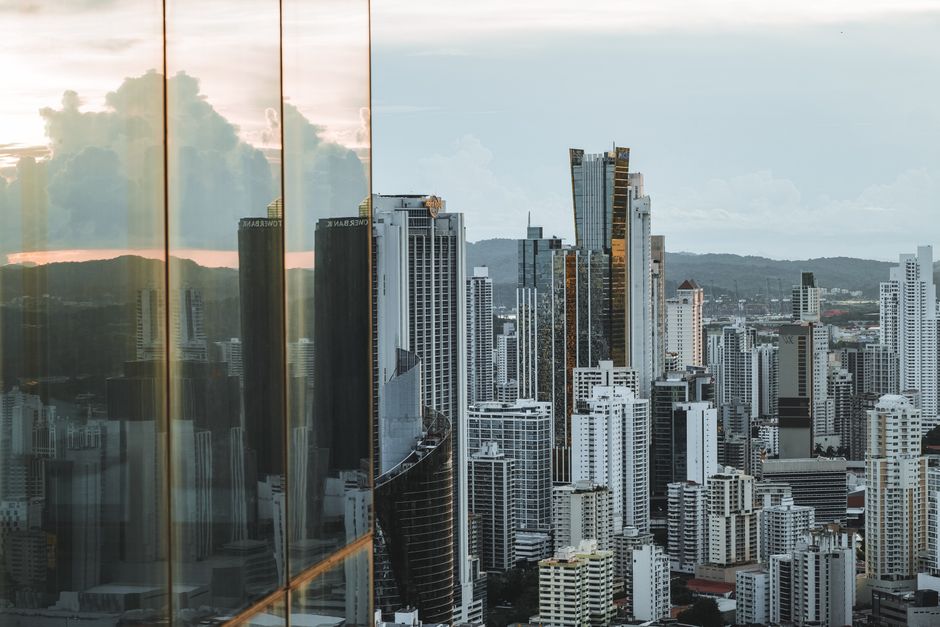
The first thing that hits you is the sheer, audacious scale of it. You emerge from the cool, marble-clad cavern of Tocumen International Airport into a wall of tropical air, thick and sweet with the scent of rain on hot asphalt and distant frangipani. The drive into the city is a time-lapse in motion. Lush, emerald jungle, dripping with vines and alive with the chatter of unseen life, suddenly fractures. In its place, a glittering blade of glass and steel rises from the Pacific mist, a skyline so dense and vertical it seems to defy the very humidity that softens its edges. This is Panama City, the capital of Panama, a place where the 21st century doesn't just meet history—it pirouettes around it, a dizzying, thrilling, and utterly captivating dance.
Close your eyes for a moment. Listen. The deep, resonant horn of a mega-container ship, a floating city of steel, echoes from the Canal, just miles away. It's answered by the syncopated rhythm of salsa spilling from a corner café in Casco Viejo, the old quarter, where the air smells of slow-roasting coffee and centuries-old stone. A sleek, air-conditioned Uber glides silently past a brightly painted Diablo Rojos bus, a retired American school bus reborn as a riotous, chrome-trimmed phoenix. This is the city's soundtrack: a symphony of commerce, culture, and chaotic beauty.
To understand Panama City is to embrace its layers. It is not one city, but three, stacked atop one another in a geological and historical sandwich. At its heart, cradled by the bay, lies Casco Antiguo, or Casco Viejo. Founded in 1673 after the original city was sacked by pirates, its cobblestone streets are a sun-bleached tapestry of Spanish colonial, French, and early Republican architecture. Bougainvillea erupts in violent magenta over wrought-iron balconies; restored mansions housing boutique hotels sit beside crumbling facades where laundry hangs like festive flags. The past here is palpable, a ghost you can feel in the cool shade of the cathedral and hear in the evening bells.
Then, there is the ghost city itself: Panamá Viejo. The haunting, skeletal ruins of the original 1519 settlement, a UNESCO site standing sentinel just east of the modern frenzy. Its lone cathedral tower, La Torre de la Catedral, is a stark, beautiful silhouette against the sky, a solemn reminder of the city's brutal, piratical birth. And holding it all in its gaze is the third city: the soaring, hyper-modern metropolis of Punta Pacífica and Punta Paitilla, a forest of condominiums and corporate towers that wouldn't look out of place in Miami or Dubai. This is the city of the future, built on the wealth of the Canal, a testament to a country that has always been a crossroads. To stand on the Cinta Costera, the city's elegant coastal beltway, at dusk is to witness this tripartite soul laid bare. The sun sets the modern skyline ablaze in gold, while the lights of Casco Viejo begin to twinkle like old, warm embers, and the Pacific Ocean, the city's constant companion, breathes in and out with a steady, salt-kissed sigh.
Why Visit Panama City?
You don't simply visit Panama City; you experience a fundamental geographic and philosophical pivot point. This slender isthmus has been a connector for millennia, and its capital is the exhilarating, sometimes overwhelming, embodiment of that role. It's a city that offers not just sights, but profound perspectives. Where else can you watch a $900 million neo-Panamax ship, a leviathan longer than the Eiffel Tower is tall, be lifted 85 feet above sea level by nothing but gravity and rainwater, all while holding a cup of world-class Geisha coffee? The engineering marvel of the Panama Canal is not just a day trip; it's the city's pulsating heart, its reason for being, and witnessing a transit from the Miraflores Locks is a humbling lesson in human ambition.
But beyond the Canal's concrete jaws, the city offers a uniquely compact cultural immersion. In the span of a single afternoon, you can wander through 500 years of history. You can trace your fingers over cannon scars in colonial stone, then an hour later be sipping a craft cocktail on a rooftop bar with a 360-degree view of a metropolis that screams tomorrow. The energy is infectious. It's the energy of a place that is constantly negotiating its identity, where indigenous Guna Yala women in vibrant molas sell their intricate textiles on sidewalks beneath billion-dollar banking towers. This juxtaposition isn't jarring; it's the city's essence. It feels alive, raw, and real in a way many polished global capitals do not.
For the traveler, this translates into a rich, multifaceted palette of experiences. It's a culinary gateway, where you can feast on fresh ceviche at a fish market stall for a few dollars or indulge in a world-class tasting menu from a chef pushing the boundaries of tropical fusion. It's a hub for biodiversity, where a 15-minute drive can take you into the heart of the Metropolitan Natural Park, a tropical forest within the city limits alive with sloths, toucans, and howler monkeys—their primordial roars a surreal soundtrack to the distant city hum. Panama City doesn't just give you a vacation; it gives you a story, a sensory overload of contrasts that sticks with you long after you've left its shimmering skyline behind.
When to Visit
Panama City operates on two distinct climatic rhythms, and choosing your moment is key to shaping your experience. The dry season, spanning from mid-December through April, is the classic high season. The skies are a relentless, perfect blue, the humidity dials back from oppressive to merely noticeable, and the city basks in endless sunshine. This is the time for pristine rooftop views, for confidently planning beach days on nearby Taboga Island, and for strolling the Cinta Costera without fear of a sudden downpour. But this perfection comes at a cost: higher prices, more crowds at major attractions like the Canal, and a city operating at its most polished, tourist-ready pace.
Then, there is the green season, from May to November. Do not be deterred by the term "rainy season." This is when Panama City reveals a different, more visceral personality. The rains are not constant gray drizzle; they are dramatic, theatrical performances. Mornings are often clear and bright. By afternoon, the sky darkens to a profound purple, the air crackles with energy, and then the heavens open with a torrential, cathartic downpour that lasts an hour or two, cleaning the streets and cooling the air. Afterwards, the city steams, every leaf glistens, and the scent of wet earth and blooming flowers is intoxicating. This is the time for lush photography, for fewer crowds, for better deals on luxury hotels, and for feeling the powerful, life-giving pulse of the tropics. The one significant exception is November, which can be exceptionally wet. For a balance, the shoulder months of December and April offer a sweet spot.
How to Get There
Panama City is, fittingly for a global crossroads, remarkably accessible. Tocumen International Airport (PTY) is a modern, efficient hub, often dubbed the "Hub of the Americas." It's served by major carriers from across North, Central, and South America, and even direct flights from Europe. The arrival process is typically smooth. Upon exiting baggage claim, you'll be greeted by the familiar chorus of taxi hustlers, but ignore them. Head for the official taxi stand or, better yet, use the Uber app, which operates seamlessly and affordably in the city. The drive to the city center takes about 30-45 minutes depending on traffic, a journey that serves as your perfect orientation film, transitioning from airport sprawl to jungle to urban canyon.
If you're already exploring Central America, crossing into Panama by land from Costa Rica via the Paso Canoas border is a common, if time-consuming, adventure. Buses from across the region also terminate at the massive Albrook Bus Terminal, a chaotic and fascinating microcosm of the country itself. For a truly memorable arrival, consider the cruise ship route. Sailing into the Bay of Panama, with the full, staggering panorama of the skyline unfolding before you, is an entrance worthy of a film score. Once in the city, getting around is straightforward. Uber is king—safe, cheap, and reliable. The Metro system is clean, efficient, and a great way to travel like a local, though its reach is still expanding. And for short hops in Casco Viejo or along the waterfront, your own two feet are the best tool. Just wear comfortable shoes; those colonial cobblestones are beautiful but unforgiving.
Accommodation
Where you lay your head in Panama City profoundly shapes your narrative. The choice is a story in itself: colonial romance or futuristic luxury? In the historic heart of Casco Viejo, you can sleep within centuries-old walls. Hotels like the American Trade Hotel or La Compañia are masterclasses in restoration, where high-beamed ceilings, courtyard fountains, and antique tiles meet hip bars and impeccable service. Waking up here means stepping directly onto cobblestone streets, hearing church bells, and having the city's best cafes and plazas at your doorstep. The atmosphere is immersive, romantic, and wonderfully walkable, though nights can be lively with street music.
For a completely different experience, the skyscrapers of Punta Paitilla and the Biomuseo area offer breathtaking vistas. The W Panama, the Waldorf Astoria, or the Trump Ocean Club (now the JW Marriott) are monuments to modern opulence. Your room will be a high-altitude cocoon of glass and steel, with floor-to-ceiling windows framing the endless Pacific or the glittering city grid. You'll swim in infinity pools that feel like they merge with the ocean, dine in sky-high restaurants, and enjoy a level of resort-style amenity and quietude. The trade-off is that you're in a more sterile, corporate environment, and you'll need Ubers to reach most cultural sites.
For a balanced, local vibe, consider neighborhoods like El Cangrejo or San Francisco. Here, you'll find excellent mid-range apartments and boutique hotels nestled among residential buildings, local restaurants, and leafy streets. It's a chance to live more like a *Panameño*, with easy access to the Metro and a more authentic, everyday rhythm. Wherever you choose, book well in advance for the dry season, and always check if your high-rise hotel has a rooftop bar—that sunset view is a non-negotiable part of the Panama City experience.
Things to Do
Your days in Panama City will be deliciously full. Start with the undeniable star: the Panama Canal. The Miraflores Locks Visitor Center is the most accessible stage for this epic play. Arrive early, grab a coffee, and secure a spot at the railing. The wait is part of the ritual. Then, you see it: a colossal vessel, a floating apartment block, gliding with impossible slowness into the concrete chamber. The massive gates seal shut with a deep, metallic finality. You watch, mesmerized, as millions of gallons of water drain silently away, lowering the ship 27 feet in minutes. It's a ballet of physics and patience. The scale is incomprehensible until you see it, a testament to human grit that cost over 25,000 lives. The museum here is excellent, but the real lesson is in the quiet, powerful drop of that ship.
After the Canal's industrial grandeur, seek its opposite in the Metropolitan Natural Park. Just minutes from the financial district, this 265-hectare tropical dry forest is a lung and a sanctuary. Hike the steep Mono Titi Road trail. The city noise fades, replaced by the rustle of leaves, the call of a motmot, and the sudden, thrilling crash of a troop of howler monkeys moving through the canopy. From the top, at the Miraflores Lookout, you're rewarded with a surreal vista: the dense green canopy you stand in, framing the distant, silent skyscrapers. It's a powerful reminder of the wilderness this city sprang from.
Then, surrender to the labyrinthine charm of Casco Viejo. Don't just walk—get lost. Peek through arched doorways into sun-dappled courtyards. Find the Plaza de la Independencia, where Panama declared its separation from Colombia. Feel the cool stillness inside the golden altar of the Iglesia de San José, home to the legendary surviving Altar de Oro. As evening falls, the plazas transform. Locals gather, children chase pigeons, and from open windows, the strains of piano practice or a rehearsing salsa band spill out. Make your way to the seawall, the *Bóvedas*, at sunset. Here, you'll join a nightly gathering of families, lovers, and friends watching the sun melt into the Pacific, with the iconic skyline of the modern city glowing in the distance—the past and present in perfect, silent conversation.
For a deeper historical layer, visit Panamá Viejo. Walking among the ruins of the first city is a haunting experience. Climb the tower of the old cathedral for a wind-swept view of the crumbled foundations being reclaimed by grass, with the new city rising behind. It's a poignant full-circle moment. Finally, engage with the city's artistic soul at the Biomuseo, designed by Frank Gehry. Its explosive, colorful roofs are a landmark. Inside, it tells the story of the isthmus's formation and its world-altering impact on biodiversity. It's a vibrant, chaotic, and brilliant reflection of Panama itself.
Food and Drink
Panamanian cuisine is a creole masterpiece, a delicious metaphor for the country itself: a blend of Spanish, Afro-Caribbean, and indigenous influences. Your culinary pilgrimage must begin at the Mercado de Mariscos, the frenetic, briny seafood market by the waterfront. Pull up a plastic stool at one of the upstairs stalls. Order a *ceviche mixto*—the lime-cured seafood so fresh it tastes of the ocean's spark—and a frosty *cerveza Panama*. Watch the fishermen unload their glittering catch as pelicans dive for scraps. It's messy, loud, and utterly authentic.
For a more composed meal, seek out *sancocho*, a hearty chicken soup with culantro and yam that's considered a national cure-all. *Ropa Vieja* (shredded beef), *arroz con guandú* (rice with pigeon peas), and *patacones* (fried plantain slices) are staples you'll find everywhere from humble *fondas* to upscale restaurants. But Panama City's food scene has exploded into sophistication. In Casco and the financial district, chefs are reinventing these staples. Try a tasting menu where *sancocho* is reimagined as a delicate consommé, or where local *corvina* (sea bass) is paired with tropical fruit salsas. The coffee culture is also serious business. Panama produces some of the world's most expensive and sought-after beans, like Geisha. Skip the international chains and find a local café for a meticulously brewed pour-over.
As the sun sets, the city's drink scene comes alive. The rooftop bars of the high-rises are obligatory for a *seco con leche* (a local sugarcane liquor with milk) or a craft cocktail as you watch the city lights ignite. In Casco, sip a *chicha* (a fermented corn drink) or a cold Atlas beer in a leafy plaza. For a true local experience, head to the *cantinas* in the old part of town, like El Salsipuedes ("get out if you can"), for cheap beer, dominoes, and the soulful thrum of salsa music. Dining here is not just about sustenance; it's a journey through the layers of identity that make this city so uniquely flavorful.
Practical Tips
Currency & Language: The US Dollar is the official currency, making it incredibly easy for American travelers. Spanish is the language of the street, but in tourist areas, hotels, and restaurants, English is widely spoken. Learning a few basic Spanish phrases (*gracias*, *por favor*, *buenas*) will be warmly appreciated. Safety: Panama City is generally safe for tourists, but it requires savvy urban awareness. Stick to well-lit, populated areas at night. In Casco Viejo, the central plazas and main streets are fine, but venture down dark, empty side streets with caution. Keep flashy jewelry and expensive cameras discreet, especially in crowded markets. Use Uber for reliable, metered transport. Health: Tap water in the city is generally treated and safe to drink, but most visitors and locals stick to bottled water. Use insect repellent, especially in green season and in park areas. Bargaining: It's expected in markets (like the handicraft market at the Amador Causeway) but not in shops or taxis (use Uber for fixed fares). Essentials to Pack: Light, breathable clothing is a must. But always carry a light sweater or scarf—the air conditioning indoors is often Arctic. Sturdy, comfortable walking shoes for cobblestones are non-negotiable. A quality rain jacket or travel umbrella is essential if visiting in the green season. And finally, a quality power adapter (Panama uses 110V, Type A/B plugs, same as the US and Canada).
Suggested Itinerary
Day 1: The Grand Engineering & The Old Soul. Morning at the Miraflores Locks for a ship transit. Afternoon exploring the ruins of Panamá Viejo. Evening wandering the streets of Casco Viejo as the gas lamps flicker on, followed by dinner in a courtyard restaurant and drinks at a rooftop bar overlooking the old quarter.
Day 2: Urban Jungle & Cultural Pulse. Morning hike in the Metropolitan Natural Park for wildlife and skyline views. Late morning visit to the vibrant, chaotic Mercado de Mariscos for a ceviche lunch. Afternoon dedicated to Casco's interiors: the Cathedral, the Altar de Oro, and the Museo del Canal Interoceánico. Sunset from the *Bóvedas* seawall, then an evening of people-watching and live music in Plaza Bolívar.
Day 3: Island Escape & Modern Marvels. Day trip to Taboga Island ("Island of Flowers"). A 30-minute ferry ride takes you to this sleepy paradise for beach time, hiking, and fresh seafood. Return to the city in the late afternoon. Visit the Frank Gehry-designed Biomuseo on the Amador Causeway. Conclude your trip with a farewell cocktail at one of the high-rise bars in Punta Paitilla, watching the city's lights shimmer like a galaxy below you.
Optional Day 4: Deeper Dive. Consider a partial transit tour of the Canal itself, where you board a boat and go through the locks—an unforgettable perspective. Or, take a guided food tour through Casco Viejo to sample the full spectrum of Panamanian flavors.
Conclusion
Panama City leaves an imprint not just on your memory, but on your sense of what a city can be. It refuses to be categorized. It is both a guardian of profound history and a relentless pioneer of the future. It is where you feel the weight of centuries in a cathedral's stone and, moments later, feel the vertigo of the 21st century from a 70th-floor balcony. The soundscape—the ship horns, the salsa, the howler monkeys, the rain on zinc roofs—becomes a personal soundtrack. You'll carry with you the taste of lime-sharp ceviche, the sight of a skyscraper emerging from the jungle mist, and the feeling of standing on a ancient seawall, a bridge between two oceans and countless eras. It's a city that doesn't just show you its sights; it shows you the powerful, connective currents of geography, commerce, and human spirit that have shaped our world. To visit Panama City, the capital of Panama, is to stand at the hinge of the Americas and feel the world turn.
Frequently Asked Questions (FAQ)
Is Panama City safe for tourists?
Panama City is generally safe for tourists who exercise common sense. Stick to well-trafficked areas like Casco Viejo (central parts), the Cinta Costera, and upscale neighborhoods. Use Uber for transportation, avoid flashing expensive items, and be cautious in crowded markets. At night, stay in lit, populated zones. Petty theft is the main concern, not violent crime against tourists.
What is the best way to see the Panama Canal?
The best way for a first-time visitor is the Miraflores Locks Visitor Center. It's easily accessible, has a great museum, and offers close-up viewing of ship transits. For a more immersive experience, book a partial transit tour where you board a smaller vessel and actually go through the locks. The Agua Clara Visitor Center on the Atlantic side offers a different, less crowded perspective on the newer, larger locks.
Do I need to speak Spanish to visit Panama City?
No, you can get by with English, especially in hotels, major tourist attractions, and upscale restaurants. However, learning basic Spanish phrases is highly recommended and appreciated. In local markets, taxis (outside Uber), and smaller *fondas*, Spanish will be essential and will greatly enrich your interactions.
Can I drink the tap water in Panama City?
Yes, the tap water in Panama City is generally treated and safe to drink. Most locals and many visitors do drink it. However, if you have a sensitive stomach, sticking to bottled water is a common and cautious practice. In rural areas outside the city, bottled water is definitely recommended.
What is a must-try food I shouldn't leave without tasting?
You absolutely must try fresh ceviche at the Mercado de Mariscos (Seafood Market). It's the quintessential Panamanian culinary experience. Also, seek out a bowl of *sancocho* (a hearty chicken soup) and *patacones* (fried plantains). For a unique drink, try *seco con leche*, the local sugarcane spirit often mixed with milk.
How many days do I need to see Panama City properly?
We recommend a minimum of three full days. This allows one day for the Canal and Casco Viejo, one day for a nature experience (like the Metropolitan Park) and deeper cultural exploration, and one day for an excursion (like Taboga Island) or visiting museums like the Biomuseo. Four days would provide a more relaxed and comprehensive visit.
Is Panama City expensive to visit?
Panama City can cater to a wide range of budgets. It is generally more affordable than major US or European cities but can be pricey in the luxury sector. You can eat incredibly well for very little at local markets and *fondas*, while high-end dining and luxury hotels match international prices. Transportation via Uber and the Metro is quite affordable, making it a manageable destination for most travelers.


No comments:
Post a Comment