
Seoul: A City of Neon Dreams and Ancient Whispers
Introduction
The first thing that hits you is the sound. It's a low, resonant hum, a vibration you feel in your molars before you hear it in your ears. It's the sound of 10 million heartbeats, of subway trains gliding deep beneath ancient soil, of K-pop basslines bleeding from boutique doorways, and the serene, rhythmic chant of monks echoing from a mountain temple that somehow, impossibly, shares a zip code with a Samsung skyscraper. This is Seoul, the capital of South Korea, a city that doesn't just welcome you—it consumes you, rewires your senses, and dares you to keep up.
You step out of the Incheon Airport limousine bus into Myeongdong, and the air itself is flavored. It's a heady cocktail of sizzling garlic and sweet red bean from street food carts, the crisp, clean scent of winter (or the humid, green breath of summer), and a faint, electric tang of possibility. Towers of glass and light pierce a hazy sky, their surfaces reflecting the perpetual motion below. But then, you turn a corner, duck through a small, weathered gate, and the 21st century falls away. You're in a hanok village, where the curved tile roofs of traditional houses sit in quiet defiance of the surrounding urbanity, the silence broken only by the rustle of a persimmon tree and the distant, softened city hum. This is Seoul's magic: its soul is not one, but two, intertwined in a constant, breathtaking dialogue.
I remember my first evening, lost in the labyrinth of Ikseon-dong. One moment I was navigating narrow alleys strung with fairy lights, peering into tiny cafes housed in 1930s buildings, the next I stumbled into a courtyard where an ajumma (a respected older woman) was meticulously brushing doenjang, fermented soybean paste, onto cloths to dry in the twilight. She looked up, offered a gap-toothed smile that held centuries of stories, and went back to her work. It was a cinematic moment of pure, uncurated life. Seoul is a masterclass in contrast, a city where you can meditate in a 600-year-old palace at dawn and be immersed in a VR gaming cafe by noon; where you can share a silent, profound bow with a monk on a hiking trail and hours later, scream along to a rising idol band in Hongdae, your voice lost in a sea of neon and youth.
To travel here is to engage in a form of time-travel. You walk along the mighty Cheonggyecheon Stream, a modern restoration of a historic waterway, where office workers slip off their shoes to dip their feet beside gleaming public art. You ride a elevator to the top of the N Seoul Tower, the city unfurling beneath you like a circuit board of endless life, and press a love lock to a fence, adding your own small story to the metropolis. Seoul doesn't just show you its history; it lets you touch its pulse, feel the frantic energy of its present, and taste the future it's busy inventing. It is relentless, gentle, chaotic, and deeply peaceful—often all within the same city block. This is not a destination you simply see. It's one you feel, in your bones, long after you've left.
Why Visit Seoul?
Why climb a mountain? Why dive into a deep ocean? You visit Seoul for the sheer, exhilarating scale of its human experience. You come for the palpable energy, a current that runs through its crowded subway cars, its 24-hour saunas (jjimjilbangs), and its buzzing, neon-drenched markets. This is a city that never truly sleeps, where you can join a dawn hike up Bukhansan Mountain with retirees sporting top-tier gear, feast on steaming sundubu-jjigae (soft tofu stew) at 3 a.m., or sing your heart out in a private noraebang (karaoke room) until the sun peeks over the Han River. The vitality is infectious, a reminder of life's vibrant, noisy, glorious potential.
You visit for the profound cultural resilience. Seoul has risen from the ashes of war and colonial rule to become a global powerhouse, yet it holds its traditions close. You witness this in the Changing of the Guard ceremony at Gyeongbokgung Palace, a splash of brilliant color and disciplined ceremony against a backdrop of mountains and modernity. You feel it in the serene beauty of a Buddhist temple stay, the predawn chant seeping into your soul. You taste it in every meal, a cuisine built on fermentation, balance, and communal sharing that has been perfected over millennia. This isn't a culture preserved behind glass; it's lived, breathed, and constantly evolving, giving you a front-row seat to a society honoring its past while sprinting into the future.
Ultimately, you visit for the emotional journey. Seoul has a curious way of holding up a mirror. In its obsessive dedication to beauty and style in the Gangnam district, you might contemplate your own aesthetics. In its collective spirit, felt in the synchronized cheers at a baseball game or the quiet order of a queue, you sense a different social contract. The city is a sensory and philosophical playground. It challenges your perceptions, comforts you with unexpected kindness from strangers, and leaves you with a peculiar nostalgia for a place you're still in. It's a city that changes you, making you more adaptable, more curious, and more appreciative of the beautiful chaos of human civilization.
When to Visit
Seoul is a city of four distinct, dramatic acts, each offering a completely different backdrop to your story.
Spring (April to early June) is Seoul's romantic masterpiece. The city shakes off the winter chill in a blizzard of cherry blossoms. The air turns soft, carrying the delicate scent of flowers from Yeouido Park to the Seokchon Lake. The light is golden, perfect for wandering palace grounds where the blossoms frame ancient pavilions. It's a time of renewed energy, but also of crowds—book well in advance and be prepared to share the postcard-perfect views with countless others, all wearing the same expressions of wonder.
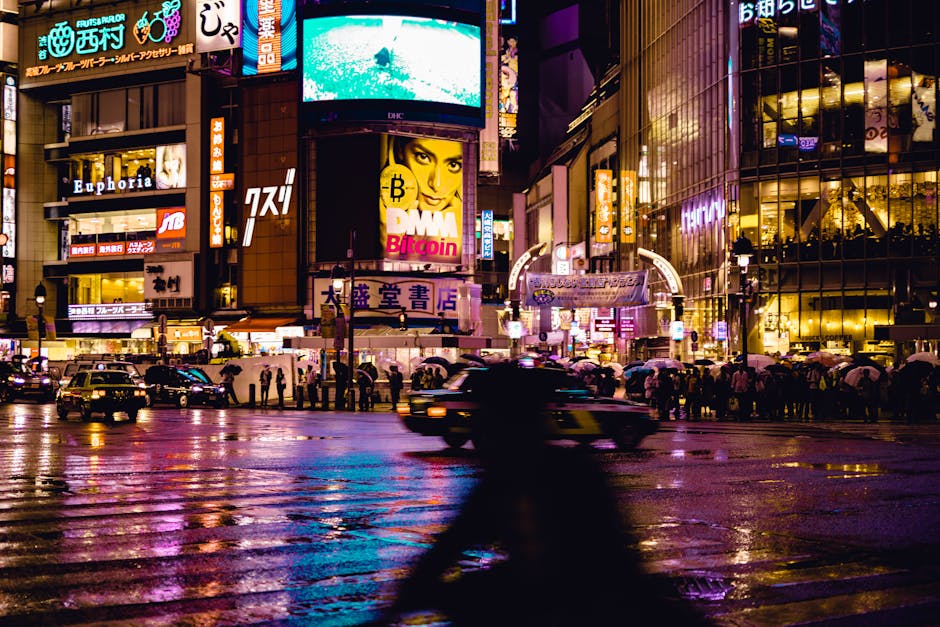
Summer (July to August) is intense, humid, and electrically green. Monsoon rains arrive in sudden, dramatic downpours that slick the neon streets into kaleidoscopes. Immediately after, the heat returns, thick and heavy. This is the season for seeking refuge in air-conditioned cafes, exploring underground shopping kingdoms, or joining the nightly exodus to the Han River for picnics, bike rides, and spectacular sunset views as the city's skyscrapers begin their light show. It's vibrant but requires a strategy to beat the heat.
Autumn (September to November) is, for many, Seoul's finest hour. The humidity vanishes, replaced by crisp, blue-sky days and cool evenings. The mountains that embrace the city—Bukhansan, Namsan—explode in a fiery tapestry of red, orange, and yellow maples and ginkgos. Hiking becomes a national pastime, and the view from any palace, framed by autumn foliage, is breathtaking. The light is sharp and clear, ideal for photography, and the atmosphere is one of lively contentment.
Winter (December to March) is a stark, beautiful monochrome poem. Biting cold air reddens cheeks, and the smell of roasted sweet potatoes and hotteok (sweet pancakes) from street vendors becomes the city's perfume. Seeing Gyeongbokgung Palace under a blanket of snow is an image of pure serenity. Winter is for soaking in steaming outdoor pools at a jjimjilbang, watching your breath fog in the air as you explore, and experiencing the cozy, indoor-centric side of Korean life. The crowds are thinner, the pace a touch slower, and the city feels more intimate, more yours to discover.
How to Get There
Your journey to Seoul begins at the award-winning Incheon International Airport (ICN), consistently ranked among the world's best. Landing here feels less like an arrival and more like a smooth transition into the future. The airport is a destination in itself, with a cultural street, an indoor skating rink, and even a casino. But the true magic is its seamless connection to the city. The most elegant entry is via the AREX (Airport Railroad Express). The non-stop express train whisks you to Seoul Station in the city's heart in just 43 minutes, gliding past the industrial landscapes of Incheon before diving into the urban sprawl. It's your first taste of Korean efficiency.
For a more economical route, the All-stop commuter train or a plethora of airport limousine buses are excellent options. The buses, in particular, offer a cinematic first drive into the metropolis. You watch as the cityscape morphs from port logistics to suburban apartments, finally erupting into the dense, vertical jungle of Gangnam or Jongno. Taxis are readily available and, while more expensive, offer door-to-door convenience, especially useful if you're laden with luggage or arriving late at night.
Once within the city, your primary artery will be the Seoul Metropolitan Subway. It's not just a transit system; it's a marvel of cleanliness, safety, and punctuality. Signs and announcements are in Korean and English. Purchase a T-money card from any convenience store, tap it as you enter and exit, and you hold the key to the entire city. Riding the subway is a cultural immersion—a study in quiet phone etiquette, fashion trends, and the collective, unspoken agreement to maintain order amidst the chaos above. For above-ground vistas, hop on a city bus or, for a truly iconic experience, take a leisurely cruise on the Han River, seeing the city's skyline from its liquid heart.
Accommodation
Where you lay your head in Seoul defines your experience. The city offers a bed for every persona and budget, each neighborhood a different character in the play.
For the first-time visitor and history buff, Jongno and Insadong are unparalleled. Here, you can sleep in a traditional hanok guesthouse, where you slide paper doors open to a private courtyard, sleep on a yo (futon) on heated ondol floors, and wake to the sound of temple bells. It's an immersive, tranquil experience steps away from Gyeongbokgung Palace and the antique alleyways of Insadong. Contrast this with the sleek, modern hotels in Myeongdong, the shopping and street food epicenter, where you're at the heart of the urban frenzy, surrounded by the sizzle of octopus skewers and the buzz of commerce until late.
For the night owl and creative soul, Hongdae is your canvas. This university district near Hongik University thrums with the energy of youth. Accommodation here leans towards trendy boutique hotels, design-savvy hostels, and affordable guesthouses. The streets are an ever-changing gallery of street art, indie music pours from basement clubs, and you'll find yourself drawn into impromptu dance circles around busking K-pop hopefuls. It's loud, creative, and endlessly stimulating.
For the luxury seeker and trendsetter, look south of the river to Gangnam. This district, immortalized in pop culture, is a world of gleaming glass towers, high-end department stores, and chic cafes. Hotels here are monuments to modern luxury, with stunning skyline views, world-class spas, and rooftop bars where you can sip cocktails overlooking the endless city lights. It's a place to see and be seen, to feel the pulse of Seoul's economic and fashionable heartbeat.
No guide is complete without mentioning the jjimjilbang, the Korean bathhouse and sauna. For a truly unique (and budget-friendly) night, many are open 24 hours and allow you to sleep in gender-segregated communal rooms. It's a deeply local experience, a place to relax, socialize, and wake up feeling rejuvenated, ready for another day of exploration.
Things to Do
Seoul's itinerary is a choose-your-own-adventure book with endless chapters. Begin with the Grand Palaces. Gyeongbokgung, the largest, is your entry into the Joseon Dynasty. Time your visit for the majestic Changing of the Guard, then wander through Geunjeongjeon Hall, the throne room, feeling the weight of history. For a more intimate experience, seek out Changdeokgung and its secret garden, Huwon, a UNESCO site where ancient trees shade serene ponds—a masterpiece of landscape design that feels worlds away from the city.
Then, dive into the markets. Gwangjang Market is a symphony of sensory overload. The air is thick with the steam of mung bean pancakes (bindaetteok) sizzling on giant griddles, the chatter of ajummas calling you to their stalls, and the vibrant colors of silks and vintage hanbok. It's raw, real, and delicious. For a more curated but equally mesmerizing experience, explore the themed streets: Ikseon-dong's hanok cafes, Samcheong-dong's art galleries, and Garosu-gil's designer boutiques.
Seoul's spiritual side awaits on its mountains. A hike up Bukhansan, within the city limits, rewards you with not only breathtaking views but also encounters with serene temples clinging to cliffsides. For a gentler ascent, take the cable car up Namsan to the N Seoul Tower, the city's iconic pinnacle. Lock your love to the fence, feel the wind at your back, and watch as the city transforms from a maze of streets into a living, breathing map of light as dusk falls.
Embrace the pop culture wave. Tour the K-Star Road in Gangnam, pose with your favorite group's doll at the HYBE Insight museum, or even attend a live music show on a public broadcast channel. For a slice of everyday Korean life, spend an evening along the Han River. Rent a bicycle, join a picnic on the lawn with a convenience store feast of kimbap and beer, and watch the Banpo Bridge Rainbow Fountain put on a dazzling water-and-light show. In Seoul, the line between tourist attraction and local daily life is beautifully, enticingly blurred.
Food and Drink
To eat in Seoul is to engage in a series of delicious, often fiery, revelations. The cuisine is built on a foundation of fermentation—that deep, funky, umami-rich flavor that defines the Korean palate. Start with the king of communal meals: Korean BBQ. The ritual is as important as the food. You sit around a table with a built-in grill, the air filling with the irresistible smoke of marinated galbi (short ribs) or samgyeopsal (pork belly). You snip, flip, and finally wrap the meat in a crisp lettuce leaf with garlic, ssamjang (a thick, spicy paste), and perhaps a kimchi slice. It's interactive, social, and utterly satisfying.
Then, there's kimchi. It's not just a side dish; it's a cultural icon, a living food that changes with the seasons. You'll taste its variations everywhere, from the refreshing kkakdugi (cubed radish kimchi) to the pungent kimchi-jjigae (stew), a bubbling, red cauldron of comfort that warms you from the inside out. For a quick, soulful bite, nothing beats a bowl of tteokbokki from a street cart—chewy rice cakes swimming in a sweet and spicy gochujang sauce, often with fish cakes and boiled eggs.
Your culinary adventure must include a visit to a pojangmacha (tent bar). These vinyl tents, set up on sidewalks as night falls, are democratic spaces where salarymen, couples, and friends gather on plastic stools. Order a plate of sundae (blood sausage), some stir-fried odeng (fish cakes), and a bottle of soju. The soju, a clear, smooth spirit, is poured with a specific etiquette—two hands, receiving the glass with a hand on your heart or forearm. It's here, under the glow of a single bulb, with the murmur of conversation and the clink of glasses, that you'll taste the unfiltered, convivial spirit of Seoul.
Practical Tips
Navigating Seoul is a joy thanks to its outstanding infrastructure. The T-money card is your essential key—use it for subways, buses, and even in many taxis and convenience stores. While Google Maps can be spotty, the local apps Naver Map or KakaoMap are flawless, offering precise walking directions and real-time transit info in English. Download them before you arrive.
Connectivity is superb. Rent a pocket Wi-Fi egg or purchase a SIM card at the airport for seamless navigation and instant photo sharing. While cash is accepted everywhere, credit cards are ubiquitous, even in most street food stalls. A few thousand won in cash is useful for markets and smaller vendors.
Embrace the local etiquette. It's polite to receive items with two hands, especially from elders. When dining, wait for the eldest to start eating. While tipping is not practiced and can even cause confusion, a simple "gamsahamnida" (thank you) with a slight bow is always appreciated. Don't be afraid to point at menus or use simple translation apps—Koreans are generally patient and helpful, often going out of their way to assist a lost traveler.
Suggested Itinerary
Day 1: The Royal Heart. Start at Gyeongbokgung Palace (rent a hanbok for free entry and stunning photos). Watch the Changing of the Guard. Walk to Bukchon Hanok Village for labyrinthine alleyways, then descend into Insadong for lunch and traditional tea. End at Jogyesa Temple, especially stunning if lit up at night.
Day 2: Markets & Modernity. Dive into Gwangjang Market for a bindaetteok breakfast. Cross the river to Gangnam. Explore the COEX Mall and its Starfield Library, walk the K-Star Road, and feel the luxury of Apgujeong. As evening falls, take the cable car up Namsan for sunset and city lights from N Seoul Tower.
Day 3: Creativity & The River. Spend the morning in Hongdae, exploring indie shops and street art. Visit the Trick Eye Museum or relax in a themed cafe. In the afternoon, head to the Han River Park in Yeouido. Rent a bike, have a picnic, and witness the Banpo Bridge Rainbow Fountain show after dark.
Day 4: Choose Your Path. Option A: A day trip to the DMZ for a sobering, historical perspective. Option B: A deep dive into Ikseon-dong's hanok cafes and Samcheong-dong's galleries, followed by a Korean BBQ feast in Itaewon. Option C: A rejuvenating hike on Bukhansan Mountain, ending with a well-deserved soak and sleep in a jjimjilbang.
Conclusion
Seoul lingers. Long after you've returned home, the sensory memories flash back unbidden: the specific sizzle of food on a griddle at midnight, the cool touch of a temple's wooden floor, the dizzying view from a glass elevator shooting up the side of a tower, the profound quiet of a palace garden at dawn. This city, the capital of South Korea, is more than a checklist of sights. It's an energy, a feeling of being plugged into a grid of immense history and frantic innovation simultaneously.
It teaches you that peace can be found on a mountain in the middle of a metropolis, that a meal can be a communal act of joy, and that the future can be built without erasing the past. You leave not just with photos, but with a new rhythm in your step, a craving for flavors you can't quite replicate, and a quiet conviction that you've touched the pulse of something extraordinary. Seoul is an invitation to feel alive, to engage all your senses, and to lose yourself in a story that is both ancient and being written this very second. It awaits, humming its eternal, irresistible song.
FAQ
Is Seoul an expensive city to visit?
Seoul can be tailored to any budget. While luxury hotels and high-end dining in Gangnam are pricey, you can eat incredibly well for very little at street markets and local canteens. Affordable public transit, free attractions like palaces (on certain days) and hiking trails, and reasonably priced guesthouses make it accessible. It's more affordable than Tokyo or Hong Kong, offering tremendous value.
How easy is it to get around Seoul without speaking Korean?
Remarkably easy. The subway system has clear English signs and announcements. Major tourist areas, restaurants, and shops often have English menus or staff who speak some English. Navigation apps like Naver Map provide English directions. Learning a few basic phrases like "hello" (annyeonghaseyo) and "thank you" (gamsahamnida) is appreciated, but you will not feel stranded.
What is one thing I should not miss in Seoul?
Beyond the palaces, make time for a traditional market like Gwangjang or Mangwon. This is where you experience the unfiltered heartbeat of the city—the sounds, smells, and flavors of everyday Korean life. Sitting at a market stall, eating fresh food prepared right in front of you, is an essential Seoul moment no museum can replicate.
Is Seoul safe for solo travelers?
Seoul is consistently ranked as one of the safest major cities in the world for solo travelers, including women. Violent crime is very low. You can comfortably walk in most neighborhoods at night, and the subway is safe and reliable 24/7. Standard precautions apply, but the overall sense of public safety is profound and liberating.
What should I pack for a trip to Seoul?
Comfortable walking shoes are non-negotiable—you will walk miles. Pack for the season: layers for spring/autumn, light breathable clothing for the humid summer, and a very warm coat, hat, and gloves for winter. A portable power bank is useful for long days of navigation and photography. Bring an adapter for South Korea's Type C/F outlets (220V).
Can I use credit cards everywhere, or do I need cash?
Credit and debit cards are widely accepted, even at most street food stalls and in taxis. However, it's wise to carry some Korean won in cash for smaller market vendors, older restaurants, topping up your T-money card, or in case a card terminal is down. ATMs are plentiful and many offer English language options.


No comments:
Post a Comment