
Tirana: The Unscripted City - A Cinematic Journey Through Albania's Beating Heart
Introduction
The first thing that hits you is the sound—a symphonic chaos of car horns, clattering café cups, and a dozen overlapping conversations in a language that dances with soft shushes and rolling r's. Then, the color. It explodes across your vision like a paint bomb detonated against a grey concrete canvas. Buildings clad in violent purples, electric blues, and sunburst yellows line the boulevards, a defiant rebuke to a monochrome past. This is Tirana, the capital of Albania, a city that doesn't just welcome you; it performs for you, an ever-evolving live show where history, hope, and hedonism share the same cramped, vibrant stage.
I remember stepping out of the taxi onto Skanderbeg Square, the vast, marble-paved heart of the city, feeling utterly disoriented. To one side, the stern, socialist-era National History Museum, its mosaic façade depicting stoic partisans. To the other, the elegant, Ottoman-era Et'hem Bey Mosque, its frescoes whispering of a different century. In the distance, the jagged teeth of the Dajti Mountains, a constant, brooding backdrop. Tirana doesn't give you time to adjust. It pulls you into its current, a river flowing from a complex past towards a frantic, optimistic future. You're not a spectator here; you're part of the scene.
Walking is the best way to absorb its rhythm. You navigate from the solemn silence of the Pyramid of Tirana—a bizarre, abandoned monument to a dead dictator, now covered in graffiti and scrambling teenagers—to the "Block" (Blloku), a neighborhood once reserved for communist elites, now pulsing with the city's most chic bars, restaurants, and a palpable sense of liberated energy. The smell of strong Turkish coffee and grilled *qofte* (meatballs) hangs in the air, mingling with the scent of blooming linden trees. Old men in flat caps play dominoes in the dappled shade, utterly unfazed by the fashionistas and entrepreneurs buzzing around them. Tirana is a beautiful, beautiful contradiction. It's a city still writing its story, and every corner, every conversation, feels like a new paragraph.
This isn't a polished European capital where every experience is curated. Tirana is raw, real, and refreshingly honest. Its beauty is in its layers—the Ottoman footprint, the Italianate architecture from the brief occupation, the brutalist bunkers and blocks of the Enver Hoxha era, and the explosive, artistic rejuvenation led by its color-loving former mayor, Edi Rama. To visit Tirana is to witness a phoenix mid-flight, still shaking off the ashes, its wings a brilliant, chaotic kaleidoscope. It's a city that asks you to feel, not just see.
Why Visit Tirana?
You visit Paris for romance, Rome for history, and Tokyo for futurism. You visit Tirana for the thrill of the unexpected, for the sensation of being somewhere truly alive in its transformation. This is not a destination for passive checklist tourism. It's for the traveler who craves authenticity, who finds beauty in the unfinished, and who wants to engage with a narrative that's still being written.
The primary draw is its palpable energy. There's a tangible, crackling sense of possibility here. Young people fill the countless cafes, debating art and business with equal passion. New galleries and boutiques open in repurposed apartments. The nightlife is infectious, spilling from sleek cocktail bars onto the sidewalks. This post-communist renaissance, often called the "Albanian Spring," is something you can feel in the air—a collective, deep breath of freedom after a long silence. You become a witness to a national sigh of relief and ambition.
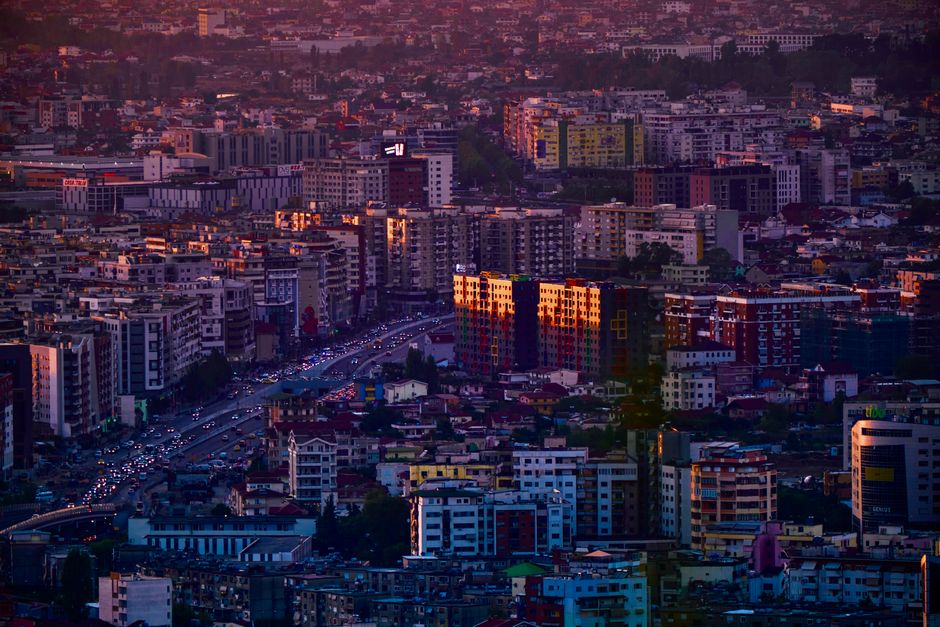
Then there's the sheer visual drama. The aforementioned "color revolution" transformed drab, oppressive apartment blocks into a giant, open-air art installation. It's a cityscape that actively fights gloom. Beyond the paint, the architectural juxtaposition is a history lesson in three dimensions. Within a five-minute walk, you can pass a 19th-century Ottoman clock tower, a fascist-era government building with clean Italian lines, a Soviet-style palace of culture, and a gleaming new glass tower. It's a living museum of 20th-century European history, without the velvet ropes.
Finally, you visit for the people. Albanian hospitality (*mikpritja*) is legendary, and in Tirana, it's served with urban cool. Strangers will go out of their way to help you, invite you for a coffee, or simply share their pride in their city's new chapter. The warmth is genuine, unforced by tourism. You leave not just with photos of colorful buildings, but with stories of shared raki, impromptu guides, and the feeling that you've connected with the soul of a place that is fiercely proud of its resilience and wildly optimistic about its future.
When to Visit
Choosing your moment to experience Tirana is like selecting the right film filter—each season casts a different light on the city's drama.
Spring (April to June) is arguably the perfect premiere. The city shakes off the mild winter dampness. The mountains surrounding Tirana are a vivid green, the air is warm but not heavy, and the outdoor café culture hits its stride. The National Park is in full bloom, and the long, golden evenings are ideal for aimless exploration. It's the season of renewal, mirroring the city's own spirit.
Autumn (September to October) is a close second. The summer heat dissipates, leaving crisp, clear days and a golden hue over the city. The crowds thin, allowing for a more intimate experience. It's a contemplative time, perfect for museum-hopping and enjoying the last of the terrace dining before the winter chill.
Summer (July-August) is for those who don't mind the heat. Tirana can get hot and dusty, the energy turning languid in the afternoon sun. But this is when the city's nightlife is at its most electric, with parties often moving to rooftop bars to catch a breeze. It's also a great time to combine your city stay with a trip to the Albanian Riviera, just a few hours away.
Winter (November to March) is the underrated character piece. While it can be grey and rainy, with occasional snow dusting Dajti Mountain, this season reveals a different, more introspective Tirana. The café culture moves indoors, becoming cozier and more conversational. It's the best time to dive deep into the city's museums and historical sites without queues, and to feel the genuine, everyday rhythm of the capital of Albania away from the tourist peak.
How to Get There
Your journey to Tirana begins with a landing at Tirana International Airport Nënë Tereza (TIA), located about 17 km northwest of the city center. The approach offers a stunning aerial view of the coastal plains giving way to the dramatic mountain ridges that cradle the city. The airport is modern and manageable, your first taste of Albania's new infrastructure.
Exiting the arrivals hall, you're greeted by the familiar chorus of taxi drivers. Official taxis are available and should cost a fixed rate of around 2,500-3,000 Lek (€20-25) to the city center. Ensure the meter is on or agree on the price upfront. For a more local and incredibly affordable option, look for the Rinas Express bus. It departs every hour from right outside the terminal and will drop you at the city's main square, Skanderbeg, for about 400 Lek (€4). The ride takes 30-45 minutes and is a great first glimpse of the suburban landscape.
If you're already in the Balkans, consider the adventure of a cross-border bus. Services connect Tirana to cities like Podgorica (Montenegro), Pristina (Kosovo), Skopje (North Macedonia), and even as far as Istanbul. The Grand Terminal of Tirana is a bustling, chaotic hub that throws you straight into the energetic deep end. For the truly intrepid, driving into Albania through the mountain passes is an epic, cinematic experience, with roads that cling to cliffsides and reveal heart-stopping vistas, though it requires confidence and caution.
Once in the city, forget rental cars. Tirana's traffic is its own unique, chaotic ballet best observed from the sidewalk. The city is wonderfully walkable, and for longer distances, taxis (use the "Speed Taxi" or "Green Taxi" apps) are cheap and plentiful. The public bus system is extensive and incredibly cheap (40 Lek per ride), but routes can be confusing for newcomers. Embrace the walk—it's where you'll find the real Tirana.
Accommodation: From Bunkers to Boutiques
Where you lay your head in Tirana is part of the narrative. The city offers a fascinating spectrum of stays, each reflecting a different facet of its character.
For luxury with a story, seek out the boutique hotels in the Blloku area. These are often beautifully renovated villas or apartments, offering style, excellent service, and immediate access to the city's best dining and nightlife. Think minimalist design contrasting with original features, rooftop terraces with Dajti views, and concierges who are true cultural connectors.
The city center, around Skanderbeg Square, is dotted with international chain hotels and larger, business-oriented establishments. This is the choice for convenience and classic comfort, placing you within steps of major landmarks. You'll trade some local charm for predictability and potentially stunning panoramic views from higher floors.
For a truly immersive and social experience, Tirana's guesthouses and hostels are exceptional. Often family-run, they are hubs of traveler information and genuine hospitality. I stayed in one such place, a converted apartment where the owner, Artur, insisted on preparing a traditional breakfast of byrek and yogurt each morning, giving me tips no guidebook could offer. These stays are where you feel the famous mikpritja most deeply.
And for the utterly unique? Look into agrotourism on the outskirts or even converted "bunker" stays" (though these are rarer in the city itself). They offer a stark, physical reminder of the past, transformed into a novel accommodation experience. Wherever you choose, book ahead in summer and late spring, as the word is getting out about this incredible capital.
Things to Do: The Director's Cut
Your days in Tirana will be full, fueled by strong coffee and curiosity. Here is the essential script, but leave room for improvisation.
1. Command the Center: Skanderbeg Square & The Historical Core
Start your epic at the vast, open expanse of Skanderbeg Square. Feel the scale under your feet. Gaze up at the statue of the national hero on his horse, forever guarding the city. Here, you can tour the Et'hem Bey Mosque (noting its beautiful nature frescoes, once forbidden), see the Clock Tower (climb it for an early orientation), and confront the monumental National History Museum. Its façade mosaic, "The Albanians," is a powerful, propagandistic piece of art; inside, the collection tells a complex, sometimes painful, national story from Illyrian times to the post-communist era.
2. Embrace the Absurd: The Pyramid of Tirana & Bunkers
No scene is more surreal than the Pyramid of Tirana. Originally a museum to Enver Hoxha, it's now a decaying, graffiti-covered concrete hulk that local kids use as a slide. Sitting before it, you feel the weight of collapsed ideology. It's being slowly converted into a IT hub, a symbol of the new Albania. For a deeper dive into the paranoid past, visit Bunk'Art 2, a nuclear bunker turned museum in the city center, dedicated to the victims of the communist secret police. It's a chilling, essential, and unforgettable experience.
3. Live the Good Life: Blloku and the New Tirana
As dusk falls, let the current pull you into Blloku. This is where the nomenklatura once lived in secluded privilege. Today, its streets are open to all, thrumming with life. This is the place to people-watch, to sip a meticulously crafted cocktail, to enjoy a slow, Mediterranean-style dinner, and to feel the city's youthful pulse. It's a nightly celebration of freedom.
4. Find Green and Views: Dajti Mountain & The Grand Park
For a dramatic change of scene, take the Dajti Express cable car. In 15 minutes, you soar from the urban buzz to the quiet, pine-scented slopes of Dajti Mountain. The view of Tirana laid out in the basin below is breathtaking—the colorful blocks look like a child's toy set. Back at ground level, Taiwan Park (Parku i Liqenit) offers a serene escape. Walk around the artificial lake, join the locals for a stroll, or rent a paddle boat. It's the city's communal backyard.
5. Hunt for Art and Memory
Seek out the National Art Gallery for a superb collection of Albanian socialist realism and contemporary works. Then, wander the streets behind the main boulevards. Look for the Murals commissioned by the city—large, stunning works by international artists that turn blank walls into statements. Finally, visit the House of Leaves museum, set in the former Sigurimi (secret police) headquarters. Its quiet, clinical atmosphere is perhaps more haunting than any bunker.
Food and Drink: A Feast for the Senses
Albanian cuisine is a hearty, flavorful fusion of Mediterranean and Balkan influences, and Tirana is its best table. Meals are social, lengthy, and celebratory.
Start your day like a local: with a dritare (window) byrek. These savory filo pastry pies, filled with spinach, cheese, or meat, are bought from small street-side windows and eaten on the go, warm and flaky. For a sit-down breakfast, ask for trahana (a fermented grain porridge) or eggs with proshutë (air-dried ham).
Lunch and dinner are feasts. You must try tavë kosi—the national dish of baked lamb and rice in a velvety yogurt sauce. It's creamy, tangy, and comforting. Grilled meats are ubiquitous and superb: qofte (spiced meatballs), sufllaqë (kebabs), and whole grilled fish. Vegetables are fresh and often simply prepared as perime në zgarë (grilled) or in rich stews. Always, there is fresh, crusty bread to mop it all up.
Wash it down with Korça beer, the local lager, or a glass of Albanian wine, which is undergoing a quality renaissance (look for Kallmet or Shesh i Zi reds). But the true ritual is rakia—a potent fruit brandy, usually clear or from grapes. It's offered as a sign of friendship. Sip it slowly. End with Turkish coffee, thick and strong, or a glass of raki mani (mastika liqueur). In Blloku, you'll also find world-class coffee shops and innovative cocktail bars, proving Tirana's culinary scene is both rooted and rapidly evolving.
Practical Tips for a Smooth Shoot
Money: The currency is the Albanian Lek (ALL). Euros are widely accepted for larger purchases (hotels, tours), but you'll need Lek for daily spending. ATMs are everywhere. Cards are accepted in larger establishments, but always carry cash.
Language: Albanian is the official language. Italian is widely understood due to TV and proximity. English is spoken by most younger people in the service industry. Learning a few phrases (Faleminderit - Thank you; Përshëndetje - Hello) goes a long way.
Safety: Tirana is remarkably safe for travelers. Petty crime is low, and you can walk around at night with confidence. Standard city precautions apply.
Bargaining: Not common in shops or restaurants. You can try at markets for souvenirs, but do so politely.
Connectivity: Free Wi-Fi is common in cafes. For constant access, buy a local SIM card (Vodafone or One) at the airport or any shop—they are incredibly cheap with generous data packages.
Power: Sockets are European standard (Type C & F), 220V.
Suggested Itinerary: Three Acts in Tirana
Act I: The Historical Frame (Day 1)
Morning: Skanderbeg Square, Clock Tower climb, Et'hem Bey Mosque.
Afternoon: National History Museum. Walk to the Pyramid, contemplate its strange aura.
Evening: Dinner in the Blloku area, soaking in the atmosphere.
Act II: Depth & Contrast (Day 2)
Morning: Cable car to Dajti Mountain. Enjoy the view and a rustic lunch at the top.
Afternoon: Return. Visit the chilling Bunk'Art 2 museum. Recover with a walk in the Grand Park.
Evening: Traditional dinner for tavë kosi. Experience a local bar for raki.
Act III: Modern Pulse & Departure (Day 3)
Morning: Explore the Pazari i Ri (New Bazaar) for food and local color. Visit the National Art Gallery.
Afternoon: Last-minute souvenir shopping (look for handcrafted filigree silver, woolen items, or local raki). A final, slow coffee at a Blloku café, people-watching.
Evening: A farewell feast at one of Tirana's innovative fusion restaurants, reflecting on the city's journey from past to future.
Conclusion
Leaving Tirana, you don't feel like you've simply visited a capital city. You feel like you've witnessed a state of becoming. The scent of coffee and grilled meat lingers, the retinal burn of those colorful buildings remains, and the echoes of chaotic, beautiful street sounds play on a loop in your memory. Tirana challenges the sterile, packaged travel experience. It is messy, emotional, proud, and endlessly fascinating.
It teaches you that beauty can be found in resilience, that history is a layer cake of pain and triumph, and that the most vibrant cultures are often those emerging into a new light. The capital of Albania is more than a destination; it's a protagonist in its own epic story. It asks for your curiosity and rewards it with an authenticity that is increasingly rare. You come as a visitor, but you leave feeling like you've played a small, walk-on part in its ongoing, unforgettable film. Just be ready for it to change you, too.
Frequently Asked Questions (FAQ)
Is Tirana safe for tourists?Absolutely. Tirana is considered one of the safer capitals in Europe. Violent crime against tourists is extremely rare. Normal city precautions apply—be aware of your belongings in crowded places and use common sense at night—but overall, you can explore with a great sense of security. The locals are hospitable and often go out of their way to help if you look lost.
Do I need to speak Albanian to get by?Not at all. While Albanian is the native language, you'll find that English is widely spoken, especially among the younger population and those working in tourism, hotels, and restaurants. Italian is also very commonly understood. Learning a few basic Albanian phrases (hello, thank you, please) is appreciated and seen as a respectful gesture, but you will not face a language barrier.
What is the best way to get around the city?Your own two feet are the best tool for exploring the compact city center. For longer distances, taxis are incredibly affordable and plentiful—use a ride-hailing app like "Speed Taxi" for convenience and fixed prices. The public bus system is extensive and very cheap (40 Lek per ride), but the routes can be confusing for first-timers. I do not recommend driving in the city center due to chaotic traffic and limited parking.
Is Tirana expensive?Tirana is remarkably affordable, especially for Western travelers. You can enjoy a fantastic meal at a mid-range restaurant for €10-15 per person, a taxi ride across town for €3-5, and a comfortable hotel room for €50-80 per night. Luxury options and imported goods will cost more, but overall, it's a destination where your money goes a very long way.
Can I use credit cards everywhere, or is it a cash-based society?It's a mix. Major hotels, upscale restaurants, and larger stores in the city center will accept credit/debit cards (Visa and Mastercard are most common). However, smaller cafes, family-run restaurants, taxis, markets, and buses operate almost exclusively on cash (Albanian Lek). It's essential to always carry a reasonable amount of local currency with you for daily expenses.
What should I pack for a trip to Tirana?Pack for a typical Mediterranean climate with a focus on comfort. Good walking shoes are non-negotiable. In spring/autumn, include layers and a light jacket. Summers require light clothing, sunscreen, and a hat. Winters are mild but damp, so pack a warm coat, umbrella, and waterproof shoes. Modest dress (covering shoulders and knees) is required for entering religious sites like mosques.
Is Tirana a good destination for solo travelers?Yes, it's an excellent choice for solo travelers. The combination of safety, affordability, and the innate friendliness of Albanians makes it very welcoming. The café culture is perfect for solo observation, hostels are great for meeting other travelers, and the city's compact nature makes it easy to navigate on your own. You'll rarely feel out of place or isolated.


No comments:
Post a Comment