
Tokyo: A Symphony of Neon and Nostalgia
Introduction
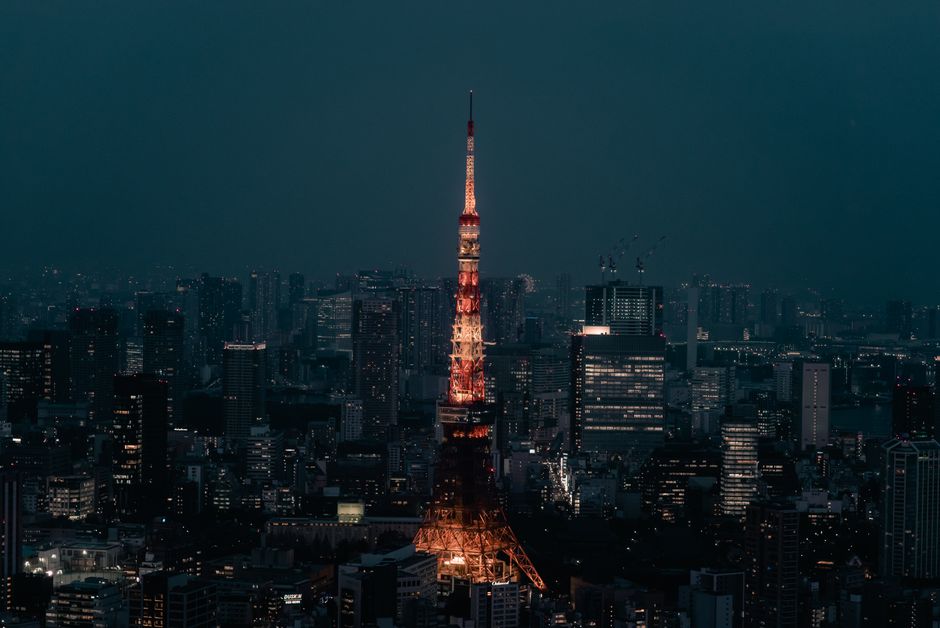
The first time you step out of a Tokyo station, the city doesn't just greet you—it engulfs you. It's a sensory immersion that begins not with a sight, but with a sound: the orchestrated chaos of a thousand footsteps, the melodic chime of a crosswalk signal, the distant rumble of a train you can feel in your bones. Then comes the scent: a complex perfume of steaming broth, fresh rain on concrete, roasted green tea, and the faint, clean smell of ozone. Finally, your eyes adjust to the visual symphony. Skyscrapers sheathed in glass and light pierce a twilight sky, their surfaces crawling with colossal, silent anime characters and pulsing Kanji. At their feet, a labyrinth of narrow alleys glows with the warm, inviting light of paper lanterns and red torii gates. This is Tokyo, the capital of Japan, a metropolis that exists not in one dimension, but in several, all layered atop one another in a breathtaking, beautiful collision of future and past.
To call Tokyo a city feels insufficient. It is a living organism, a galaxy contained within a prefecture. Its 23 special wards, each a city in its own right with a distinct personality, spin in a carefully choreographed orbit around the imperial palace grounds, the serene, green heart at its center. One moment you are in Shibuya, standing before the iconic scramble crossing, a human tide of hundreds flowing in perfect, unspoken harmony across the asphalt as giant screens beam impossible colors. The next, you slip down a staircase in Shinjuku and find yourself in a tiny, eight-seat izakaya from the 1960s, the air thick with smoke and laughter, the master chef grilling yakitori with a focus bordering on reverence. Tokyo is a master of contrast, of holding immense scale and profound intimacy in the same hand without contradiction.
My most enduring memory isn't of a famous landmark, but of a quiet, predawn moment in Tsukiji's outer market. The famous tuna auction had moved, but the spirit remained. I watched an elderly fishmonger, his hands a map of wrinkles and scars, use a blade longer than his forearm to slice a block of ruby-red tuna with a single, fluid pull. The sound was a whisper, a soft sigh of steel through perfect flesh. He placed a slice on a piece of paper and offered it with a nod. It tasted of the deep, cold ocean, a pure, clean flavor that anchored the entire swirling, electric city to the earth and sea that sustained it. That is Tokyo's secret: its hyper-modernity is built upon an unshakable foundation of craft, seasonality, and meticulous attention to detail, a thread of continuity that weaves from the tranquil gardens of the Edo period to the robot cabarets of today.
This travel guide is not just a list of places; it is an invitation to experience the rhythm, the texture, and the soul of this unparalleled city. We will move beyond the postcard to the palpable, from the deafening buzz of the pachinko parlors to the profound silence of a morning at Meiji Shrine. Prepare to have your perceptions stretched, your senses overloaded in the best possible way, and your understanding of what a city can be forever altered. Welcome to Tokyo.
Why Visit Tokyo?
You visit Paris for romance, Rome for history, New York for energy. You visit Tokyo for the future, and for a version of the present so intensely lived it feels like another dimension. It is a city that answers questions you didn't know you had. What does a society look like when efficiency is elevated to an art form? How does ancient tradition not just survive but thrive within a neon-drenched hyper-modernity? The answer unfolds around every corner, in every impeccable detail, offering a travel experience that is as intellectually stimulating as it is viscerally exciting.
First, there is the sheer, breathtaking contrast. In the morning, you can participate in a centuries-old tea ceremony in a silent, tatami-matted room in Asakusa, the air thick with the scent of matcha and the sound of water boiling in an iron kettle. By afternoon, you can be in Akihabara, the Electric Town, where multi-story arcades scream with 8-bit melodies, maid cafes spill pastel-colored fantasy onto the streets, and shops sell every electronic component imaginable. This isn't a disjointed experience; it's the city's core dialectic. The serenity of the Shinjuku Gyoen National Garden, with its weeping cherries and meticulously raked gravel, exists just blocks from the dizzying, blade-runner-esque canyon of Shinjuku's skyscrapers. This constant dialogue between the contemplative and the chaotic is Tokyo's unique heartbeat.
Then, there is the culture of omotenashi—the deep-rooted spirit of selfless hospitality. This isn't mere customer service; it's a profound anticipation of need. A shopkeeper will carefully wrap your purchase as if it were a precious artifact, tying it with a ribbon without being asked. A train conductor will bow upon entering and leaving the cabin. A chef will present a simple bowl of ramen with the solemn pride of a master presenting his masterpiece. You are made to feel, consistently and genuinely, like an honored guest. This extends to the city itself: its legendary safety, its immaculate public spaces, and its public transit system—a marvel of punctuality and clean, quiet efficiency that puts the entire sprawling metropolis within effortless, comfortable reach. You visit Tokyo to witness a society that functions with a harmonious precision that feels almost utopian, yet is brimming with wild, creative, and deeply human energy.
When to Visit
Tokyo is a city of seasons, each painting the metropolis in a dramatically different palette and mood. Choosing when to go is like choosing which act of a magnificent play you wish to see first.
Spring (March-May) is the classic, postcard-perfect time, and for good reason. The cherry blossom (sakura) season, typically late March to early April, is nothing short of magical. The city softens. Parks like Ueno and Chidorigafuchi become tunnels of ethereal pink and white. The atmosphere is festive, with hanami (flower-viewing) parties spreading blue tarps beneath the boughs, filled with laughter, bento boxes, and sake. The weather is mild, though this is also the peak tourist season, so expect crowds and higher prices.
Autumn (October-November) is Tokyo's other spectacular costume change. The summer heat and humidity dissipate, replaced by crisp, clear air and brilliant blue skies. The ginkgo trees lining streets like Icho Namiki in Meiji Jingu Gaien turn a stunning, uniform gold, while Japanese maples in traditional gardens burn with fiery reds and oranges. It's a season for long walks, hearty food, and a more contemplative pace, with fewer crowds than spring.
Summer (June-September) is intense. Late June brings the rainy season (tsuyu), a period of grey, humid days. Then comes the true heat of July and August—thick, subtropical, and formidable. Yet, this is when Tokyo's festival spirit ignites. Fireworks displays (hanabi), like the Sumida River Fireworks Festival, paint the night sky. Street festivals (matsuri) fill neighborhoods with music, dancing, and food stalls. It's vibrant, sweaty, and alive, best suited for those who don't mind the climate.
Winter (December-February) is often overlooked but holds a quiet charm. Days are cold and sunny, with little snow in the city center. It's the perfect time for steaming bowls of ramen, soaking in an onsen (hot spring), and enjoying illuminations like the caretta SHIODOME or Roppongi Hills displays. Crowds are thin, and you'll see a more local, everyday Tokyo. New Year is a major cultural event, with temples like Meiji Jingu drawing millions for hatsumode (first shrine visit).
How to Get There
Your journey to Tokyo begins with a cinematic arrival. The vast majority of international travelers will touch down at one of two gateways: Narita International Airport (NRT) or Haneda Airport (HND). Haneda is the dream arrival; located much closer to the city center, its final approach offers a breathtaking, low-altitude panorama of Tokyo Bay and the urban sprawl, especially stunning at night. Narita, farther out in Chiba Prefecture, requires a longer transfer but is a major international hub. Both are paragons of efficiency, clean, well-signed, and designed to move you from tarmac to transit with minimal friction.
The real magic begins with your entry into the city's circulatory system. From Narita, you have several excellent options. The sleek, futuristic Narita Express (N'EX) is a direct, comfortable train that whisks you to major stations like Tokyo, Shinjuku, and Shibuya in about 60-90 minutes, with plush seats and large windows for your first glimpse of the Japanese landscape. For a more budget-friendly and equally efficient option, the Keisei Skyliner rockets you to Ueno Station in just 41 minutes. From Haneda, the Tokyo Monorail provides a smooth, elevated ride to Hamamatsucho Station (connecting to the Yamanote Line) in about 20 minutes, while the Keikyu Line offers direct access to Shinagawa and Asakusa.
Stepping into a major station like Tokyo or Shinjuku for the first time is an event. It is a vertiginous, multi-level city beneath the city, a labyrinth of rushing commuters, impeccable food halls (depachika), and countless intersecting train lines. Don't be daunted. The signage is impeccable in both Japanese and English. Purchase a Suica or Pasmo card—rechargeable touch-and-go IC cards—from a vending machine right at the airport. This little piece of plastic is your key to the kingdom, working on virtually all trains, subways, and buses in Tokyo (and beyond), and even at convenience stores and vending machines. Tap in, tap out. The system is intuitive, the trains are punctual to the second, and the quiet, orderly carriages are a welcome introduction to Japanese social etiquette.
Accommodation
Where you lay your head in Tokyo is more than a bed; it's a choice of which layer of the city you want to wake up in. The accommodation spectrum is vast, from microscopic pods to palatial suites, each offering a distinct lens on Tokyo life.
For the first-time visitor who wants to be at the epicenter of the energy, the stations on the Yamanote Line—Tokyo's central green loop line—are your anchors. Shibuya is the pulsing heart of youth culture, fashion, and that iconic scramble. Staying here means being immersed in 24/7 buzz. Shinjuku is a city within a city, split into distinct personalities: the skyscraper district of futuristic hotels and government buildings, the frenetic entertainment hub of Kabukicho, and the relaxed, upscale avenues of Nishi-Shinjuku. It's a perfect, overwhelming microcosm of Tokyo itself. Ginza offers refined luxury, with flagship stores, haute cuisine, and five-star hotels where service is an invisible art.
For a different flavor, consider these neighborhoods. Asakusa provides a taste of old Tokyo (Shitamachi), with traditional ryokan inns, the majestic Senso-ji Temple, and a slower, more nostalgic pace. Waking up to the sound of temple bells rather than traffic is a unique privilege. Roppongi is popular for its vibrant nightlife, art complexes like Mori Art Museum, and a large expat community. Tokyo Station/Marunouchi area is business-like and central, ideal for seamless travel around Japan via the shinkansen (bullet train).
Beyond standard hotels, embrace unique Japanese options. A ryokan experience, even for one night, is essential. You'll sleep on a futon on tatami mats, wear a yukata robe, and be served a multi-course kaiseki dinner in your room. For efficiency and quirky charm, business hotels like APA or Dormy Inn offer compact, spotless rooms with excellent amenities, often including a public bath. And for the ultimate in space-saving futurism, try a capsule hotel—a clean, safe, and uniquely Japanese pod for sleeping. No matter your choice, expect impeccable cleanliness, astonishingly thoughtful amenities (from high-tech toilets to pajamas), and a level of service that redefines hospitality.
Things to Do
Tokyo's activities are infinite, a choose-your-own-adventure book with a thousand endings. The key is to balance the iconic with the intimate, the roaring crowd with the quiet backstreet.
Begin with the spiritual anchors. Meiji Jingu is a forested sanctuary dedicated to the deified spirits of Emperor Meiji and his wife. Passing under the colossal torii gate is like stepping into a soundproof room; the cacophony of Harajuku vanishes, replaced by the crunch of gravel underfoot and the whisper of 100,000 trees. Witnessing a traditional Shinto wedding procession here, the participants moving in slow, dignified silence, is a glimpse into the soul of Japan. A short walk away, the Harajuku of Takeshita Street offers a sensory overload of a different kind: a crammed, colorful artery of crepe stands, trendy fast fashion, and the glorious, unabashed self-expression of Tokyo's youth.
For history and old-world atmosphere, Asakusa is indispensable. Walk down the Nakamise-dori, a bustling street market leading to the thunderous, incense-clouded Kaminarimon Gate and the magnificent Senso-ji Temple. Feel the wooden planks of the temple floor under your socks, pull an omikuji fortune paper, and soak in the vibrant, centuries-old devotional atmosphere. Then, take a short river cruise from nearby Hinode Pier to Odaiba, a man-made island of futuristic architecture, shopping malls, and the stunning teamLab Borderless digital art museum, where art and technology merge into an immersive, dreamlike experience.
No visit is complete without engaging with Tokyo's neighborhoods. Spend an evening getting lost in the Golden Gai in Shinjuku, a warren of six narrow alleys packed with over 200 tiny, themed bars, each seating only a handful. It's a living relic of post-war Tokyo, intimate and unforgettable. For pop culture, Akihabara is a neon temple to anime, manga, and gaming. The noise, the visuals, the sheer density of niche interests is overwhelming and fascinating. Conversely, find peace in the Imperial Palace East Gardens, the former innermost citadel of Edo Castle, now a serene public park with massive stone ramparts and traditional Japanese landscapes, all with the skyscrapers of Marunouchi looming just beyond the moat.
Make time for a day trip. An hour by train brings you to Kamakura, the ancient coastal capital, home to the Great Buddha (Daibutsu) and serene Zen temples like Hokoku-ji with its bamboo grove. Or head to Nikko, a UNESCO site where the lavishly decorated Toshogu Shrine sits amidst majestic mountains and forests. These excursions provide vital historical context and showcase the natural beauty that frames the Kanto region.
Food and Drink
Tokyo is not just a city you see; it's a city you taste. It holds more Michelin stars than any other city on earth, but its true culinary soul is found just as often on a stool at a counter, under the railway tracks, or from a vending machine. Eating here is a continuous, delightful discovery.
Begin with the classics. A bowl of ramen is a rite of passage. Descend into a tiny, steamy shop in Shinjuku's Omoide Yokocho ("Memory Lane") or the more modern ramen joints of Tokyo Station's Ramen Street. Slurp rich, pork-bone tonkotsu or clear, delicate shoyu broth, the sound not just accepted but encouraged as a compliment to the chef. For the pinnacle of craftsmanship, seek out sushi. You can spend a fortune for an omakase (chef's choice) meal at Sukiyabashi Jiro (of Jiro Dreams of Sushi fame) or find incredible, fresh sushi at the bustling conveyor-belt (kaiten) chains like Genki Sushi, where you order via tablet. The thrill of the perfectly vinegared rice and pristine fish is universal.
Then, dive into the world of izakaya—Japanese gastropubs. These are the social hubs of Tokyo life. You'll be presented with a small dish (otoshi) as a cover charge, then order rounds of grilled skewers (yakitori), crispy karaage fried chicken, savory pancakes (okonomiyaki), and edamame, all washed down with frosty mugs of draft beer (nama biru) or shochu highballs. The atmosphere is boisterous, warm, and welcoming. For a quick, delicious, and cheap bite, never underestimate the humble convenience store (konbini). Their onigiri (rice balls), sandwiches, fried chicken, and even pasta are of shockingly high quality, perfect for a picnic in a park.
Drinking culture is equally varied. Sip on sake at a specialized bar, where the temperature and vessel are chosen to match the specific rice wine. Experience the meticulous ritual of matcha preparation in a traditional tea house in Hamarikyu Garden. Or, join salarymen in knocking back a quick whiskey highball at a standing bar (tachinomi). From the vending machines selling both hot and cold canned coffee to the elegant cocktail bars of Ginza ranked among the world's best, Tokyo ensures you are never more than a few steps from a remarkable drink.
Practical Tips
Navigating Tokyo is easier than its scale suggests, but a few key insights will transform your experience from good to seamless.
Cash is Still King (Partly): While credit cards are widely accepted in department stores, hotels, and major restaurants, many smaller establishments—especially izakaya, market stalls, and traditional shops—operate on cash only. Always carry a reasonable amount of yen. ATMs at 7-Eleven (Seven Bank) and Japan Post Offices are the most reliable for international cards.
Master the Transit: Your Suica/Pasmo card is your lifeline. Use hyper-accurate apps like Google Maps or Japan Travel by Navitime for real-time train schedules, platform numbers, and fares. Note that trains stop running around midnight, so plan accordingly. Taxis are clean and safe but very expensive; use them for short trips if you've missed the last train.
Embrace the Etiquette: Manners matter. Speak quietly on trains (and never on the phone). Stand in orderly lines on the platform markers. Eat while walking is generally frowned upon; instead, eat your konbini purchase at the store's designated counter or in a park. When paying, use the small tray at the register rather than handing cash directly. A simple "arigato gozaimasu" (thank you) goes a very long way.
Connectivity: Rent a pocket Wi-Fi device or purchase a Japanese SIM card/eSIM upon arrival. Having constant, reliable internet for maps, translations, and research is invaluable.
Trash Disposal: Public trash cans are surprisingly rare. You are expected to carry your trash with you and dispose of it at home or at convenience stores, which have bins for their own products. It's a small habit that contributes to the city's remarkable cleanliness.
Suggested Itinerary
Here is a 5-day blueprint to capture Tokyo's essence, balancing iconic sights with neighborhood immersion and serendipitous discovery.
Day 1: The Heartbeat of Modern Tokyo. Start at the Shibuya Scramble Crossing, feeling the pulse of the city. Visit the loyal Hachiko statue, then explore the fashion labyrinths of Shibuya 109. Walk to Harajuku, dive into the sensory carnival of Takeshita Street, then find instant tranquility in the forested paths of Meiji Jingu. In the evening, experience the neon galaxy of Shinjuku from the free observatory at the Tokyo Metropolitan Government Building, then dine and drink in the atmospheric warren of Omoide Yokocho.
Day 2: Tradition and Pop Culture. Morning in Asakusa. Soak in the atmosphere of Nakamise-dori and Senso-ji Temple. Take a relaxing Sumida River cruise to Odaiba. Explore the futuristic architecture, perhaps visiting teamLab Borderless or the Gundam statue. In the late afternoon, rocket into the future in Akihabara, exploring multi-story arcades, electronics shops, and manga stores. Have dinner in a themed cafe.
Day 3: Imperial Grandeur and Urban Oases. Stroll the serene Imperial Palace East Gardens. Then, head to Tokyo Station's character street and ramen street for lunch. In the afternoon, visit the upscale Ginza for window-shopping and art at the Ginza Six rooftop garden or the Sony Building. As dusk falls, find the hidden Golden Gai in Shinjuku for a night of bar-hopping in its tiny, unique establishments.
Day 4: Neighborhood Immersion. Choose your flavor. Option A: The chic, relaxed vibe of Daikanyama and Nakameguro, with their boutique shops and lovely riverside cafes (stunning during cherry blossom season). Option B: The old-fashioned shitamachi charm of Yanaka, a district that survived the war and fires, full of traditional wooden houses, small temples, and artisan shops. In the evening, experience the upscale nightlife and city views from a rooftop bar in Roppongi or Shibuya.
Day 5: Day Trip or Deep Dive. Either take a day trip to Kamakura for temples and the Great Buddha, or pick a neighborhood you loved for a deeper exploration. Perhaps revisit Asakusa for a rickshaw ride and a visit to the Dempoin Temple garden, or spend a full day in Shinjuku exploring the department store food halls and the Shinjuku Gyoen garden. End your trip with a memorable farewell meal at a high-end sushi bar or a beloved ramen shop.
Conclusion
Leaving Tokyo is a peculiar kind of heartbreak. The city, in its relentless, elegant, and overwhelming way, rewires you. The silence of your hometown will feel different; the disorder of a normal street will seem pronounced. You'll miss the specific scent of a department store basement food hall, the gentle chime of a train door closing, the profound courtesy of a stranger. Tokyo is not a passive destination. It demands your attention, engages all your senses, and challenges your preconceptions of order, space, and urban life.
You will carry pieces of it with you: the memory of a perfect, single bite of tuna; the feeling of peace under ancient cedar trees in the middle of a metropolis of 37 million; the awe of watching human rivers cross an intersection with flawless, unspoken coordination. It is a city that celebrates the future without erasing its past, that finds beauty in both the grand spectacle and the minute detail. It is, in the end, a profound lesson in coexistence—of tradition and innovation, of chaos and serenity, of the individual and the collective.
Tokyo doesn't just change your passport; it changes your perspective. It shows you what is possible. And long after your Suica card has expired, you'll find yourself dreaming of its neon-lit alleys, its serene temples, and the promise of another turn in its endless labyrinth, waiting to reveal a new secret. It's not a place you simply visit. It's a place you experience, and then forever measure other cities against.
Frequently Asked Questions (FAQ)
Is Tokyo very expensive to visit?
Tokyo can be as expensive or as budget-friendly as you make it. While luxury hotels and high-end dining are costly, you can find excellent, clean budget hotels and business hotels. Inexpensive and fantastic food is everywhere, from ramen shops (under ¥1000) to convenience stores and standing noodle bars. Many of the best experiences—exploring neighborhoods, visiting temples and gardens (many free or cheap), and people-watching—cost little to nothing.
Do I need to speak Japanese to get by in Tokyo?
Not at all. While learning a few basic phrases (hello, thank you, excuse me) is greatly appreciated, you can navigate Tokyo comfortably with English. Major train stations, signs, and menus in tourist areas have English translations. Most people in service industries know enough key English phrases to assist you, and there's a genuine willingness to help, often with the use of translation apps or simple gestures.
Is Tokyo safe for solo travelers, including women?
Tokyo is consistently ranked as one of the safest major cities in the world for all travelers. Violent crime is extremely rare. Walking alone at night, even in busy entertainment districts, generally feels very safe. Women can travel solo with a high degree of comfort, and many accommodations offer female-only floors. Standard big-city precautions (watch your belongings in crowds) are still wise, but the overall sense of security is remarkable.
What is the best way to get around within Tokyo?
The train and subway network is unequivocally the best way to get around. It is extensive, incredibly punctual, clean, and efficient. Purchase a rechargeable Suica or Pasmo IC card to tap in and out of all gates seamlessly. Buses are useful for some specific routes, and taxis are available but expensive. For first-timers, sticking to the JR Yamanote Line (the green loop line) will connect you to most major districts.
How should I handle dietary restrictions in Tokyo?
Vegetarianism and veganism are becoming more understood but are not yet mainstream. Many seemingly vegetable-based dishes may use fish stock (dashi). It's crucial to carry a dietary card in Japanese explaining your restrictions. Look for specialized vegetarian/vegan restaurants (increasing in number) or ask at temples that serve shojin ryori (Buddhist vegetarian cuisine). For gluten-free, be very careful with sauces (soy sauce contains wheat) and consider similar translation cards.
What is one thing I absolutely shouldn't miss in Tokyo?
Beyond any single sight, the one thing you shouldn't miss is the experience of contrast. Make a point to witness both the hyper-modern and the deeply traditional in one day. For example, spend the morning in the serene, ancient Meiji Jingu forest and the afternoon in the frenetic, futuristic electronics paradise of Akihabara. This juxtaposition is the true essence of Tokyo.


No comments:
Post a Comment