
Tokyo: A Symphony of Neon, Whispering Temples, and Infinite Possibility
Introduction: The First Breath of Tokyo
The first thing that hits you is the sound—a deep, resonant hum that isn't a single noise but a living, breathing entity. It's the sound of 37 million heartbeats, the whisper of ten thousand sliding doors, the hiss of espresso machines in 7-Elevens, the distant rumble of a train deep in its subterranean artery, and the gentle, polite murmur of a thousand conversations you cannot understand but feel in your bones. You step out of Shinjuku Station, the world's busiest transit hub, and Tokyo doesn't just welcome you; it absorbs you. The air is crisp, carrying the faint, clean scent of rain-washed pavement and the distant, tantalizing aroma of grilling yakitori. Above, a canyon of neon and LED screens bleeds vibrant color into the twilight—pulsing kanji, giant anime eyes blinking, cascading waterfalls of light that make the very sky feel like a low ceiling. This is the Tokyo of postcards and cyberpunk dreams.
But then you turn a corner, ducking down an alley barely wider than your shoulders. The sonic boom of the main drag fades to a muffled echo. You're in a yokocho, a drinking alley, where the glow comes from red paper lanterns (akachōchin) and the sizzle of skewers over tiny charcoal grills. The smell shifts to soy, mirin, and charred scallion. Salarymen in dark suits laugh with relieved exhaustion on stools, their shadows dancing on weathered wood. You've traveled ten meters and twenty years. This is the other Tokyo, the one of intimate scale and enduring ritual.
This is the essential magic of Tokyo, a massive, dynamic capital city that masterfully blends the ultra-modern with traditional culture. It is a place of breathtaking contrasts that don't clash but converse. A serene Shinto shrine, its torii gate a stark vermilion against mossy stone, sits in the shadow of a shimmering glass skyscraper. A geisha in exquisite kimono and okobo sandals glides past a group of Harajuku girls in frilly Lolita dresses, both equally committed to their art of appearance. You can experience the pin-drop silence of a Zen rock garden at Ryoan-ji one hour, and the sensory overload of a multi-story arcade, with its symphony of pachinko balls and game jingles, the next. Tokyo is not a monolith; it's a constellation of distinct cities-within-a-city, each with its own rhythm, aesthetic, and soul. To visit is to become a character in a thousand different stories, from a silent observer in a centuries-old temple to a willing participant in the frenetic, joyful chaos of a pedestrian scramble in Shibuya. It is a city that demands to be felt, not just seen—a kinetic, emotional, and utterly unforgettable experience.
Why Visit Tokyo: The Unrepeatable Experience
Why Tokyo? The question isn't about checking landmarks off a list. It's about immersing yourself in a reality that operates on a different frequency, one that recalibrates your senses and expands your definition of what a city can be. You come for the precision—the trains that arrive and depart with atomic-clock accuracy, the artful presentation of a single piece of sushi placed before you with reverence. You stay for the beautiful, human chaos—the labyrinthine streets that defy mapping, the warm, often hilarious attempts at communication that become their own form of connection.
You visit to witness a culture that holds profound respect for tradition in one hand and a voracious appetite for the future in the other. In the morning, you might join office workers in making a morning prayer at the Senso-ji Temple, cleansing your hands and mind with incense smoke. By afternoon, you could be in Akihabara, the electric town, navigating floors of cutting-edge robotics, vintage video games, and maid cafes, a subculture spectacle that feels beamed from a parallel universe. This seamless coexistence creates a unique tension, a creative energy that fuels everything from fashion and art to food and technology.
Ultimately, you visit for the moments of sublime, unexpected connection. It's the elderly shopkeeper who, despite no common language, patiently demonstrates how to properly eat a taiyaki fish-shaped cake, her face lighting up when you take a warm, sweet bite. It's the profound, humbling silence that descends upon the bustling Meiji Jingu forest as you witness a traditional Shinto wedding procession. It's the child on the subway, spotlessly dressed, who offers you a shy smile. Tokyo, for all its scale and technology, is a city built on an infrastructure of profound courtesy (omotenashi) and quiet beauty. It challenges you, delights you, and changes you, leaving an imprint that feels less like a memory and more like a new layer of your own consciousness.
When to Visit: Tokyo's Seasonal Palette
Tokyo wears four distinct, spectacular faces throughout the year, each offering a radically different cinematic backdrop to your journey.
Spring (March-May): This is the season of delicate, fleeting beauty. The air softens, and the city exhales after winter. The cherry blossoms (sakura) are the undisputed stars. For about a week in late March or early April, parks like Ueno and Chidorigafuchi transform into ethereal pink clouds. The atmosphere is festive, with hanami (flower-viewing) parties spreading blue tarps beneath the boughs, filled with laughter, bento boxes, and sake. It is breathtakingly beautiful and correspondingly crowded. Early May's "Golden Week" is a major national holiday period; travel is intense.
Summer (June-August): Tokyo in summer is a humid, vibrant greenhouse. Days are hot and steamy, punctuated by the sudden, dramatic downpours of the rainy season (tsuyu) in June. July and August blaze, but the city comes alive with festivals (matsuri). Imagine the night sky shattered by fireworks at the Sumida River festival, or the rhythmic pounding of drums and chanting at the Koenji Awa Odori dance festival. It's a season of sweat, vibrant yukata robes, cold noodles (zaru soba), and electric energy.
Autumn (September-November): As the stifling heat breaks, a crisp clarity returns. The autumn foliage (koyo) rivals the cherry blossoms in its drama. Ginkgo trees lining streets like Icho Namiki in Meiji Jingu Gaien turn a brilliant, blinding gold. Maple trees in traditional gardens like Rikugien burn with reds and oranges. The weather is ideal for walking—cool, sunny, and dry. The cultural calendar is packed, making it a perfect time for deep exploration.
Winter (December-February): Winter is crisp, cold, and surprisingly clear, with occasional dustings of snow that make the temples look like postcards. The crowds thin, and you can often have famous sites more to yourself. It's the season for steaming bowls of ramen, warming under kotatsu heated tables, and experiencing the spectacular, almost surreal illuminations that adorn entire parks and streets from November onward. New Year (Shogatsu) is a profound, traditional experience, with temples like Meiji Jingu drawing millions for their first prayer (hatsumode).
How to Get There: Gateways to Another World
Your cinematic entry into Tokyo typically begins with a flight into one of its two major international airports: Narita (NRT) or Haneda (HND). Narita, farther out, handles most long-haul international flights. The journey in is part of the adventure; you can take the sleek, futuristic Narita Express (N'EX) train directly to major stations like Tokyo and Shinjuku in about 90 minutes, watching the landscape shift from rural to suburban to dense urban sprawl. Haneda, much closer to the city center, offers a more immediate immersion. The monorail ride into Hamamatsucho feels like gliding into the future, with stunning views of the city skyline and Tokyo Bay.
Once you've landed, the real magic of Tokyo's transit reveals itself. The city's subway and train network is a marvel of efficiency and complexity—a colorful, interwoven web of lines operated by different companies. Purchasing a rechargeable Suica or Pasmo card is your first act as a temporary local; a simple tap grants you access to this entire underground kingdom. The trains themselves are a study in quiet order: hushed conversations, no phone calls, and the hypnotic rhythm of acceleration and deceleration. Don't fear getting lost; stations are clearly signed in English and Romanji, and each misstep is an opportunity to discover a new corridor of subterranean ramen shops or depachika (department store food basements). For longer journeys across Japan, the Shinkansen bullet train awaits at stations like Tokyo or Shinagawa. Boarding one is a thrill—the silent, powerful glide out of the city, accelerating to speeds where Mount Fuji seems to race alongside you, is a quintessential Japanese experience.
Accommodation: Your Tokyo Basecamp
Where you stay in Tokyo defines the genre of your trip. Each district offers a unique narrative, and your choice of lodging is your anchor in that story.
For the high-energy, neon-drenched thriller, Shinjuku is your set. Here, skyscrapers house luxurious hotels with breathtaking city views from their top-floor bars. You're at the epicenter of it all: the manic energy of Kabukicho's entertainment district, the serene Shinjuku Gyoen National Garden, and the labyrinthine corridors of the station itself. It's overwhelming, exhilarating, and never sleeps.
For the stylish, trend-focused coming-of-age film, Shibuya is the backdrop. Home to the iconic Scramble Crossing, it pulses with youth culture, fashion boutiques, and hip cafes. Hotels here range from sleek business pods to design-forward boutiques. You'll fall asleep to the distant hum of the city and wake up to watch the crossing's human tide from a coffee shop window.
For a more refined, classic drama, consider Ginza or Marunouchi. These are districts of wide boulevards, flagship designer stores, and venerable department stores. The hotels exude timeless elegance and impeccable service. It's a quieter, more polished Tokyo, where you can sip afternoon tea and feel the city's established heartbeat.
For a character-driven indie film with soul, seek out the ryokan (traditional inns) in quieter areas like Asakusa. Here, you sleep on futons on tatami mats, are served multi-course kaiseki meals in your room, and can unwind in a communal bath. It's a profound cultural immersion, a step back into a slower, more contemplative Japan. For budget-conscious explorers, the city offers everything from efficient, capsule hotels—a uniquely Japanese experience of compact, tech-friendly pods—to a growing number of stylish hostels that foster community. No matter your choice, your room in Tokyo is more than a place to sleep; it's your quiet scene change between the city's relentless, beautiful acts.
Things to Do: Scenes from a Tokyo Life
Your Tokyo screenplay is yours to write, but here are the essential scenes that will fill your reel with unforgettable footage.
Begin with a dawn pilgrimage to the Tsukiji Outer Market. While the famous tuna auction has moved, the outer market remains a sensory masterpiece. Arrive as the first light filters through the canvas awnings. The air is thick with the briny scent of the sea, the rich earthiness of dried shiitake, and the sweet vapor of tamagoyaki (rolled omelet) grilling on tiny grills. Navigate narrow aisles past glistening slabs of tuna, mysterious pickles, and vendors shouting friendly banter. Stand at a counter and eat the freshest sushi of your life, the rice still warm, as forklifts whir past your stool. It's raw, real, and delicious.
Then, step into the postcard. Cross the Shibuya Scramble. Wait at the intersection, feeling the collective anticipation of hundreds of people. When the lights turn red for traffic, they turn green for humanity. A tidal wave of people surges from all five directions, a mesmerizing choreography of avoidance and flow. Become part of this living organism, then watch it from the second-story Starbucks window, a god observing the perfectly ordered chaos of ants.
Seek contrast in the forest sanctuary of Meiji Jingu. Just steps from Harajuku's teenage fashion frenzy, a towering torii gate marks the entrance to a different world. A wide gravel path leads you through a dense, hushed forest of 100,000 trees. The city's sound vanishes, replaced by the crunch of gravel underfoot and the chorus of birds. The shrine itself, dedicated to the deified spirits of Emperor Meiji and Empress Shoken, is a monument to serene Shinto architecture. Witness a wedding procession or simply make a silent prayer at the main hall, cleansed by the solemn atmosphere.
For a glimpse of old Tokyo, spend an afternoon in Asakusa. Walk down the Nakamise-dori, a bustling street leading to Senso-ji, Tokyo's oldest temple. The smell of incense (senko) grows stronger as you approach the Kaminarimon (Thunder Gate). Purify your hands and mouth at the fountain, then step into the temple grounds. The vibrant, crowded scene of tourists and worshippers alike has a festive, timeless feel. For a quieter moment, wander the nearby streets of shitamachi (low city), where traditional craft shops and old-fashioned soba noodle houses retain the flavor of the Edo period.
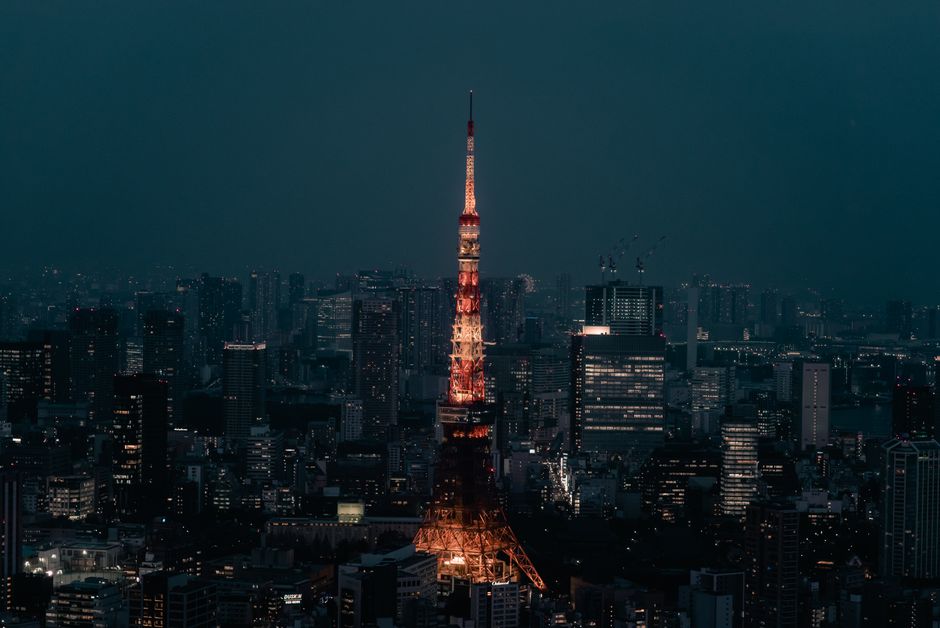
As evening falls, ascend. Whether it's the free observatory at the Tokyo Metropolitan Government Building in Shinjuku or the sleek Shibuya Sky rooftop, you need to see the city from above. Watch as the daylight bleeds away and, one by one, millions of lights ignite. The grid of streets becomes rivers of gold, the skyscrapers glowing lanterns, and the city transforms into a vast, intricate circuit board of impossible scale and beauty. It's in this moment, suspended between earth and sky, that you truly grasp the majesty of Tokyo.
Food and Drink: A Culinary Odyssey
To eat in Tokyo is to embark on a tour of precision, passion, and profound flavor. This is a city where food is an art form, a ritual, and a deep expression of omotenashi (heartfelt hospitality). Your day might start with a simple konbini (convenience store) breakfast—a shockingly delicious and fresh affair featuring onigiri (rice triangles stuffed with salmon or plum), a warm chicken cutlet bun, and premium coffee. It's a testament to the city's commitment to quality at every level.
For lunch, follow the salarymen into a tiny ramen shop. You'll order from a vending machine, receive a ticket, and squeeze onto a counter seat. The broth arrives—a cloudy, pork-tonkotsu masterpiece or a clear, delicate shoyu. The noodles have perfect bite, the chashu pork melts, the seasoned egg is a revelation. You slurp loudly (it's polite!), and for ten minutes, nothing else in the world exists.
At the pinnacle sits sushi. Securing a seat at a renowned sushiya in Ginza or near Tsukiji is a pilgrimage. You sit at the counter, the itamae (chef) your guide. He places a piece of nigiri on the wooden counter before you: the rice body warm and loosely packed, the fish at perfect ambient temperature. You eat it with your fingers, turning it to dip just the fish lightly in soy sauce. The flavors unfold—the sweet creaminess of uni (sea urchin), the clean fat of otoro (fatty tuna), the briny pop of ikura (salmon roe). It's a quiet, expensive, and transcendent experience.
When the sun sets, the izakaya beckons. These Japanese gastropubs are the soul of Tokyo's social life. In a smoky, lively room, you order small plates to share: crispy karaage fried chicken, grilled yakitori skewers (try the chicken meatballs, tsukune), edamame, and robust potato salad. Wash it down with frosty mugs of draft beer (nama biru) or explore the world of sake and shochu. The noise is deafening, the joy palpable. For a nightcap, seek out a hidden speakeasy in Ginza or a tiny, eight-seat cocktail bar where a master mixologist treats each drink like a bespoke creation. In Tokyo, every meal, from a 100-yen convenience store snack to a 30,000-yen omakase, is served with a side of perfectionism.
Practical Tips: Navigating the Code
To move through Tokyo smoothly, a few unspoken rules will elevate your experience from tourist to temporary resident. Cash is still king in many smaller restaurants, markets, and temples. Always carry yen, though major stores and hotels accept cards. On public transport, embrace the silence. Phone calls are frowned upon; set your phone to silent mode and keep conversations hushed. Priority seats are for the elderly, pregnant, and disabled—observe this religiously. When walking, follow the flow. Stand on the left side of escalators (except in Osaka-influenced areas where it's right), and walk on the right on sidewalks. Trash cans are famously scarce. Carry a small bag for your rubbish and dispose of it at your hotel or convenience stores. Taxis are clean and safe but expensive; their rear passenger doors open and close automatically—don't touch them. Learn a few key phrases: "Arigatou gozaimasu" (Thank you), "Sumimasen" (Excuse me/Sorry), and "Onegaishimasu" (Please). The effort is deeply appreciated. Most importantly, don't be afraid to get lost. Tokyo is one of the safest large cities on earth. Wandering down an unplanned alley is often the gateway to your most cherished memory—a hidden shrine, a generations-old soba shop, a moment of pure, unscripted Tokyo magic.
Suggested Itinerary: A Five-Day Tokyo Epic
Day 1: The Neon Heart. Land, settle in Shinjuku. Evening: Dive into the sensory overload of Kabukicho and Omoide Yokocho. Dinner in a tiny izakaya. View the city from the free Tokyo Metropolitan Government Building observatory.
Day 2: Tradition & Pop Culture. Morning: Meiji Jingu for serenity. Afternoon: Harajuku's Takeshita Street for teenage fashion frenzy and Omotesando for architecture. Evening: Experience the Shibuya Scramble and explore the non-stop energy of Center Gai.
Day 3: Old Edo & Modern Views. Morning: Asakusa's Senso-ji Temple and Nakamise-dori. Afternoon: Sumida River cruise to Odaiba for futuristic architecture and teamLab Borderless digital art museum (check reopening status). Evening: Ginza for upscale window shopping and a sophisticated cocktail.
Day 4: Markets & Neighborhood Gems. Early Morning: Tsukiji Outer Market for breakfast. Late Morning: Explore the electronics and anime wonderland of Akihabara. Afternoon: The peaceful East Gardens of the Imperial Palace or the trendy, boutique-lined streets of Daikanyama and Nakameguro.
Day 5: Your Personal Tokyo. Choose your adventure: A day trip to Nikko or Kamakura for temples and nature, or delve deeper into a Tokyo passion—a food tour of depachika, a deep dive into the Ghibli Museum (advance tickets essential), or a final, aimless stroll through a neighborhood like Yanaka, a surviving old-town district. Final dinner: a splurge at a specialty restaurant (tonkatsu, unagi, tempura) to savor your last night.
Conclusion: The Echo of Tokyo
You will leave Tokyo different than you arrived. The city's rhythm—a syncopated beat of silent temples and buzzing arcades, of bowing greetings and rushing trains—will echo in you long after you've flown home. It's in the way you'll pause before eating, appreciating the presentation. It's in the strange longing for the orderly chaos of a train station, or the profound quiet of a moss garden. Tokyo is not a city that gives up its secrets easily; it reveals them in fragments—a glimpse of Mount Fuji from a train window, the perfect temperature of a bowl of ramen broth, the kindness of a stranger who walks you to your destination when you're lost.
It is a metropolis that stares unflinchingly into the future while keeping one hand firmly on the past, creating a dynamic, sometimes disorienting, but always captivating present. You come for the spectacle—the scale, the lights, the sheer audacity of it all. But you take away the intimate moments: the steam rising from a manhole on a winter street, the sound of geta sandals on stone, the taste of matcha in a quiet tea house. Tokyo is a feeling. It is the thrilling, humbling, beautiful understanding of how much world there is, and how much of it exists in a state of harmonious contradiction. It is, quite simply, unforgettable.
Frequently Asked Questions (FAQ)
Is Tokyo safe for solo travelers, including women?
Tokyo is consistently ranked as one of the safest major cities in the world for all travelers, including women traveling alone. Violent crime is extremely rare. Normal precautions apply—be aware of your surroundings, especially in nightlife districts—but you can generally walk at night, use public transport, and explore with a high degree of confidence and comfort.
How much should I budget per day for a trip to Tokyo?
Budgets vary wildly. A frugal traveler using hostels, convenience store meals, and transit passes can manage on $70-100 USD per day. A mid-range traveler staying in business hotels, eating at mid-tier restaurants, and visiting attractions might spend $150-250 USD. A luxury experience with high-end hotels, fine dining, and shopping can easily exceed $500+ USD per day.
Do I need to speak Japanese to get by in Tokyo?
No, it is not a requirement. In major tourist areas, train stations, and restaurants, signage is almost always in English and Romanji. Many people, especially younger generations, know basic English. However, learning a few key phrases ("thank you," "excuse me," "please") is hugely appreciated and enhances your experience. Translation apps are excellent for more complex communication.
What is the best way to get around Tokyo?
The subway and train network is the undisputed champion for efficiency and coverage. Purchase a rechargeable Suica or Pasmo IC card immediately upon arrival. Tap in and out of stations; it works on virtually all trains, subways, and buses in Tokyo and many other cities. For sightseeing, the Tokyo Metro 24/48/72-hour passes can also be excellent value. Taxis are for specific situations due to cost.
What is a cultural faux pas I should absolutely avoid?
Avoid eating or drinking while walking in public; it's considered impolite. Instead, stop at the shop or find a designated area. Do not tip in any situation; excellent service is standard and tipping can be confusing or even offensive. Always handle money and business cards with two hands as a sign of respect. Be mindful of where you point your shoes—never at people or onto tatami mats without removing them.
Can I use my credit card everywhere, or do I need cash?
While major hotels, department stores, and upscale restaurants accept credit cards, Japan is still a largely cash-based society. Smaller restaurants, markets, street vendors, temples for entrance fees/souvenirs, and many ryokans will require cash. It is essential to always carry a comfortable amount of yen with you. ATMs at 7-Eleven (Seven Bank) and Japan Post Offices reliably accept foreign cards.


No comments:
Post a Comment