
Xi'an: A Cinematic Journey Through the Heart of Ancient China
Introduction: The City That Time Remembered
The first breath of Xi'an air hits you with a palpable weight—a fine, golden dust that seems less like pollution and more like the suspended memory of empires. It's the scent of sun-baked earth, of ancient bricks, of incense smoke curling from a hidden temple courtyard. You step out of the modern, neon-lit bustle of a 21st-century Chinese metropolis and, with a single turn down a shadowed alley, you are transported. The cacophony of traffic fades, replaced by the rhythmic clack of mahjong tiles from an open doorway, the sizzle of oil in a wok, the soft, melodic chatter of vendors selling calligraphy brushes and replica Tang Dynasty trinkets. This is Xi'an, not merely a city on a map, but a living, breathing palimpsest where every layer of history, from the deep bronze age to the glittering Silk Road, is etched into its very soul.
For over a thousand years, this was the pulsating heart of China, serving as the capital for thirteen dynasties, including the mighty Zhou, Qin, Han, and Tang. It was the eastern terminus of the Silk Road, a cosmopolitan crucible where Persian merchants, Tibetan monks, and Central Asian musicians mingled under vast city walls. To walk through Xi'an is to walk through the spine of Chinese civilization. The famous Terracotta Army, standing in silent, regimented eternity, is just the most dramatic opening scene. The real story unfolds in the labyrinthine Muslim Quarter, where the scent of cumin and roasted lamb hangs thick; along the majestic, cyclopean City Walls that encircle the old heart like a stone embrace; and within the serene, whispering courtyards of the Big Wild Goose Pagoda, where Buddhist scriptures were first translated.
My own journey into Xi'an's past began not in a museum, but at dusk on those very walls. Renting a bicycle, I pedaled along the broad, flagstone top as the sun bled orange over the grey rooftops. To my right, the modern city soared in glass and steel. To my left, within the walls, a sea of traditional curved roofs and tangled power lines hummed with evening life. The physical act of traversing that boundary, that tangible line between then and now, was profoundly cinematic. It framed the entire experience. Xi'an doesn't ask you to imagine its history; it demands you move through it, taste it, touch its weathered stones. It is a city of profound contrasts—solemn and raucous, sacred and profane, eternally still and vibrantly alive. This guide is your script to that epic film, inviting you to step onto its ancient stage and become part of its ongoing story.
Why Visit Xi'an: More Than Just Clay Soldiers
You visit Paris for romance, Rome for ruins, New York for energy. You come to Xi'an for awe. It is a pilgrimage to the root of one of the world's oldest continuous civilizations. The Terracotta Army is, of course, the siren call—and it delivers on its monumental promise. But the true magic of Xi'an lies in the revelation that the warriors are merely the grandest exhibit in a city that is itself an open-air museum. You come for the singular experience of touching the same stones that Silk Road caravans brushed against, of standing on fortifications that repelled Mongol hordes, of tasting flavors that have been perfected in the same kitchens for a millennium.
Beyond the profound historical gravity, Xi'an offers a stunning cultural duality. The presence of the historic Muslim Quarter, a vibrant, bustling enclave established by Silk Road traders over a thousand years ago, adds a layer of rich texture you won't find in many other Chinese cities. Here, the call to prayer echoes over streets jammed with food stalls, and women in hijabs deftly hand-pull noodles next to shops selling intricate paper cuttings. It's a mesmerizing blend of Central Asian and Han Chinese culture that is uniquely Xi'an's. Furthermore, the city is incredibly accessible and walkable within its walls. The scale feels human, intimate. You can spend a morning contemplating a 1,300-year-old pagoda and an afternoon sipping artisan coffee in a hip, converted factory district. This seamless blend of the ancient and the contemporary, the solemn and the everyday, is what makes Xi'an not just an educational trip, but a deeply emotional and sensory one. It connects you to the sheer endurance of human culture.
When to Visit: Chasing the Golden and Amber Seasons
Choosing your moment in Xi'an is like selecting the filter for your epic. Each season paints the ancient stones in a different light. The undisputed champions are spring (April to early June) and autumn (September to October). Imagine standing before the Terracotta Army pits with a gentle, warm breeze carrying the scent of budding trees, or cycling the city walls under a canopy of brilliant blue sky, the heat of summer a memory and the winter chill a distant threat. These months offer mild, pleasant temperatures perfect for the extensive walking required, and generally clearer skies. Autumn, in particular, is sublime, with golden ginkgo leaves carpeting the grounds of temples and adding a fiery contrast to the grey brick and stone.
Summer (July-August) is intense. The heat and humidity can be oppressive, swelling the crowds at major sights into a slow-moving, sweaty river. However, if this is your only window, embrace it. Visit major sites at opening time, seek refuge in air-conditioned museums or the cool, shadowed alleys of the Muslim Quarter in the afternoon, and enjoy the vibrant, late-evening energy when the city comes alive after sunset. Winter (December-February) is cold, often dipping below freezing, and can be grey. But this is when you might have the Terracotta Warriors almost to yourself. Seeing them in the quiet, hazy light of a winter morning, your breath visible in the air, feels profoundly atmospheric and solemn, as if you've stumbled upon a secret. Just bundle up. Avoid the national holiday "Golden Weeks" (early October and Chinese New Year) unless you thrive in monumental crowds.
How to Get There: Gateways to an Empire
Xi'an is a major transport hub in central China, seamlessly connected to the world. Most international travelers will fly into Xi'an Xianyang International Airport (XIY). It's a modern, efficient portal with a growing number of direct international flights from across Asia and Europe, as well as extensive domestic connections. The most dramatic and convenient way to enter the city from the airport is via the high-speed train, which whisks you to the North Railway Station in about 30 minutes, offering glimpses of the Loess Plateau. Taxis and ride-hailing apps are also readily available for a door-to-door journey of about an hour.
For a truly iconic approach, arrive by bullet train. China's vast high-speed rail network makes this a scenic and comfortable option. Gliding into Xi'an from Beijing (4-5 hours), Shanghai (6-7 hours), or Chengdu (3-4 hours), you witness the changing landscape from your window before being deposited into the futuristic cavern of the Xi'an North Railway Station. It's a symbolic entry, moving from China's hyper-modern infrastructure directly into its ancient heart. Once in the city, the metro system is clean, cheap, and efficient for reaching major sights, but to truly absorb the atmosphere, walk the streets within the city walls. The journey to Xi'an, whether by air or rail, is the first act of your adventure, a gradual tuning of your senses to the scale and story that awaits.
Where to Stay: From Courtyard Dreams to Cloud-High Views
Your choice of accommodation in Xi'an is a choice of narrative. Do you wish to sleep within the very fabric of the old city, or gaze upon it from a modern vantage point? For deep immersion, seek out a traditional courtyard hotel (Siheyuan) within the city walls, particularly in the areas south of the Bell Tower. I stayed in one such place, its rooms arranged around a quiet central courtyard adorned with a persimmon tree and a small koi pond. Waking up to the sound of birdsong instead of traffic, sipping tea on a wooden bench under the morning sun, I felt connected to the centuries of families who had lived in such spaces. These hotels offer character and serenity, though often with less spacious rooms.
For panoramic views and contemporary luxury, the skyscrapers surrounding the city center, especially near the South Gate, offer stunning vistas. Imagine watching the city walls light up at night from your floor-to-ceiling window, the Bell Tower glowing like a jewel in the center of the urban tapestry. The area inside and just outside the South Gate (Nanmen) is ideal—well-connected by metro, packed with dining options, and within walking distance of the walls, the Bell Tower, and the Muslim Quarter. If your focus is the Terracotta Army, staying near the railway station offers easy access to tourist buses, but you'll sacrifice the enchanting atmosphere of the historic center. For a blend of comfort and local flavor, the streets around the Shuyuanmen cultural street, with its old-style architecture and antique shops, provide a charming and quieter alternative.
Things to Do: The Cinematic Highlights Reel
The curtain rises on the Terracotta Army. No description can prepare you for the scale. In Pit 1, the main chamber, thousands of life-sized warriors stand in battle formation, their faces individually carved, each bearing a unique expression—determination, apprehension, youthful vigor. The silence is broken only by the hushed whispers of visitors and the occasional click of a camera. It's not a static display; it feels like a moment frozen in time, an army waiting for a command that never came. Spend time with the smaller Pits 2 and 3, and the excellent exhibition halls showcasing the bronze chariots, to appreciate the staggering artistry. Go early, hire a guide (the stories bring the clay to life), and allow at least half a day for this UNESCO wonder.
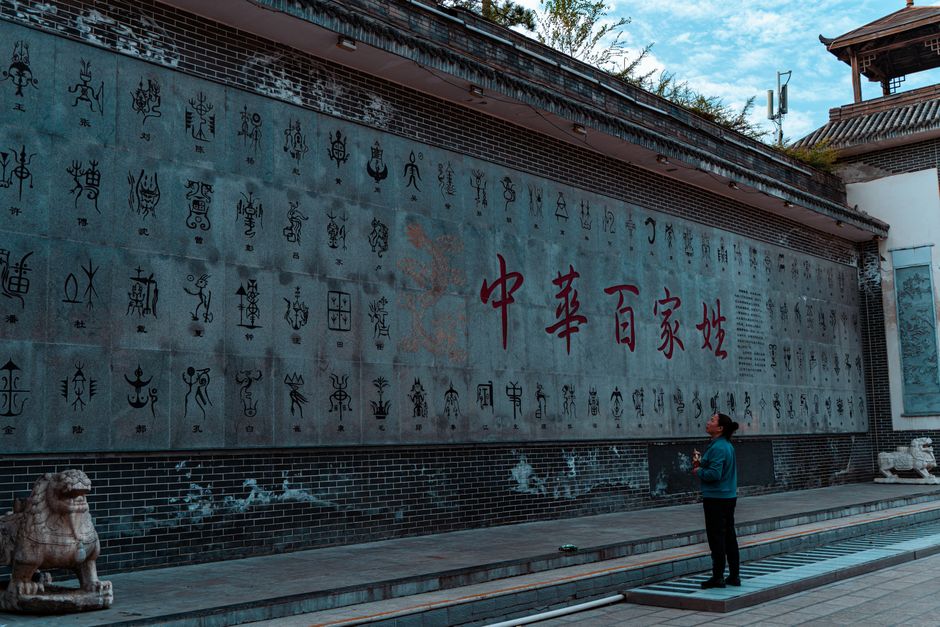
Back in the city, ascend the Xi'an City Walls. They are the most complete ancient fortifications in the world. Walk, cycle, or even take an electric cart along the 14-kilometer perimeter. This is your literal overview of the city's soul. At sunset, the light turns the grey bricks to warm gold, and the flags snap in the wind. Next, lose yourself in the sensory explosion of the Muslim Quarter. This isn't just a place to eat (though you must), but a living cultural tapestry. Navigate the narrow, buzzing main street, then dart into the quieter side alleys where life unfolds—children playing, old men smoking pipes, artisans at work. The Great Mosque at its heart is a serene oasis of classical Chinese garden architecture, a beautiful symbol of cultural integration.
For spiritual respite, visit the Big Wild Goose Pagoda. Built in the Tang Dynasty to house Buddhist sutras brought from India, it rises with elegant simplicity. The surrounding fountain square and gardens are a popular local haunt. A short distance away, the Shaanxi History Museum is essential context. Its treasures—from exquisite Tang goldware to primitive Neolithic pottery—tell the complete story of the region. Book your free ticket online in advance to avoid long lines. Finally, witness the city's heartbeat at the Bell and Drum Towers, standing sentinel at the city's central axis. Climb one for a classic photo opportunity, but be sure to see them illuminated at night, when they become majestic beacons against the dark sky, a perfect fusion of history and theatrical beauty.
Food and Drink: A Feast Forged on the Silk Road
Xi'an's cuisine is a robust, hearty, and flavor-packed reflection of its inland location and multicultural past. Wheat, not rice, is the staple here, and it is transformed into an art form. You have not truly experienced Xi'an until you've watched a chef perform the alchemy of biangbiang noodles. These are wide, belt-like noodles, hand-pulled and slapped against the counter with a theatrical "biang-biang" sound, then served in a fiery chili oil sauce with garlic and spices. It's a dish that engages all senses. Then there is the Chinese hamburger (roujiamo). Slow-braised, succulent pork (or beef in the Muslim Quarter) is chopped and stuffed into a flatbread that's been baked in a clay oven until crispy on the outside and soft within. It's simple, historic, and profoundly satisfying.
The Muslim Quarter is a street food paradise. Follow the aroma of cumin and sizzling fat to the yangrou paomo shops. Here, you'll be given a bowl of flatbread and tasked with tearing it into tiny pieces—a meditative pre-meal ritual. The bread is then taken back, stewed with shredded lamb, and returned as a fragrant, hearty soup. Skewers of grilled lamb, dusted with chili and cumin, are ubiquitous. For a unique drink, try a local pomegranate juice—Xi'an is famous for its pomegranates—freshly pressed and sweet-tart. In the morning, join locals at a breakfast stall for a bowl of hulatang, a fiery, viscous pepper soup. Dining in Xi'an is participatory, often messy, and always memorable. It's fuel for exploration, steeped in tradition.
Practical Tips: Navigating the Ancient Metropolis
Cash & Cards: While mobile payments (WeChat Pay/Alipay) dominate, have some Chinese Yuan (RMB) cash for small market stalls and street food vendors. International credit cards are accepted in larger hotels and some upscale restaurants, but don't rely on them exclusively. Getting Around: The metro is your best friend for covering longer distances (e.g., to the museum or train stations). For trips within the city walls, walking is ideal. Didi (China's Uber) works well, and taxis are plentiful and cheap—just have your destination written in Chinese characters to show the driver. Terracotta Army Logistics: Official tourist buses (游5) depart from the east square of the Xi'an Railway Station. Ignore touts offering "cheaper" rides. The journey takes about an hour. Respectful Exploration: Dress modestly when visiting active religious sites like the Great Mosque. A scarf to cover shoulders is useful. Always ask permission before photographing people, especially in the Muslim Quarter. Essential Items: Comfortable walking shoes are non-negotiable. Pack a refillable water bottle, hand sanitizer, tissues (public restrooms often lack toilet paper), and a scarf for sun, dust, or modesty.
Suggested Itinerary: A Four-Day Epic
Day 1: The Grand Opening. Morning: Arrive and settle into your accommodation. Afternoon: Ascend the City Walls via the South Gate. Rent a bicycle and cycle half or the full circuit as the afternoon light softens. Evening: Dive into the Muslim Quarter for a street food feast. See the Bell and Drum Towers illuminated.
Day 2: The Imperial Revelation. Dedicate the full day to the Terracotta Army. Leave early. Hire a guide on-site or arrange one through your hotel. Explore all three pits and the exhibition halls at a contemplative pace. Return to the city in the late afternoon. Enjoy a relaxed dinner of biangbiang noodles or roujiamo in a local restaurant.
Day 3: Cultural Depths. Morning: Visit the Shaanxi History Museum (book online in advance). Let the artifacts tell the broader story. Afternoon: Travel to the Big Wild Goose Pagoda. Explore the temple complex and the surrounding park. Evening: Attend the "Tang Dynasty Music and Dance Show" for a colorful, if touristy, performance of ancient arts, or explore the trendy bars and cafes in the Qujiang district.
Day 4: Hidden Gems & Farewells. Morning: Return to the Muslim Quarter to visit the serene Great Mosque and explore the quieter back alleys you missed. Alternatively, visit the Forest of Stelae Museum for incredible calligraphy. Afternoon: Last-minute souvenir shopping on Shuyuanmen Street (calligraphy treasures). One final bowl of yangrou paomo for the road before your departure.
Conclusion: The Echo in the Stone
Leaving Xi'an, you don't just carry photographs. You carry the echo of a city that has witnessed the full spectrum of human endeavor—the rise and fall of dynasties, the clamor of Silk Road markets, the silent prayers in stone pagodas. The Terracotta Army, in its magnificent silence, becomes a metaphor for the entire experience: a vast, powerful presence from the past, now uncovered, allowing you to stand face-to-face with history. But Xi'an is not a relic under glass. It is in the steam rising from a street-side wok, in the laughter of children chasing each other down a mossy alley, in the determined pedal of a cyclist on the ancient wall at dusk. It teaches you that civilization is not just about grand monuments, but about the enduring pulse of daily life that continues around them. You come for the warriors, but you leave with the soul of an ancient capital etched into your memory, a story written not just in clay and stone, but in spice-scented air and golden twilight. Xi'an awaits your scene in its never-ending epic.
Frequently Asked Questions (FAQ)
Is two days enough to see Xi'an?
Two days will allow you to see the absolute highlights—the Terracotta Army and a quick tour of the city walls and Muslim Quarter—but it will feel rushed. Xi'an's depth rewards a more leisurely pace. Ideally, allocate three to four full days to explore the major sites comfortably, absorb the atmosphere, and savor the food culture without constant time pressure.
Is the Muslim Quarter safe and welcoming to tourists?
Yes, absolutely. The Muslim Quarter is one of Xi'an's most popular and vibrant tourist destinations. The locals are accustomed to visitors and are generally welcoming. As with any crowded market in the world, be mindful of your belongings to guard against pickpockets, and be respectful when taking photographs. It is a safe and essential part of the Xi'an experience.
What is the best way to get to the Terracotta Army from downtown?
The most straightforward and reliable method is the official tourist bus (游5), which departs from the east square of the Xi'an Railway Station. It's inexpensive and direct. Alternatively, you can book a private driver or a guided tour that includes transport. Avoid unmarked buses or aggressive touts offering "special deals" at the station.
Can I visit the Terracotta Army and the City Walls in the same day?
Technically yes, but it's not recommended. The Terracotta Army is about an hour's journey each way and deserves a half-day minimum to appreciate fully. Pairing it with another major activity will lead to exhaustion. It's best to dedicate a full morning/afternoon to the warriors and explore the City Walls, which are within the city, on a separate day, ideally at sunset.
What should I pack specifically for Xi'an?
Beyond general travel items, prioritize extremely comfortable walking shoes—you will be on your feet for hours on hard stone and concrete. A scarf or hat for sun protection (on the walls) and for modesty in religious sites is versatile. Pack layers, as temperatures can swing. Hand sanitizer and tissues are daily essentials for exploring and eating street food.
Is English widely spoken in Xi'an?
In major tourist areas like the Terracotta Army museum, the Bell Tower, and larger hotels, you will find some English signage and staff with basic English. However, outside these zones, English proficiency is limited. It's very helpful to have your hotel's name and key destinations (written in Chinese characters) saved on your phone to show taxi drivers. A translation app is invaluable.


No comments:
Post a Comment