
Hangzhou: Where the Mist Kisses the Lake and Time Slows to a Poet's Pace
Introduction: The First Breath of a Dream
The first time you see West Lake, it feels less like an arrival and more like a remembering. The air, thick with the scent of damp earth and sweet osmanthus, carries a cool mist that brushes your face with the gentleness of a silk fan. Before your eyes, a landscape scroll painted by a master's hand unfurls in real time. Jagged, forested hills, softened by haze, cradle a vast expanse of water so still it perfectly mirrors the weeping willows that trail their fingers in its surface. A lone wooden boat, a mere silhouette, glides soundlessly from behind an island, its wake a temporary scar on the glassy plane that heals instantly. This is Hangzhou, a city that doesn't just occupy space but exists within a poem, a living testament to a thousand years of cultivated beauty where nature and human artistry have conspired to create something sublime.
To call Hangzhou merely a "picturesque city" is to call a symphony merely a collection of notes. It is an emotion, a state of being. For centuries, it has been the muse for emperors, poets, painters, and monks. Marco Polo reportedly described it as "the finest and most splendid city in the world." Today, that splendor is not found in towering skyscrapers—though they glimmer respectfully in the distance—but in the delicate curve of a pagoda roof against a twilight sky, in the intricate lattice of a stone bridge, in the silent concentration of an elder practicing Tai Chi at dawn with the lake as his witness. The city's rhythm is dictated by the slow turn of seasons across the lake, the bloom of lotus flowers in summer, the fiery maple leaves in autumn, the dusting of snow on the Broken Bridge in winter, and the explosion of peach blossoms in spring.
Walking along the Su Causeway, a serpentine path dividing the lake, you are walking in the footsteps of the Northern Song Dynasty poet-governor Su Dongpo, who ordered the dredging of the lake and created this very path. The history here isn't locked in museums; it's in the stones beneath your feet, the ancient trees that canopy the path, the very light that filters through them. You hear the soft pluck of a *guzheng* (Chinese zither) melody drifting from a teahouse, the rhythmic slap of water against a dock, the distant laughter of children chasing kites on a grassy bank. Hangzhou engages all your senses, asking not for hurried sightseeing, but for contemplative immersion. It invites you to sit on a weathered bench, sip a cup of Longjing tea, and simply watch the clouds drift and the light change, understanding in your bones why this place has been synonymous with paradise for a millennium.
Why Visit Hangzhou: The Soul of Southern China
You visit many cities to see what humanity has built. You come to Hangzhou to feel what humanity has cherished. The core of its appeal is an almost spiritual dialogue between landscape and culture. West Lake is the beating heart, but its arteries extend into lush bamboo forests, serene temple complexes, and vibrant historic neighborhoods. It's a masterclass in classical Chinese aesthetics, where every view is "borrowed," every structure positioned to create a perfect, framed picture. You'll find the harmony of yin and yang in the balance between water and hill, open space and intimate garden, bustling market and silent monastery.
Beyond the postcard-perfect scenery, Hangzhou offers a profound sense of tranquility that is increasingly rare in the modern world. It's a city that has mastered the art of peaceful coexistence—between past and present, urban energy and natural serenity. One moment you're in the hushed, incense-filled halls of the Lingyin Temple, watching monks chant amidst ancient rock carvings, and the next you're on the cutting-edge, architecturally stunning campus of Alibaba, a symbol of China's tech future. This duality is seamless. Hangzhou proves that progress doesn't have to bulldoze poetry; it can be built alongside it.
For the traveler, this translates to an experience that nourishes rather than exhausts. It's for the romantic, the philosopher, the tea lover, the hiker, the food enthusiast, and the history buff. It's for anyone weary of the frantic pace of modern travel, anyone seeking a destination that rewards stillness and observation. Hangzhou doesn't shout its wonders; it whispers them, and in that whisper, you find a deeper connection—to the place, to its history, and to a more measured way of being. It's less a checklist of attractions and more a sanctuary for the senses.
When to Visit: The City in Four Acts
Hangzhou is a chameleon, dramatically transforming its palette and mood with each season, offering compelling reasons to visit year-round.
Spring (March to May): This is arguably Hangzhou's most celebrated season, when the city shakes off the winter chill and erupts in a soft-focus dream of pastels. The air is cool and fragrant. Peach and plum blossoms paint the lakeshore in pinks and whites, while willows don their first tender green leaves. The weather is ideal for long, ambling walks. While it can be crowded during holidays like Qingming Festival, the sheer beauty of the rebirth makes it worth navigating the extra people. Pack a light jacket for the occasional drizzle—the famous "misty rain of West Lake" is at its most poetic during this time.
Summer (June to August): The city grows lush and vibrant, with the iconic lotus flowers covering parts of the lake in a sea of green pads and delicate pink blooms. The heat and humidity rise significantly, bringing a tropical heaviness to the air. Mornings and late afternoons are the best times for exploration. This is also the season for the spectacular Impression West Lake outdoor light and music show, set on the lake itself. Be prepared for summer showers and larger crowds of domestic tourists.
Autumn (September to November): My personal favorite. The humidity breaks, the sky turns a crystalline blue, and the air is crisp and clean. The maple trees at Solitary Hill and around the temples ignite in fiery reds, oranges, and yellows, reflecting stunningly in the lake. The Mid-Autumn Festival, with mooncakes and lanterns by the lake, is magical. The weather is perfect for hiking in the surrounding hills and enjoying the golden-hour light, which seems to gild the entire city.
Winter (December to February): Cold and often damp, winter offers a stark, minimalist beauty. Crowds thin dramatically, granting you a more solitary communion with the landscape. If you are lucky enough to witness a snowfall, you'll see a scene straight from an ink-wash painting: the "Broken Bridge in the Remaining Snow" is a famed vista where the bridge appears broken as snow melts only on its top surface. It's a time for cozy teahouse visits and appreciating the elegant, bare-branched silhouettes of the trees against the grey sky.
How to Get There: Gateways to Paradise
Reaching Hangzhou is a straightforward affair, thanks to its status as a major hub in eastern China. The city is exceptionally well-connected.
By Air: Hangzhou Xiaoshan International Airport (HGH) is a modern, spacious gateway located about 27 kilometers east of the city center. It hosts a growing number of international flights from major Asian and European hubs, as well as extensive domestic connections. From the airport, the most efficient way to downtown is by taxi (a 45-60 minute ride, depending on traffic) or by using the modern metro Line 1, which connects directly to the West Lake area in about an hour.
By High-Speed Train: This is often the most scenic and efficient method from within China. Hangzhou boasts several major train stations, with Hangzhou East Railway Station being the primary hub for high-speed services. The bullet train from Shanghai takes a mere 45-60 minutes, whooshing you from the futuristic skyline of Pudong to the poetic shores of West Lake in less time than it takes to watch a movie. Connections from Beijing (5-6 hours), Suzhou, and Nanjing are also frequent and comfortable.
By Road: An extensive network of highways links Hangzhou to neighboring cities. While buses are available, the convenience and speed of the train make it the superior choice for most travelers. Once in the city, the Hangzhou metro system is clean, efficient, and expanding, though the core West Lake area is best explored on foot, by bicycle, or by using the ubiquitous ride-hailing apps.
Accommodation: From Lakeside Dreams to Bamboo Retreats
Where you stay in Hangzhou profoundly shapes your experience. The city offers a spectrum of lodgings, each providing a different lens through which to view its charm.
For the quintessential Hangzhou immersion, choose a hotel or guesthouse with a view of, or easy walking access to, West Lake. Waking up to a misty lake view from your balcony is unforgettable. Options range from historic, state-run hotels like the iconic Shangri-La Hotel, Hangzhou, which has hosted dignitaries for decades, to boutique properties tucked into old villas. The area around the lake is relatively quiet at night, perfect for those seeking serenity.
The Xixi National Wetland Park area offers a completely different, nature-immersed stay. Here, you can find exquisite resorts set within the wetlands, where your room might be a modern interpretation of a waterside cottage, accessible only by boat. Falling asleep to the chorus of frogs and waking to birdsong is a world away from the city buzz, yet it's still just a short drive from the lake.
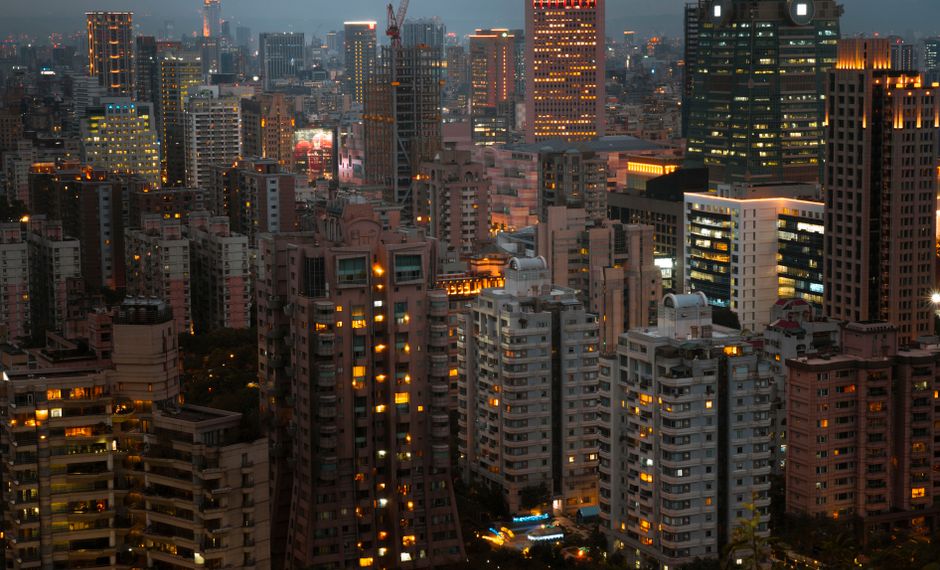
For a taste of local life and more budget-friendly options, look to the Qinghefang Historic Street area or the neighborhoods just east of the lake. Here, you'll find charming guesthouses (*kezhan*) in traditional buildings, with wooden beams and tiled courtyards. The streets are lively with snack stalls and shops, placing you right in the heart of the old city's vibrant energy. For the modern traveler, the Qianjiang New City area across the Qiantang River boasts gleaming skyscrapers with international luxury hotel brands, offering panoramic city views and a taste of Hangzhou's dynamic, contemporary pulse.
Things to Do: Composing Your Own Poem
In Hangzhou, doing is often synonymous with being. The activities are less about adrenaline and more about absorption.
Your journey must begin with a circumnavigation of West Lake. Don't just see it from one angle; walk its 15-kilometer perimeter, or rent a bicycle from one of the many public stations. Each step offers a new vista: the Leifeng Pagoda standing sentinel on a southern hill, the Three Pools Mirroring the Moon islets, the graceful arches of the Nine-Turn Bridge. Take a boat ride to the middle of the lake. From the water, the city recedes, and you're surrounded by nothing but hills, sky, and water—a perspective that has inspired countless artists.
Venture into the Longjing (Dragon Well) Tea Plantations in the hills west of the lake. Here, the air is cooler and smells of damp soil and fresh leaves. Rows of meticulously maintained tea bushes carpet the rolling hills in a vibrant, almost unreal green. Visit a local farmhouse, where a family might invite you in for a tasting. Watch as they pour hot water into a glass, the tea leaves dancing and unfurling, releasing a clean, chestnut-like aroma. Sipping this tea, grown on the very hillside you're gazing upon, is a ritual of pure connection.
Seek spiritual solace at Lingyin Temple (Temple of the Soul's Retreat). The approach is through a forested valley lined with hundreds of ancient Buddhist rock carvings etched into the feilai ("flew here") limestone cliffs. The temple complex itself is vast and solemn, with multiple grand halls housing magnificent statues, the air thick with the scent of sandalwood incense. The sound of chanting and the low gong of a bell create an atmosphere of deep peace.
For a touch of whimsy and unparalleled views, hike or take the elevator up to the Six Harmonies Pagoda (Liuhe Ta) on the north bank of the Qiantang River. This octagonal pagoda, built to calm the river's tidal bore, offers a stunning panoramic view of the river winding through the city and the hills beyond. It's a different, more commanding perspective of Hangzhou's geography.
Finally, lose yourself in the bustling, sensory overload of Qinghefang Ancient Street. This restored pedestrian street is a living museum of traditional shopfronts selling silk, fans, herbs, and snacks. The smell of stinky tofu, sweet pastries, and roasting chestnuts fills the air. It's touristy, yes, but vibrantly alive, a cacophony of commerce that has echoed here for centuries.
Food and Drink: A Feast for the Senses
Hangzhou cuisine, part of the refined Zhejiang school, is known for its freshness, mild sweetness, and beautiful presentation. It's a cuisine that mirrors the landscape: elegant, balanced, and seasonal.
No meal is complete without tasting the holy trinity of Hangzhou dishes. Dongpo Pork, named after the poet Su Dongpo, is a sublime block of braised pork belly, slow-cooked in soy sauce and wine until it achieves a mahogany hue and a texture so tender it melts on your tongue, the fat rendered into pure, savory silk. West Lake Vinegar Fish is a study in perfect simplicity: a fresh grass carp from the lake, poached and served with a sweet, sour, and subtly savory vinegar-based sauce that glazes the tender, flaky flesh. Longjing Shrimp is the essence of spring: plump river shrimp stir-fried with fresh Dragon Well tea leaves, resulting in a dish that is startlingly fresh, with a delicate, aromatic bitterness from the tea.
For a truly local experience, seek out Kong Yiji restaurant (named after a Lu Xun character) or the bustling Zhiweiguan for their classic preparations. Wander the food stalls on Hefang Street for snacks: try the Beggar's Chicken (a whole chicken baked in clay), crispy shengjian (pan-fried pork buns), or a sweet, sticky slice of osmanthus cake.
And of course, there is tea. Visiting a teahouse is non-negotiable. Skip the tourist traps by the lake and find a quiet one in the hills or a traditional house. The ritual is as important as the drink. They will give you a tall glass, a packet of tea leaves, and a thermos of hot water. Your job is to sit, pour, watch, sip, and refill, as the leaves slowly release their story. It's a meditation in a cup, the very spirit of Hangzhou distilled into a warm, fragrant brew.
Practical Tips: Navigating the Poetic Realm
Cash & Cards: While mobile payments (Alipay/WeChat Pay) are ubiquitous, having some Chinese Yuan (RMB) cash is wise for small vendors, temples, and some taxis. International credit cards are accepted in larger hotels and restaurants.
Getting Around: The metro is excellent for covering longer distances. For the West Lake area, walking and cycling are king. Public bicycles are abundant—look for the red "Hangzhou Public Bicycle" kiosks. Didi (China's Uber) is reliable. Taxis are affordable but can be hard to hail during peak hours; use ride-hailing apps instead.
Language: Basic Mandarin phrases are helpful. While younger people and those in tourism may know some English, don't count on it. Have your hotel's name and address written in Chinese to show taxi drivers. A translation app is invaluable.
Etiquette: Temples are active places of worship. Dress modestly, speak quietly, and avoid touching statues. When someone pours tea for you, tap two fingers on the table as a silent "thank you."
Must-Buy Souvenirs: Authentic Longjing tea (buy from the plantations or reputable state-run stores), fine Hangzhou silk (scarves, pajamas), and elegant handmade folding fans or paper umbrellas from Hefang Street.
Suggested Itinerary: Three Days in a Scroll
Day 1: The Heart of the Lake. Start early with a walk along the Bai Causeway to Solitary Hill. Visit the Zhejiang Provincial Museum for context. Take a boat to Mid-Lake Pavilion and Three Pools Mirroring the Moon. Have lunch at a lakeside restaurant for vinegar fish. In the afternoon, stroll the Su Causeway by bike. As dusk falls, find a spot to watch the sunset over Leifeng Pagoda. Dine on Dongpo Pork in the Nanshan Road area.
Day 2: Hills, Temples, and Tea. Head west to the Longjing Tea Plantations. Walk among the bushes, visit a farmhouse for a tasting. Have a simple农家菜 (nongjiacai) farmhouse lunch. In the afternoon, proceed to Lingyin Temple and the Feilai Feng Grottoes. Allow at least 3 hours to explore the carvings and temple halls. Return to the city and experience the evening bustle and street food of Qinghefang Ancient Street.
Day 3: Culture and River Views. Morning visit to the China National Silk Museum (free, fascinating, and beautifully designed). Then, travel to the Six Harmonies Pagoda for panoramic views of the Qiantang River. If time permits, explore the serene waterways of Xixi National Wetland Park via boat. For your final evening, book tickets for the breathtaking Impression West Lake outdoor show (seasonal), a stunning performance on the water itself directed by Zhang Yimou.
Conclusion: The Lingering Mist
Leaving Hangzhou, you don't feel like you're departing a tourist destination. You feel like you're waking from a particularly vivid and peaceful dream. The sensations linger: the cool mist on your skin at dawn, the vegetal scent of steeping Longjing tea, the taste of sweet vinegar on fresh fish, the sound of silence broken only by a distant oar dipping into the lake. The city's beauty is not aggressive; it doesn't stun you into submission. Instead, it seeps into you, gently rearranging your internal pace to match its own graceful rhythm.
Hangzhou teaches you that the most profound travel experiences are often the quietest. It's in the pause between footsteps on an ancient causeway, in the moment you truly see the reflection of a pagoda in the still water, in the warmth of a tea cup held between your hands as you watch the world go softly by. It is a living heirloom, a city that has carefully preserved its soul amidst the rush of the new. You come for the legendary West Lake, but you leave with something more intangible—a sense of calm, a touch of poetry, and a promise to yourself to return, to once again step into the painting and breathe the air of paradise.
Frequently Asked Questions (FAQ)
Is two days enough to see Hangzhou?
Two days allows you to see the major highlights around West Lake and one other key site like Lingyin Temple. You'll get a strong impression, but it will feel rushed. To truly absorb the city's pace and explore the tea plantations, wetlands, and museums comfortably, a minimum of three to four full days is recommended.
What is the best way to experience West Lake?
The best way is multi-faceted. Walk or cycle part of the shoreline to feel its scale, then take a boat to the middle to appreciate its panorama from the water. Crucially, visit at different times of day—early morning for misty serenity, afternoon for vibrant activity, and evening for the magical play of city lights on the water.
Is Hangzhou suitable for families with young children?
Absolutely. The lake area is largely flat and stroller-friendly, with plenty of open green spaces for kids to run. Boat rides are a hit, and the zoo and aquarium near the lake are good options. The key is to plan relaxed days with plenty of breaks, avoiding the temptation to over-schedule temple visits.
How do I ensure I'm buying authentic Dragon Well (Longjing) tea?
For guaranteed authenticity, buy directly from the certified tea farms in the Longjing village area or from reputable, state-run stores like the Hangzhou Tea Factory. Be wary of cheap tea sold in tourist markets. Real Longjing tea has a flat, smooth leaf, a jade-green color, and a distinctive chestnut-like aroma.
Can I visit Hangzhou as a day trip from Shanghai?
Logistically, yes—the high-speed train makes it very easy. However, a day trip only gives you about 6-8 hours in the city, which forces you to rush through the West Lake sights. You'll miss the different moods of the lake at various times and have no chance to explore the hills or temples deeply. An overnight stay is highly preferable.
What should I pack for a trip to Hangzhou?
Comfortable walking shoes are essential. Pack layers, as weather can change, and always include a light rain jacket or umbrella for the famous "misty rain." In summer, bring sunscreen, a hat, and mosquito repellent. A reusable water bottle is useful, and a power bank for your phone is handy for navigation and translation apps.


No comments:
Post a Comment