
Asinara National Park: The Ultimate Visitor's Guide | Tips, Trails & Things to Know
Introduction
Emerging from the sapphire waters of the Mediterranean Sea, Asinara National Park is not just an island, but a world apart. Located off the northwestern tip of Sardinia, Italy, this 52-square-kilometer (20-square-mile) sanctuary is a tapestry of stark, windswept beauty, profound history, and remarkable ecological recovery. Once a quarantine station, agricultural penal colony, and high-security prison, Asinara has undergone a dramatic transformation. Today, it is a protected marine and terrestrial park, a story of nature reclaiming its space with breathtaking results. Its significance is underscored by its status as a Marine Protected Area and a key site for the conservation of Mediterranean biodiversity.
What makes Asinara globally unique is its population of pure white Albino donkeys (the name "Asinara" is thought to derive from the Latin *sinuaria*, meaning "sinuous," but is popularly linked to these *asini bianchi*), alongside wild horses, mouflon, and boar. Its coastline is a dramatic succession of limestone cliffs, hidden coves with bone-white pebble beaches, and waters so clear they defy description, sheltering seagrass meadows (*Posidonia oceanica*) and rich marine life. The island's elevation ranges from the serene shoreline up to **408 meters (1,339 feet)** at Punta della Scomunica, offering panoramic vistas. With visitor numbers carefully managed to preserve its fragile ecosystem, receiving around **75,000** nature-seekers annually, Asinara offers an escape into a raw, contemplative, and unforgettable landscape. This guide will navigate you through the essentials: the best times to visit for ideal conditions, the top trails and secluded beaches, practical fees and booking procedures, limited lodging options, and insider tips to experience the soul of this extraordinary island.
Quick Park Facts
- Year Established: 1997 (as a National Park), 2002 (Marine Protected Area).
- Size: 5,200 hectares (12,850 acres) of land; 21,000 hectares (51,900 acres) of marine area.
- Annual Visitors: Approximately 75,000.
- Highest Elevation: Punta della Scomunica at 408 meters (1,339 ft).
- Lowest Elevation: Sea level.
- Entrance Fee: No traditional "entrance fee," but access is controlled via ferry/tour services from Porto Torres or Stintino. Ferry prices range from €20-€30 for a return ticket. Guided tour packages (including transport) start at €50.
- Lodging: One primary hotel (Foresteria) and a small hostel in Cala d'Oliva. No independent camping is allowed.
- Pets Policy: Dogs are generally not permitted on the island to protect the native wildlife, with very limited exceptions for small pets on specific guided tours (must be confirmed in advance and kept on a leash).
- Nearest Airports: Alghero-Fertilia (AHO) - 45 min to Porto Torres; Olbia Costa Smeralda (OLB) - 2 hours to Porto Torres.
- Gateway Towns: Porto Torres (main ferry departure) and Stintino (tour boats).
- Accessibility Highlights: The main visitor center in Fornelli is accessible. Some adapted tours via electric minibus or boat are available. Terrain is generally rugged; contact park operators in advance for specific needs.
Best Times to Visit Asinara National Park
Asinara's charm shifts dramatically with the seasons, and your experience will be deeply influenced by when you choose to go. The island is open year-round, but accessibility and services vary.
Spring (March - May)
This is arguably the most glorious season. Temperatures range from a pleasant **15°C to 23°C (59°F to 73°F)**. The winter rains transform the island into a green oasis dotted with wildflowers—rockroses, orchids, and bursts of yellow broom. Wildlife, including the iconic white donkeys and their foals, is active. Crowds are minimal before late May. The sea is still cool but swimmable for the hardy by late May. Pros: Ideal hiking weather, vibrant landscapes, fewer visitors. Cons: Some boat services may have reduced schedules; sea can be choppy in early spring.
Summer (June - August)
High season brings hot, dry weather with temperatures from **25°C to 32°C (77°F to 90°F)**, often tempered by a constant sea breeze. This is the time for swimming, snorkeling, and boating in the crystalline waters. All ferry and tour services operate at full capacity. However, this means peak crowds, especially in August. The sun is intense, and shade is scarce on trails. Wildlife viewing is best in the early morning or late evening. Pros: Full access to all services, perfect sea conditions, long days. Cons: Can be crowded, very hot for strenuous hiking, need to book everything well in advance.
Fall (September - November)
A spectacular shoulder season. September retains summer warmth (**22°C to 28°C / 72°F to 82°F**) with far fewer crowds, making it a top recommendation. The sea is at its warmest. By October and November, temperatures cool to **15°C to 22°C (59°F to 72°F)**, and the first autumn rains return color to the landscape. The *maquis* scrubland emits a fragrant scent. Tourist services begin to wind down from mid-October. Pros: Excellent weather, warm sea, fewer people, beautiful light. Cons: Increasing chance of windy/rainy days later in the season, reduced tour options.
Winter (December - February)
For the true adventurer. The island is quiet, moody, and swept by powerful winds (*maestrale*). Temperatures range from **8°C to 15°C (46°F to 59°F)**, and rain is common. Most tourist boats do not operate; access is limited to pre-arranged private tours or the scheduled ferry for researchers/residents. The landscape is raw and dramatic. Pros: Solitude, dramatic photography, low costs. Cons: Very limited access and services, some facilities closed, weather can be severe.
Shoulder Season Recommendation: For the best balance of great weather, manageable crowds, and full services, target **late May/early June or the entire month of September**.
Top Things to Do in Asinara National Park
Iconic Scenic Drives & Tours
Private vehicles are prohibited. Exploration is by authorized electric minibus, bike, or boat tour.
Full-Island Minibus Tour: The classic introduction. A 5-6 hour guided circuit covering **~50 km (31 miles)**, departing from Fornelli or Cala Reale. You'll see the prison complex at Fornelli, the stunning lookout at Punta Sabina, the historic villages of Cala d'Oliva and Cala Reale, and the stark beauty of the western cliffs.
Western Coast Boat Tour: Essential to appreciate Asinara's coastline. Tours from Stintino or Porto Torres circle the island, allowing you to admire sea caves, cliffs, and remote beaches like Cala Sant'Andrea and Trabuccato only accessible from the water. Often includes a snorkeling stop.
Electric Bike Rental: For the independent explorer. Rent an e-bike at Fornelli and follow the main paved road network. Allows you to set your own pace, stop for photos, and reach quieter corners like the former prison farm at Campu Perdu.
Best Hiking Trails
Easy:
Cala Reale to Cala d'Oliva Path: A flat, scenic **3 km (1.9 mi)** coastal walk on a paved path connecting the two main historical settlements. Passes by the old hospital and offers constant sea views. Time: 45 min one-way.
Punta Scorno Loop: An easy **2 km (1.2 mi)** loop from Fornelli with minimal elevation. Leads to a panoramic point overlooking the harbor and the Sardinian mainland. Great for sunset. Time: 40 min.
Moderate:
Monte Castellaccio Ascent: A rewarding climb to one of the island's highest points (**247 m / 810 ft**). The trail from Cala d'Oliva is **4 km (2.5 mi)** round trip with an elevation gain of **180 m (590 ft)**. The 360-degree view encompasses the entire island and Corsica on clear days. Time: 1.5-2 hours.
Trail to Punta della Scomunica: The hike to Asinara's highest point starts near Campu Perdu. It's a **6 km (3.7 mi)** round-trip trek with **280 m (920 ft)** of gain over rocky terrain. The summit offers a breathtaking, wild panorama. Time: 2.5 hours.
Strenuous:
Cross-Island Trek (North to South): For experienced hikers with a guide. A full-day trek covering **~15 km (9.3 mi)** from Cala d'Oliva to Fornelli, traversing the island's rugged interior, passing old *stazzi* (farmsteads), and encountering wildlife. Significant elevation change. Time: 5-6 hours.
Wildlife Viewing Hotspots
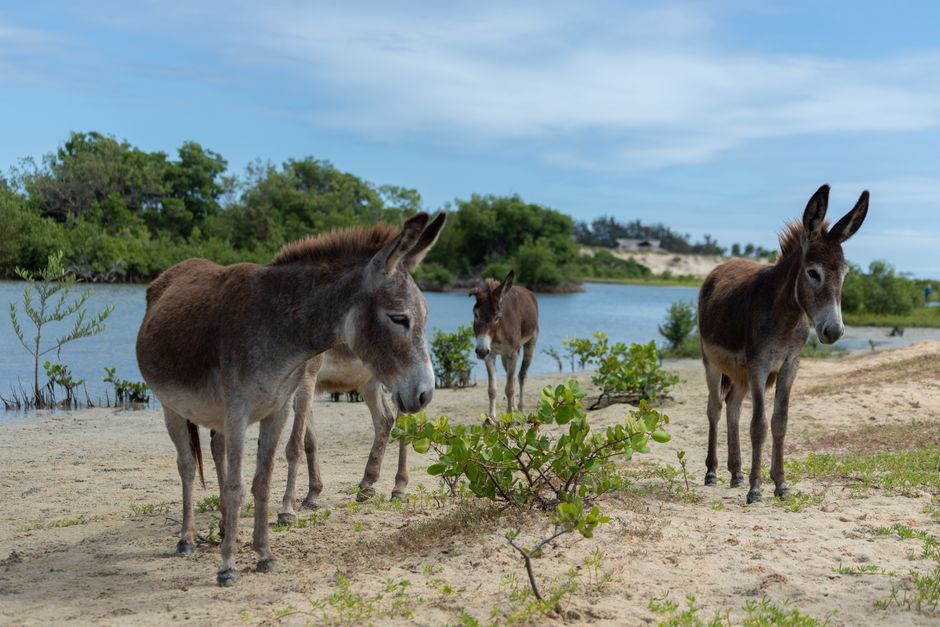
The star is the Albino donkey; look for small herds in the central plains around Campu Perdu and along the road between Cala Reale and Cala d'Oliva, especially at dawn or dusk. The Asinara horse (a small, hardy breed) and Sardinian mouflon (wild sheep) are often spotted on the slopes of Monte Castellaccio and in the northern scrublands. Wild boar are more secretive. Birdwatchers should look for Eleonora's falcons nesting on sea cliffs in summer, along with peregrine falcons, shags, and Audouin's gulls. The marine life is superb; snorkel or take a glass-bottom boat tour to see groupers, moray eels, octopus, and loggerhead sea turtles.
Ranger-Led Programs
The park authority offers excellent guided activities (in Italian, with some English options in peak season). These include: Wildlife Watching Tours focused on donkeys and birds; Historical Tours of the prison complexes at Fornelli and Cala Reale; Snorkeling Excursions to protected marine areas; and Thematic Hikes on geology or botany. Book in advance through the park's official website or at the Fornelli info point.
Photography Hotspots
1. Punta Sabina: For iconic wide-angle shots of the layered limestone cliffs and turquoise sea.
2. Cala d'Oliva Village: The cluster of simple, whitewashed fishermen's houses against the blue sea is profoundly picturesque, best in morning light.
3. Campu Perdu at Golden Hour: The rolling fields are magical for silhouettes of white donkeys and horses during sunrise or sunset.
4. The "Rabbit's Hole" (Buca del Coniglio): A natural rock arch on the western coast, spectacular from a boat or drone.
5. Fornelli Prison: The stark, imposing architecture provides powerful, somber images, with dramatic light and shadow contrasts.
Where to Stay
Accommodation on Asinara is intentionally limited to preserve the environment. Advance booking is absolutely essential.
Lodges & Cabins
Foresteria di Asinara: The island's main hotel, located in the Cala Reale complex. It offers simple but comfortable rooms in a historic building. Price range: $$-$$$ (€100-€180 per night). Includes half-board. Reservations open months in advance; book directly via the park's concessionaire website.
Ostello di Asinara: A small, basic hostel in Cala d'Oliva, perfect for budget travelers and groups. Offers dormitory-style rooms. Price range: $ (€30-€50 per person). Often booked by educational groups.
Campgrounds
There are no traditional drive-in or tent campgrounds for the general public on Asinara. Independent camping is strictly forbidden to protect the ecosystem. The only camping-like experience is through authorized educational or scientific groups with special permits.
Gateway Communities
Most visitors stay on the Sardinian mainland and visit Asinara as a day trip.
Stintino: A charming fishing village turned tourist hub, famous for La Pelosa beach. Located 15 minutes from the Porto Torres ferry terminal. Offers a wide range of hotels, B&Bs, and vacation rentals ($$-$$$$).
Porto Torres: The practical ferry departure point. More of a working port city with functional hotels and B&Bs ($-$$). Convenient for early morning departures.
Alghero: A beautiful Catalan-influenced city about 45 minutes south of Porto Torres. Offers the widest selection of upscale lodging, restaurants, and nightlife ($$-$$$$), making it a great base for exploring the region.
How to Get to Asinara National Park
Reaching Asinara is part of the adventure, as it involves a boat crossing. The island has three main access points: Fornelli, Cala Reale, and Cala d'Oliva.
Primary Gateway: Porto Torres. From here, the year-round public ferry service (managed by Delcomar) departs for Fornelli (the main visitor hub) and Cala Reale. The crossing takes about 30-45 minutes. You must book ferry tickets in advance, especially in summer.
Secondary Gateway: Stintino. During the tourist season (April-October), numerous private tour operators run passenger boats from Stintino's port to various points on Asinara, often Fornelli or on guided tours. These are often combined with island tours.
Nearest Airports: Alghero-Fertilia (AHO) is the closest, a 45-minute drive to Porto Torres. Olbia Costa Smeralda (OLB) is about a 2-hour drive. Both have major rental car agencies. A car is highly recommended for flexibility on the mainland.
Public Transportation: Buses connect Alghero and Olbia to Porto Torres (ARST lines). From the Porto Torres bus station, it's a short taxi ride to the ferry terminal (Marittima). There is no direct public shuttle from the airports to the ferry terminals.
Driving Distances & Times to Porto Torres Ferry Terminal:
- From Alghero: 35 km, 45 minutes.
- From Olbia: 130 km, 2 hours.
- From Sassari: 18 km, 25 minutes.
Entrance Fees, Passes & Reservations
Asinara National Park uses a controlled access system rather than a classic entrance gate fee.
Ferry Ticket: This is your de facto entrance ticket. A standard return ticket from Porto Torres to Fornelli costs approximately €20-€25 per person. Bikes cost extra.
Guided Tour Packages: Most visitors purchase a package that includes the boat transfer plus a guided minibus tour of the island. These range from €50 to €80 per person depending on length and inclusions (e.g., lunch, snorkeling).
Park Visitor Tax: A small daily park access fee (€1-€3) is sometimes included in your tour/ferry ticket price.
Reservations: Timed entry reservations are not required for the park itself, but they ARE absolutely required for the ferry or tour boat crossing. You must book your boat ticket in advance online or via phone, especially from June to September. Spots sell out days or weeks ahead.
Passes: The Interagency Annual Pass (America the Beautiful) is not applicable. The park may offer multi-day tour packages but not an annual entrance pass for individuals.
Packing Essentials & Gear Recommendations
Packing correctly is crucial for comfort and safety on this exposed island.
Year-Round Essentials: Sturdy, broken-in hiking shoes for rocky trails. A wide-brimmed hat, high-SPF sunscreen, and sunglasses—the Mediterranean sun and reflected light from white limestone are intense. A refillable water bottle (at least 2 liters per person); while there are a few bars, natural water sources are scarce. A small backpack for day trips.
Clothing: Dress in lightweight, breathable layers. Even in summer, a windbreaker or light fleece is useful for boat rides and breezy evenings. Long, lightweight pants protect from sun and scratchy undergrowth.
Summer Additions: Swimwear, quick-dry towel, snorkel gear (you can rent, but bringing your own is more hygienic), sandals for the beach.
Spring/Fall Additions: A warmer mid-layer, a waterproof/windproof jacket, and long pants.
Safety & Navigation: A basic first-aid kit, blister treatment. A physical map or downloaded offline map (cell service is spotty). A power bank for your phone. Bear spray is not needed (no large predators).
Photography: A polarizing filter is invaluable for cutting glare on the water. A zoom lens (70-200mm) for wildlife (donkeys, birds) and a wide-angle lens for landscapes. Drone use is heavily restricted; check park regulations before bringing one.
Accessibility Information
Asinara's rugged, natural terrain presents challenges, but some accessible options exist.
Visitor Centers: The main information point at Fornelli, where ferries arrive, is wheelchair accessible. The Cala Reale area also has accessible pathways around the main historic buildings.
Trails: There are no paved trails designed specifically for wheelchairs. The paved path connecting Cala Reale to Cala d'Oliva (approx. 3 km) is flat and smooth, potentially manageable with assistance. All other trails are natural surface, rocky, and involve elevation changes.
Tours: The park's authorized tour operators offer accessible electric minibus tours that can accommodate foldable wheelchairs. These tours allow visitors to see the island's highlights from the vehicle and at designated stops. Some boat tour operators in Stintino may have vessels with boarding assistance; inquire directly when booking.
Service Animals: Service animals are permitted but must be declared in advance when booking transport and tours due to the island's strict animal import rules to protect its endemic species.
Lodging: The Foresteria hotel in Cala Reale has a limited number of accessible rooms. It is vital to confirm specific needs at the time of booking.
Sample 3-Day and 5-Day Itineraries
3-Day Highlights Itinerary
Day 1: Arrival & Western Wonders. Take an early ferry from Porto Torres to Fornelli. Join a guided full-island minibus tour to get your bearings, see the prisons, Punta Sabina, and Cala d'Oliva. Overnight at the Foresteria or return to mainland (Stintino).
Day 2: History & Hiking. Ferry back to Fornelli. Explore the Fornelli prison complex and museum. In the afternoon, hike the moderate Monte Castellaccio trail from Cala d'Oliva for stunning views. Enjoy sunset at Punta Scorno.
Day 3: The Blue Realm. Book a boat tour and snorkeling excursion from Stintino or Fornelli. Explore the marine protected area, see the western cliffs from the water, and swim in pristine coves like Cala Sant'Andrea. Depart in the late afternoon.
5-Day In-Depth Itinerary
Days 1 & 2: Follow the 3-day itinerary, but spend both nights on the island at the Foresteria for a more immersive experience.
Day 3: Northern Exploration. Rent an electric bike and cycle north from Fornelli to Campu Perdu and the areas around Punta Scomunica for wildlife spotting and solitude. Pack a picnic lunch.
Day 4: Southern Trails & Relaxation. Hike the trails around Cala di Sgombro and the southern coast. Spend the afternoon relaxing on the pebble beach at Cala dei Detenuti (Cove of the Prisoners) near Cala Reale.
Day 5: Specialized Interest. Choose a ranger-led program based on your interest: a deep dive into the island's penitentiary history, a wildlife-focused tour, or a botanical walk. Take a final late afternoon ferry back to the mainland.
Family-Friendly Tips
Asinara is a fantastic outdoor classroom for children, but requires planning. While there's no formal Junior Ranger program, kids will love the "Young Explorer" guided activities sometimes offered in summer, focusing on donkey spotting and beach ecology. The easy coastal path from Cala Reale to Cala d'Oliva is perfect for little legs and strollers. The minibus tour is a must for families, keeping travel easy while seeing all the highlights. Bring plenty of snacks, water, and sun protection—options on the island are limited. Engage kids with a scavenger hunt for wildlife (white donkey, mouflon, falcons). The snorkeling in shallow, calm coves is a huge hit. For lodging, staying in Stintino on the mainland offers more family-friendly apartment and hotel options with pools, combining the Asinara adventure with beach time at La Pelosa.
Rules, Safety & Leave No Trace
Respecting the fragile ecosystem of Asinara is paramount.
Wildlife Safety: Always observe animals from a safe and respectful distance. Do not approach, feed, or attempt to touch the donkeys, horses, or any wildlife. Feeding alters their natural behavior and diet. There are no dangerous predators.
Trail Etiquette: Stay on designated trails to prevent erosion and protect delicate plant life. The terrain is rocky—watch your step.
Weather Hazards: The sun is the primary hazard. Heat exhaustion and dehydration are real risks—hike early, carry ample water, and wear a hat. Sudden strong winds (Maestrale) can make boat crossings rough; heed weather warnings. In summer, be aware of fire risk; smoking is often prohibited outside designated areas.
Leave No Trace: Pack out all trash—there are very few bins. Leave shells, rocks, and historical artifacts where you find them. Do not pick flowers or disturb vegetation. No camping or overnight stays outside authorized facilities. No drones without explicit park permission.
Permits: Permits are required for professional filming, scientific research, and large organized groups. Regular tourists need only their booked ferry/tour ticket.
Nearby Attractions
Extend your Sardinian adventure with these incredible sites within a 2-hour drive of Porto Torres:
La Pelosa Beach & Capo Falcone (Stintino): Just 15 minutes away, this world-famous beach with turquoise water and a medieval tower is stunning (note: advanced reservation and fee are now required in peak season to manage crowds).
Alghero: (45 mins) A vibrant Catalan city with stunning medieval walls, great restaurants, and boat tours to the Neptune's Grotto (Grotta di Nettuno) sea cave.
Necropolis of Anghelu Ruju: (30 mins) One of Sardinia's most important prehistoric burial sites, with dozens of rock-cut "Domus de Janas" tombs.
Castelsardo: (1 hour) A picturesque medieval hilltop town crowned by a fortress, offering spectacular views of the coast.
Monte d'Accoddi: (25 mins) A unique Neolithic altar-pyramid, often called the "Sardinian ziggurat," a one-of-a-kind archaeological site in Europe.
FAQ About Visiting Asinara National Park
How many days do you need in Asinara?
You can see the highlights on a well-organized day trip, but to truly appreciate the island's pace, wildlife, and trails, 2-3 days is ideal, allowing for a mix of guided tours, independent hiking, and snorkeling.
Can you see Asinara in one day?
Yes, a one-day visit is very common and rewarding. The best way is to book a combined ferry and full-island minibus tour package, which gives you a comprehensive overview in 6-7 hours.
Are there bears in Asinara?
No. There are no large predators like bears or wolves on the island. The largest mammals are the wild donkeys, horses, mouflon, and boar, all of which are generally not dangerous if observed from a distance.
Is Asinara dog-friendly?
Generally, no. To protect the native wildlife (particularly the donkeys and birdlife), pets are prohibited on the island. There are very limited exceptions for small pets on specific tours; you must declare them and get pre-approval when booking.
What is the closest airport to Asinara?
Alghero-Fertilia Airport (AHO) is the closest, approximately a 45-minute drive to the ferry terminal in Porto Torres.
Do I need a reservation for Asinara?
Yes, absolutely. You must reserve your ferry ticket or guided tour package in advance, particularly from May to September. You cannot just show up and expect to get on a boat.
When does Asinara close?
The island is open year-round, but tourist access is heavily dependent on boat schedules. The public ferry from Porto Torres runs all year. Private tour boats from Stintino typically operate from April through October. Always check current schedules before planning your trip.
Can you swim on Asinara?
Yes! The crystal-clear waters are perfect for swimming and snorkeling. The best beaches are pebble or rock coves like Cala Sant'Andrea (by boat), Cala dei Detenuti, and around Cala Reale.
Is there food available on the island?
Yes, but options are limited. There are small bars/cafés at Fornelli, Cala Reale, and Cala d'Oliva serving sandwiches, pasta, and drinks. Many guided tours include a simple lunch. For more flexibility, bring your own picnic supplies from the mainland.
What makes the donkeys white?
The Asinara donkey's white coat and often blue eyes are due to a genetic condition called albinism, which causes a lack of melanin pigment. They are not a separate species but a population of domestic donkeys that have inherited this trait in isolation.
Conclusion
Asinara National Park is more than a destination; it is an experience of profound contrast and quiet revelation. It is a place where the weight of human history sits silently beside the resilient, reclaiming force of nature. Here, you will walk where prisoners once labored, now alongside herds of ghost-white donkeys. You will swim in waters of impossible clarity above meadows of seagrass, and hike ridges that command views of an untouched world. It challenges you with its raw beauty and rewards you with a deep sense of peace and connection to the elemental forces of sea, stone, and sky. As you plan your visit, remember that this fragility is its strength. Book your transport early, pack your curiosity and respect, and tread lightly. Let Asinara's stark magic change your pace, broaden your perspective, and leave you with memories of a truly singular island, fiercely guarding its secrets and its splendors in the heart of the Mediterranean.


No comments:
Post a Comment