
Gennargentu and Gulf of Orosei National Park: The Ultimate Visitor's Guide | Tips, Trails & Things to Know
Introduction
Where the soul of Sardinia is carved in stone and washed by the sea, the Gennargentu and Gulf of Orosei National Park stands as a monumental testament to wild, untamed beauty. This is not a single landscape but a breathtaking duality: the rugged, granite heart of the island—the Gennargentu massif—meets the dramatic, aquamarine embrace of the Gulf of Orosei. As Sardinia's largest protected area, spanning over 170,000 acres, this park is a UNESCO Global Geopark, recognized for its profound geological and cultural significance. It is a land of shepherds' songs echoing in deep canyons, of eagles soaring over peaks that scrape the sky at over 6,000 feet, and of hidden sea coves accessible only by boat or foot, where turquoise waters lap against limestone cliffs.
For the nature lover, adventurer, and seeker of authenticity, this park is an absolute bucket-list destination. Its elevation range, from sea level to the summit of Punta La Marmora (6,017 feet), creates an astonishing variety of ecosystems within a short distance. You can trek through holm oak forests in the morning, picnic amidst the fragrant maquis shrubland at noon, and swim in a pristine marine grotto by afternoon. The park receives approximately 450,000 visitors annually, yet its vastness ensures you can always find a solitary trail or a secluded beach. This guide is your essential companion to navigating this magnificent terrain. We'll cover the best times to visit for ideal weather and fewer crowds, detail the top hiking trails from coastal bliss to mountain highs, explain practicalities like fees and lodging, and share insider tips to help you experience the profound magic of the Gennargentu and Gulf of Orosei National Park.
Quick Park Facts
- Year Established: 1998.
- Size: Approximately 172,000 acres (over 700 sq km), making it Sardinia's largest national park.
- Annual Visitors: Roughly 450,000.
- Highest Point: Punta La Marmora at 6,017 feet (1,834 meters).
- Lowest Point: Sea level along the Gulf of Orosei coastline.
- Entrance Fees: The park itself does not charge a general entrance fee. Access to specific archaeological sites or guided tours may have separate costs. Parking in popular coastal areas (like Cala Gonone) often has a daily fee.
- Lodging & Campsites: Numerous options exist within gateway towns. Official park campgrounds are limited; several authorized camping areas and "agriturismi" (farm stays) operate around the park periphery.
- Pets Policy: Dogs are generally allowed in the park but must be kept on a leash at all times, especially due to free-ranging livestock. They are prohibited on some beaches and in certain protected natural reserves.
- Nearest Airports: Olbia Costa Smeralda (OLB) and Cagliari Elmas (CAG), both about a 1.5 to 2-hour drive from park gateways.
- Gateway Towns: Dorgali, Baunei, and Tortolì on the coast; Aritzo, Desulo, and Fonni in the mountainous interior.
- Accessibility Highlights: Some visitor centers and town areas are accessible. The steep, rocky terrain of most trails and the remote nature of the coastline present significant challenges; however, scenic drives like the SS125 offer stunning viewpoints accessible by car.
Best Times to Visit Gennargentu and Gulf of Orosei National Park
The ideal time for your visit depends entirely on your priorities: perfect beach weather, wildflower blooms, vibrant autumn colors, or solitary winter hikes.
Spring (March - May)
This is arguably the most glorious season. Temperatures are mild, ranging from 50-70°F (10-21°C) in the mountains and 60-75°F (15-24°C) on the coast. April and May see the landscape explode with color as the maquis shrubland blooms with rosemary, cistus, and myrtle, and mountain meadows fill with wildflowers. Snowmelt feeds the rivers and waterfalls, making hikes like the Gorropu Canyon particularly dramatic. Crowds are manageable before the summer rush, and most seasonal services reopen by Easter. The sea is still chilly but swimmable for the brave by late May. A con is that higher mountain trails may still have patches of snow into early May.
Summer (June - August)
This is peak season for the coast. Coastal temperatures soar into the 80s and 90s°F (high 20s-30s°C), while the mountains offer a pleasant escape, with highs around 70-80°F (21-27°C). The sea is warm and perfect for swimming, kayaking, and boat tours. This also means peak crowds in towns like Cala Gonone and on popular beaches. Afternoon thunderstorms can occasionally roll through the mountains. Booking accommodations and activities well in advance is essential. For hiking, start very early to avoid the intense midday heat, especially on exposed trails.
Fall (September - November)
A fantastic shoulder season. September offers summer-like sea temperatures with fewer crowds. October brings crisp air, with temperatures ranging from 45-65°F (7-18°C) in the mountains and 60-75°F (15-24°C) on the coast. The fall foliage in the oak and maple forests of the Gennargentu is spectacular, particularly in late October. This is prime time for serious hiking and cultural experiences like autumn festivals in mountain villages. Crowds diminish significantly. By November, some tourist services start to close, and occasional rainstorms become more frequent.
Winter (December - February)
The park reveals a stark, silent beauty. Temperatures in the mountains often drop below freezing, with snow capping the peaks of Gennargentu, offering opportunities for snowshoeing. Coastal areas are cool, rainy, and windy, with temperatures around 45-55°F (7-13°C). Many hotels, restaurants, and tour operators in coastal areas are closed. This season is for the intrepid traveler seeking solitude and dramatic landscapes. Road closures can occur on high mountain passes. The pros are absolute tranquility and the chance to see the park in its most elemental state.
Shoulder Season Recommendation: For the absolute best balance of good weather, manageable crowds, and open services, target late May to mid-June or the entire month of September. These periods offer optimal conditions for combining mountain hiking and coastal exploration.
Top Things to Do in Gennargentu and Gulf of Orosei National Park
Iconic Scenic Drives
The SS125 (Orientale Sarda): This legendary road is the park's spine, winding between the mountains and the sea. The section from Dorgali to Santa Maria Navarrese is breathtaking, with countless pull-offs for views of the Gulf of Orosei's sheer cliffs. Allow a full day to drive it with stops.
The Gennargentu Ascent (SP7 to Bruncu Spina): From the town of Fonni, this road climbs into the heart of the massif. You'll pass through forests and high pastures to the Bruncu Spina ski area, with panoramic views from over 5,500 feet. The road is narrow and winding but paved.
The Altopiano del Golgo: A high limestone plateau above Baunei, accessed via a steep, winding road. The landscape is moon-like, featuring the incredible Su Sterru sinkhole, one of the deepest in Europe. The drive offers a unique, otherworldly perspective.
Best Hiking Trails
Easy:
Cala Luna Trail (from Cala Fuili): A classic coastal hike. Distance: 4 miles round trip. Elevation Gain: 650 ft. This well-trodden path leads to the famous Cala Luna beach, passing through a fragrant pine forest and along limestone cliffs. The reward is a stunning beach with caves.
Su Gorropu Viewpoint Trail: A shorter alternative to the full canyon descent. Distance: 2.5 miles round trip. Elevation Gain: 300 ft. From the Genna 'e Silana pass, an easy walk leads to a jaw-dropping viewpoint overlooking Europe's "Grand Canyon."
Moderate:
Selvaggio Blu (First Stages): You don't need to do the full 5-day trek to experience it. The hike from Santa Maria Navarrese to the lookout for Cala Goloritzè is a stunning day hike. Distance: 6 miles round trip. Elevation Gain: 1,200 ft. Rugged and exposed, it offers some of the park's most iconic coastal vistas.
Punta La Marmora Summit: The hike to Sardinia's rooftop. Distance: 5.5 miles round trip from the Bruncu Spina parking area. Elevation Gain: 1,300 ft. A steady climb through granite boulders and low vegetation leads to a 360-degree panorama of the island.
Strenuous:
Gorropu Canyon Floor Trek: A demanding descent into the depths of the canyon. Distance: 8 miles round trip from the Sa Barva bridge. Elevation Gain: 2,000 ft (loss and gain). Involves scrambling over boulders and following riverbed markers. A guide is highly recommended.
The Full Selvaggio Blu: One of Europe's most challenging trekking routes. Distance: 25-30 miles over 4-7 days. Requires climbing skills, abseiling, and expert navigation. Only for experienced, well-equipped hikers with a licensed guide.
Wildlife Viewing Hotspots
The park is a sanctuary for rare and endemic species. The Griffon Vulture is the star, with a thriving colony often seen soaring on thermals above the coastal cliffs, especially around Cala Gonone and the Biddiriscottai area. The elusive Mouflon, a wild sheep, inhabits the steep slopes of Gennargentu; dawn and dusk near Punta La Marmora offer the best chance for a sighting. Wild boar and Sardinian deer are found in forested areas. The coastal waters are part of a marine protected area, home to monk seals (extremely rare), dolphins, and rich birdlife on the sea cliffs.
Ranger-Led Programs
The park's visitor centers (in Dorgali, Baunei, Fonni, etc.) organize a variety of guided excursions, especially from spring to fall. These include guided hikes to Gorropu or coastal trails, 4x4 jeep tours to remote interior plateaus, birdwatching tours focused on vultures, and cultural tours to Nuragic archaeological sites or shepherd's huts ("pinnettos"). Schedules are posted online and at the centers; booking in advance is advised.
Photography Hotspots
1. Cala Goloritzè (view from above): Capture the iconic limestone arch and pinnacle against turquoise water. Best light is morning.
2. Gorropu Canyon: For dramatic shots of towering walls and light beams reaching the floor. Midday light can illuminate the depths.
3. Punta La Marmora at Sunrise: For panoramic shots of Sardinia awash in dawn light, often above a sea of clouds.
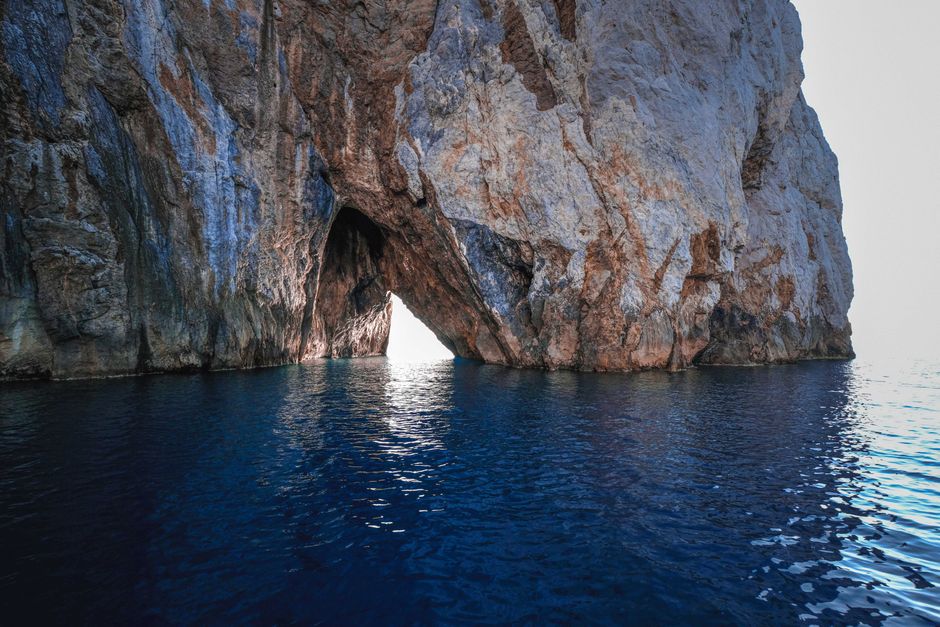
4. The Gulf of Orosei from the Sea: Book a boat tour for shots of hidden coves like Cala Mariolu and Cala Sisine, with their stunning water colors. Late afternoon light is magical.
5. Su Sterru (Golgo Sinkhole): A compelling subject for its sheer depth and geometric shape. Overcast days can provide even, dramatic lighting.
Where to Stay
Lodges & Cabins
True hotel lodges within the park boundaries are rare, but charming agriturismi and small hotels abound on the periphery. Su Gologone (near Oliena) is a famous upscale retreat ($$$) set in a spring-fed valley, offering a luxurious base. In the mountains, Hotel Monte Spada (near Aritzo) provides comfortable lodging with stunning views ($$). For a unique experience, seek out renovated "pinnettos" (traditional shepherd stone huts) offered by some agriturismi. Reservations for peak season should be made 4-6 months in advance.
Campgrounds
Official park-run campgrounds are limited. Cala Gonone has several well-equipped private campgrounds with sea views, pools, and bungalow rentals (open April-October; reservations essential). For a more rustic experience, authorized camping areas exist near trailheads like Gorropu. Wild camping is strictly prohibited to protect the fragile environment. Always check current status and rules with local visitor centers.
Gateway Communities
Cala Gonone: The main coastal hub, packed with hotels, B&Bs, restaurants, and tour operators. Perfect for beach and boat access.
Dorgali & Baunei: Larger towns just inland, offering more affordable lodging and a local feel, with quick access to both coast and mountains.
Fonni, Desulo, Aritzo: Authentic mountain villages on the Gennargentu slopes. Here you'll find agriturismi, simple hotels, and immediate access to high-altitude trails and winter sports. These towns are 30-60 minutes from the coast.
How to Get to Gennargentu and Gulf of Orosei National Park
The park is best explored with your own vehicle. Nearest Airports: Olbia Costa Smeralda (OLB) to the north and Cagliari Elmas (CAG) to the south are the primary gateways. Both offer full rental car services; booking ahead is crucial in summer. From Olbia, take the SS131 DCN to Nuoro, then the SS129 to Dorgali/Cala Gonone (approx. 1 hr 45 min). From Cagliari, take the SS125 north towards Tortolì and Dorgali (approx. 2 hrs).
Public transportation is limited and infrequent, making a thorough visit challenging. ARST buses connect major towns like Nuoro, Dorgali, and Tortolì, but service to trailheads and remote areas is sparse. No park shuttle system exists. Driving distances: From Olbia to Cala Gonone: 85 miles (140 km), ~2 hours. From Cagliari to Tortolì: 90 miles (145 km), ~2 hours. From Nuoro (the regional capital) to Dorgali: 22 miles (35 km), ~35 minutes.
Entrance Fees, Passes & Reservations
There is no general entrance fee to drive into or access the vast territory of the Gennargentu and Gulf of Orosei National Park. However, costs are associated with specific activities and services. Parking at popular coastal access points (like the lots for Cala Gonone beaches) typically costs €5-€10 per day. Access to certain archaeological sites (e.g., Nuragic complexes) may have a small ticket fee (€3-€6). The most significant potential cost is for guided tours (e.g., into Gorropu Canyon or on the Selvaggio Blu), which are highly recommended for safety and can range from €30-€100+ per person. The park does not participate in the U.S. Interagency Pass program. Timed entry reservations are not required for the park itself.
Packing Essentials & Gear Recommendations
Your packing list is dictated by the park's dramatic verticality. Footwear is paramount: sturdy, broken-in hiking boots with ankle support are non-negotiable for rocky, uneven trails. For coastal hikes involving ladders or scrambling (like Selvaggio Blu), approach shoes can be useful. Layering is essential year-round; a moisture-wicking base, insulating mid-layer, and waterproof/windproof shell will handle mountain chill and sea spray. In summer, pack a wide-brimmed hat, high-SPF sunscreen, and a hydration system (2-3 liters capacity); natural water sources are scarce and should be filtered.
Safety & Navigation: A detailed paper map and compass/GPS are vital, as trail markings can be faint. A basic first-aid kit, headlamp, and whistle are standard. While there are no bears, a small food storage container is wise to deter wildlife at campsites. For photography, a polarizing filter will make the sea colors pop, and a wide-angle lens is perfect for canyons and coastal vistas. If camping, a four-season tent is recommended for unpredictable mountain weather.
Accessibility Information
The wild, rugged nature of the Gennargentu and Gulf of Orosei National Park presents significant challenges for visitors with mobility impairments. Most trails are rocky, steep, and not wheelchair-accessible. However, some aspects of the park can be enjoyed. The main visitor centers in Dorgali, Baunei, and Fonni are generally accessible. The SS125 scenic drive offers numerous pull-offs with breathtaking views that require no walking. Some of the beaches near Cala Gonone (like Cala Gonone beach itself) are more developed and may be partially accessible. The park's official website lists any accessible facilities. Service animals are permitted but must be under control at all times due to livestock and rugged terrain. For detailed, current accessibility information, contact the park's main office directly before your visit.
Sample 3-Day and 5-Day Itineraries
3-Day Highlights Itinerary
Day 1: The Gulf of Orosei by Sea. Base in Cala Gonone. Morning: Book a boat tour to visit 3-4 iconic beaches (Cala Luna, Cala Sisine, Cala Mariolu). Afternoon: Explore the town, visit the Aquarium, or take the easy hike to Cala Fuili. Evening: Dine on fresh seafood.
Day 2: Mountains & Canyon. Drive to the Genna 'e Silana pass. Morning: Hike to the Su Gorropu viewpoint or, with a guide, descend into the canyon. Afternoon: Drive up to the Gennargentu plateau (Bruncu Spina area) for high-altitude views and a taste of shepherd culture. Overnight in a mountain agriturismo.
Day 3: Coastal Hike & Culture. Drive south to the Altopiano del Golgo near Baunei. Morning: Visit Su Sterru sinkhole and take the moderate hike to the viewpoint for Cala Goloritzè. Afternoon: Return via Dorgali to visit a local winery or the fascinating Ispinigoli archaeological site with its deep well-cave.
5-Day In-Depth Itinerary
Days 1 & 2: Follow the 3-day itinerary, but add a second coastal day for a sea kayaking adventure from Cala Gonone and a deeper exploration of the limestone caves. Spend both nights on the coast.
Day 3: The Heart of Gennargentu. Drive inland to Fonni. Hike to the summit of Punta La Marmora. Visit the Museum of Mediterranean Masks in Mamoiada. Overnight in Fonni or Desulo.
Day 4: Forests & Traditions. Explore the Foresta di Montes area. Take a guided 4x4 tour or hike through ancient holm oak forests. Visit the Su Muthi Museum in Villagrande Strisaili to understand park ecology. Enjoy a traditional Sardinian dinner at an agriturismo.
Day 5: The Eastern Gateway. Drive to the park's southern coastal section near Tortolì and Arbatax. Hike in the Monte Santo area for different coastal vistas, or visit the red porphyry cliffs of Rocce Rosse. Depart from Cagliari airport.
Family-Friendly Tips
The park offers wonderful adventures for families. Enroll kids in the Park Explorer program available at visitor centers, where they can complete activity books and earn a badge. The easiest and most rewarding activities are boat tours of the Gulf—kids love swimming in the coves and exploring sea caves. For hiking, stick to the Cala Luna trail from Cala Fuili (bring swimsuits) or the gentle paths in the Su Gorropu viewpoint area. The Cala Gonone Aquarium is a great rainy-day option, focusing on local marine life. Choose accommodations in Cala Gonone or Dorgali with pools and easy access to amenities. Pack plenty of snacks, water, and engage children by turning hikes into scavenger hunts for interesting rocks, flowers, or animal tracks.
Rules, Safety & Leave No Trace
Wildlife Safety: Maintain a safe distance from all animals, especially free-ranging herds of sheep, goats, and cattle. Do not feed any wildlife. There are no large predators dangerous to humans. Secure your trash to avoid attracting wild boar.
Trail & Weather Safety: Always inform someone of your hiking plans. Sudden weather changes are common in the mountains; be prepared for rain, wind, and temperature drops. Flash floods are a real danger in canyons like Gorropu—never enter if rain is forecast. On coastal trails, be mindful of extreme heat and exposure; hike early, wear a hat, and carry ample water.
Leave No Trace: This is sacred land. Pack out all trash, including toilet paper. Do not disturb archaeological sites (nuraghi, tombs). Camp only in designated areas. Never light open fires. Stay on marked trails to prevent erosion and protect fragile flora. Permits are required for the Selvaggio Blu and other technical traverses, which must be done with a licensed guide.
Nearby Attractions
Extend your Sardinian adventure by exploring these remarkable sites within a 2-3 hour drive: Nuoro: The island's cultural capital, with excellent museums like the MAN (Museo d'Arte Provincia di Nuoro) and the Museum of Sardinian Life and Traditions. The Nuragic Complex of Serra Orrios: A well-preserved prehistoric village near Dorgali. The Supramonte: The vast limestone plateau extending beyond the park, featuring the legendary Blue Grotto (Grotta di Ispinigoli) and the challenging hike to the Su Gorropu canyon from the north. Costa Smeralda: For a contrast, drive north to the glamorous beaches and resorts around Porto Cervo (1.5 hours from Olbia). Barbagia Region: The mountainous interior, perfect for cultural immersion, visiting craft workshops, and attending one of its many mysterious traditional festivals.
FAQ About Visiting Gennargentu and Gulf of Orosei National Park
How many days do you need in the park?
We recommend a minimum of 3 full days to experience both the coast and the mountains. Five to seven days allow for a more immersive experience, including longer hikes, cultural visits, and relaxation.
Can you see the park in one day?
Yes, but you'll have to choose one focus. A popular one-day option is to base in Cala Gonone, take a morning boat tour to see the Gulf of Orosei's beaches, and spend the afternoon on a short coastal hike or visiting the local aquarium.
Are there bears in the park?
No. Sardinia has no native bear population. The largest wild mammals you may encounter are mouflon (wild sheep), wild boar, and Sardinian deer.
Is the park dog-friendly?
Dogs are allowed in most areas on a leash. However, they are prohibited on many beaches (especially during peak summer months) and in some protected natural reserves. Always check local signs and clean up after your pet.
What is the closest airport to the park?
Olbia Costa Smeralda (OLB) and Cagliari Elmas (CAG) are roughly equidistant (about 1.5-2 hours drive) to the main park gateways. Your choice may depend on your broader Sardinia itinerary.
Do I need a reservation for the park?
No, you do not need a reservation to enter the park itself. However, you absolutely need reservations for hotels, campgrounds, and popular guided tours (boat trips, Gorropu guides) well in advance, especially from June to September.
When does the park close?
The park is always open. However, access roads to high mountain areas (like Bruncu Spina) may close in winter due to snow. Tourist services, visitor centers, and many hotels in coastal towns have reduced hours or close entirely from November to March.
Is the Selvaggio Blu hike doable without a guide?
It is strongly discouraged. The Selvaggio Blu is a highly technical trek requiring climbing, abseiling, and expert navigation. Going without a licensed guide is dangerous and against park regulations for the most challenging sections. Always hire a qualified guide.
Can I drink the water from streams?
No. Always treat water from natural sources using a filter, purification tablets, or by boiling it. Giardia and other waterborne pathogens are present.
Conclusion
The Gennargentu and Gulf of Orosei National Park is more than a destination; it's a feeling. It's the scent of the maquis carried on a mountain breeze, the shock of cool, crystalline water after a dusty hike, and the profound silence of a canyon that has watched millennia pass. It offers a rare chance to engage with a landscape that is both fiercely wild and deeply human, shaped by ancient shepherds and the relentless sea. As you plan your journey, remember that the park's magic lies in its contrasts—between the soaring heights of Gennargentu and the submerged depths of the Gulf. Our final tip: slow down. Spend an extra hour at a viewpoint, chat with a local shepherd, let the rhythm of this place settle into your bones. Come prepared, tread lightly, and leave only with memories and photographs. The soul of Sardinia awaits you here, in its most raw and beautiful form.


No comments:
Post a Comment