
Romania's Urban Gems: The Complete Guide for Your 2026 Adventure
Why Visit Romania's Cities in 2026?
Look, I know everyone talks about the castles and the mountains. And they're incredible. Honestly, they are. But here's the thing: you're missing the soul of the place if you skip the cities. Truth is, Romania's urban centers are where the country's wild history, its stubborn traditions, and its surprisingly vibrant present all crash together in the most fascinating ways. You'll find medieval walls wrapped around bohemian cafes, brutalist architecture next to baroque opera houses, and a sense of discovery that's getting rarer in Europe. For 2026, with everyone chasing "authenticity" and "slow travel," this is your spot. This guide isn't about ticking boxes. It's about getting lost in cobblestone alleys, finding the perfect pastry, and understanding why places like Brasov and Sibiu feel like home even when you're a world away. We're gonna cover the big three—Bucharest, Brasov, Sibiu—plus a couple curveballs, because you need options. Buckle up.
At a Glance: Romania's Cityscape Quick Facts
The boring stuff first—because you'll need it to plan. But I'll try to make it painless.
- Currency: Romanian Leu (RON) — Not the Euro, despite what some shops might wish. Cash is still king in many smaller places.
- Language: Romanian — English is widely spoken in tourist areas, but a "mulțumesc" (thank you) goes a very long way.
- Getting Around: Trains, buses, and your own two feet — The trains connect the major cities reliably, if not always swiftly. For the hills and hidden spots, a rental car is your best friend.
- Vibe Check: Varies wildly — Bucharest is a 24/7 energy drink. Brasov is a cozy sweater. Sibiu is a thoughtful novel. Choose your own adventure.
- Can't-Miss Food: Sarmale, mămăligă, covrigi, papanasi — You'll be carb-loading. Embrace it. The cheese doughnuts are a religious experience.
- Gateway Airport: Bucharest Henri Coandă (OTP) — Biggest and most connected. Cluj-Napoca (CLJ) is a great alternative for starting in Transylvania.
- Best Souvenir: Handmade pottery, traditional blouses, local spirits — Skip the Dracula tat. A bottle of țuică or palinca from a local producer has better stories.
Best Time to Visit Romania's Cities
If you can only come once, aim for late September into October. I'm adamant about this. The summer crowds have dissipated, the air is crisp and clear, and the forests around places like Brasov are doing their unbelievable autumn color show. It's pure magic.
Spring (April–June)
Everything is green and blooming, and the terraces start to fill up. It's lovely. But fair warning: May can still be surprisingly chilly, especially in the mountains. Pack a jacket you didn't think you'd need. And "spring" in Romania often feels like a two-week sprint between winter and summer.
Summer (July–August)
This is when Romania remembers it's in Europe. Cities are lively, festivals are in full swing, and every outdoor table is occupied. It's also crowded, hot in Bucharest, and the most expensive time to visit. You'll have fun, but you'll be sharing the experience with a lot of other people. Book everything way in advance.
Fall (September–November)
The sweet spot. I've done this three times. Early fall is perfection for city exploring and day trips—comfortable walking weather, harvest festivals, and that golden-hour light that makes every photo look professional. By late November, things get quiet and chilly, but in the best, most atmospheric way.
Winter (December–March)
Brutal. Beautiful. Often both before lunch. Snow transforms Transylvanian cities into actual fairy tales, especially Sibiu with its Christmas market. But Bucharest in January is gray and slushy, and some smaller attractions have limited hours. It's a trade-off. A gorgeous, freezing trade-off.
Shoulder Season Secret: Late May and late September. You get the good weather without the peak season insanity. On our last visit in September, we had an entire section of the Brasov citadel walls to ourselves at sunset. No joke.
Top Things to Do in Romania's Key Cities
Everyone asks what they can't miss. The real question is: what kind of traveler are you? Because each city offers a completely different flavor. Missing any of them stings, but you've gotta prioritize.
Bucharest: The Chaotic Capital
Don't even think about skipping it. Bucharest is a city of stark, thrilling contrasts that will exhaust and exhilarate you in equal measure.
The Palace of the Parliament: You have to see it to believe it. It's the world's heaviest building, a colossal monument to communist megalomania. The tour feels like stepping into a dystopian film set—miles of marble, crystal chandeliers, rooms that feel built for giants. It's absolutely unmissable, if only to wrap your head around the scale. Book your tour slot online a few days ahead.
The Old Town (Lipscani): This is where the city lets its hair down. By day, it's a slightly shabby-chic maze of history. By night, it transforms. The energy is palpable, with music spilling from every basement bar and cafe. It's touristy, sure, but it's fun. Find a hidden courtyard for a drink and just watch the world go by.
Village Museum (Muzeul Satului): This place is genius. It's a sprawling open-air museum on Herăstrău Lake, with hundreds of authentic peasant homes, churches, and windmills transported from every region of Romania. It's the perfect primer on the traditional architecture and culture you'll see later in the countryside. A local told us it's the best way to understand the Romanian soul before you head into the hills.
Brașov: The Mountain Jewel
Nestled in a valley with a mountain literally looming over it, Brasov feels like a storybook setting. It's compact, walkable, and has an instantly relaxing vibe.
Council Square (Piața Sfatului): The vibrant, colorful heart of the city. Surrounded by candy-colored merchant houses and the towering Black Church, it's the perfect spot for a coffee and some serious people-watching. The Christmas market here is supposedly magical, though I've only seen it in summer.
The Black Church (Biserica Neagră): The name comes from a massive fire centuries ago. It's Gothic, imposing, and houses one of the largest collections of Anatolian carpets in Europe—a weird and wonderful detail that speaks to old trade routes. The interior is surprisingly serene.
Mount Tâmpa & the Hollywood Sign: You can hike up (it's a solid hour) or take the cable car. The view from the top, looking down over the red roofs of the old town with the mountains encircling it, is the postcard shot. The giant "BRAȘOV" sign is a bit goofy, but you'll take the picture. Everyone does. Sibiu is, in my completely biased opinion, the most beautiful city in Romania. It's sophisticated, artsy, and feels meticulously cared for. The Grand Square (Piața Mare): This is a proper European square, surrounded by elegant Baroque buildings and the peculiar "eyes of Sibiu"—attic windows that look like they're watching you. It's the stage for most of the city's festivals and markets. Sit here with an ice cream and feel fancy. The Bridge of Lies: A small, iron footbridge with a million legends attached (it's said to creak if you tell a lie on it). It connects the Upper Town to the Lower Town and offers a lovely little view. It's a quick stop, but charming. The ASTRA National Museum Complex: Okay, it's on the outskirts, but trust me on this. It's even more extensive than Bucharest's Village Museum. You can rent a bike or spend hours wandering the forest paths past watermills, wooden churches, and traditional homesteads. It's peaceful and profoundly interesting. Here's the thing: Romania offers incredible value. Your money goes far, especially outside Bucharest. I always prioritize location—being able to stumble back to your bed after a long day of exploring is worth a few extra lei. Mid-Range/Luxury: Look around the Old Town or near the Roman Square (Piața Romană). You'll pay more, but you're in the thick of it. Some of the historic buildings have been converted into stunning boutique hotels with rooftop bars. Budget/Character: The neighborhoods just north of the center, like Dorobanți, are quieter and still well-connected by metro. You can find fantastic little guesthouses or modern apartments for rent. Avoid the area immediately around the Gara de Nord train station at night. Character: For atmosphere, nothing beats a small pension or Airbnb within the medieval citadel walls. You'll hear the church bells and be steps from everything. The buildings are old, though—expect creaky floors and charm over luxury. Practical & Scenic: The Schei district, just outside the old walls, is historically Romanian and feels more residential. It's a short, pleasant walk to the center and often has better parking options if you have a car. Just...stay in the old town. Seriously. Waking up in a centuries-old building on a quiet, cobbled street is the whole point of Sibiu. There are dozens of small, family-run guesthouses and boutique hotels woven into the historic fabric. Book early, especially for festivals. We stayed in a place with original beams and a view of the Lutheran Cathedral. Worth every penny. You've got options. And your choice will define your trip. Romanian Railways (CFR) connects all the major cities. The trains are reliable for long distances (Bucharest to Brașov, Cluj to Sibiu) but can be slow. The scenery is often fantastic, though. For popular routes, get an InterRegio or IRN train—they're faster and more comfortable. Buy tickets online or at the station, but give yourself extra time at the station because the queues can be... an experience. This is the key to freedom. Want to visit Bran Castle (yes, it's touristy), the stunning Transfăgărășan road, or hidden fortified churches? You need a car. Roads are generally good between cities, but mountain roads are winding. And be prepared for aggressive local drivers—it's a sport here. Renting from an airport is easiest. Get the full insurance. Often faster and more frequent than trains for shorter, regional routes. Companies like FlixBus and local operators are great for hops between cities like Brașov, Sighișoara, and Sibiu. They're cheap and comfortable. The bureaucracy nobody wants to deal with. Let's get it over with. I overpacked my first time. Underpacked my second. Here's what you actually need. Layers aren't optional. Even in summer, evenings in Transylvania can get cool. A light packable jacket and a sweater are lifesavers. For spring and fall, a proper waterproof/windproof layer is crucial. And comfortable, broken-in walking shoes are your most important item. The cobblestones are merciless on new boots or flimsy soles. Power Adapter: Romania uses Type C & F plugs (standard European two-pin). Bring an adapter. Cash: While cards are accepted in most hotels and restaurants, smaller cafes, markets, taxis, and rural attractions often prefer cash. Have some lei on you. Reusable Water Bottle: Tap water is generally safe to drink in the cities. Fill up and save money (and plastic). Honest framing: The historic centers are a challenge. Cobblestones, uneven pavement, and steps are everywhere. That said, major museums, newer hotels, and restaurants are usually accessible. The ASTRA museum in Sibiu, being largely outdoors on paths, is surprisingly manageable. Always call your hotel ahead to confirm specific needs—they're usually very helpful. These assume you're flying into Bucharest. Adjust if you're starting in Cluj. Day 1: Bucharest. Land, hit the Village Museum to get context, then dive into the Old Town for dinner. Don't overdo the jet lag. Day 2: Morning train to Brașov (about 2.5 hrs). Dump bags, explore Council Square, hike or cable car up Tâmpa for the view. Sleep in Brașov. Day 3: Day trip to Bran Castle (it's the Dracula one, it's crowded, but it's fun) and maybe Peleș Castle if you're ambitious. Evening train back to Bucharest for your flight out. It's rushed, but you see the big three. This is the good stuff. Days 1-2: Bucharest. Explore the Palace, the Old Town, the Romanian Athenaeum, and Cismigiu Park. Feel the capital's pulse. Day 3: Pick up rental car. Drive to Brașov (stop at Sinaia for Peleș Castle if you want). Settle into Brașov, evening stroll. Day 4: Brașov & surrounds. Explore the city properly, then drive the Transfăgărășan highway if it's open (summer/early fall only) or visit the fortified church at Prejmer. Day 5: Drive to Sibiu (about 2 hrs). Stop in the stunning medieval city of Sighișoara for lunch—it's the birthplace of Vlad the Impaler and feels frozen in time. Arrive Sibiu, get lost in the squares. Day 6: Sibiu day. ASTRA Museum, Bridge of Lies, climb the church tower. Maybe a day trip to the Corvin Castle (it's a beast) if you're castle-crazy. Day 7: Drive back to Bucharest (4 hrs) or fly out of Sibiu or Cluj. Your mileage may vary, but you'll leave happy. Kids can love this place. Or hate it. Depends on preparation. The castles are a huge hit (knights! dragons!). The ASTRA and Village Museums are basically giant, interactive playgrounds of history. Keep walks short, promise frequent pastry breaks (covrigi, the pretzel-like snacks, are everywhere and cheap), and maybe build in a day at an adventure park in the mountains near Brașov if they need to burn energy. Hotels and restaurants are very welcoming to families. This section matters. Read it. Romania's cities are very safe for tourists. Basic precautions apply: watch your wallet in crowded trams or the Old Town at night, be aware of taxi scams at the airport (use a ride-sharing app like Bolt or order from a reputable company), and don't flash expensive jewelry. Honestly, the biggest danger is probably tripping on the cobblestones. Romanians are formal at first. A polite "Bună ziua" (Good day) when entering a shop goes miles. Don't expect over-the-top, smiley service; it's not rude, it's just their way. Tipping is appreciated—round up the bill or leave 5-10% in restaurants. And for heaven's sake, don't make stupid Dracula jokes to locals. They've heard them all. Respect the history. Don't carve your name into 500-year-old walls. Keep the noise down in residential areas of the old towns at night. And use the many, many trash bins. Simple stuff. Everyone does Bran Castle. Try these instead if you have time. Sighișoara: I mentioned it, but it's worth its own line. The intact medieval citadel on a hill is breathtaking. Stay overnight after the day-trippers leave. The Transfăgărășan & Transalpina Highways: Not hidden, but epic. Winding mountain roads built for views. Open roughly June-October. Drive them. You'll need to brake for sheep more often than you'd think. The Painted Monasteries of Bucovina: A longer trek north, but these UNESCO sites are unlike anything else in Europe. The vibrant 15th-century frescoes covering the outside walls are mind-blowing. Cluj-Napoca: If you want a younger, university-city vibe with great nightlife and a stunning botanical garden, fly into here and start your trip. The questions I get asked most. Some obvious. Some not. Is English widely spoken? In tourist areas, hotels, and with younger people, absolutely. In rural areas or with older generations, less so. A translation app and some patience work wonders. Is it expensive? Not even a little. It's one of the most affordable destinations in the EU. A nice dinner with wine might run you $25-30 per person. A train ticket across the country is maybe $20. Budget travelers can thrive here. Can I use Euros? Some hotels and big tourist shops might accept them, but the rate will be terrible. Use Romanian Lei. ATMs are everywhere. What's the food like? Hearty, meaty, and delicious. Lots of stews, grilled meats, polenta (mămăligă), and soups. Vegetarian options are increasing but can still be limited in traditional restaurants—look for "cartofi" (potatoes) and "salata" (salad). Is the tap water safe to drink? In the cities, yes. In very old buildings with questionable pipes, maybe stick to bottled. On the trail, filter it. How do I get from the airport to the city? Bucharest Otopeni (OTP) has a reliable express bus (783) to the city center. Taxis are fine if you use the official company booths inside arrivals. Never get in a random car soliciting you. Should I be worried about bears? In the cities? No. But if you're hiking in the Carpathians near Brașov or Sibiu, yes, there are bears. Stick to marked trails, make noise, and for serious hikes, consider going with a guide. It's their home, after all. Best month? I've said it before: September. The light, the air, the crowds, the harvest. It's perfect. Romania's cities aren't just stops on a tour. They're living, breathing places where history isn't behind glass—it's the pavement under your feet and the roof over the cafe. It's the feeling you get walking across Sibiu's square as the lamps come on, or finding that tiny, perfect bar in a Bucharest courtyard that nobody's blogged about yet. That feeling? That's the point. Book your central accommodation early. Pack those good shoes. Learn a few words. And leave room in your itinerary to get gloriously, happily lost. You'll thank yourself later. See you in the square.Sibiu: The Cultural Powerhouse
Where to Stay: Budget, Mid-Range, and Character
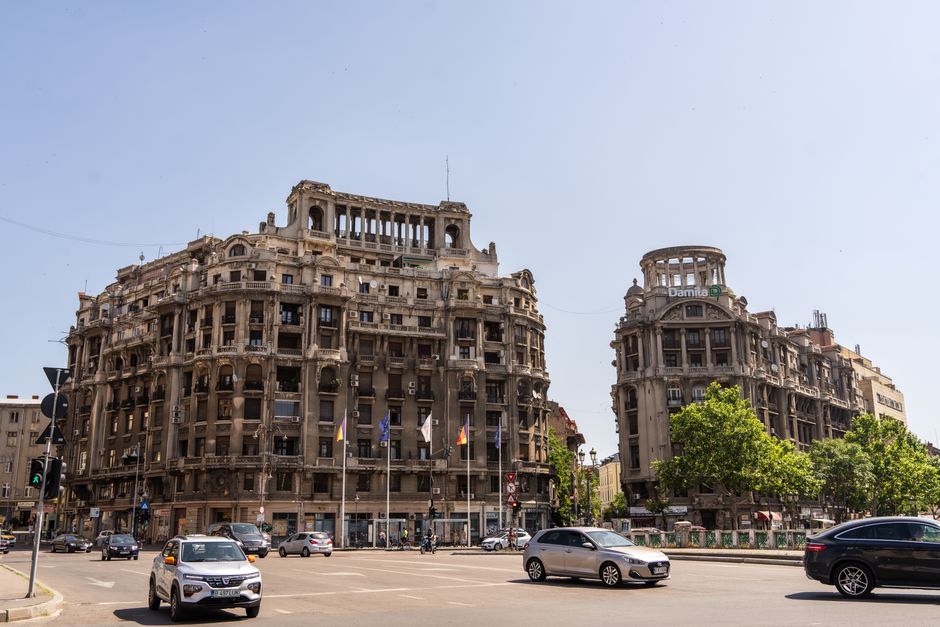
Bucharest: Stay Central
Brașov: Inside the Walls (or Just Outside)
Sibiu: The Historic Core
How to Get Around Romania
By Train
By Car
By Bus
Entrance Fees, Passes & Reservations
Packing Essentials & Gear Recommendations
Clothing Strategy
The Non-Negotiables
Accessibility Information
Sample 3-Day and 7-Day Itineraries
The 3-Day Highlights Blitz (First-Timers)
The 7-Day Deep Dive (Recommended)
Family-Friendly Tips
Rules, Safety & Etiquette
Safety
Etiquette
Leave No Trace (Urban Edition)
Nearby Attractions & Hidden Gems
FAQ About Visiting Romania's Cities
Final Thoughts


No comments:
Post a Comment