
Hidden Gems in Eastern Europe: The Ultimate Visitor's Guide 2026 | Tips, Trails & Things to Know
Why Visit Eastern Europe's Hidden Gems in 2026?
Look, I know everyone says they want to get off the beaten path. But in 2026, with overtourism squeezing the life out of Prague and Dubrovnik, you're gonna wanna mean it. Truth is, the soul of this region isn't in its famous squares. It's in the quiet, cobbled lanes of towns you can't pronounce, the forests where wolves still howl, and the mountains that don't bother with Instagram. Honestly, it's where travel still feels like discovery, not just consumption.
We're talking about a vast, wonderfully messy collection of countries—Poland, Slovakia, Romania, Bulgaria, the Baltics, the Balkans. Places where history isn't a museum exhibit but a layer cake you can still taste in the air. I spent three weeks last autumn just wandering, and I came back with stories that felt like secrets. That's what this guide is for. To point you towards those secrets. The empty castles, the thermal rivers you can float down, the villages where time decided to take a very long nap. This isn't about skipping the highlights entirely. It's about balancing them with moments of pure, unscripted magic. And trust me, that magic is still here, waiting.
At a Glance: Eastern Europe Quick Facts
The boring stuff first—because you'll need it to plan. But even the facts here have character.
- The Vibe: Deeply local, surprisingly affordable, occasionally chaotic in the best way. You'll navigate by church spires and cafe aromas.
- Currency Cocktail: Don't assume the Euro works everywhere. You'll need Polish Złoty, Romanian Lei, Bulgarian Lev... it's part of the charm. And the slight headache.
- Annual Visitors to the "Gems": A fraction of Western Europe's hordes. In some spots, you might be the only tourist in town. No joke.
- Transport Truth: Trains are romantic but slow. Buses are cheap and comprehensive. Renting a car? You'll unlock the real treasures, but prepare for potholes and aggressive local drivers who treat lanes as suggestions.
- Language Landscape: English is common with the young, spotty with older generations. Learning "hello," "thank you," and "beer, please" in the local tongue is a gesture that pays off in smiles.
- Gateway Hubs: Fly into Warsaw, Budapest, Kraków, Bucharest, or Vilnius. These are your launch pads. They're great, but the point is to get out of them.
- Food Philosophy: Hearty, meaty, soupy, and glorious. This is not a place for a dainty salad. It's for dumplings the size of your fist and stews that cure the soul.
Best Time to Visit
If you can only come once, come in September. Early October works, too. Here's why I'm adamant about this: the summer crowds have dissipated, the weather is still gentle, and the landscapes put on a fiery show. The light is softer, golden, perfect for those photos that'll make your friends back home genuinely jealous.
Spring (April–June)
Honestly, this is a roll of the dice. April can be muddy and cool, with a lingering winter chill in the mountains. But by late May, it's magic. Everything is explosively green, wildflowers carpet the meadows in the High Tatras or Rhodopes, and the tourist infrastructure is just waking up. That said, some mountain passes or remote roads might still be closed. Check before you commit to that epic drive.
Summer (July–August)
Look, it's busy. The coastal spots in Croatia or Albania are packed, and even the interior cities swell. It's also when everything is open, festivals are in full swing, and the weather is reliably warm for hiking. The trick? Go higher. The crowds thin dramatically in the mountain ranges. And the lakes are perfect for a shockingly cold, refreshing swim.
Fall (September–November)
This is the sweet spot. I've learned this the hard way by coming in July and vowing never again. September and early October? Perfection. The air is crisp, the forests look like they're on fire with color, and you can have a 14th-century fortress all to yourself. Harvest season means markets are overflowing with pumpkins, grapes, and mushrooms. You'll thank yourself later.
Winter (December–March)
A completely different, utterly enchanting world. Think Christmas markets that feel authentic, not commercial. Think skiing in Slovakia or Romania for a fraction of Alpine prices. Fair warning, though: it's dark early, and some rural areas and minor sights simply shut down. Transportation can be tricky. But if you dream of steaming thermal pools surrounded by snow, this is your time.
Shoulder Season Secret: Late May and late September. You get the best of both worlds—decent weather, minimal people, and prices that haven't peaked. A local guide in Transylvania once told me, "This is when we travel." That's all you need to know.
Top Things to Do & See
Everyone asks for a list. But here's the thing: the best moments are the unplanned ones. The roadside *knaipa* (pub) in Lithuania with the amazing potato pancakes, the conversation with a woodcarver in rural Bulgaria. That said, you need a starting point. These are the places that consistently deliver that "wow, why isn't this famous?" feeling.
Wander Forgotten Old Towns
Kėdainiai, Lithuania: Forget Vilnius. This little town has a preserved Old Town that feels frozen in the 17th century, complete with a unique Protestant Reformed church square. It's silent, hauntingly beautiful, and you'll see maybe two other tourists.
Bardejov, Slovakia: A UNESCO-listed square so perfect it looks like a film set. The basilica, the row of burghers' houses, the town hall. It's all there, minus the selfie sticks. The spa town nearby is a weird, wonderful bonus.
Hike Without the Crowds
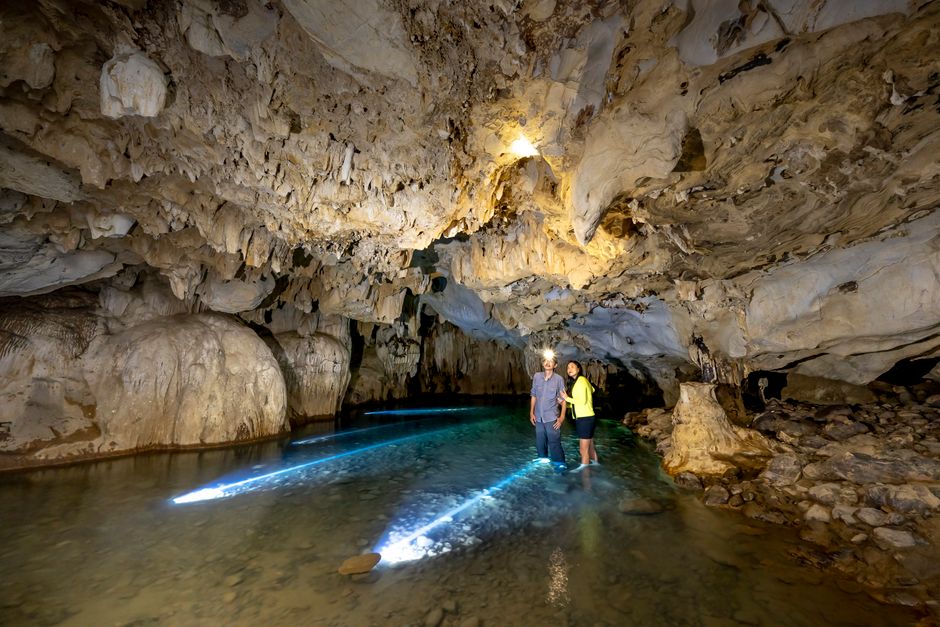
The Rhodope Mountains, Bulgaria: This isn't just hiking; it's walking through myth. Deep gorges, caves, and villages where bears are still a real concern. The hike to the Trigrad Gorge waterfall is strenuous but ends at a cavern where, legend says, Orpheus descended into the underworld. The vibe is... intense.
Maly Rozsutec, Slovakia (Lesser Fatra): Everyone does the High Tatras. The Lesser Fatra is their wilder, less-polished cousin. The Rozsutec trail is a moderate-to-strenuous loop with ladders, chains, and views that make you put down your camera and just stare. You'll need to share the path with more squirrels than people.
Soak in Thermal & Wild Waters
Thermal River, Bükfürdő (Hungary) / Toplice (Slovenia): Not a hot spring you sit in. A whole, warm river you float down. Rent an inflatable tube, pack a waterproof beer, and drift for hours through forests and meadows. It is as absurdly delightful as it sounds.
Lake Bohinj, Slovenia: Everyone goes to Bled. You go to Bohinj. It's Bled's quieter, more majestic older sibling nestled in the Julian Alps. The water is clear and cold, the surrounding hikes are spectacular, and you can take a cable car up to a plateau for a view that'll steal your breath.
Explore Castles That Feel Real
Spis Castle, Slovakia: Okay, this one is semi-famous, but it's so massive—one of the largest castle complexes in Europe—that it never feels crowded. It's a ruin, a skeleton on a hill, and wandering its vast, empty courtyards feels like time travel. Go at sunset. The light hitting the white limestone is unreal.
Corvin Castle, Romania: This is the gothic fantasy castle of your dreams. Towers, drawbridges, a looming presence in Hunedoara. It's been restored just enough to be safe but still feels ancient and slightly ominous. Way cooler than Bran Castle (sorry, Dracula fans).
Where to Stay: Budget, Mid-Range, and Character
Inside the park costs more. It's also worth more. Do the math on driving time versus dollars. For Eastern Europe, think less about chains and more about character. Your money goes far here, especially outside capitals.
Guesthouses & Pensions ($$)
Anywhere Rural: Look for signs saying "*Penzion*," "*Zimmer Frei*," or "*Agroturism*." These are family-run guesthouses. You'll get a huge homemade breakfast, insider tips, and a level of hospitality that hotels can't match. We stayed at one in Maramureș, Romania, and the owner drove us to the local wooden church himself because the bus was unreliable. Unforgettable.
City Apartments ($-$$)
In smaller cities like Lviv (Ukraine, hopefully accessible), Cluj-Napoca (Romania), or Plovdiv (Bulgaria), rent an apartment in the old town. You'll have a kitchen, more space, and the feeling of living there, even for a night. Book on local sites or Airbnb. Just read the reviews about hot water pressure—it's a legitimate concern in some older buildings.
Mountain Huts & Chalets ($-$$)
In the Carpathians or Slovenian Alps, the mountain hut (*chata*, *hora*, *planinski dom*) is a rite of passage. They're basic—dorm-style bunks, shared facilities, simple food—but the location and camaraderie are priceless. You'll meet hardy local hikers and wake up above the clouds.
Splurge-Worthy Historic Hotels ($$$)
Grand Hotel Union, Ljubljana: Art Nouveau masterpiece right on the main square. It's not cheap, but having a coffee on its terrace people-watching is a core memory.
Hotel Stary, Kraków: In a renovated 14th-century building in the Jewish Quarter. The spa is in a medieval cellar. Worth every penny for a special night.
How to Get Around
This is the make-or-break part of your planning. Public transport is fantastic for connecting major hubs and some towns, but for the real hidden gems, you need flexibility.
By Train
Romantic, scenic, and often slow. Great for longer hops between capitals or major cities (e.g., Budapest to Kraków, Prague to Bratislava). Book tickets in advance for InterCity trains. For more obscure routes, be prepared for delays and very basic carriages. It's part of the adventure. Or the frustration. Your mileage may vary.
By Bus
The unsung hero. Companies like FlixBus have revolutionized connectivity, but local buses are what get you to the tiny villages. They're cheap, frequent, and a genuine cultural experience. Just know that schedules are suggestions, and the bus stop might just be a signpost by a field.
By Car
This is the key to freedom. Renting a car lets you follow that random sign to a "viewpoint," stop at that farm selling honey, and get to your guesthouse after the last bus has gone. Bottom line: get the full insurance. Roads can be rough, and local driving styles are... assertive. An SUV is overkill, but a sturdy compact is a good idea.
Money, Costs & The Budget Reality
Let's talk numbers. Eastern Europe is still a bargain compared to the West, but inflation is real. Don't expect 1990s prices.
- Daily Budget (Per Person): Backpacker: €35-50. Mid-range: €70-120. Fancy: €150+. This covers food, lodging, local transport, and some sights.
- Cash is King: Especially in villages, at markets, and in smaller family-run establishments. Always have local currency in small bills. ATMs are widespread, but notify your bank first.
- The Tipping Dance: Rounding up the bill or leaving 5-10% is appreciated in restaurants. Not always expected, but it's a nice gesture. In bars, just round up.
- Sightseeing Costs: Major museums and castles might be €5-10. Many churches are free or ask for a small donation. The best things—walking through an ancient forest, exploring a free-to-roam ruin—cost nothing.
Packing Essentials & Mindset
I overpacked my first time. Underpacked my second. Here's what you actually need, beyond the socks and underwear.
The Footwear Doctrine
Comfortable, broken-in walking shoes are non-negotiable. Cobblestones are brutal on unsupportive soles. For hiking, even "easy" trails can be rocky and rooty. Bring the proper boots. Your feet will worship you.
Clothing Strategy
Layers. Always layers. A summer day can start chilly, turn blazing hot, and end with a cool evening storm. A packable rain jacket is a lifesaver. And for churches? Many, especially in Orthodox countries, require covered shoulders and knees for women. A light scarf in your bag solves this.
The Non-Negotiables
Power Adapter & Portable Battery: Plug types vary (EU standard, but not always). A universal adapter is smart. Outlets can be scarce on long bus rides.
Physical Maps/Guidebook: Data service drops in mountains and rural areas. Download offline Google Maps, but also have a paper backup. It's romantic and practical.
A Phrasebook App: Even just having "I would like," "Thank you," and "How much?" on your phone screen helps bridge gaps.
Sample Itineraries: The Deep Dive vs. The Highlights
These assume you're flying into one hub and out of another—it saves backtracking.
The 10-Day Carpathian Loop (Fly into Kraków, out of Budapest)
Days 1-2: Kraków (worth it). Then drive south to the Polish Bieszczady Mountains—empty hiking, wooden churches, the "Wild West" of Poland.
Days 3-5: Cross into Slovakia for Spis Castle, the Levoča altar, and hiking in the Slovenský Raj (Slovak Paradise) national park. Caves and waterfalls.
Days 6-8: Drive into Transylvania, Romania. Corvin Castle, the fortified church at Biertan, and the timeless villages of Maramureș with their merry cemetery.
Days 9-10: Cross into Hungary, stop at the thermal river in Bükfürdő, then unwind in Budapest before your flight.
The 7-Day Balkan Mix (Fly into Ljubljana, out of Sofia or vice versa)
Days 1-2: Lake Bohinj & Triglav NP, Slovenia. Hike, swim, breathe the alpine air.
Day 3: Drive to Zagreb, Croatia. It's a cool, underrated capital. Just a night to feel the urban buzz.
Days 4-5: Head into Plitvice Lakes NP early to beat the worst crowds. Then, instead of the coast, drive east into the hills of Bosnia & Herzegovina. Jajce (town with a waterfall in the center) and Sarajevo's intense history.
Days 6-7: Drive into Bulgaria's Rila Mountains. See Rila Monastery, then hike in the stunning Seven Rila Lakes area. End in Sofia for great food and flight home.
Rules, Safety & Etiquette
This section matters. It's not about danger; it's about respect.
Safety Reality
Honestly, most of these places are incredibly safe. Petty theft can happen in big cities and tourist hubs—watch your bag on trams. But violent crime against tourists is rare. The real safety issues are on the roads—drive defensively—and in the mountains. Weather changes fast. Tell someone your hiking plan.
Cultural Etiquette
Greetings: A simple "Dzień dobry" (Poland), "Dobrý deň" (Slovakia), "Bună ziua" (Romania) goes a mile. Handshakes are common.
Church Visits: Be silent, dress modestly, and never use flash photography. Some may charge a photo fee.
Toasting: Look people in the eye when you clink glasses. It's a big deal. Not doing it is... bad luck, or just rude.
Sensitive History: The 20th century was brutal here. Be a listener, not a lecturer. Avoid simplistic political comments.
Leave No Trace
It's simple. Don't litter. Ever. The natural areas are pristine because locals care. Don't be the person who ruins it. And in villages, you're a guest. Behave like one.
FAQ About Visiting Eastern Europe's Hidden Gems
The questions I get asked most. Some obvious. Some not.
Is it safe for solo travelers, especially women?
In my experience, yes. Common sense applies. Stick to well-lit areas at night, be aware in bars, and trust your gut. I've met many solo female travelers here who rave about it.
Do I need a visa?
EU/Schengen is complicated. For US/UK/CA/AU passport holders, you generally get 90 days in the Schengen Area (Slovenia, Slovakia, Hungary, etc.) and separate 90 days in Romania, Bulgaria, etc. This changes! Check official government sites for 2026 rules.
Can I use my phone?
EU roaming rules mean if you have an EU SIM, it works across most countries here at no extra cost. For others, get a local SIM in your first country—they're cheap and come with loads of data. Vodafone, Orange, and T-Mobile have wide coverage.
Is English really spoken?
In cities and tourist towns, yes. In a village shop in rural Bulgaria? Maybe not. But people are patient. Pointing, smiling, and Google Translate work wonders. It's part of the fun.
What about the war in Ukraine?
As of now, neighboring countries like Poland, Slovakia, and Romania are safe and welcoming tourists. The situation is dynamic, so monitor travel advisories. Supporting these economies is often seen as a positive thing.
Is the water safe to drink?
In cities and most towns, tap water is perfectly safe. In some very rural areas, you might be advised to drink bottled. When in doubt, ask your host. I've drunk the tap water for years with no issue.
How far in advance should I book?
For peak summer (July-Aug), book lodging and rental cars 3-4 months out. For shoulder seasons, a month or two is fine. Trains and buses you can often book a few days before, but longer journeys are wiser to secure earlier.
Final Thoughts
Eastern Europe isn't a checklist. It's not Instagram posts or passport stamps. It's the moment you turn down a wrong alley and find a courtyard filled with the smell of baking bread. It's the elderly woman who gestures you over to explain, with hands and smiles, the fresco in her village church. It's the silence at the top of a mountain that nobody else bothered to climb that day.
That feeling? It's why you came.
Book that quirky guesthouse. Rent the car. Learn three words of the language. Try the unidentifiable dish. And when you leave—because you have to leave—don't be surprised if you start dreaming of your return before you've even boarded the flight home.
See you out there on the cobblestones.


No comments:
Post a Comment