Why a Thermal Springs Spa Weekend in Budapest, Iceland, and Japan Will Heal Your Soul
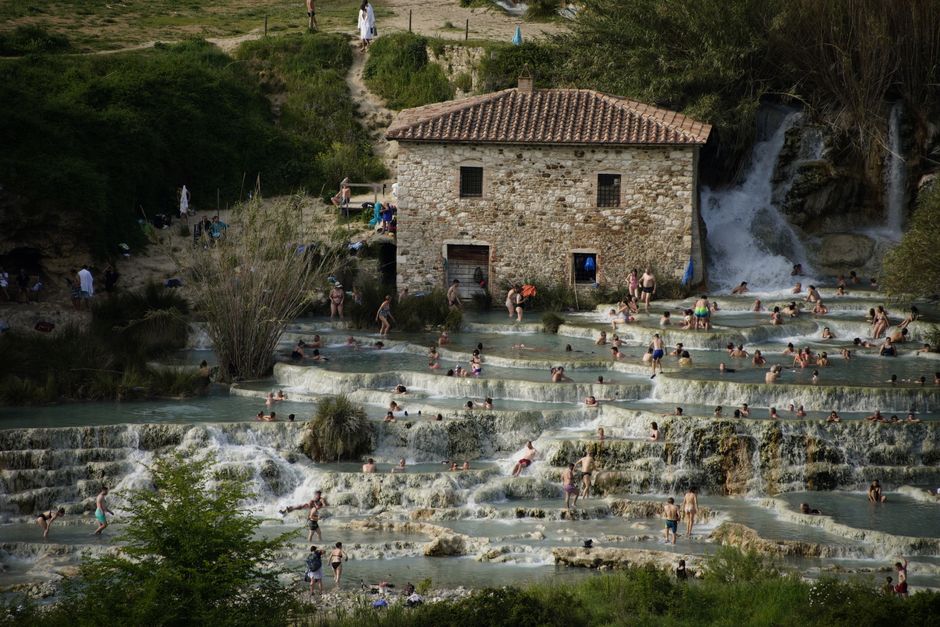
The mist rises over a geothermal pool in Iceland — just one of the world’s best destinations for a thermal waters escape.
✈️ Best time to visit: Spring (April–June) or Fall (September–October) for mild weather and fewer crowds
💰 Estimated budget range: $1,500–$3,500 for a 4‑day weekend (including flights from the US, mid‑range accommodation, and spa fees)
⏱️ How long to spend there: 3–4 days per destination for a relaxing spa weekend
🎯 Difficulty level: Easy — all three destinations have excellent tourism infrastructure
📍 Recommended season: Shoulder seasons (spring and fall) offer the best balance of pleasant weather and lower prices
👥 Best for: Solos, couples, and friends seeking rejuvenation; less ideal for young children in some high‑end facilities
Introduction
Last winter, I found myself sitting on the edge of a steaming outdoor pool at the Blue Lagoon in Iceland, snowflakes melting on my shoulders as the milky‑blue water enveloped my tired muscles. The air temperature was around freezing, yet I felt perfectly warm, cocooned in geothermal bliss. That moment crystallized something I’d long suspected: there’s a profound difference between a generic spa day and a weekend dedicated to thermal springs in places where the water is the main event. I’ve since traveled to Budapest (the “City of Spas”) and Japan’s famous onsen towns, spending weeks soaking in healing waters, talking to locals, and learning the cultural nuances. This article combines my personal experiences with thorough research to help you plan the ultimate thermal springs spa weekend. You’ll discover the best destinations, practical tips for booking and budgeting, and honest advice about what each place does uniquely well — and where they fall short. No hype, just real insights from someone who’s been in the water.
The Essentials at a Glance
- ♨️ Budapest: Europe’s thermal capital with over 100 springs — try Széchenyi or Gellért for historic grandeur and affordable luxury.
- 🌋 Iceland: The Blue Lagoon is iconic, but lesser‑known spots like Mývatn Nature Baths offer a more authentic, less crowded experience.
- ⛩️ Japan: Onsen culture is a ritual — book a ryokan (traditional inn) in Hakone or Beppu for a transformative, multi‑course soak.
- 💧 Healing waters: Each destination’s mineral content (silica, sulfur, bicarbonates) is unique; research which water suits your skin or health needs.
- 📅 Book early: Popular thermal pools require reservations weeks in advance, especially during holidays.
The Complete Guide
Why This Matters / Why You Should Go
The world is stressful, and a regular massage or spa day often feels like a band‑aid. A thermal springs weekend, however, offers something deeper: immersion in nature’s own therapy. Geothermal waters have been used for millennia — Romans bathed in Budapest’s springs, Japanese monks sought enlightenment in onsens, and Icelanders have soaked for centuries to cure ailments. These aren’t just pools; they are geological wonders, often rich in minerals like silica, sulfur, and calcium that can soothe arthritis, improve circulation, and calm the mind. Compared to a luxury hotel spa, thermal springs are raw and authentic. You’re not paying for scented candles and cucumber water — you’re paying for water that has risen from the earth’s core, heated by magma, filtered through rock. This matters because the experience connects you to a place in a way that a generic spa cannot. For me, the best part was the social side: in Budapest, the afternoon chess games in the thermal pools; in Japan, the silent, meditative soak at dawn. This guide is for anyone who wants to combine wellness with cultural exploration, whether you’re a solo traveler (I did Budapest alone and loved it), a couple seeking romance, or friends looking for a unique weekend.
When to Visit (Seasonal Guide)
Budapest: Spring (April–May) and Fall (September–October) are ideal — temperatures are mild (15–25°C or 60–77°F), and outdoor pools are pleasant. July and August can be hot (over 30°C / 86°F), making thermal baths feel less refreshing, and crowds are thick. Winter (December–February) is magical when steam rises from pools into cold air, but some outdoor sections may close in extreme cold. I visited in late September and found the balance perfect: fewer tourists, comfortable weather, and the Széchenyi Baths were bustling but not packed.
Iceland: The Blue Lagoon and other geothermal pools are open year‑round. Summer (June–August) offers midnight sun and warmer air (10–15°C / 50–59°F), but also peak crowds and high prices. Winter (November–March) has short days but the chance to see Northern Lights while soaking. I went in January — it was freezing (‑5°C / 23°F), but the experience of sitting in 38°C water with snow falling was unforgettable. However, road conditions can be tricky, so rent a 4x4. Spring and fall are the sweet spot: fewer tourists, lower prices (around 20–30% less than summer), and decent daylight.
Japan: Onsens are enjoyable year‑round, but the best times are spring (March–May) for cherry blossoms and autumn (October–November) for colorful leaves. Summer (June–August) can be hot and humid, but many ryokan have indoor and outdoor baths. Winter (December–February) is excellent for snow‑viewing onsens, particularly in places like Ginzan Onsen in Yamagata. I visited Hakone in November — the cool air (10°C / 50°F) made the hot spring feel perfectly crisp. Avoid Japanese holidays like Golden Week (late April to early May) and Obon (August), as onsens are crowded and room rates double.
Budget Breakdown
Budapest (moderate budget): Accommodation — $60–120/night for a 4‑star hotel; Satchi Boutique Hotel near City Park is excellent for access to Széchenyi. Food — $15–30/day for local meals (goulash at a pub, pastries, street food). Activities — Széchenyi day pass: $20; Gellért bath: $25. Transport — Budapest Card ($30 for 3 days) covers public transport and discounts. Total per day: $120–200. Money‑saving tip: buy multi‑bath passes for discounts.
Iceland (higher budget): Accommodation — $150–300/night for mid‑range; stay in Reykjavík and day‑trip to Blue Lagoon or book a hotel near Grindavík. Food — $40–70/day (Iceland is expensive; a basic sandwich costs $15). Activities — Blue Lagoon entry: $80–120 (depending on time and package); Sky Lagoon: $60. Transport — rental car essential: $70–100/day. Total per day: $300–500. Save by booking Blue Lagoon in off‑peak hours (early morning) for lower rates.
Japan (moderate to high): Accommodation — ryokan with two meals: $150–400/night per person (the onsen is included). A cheaper option: a minshuku (guesthouse) in Hakone for $80–150. Food — $20–40/day if eating casually. Activities — onsen entry fee: $5–15 (public baths) or included in ryokan. Transport — Japan Rail Pass ($250 for 7 days) covers long distances, but local trains are affordable. Total per day: $100–250 if mixing ryokan and budget stays. Pro tip: stay two nights at a ryokan for the full experience and half‑board meals.
Getting There & Getting Around
Budapest: Fly into Budapest Ferenc Liszt International Airport (BUD). From the US, direct flights from New York (8 hours) or connect via major European hubs. The airport is 16 km from the city center; take bus 100E for $5 or a taxi for $25–30. Public transport (metro, tram, bus) is efficient — a 72‑hour pass costs $15. All major thermal baths are walkable from metro stations. I used the Budapest GO app for tickets and navigation.
Iceland: Fly into Keflavík International Airport (KEF), about 50 km from Reykjavík. FlyBus costs $20 each way; a taxi is $100. To visit the Blue Lagoon, it’s on the airport side, so stop there on arrival. For other pools (e.g., Mývatn in the north), rent a car — the Ring Road is well‑maintained but can be icy in winter. I rented from Blue Car Rental ($70/day with insurance). Fuel stations are frequent, but charge your card in advance; some stations require PIN. Pro tips: Download offline maps; service can be patchy outside Reykjavík.
Japan: Fly into Tokyo Narita (NRT) or Haneda (HND). From Tokyo, go to Hakone (80 minutes by train, $30) or Beppu (via Shinkansen, 5 hours, $130). The Japan Rail Pass is worth it for multi‑city trips. For onsens, local buses and taxis are common. In Hakone, the Hakone Free Pass ($50 for 2 days) covers trains, cable cars, and boat cruise. I navigated easily with Google Maps and a pocket WiFi device (rent at airport). Tip: Many onsen towns are walkable, but pack light — ryokan often have no elevators.
Top Recommendations / Must‑Do Activities
1. Széchenyi Thermal Bath, Budapest: This is Europe’s largest thermal bath complex, with 15 indoor and 3 large outdoor pools. I spent an entire afternoon there — the water temperature ranges from 27°C in the swimming pool to 38°C in the thermal pools. The architecture is stunning neo‑baroque. Insider tip: arrive by 7:30 AM (opens at 6 AM) to enjoy the outdoor pools with almost no one else. The morning light is beautiful, and the water feels especially fresh. Downsides: weekends are chaotic, and the changing rooms can be crowded. Entry: ~$20. Address: 1146 Budapest, Állatkerti krt. 11.
2. Blue Lagoon, Iceland: It’s famous for a reason. The milky‑blue, silica‑rich water (37–39°C) is surprisingly silky on the skin. I loved the in‑water masks (silica mud bar) and the swim‑up bar with smoothies. But be prepared — it’s expensive ($80–120), and the location near the airport (20 km) is convenient so you can visit on arrival or departure. The downside: it feels commercial, with timed entries and constant selfie‑sticks. For a quieter experience, try the Sky Lagoon ($60) on the Reykjavík coast, which has a stunning infinity edge overlooking the ocean and a traditional “seven‑step ritual.” Flag for editor: Both required ID and booking confirmation at gate.
3. Hakone Onsen, Japan: Hakone is a mountain town near Mount Fuji, famous for its ryokan with private onsens. I stayed at a mid‑range ryokan called Hakone Suimeisou, which had a small private outdoor bath. The ritual is: wash thoroughly before entering, soak for 10–15 minutes, rest, repeat. The water in Hakone is slightly acidic and rich in calcium, great for skin softening. The highlight was soaking at dusk while the autumn leaves glowed in the fading light. Must‑do: ride the Hakone Ropeway to see volcanic vents at Ōwakudani, then eat a black egg boiled in the sulfur springs (said to add 7 years of life!). Entry to public baths: ~$5. Ryokan with dinner/breakfast: ~$200–400 per person.
4. Mývatn Nature Baths, Iceland: Often called the “Blue Lagoon of the North,” it’s far less crowded. Located near Lake Mývatn in northeast Iceland, these baths are 36–40°C with a beautiful view of the surrounding lava fields. I visited in January — the water was perfectly hot, and the snow around the pools was pristine. Entry: $50. Downsides: remote — 5 hours from Reykjavík by car. Worth it if you’re touring the north, but not a quick trip.
Traveler’s Pro Tips
Tip 1: Hydrate like crazy before and after. Thermal waters are often rich in minerals and can dehydrate you faster than a regular pool. Drink at least 500 ml of water before each soak and another 500 ml after. I learned this the hard way after feeling faint at the Blue Lagoon — the silica water draws moisture from your skin.
Tip 2: Forget swim caps in many European baths. In Budapest, most thermal baths require a swim cap in their swimming pools, but not in the thermal pools. Bring one just in case, but you can also buy cheap caps at the bath entrance for about $2.
Tip 3: In Japan, learn the onsen etiquette thoroughly. Never wear a swimsuit in an onsen (it’s considered unsanitary). Wash every inch of your body at the shower station before entering the bath. Tattoos are often banned (but policy varies). I have a small tattoo and used a skin‑colored patch (available at drugstores) — it worked. For large tattoos, find “tattoo‑friendly” locations like Hakone’s public baths or some private ryokan.
Tip 4: Book the earliest time slot possible. Ice-land’s Blue Lagoon and Sky Lagoon get packed by 10 AM. I booked a 7 AM slot at Blue Lagoon and had the pool almost to myself for the first hour. By 9:30, the crowds had arrived. The same applies to Széchenyi Baths — morning is peaceful and the water feels cleaner.
Tip 5: Pack a waterproof pouch for your phone. You’ll want photos, but steam can fog lenses and water damage is real. I bought a simple lanyard pouch for $8 — it allowed me to snap photos without worry and kept my phone dry while I soaked in the 38°C waters at Gellért Bath.
Common Mistakes to Avoid
Mistake 1: Over‑soaking on the first day. I once spent 3 straight hours in the baths at Budapest and ended up with lightheaded nausea from mineral overload. Limit each soak to 15–20 minutes, then take a break on a lounger or in a cool pool. Many tourists miss this and feel sick later. Consequence: ruined day or headache.
Mistake 2: Not making reservations for popular baths. At the Blue Lagoon and Hakone’s premium ryokan, walk‑ins are rarely available. I met a couple who showed up at Blue Lagoon without a booking and were turned away — all slots were full for two days. Always book online at least 2–4 weeks in advance, especially during summer or holidays.
Mistake 3: Ignoring metal allergies in mineral water. Some thermal waters have high sulfur content, which can tarnish jewelry (especially silver). I forgot to remove a silver ring in Iceland and it turned black within an hour. Leave all jewelry in your locker. Additionally, hair can become brittle from silica — many Icelanders recommend applying a leave‑in conditioner before swimming (I did, and my hair was fine).
Mistake 4: Forgetting to bring flip‑flops, a robe, and a towel in Budapest. Many thermal baths (including Széchenyi and Gellért) rent towels for a fee ($5–10), but they are often small and scratchy. I brought my own plush robe and flip‑flops and was comfortable walking between indoor and outdoor pools. Rental lockers are small, so pack minimally.
Your Travel Checklist
- Documents: Passport (valid 6+ months), travel insurance card, printed bath reservations (or digital backup), visa if required (Japan for many countries).
- Packing: High‑quality swimsuit (chlorine‑resistant), quick‑dry towel, waterproof phone pouch, silicone earplugs (for mineral water in ears), swim cap (check local rules), flip‑flops, robe or cover‑up, leave‑in hair conditioner, moisturizer.
- Research: Learn local bathing etiquette (especially Japan — no swimsuits, no talking loudly), check tattoo policies, download offline maps and translation apps (Google Translate for Japanese).
- Bookings: Reserve all thermal baths at least 2 weeks ahead, plus hotels with shuttle services if needed. For Iceland, book rental car early (automatic transmission sells out fast).
- Health/Safety: Stay well‑hydrated, avoid alcohol before soaking, pack any needed medications (some mineral waters can irritate sensitive skin), bring a reusable water bottle.
- Local Currency: Hungary: Forint (HUF) — cards widely accepted but carry some cash for small lockers; Iceland: Icelandic Króna (ISK) — credit cards everywhere; Japan: Yen (JPY) — cash still king for small shops and onsen entry.
- Apps: Budapest GO (transport), Iceland’s Safe Travel (road conditions), Japan Travel by Navitime (train schedules), Google Translate with offline Japanese pack, and a meditation app for after‑soak relaxation.
Traveler FAQ
Q: Are thermal springs safe for people with high blood pressure or heart conditions?
A: Generally, yes, but consult your doctor first. The warm water can lower blood pressure temporarily. I have mild hypertension and found that short soaks (10–15 minutes) followed by a cool‑down period worked fine. Avoid alternating between very hot and cold pools if you have heart concerns.
Q: Can I bring children to thermal springs in these destinations?
A: Yes, but with caveats. Budapest’s Széchenyi has a family section, and many Japanese onsens have separate gender baths (kids go with the same‑gender parent). Iceland’s Blue Lagoon welcomes children over 2, but the high mineral content can irritate young skin. Always check age policies — some onsens ban children under 7 in certain baths.
Q: Do I need to speak the local language to navigate thermal springs?
A: Not really, but a few phrases help. In Budapest, English is widely spoken at tourist baths. In Iceland, almost everyone speaks fluent English. In Japan, English signage is common at major onsens, but rural ryokan may have limited English. I used a translation app and simple phrases like “arigato” (thank you) and “onsen wa doko desu ka?” (where is the onsen?).
Q: What is the best thermal spring in Japan for first‑timers?
A: Hakone is ideal — close to Tokyo, many English‑friendly ryokan, and the public baths have clear etiquette instructions. For a more traditional experience, go to Beppu in Kyushu, which has “hell” hot springs (too hot to bathe) but also many family‑friendly baths. Avoid remote onsens in Hokkaido for your first trip unless you’re adventurous.
Q: How much time should I allocate for a thermal spring visit in each destination?
A: In Budapest, plan 3–4 hours for a large bath complex (Széchenyi or Gellért) — you’ll want time to try multiple pools and saunas. In Iceland, Blue Lagoon allows 2–3 hours (timed entry, so use the full slot). In Japan, a ryokan stay often includes unlimited access, but public onsens can be enjoyed in 1–2 hours. I recommend a full afternoon for Budapest, a morning for Iceland, and an evening soak in Japan to unwind.
Ready for Your Adventure?
I still remember the quiet peace of sinking into Hakone’s mineral waters with the silhouette of Mount Fuji in the distance — that feeling of being completely present, weightless, and connected to the earth’s warmth. A thermal springs weekend isn’t just a vacation; it’s a retreat into a tradition that humans have cherished for centuries. Whether you choose Budapest’s grand bathhouses, Iceland’s ethereal lagoons, or Japan’s meditative onsens, the key is to go with an open mind and a willingness to slow down. You’ll come back with more than just relaxation — you’ll carry the memory of healing waters that seemed to wash away more than just the day’s dirt. So book that ticket, pack your swimsuit and a good book, and let the thermal currents carry you. Your soul will thank you.


No comments:
Post a Comment