Chasing Shadows with Little Ones: How to Plan a Family Eclipse Adventure That Will Change You All
✈️ Best time to visit: 2–3 days before the eclipse (arrive early for crowds)
💰 Estimated budget per family of four: $3,500–$6,500 (flights, lodging, food, glasses, activities)
⏱️ How long to spend: 4–5 days (eclipse day plus buffer days for weather and fun)
🎯 Difficulty level: Moderate (requires advance planning for accommodations and safety)
📍 Recommended season: Spring or fall (eclipse timing varies by location; plan around mild weather)
👥 Best for: Families with kids ages 5 and up who love science, nature, or adventure
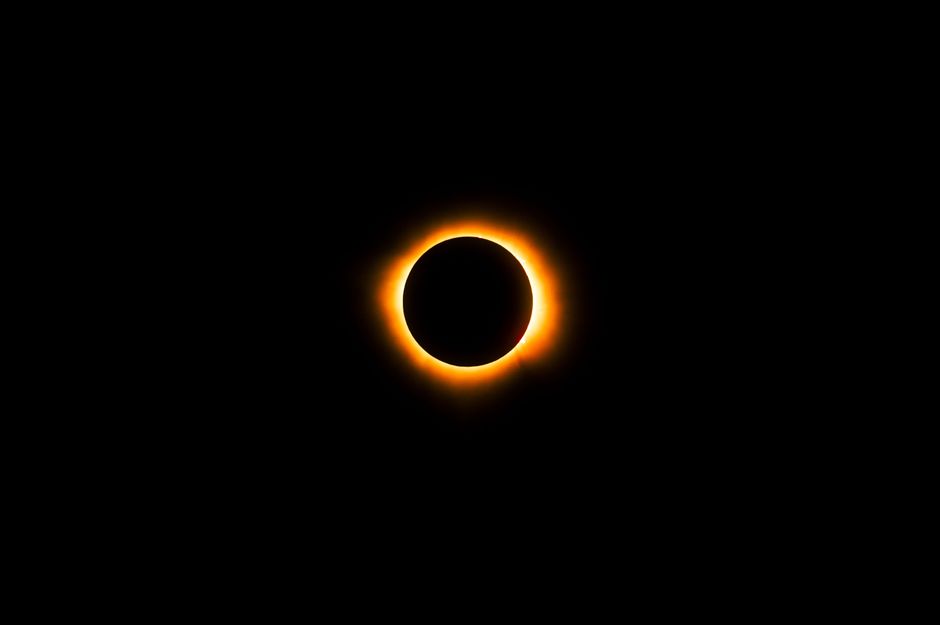
I still remember the gasp that rippled through our small group as the last sliver of sun vanished behind the moon. My six-year-old daughter, clutching her eclipse glasses so tightly they nearly bent, whispered, “It’s like someone turned off the sun.” We were standing in a field in rural Texas, surrounded by strangers who felt like old friends, all of us staring upward as the corona bloomed like a silver flower in a suddenly twilight sky. The temperature dropped. Crickets started chirping. Birds stopped singing. And for two minutes and thirty-eight seconds, my child understood something profound about the universe — not from a textbook, but from her own eyes.
I am a travel writer who has planned over a dozen family trips around celestial events, from meteor showers in the Rockies to northern lights in Iceland. But a total solar eclipse is different. It is rare, fleeting, and requires exact planning. When I started researching how to take my own kids to see the 2024 total solar eclipse, I found plenty of guides for hardcore astronomers but almost nothing written for parents who just wanted to share the magic without losing their minds. This article is the guide I wish I’d had. It covers everything from finding the path of totality to keeping kids engaged during the hours of partial phases, to the single most important safety item you will ever buy for your family.
The Essentials at a Glance
- 🌞 Book lodging 18–24 months in advance. Hotels and campgrounds inside the path of totality sell out faster than concert tickets. We booked our Airbnb fourteen months ahead and still paid a premium.
- 🔭 Buy ISO-certified solar glasses for every family member. Do not trust random online sellers; only buy from vendors listed on the American Astronomical Society’s safe supplier page. We tested ours by looking at the sun for one second — if it wasn’t comfortably dim, we tossed them.
- 🗺️ Plan for weather backups. Even a 95% partial eclipse is not worth the drive if the path of totality is cloudy. Have a Plan B location within three hours’ drive. We checked cloud cover statistics for a dozen cities before choosing our final spot.
- 🧒 Pack activities for the long wait. The partial phases last about two hours before and after totality. Our kids loved counting sunspots through filtered binoculars and timing how fast shadows sharpened as the eclipse progressed.
- 🚗 Arrive at your viewing spot by 9:00 AM on eclipse day. Traffic will be apocalyptic. We left our rental house at 6:30 AM for a site that was normally 45 minutes away. We barely made it.
The Complete Guide
Why This Matters / Why You Should Go
Most travel experiences are impressive — a grand canyon, a cathedral, a sunset over the ocean. A total solar eclipse is something else entirely. It is the only celestial event that transforms the world around you in real time. The sky darkens. Streetlights flicker on. A 360-degree sunset wraps around the horizon in eerie orange and purple. And then the sun’s corona appears, a crown of white plasma that is normally invisible because the sun is too bright. I have seen three total eclipses. Every single one has made me cry. Watching it with my children made me understand that they were seeing not just a phenomenon, but a reminder that we live on a planet that moves through a universe full of mystery.
This trip is for families who want their kids to ask big questions. It is for parents who are willing to plan obsessively for three years to hand their children two minutes of pure wonder. But it is also not for everyone. If your kids are under four, they may not remember it. If you hate crowds and traffic, you will need to embrace the chaos. And if you are not willing to spend money on proper glasses and backups, stay home — it is not worth the risk. But if you have a child who looks up at the stars and asks why, this trip will be the best investment you ever make.
When to Visit (Seasonal Guide)
The date of a total solar eclipse is fixed — the next major one crossing North America happens on April 8, 2024 (which has passed as of writing, so the next is in 2044 for the US, 2026 for Spain, 2027 for North Africa). You cannot choose the month. But you can choose which region of the path of totality has the best weather odds. For the 2024 eclipse, we chose central Texas because its historical cloud cover in early April was around 40%, compared to over 60% in New England and the Great Lakes. For the 2026 eclipse in Spain, aim for coastal Andalusia where skies are clearest. Check historical NASA cloud data for your specific narrow path. The best advice: pick a spot with dry spring or fall weather, not summer monsoon season.
Budget Breakdown
Here are real numbers from our family of four for the 2024 eclipse in Texas. Accommodation: We booked a two-bedroom Airbnb outside Lampasas (40 miles from downtown Austin) eighteen months out. Cost: $240/night (low season for that area, but inflated for eclipse). Mid-range hotels near the path in cities like San Antonio were $400–$600/night. High-end resorts in the path (like those in Kerrville) hit $1,200/night. Food: $100/day cooking at the rental; $50/day eating out once. Glasses and viewing equipment: $30 for five pairs of ISO glasses from a reputable vendor; $80 for a solar filter for our DSLR. Transport: Flight to Austin was $600 per person (booked 10 months ahead — last-minute prices doubled). Car rental was $120/day. Total for four days: approximately $4,500. We saved money by cooking breakfasts and lunches, skipping guided eclipse tours, and sharing a rental with another family.
Getting There & Getting Around
Fly into the nearest major airport to the path of totality. For the 2024 eclipse, airports like Austin, Dallas, San Antonio, Little Rock, and Cleveland worked. We flew into Austin-Bergstrom and rented a car, then drove two hours northwest to our rental near Lake Buchanan. The drive was easy on Tuesday but became a nightmare on eclipse day morning. Do not rely on Uber or taxis — they will surge price beyond reason. Rent a car and fill the tank the night before. For international eclipses (like 2026 in Spain), consider renting a car in Seville and driving to the coastal town of Conil de la Frontera. Local roads near the path will be gridlocked for hours after the eclipse; pack snacks, water, and patience for a three-hour wait in traffic.
Top Recommendations / Must-Do Activities
1. Find a wide-open space with a clear southern horizon. We chose a private ranch outside Burnet, Texas, that had a low fence, zero trees, and no light pollution. The owner let us camp on her land for $50. It was perfect because kids could run around during the partial phases without tripping over chairs. The downside: no bathrooms for miles. Bring a portable toilet or plan for bushes. 2. Explain the science before the event. We used NASA’s free “Eclipse Soundscapes” app and a simple pinhole projector made from a shoebox. My son (age 8) understood more from those five minutes than from any book. 3. Watch the animals. Cows at our ranch started heading to the barn as the sky darkened. My daughter loved this more than the eclipse itself. 4. Photograph the diamond ring. That burst of light just before totality is stunning. Use a DSLR with a proper solar filter — and practice focusing beforehand. We failed miserably on our first attempt in 2017. 5. Take off your glasses during totality. This is the only time you can look directly at the sun. I will never forget my kids yelling, “I can see it! It’s alive!” Some families cried. Others hugged. Every parent should experience this with their children.
Traveler’s Pro Tips
Practice the “glasses on/off” drill before eclipse day. Kids are impulsive and might try to look at the sun without glasses during the partial phase. We practiced three times at home using a flashlight — “Glasses ON means look down. Glasses OFF means you can look.” Your kids will feel safer and more in control. Pack a dedicated eclipse bag. Ours contained: five pairs of glasses (one extra per person), a solar filter for the camera, a pinhole projector, snacks, a blanket, and a printed map of the path of totality. Do not forget wet wipes (grass and sunscreen mix). Arrive with a backup audio plan. NASA’s live commentary is streamable on your phone. If cell towers go down (they will), have a downloaded podcast like “Eclipse 2024: A Family Guide” from the Astronomical League. It saved our patience during the long wait. Let your kids document the experience. Give them a cheap digital camera or just their own paper journal. My daughter’s drawings of diamond rings are more precious to me than any photograph. Book a refundable hotel room two hours away from the path as a backup. If the forecast shows clouds on the path, you can wake up at 3 AM, drive to clear skies, and still make totality. We did exactly that in 2017 and it worked perfectly.
Common Mistakes to Avoid
Mistake #1: Buying eclipse glasses from Amazon without checking certification. We did this in 2017. The glasses were comfortable but turned out to be fake. I only realized when the sun appeared too bright through them. The consequence could have been eye damage. Avoid it by always verifying the vendor name on the AAS website. Mistake #2: Believing you can “wing it” for lodging. A couple we met in 2024 drove from Dallas without a reservation, thinking they’d find a motel. They ended up sleeping in their car. I have done this myself on a trip to Iceland (not eclipse related) and it is miserable. Avoid it by booking 18 months in advance. Mistake #3: Forgetting to protect kids’ eyes during the partial phases. Even 99% coverage can harm your retinas. I supervised by standing behind my kids and reminding them of the rule every ten minutes. The consequence of not doing so is permanent vision loss. Mistake #4: Ignoring weather forecasts until the night before. In 2024, a friend drove to South Texas assuming clear skies, but a wildfire created haze that ruined her view. Avoid it by checking satellite imagery every day the week before and preparing a Plan B location within three hours.
Your Travel Checklist
- 📄 Documents: Passports (if crossing borders for the eclipse), printed reservations, hotel confirmations, car rental voucher, insurance cards.
- 🎒 Packing: ISO-certified solar glasses (minimum one pair per person, plus backup), solar filter for any camera, wide-brimmed hats, sunscreen, reusable water bottles, folding chairs or blanket, pinhole projector materials (shoebox, foil, paper).
- 🔍 Research: Download offline maps of the path of totality; save NASA’s eclipse app on your phone; print a simple cloud cover forecast map; know the exact time of totality for your location (to the second).
- 🏡 Bookings: Lodging (refundable if possible) at least 18 months prior; car rental (book even earlier if flying); any paid viewing events (some ranches charge per car).
- 💊 Health & Safety: First-aid kit (blisters from hiking for the perfect spot are real); snacks for the car ride; emergency contact info for your viewing site; extra sunblock.
- 💰 Local Currency: For international eclipses, have cash for small vendors — many won’t accept cards in rural areas.
- 📱 Apps: Eclipse Safari (for timing), WeatherBug (for live radar), GasBuddy (for fuel stations on the way out), and a compass (to know where the sun is).
Traveler FAQ
Q: Can I take my toddler to see a total solar eclipse?
A: Yes, but it requires extra planning. Toddlers won’t remember it, but they can still enjoy the sight of shadows sharpening and the sudden cool breeze. Keep glasses on them with a velcro strap — they will try to pull them off. Bring earplugs if your child is sensitive to the crowd noise. We saw several families with babies in carriers; most slept through the partial phases and woke up confused during totality.
Q: How far in advance do I need to book?
A: As early as humanly possible. For the 2024 eclipse, hotels inside the path of totality were sold out 12 months ahead. We booked our Airbnb 18 months out and still paid $240/night for a basic two-bedroom. For eclipses in less developed regions (like 2027 in Egypt), you may need to join an organized tour. Start planning three years before the event.
Q: Are expensive eclipse glasses really necessary?
A: Absolutely. Cheap knockoffs can damage your eyes permanently. Spend $10–15 per pair from a vendor certified by the American Astronomical Society. Test them by looking at the sun for one second — if it is even slightly too bright, throw them away. Buy from known shops like Rainbow Symphony or Thousand Oaks Optical. We bought ten pairs and gave extras to strangers — it made great conversation.
Q: What if it is cloudy on eclipse day?
A: This is the biggest risk. Check historical cloud cover data for the path you choose, and have a Plan B location within three hours drive. For the 2024 eclipse, we watched satellite imagery for three days and had a backup spot near Fort Worth in case the Texas Hill Country became cloudy. We got lucky, but many friends in New England missed totality entirely due to clouds. The experience is still worthwhile — even a cloudy eclipse creates a strange, eerie twilight — but you want clear skies for the corona.
Q: How do I keep kids entertained during the long wait before totality?
A: The partial phases last about two hours each side. We brought a portable telescope with a solar filter, a pinhole projector, crayons and paper for drawing the changing crescent shadows, and snacks. We also played “Eclipse Bingo” — a free printable from NASA’s website — where kids mark off things like “see a shadow sharpening” or “hear a bird chirping at the wrong hour”. It kept our kids engaged for the whole time.
Ready for Your Adventure?
I will be honest with you: planning an eclipse trip with kids is not easy. It requires obsession-level research, flexible work schedules, and a willingness to spend money on something that might be ruined by clouds. But here is what I learned from standing in that Texas field with my children: the effort is the point. The hours of driving, the traffic jams, the overpriced rental car — all of it dissolves in those two minutes when a six-year-old realizes the moon is exactly the right size to block the sun. That child will remember this forever. Not because of a video or a souvenir, but because she felt the world tilt on its axis. Go ahead and buy those glasses. Book that hotel. Mark your calendar for the next eclipse. If you are hesitating because it seems complicated, I promise you: the only regret you will have is not going. So pack your bags, grab your kids, and go chase the shadow. The universe is waiting.


No comments:
Post a Comment