Why Cold Plunging in Finland and Russia Will Rewire Your Brain and Body
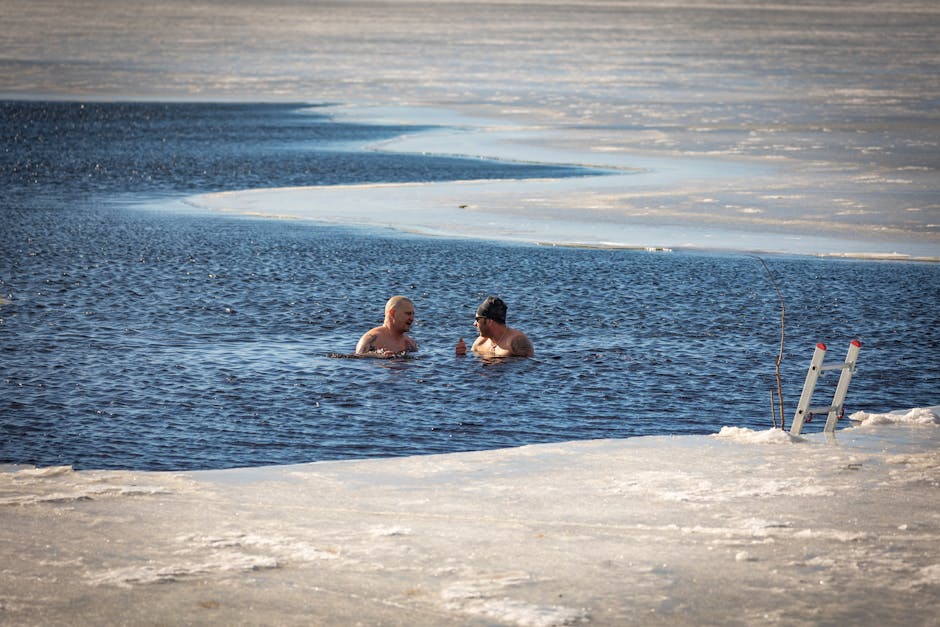
Emerging from a frozen lake — the moment your breath catches and your mind goes silent.
✈️ Best time to visit: December to March for optimal ice conditions; May to September for milder winter swimming
💰 Estimated budget: $80–150/day (mid-range); $200+/day (high-end) including lodging, sauna access, and guided plunges
⏱️ How long to spend: 7–10 days for a dedicated cold-plunge trip; 4–5 days as part of a Nordic wellness itinerary
🎯 Difficulty level: Moderate — requires mental grit and basic swimming skills, but no prior cold exposure needed
📍 Recommended season: Deep winter (Jan–Feb) for the full ritual; autumn (Sep–Oct) for beginners
👥 Best for: Solo adventurers, couples seeking intimacy, and wellness-focused travelers (not ideal for young children)
Introduction
I still remember the first time I stepped onto a frozen lake in northern Finland. The air was minus 15°C, and the hole cut into the ice looked impossibly dark. My guide, a 68-year-old Finn named Eero, simply said, “Don’t think. Just let go.” I slipped into the water, and for a split second, my lungs seized. Then came the rush — a clarity so sharp it felt like my brain had been wiped clean of every worry. I stayed in for exactly sixty seconds. When I climbed out, steam rising off my skin, I laughed uncontrollably. That moment changed how I view discomfort.
I’ve spent the past eight winters researching cold exposure across Scandinavia, Russia, and the Baltics — not as a stunt, but as a serious practice. I’ve interviewed physiologists in Helsinki, joined a winter swimming club in a Soviet-era dacha outside Moscow, and plunged into the Baltic Sea with locals who’ve done it daily for decades. This article is the summary of what I’ve learned: the best places to cold plunge and ice bathe, how to do it safely, and why this ancient Nordic ritual is becoming a global wellness phenomenon.
By the end of this guide, you’ll know exactly where to go, when, and how much it costs — plus the insider tricks that separate a miserable experience from a transcendental one.
The Essentials at a Glance
- 🌊 Cold plunging is not torture — it’s a skill. The body adapts after 3–4 sessions; your first dip is the hardest and most rewarding.
- 📍 Finland and Russia are the undisputed capitals. Thousands of public holes and sauna-plunge circuits exist, often for free or under €10.
- 🧊 Always combine with a sauna. The contrast therapy is the real magic — heat opens capillaries, cold constricts them, boosting circulation and mood.
- 🩺 Don’t do it drunk or alone. Every local I met emphasized this: never plunge after alcohol, and always have a buddy or an attendant nearby.
- 📅 Timing matters more than you think. Morning dips (6–9 a.m.) offer the calmest water; weekend afternoons at popular spots get crowded.
The Complete Guide
Why This Matters / Why You Should Go
You’ve probably seen the Instagram reels — influencers screaming into frozen lakes, wearing only swimsuits. But cold plunging isn’t a trend. In Finland and Russia, it’s a centuries-old wellness practice tied to sisu (Finnish resilience) and the belief that cold water strengthens the immune system and mental fortitude. What makes these destinations special isn’t just the water temperature (which can drop to 0°C or below), but the infrastructure built around it. In Finland, every small town seems to have a avantouinti (winter swimming) spot with a heated changing hut, a wood-fired sauna, and a ladder into a hole cut through two feet of ice. In Russia, the tradition is even grittier — you’ll find babushkas plunging into frozen rivers near Moscow, then sipping hot tea from thermoses as snow falls.
Who is this for? Not just thrill-seekers. I met a 72-year-old woman in Helsinki who started after her arthritis flared up; she now swims daily. I met a software engineer from Berlin who uses cold plunges to reset after burnout. It’s for anyone willing to face discomfort as a path to aliveness. The science backs it up: studies from the University of Oulu show that regular cold exposure reduces inflammation, improves circulation, and releases dopamine and endorphins for hours afterward. But the real reason to go is simpler — it makes you feel awake in a world that often numbs us.
When to Visit (Seasonal Guide)
Deep winter (December to March): This is peak season for serious cold plungers. The ice is thickest (often 30–50 cm on larger lakes), and air temperatures range from -10°C to -25°C. Crowds are moderate at famous spots like Helsinki’s Allas Sea Pool or Löyly sauna, but the experience is raw and unforgettable. The downside: shorter daylight hours (only 4–6 hours of sun in northern Finland), and you’ll need serious thermal gear between dips.
Spring and autumn (April–May, September–October): These shoulder seasons are ideal for beginners. The water is still cold enough for a shock (4–10°C), but the air is milder, making the exit less brutal. You’ll find fewer tourists, and in Finland, many lakeside saunas have extended hours. In Russia, the early-autumn plunge at Lake Baikal (which freezes fully only in January) offers dramatic scenery without extreme cold.
Summer (June–August): Technically “winter swimming” continues year-round, but the water temperature rises to 15–20°C in lakes — still invigorating but not the full ice-bath experience. Many locals still plunge in summer for habit, but I’d recommend this period only if you’re combining with other outdoor activities like hiking or canoeing.
Budget Breakdown
Cold plunging doesn’t have to be expensive, but costs vary hugely depending on location and luxury level. Here’s what I’ve spent on recent trips:
- Accommodation (per night): Hostels/dorms — $25–45 (e.g., Eurohostel in Helsinki or Friends Hostel in St. Petersburg); mid-range hotels — $80–140 (e.g., Hotel F6 in Helsinki or Sokos Hotel in Tampere); high-end — $200+ (like Lapin Saunamökki in Rovaniemi with private sauna and plunge hole).
- Food (per day): Street food/supermarket — $15–25; casual restaurants — $35–55; fine dining — $70+. Note: warm, hearty meals like salmon soup or pelmeni are cheap and perfect post-plunge.
- Plunge access fees: Public city spots — free to $8 (e.g., Hietaniemi Beach winter swimming spot in Helsinki is free); private sauna complexes — $15–40 (entry to Löyly in Helsinki costs about $25 for two hours, including sauna and sea access); guided experiences — $50–150 (e.g., a 3-hour session with a cold exposure coach near Ruka).
- Transport: Helsinki to Rovaniemi by overnight train — $60; local buses — $2–5; rental car — $50/day. In Russia, trains are cheap (Moscow to St. Petersburg about $40) but visas add $50–100.
- Total daily budget: $80–150 for mid-range travel; $200+ for comfort.
- Money-saving tip: Stay in hostels with saunas (many in Finland have them). Buy a “sauna card” at public swimming halls — it gives unlimited access for a week for about $30. Cook your own meals; local markets sell reindeer meat, potatoes, and berries cheaply.
Getting There & Getting Around
To Finland: Fly into Helsinki-Vantaa (HEL) from major hubs. From there, take the high-speed train (VR) to Tampere, Oulu, or Rovaniemi — 3 to 8 hours, with views of endless pine forests and frozen lakes. For remote spots like Koli National Park or the Åland archipelago, rent a car (around $50/day including winter tires).
To Russia: You’ll need a visa (apply 4–6 weeks ahead). Fly to Moscow (SVO) or St. Petersburg (LED). The high-speed Sapsan train connects these cities in 4 hours. For Lake Baikal, fly to Irkutsk (IKT) from Moscow — a 6-hour flight. Local marshrutka buses reach plunge spots, but hiring a guide is safer if you’re not fluent in Russian.
Navigation tips: In Finland, download the Avantouinti app — it maps all official winter swimming spots with real-time ice thickness and water temperature. In Russia, use Google Maps offline (cell service is spotty). Always carry a paper map as backup; my phone died at -20°C in Lapland, and only a printed map saved me from getting lost between lakes.
Top Recommendations / Must-Do Activities
1. Allas Sea Pool, Helsinki — This is the most accessible city plunge in the world. A floating complex in the harbor, it has a heated outdoor pool, a cold sea-water pool (2–4°C in winter), and multiple saunas. I went at 7 a.m. on a Tuesday; the sunrise over the Baltic Sea was pink and silent. The cold pool is small but deep — you can actually swim 25 meters. Insider tip: Book the 6:30 a.m. slot to avoid crowds and catch the quietest moment. Entry costs $18; buy a 10-visit card for $130 if staying longer.
2. Banya experience in St. Petersburg, Russia — The Degtyarnye Bani is a 1911-era bathhouse where locals have plunged into ice-cold pools between steam sessions for over a century. It’s gritty, unglamorous, and utterly authentic. I was the only non-Russian there. The cold plunge is a tiled pool fed by natural spring water — around 4°C. Downside: The staff speak almost no English, and the changing areas are cramped. Insider tip: Bring rubber flip-flops (the wood floors are slippery) and a felt hat for the sauna. A two-hour session costs about $12.
3. Lake Baikal, Russia (January–March) — The holy grail for adventurers. When the lake freezes, the ice is so clear you can see rocks 40 meters below. I joined a guided day trip from Irkutsk that included a plunge into a hole cut near Olkhon Island. The water was 0.5°C. The surreal part: lying on the ice afterward, staring into that glassy abyss. Insider tip: Hire a local guide from Baikal Explorer — they provide dry suits and hot tea. This is not a DIY activity; the ice can shift unexpectedly.
4. Löyly, Helsinki — A modern sauna complex designed by architect Jukka Jokilehto. The cold plunge is a staircase into the Baltic Sea, with a safety rope. It’s Instagram-famous, but the experience is genuinely world-class. Personal take: The queues can be long (up to 40 minutes on weekends). Go on a weekday evening; the lighting is moodier, and the sea feels calmer. Entry is about $25 for 2 hours.
5. Koli National Park, Finland — For wilderness plunges. In winter, a local guide (I used Koli Plunge) takes you to a secluded lake with a hand-cut hole. There’s no sauna — just a small hut with a wood stove. The silence was so profound I could hear my heartbeat. Insider tip: This is for experienced plungers only (water temps below 2°C). Rent crampons for the icy walk — I almost fell twice.
Traveler’s Pro Tips
Master the “box breathing” before entering: Inhale for 4 seconds, hold for 4, exhale for 4, hold for 4. Do this 5 times before you step into the water. It stops the gasp reflex that makes beginners panic. I learned this from a Finnish sauna master named Marja — she does it every morning at 6 a.m., even in -30°C.
Wear wool — not cotton — for after your dip: Cotton absorbs water and will freeze against your skin. Instead, bring a thick wool sweater and socks, plus a windproof jacket. I once wore a cotton T-shirt post-plunge in Lapland and shivered uncontrollably for an hour. Never again.
Warm up from the inside, not just the outside: Hot tea with honey and ginger is the traditional post-plunge drink in Finland and Russia. Avoid coffee — it constricts blood vessels and counteracts the circulation benefits. I always pack a thermos of honey-lemon-ginger tea.
Use earplugs for ice water: The cold water triggers a “caloric vestibular response” that can disorient you. Silicone earplugs (like Mack’s) reduce this. A doctor in Helsinki recommended them to me after my first plunge left me dizzy for minutes.
Never plunge within 2 hours of a meal: Digestion diverts blood flow from your extremities, increasing the risk of hypothermia. I always eat a light meal (like oatmeal) 3 hours before, and save the heavy salmon soup for afterward.
Common Mistakes to Avoid
1. Staying in too long for photos: I did this at Lake Baikal. I wanted the perfect shot of myself with the ice crystals, so I stayed in for 2 minutes and 30 seconds. By the time I got out, my fingers were so numb I couldn’t zip my jacket. How to avoid: Set a timer for 60 seconds maximum for your first plunge. Even pros rarely exceed 2 minutes in 0–2°C water. The risk of vasoconstriction and after-drop (continued core cooling after exit) rises sharply after 90 seconds.
2. Skipping the warm-shower transition: After a cold plunge, the instinct is to jump into a hot sauna immediately. But rapid temperature shifts can stress your heart. I saw a man in St. Petersburg faint after going from 0°C to 90°C in 30 seconds. How to avoid: Always take a 5-minute lukewarm shower first. Let your skin temperature rise gradually. Then enter the sauna.
3. Plunging alone without telling anyone: In Russia, I once went to a remote spot on the Gulf of Finland without leaving my location with the hostel. My phone died. The ice was thinner than expected. A local found me 20 minutes later, shivering, and walked me to safety. How to avoid: Always tell someone your exact location and expected return time. Carry an emergency blanket (space blanket) and a whistle.
4. Wearing swim trunks that are too loose: Cold water causes rapid testicular retraction in men — loose trunks can float away or cause chafing. I lost a pair of $50 board shorts in a Finnish river. How to avoid: Wear tight-fitting speedos or thermal rash guards. In Russia, women often wear neoprene shorts or full wetsuits under swimsuits for modestly and warmth.
Your Travel Checklist
Documents & Health:
- Passport (with at least 6 months validity and two blank pages for Russian visa)
- Travel insurance that covers hypothermia and ice rescue (World Nomads or Allianz)
- Vaccination record (tetanus, hepatitis A/B recommended; check for diphtheria — it’s endemic in parts of Russia)
Packing:
- Merino wool base layers (long-sleeve and leggings) — at least two sets
- Waterproof insulated gloves and neoprene booties (to walk on ice)
- Silicone earplugs, waterproof watch with timer, and a thermos (stainless steel, 1-liter)
- Space blanket (emergency) in your daypack
- Sunglasses (the glare off snow and ice is blinding)
Research & Bookings:
- Buy a sauna card online (for Finnish public saunas) to save money
- Reserve guided plunge experiences at least 3 weeks in advance for Lake Baikal and Koli
- Download the Avantouinti app (Finland) and offline maps for Russia
- Check ice thickness reports (Finnish gov site: ilmatieteenlaitos.fi) — never plunge on ice less than 15 cm thick
Currency & Communication:
- Finland: Euro (€), cards accepted everywhere
- Russia: Ruble (₽), bring cash (cards from international banks often fail)
- Learn basic phrases: “help” in Russian is “Pomogite”; in Finnish, “auta”
- Carry a printed emergency card with your hotel address in the local language
Traveler FAQ
Q: Is it dangerous to cold plunge if I have high blood pressure?
A: It can be risky. The sudden cold causes vasoconstriction, which spikes blood pressure. Always consult your doctor first. If approved, start with short dips (20–30 seconds) and limit to water above 10°C. I have mild hypertension, and my doctor cleared me only after a stress test.
Q: Do I need to be a strong swimmer?
A: Not at all. Most cold plunges involve just submerging to your chin in a small hole; you don’t actually swim. For open-water winter swimming (like in the Baltic Sea), basic floating ability is enough, but stay within arm’s reach of a ladder or rope.
Q: What if I start shivering uncontrollably after getting out?
A: That’s normal — it’s your body trying to generate heat, called “after-drop.” Immediately wrap in a wool blanket, drink warm liquid, and do light movement (like walking in place). Do NOT take a hot shower until shivering stops. If it lasts more than 10 minutes, seek medical help.
Q: Can I do this year-round in Finland and Russia?
A: Yes, but the experience changes. In summer, water is 15–20°C — still cold but not the mental-shock element. Many locals plunge year-round for the routine. Winter is more dramatic; autumn and spring are best for beginners due to milder air.
Q: Are there any spots that are free?
A: Hundreds in Finland. Public beaches like Hietaniemi in Helsinki or Pyynikki in Tampere have maintained winter swimming holes that are free and open year-round. Some have donation boxes for maintenance. In Russia, ask locals — village babushkas often maintain spots for free or a small tip.
Ready for Your Adventure?
Cold plunging is not a luxury vacation. It’s a raw, humbling practice that demands you show up with nothing but your breath and courage. I’ve done it in high-end spas in Helsinki and in a hole cut by hand through a meter of ice on Lake Baikal, and the feeling afterward is always the same — a profound, vibrating aliveness that lingers for hours. You don’t need to be an athlete; you just need to be willing to surrender.
As I write this, I’m planning my next trip back to Finland for February. I’ve already booked a cabin near Ruka with a private sauna and a hole in the lake. The flight is booked. My wool socks are ready. If you’ve been hesitating, let me be the voice that says: don’t overthink it. The water is waiting. It will be cold, and it will be glorious. Pack your bag, book your ticket, then take that first step onto the ice.


No comments:
Post a Comment