Your Passport to Europe: A Step-by-Step Schengen Visa Application That Won't Leave You Drowning in Paperwork
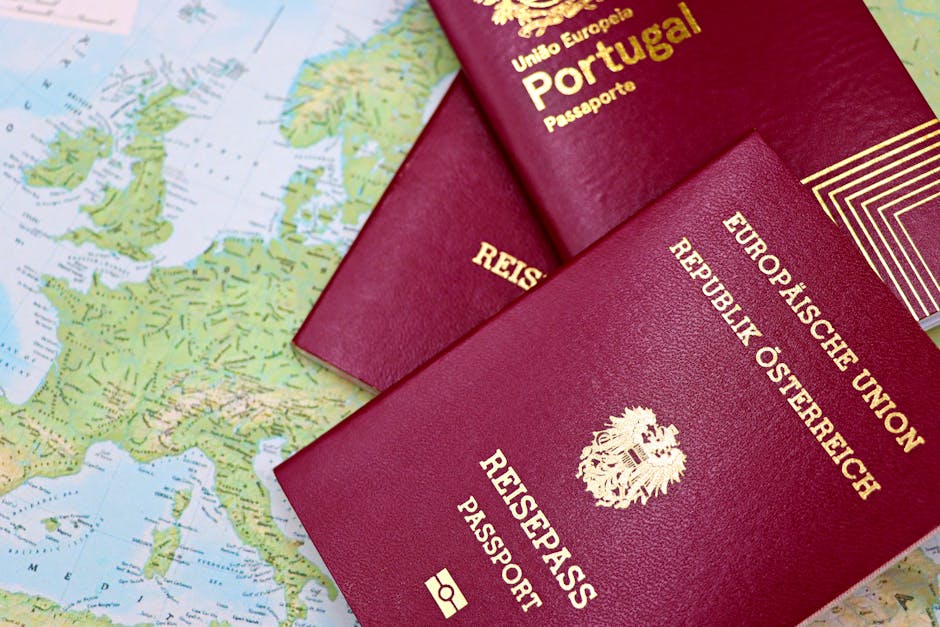
That little visa sticker in your passport unlocks 27 countries. But getting it right the first time? That’s the real adventure.
✈️ Best time to visit: Late spring (May–June) or early autumn (September–October) for mild weather and fewer crowds.
💰 Estimated budget: €70–€90 visa fee (non-refundable), plus travel insurance (€20–€50) and courier/service fees (€10–€40). Total application cost: €100–€180.
⏱️ How long to spend: Processing takes 15 calendar days (can extend to 45 days in peak season). Plan to apply 6–8 weeks before travel.
🎯 Difficulty level: Moderate. The process is straightforward but requires documentation discipline.
📍 Recommended season: Apply in low tourist season (November–February) for faster processing.
👥 Best for: First-time Europe travelers, solo adventurers, family holiday planners, and digital nomads who want to explore multiple countries.
Introduction: The Moment I Almost Missed My Flight to Paris
I remember sitting in a Budapest café three years ago, staring at my phone with a knot in my stomach. My flight to Paris left in twelve hours, and I had just realized my passport—with its precious Schengen visa sticker—was sitting in a courier bag on its way back to my apartment. I had applied through the French consulate in Berlin, and thanks to a tiny oversight on the application form (I had listed my hotel check-in date one day early), the entire process had been delayed by a week. I made the flight, barely, but that anxiety stayed with me.
Since then, I've applied for and received five Schengen visas from three different embassies—France, Italy, and Spain. I’ve navigated the quirks of the London consulate, the efficiency of the Warsaw office, and the paperwork-heavy process in New Delhi. I’ve made nearly every mistake you can imagine: incorrect travel insurance, bank statements that didn’t cover the right period, and even a missing signature on a hotel confirmation. Each time, I learned something new about this bureaucratic maze.
This guide is everything I wish I had known from the start. I’ll walk you through exactly what you need, where you apply, how to fill out the form without errors, and what to do when the embassy calls with questions. By the end, you’ll feel confident enough to prepare your application in one afternoon—and actually enjoy the anticipation of your European trip.
The Essentials at a Glance
- 🗺️ Know your "main destination" rule: Apply at the embassy of the country where you’ll spend the most nights. If days are equal, apply at the country of first entry.
- 📋 Gather documents in a ring binder: Embassies love order. Use divider tabs for each section (application, flight, hotel, insurance, bank, employment).
- 📸 Get the photo right: 35mm x 45mm, white background, no glasses, no hair over face. A rejected photo can delay your entire application.
- 💶 Travel insurance must cover €30,000 minimum: Many cheap policies don’t. Check the fine print for "Schengen area coverage" and "emergency repatriation."
- ⏰ Apply exactly 6 months before travel, but no later than 15 days before: The earliest you can apply is 6 months out; the latest is 15 days. Aim for 6–8 weeks for safety.
The Complete Guide
Why This Matters / Why You Should Go
Let’s be real: applying for a visa feels like homework when you’re dreaming of gelato in Rome or a sunset cruise in Santorini. But here’s the thing—the Schengen visa is your golden ticket to 27 countries with a single stamp. No separate visa for France, then another for Germany, then another for Spain. One application, one fee, and you’re free to roam from Portugal to Poland, from Norway to Greece.
What makes the Schengen Area special isn't just the convenience. It’s the ability to stand in a Parisian boulangerie at breakfast, take a two-hour train to Brussels for lunch, and be in Amsterdam by dinner—all without showing your passport once. For a traveler, that freedom is intoxicating. But it comes with a catch: the visa application process can be intimidating if you don’t know the rules.
This guide is for anyone who has ever looked at the Schengen application form and wondered, “Do I really need a letter from my employer? What if I’m self-employed? How do I prove my hotel booking without paying in advance?” I’ve been there. I’ve sat in those waiting rooms with piles of photocopies, feeling like I needed a law degree just to fill out a form. But once you understand the structure, it’s less of a nightmare and more of a checklist. And I promise, the first time you walk through passport control in Frankfurt with that visa sticker in your passport, it’s worth every minute of paperwork.
When to Visit (Seasonal Guide)
While the visa process itself doesn’t have seasons, your application timing can dramatically affect your experience. Peak travel months (June–August) mean longer appointment wait times at consulates—sometimes up to 3–4 weeks just to submit your documents. Processing times also stretch because of the sheer volume of applications. I once waited 28 days for a visa in July, when the standard is 15.
Shoulder seasons (April–May, September–October) are my sweet spot. Consulate appointments are easier to book, processing times tend to be faster (10–14 days), and the weather in Europe is actually pleasant. I applied for my Italian visa in mid-September and had it back in exactly nine days.
Winter months (November–February) offer the fastest processing—often under 10 days. The catch? You’re traveling to Europe in winter, which means shorter days, colder weather, and fewer tourists. For city breaks like Vienna, Prague, or Budapest, winter is magical. For beach destinations, not so much. If you’re traveling for Christmas markets, apply in late October to early November.
Budget Breakdown
Let’s talk money, because surprise costs are the worst kind. Here’s what you’ll actually spend on the application itself:
Visa fee: €80 for adults (€40 for children 6–12, free for under 6). Some nationalities pay less due to reciprocity agreements, but €80 is the standard for most. Service provider fee: If you apply through a third-party agency like TLScontact or VFS Global (which most consulates require), you’ll pay an additional €15–€35 for the appointment handling. Travel insurance: Expect to spend €20–€50 for a single-trip policy that meets Schengen requirements. Don’t buy the cheapest—check that emergency repatriation and €30,000 coverage are clearly stated. Photographs: €10–€15 for a proper biometric photo (don’t DIY this, trust me). Courier return service: €10–€20 to have your passport mailed back instead of collecting it in person.
Total application cost: approximately €100–€180. This does not include flights or accommodation, which you’ll need to prove you have booked (more on that below). Money-saving tip: book refundable flights and hotels. You can cancel them after your visa is approved, then rebook cheaper non-refundable options. Many travel booking sites now offer free cancellation within 24–48 hours—use that window to secure confirmations for your application.
Getting There & Getting Around
Every country in the Schengen Area has its own consulate or embassy that handles visa applications. You must apply at the embassy of your main destination—the country where you’ll spend the most nights. If you’re splitting time equally, apply at the country of first entry. For example, I once flew into Munich, spent three days in Germany, then seven days in Italy. I applied at the Italian consulate because Italy was clearly my main destination.
You can’t just walk into any embassy. You need to book an appointment online through the official visa service provider (TLScontact, VFS Global, or BLS International, depending on the country). Walk-ins are almost never accepted. The appointment itself usually takes 15–30 minutes, but you’ll hand over your documents, provide biometrics (fingerprints and photo), and answer a few questions. They’ll keep your passport during processing.
Pro tip: If you live in a major city like London, New York, or Mumbai, book your appointment 4–6 weeks in advance during peak season. I’ve seen slots fill up within 48 hours of being released. Smaller cities like Edinburgh or Chicago often have more availability—worth the train ride.
Top Recommendations / Must-Do Activities
1. Master the "cover letter": This is the single most underrated document. Write a one-page letter explaining: who you are, why you’re traveling, which countries you’ll visit and for how long, and how you’ll fund the trip. Attach flight and hotel confirmations to it. I’ve had two visa officers tell me (unofficially) that a clear, concise cover letter makes them more likely to approve quickly.
2. Bank statements must be recent and stamped: Most embassies want the last 3–6 months of bank statements, stamped by your bank. I learned this the hard way when my printed online statement was rejected because it lacked an official stamp. Visit your branch in person and ask for certified copies.
3. If you’re self-employed, bring your business registration and tax returns: Freelancers and small business owners need to prove income beyond just bank deposits. A letter from your accountant or a tax return from the previous year works well. I’ve also included a few recent invoices showing I was actively working.
4. Photocopy everything: Make two copies of every single document: application form, passport pages, flight itineraries, hotel bookings, insurance policy, bank statements, employment letter, and any previous visa stamps. Hand one set to the officer and keep the other. Consulates are notorious for losing a single page—I’ve seen it happen.
Traveler’s Pro Tips
Apply at the "weaker" embassy if possible: Not all Schengen embassies process visas at the same speed or with the same level of scrutiny. Belgium and the Netherlands are generally more relaxed. France and Spain are business-like but fair. Germany is famously strict. If you have a flexible itinerary, consider which country’s embassy you visit based on your passport. I once applied via the French consulate because I heard they accept slightly less detailed hotel bookings than Germany—and it worked.
Don’t book flights until you have a tentative appointment: You need to list flights on the application form, but many airlines now offer 24-hour free cancellation or flexible fares. Use that. Do not buy non-refundable tickets before your visa is issued. I’ve heard horror stories of people buying $1,500 flights and then being denied a visa because their insurance didn’t meet the €30,000 minimum.
Use a "dummy" hotel booking from a free cancellation site: Booking.com has a filter for "free cancellation." Book a hotel for your exact dates, get the confirmation PDF, then cancel after the visa is issued. Do this ethically—don’t book and cancel multiple times or it may flag your account. One booking per application is fine.
Get travel insurance from a company with a 24/7 emergency line: It sounds trivial, but if the embassy calls your insurance provider to verify coverage and nobody answers, your application could stall. I use AXA Schengen or World Nomads because they have dedicated visa helplines.
Carry a printed copy of your visa approval email: On the day you fly, have the approval email (and the courier tracking if your passport is en route) printed out. I once had to show this at check-in because my visa was issued just 18 hours before my flight. The airline agent needed proof the sticker existed.
Common Mistakes to Avoid
Mistake 1: Forgetting that the visa starts on the date you enter, not when issued. Your visa will have a validity window (e.g., 14 days). If you apply too early and the embassy issues the visa too early, it may expire before your trip or start later than you need. I once had a visa with a start date of June 1, but my flight was May 28. I had to reapply. Always list your actual travel dates on the form.
Mistake 2: Submitting a hotel booking without your name on it. If a friend books a hotel for you, make sure the booking confirmation lists your name as a guest. I saw an applicant at the Berlin consulate get rejected because her friend’s name was the only one on the hotel voucher. The officer said it looked like she had no accommodation.
Mistake 3: Overdocumenting your finances. You need to show you can afford the trip, but showing a massive bank account with huge unexplained deposits can actually trigger suspicion. A steady salary, a small savings account, and a consistent spending pattern is better than a sudden €10,000 deposit from your mom. The visa officer will wonder if the money is borrowed and might think you’re planning to overstay.
Mistake 4: Not checking if your passport has blank pages and is less than 10 years old. Both conditions are mandatory. If your passport has fewer than two blank pages, apply for a new one before the visa. If your passport was issued more than 10 years ago (even if it doesn’t expire for another year), you need a new passport. I saw a man get turned away at the counter because his passport was issued 11 years prior.
Your Travel Checklist
Documents (ORIGINALS + 2 photocopies):
- ☐ Valid passport (at least 2 blank pages, less than 10 years old, valid for 3 months beyond your return date)
- ☐ Completed visa application form (signed in blue ink)
- ☐ Two recent passport photos (35x45mm, white background)
- ☐ Travel insurance certificate (€30,000 coverage, Schengen-wide)
- ☐ Round-trip flight itinerary (with booking reference)
- ☐ Hotel bookings (exact dates, your name printed on confirmations)
- ☐ Employment letter (dated within 1 month, with your salary and approved leave dates)
- ☐ Bank statements (last 3–6 months, bank-stamped)
- ☐ Cover letter (1 page, explaining your trip purpose and itinerary)
Packing & Preparation:
- ☐ Translucent plastic document folder (no binders with metal rings at some embassies)
- ☐ Pen (blue ink for signatures)
- ☐ Appointment confirmation printout
- ☐ Small change for photocopying if needed at the consulate
Health & Safety:
- ☐ Emergency contact information written on a card inside your wallet
- ☐ Print of your travel insurance emergency hotline number
- ☐ List of allergies and blood type (I keep this with my passport)
Traveler FAQ
Q: Can I apply for a Schengen visa if I have no fixed travel plans?
A: Technically no—you need to show a clear itinerary with dates, accommodation, and transportation. But you can book refundable hotels and a flexible flight to create a "soft" itinerary. Just have a rough plan in mind so the visa officer doesn’t think you’re fishing for a multiple-entry visa without a genuine trip.
Q: What if I want to visit multiple Schengen countries, but my main destination is not the first country I enter?
A: No problem. You still apply at the embassy of the country where you’ll spend the most nights. You don’t need to enter that country first. I’ve flown into Prague (Czech Republic) while my visa was issued by Italy, because I spent eight days in Italy and only three in the Czech Republic. The officer just asked me to show my flight from Prague to Rome.
Q: How much money do I need in my bank account to get approved?
A: There’s no fixed number, but a general guideline is to show you have at least €50–€70 per day of your stay, plus funds for accommodation. For a 10-day trip, that’s roughly €500–€700 in available funds beyond your hotel cost. If you’re unemployed or a student, a sponsor letter from a family member along with their bank statement can work.
Q: My visa was refused. Can I reapply immediately?
A: Yes, but don’t just resubmit the same application. The refusal letter will state a reason (e.g., insufficient funds, unclear travel purpose, invalid insurance). Fix that specific issue. I had a friend refused for “unreliable travel insurance.” She bought a proper policy, wrote a cover letter explaining the correction, and was approved on her second attempt two weeks later.
Q: Do I need to buy travel insurance before or after applying?
A: You need to have the policy purchased when you apply, but it only needs to be active during your travel dates. I always buy a single-trip policy for the exact dates of my trip. Some embassies accept annual policies too, as long as the coverage amount is at least €30,000 per incident. Keep a digital copy on your phone during travel.
Ready for Your Adventure?
The first time you open that courier envelope and see the gold and blue sticker affixed neatly to a clean passport page, you’ll feel a surge of relief—and excitement. That little square of printed authority is permission to explore a continent of cobblestone streets, mountain villages, art museums, and seaside cafes. It’s the gateway to wandering Parisian markets on a Sunday morning, tasting olives in a Sicilian piazza, or watching the Northern Lights from a Swedish cabin.
I won’t pretend the application process is glamorous. It’s paperwork, plain and simple. But it’s paperwork with a purpose. Every document you gather is a small act of proving that you plan to come home—that your spirit of exploration is matched by your sense of responsibility. The best travelers I know treat this stage as part of the journey, not a barrier to it.
So go ahead. Download that application form. Schedule that appointment. And when you finally board that plane with your passport in hand, remember that you earned the freedom to roam. Europe is waiting.


No comments:
Post a Comment