Soak Away the World: Why Iceland’s Wild Hot Springs and Japan’s Sacred Onsen Are the Ultimate Escape
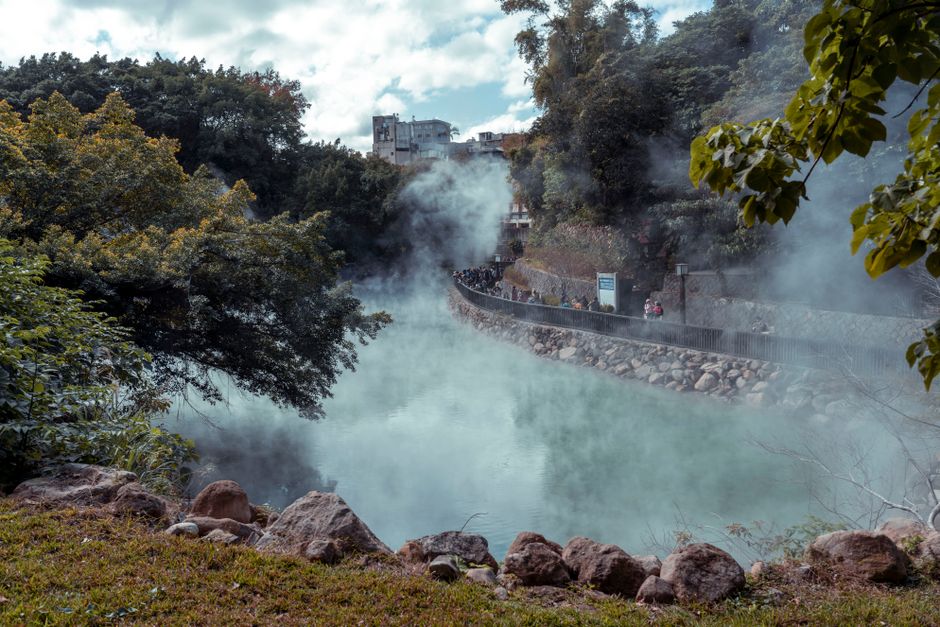
The natural Blue Lagoon in Iceland: a surreal blend of geothermal steam and mineral-rich silence.
✈️ Best time to visit: Iceland: June–August (midnight sun) or October–March (Northern Lights). Japan: November–February (cool air, hot water).
💰 Estimated budget range: $150–$400/day for mid-range travel in either country. A single onsen visit: $8–$25. Iceland’s Blue Lagoon: $60–$100 entry.
⏱️ How long to spend there: Iceland: 7–10 days to explore 4–5 hot springs regions. Japan: 5–7 days for a dedicated onsen hopping tour in Hakone, Beppu, or Kinosaki.
🎯 Difficulty level: Easy (most hot springs are accessible by car or train, though some Icelandic springs require a short hike).
📍 Recommended season: Autumn (Iceland for fewer crowds) and winter (Japan for that steaming-on-snow magic).
👥 Best for: Solo travelers seeking silence, couples craving romance, and stressed professionals needing a digital detox.
Introduction
I remember the exact moment my shoulders finally unclenched. I was waist-deep in the milky-blue water of Iceland’s Secret Lagoon, snowflakes melting on my eyelashes, while a glacial river murmured just twenty feet away. The ancient earth hummed beneath me, and for the first time in months, my phone was locked in the car. That feeling—the total surrender to geothermal warmth—is what I’ve been chasing ever since. Over the past five years, I’ve soaked in more than forty hot springs across two continents, from the volcanic backcountry of Iceland to the ritualistic onsen baths of rural Japan. I’ve made mistakes (like forgetting a towel in sub-zero wind), learned the etiquette that locals adore, and discovered that not all hot springs are created equal. In this guide, I’ll take you to the absolute best thermal baths for true relaxation—places where the minerals heal your skin and the silence heals your mind. Whether you’re a first-time traveler or a seasoned soaker, you’ll leave knowing exactly where to go, when to go, and how to do it without breaking the bank.
The Essentials at a Glance
- ♨️ Prioritize natural over commercial: Avoid overpriced tourist traps; Iceland’s Reykjadalur Valley and Japan’s Kurokawa Onsen offer raw, authentic experiences.
- 📅 Book afternoons for solitude: Most onsen in Japan fill up between 10 AM and 2 PM—visit at 4 PM for near-empty baths.
- 💧 Hydrate like mad: Geothermal water dehydrates you faster than you think. Bring a reusable water bottle to every soak.
- 🧴 Leave the shampoo at home: Many Japanese onsen provide free toiletries; Icelandic springs often don’t. Check ahead to pack smart.
- 🗓️ Tattoo awareness in Japan: If you have visible ink, seek out “tattoo-friendly” onsen (like Osaka’s Spa World or private baths in Hakone).
The Complete Guide
Why This Matters / Why You Should Go
We live in a world that never stops buzzing. Hot springs are one of the few places where you’re forced to be still. The science backs it up: the magnesium and sulfates in geothermal water reduce cortisol, improve blood circulation, and ease muscle tension. But beyond the biology, there’s something ancient and humbling about sitting in water that fell as rain centuries ago, heated by the earth’s core. In Iceland, you’re literally bathing in volcanic activity—steam rising from fissures where tectonic plates meet. In Japan, the onsen is a ritual of purification, where you wash your body and your mind before entering the communal tub. These aren’t just swims; they are cultural immersions. Who is this for? Anyone who feels burned out, over-connected, or hungers for a slower pace. I’ve seen couples renew their vows in a hot spring in Hokkaido and solo travelers find clarity while staring at a misty mountain peak. The best part? You don’t need a yoga mat or a guru—just a towel, an open mind, and a willingness to sit still in warm water.
When to Visit (Seasonal Guide)
Iceland’s hot springs are sensational year-round, but the experience changes dramatically. Summer (June–August): 20+ hours of daylight means you can soak at midnight. Crowds are heavy at the Blue Lagoon, but lesser-known springs like Landbrotalaug are nearly empty. Temperatures hover around 50°F (10°C), so the contrast with the 100°F water is refreshing, not shocking. Winter (November–March): This is the magic window. Air temperatures dip to 30°F (-1°C) while the water stays steamy. Northern Lights often appear above the vapors. Downside: some remote springs (like Seljavallalaug) can be icy to reach. Spring and autumn are my favorites—fewer tourists, golden light, and the landscape shifts from green to copper.
For Japan, winter (December–February) is the ultimate season. Snow monkeys in Nagano soak alongside you, and the contrast between frosty air and 105°F (40°C) water is addictive. Autumn (October–November) offers cooler weather and stunning fall foliage reflected in the bathwater. Spring (March–May) is cherry blossom season—crowded and expensive. Avoid summer (July–August) unless you enjoy steamy weather and crowded sentos; humidity makes the hot water feel oppressive.
Budget Breakdown
Let’s talk real numbers from my trips. Iceland (per day, mid-range): Accommodation runs $120–$200 for a guesthouse or B&B. Food: $30–$60 (a bowl of lamb soup is $15; skip the overpriced tourist restaurants in Reykjavik and buy groceries). Hot spring entry: $10 (free for natural springs like Reykjadalur) to $85 (Blue Lagoon premium). Car rental: $50–$80/day. Total daily cost: $210–$425. Money-saving tip: Rent a campervan ($100/day) to sleep, cook, and drive between springs.
Japan (per day, mid-range): Ryokan inns with private onsen cost $150–$300/night (includes dinner and breakfast). Capsule hotels in Tokyo are $30–$50. Public onsen entry: $5–$20. Food: $20–$40 (a bowl of ramen is $8; sushi sets $15). Train pass: $50–$80/day with a JR Pass. Total: $200–$450/day. Savvy move: Visit day-use onsen in Hakone or Kinosaki without staying overnight—entry is only $10–$15.
Getting There & Getting Around
Iceland: Fly into Keflavik International Airport (KEF). Rent a 4x4 from a local company (avoid big international brands for better rates); many hot springs require driving on gravel F-roads. The Golden Circle route connects Reykjavik to Geysir, Gullfoss, and the Secret Lagoon in a day. For the remote Westfjords, allow three days of driving. Navigation tip: Download offline Google Maps—cell service vanishes in valleys. Fill up gas in every town; pumps can be 50 miles apart.
Japan: Fly into Tokyo’s Narita (NRT) or Osaka’s Kansai (KIX). The Japan Rail Pass (7-day pass ~$250) is essential for onsen hopping—take the Shinkansen to Hakone (1 hour from Tokyo) or Beppu (5 hours from Tokyo via bullet train). Local buses run from train stations to mountain onsen towns. Pro tip: In Kinosaki Onsen, you can walk between seven public baths in a single day wearing a yukata robe—no car needed.
Top Recommendations / Must-Do Activities
Iceland: Reykjadalur Valley. A 45-minute hike from the parking lot leads to a series of natural pools along a steaming river. The water temperature varies from cool to scalding—find your spot by dipping a hand. I loved the total absence of commercialization: no admission fee, no lockers, just you, the mountains, and the smell of sulfur. Insider tip: Go at 8 AM to have the entire river to yourself. Downside: The changing area is a flimsy wooden platform—bring a windproof jacket.
Iceland: Landbrotalaug. A tiny, ancient pool hidden in the Snæfellsnes Peninsula. It fits only four people at a time. I went on a grey October afternoon and sat alone, watching the tide roll in from the Atlantic. It felt sacred. Downside: The access road is unpaved and a bit sketchy in rain.
Japan: Kinosaki Onsen. This charming town is my absolute favorite. You rent a wooden yoke (bathhouse pass) and a yukata robe from your inn, then shuffle between seven public baths in your slippers. The outdoor rotemburo at Goshoyu boasts a waterfall view. Insider tip: Start at the farthest bath (Ichi-no-Yu) and work back toward the station—the “onsen crawl” takes all day and is wonderfully disorienting. Tattoos are generally okay here (I have a small one and was welcomed).
Japan: Beppu’s Sand Baths. You’re buried in naturally heated sand up to your neck, then dug up after 15 minutes. Weird? Yes. Incredibly relaxing? Absolutely. Takehara Sand Bath is the most authentic. Downside: It’s a bit touristy on weekends.
Traveler’s Pro Tips
Timing is everything: Visit natural hot springs during the “golden hour” (60 minutes before sunset)—the light is magical for photos, and the crowds thin. In Japan, arrive at onsen 30 minutes before closing; you’ll often have the bath to yourself.
Master onsen etiquette: In Japan, always wash your body thoroughly before entering the bath (there are small stools and showerheads). Never bring soap into the water, and don’t dunk your towel. In Iceland, shower naked before putting on a swimsuit—locals do it, and the water stays cleaner.
Pack a waterproof phone pouch: Not for social media, but for safety. I’ve used mine to call for a ride when my towel blew away in a gust and to take a discreet photo of a hidden trail sign in Reykjadalur.
Bring two pairs of flip-flops: One for the bathhouse floor (which can be slippery with mineral deposits) and one for walking to/from your car. The sulfur residue can ruin a good pair of sandals.
Hydrate before and after: I drink at least 500ml of plain water before entering and another 500ml within 30 minutes of leaving. Geothermal water draws fluid from your skin—dehydration leads to headaches, which ruin the relaxation.
Common Mistakes to Avoid
Mistake #1: Overstaying your soak. The first time I visited an Icelandic hot spring, I stayed in for two hours. I emerged dizzy, lightheaded, and with pruned skin that peeled for days. How to avoid: Limit your soak to 20–30 minutes at a time, then cool off for 10 minutes before going back in. Your heart will thank you.
Mistake #2: Forgetting about mineral damage. I learned this the hard way when my favorite swimsuit turned from bright blue to faded orange after one dip in Iceland’s iron-rich water. The sulfur also strips hair dye. How to avoid: Wear an older swimsuit, rinse it immediately in cold water after, and apply a leave-in conditioner before entering.
Mistake #3: Ignoring local customs in Japan. I once saw a traveler walk into an onsen wearing their swimsuit (banned in traditional baths) and loudly chatting on their phone. They were asked to leave within two minutes. How to avoid: Learn the basics: no talking loudly, no phone, no swimsuit in sento-style onsen. Private baths are more forgiving.
Mistake #4: Not checking the weather. In Iceland, a sunny day can turn into a blizzard in 20 minutes. I once hiked to a hot spring in a t-shirt, got caught in a hailstorm, and spent the soak shivering. How to avoid: Always carry a waterproof jacket, a warm hat, and a dry change of clothes in a sealed bag.
Your Travel Checklist
- 📄 Documents: Passport (with at least 6 months validity), printed hotel confirmations, travel insurance (covers medical evacuation for remote springs).
- 👚 Packing: Quick-dry towel (hotels often don’t provide one for natural springs), two swimsuits (one for wearing, one for drying), waterproof flip-flops, a reusable water bottle, a small dry bag, and a waterproof phone case.
- 🔍 Research: Check official websites for onsen closure days (Japan’s public baths often close on Wednesdays or Thursdays). Google “algal bloom” for Icelandic springs—some are periodically closed.
- 📅 Bookings: Reserve Blue Lagoon 3 months in advance (Saturday slots sell out fastest). Book ryokan in Japan 2 months ahead for winter.
- 🩺 Health/Safety: Consult a doctor if you have high blood pressure or heart conditions. Avoid alcohol before soaking. Bring electrolyte powder for rehydration.
- 💰 Local Currency: Iceland runs almost cashless (cards everywhere). Japan still loves cash—carry at least ¥10,000 ($70) for small onsen and rural vendors.
- 📱 Apps: Google Translate (Japanese camera translation), Waze (Iceland road conditions), and OnsenMap (Japan’s best bath directory).
Traveler FAQ
Q: Are hot springs safe for first-time solo travelers?
A: Absolutely. I’ve done both Iceland and Japan solo. In Japan, onsen are incredibly safe and quiet; just avoid visiting very late at night in isolated areas. Iceland’s natural springs are safe in groups or during daylight, but check weather conditions before hiking alone.
Q: Do I need to know the local language to enjoy hot springs?
A: Not at all. In Iceland, most hot spring signs are in English. In Japan, many onsen have English guideboards, and the routine is visual—just watch what locals do. A simple “Arigato” (thank you) goes a long way.
Q: What if I have tattoos? Can I still visit Japanese onsen?
A: Yes, but with planning. Many traditional onsen still ban tattoos due to yakuza associations. However, destinations like Kinosaki Onsen, Hakone’s Tenzan, and private baths in Beppu are tattoo-friendly. Search for Kinsen (tattoo-friendly) or book a private bath (kashikiri).
Q: Are natural hot springs in Iceland free?
A: Most are free (like Reykjadalur and Landbrotalaug), but they lack facilities. The Blue Lagoon and Secret Lagoon charge steep fees. For a budget-friendly alternative, visit the local swimming pools in Reykjavik ($8–$10) which have geothermal hot pots.
Q: Can I visit hot springs if I’m pregnant?
A: Many doctors advise caution during the first trimester due to risk of overheating. After 16 weeks, short soaks (10 minutes) in water under 100°F (38°C) are generally safe, but always consult your doctor. Natural springs can have unpredictable temperatures—avoid very hot water.
Ready for Your Adventure?
Standing at the edge of a volcanic pool as steam curls around your knees, you’ll realize that true relaxation isn’t something you can buy at a spa—it’s something you earn by traveling, by braving the cold, by trusting the earth to hold you. I’ve come home from these trips with pruned fingers, road-weary legs, and a heart so full it ached. The Blue Lagoon is beautiful, but the real magic lies in the unmarked pothole in a mossy valley, the wooden onsen overlooking a misty forest, the moment when you disconnect so completely that you forget what day it is. So pack that quick-dry towel, download the offline maps, and go. The water is waiting, and it’s the perfect temperature. Your only job is to show up, slip in, and let the world dissolve into steam.


No comments:
Post a Comment