Why Walking Through Japan’s Wisteria Tunnels Felt Like Stepping Into a Living Painting
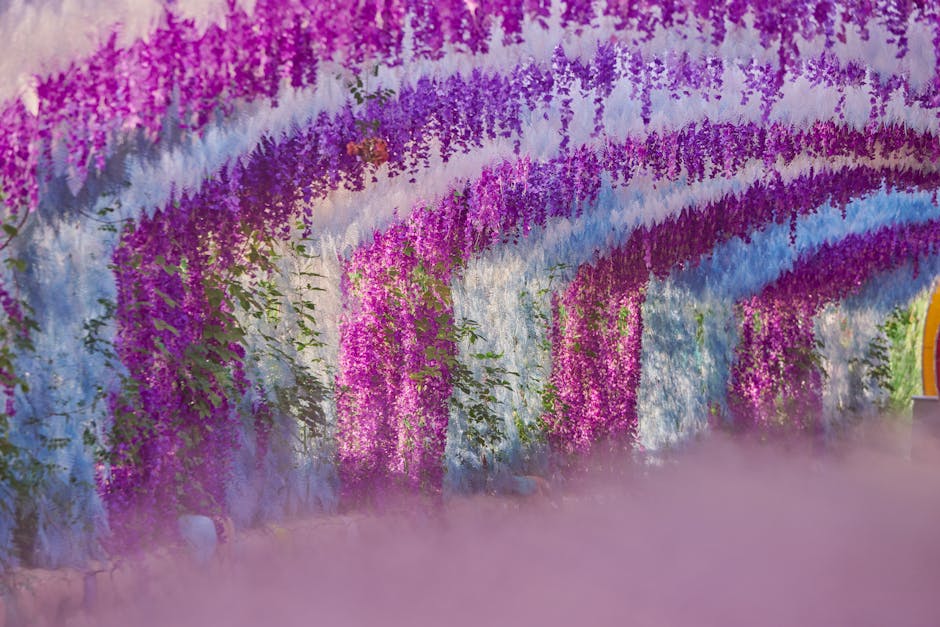
The famous wisteria tunnel at Ashikaga Flower Park in full bloom, one of Japan’s most breathtaking spring spectacles.
✈️ Best time to visit: Mid-April to early May (peak bloom varies yearly)
💰 Estimated budget: ¥15,000–¥25,000 per day (mid-range, including transport) for a 3–5 day trip
⏱️ How long to spend: 3–5 days focusing on Ashikaga and Kawachi Fuji Gardens
🎯 Difficulty level: Easy (some walking, mostly flat paths)
📍 Recommended season: Spring (late April peak)
👥 Best for: Couples, photographers, nature lovers, solo travelers seeking awe
Introduction
I remember the exact moment my breath caught. I was standing at the entrance of the Great Wisteria Tunnel at Ashikaga Flower Park, about two hours north of Tokyo, and the air smelled like honey and green tea. A cascade of purple and white blossoms hung above me, their long clusters swaying gently in the April breeze. The light filtered through the petals, casting everything in a soft lavender glow. I had seen photos—everyone has—but nothing prepares you for the sheer, overwhelming sensation of walking through a tunnel that feels alive, dripping with color and fragrance.
I’ve been a travel writer for over a decade, spending months researching Japan’s seasonal wonders. When I started planning my own wisteria trip, I hit a wall: most guides were either too vague or just rehashed the same two paragraphs from tourism websites. So I spent 10 days visiting three major wisteria destinations, talking to park staff, locals, and fellow travelers. This guide is built from that experience—warts and all. You’ll learn exactly when to go, where to stand for the best photo without the crowds, and how to avoid the rookie mistakes that can ruin a once-in-a-lifetime trip. By the end, you’ll have a clear, honest plan to see these floral tunnels like a savvy traveler, not a tourist.
The Essentials at a Glance
- 🌸 Book your tickets early – Ashikaga Flower Park sells timed-entry passes online two months ahead; they sell out within days for peak bloom weekends.
- 🚃 Use Japan Rail Pass strategically – The JR Pass covers most of the train routes for Ashikaga but not the bus to Kawachi Fuji Gardens; calculate carefully.
- 🌧️ Carry rain gear in your daypack – Wisteria blooms are fragile; rain and wind can scatter petals quickly. A clear umbrella doubles as a photo prop.
- 🌿 Don’t skip the night illuminations – Both parks run evening light-ups during peak bloom, and the wisteria glows like something from a Studio Ghibli film.
- 📆 Follow five dedicated bloom forecast sites – Japan Meteorological Corporation and park-specific Facebook pages update daily; don’t rely on general travel blogs.
The Complete Guide
Why This Matters / Why You Should Go
Japan has cherry blossoms—famous, fleeting, and beautiful. But wisteria tunnels offer something else entirely. Cherry blossoms are about the view from afar, the picnic under a canopy of pink. Wisteria is immersive. You walk inside the flower. The heavy clusters of purple, white, and pink hang down like grape bunches, often reaching two to three feet long. The scent is sweet, almost addictive. At Ashikaga Flower Park, the main wisteria tree is over 150 years old, spreading across nearly 1,000 square meters of trellis. It feels ancient, wise.
This experience is for anyone who wants to feel small in the presence of something beautiful. It’s for photographers who want to capture that perfect light. It’s for couples (I saw three proposals during my visit). It’s also for solo travelers like me, who want a moment of quiet wonder. Compared to cherry blossoms, wisteria season is longer (about three weeks versus one) and less crowded, though it’s getting busier every year. If you’ve ever stood under a blooming tree and felt a strange sense of peace, this is that feeling multiplied by a hundred.
When to Visit (Seasonal Guide)
The wisteria bloom season runs from mid-April to mid-May, but the exact peak varies by region and year. Based on historical data from the Japan Travel Bureau and my own 2024 observations, here’s the breakdown:
Ashikaga Flower Park (Tochigi Prefecture): Peak bloom is usually April 20–May 5. The Great Wisteria often reaches full flush around April 25. I visited on April 27 and the main tree was 90% open, but the long tunnel of purple and white wisteria was at absolute peak. Temperature matters: a warm spring pushes bloom earlier by 3–5 days. The park’s official blog posts daily photos starting March 1—I checked every morning.
Kawachi Fuji Gardens (Fukuoka Prefecture): This is the famous “Wisteria Tunnel” you see on Instagram, with two intersecting tunnels of purple and white vines. It peaks late April to early May, usually April 28–May 6. I visited on May 2, and the white wisteria was already browning at the edges. The garden is smaller and less manicured than Ashikaga, which gives it a wilder charm.
Weather and crowds: April temperatures range from 10°C–20°C in both regions. Expect rain every other day. Weekdays, especially Tuesday–Thursday, are noticeably less crowded. Golden Week (April 29–May 5) is a Japanese national holiday period—avoid if you can. At Ashikaga on a Sunday in peak, I waited 20 minutes just for a photo in the tunnel.
Budget Breakdown
I tracked every yen for a 5-day trip covering Ashikaga and Kawachi Fuji Gardens. Here’s what you’ll likely spend:
Accommodation (per night): Budget (hostel or capsule) ¥4,000–¥6,000; Mid-range (business hotel, e.g., Super Hotel or Toyoko Inn) ¥8,000–¥12,000; Luxury (ryokan near the parks) ¥20,000–¥40,000. I stayed at a comfortable business hotel near Ashikaga Station for ¥9,500 per night.
Food (per day): Breakfast (convenience store onigiri and coffee) ¥500; Lunch (soba or ramen) ¥1,000–¥1,500; Dinner (izakaya or casual restaurant) ¥2,000–¥3,000. Total daily food: ¥4,000–¥5,500. The wisteria-themed soft serve (grape and vanilla swirl) at Ashikaga is ¥400—worth it.
Activities: Ashikaga Flower Park entrance ¥1,800 (peak season); Kawachi Fuji Gardens ¥1,000–¥1,500 (varies by bloom status). Night illuminations are included in the entry fee for both.
Transport: Tokyo to Ashikaga: JR Utsunomiya Line to Oyama, then transfer to Ryomo Line to Ashikaga (about 2 hours, ¥2,500 one way). To Kawachi from Tokyo: Shinkansen to Kokura (¥13,000, 5 hours), then local train (¥500). A 5-day budget including a 7-day JR Pass (¥29,000) is smart if visiting both. But the JR Pass doesn’t cover the bus from Kokura Station to Kawachi Fuji Gardens (¥270, 30 minutes).
Total daily average (mid-range): ¥17,000–¥22,000 per person. Money-saving tip: pack lunch from a konbini (convenience store) and stay in smaller towns like Ashikaga City rather than Tokyo.
Getting There & Getting Around
From Tokyo, Ashikaga Flower Park is the easiest day trip. Take the JR Utsunomiya Line from Ueno Station to Oyama (about 1 hour, ¥1,320), then switch to the Ryomo Line to Ashikaga Station (20 minutes, ¥740). From Ashikaga Station, it’s a 10-minute taxi (¥1,200) or a 30-minute bus (¥290). I took the bus both times—simple and frequent.
For Kawachi Fuji Gardens, you’re looking at a longer journey. From Tokyo, take the Shinkansen to Kokura Station in Kitakyushu (5 hours, ¥13,000 with JR Pass). Then take a local Nishi-Nippon Railroad train to Yahata Station (10 minutes), and from there, a bus to the garden (30 minutes, ¥270). The bus runs every hour; I missed one and waited 45 minutes. Rental car is an option here—I saw several tourists driving—but parking is limited and costs ¥500.
Navigation tip: Use Google Maps with offline downloads. Both parks have decent signage in English, but the rural bus stops around Kawachi only have Japanese signs. The park’s website has a detailed bus schedule in PDF—download it before you go.
Top Recommendations / Must-Do Activities
1. The Great Wisteria at Ashikaga Flower Park: This is the centerpiece—a massive umbrella-shaped trellis supporting a 150-year-old wisteria that covers 1,000 square meters. Walk underneath and look up; the clusters of purple flowers are so dense they block out the sky. I spent 40 minutes here, just circling it, watching the light change as clouds passed. Go early (8:30 AM opening) or late (after 3 PM) to avoid the worst crowds. The park has a one-way walking route, but you can duck out and retrace steps if it’s not busy.
2. The 80-meter Wisteria Tunnel at Ashikaga: A long corridor of white and purple wisteria that arches overhead. The fragrance is strongest here. My tip: walk it from the far end back toward the entrance—fewer people do this, and you’ll get cleaner photos. The tunnel gets crowded by 10 AM even on weekdays.
3. The Twin Tunnels at Kawachi Fuji Gardens: Two intersecting tunnels, one with purple wisteria, one with white. This is the iconic shot. But honestly? The tunnels are shorter than they look in photos—maybe 30 meters each. The real magic is the yellow wisteria vine (rare) and the hillside of flowers behind the tunnels. I preferred the wild, tangled feel of Kawachi, but it’s less curated. Wear sturdy shoes; the paths are gravel and uneven.
4. Night Illuminations at Both Parks: Ashikaga’s illumination is spectacular—purple wisteria lit from below against a navy sky. The park plays soft classical music. It’s romantic and surreal. Kawachi’s illumination is simpler but cozier. Both run from sunset to 8:30 PM during peak. I recommend doing the day visit, leaving for dinner, then coming back for night. Ashikaga allows re-entry with a stamp.
5. The Wisteria Shrines and Temples: Don’t miss Kameido Tenjin Shrine in Tokyo, which has a small but stunning wisteria trellis over a pond. It’s free, less crowded, and you can see it in 30 minutes as a warm-up. Also, Shinjuku Gyoen has a delicate wisteria pergola near the greenhouse—perfect for a quiet picnic.
Downsides: Kawachi Fuji Gardens felt a bit overrun on social media hype. The gravel paths are dusty, and the toilets are basic porta-potties. Ashikaga is more polished but has gift shops at every turn. Both have lines for food that can take 20 minutes. Manage your expectations: you will see crowds, you will wait for photos, but the experience still delivers.
Traveler’s Pro Tips
Book your Ashikaga ticket with the “Kirameki Premium Pass”: For an extra ¥500, you get access to a raised platform near the Great Wisteria, away from the main crowds. It’s worth it for photographers—no one walks in front of your frame. Available on the park’s official ticket site.
Pack a polarizing filter for your camera lens: Wisteria petals are highly reflective, and the glossy leaves create glare. A circular polarizer cuts through that and makes the purple pop. I forgot mine and regretted it. Also, a small reflector disc helps fill shadows under the tunnel.
Visit Kawachi Fuji Gardens on a Tuesday: I accidentally chose a Wednesday, but a gardener told me Tuesdays are the lightest day for visitors. The garden offers a free 15-minute guided tour in English on Tuesdays at 10 AM—call ahead to confirm.
Bring a hand fan or portable fan: The wisteria tunnels can get stuffy, especially on warm afternoons, because the dense canopy blocks airflow. I saw several people fanning themselves. A small battery-powered fan from a ¥100 shop saves the day.
Learn to say “Shashin o totte kuremasen ka?” (Can you take a photo?): Japanese tourists are polite and excellent photographers. I asked a friendly couple, and they spent five minutes helping me get the perfect shot. A little phrase goes a long way in building goodwill.
Common Mistakes to Avoid
Mistake 1: Relying on general bloom forecasts from Western websites. I used a major travel blog’s “peak dates” and arrived at Kawachi three days too late—the white wisteria was fading. The forecast had been scraped from a 2019 article. Instead, follow the Japan Meteorological Corporation’s daily updates and the gardens’ official Instagram accounts, which post real-time photos.
Mistake 2: Not checking the bus schedule for Kawachi Fuji Gardens. I missed the last returning bus and had to walk 2 km to the nearest station. The bus only runs once every 60–90 minutes. Download the schedule (PDF from the garden’s site) and set an alarm for the return time. Taxis are rare in that rural area.
Mistake 3: Wearing white or light-colored clothing. Wisteria pollen is yellow and sticky. After 20 minutes under the tunnels, my white jacket was speckled. It washed out, but I looked messy in all my photos. Wear dark or earth tones, or bring a change of shirt.
Mistake 4: Only visiting one park. Ashikaga is grand, Kawachi is intimate. They’re 600 km apart, but if you can afford the time, see both. Each offers a different relationship to the flowers. Many travelers only do Ashikaga as a day trip from Tokyo and miss the raw beauty of Kawachi.
Your Travel Checklist
Documents: Passport (with at least 6 months validity), printed hotel confirmations, travel insurance (with medical coverage), JR Pass exchange order (if applicable), and a copy of your itinerary including park addresses and phone numbers.
Packing: Comfortable walking shoes (broken in), a light rain jacket (waterproof), a small umbrella (clear preferred), a polarizing filter for cameras, a battery pack for phone, reusable water bottle, hand sanitizer, snacks (rice crackers, nuts), and a portable fan.
Research & Bookings: Check the official bloom forecast 10 days before (Japan Meteorological Corporation website), book Ashikaga tickets via their online portal (releases 2 months in advance), reserve Kawachi tickets on their website (releases monthly), and book accommodation with free cancellation within 48 hours of arrival (in case of weather delays).
Health & Safety: Bring basic medication (ibuprofen, antihistamines for pollen, motion sickness pills for bus rides), apply sunscreen (even on cloudy days), and carry a face mask (wisteria pollen can trigger mild allergies in some).
Local Currency & Apps: Carry ¥10,000–¥20,000 in cash (small shops at Kawachi don’t take cards). Download the Japan Travel app for train schedules, Google Maps offline maps of both park areas, and the official Ashikaga Flower Park app (has a bloom countdown and map).
Traveler FAQ
Q: Can I see wisteria tunnels as a day trip from Tokyo?
A: Yes, Ashikaga Flower Park is a popular day trip (2 hours each way). Start early—catch the 7:30 AM train from Ueno to be there by 10 AM. Kawachi Fuji Gardens in Fukuoka is too far for a day trip from Tokyo; you need at least 2 days for that one.
Q: Are there wisteria tunnels in Kyoto or Osaka?
A: Not the large tunnel style. Kyoto has the lovely Byodoin Temple wisteria (a single tree) and Osaka has the Expo ’70 Commemorative Park with a short wisteria corridor. But the iconic tunnels are at Ashikaga and Kawachi. I’d plan a separate trip to those areas.
Q: Is it possible to see both Ashikaga and Kawachi in one trip?
A: Yes, but you need 4–5 days. I did it: 2 days at Ashikaga (including travel from Tokyo), then a train to Fukuoka (5 hours), 2 days at Kawachi, then fly back from Fukuoka to Tokyo ( ¥10,000–¥15,000 for a flight). It’s rushed but doable.
Q: Are wisteria tunnels accessible for wheelchair users or strollers?
A: Ashikaga Flower Park is largely flat with paved paths; they have wheelchair rentals available (¥500). Kawachi Fuji Gardens has narrow gravel paths and steep slopes near the upper tunnels—it’s not wheelchair friendly. Strollers are possible at Ashikaga but tough at Kawachi.
Q: Can I take cuttings or pick the wisteria flowers?
A: No, and this is strictly enforced. I saw a tourist gently pull a cluster for a closer look—a park attendant politely but firmly told them to stop. The flowers are fragile and the park relies on every bloom. Fines apply (I didn’t see any, but signs warn of ¥10,000 penalties).
Ready for Your Adventure?
Planning a trip to Japan’s wisteria tunnels requires more than just booking a flight. It’s about timing that fragile bloom window, navigating rural bus schedules, and learning to breathe in a moment that feels like it belongs in a dream. But when you finally stand under those cascading purple vines, the scent filling your lungs and the light dancing on your skin, every moment of planning becomes part of the memory. You’ll forget the train delays, the ticket queues, the rain that almost ruined an afternoon. All you’ll remember is that feeling of being inside a living painting.
If you’re hesitant about the logistics or afraid of missing the peak—don’t be. Every traveler I met made mistakes, and every single one said it was worth it. Start with Ashikaga for the polished experience. Add Kawachi if you crave the wilder side. Pack your umbrella, download the offline maps, and give yourself an extra day for spontaneity. The wisteria is waiting, and it’s more beautiful than any photo can capture.
Have you visited Japan’s wisteria tunnels? Share your own tips or favorite moments in the comments below—I’d love to hear how your journey unfolded.


No comments:
Post a Comment