Why Staying Healthy While Traveling Abroad Is the Smartest Move You’ll Ever Make
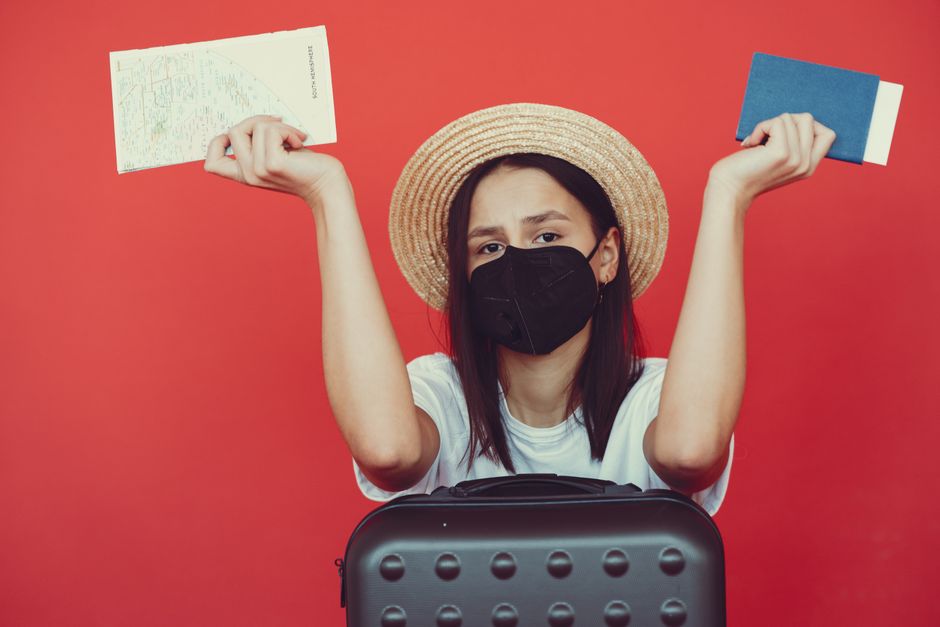
Making smart health choices lets you experience every moment of your journey, not just survive it.
✈️ Pre‑trip preparation: Start 4–6 weeks before departure
💰 Estimated budget for health prep: $200–$600 (vaccines, meds, insurance)
⏱️ How long to spend prepping: 2–3 hours total research + appointments
🎯 Difficulty level: Moderate (requires planning and follow-through)
📍 Recommended season: Start planning immediately after booking flights
👥 Best for: First‑time international travelers, adventure seekers, digital nomads, and anyone who values peace of mind
Introduction
I’ll never forget the night I spent hunched over a hostel toilet in Hanoi, wondering why I ever thought that street‑side squid with the glistening sauce was a good idea. The smell of fish sauce and exhaust still lingers in my memory. I was supposed to be exploring the Old Quarter, tasting egg coffee, and laughing with new friends—instead, I was counting tiles on the bathroom floor, paying for a mistake I could have avoided. That trip taught me a lesson I carry on every journey now: health isn’t a boring side note to travel; it’s the entire foundation. I’ve since traveled to 27 countries, from crowded night markets in Bangkok to high‑altitude villages in the Andes, and I’ve learned how to stay well without sacrificing the thrill of adventure. I’ve had my share of near‑misses—food poisoning in Mexico, altitude sickness in Peru, a serious case of “I should have checked the CDC website” in West Africa. But I’ve also gained hard‑won wisdom about vaccines, hydration, and making safe choices without becoming paranoid. As a travel writer with over a decade of experience, I’m sharing what actually works: practical, personal, no‑nonsense advice that will keep you on your feet and out of the clinic. In this guide, we’ll cover everything from what to pack in your health kit to how to eat street food safely, so you can focus on what matters—the unforgettable moments that travel delivers.
The Essentials at a Glance
- 🧴 Pack a smart health kit: I carry rehydration salts, activated charcoal, a digital thermometer, and a basic antibiotic (prescribed). This tiny bag has saved me more times than I can count.
- 💉 Don’t skip the CDC travel clinic: A 30‑minute appointment can tell you exactly which vaccines you need (hepatitis A, typhoid, yellow fever) based on your itinerary. I learned the hard way that “I’ll be fine” doesn’t protect against malaria.
- 🍜 Eat street food like a local: Look for stalls with a high turnover, where the food is cooked fresh in front of you. Avoid anything that’s been sitting out. I always watch what the locals order and follow their lead.
- 🚰 Water is your biggest risk: Stick to sealed bottled water, avoid ice in questionable places, and never brush your teeth with tap water in high‑risk areas. This single habit can prevent 80% of travel sickness.
- 🌍 Get travel insurance with medical evacuation: It’s not an optional extra. A good plan costs around $50–$100 and covers you for things like a broken leg in a remote village. I’ve seen bills that exceed $50,000 without it.
The Complete Guide
Why This Matters / Why You Should Prioritize Travel Health
When I first started traveling, I thought “health” meant packing a few ibuprofen and hoping for the best. I was young, invincible, and sorely mistaken. After that night in Hanoi, I realized that the best itinerary in the world means nothing if you’re lying in a hotel room with a fever. Travel health isn’t about being afraid—it’s about being prepared so you can say yes to everything. The street food that’s sizzling in a wok, the hike up a volcano, the boat ride to an island—these experiences define your trip. But they require energy, hydration, and a healthy gut. The difference between a traveler who thrives and one who struggles often comes down to three things: vaccines, smart food choices, and a willingness to listen to their body. I’ve traveled with people who spent half their trip in the bathroom because they didn’t want to seem rude by refusing tap water. It’s not rude—it’s sensible. This guide is for anyone who wants to be the traveler who remembers the sunrise, not the sickbed.
When to Prepare (Seasonal Guide for Health)
While your destination has its own seasons, the season of health preparation is always “as early as possible.” Here’s a timeline that’s saved me countless headaches:
4–6 weeks before departure: This is the sweet spot for getting vaccines. Some require multiple doses, like hepatitis A (two shots, six months apart) or rabies (three shots). I once left it to two weeks before a trip to rural Kenya and couldn’t get all my shots in time. The CDC website and a local travel clinic can give you a personalized list based on your destinations. For common backpacker routes in Southeast Asia or South America, expect to budget $150–$400 for hepatitis A, typhoid, and yellow fever.
2–3 weeks before: Pick up any prescription medications, like malaria prophylaxis (doxycycline or malarone) or antibiotics for travelers’ diarrhea. I carry a course of azithromycin prescribed by my doctor—it’s a lifesaver when you’re desperate in a foreign pharmacy.
1 week before: Buy your health kit: rehydration salts (I use Oral Rehydration Salts, sold in sachets), activated charcoal (for food poisoning), a thermometer, and hand sanitizer. I also always bring a spare pair of earplugs and a sleep mask—sleep is the most underrated health tool.
Day of travel: Drink more water than you think you need, avoid heavy alcohol, and get a good night’s sleep on the plane. I use a compression sock for long flights to prevent DVT. It’s not glamorous, but it works.
Budget Breakdown
Here’s a realistic look at what staying healthy while traveling abroad actually costs, based on my own trip to Thailand, where I once spent $12 on a tube of toothpaste because I hadn’t brought any.
- Vaccines (low): $50–$100 at a public clinic for basic ones (hepatitis A, typhoid). (Mid): $200–$400 at a private travel clinic (including yellow fever, rabies, Japanese encephalitis). (High): $500+ for a full set, including booster shots.
- Travel insurance with medical evacuation: $30–$60 for a basic 2‑week policy; $80–$200 for annual coverage. I pay $120/year for a plan that covers $250,000 in medical evacuation. It’s the best money I spend.
- Health kit: $20–$40 for rehydration salts, first aid basics, and hand sanitizer. Don’t skip the activated charcoal—it’s $10 at a health food store and can stop bad food from ruining a week.
- Medication: $15–$50 for malaria pills (depending on the drug and duration). In Southeast Asia, a course of doxycycline cost me $30 for three weeks.
- Daily healthy essentials: $2–$5 for bottled water (buy in bulk), $1 extra for fresh fruit and veg. I always spend a little more on clean, safe food.
Total for a two‑week trip: expect $150–$400 on health preparation, not including insurance. Money‑saving tip: get vaccines at a local health department clinic rather than a posh travel clinic—they’re often the same vaccines for half the price.
Getting There & Getting Around (Health‑Proof Your Journey)
Your journey starts at the airport. Long flights are notorious for dehydration and deep vein thrombosis. I never fly without a large empty water bottle (fill it after security) and a pair of compression socks. On a 12‑hour flight to Istanbul, I once watched a passenger develop a swollen ankle and later learned it was a blood clot. Not worth the risk. Once you’re on the ground, the biggest health hazard is transportation itself. In many countries, taxis and tuk‑tuks can be speeding, bumpy, and hot. I always carry a small hand fan, electrolyte tablets to add to my water, and a face mask if pollution is high (like in Delhi or Jakarta). When using public transport, especially buses or trains in rural areas, pack snacks that won’t spoil—nuts, protein bars, dried fruit—so you’re not forced to eat sketchy food from a station vendor. In Southeast Asia, I always carry a sterilizing pen (like Steripen) for my water, because not all bottled water is sealed well. Trust your gut: if the transport looks dangerous, wait for the next one. I’ve waited an extra hour for a cleaner bus in Peru, and it was worth it.
Top Recommendations / Must‑Do Activities (For Health‑Focused Travelers)
Instead of listing generic tourist spots, I’ll share the health‑smart activities that made my trips unforgettable without wrecking my body.
1. Cooking classes that teach safe food handling. In Chiang Mai, I took a half‑day cooking class run by a local family. They showed me how to wash vegetables in salted water, cook meat to a safe temperature, and handle raw ingredients. I not only learned to make pad thai; I learned why certain street stalls are safer than others. The class cost $25 and included a market tour where I saw how locals choose fresh produce. It’s the most practical health investment I’ve ever made.
2. Guided hikes with altitude acclimatization built in. When I hiked to Machu Picchu, I chose a three‑day trek with a guide who forced us to drink coca tea and stop every 500 meters. Most altitude sickness happens when you push too fast. The $350 trek was worth it because I stayed hydrated, took diamox (altitude medication), and didn’t suffer beyond a mild headache. I watched groups who booked cheap one‑day hikes get violently ill.
3. Visit local pharmacies before they get busy. This sounds strange, but I always stop at a local pharmacy on day one. In Marrakech, the pharmacist gave me a pre‑mixed electrolyte powder that worked better than any store‑bought brand. I also pick up anti‑diarrheal meds (loperamide) and a small tube of antiseptic cream. It costs $5 and saves me from hunting for meds when I’m sick.
4. Take a yoga or meditation class. In Bali, I did a $10 yoga session overlooking rice terraces. It fixed the jet lag better than coffee. Travel is stressful on the body—long hours, strange beds, constant stimulation. A simple 60‑minute class can reset your nervous system. I do this on day two of every trip now.
Traveler’s Pro Tips
Never trust the “wash” in salads: In many countries, salads are washed in tap water. Even if the lettuce looks clean, the water contains bacteria your gut isn’t used to. I learned this in India after a “clean” salad gave me two days of misery. Stick to cooked vegetables or fruit you peel yourself.
Carry a probiotic sachet (not pills): Probiotic sachets are lightweight and stay stable. I take one daily for three days before and during my trip, especially if I’m eating street food. It’s not a guarantee, but it has significantly reduced my stomach issues. I buy them at a pharmacy at home—$12 for 10 sachets.
Learn the local word for “no ice”: In Spanish, it’s “sin hielo.” In Thai, “mai sai nam khaeng.” In Vietnamese, “không đá.” Ice in many countries is made from tap water. I once spent five minutes explaining this to a vendor in Morocco, but it was worth it. A simple phrase can prevent the most common cause of traveler’s diarrhea.
Get a medical app with offline capabilities: I use the app “CDC Travel Health” (free) to log symptoms and look up nearest clinics. Also download “Maps.me” with offline clinic locations. In rural Laos, this helped me find a clinic within walking distance when I had a fever.
Don’t trust hotel “minibar” water: I once grabbed a bottle from a hotel in Zanzibar, only to realize later it had been refilled with tap water and resealed. Always buy water from a reputable store, and check the seal is intact before drinking. If you’re not sure, boil it or use a purifier.
Common Mistakes to Avoid
Mistake 1: Assuming “traveler’s diarrhea” is inevitable. Many travelers accept stomach issues as part of the experience. They’re not. I used to think this, but after meeting a nurse in Nepal who showed me how to use a water purifier, I stopped getting sick. Prevention is 80% of the battle—wash hands, avoid tap water, and be picky about food. The consequence of doing nothing is losing 2–3 days of your trip.
Mistake 2: Not getting vaccinations early enough. I once scheduled a rabies vaccine a week before a trip to Vietnam—it requires three shots over 28 days. I paid for the first shot and then had to scramble to find the second in a foreign country. Start six weeks before, and bring your vaccination record. The consequence is not being fully protected or having to cancel plans.
Mistake 3: Ignoring the altitude. I’ve seen travelers fly into Cusco (3,400m) and immediately hike to Machu Picchu. They end up vomiting and dizzy. The mistake is not taking time to acclimatize. I always spend at least 24 hours at a lower altitude, drink coca tea, and avoid alcohol for the first two days. The consequence is severe altitude sickness that can end your trip.
Mistake 4: Not researching local health facilities. A friend once got a severe ear infection in rural Cambodia. We spent hours trying to find a clinic that spoke English. Now, I use the International Association for Medical Assistance to Travellers (IAMAT) database to find English‑speaking clinics before I go. The consequence is wasted time and stress when you need help fast.
Your Travel Health Checklist
📄 Documents: – CDC travel health recommendations printed – Vaccination record card – Travel insurance card + emergency number – List of medications you carry (with generic names)
🧳 Packing: – Oral rehydration salts (10 sachets) – Activated charcoal – Digital thermometer – Hand sanitizer (100ml) – Electrolyte tablets – Compression socks – Sleep mask and earplugs
🔍 Research: – Nearest clinic/hospital at destination – IAMAT directory checked – CDC travel health page for each country – Local pharmacy hours near your hotel
💊 Bookings: – Travel clinic appointment – Insurance policy purchased – Malaria pills filled (if needed)
💧 Health/Safety: – Water purifier (Steripen or Lifestraw) – Translation app with “no ice” phrase – First‑aid kit – Sunscreen and insect repellent (with DEET)
📱 Apps to download: – CDC Travel Health – Maps.me (offline clinics) – Uber/Grab for safe transport – Google Translate (offline languages)
Traveler FAQ
Q: How do I know which vaccines I need without visiting a doctor?
A: You really need to see a professional—travel clinics or your local health department can check your record and give personalized advice. The CDC website has a “Destinations” tool where you can search by country and get a basic list. But some vaccines (like yellow fever) are legally required for entry, and only a certified provider can give you the card. In my experience, the $50 consultation is worth it.
Q: Is it safe to eat street food if I have a sensitive stomach?
A: Yes, if you choose wisely. Look for stalls where the food is cooked fresh (not sitting in a bain‑marie), where there’s a long line of locals (they know what’s good), and where the cook handles money and food separately. I avoid raw vegetables, salads, and anything that’s been sitting for more than 30 minutes. I’ve eaten street food for weeks at a time in Thailand and India and been fine, but I always have rehydration salts on hand just in case.
Q: What should I do if I get sick on the road?
A: First, stay hydrated—sip rehydration solution (made with safe water). If you have a fever, vomiting, or blood in stool, go to a clinic immediately. I always have antibiotic (azithromycin) prescribed by my doctor for travelers’ diarrhea, but don’t take it unless it’s moderate to severe. For mild cases, I stick to the BRAT diet (bananas, rice, applesauce, toast) and rest. If you’re not better in 48 hours, see a doctor.
Q: Do I really need travel insurance for a short trip?
A: Absolutely yes. A two‑week trip to Mexico: I had a friend who broke his ankle on a hike. The hospital bill was $8,000. Without insurance, he would have been bankrupt. Even for a weekend in Canada, I get a $15 policy. It’s the cheapest peace of mind you can buy, and it covers medical evacuation, trip interruption, and theft.
Q: How can I prevent altitude sickness without taking pills?
A: The best natural method is slow ascent. Don’t fly directly from sea level to 3,000m. In Cusco, I spent two days drinking coca tea, eating light carbs, and avoiding alcohol. I also hiked at a moderate pace. If symptoms get bad (headache, nausea, dizziness), descend immediately. I’ve used the “climb high, sleep low” rule—hike to a higher point during the day, then sleep at a lower altitude.
Ready for Your Adventure?
Here’s the truth: travel health isn’t glamorous. It means sitting in a clinic for boring vaccines, saying “no ice” ten times a day, and packing an unglamorous bag of rehydration salts. But every time you make that choice, you’re investing in the moments that matter—watching the sunset over Angkor Wat without a headache, tasting a perfect bowl of pho without fear, and waking up on the last day of your trip feeling energized, not exhausted. I’ve been the traveler who spent three days in bed, and I’ve been the traveler who danced at a festival in Morocco after eating street food for a week. The only difference between those two trips was preparation. So don’t let fear hold you back. The world is full of incredible food, stunning landscapes, and kind people. You deserve to experience it fully, without your health becoming the enemy. Start with a call to your doctor, pack that small health kit, and step onto your plane with confidence. The adventure you’ve been dreaming of is waiting—and your healthy, ready body is the only ticket you need.


No comments:
Post a Comment