World's Best Street Food Cities: Savoring the Planet's Most Flavorful Budget Eats
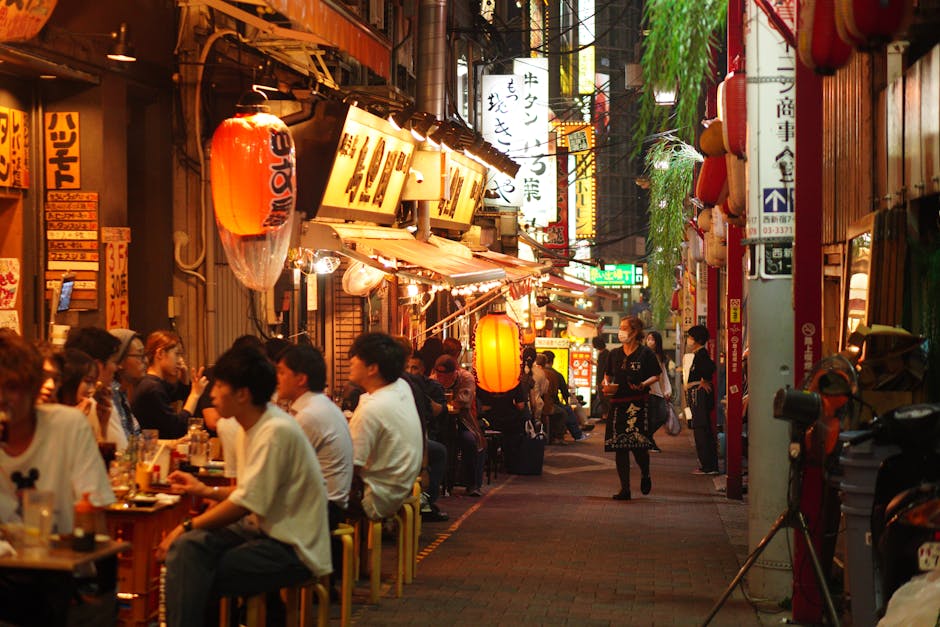
A vibrant night market scene where the aroma of sizzling skewers and steaming dumplings fills the air — the heartbeat of street food culture.
✈️ Best time to visit: September–November or March–May for ideal weather (avoid monsoon and peak summer heat).
💰 Estimated budget range: $25–$40/day for street food feasts; $15–$20 if you stick to stalls only.
⏱️ How long to spend there: At least 5–7 days to explore top night markets and neighborhoods.
🎯 Difficulty level: Easy — most food is accessible, cooked in front of you, and safe for adventurous eaters.
📍 Recommended season: Cooler shoulder seasons (spring and autumn) for comfortable strolling and eating.
👥 Best for: Solo travelers, couples, and friend groups who love food, night markets, and authentic culture.
I remember the exact moment I fell in love with street food — and it wasn't in a restaurant. It was 11 p.m. in a narrow alley in Bangkok, rain dripping from a corrugated awning, while a grandmother with a charcoal grill handed me a skewer of pork that had been kissed by smoke and brushed with the sweetest soy glaze. The taste was so vivid, so direct, that I realized I had been missing the soul of a city by sitting in dining rooms. Since that night, I've eaten my way through 23 countries, chasing the sizzle of woks and the chatter of night markets. I'm not a chef; I'm a travel writer who has logged over 500 meals from carts, stalls, and grills. This article is not a generic list — it's a field guide to the cities where street food isn't just a meal, it's a way of life. You'll learn exactly where to go, what to spend, how to avoid tourist traps, and why these budget eats are worth the trip.
The Essentials at a Glance
- 🍜 Bangkok, Thailand: The undisputed king of street food — pad Thai, green curry, and mango sticky rice from $1.50.
- 🌮 Mexico City, Mexico: Tacos al pastor, tlacoyos, and elote from $1-$3; the best spots are in markets like Mercado de San Juan.
- 🥟 Tokyo, Japan: Yakitori, takoyaki, and onigiri from $2-$5; explore Tsukiji Outer Market and alleys of Shinjuku.
- 🥘 Marrakech, Morocco: Street-side tagine, bissara soup, and freshly baked msemen — eat at Jemaa el-Fnaa square (but go with a local).
- 🍢 Penang, Malaysia: Char kway teow, assam laksa, and cendol; Georgetown's hawker centers are UNESCO-recognized food heritage.
The Complete Guide
Why This Matters / Why You Should Go
Street food is the most democratic form of travel dining. You don't need a reservation, a dress code, or a high credit limit. What you get instead is a direct line to a city's DNA — the spices that define its history, the cooking techniques passed down through generations, and the stories of vendors who have been feeding the neighborhood for decades. In Bangkok, you'll eat a bowl of boat noodles from a woman who learned the recipe from her mother-in-law in 1972. In Mexico City, you'll watch a taquero shave meat from a vertical spit with the precision of a surgeon. These cities matter because they preserve culinary traditions that fast food chains cannot replicate. This guide is for the traveler who wants to eat like a local, spend like a student, and remember every single bite.
When to Visit (Seasonal Guide)
For Bangkok and Penang, the best window is November through February — cooler temperatures (75–85°F) and low humidity make night market walking a pleasure. Avoid April and May when the heat index can hit 105°F. In Mexico City, the dry season runs from November to April; the city sits at 7,300 feet, so evenings are crisp even in summer. Tokyo is excellent in spring (March–May) for cherry blossoms and outdoor food, and in autumn (October–November) for mild weather. Marrakech is scorching in July and August — go in March, April, or October when the square is lively but not punishing. Crowd levels peak during Christmas and Lunar New Year; if you hate queues, aim for shoulder seasons.
Budget Breakdown
Street food is the ultimate budget travel secret. In Bangkok, a filling meal of pad Thai or grilled chicken with sticky rice costs $1.50–$3. In Mexico City, three tacos al pastor with salsa and a fresh lime drink will run you $3–$4. Tokyo is pricier — yakitori skewers are $2–$4 each, but you can eat well for $10–$12. Accommodation ranges from $12/night for a hostel dorm in Bangkok to $40 for a private room; in Tokyo, budget hostels start at $30, and capsule hotels at $25. Local transport: Bangkok's BTS Skytrain is $0.50–$1.50 per ride; Mexico City's metro is $0.25. A daily budget of $35–$50 covers meals, transport, and a bed. To save more, stick to street stalls for all meals and avoid bottled drinks (bring a reusable bottle and use filtered water stations where available).
Getting There & Getting Around
All five cities have major international airports. From North America, direct flights to Mexico City and Tokyo are plentiful; Bangkok and Penang often require a connection in Doha, Dubai, or Singapore. Once there, public transit is your best friend. In Bangkok, the BTS Skytrain and MRT subway connect most night market areas — buy a Rabbit Card for convenience. In Mexico City, the metro is cheap and extensive; avoid rush hour (7–9 AM and 5–7 PM) when cars are packed. Tokyo's rail system is famously efficient; get a Pasmo or Suica card for easy taps. Penang is walkable in Georgetown, but use Grab (like Uber) for longer hauls; GoKL buses are free in the heritage zone. Marrakech's medina is best explored on foot, but hire a local guide for your first evening in Jemaa el-Fnaa to avoid getting lost.
Top Recommendations / Must-Do Activities
Bangkok: Head to Yaowarat Road (Chinatown) after 8 PM — the seafood stalls here are legendary. I ate the best salt-crusted grilled fish of my life at a tiny cart run by a man named Somchai. Must-try: pad see ew from Thip Samai (they've been making it since 1966). Mexico City: Mercado de San Juan is a gourmet food hall with street-level stalls; don't miss the tlacoyos stuffed with fava beans and topped with cactus. For tacos al pastor, line up at El Huequito. Tokyo: The alleys of Omoide Yokocho (Memory Lane) in Shinjuku are tiny, smoky, and perfect for yakitori and cold beer. Penang: Gurney Drive Hawker Centre at dusk — the char kway teow here is smoky, sweet, and only $2. Marrakech: Jemaa el-Fnaa square at sunset — but only eat from stalls with long local queues. The snail soup at stall #32 is an experience (and an acquired taste).
Traveler's Pro Tips
Follow the locals, not Instagram: If a stall has a line of three or more locals who look like they're regulars, join it. The tourist stalls often have neon signs and photos of food — avoid those.
Learn the one-word rule: In Bangkok, just say "spicy" and point. In Mexico City, say "sin cilantro?" if you hate cilantro. In Tokyo, use "gochisōsama deshita" after a meal — it's polite and vendors love it.
Bring small bills and coins: Street vendors rarely have change for large notes. I once watched a tourist hold up a $50 bill in Bangkok — the vendor just shook his head and served the next person. Keep 20s and 50s in local currency.
Eat early or late to avoid the rush: The sweet spot is 5:30–7 PM for dinner (before the big crowds) or after 9:30 PM for a second round. At 8 PM, the best stalls have 20-minute waits.
Pack Imodium but also pack trust: Diarrhea happens, but most street food is safe if you see it cooked fresh. I've been sick from a hotel buffet, never from a busy street cart.
Common Mistakes to Avoid
Mistake #1: Eating only at famous spots. I waited 45 minutes for a "world-famous" pad Thai in Bangkok that was fine — while two doors down, an empty stall sold the best grilled pork I've ever had. Don't trust hype; trust your nose.
Mistake #2: Sticking to Western comfort food. I met a couple in Penang who ate Pizza Hut because they were "scared of the hawkers." They missed laksa, roti canai, and cendol. Street food is the whole point of the trip.
Mistake #3: Not watching how the food is handled. In Marrakech, I saw a vendor use the same tongs for raw chicken and cooked kebabs. I walked away. Watch for gloves, separate utensils for raw and cooked, and food kept covered.
Mistake #4: Over-ordering at one stall. Street food is about grazing. Order one dish per stall, then move to the next. In Tokyo, three skewers and a beer is a meal — don't fill up on one thing.
Your Travel Checklist
Documents: Passport valid for 6+ months, printed hotel and flight confirmations, travel insurance card with emergency numbers.
Packing: Lightweight, breathable clothing (cotton or linen), comfortable walking shoes, a small reusable bag for takeaway containers, wet wipes or a mini hand sanitizer, and a refillable water bottle with a built-in filter.
Research: Download the Maps.me app offline for each city, bookmark 3–5 night markets on Google Maps, and learn 10 basic food words in the local language (e.g., "pad" means stir-fried, "taco" is a tortilla with filling).
Health/Safety: Imodium, electrolyte packets, and Pepto-Bismol in your daypack. Check if tap water is safe (it's not in most street food cities). Get travel insurance that covers food poisoning (World Nomads worked for me).
Apps: Grab (Southeast Asia), Uber (Mexico), Google Translate (with camera mode for menus), and HappyCow if you're vegetarian.
Traveler FAQ
Q: Is street food safe to eat?
A: Yes, if you use common sense. Eat from stalls that are busy (high turnover means fresh food), watch the vendor cook, and avoid anything that's been sitting out under a heat lamp. I've eaten street food in 23 countries and only got sick once — from a hotel breakfast.
Q: Do I need to speak the local language?
A: Not fluently, but a few words help. "Hello," "thank you," "no spice," and "how much?" go a long way. In Bangkok, smile and point — most vendors are used to tourists. In Tokyo, many have picture menus.
Q: How do I find the best stalls?
A: Ignore blogs from 2018 and look for stalls where locals are eating. If you see a grandmother in a hairnet who's been there for 30 years, sit down. Also, ask hotel staff where they eat — not where tourists eat.
Q: Is street food expensive?
A: No — it's the cheapest way to eat well. In Bangkok, a full meal costs $2–$4. In Tokyo, it's $6–$12. The only expensive city is if you accidentally wander into a tourist trap in Marrakech where they charge $15 for a tagine. Ask for "menu local."
Q: Can vegetarians enjoy street food?
A: Absolutely, but you need to ask. In Mexico City, you can get mushroom tacos, nopales (cactus), and elote (corn). In Bangkok, look for "jay" (vegan) stalls. In Penang, the cendol is dairy-free. In Marrakech, clearly say "ana nabati" (I am vegetarian).
Ready for Your Adventure?
The world's best street food cities aren't just destinations — they are classrooms where you learn to trust your senses, embrace the unexpected, and connect with cultures through the universal language of flavor. You don't need a perfect itinerary or a fat wallet. You just need an open mind and an empty stomach. I still think about that rainy night in Bangkok, the smoke sticking to my clothes, the way the pork melted on my tongue. That experience taught me that the best meals don't come on plates — they come on paper, eaten with your hands, standing up, surrounded by strangers who become friends over a shared love of good food. So book the ticket, skip the restaurant reservations, and go eat where the city is cooking. Your taste buds will thank you.


No comments:
Post a Comment