How to Travel With a Large Camera Gear Kit Without Losing Your Sanity (or Your Lenses)
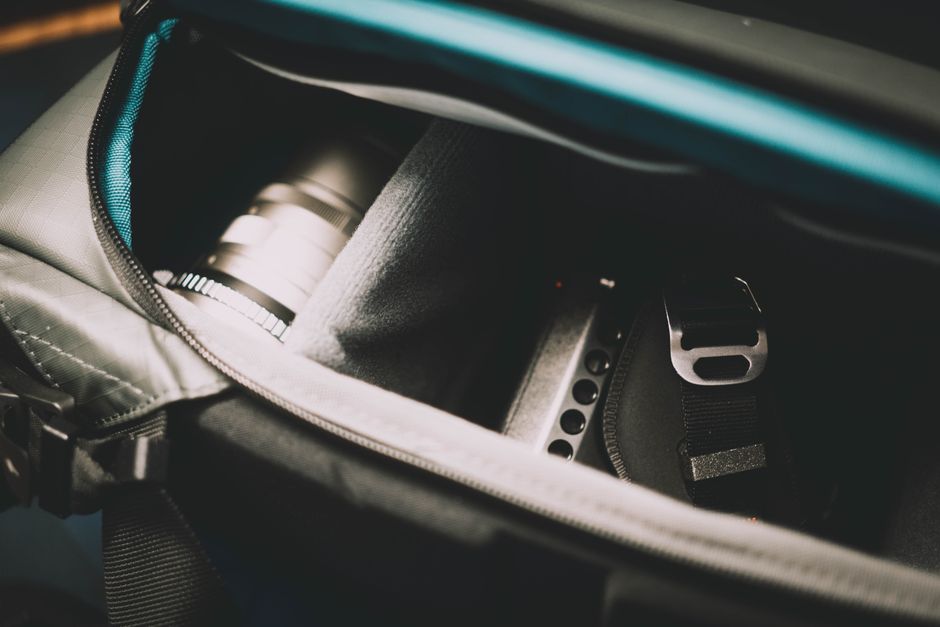
A well-packed camera kit is the difference between a disaster and a masterpiece.
✈️ Best time to visit: Shoulder seasons (April–May, September–October) for mild weather and fewer crowds.
💰 Estimated budget range: $150–$350/day (low to mid); $400–$800/day (high, including gear insurance and checked fees).
⏱️ How long to spend: 10–14 days for a single region; 3 weeks for full immersion.
🎯 Difficulty level: Moderate to Hard — managing heavy gear requires stamina and planning.
📍 Recommended season: Spring and fall — golden light, mild temperatures, lower risk of extreme weather.
👥 Best for: Solo photographers, adventure duos, or small groups where everyone understands the gear obsession.
Introduction
I still remember the moment I stood at the baggage carousel in Reykjavík, watching my Pelican case—the one holding my two camera bodies, four lenses, three filters, a drone, and a field recorder—slide toward me with a sickening thud. It had been thrown, not placed. I held my breath as I opened the latches. Everything survived, but that gut-punch feeling stayed with me for the rest of the trip. That was the moment I decided: I would never trust airport baggage handlers again without a system. Since then, I’ve traveled with my full pro kit to thirty-seven countries across six continents. I’ve had tripods confiscated in Singapore, been interrogated about my drone in Morocco, and once haggled with a cab driver in Buenos Aires over an extra seat for my gear bag. What I’ve learned is that traveling with a large camera kit isn’t about being a pack mule—it’s about smart design, ruthless prioritization, and knowing exactly where the risks live. In this guide, I’ll show you how to move through the world with a heavy kit without breaking your back, your bank account, or your spirit. You’ll learn the exact packing system I use, the insurance policies that actually pay out, the drone regulations that matter, and the carry-on strategies that saved me thousands in replacement costs.
The Essentials at a Glance
- 🎒 Never check your camera bag. A well-packed carry-on (think 40L–50L) fits a mirrorless body, 3 lenses, a drone, and accessories. Check the tripod instead.
- 📋 Insurance is non-negotiable. Homeowner’s policies rarely cover professional gear abroad. Get a standalone policy from Aaduki or TrueAnomoly that covers accidental damage, theft, and international drone flights.
- 🛸 Drone regulations are a real puzzle. Countries like Morocco, Egypt, and Vietnam require pre-approval weeks in advance. Never fly without checking DroneRegulations.info and the local aviation authority.
- 💼 Ditch the hard case for backpacks. Pelican cases scream “expensive camera inside.” A low-profile, black backpack with camera dividers blends in and is easier to carry on public transport.
- 🔒 Backup everything daily. Use a small SSD drive and a cloud upload at night. I lost a week of Iceland footage when my card failed—never again.
The Complete Guide
Why This Matters — Why You Should Embrace the Heavy Kit
When people see me hoist a 30-pound backpack onto my shoulders at the airport, they usually ask, “Is that all camera gear?” It is, and I wouldn’t have it any other way. Traveling with a full camera kit—body, wide-angle, telephoto, macro, drone, filters, tripod, batteries—opens up photographic possibilities that a smartphone or a single lens simply cannot touch. I’ve photographed the northern lights in Norway at f/1.4, captured the silent glide of a jaguar along a riverbank in Brazil with a 600mm lens, and flown a drone over the temples of Bagan at dawn. Each of these images happened because I had the right gear with me. But this privilege carries a price: the weight, the stress, the constant fear of theft, breakage, or confiscation. This guide is for the photographer who refuses to travel light but also refuses to let gear anxiety ruin the adventure. It’s for those who know that a great image starts before you press the shutter—it starts with how you pack, plan, and protect your tools.
When to Visit (Seasonal Guide for Heavy Gear Travelers)
Timing your travel for gear-heavy photography isn’t just about weather—it’s about crowd density, battery life, and drone wind tolerance. Spring (April–May) offers mild temperatures across Europe, Japan, and the US Southwest—perfect for hiking with a loaded pack. Crowds are moderate, and it’s not too hot for batteries. Summer (June–August) brings long days but also enormous crowds, high heat (which shortens battery life and can overheat drones), and frequent afternoon storms. If you must travel in summer, chase sunrise and early morning light. Fall (September–October) is my personal sweet spot: cooler temps, spectacular foliage, and fewer people. In places like New England, the Canadian Rockies, or Patagonia, the light is dramatic and the air is crisp. Winter (November–February) presents challenges for heavy gear: short days, cold that drains batteries in minutes, and slippery conditions for tripods. But if you’re after snowscapes or the northern lights, winter is non-negotiable. Bring hand warmers and insulated camera sleeves. The biggest gear-specific variable I’ve found is wind: drones are grounded above 20 mph winds, so avoid coastal winter gales or high-altitude summer afternoons.
Budget Breakdown
Let’s be honest: traveling with pro gear is expensive. My daily average for a two-week trip runs about $300–$400, but costs spike with gear-specific needs. Accommodation: Do not cheap out on safety. A $40 hostel dorm where your gear sits unattended is a bad idea. I spend $80–$120/night on private rooms or Airbnbs with a lockable closet. Mid-range hotels run $150–$250. Food: $30–$60/day — eating street food is fine, but don’t skip meals because you’re too tired to find good food after a shoot. Activities: $20–$100/day — remember that many photography spots (national parks, viewpoints) charge entry fees. I budget $80–$150 for extra checked luggage or oversized baggage if I check a tripod. Transport: Rental cars are ideal for gear-heavy trips — add $50–$100/day including insurance. Public transport is cheaper but you’ll be wrestling with your backpack on buses. Insurance: A dedicated camera insurance policy costs $200–$400 per year, or $50–$100 per trip for short-term. Total for a two-week trip: roughly $4,000–$6,000, not including gear purchase. Money-saving tip: bring your own snacks and refillable water bottle — it frees up budget for one extra filter or lens rental.
Getting There and Getting Around
Flights are the biggest stress point for heavy gear. My rule: always book a seat that allows a 7kg to 10kg carry-on with a 45L backpack. Avoid budget airlines with strict 7kg limits (Ryanair, Spirit) unless you’re willing to pay for priority boarding and an extra 10kg. On long-haul flights, I place my camera bag under the seat in front of me — never the overhead bin where it can get crushed or stolen. For getting around locally, I rent a car in 90% of my trips. The ability to lock gear in the trunk and move quickly between locations is worth the cost. If I’m in a city with good public transport (Tokyo, London, Taipei), I use a roller camera bag instead of a backpack — the wheels save my shoulders. In remote areas, I hire a private driver with a large vehicle (SUV or van) for a day or two. I’ve done this in Iceland, Namibia, and Patagonia — it’s expensive ($150–$300/day) but lets me shoot at dawn and dusk without worrying about bus schedules. Navigation apps: Google Maps for roads, Maps.Me for offline trail navigation, and UAV Forecast for drone wind speeds.
Top Recommendations / Must-Do Activities
1. Plan a dawn shoot at a famous viewpoint — but arrive 90 minutes early. At Mesa Arch in Utah’s Canyonlands, the sunrise crowd is a chaotic scramble. But if you arrive well before light, you can set up your tripod, test compositions, and lock in your frame without fighting for space. I used a 16-35mm lens at f/11 and a three-stop soft gradient to capture the sky and arch floor in one exposure. 2. Take a helicopter or small plane tour for aerial photography. In New Zealand’s South Island, a 30-minute helicopter flight over the Franz Josef Glacier costs about NZ$300 but gave me images that drones simply cannot match — weather, altitude, and vibration are non-issues. Use a wide zoom and a fast shutter speed (1/1000th or higher). 3. Visit local camera stores for hardware and repair. In Hong Kong’s Sham Shui Po district, I found a holy grail: a store that sold hard-to-find step-up rings and a used 70-200mm f/2.8 at half the US price. It’s also where I learned about local battery disposal regulations. 4. One honest downside: drone shots in crowded tourist spots (Machu Picchu, the Taj Mahal) are completely banned, and even quiet spots can have sudden drone restrictions. I’ve had my drone shut down by signal interference near military zones I didn’t know existed. Research before you fly — literally.
Traveler’s Pro Tips
Tip 1: The “Three-Point” Carry Strategy: When moving through an airport or train station, never keep your camera bag only on your back. Use a small waist pack or cross-body sling for your passport, phone, and wallet. This leaves both hands free, and the camera bag remains your main focus. I’ve witnessed a pickpocket attempt in Barcelona where the thief targeted a photographer’s backpack while he was distracted with his phone — he never felt the zipper open.
Tip 2: Use vacuum-seal bags for clothes to save space: A 50L camera backpack sacrifices 30% of its volume for gear. For the remaining 70%, I pack clothes in vacuum-seal bags — they compress a week’s worth of shirts and underwear into the space of a briefcase. More space for a second lens or a field recorder.
Tip 3: Carry a small, foldable dry bag for rainy shoots: Even if your camera bag is weather-resistant, a sudden tropical downpour in Thailand or a waterfall spray in Iceland can soak your gear. I keep a 10L Sea to Summit dry bag in my pack’s outer pocket. It takes seconds to deploy and saved my drone during an unexpected rainstorm in Yosemite.
Tip 4: Pre-apply for drone permits at least four weeks in advance: For countries like Nepal, India, and Morocco, drone permits require a paper application, a map of where you’ll fly, and a fee — and they can take four to six weeks to process. I now keep a template letter and flight plan on my cloud drive. Last-minute applications usually get denied.
Tip 5: Wear your camera strap under your jacket in crowded areas: In cities like Rome, Manila, or Rio, a camera around the neck is a target. I use a braided metal cable with a lock that wraps around my body under my jacket. The camera stays hidden until I need it, and the cable resists quick snatches.
Common Mistakes to Avoid
Mistake 1: Checking a camera bag with lithium-ion batteries. Most airlines allow spare batteries only in carry-ons, and they must be in a fire-proof pouch. I once watched a baggage handler throw my fully-loaded roller bag onto the conveyor belt — if the batteries had shorted, the entire plane could have been at risk. How to avoid: Always carry all lithium batteries with you, separate them in individual pouches, and tape over the terminals.
Mistake 2: Not reading drone regulations before you arrive. I spent three days in La Paz, Bolivia, trying to register my drone at the local aviation authority. They required a letter from the national police, a photo of the drone, and a fee of $150. I didn’t have the police letter, so I couldn’t fly a single shot. Why it happens: Regulations change quickly and are often only available in the local language. Consequence: Wasted time, money, and photographic opportunities.
Mistake 3: Overpacking lenses “just in case.” On my first big trip (Japan, two weeks), I packed a 24-70mm, 70-200mm, 14mm prime, 50mm prime, and a macro lens. I used the macro once, and the 50mm gathered dust. I now pack only three lenses: a wide zoom (16-35mm), a mid-range zoom (24-70mm or 24-105mm), and a fast prime (35mm f/1.4 or 50mm f/1.2). The rest is dead weight. How to avoid: List the three types of shots you’ll take most (landscape, portrait, street) and pick one lens per category.
Mistake 4: Relying only on cloud storage in remote areas. In Patagonia, I had no cellular signal for five days. I couldn’t upload a single image, and my laptop’s hard drive had only 100GB free. I had to delete raw files from memory cards to free space — and lost a day’s worth of multi-shot panoramas. How to avoid: Carry two 1TB SSDs—one as primary, one as backup. Rotate them daily.
Your Travel Checklist
- Documents: Passport, visa copies (digital + print), drone registration or permit, travel insurance policy, gear inventory with serial numbers and photos.
- Packing: 45L camera backpack (e.g., Peak Design Travel Backpack 45L), vacuum-seal clothes bags, dry bag for rain, lens cleaning kit (rocket blower, microfiber cloths), extra battery pouch, tripod with a silicone strap to wrap around legs.
- Research: Check DroneRegulations.info for each country, read local laws on camera use in public, download offline maps (Maps.Me), check weather and wind forecasts (Windy.com, UAV Forecast).
- Bookings: Flight with carry-on allowance for 10kg, refundable/changeable hotel for first night, car rental with space for gear, museum or viewpoint tickets for sunrise/sunset slots.
- Health/Safety: Hand sanitizer, a basic first-aid kit, earplugs for noisy buses, a portable battery pack for phone and camera charging (25,000 mAh+), sunblock for long shoots.
- Local Currency: Local cash for markets, taxis, and permits (ATMs sometimes accept only chip-and-PIN cards). I carry $200–$300 equivalent in small bills. Essential Apps: 1. DroneRegulations.info, 2. UAV Forecast, 3. Maps.Me, 4. Sun Surveyor (for light angles), 5. Snapseed (for quick edits on the go).
Traveler FAQ
Q: Do I really need insurance for my camera gear when traveling internationally?
A: Yes, absolutely. Homeowner’s or renter’s insurance rarely covers gear outside your home country, and even then, deductibles are high. I’ve had two claims in five years: a dropped lens in Nepal (repaired for $600, covered by TrueAnomoly) and a drone that crashed into a lake in New Zealand ($1,200 replacement). Without insurance, I would have been out of pocket $1,800.
Q: Can I bring my drone on a plane as carry-on?
A: Yes, but with conditions. Most airlines allow drones in carry-on luggage only, and the batteries must be under 100 Wh each (most consumer drone batteries are 30–50 Wh, so fine). You must remove the batteries and place them in a fire-proof bag. Some airlines (like China Southern) require you to declare the drone at check-in. I’ve flown with drones to 15 countries — never had an issue except in Morocco.
Q: What’s the best camera bag for heavy gear travel?
A: For a full kit, I recommend the Peak Design Travel Backpack 45L or the LowePro Whistler 450 AW. Both have padded compartments, weather resistance, and a dedicated laptop sleeve. The Peak Design folds flat for packing — useful if you need to use it as a daypack. For a smaller kit (one body, two lenses, drone), the Brevite Jumper is my go-to because it looks like a normal backpack.
Q: Should I ship my gear ahead instead of carrying it?
A: I’ve tried this twice — once to Australia, once to Japan. In both cases, the gear arrived late, and the shipping cost was nearly as much as an extra checked bag. For peace of mind, carry it. If you’re worried about theft in transit, use a silicon case like the F-Stop Gear Bag with a TSA-approved lock.
Q: How do I deal with airport security when carrying a large camera kit?
A: Arrive at the airport an extra 30–40 minutes early. Have all batteries removed from your camera bag and in a separate pouch. When asked, declare your drone (if you have one) and be prepared to show the TSA agent that the batteries are under 100 Wh. I keep a printed copy of the airline’s drone policy in my carry-on. Most importantly, stay calm — 99% of agents have seen camera gear before.
Ready for Your Adventure?
Travelling with a large camera kit is not for the faint of heart. It’s heavy, it’s stressful, and it sometimes makes you feel like a pack mule rather than a photographer. But I promise you this: when you’re standing alone on a ridgeline at dusk, the wind dropping, the light turning golden, and your bag holding every tool you need to capture that moment — you’ll forget every pound you carried. The images you make will be yours forever. The gear is just the vehicle. So don’t let the anxiety of packing, the fear of theft, or the complexity of drone regulations stop you from seeing what you came to see. Start planning today. Check your insurance. Update your packing list. Book that flight. The world is waiting for your perspective. Go get it.


No comments:
Post a Comment