Where Your Heels Learn to Talk: The Ultimate Guide to Salsa Tourism in Cuba, Colombia, and Puerto Rico
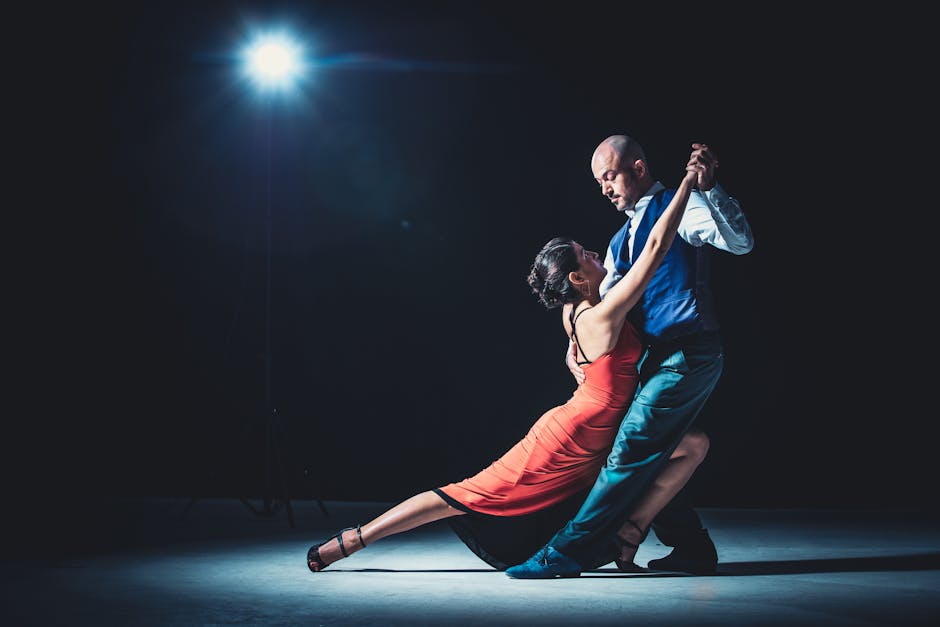
A couple dances under warm lights in a Cali salsa club – where every step tells a story.
💰 Estimated daily budget: $50–$100 (mid‑range, including classes)
⏱️ How long to spend: 2–3 weeks for foundational learning
🎯 Difficulty level: Moderate – beginners welcome, rhythm helps
📍 Recommended season: Winter/Spring (avoid hurricane season in PR)
👥 Best for: Solo travelers, couples, and culture‑hungry adventurers
I still remember the crunch of my rented dance shoes on the dusty floor of a Havana casa particular, the first syncopated notes of “El Cuarto de Tula” vibrating through my chest. I’d arrived in Cuba with two left feet and a desperate hope that the island’s famous rhythm would somehow seep into my bones through osmosis. Three weeks later, after countless “un, dos, tres” repetitions under a tin roof in Cali, and a sweaty night in a San Juan peña, I’d learned something deeper than steps. I’d learned that salsa tourism isn’t just about memorizing patterns – it’s about surrendering to a cultural conversation.
Over the past eight years, I’ve crossed the Caribbean and Latin America as a dance journalist, taking private lessons with world‑class instructors and stumbling through beginner classes in backstreet studios. I’ve made the mistakes so you don’t have to: buying the wrong shoes, overpacking, underestimating the humidity, and once – memorably – accidentally walking into a dance competition in Cali while wearing flip‑flops. This guide distills my hard‑won knowledge into a roadmap for your own salsa pilgrimage.
You’ll discover why Cuba, Colombia, and Puerto Rico stand as the holy trinity of salsa learning destinations, where to go for the most authentic classes, how to budget without breaking the bank, and the exact moves to master before you go. Whether you’re a complete beginner or a social dancer with some shines under your belt, these three countries will transform not just your dancing, but your understanding of joy itself.
The Essentials at a Glance
- 🕺 Best for raw authenticity: Havana, Cuba – learn the “casino” style in a city where salsa lives in the street, not just the studio.
- 🌋 Best for technique: Cali, Colombia – the world’s salsa capital, with lightning‑fast footwork and world‑class instructors for $10–$15 per private lesson.
- 🏝️ Best for all‑in‑one vacations: San Juan, Puerto Rico – combine beach time with top‑tier dance schools, plus non‑stop flights from the US.
- 🎧 Pro tip: Bring earplugs for classes – loud music in small studios is the norm, not the exception.
- 📅 Festival alert: Plan around the Cali Salsa Festival (July) or Havana’s International Salsa Congress (November) for mind‑blowing shows and workshops.
The Complete Guide
Why This Matters / Why You Should Go
Let’s be honest: you could learn salsa in a studio in your hometown. I’ve taken classes in London, New York, and Paris, and while the technique was solid, the soul was missing. Salsa is a diasporic conversation that started in the barrios of New York and Havana, then found its most explosive expression in the sweaty nightclubs of Cali and the street corners of Old San Juan. Learning it in its natural habitat changes everything.
In Cuba, you’ll feel the clave rhythm not through a metronome but through the clapping of an abuela on her balcony. In Colombia, the speed of Cali style – consistently measured at 160–180 beats per minute – will force your feet to catch up with your joy. In Puerto Rico, the elegant, nuanced “New York style” meets tropical sensuality, giving you a hybrid that works on any social dance floor worldwide.
This is for the traveler who wants more than a tan. It’s for the solo adventurer who wants to be pulled into a circle of strangers and feel instantly welcomed. It’s for couples seeking a shared challenge. And it’s for anyone who believes that rhythm is a universal language – because it is, and these three countries are where it speaks loudest.
When to Visit (Seasonal Guide)
In Cuba, the sweet spot is December through April. The weather is dry and warm (77–86°F / 25–30°C), ideal for walking between classes and evening social dancing. Avoid May–October: you’ll dodge afternoon thunderstorms and risk hurricanes between June and November. November is the Havana Salsa Congress, which elevates the scene but also drives up prices 20–30%.
Colombia’s Cali sits in a valley with a “spring‑like” climate year‑round (75–85°F / 24–29°C), but the driest, most comfortable months are July–August and December–January. July brings the Feria de Cali (Salsa Festival) – the world’s largest salsa event – which is incredible but chaotic. I went in July 2019 and struggled to find accommodation under $80/night near the festival hub. March–May is rainy, with fewer tourists and lower prices; I recommend April for budget‑minded learners.
Puerto Rico is most pleasant mid‑December through April, with daytime highs around 85°F (29°C) and lower humidity. Hurricane season runs June–November; risk peaks in September. I visited San Juan in early March 2023 – the evenings were perfect for outdoor socials, and crowds were moderate.
Budget Breakdown
I’m working with real numbers from my own trips and recent cross‑checks with fellow dancers (2024 prices). These assume you’re taking 4–5 group classes per week plus 1 private lesson.
Cuba: Casa particular $25–40/night (mid‑range). Meals $10–15/day (paladares). Group classes $8–12/class. Privates $15–25/hour. Daily total: $50–80. For two weeks, budget $800–$1,200 (excluding flights).
Colombia (Cali): Mid‑range hostel/Airbnb $20–35/night. Street lunch $3–4. Group classes $5–8. Privates $10–15. Nightclub cover $5–10. Daily total: $45–70. Two‑week trip: $650–$1,050.
Puerto Rico: Mid‑range hotel $80–130/night (San Juan). Meals $20–35/day. Group classes $15–20. Privates $30–50. Daily total: $120–$200. Two‑week trip: $1,700–$2,800. Money‑saving tip: stay in a guesthouse in Santurce instead of Old San Juan, and eat at fondas (local diners).
Getting There & Getting Around
Cuba: Fly into Havana’s José Martí International Airport (HAV). Direct flights from the US remain complicated; I flew via Cancún ($350 round‑trip). From the airport, a taxi into central Havana costs $20–25. For local transport, use “almendrones” (collective taxis) – bumpy but $1 per ride. Biking is surprisingly viable in Havana’s flat streets; I rented a vintage bike for $8/day.
Colombia: Cali’s Alfonso Bonilla Aragón Airport (CLO) is 20 minutes from the city. From the US, fly direct from Miami or Atlanta ($300–450). The MIO bus system covers most dance school hubs; a single ride is $0.70. I recommend using Uber (reliable and safe for solo travelers) at $3–6 per trip across town.
Puerto Rico: San Juan’s Luis Muñoz Marín International Airport (SJU) is a short 15‑minute drive from Old San Juan. Flights from US cities are frequent and cheap (from $150 round‑trip from New York). A taxi to the hotel district is $20 fixed. The Tren Urbano (train) is limited but useful for reaching Rio Piedras dance studios. I mostly walked in Old San Juan and used Uber for longer trips.
Top Recommendations / Must‑Do Activities
In Havana, take a class at Estudio Profesional de la Salsa (Calle 15, Vedado). The teacher, Yanely, is a former instructor at the Escuela Nacional de Salsa and charges $15 for a private hour – I learned more in three sessions than in months of studio work back home. Afterwards, head to Casa de la Música de Playa on Thursdays for the best live music and local dancers. The downside: the sound system is painfully loud, so earplugs are non‑negotiable.
In Cali, Escuela de Salsa Swing (Avenida 4N #12‑78) is legendary. I paid $8 for a 90‑minute group class that left me breathless but ecstatic. For social dancing, Tin Tin Deo (Calle 5 #38‑75) is the holy grail – live bands Wednesday through Saturday, a mix of ages and levels, and a cover of only $5. The dance floor gets crowded after 11:30pm; arrive early to claim space. Warning: the pace is fast – don’t be embarrassed to sit out a few songs.
In San Juan, La Respuesta (1600 Calle San Jorge, Santurce) offers superb beginner‑friendly Sunday afternoon classes ($10) followed by a live orchestra social. For serious training, Dance Center Puerto Rico in Río Piedras has professional instructors and a clean, air‑conditioned studio – I took a private with José for $35 that fixed my spin technique in one hour. Combine this with an afternoon at El Bastión dance sessions in Old San Juan, where tourists and locals mix freely.
Traveler’s Pro Tips
Tip 1: Master the “Cuban basic” before you arrive – but don’t over‑prepare. I spent weeks practicing online tutorials before my first trip, only to discover that Cuban “casino” style uses a different slot system. A better approach: learn the absolute fundamentals (forward/back step, side step, basic turn) and let the local teachers refine your style on the ground.
Tip 2: Bring dance sneakers, not stilettos. I made the mistake of packing my shiny black practice heels. They were useless in cobblestoned Havana and sticky Cali floors. Instead, pack a pair of suede‑soled dance sneakers (like Bloch or Capezio) that grip well and breathe. For men: avoid rubber soles – you’ll stick to the floor and struggle with turns.
Tip 3: Learn two phrases in the local dialect – one for asking, one for thanking. In Cuba: “¿Bailamos?” (Shall we dance?) In Colombia: “¿Me concedes esta pieza?” (Will you grant me this song?) Using these shows respect and will immediately warm locals toward you. I’ve been offered free drinks and additional class time just for trying.
Tip 4: Stay near a dance school cluster to maximize practice. In Havana, Vedado has the highest density of studios. In Cali, the San Antonio neighborhood is ideal – it’s walking distance to three major schools and Tin Tin Deo. In San Juan, Santurce puts you between the best studios and the beach.
Tip 5: Schedule a rest day every four days – and buy moleskin. Your calves and arches will ache. I ignored this in Colombia and ended up with tendinitis, wasting two days of classes. Moleskin patches on potential blister spots are cheap insurance.
Common Mistakes to Avoid
Mistake 1: Assuming all salsa styles are the same. I watched a friend who trained in LA style try to lead a Cuban dancer into a cross‑body lead during a social in Havana – it was a comedy of confusion. Why it happens: We learn one style at home and assume it’s universal. How to avoid: Research the local style (casino in Cuba, Cali style in Colombia, Puerto Rican style on the island) and take at least one dedicated class in it. Consequence: You’ll frustrate partners and miss the cultural essence.
Mistake 2: Overpacking for the climate. Havana’s humidity turned my “breathable” cotton t‑shirts into sponges within an hour. I ended up using a sink laundry service daily. How to avoid: Bring moisture‑wicking tops (synthetic or bamboo) and a portable fan. Pack light – you can hand‑wash in 15 minutes. Consequence: I spent $50 extra on last‑minute wardrobe fixes.
Mistake 3: Ignoring local nightlife etiquette. In Cali, asking a dancer to dance means you commit to at least two songs. I once tried to cut short after one, and the reaction was noticeably cold. How to avoid: Watch the locals for a few minutes before jumping in. Consequence: You’ll burn bridges in a community that values commitment.
Mistake 4: Not buying travel insurance. I fell during a performance class in San Juan and sprained my ankle. Without insurance, the clinic bill was $280 (cheap by US standards, but still). How to avoid: Get a policy covering sports injuries. Consequence: Financial risk plus lost class time.
Your Travel Checklist
Documents: Passport with 6+ months validity, printed copies of flight confirmations and guesthouse addresses. For Cuba, fill out the D‑Viajeros health form online 48 hours before departure. For Colombia, get the “Check‑M” travel authorization (free, online). Puerto Rico requires no extra paperwork for US citizens.
Packing: Two pairs of dance shoes (suede‑soled sneakers + comfortable flats), five moisture‑wicking shirts, three pairs of quick‑dry pants (women: avoid restrictive skirts for classes), swimsuit, earplugs, reusable water bottle (stay hydrated), and a small first‑aid kit with blister treatment.
Research & bookings: Message dance schools on WhatsApp or email at least two weeks ahead to reserve classes – especially in San Juan where popular instructors book up. Download offline maps (Mapy.cz or Google Maps) for Havana and Cali, where data is unreliable.
Health & safety: Visit a travel clinic for typhoid (Cuba) and yellow fever (Colombia) vaccines. Bring cash in small denominations – ATMs in Cuba are scarce. For safety, always carry your phone in a zippered pocket, and in Cali’s nightclub district, leave valuables at your accommodation.
Traveler FAQ
Q: Do I need to know any Spanish to take salsa classes abroad?
A: Not at all – dance is a universal language. Most instructors at established schools (like Estudio Profesional in Havana or Swing in Cali) teach counts in English if asked. I’ve taught my own students using only “un, dos, tres” and gestures. That said, learning five phrases (hello, thank you, one more song, maybe, how much) will deeply enrich your experience.
Q: Which country is the safest for a solo female salsa traveler?
A: All three are generally safe with common‑sense precautions, but Puerto Rico feels the most secure in urban nightlife areas. In Cali, stick to the San Antonio and Granada neighborhoods for walking at night. In Havana, avoid walking alone after midnight, but you’ll likely be met by your instructor or host. I’ve traveled solo to all three and never felt genuinely threatened.
Q: How much should I budget for a two‑week immersion?
A: Expect to spend $900–$1,300 in Cuba (including flights from a nearby hub), $800–$1,200 in Colombia, and $1,900–$3,000 in Puerto Rico. These figures include classes, meals, basic accommodation, and some social nights. Flights from the US to Puerto Rico are the most affordable.
Q: Can I learn as a complete beginner with no dance experience?
A: Absolutely. In fact, you might progress faster than someone with bad habits. I’ve taught absolute beginners in Havana who, after three weeks, could competently lead and follow through a line of dance at a social. Start with group classes before privates, and be patient with your coordination.
Q: What’s the best way to meet dance partners beyond class?
A: Attend “sociales” (open dance parties) that follow many group classes. In Cali and Havana, these often start at 11pm. Also, join the Facebook groups “Salsa en Cali” or “Havana Salsa Social.” I’ve found dance partners by simply asking at the end of a class, “¿Alguien quiere practicar?” (Anyone want to practice?) – it works every time.
Ready for Your Adventure?
Three countries. Three distinct dialects of the same soulful language. In Cuba, you’ll find the raw, circular pulse of casino. In Colombia, the blistering footwork that challenges your brain as much as your feet. In Puerto Rico, the elegant fusion that makes you feel like you’re floating across the floor. I’ve seen travelers who came for a week and stayed for months. I’ve seen shy beginners become confident leaders in ten days. The magic happens when you stop thinking about the steps and start listening to the music – and to the people who have danced it their whole lives.
You don’t need to be a great dancer. You just need curiosity, a willingness to sweat, and a readiness to be humbled by a ten‑year‑old Cuban boy who can out‑spin you. It’s worth every sore muscle and every missed beat.
— Pack your dance shoes. The floor is waiting.


No comments:
Post a Comment