Mastering the Ha Giang Loop: The Only Guide to Motorbike Vietnam That Prioritises Your Safety
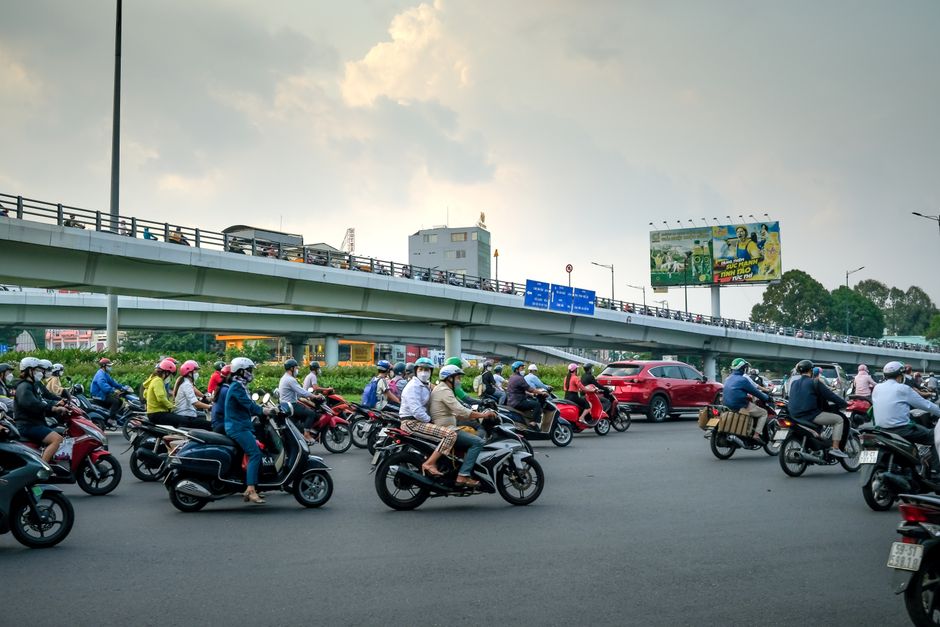
The sweeping bends of the Ha Giang loop – a rider’s paradise that demands respect, not recklessness.
✈️ Best time to visit: September to November (dry, clear skies) & March to May (warm, blooming flowers)
💰 Estimated budget range: $30–$50/day (rental, fuel, food, modest homestay); $60–$100/day (guided tour, nicer accommodation)
⏱️ How long to spend there: 4–5 days for the full loop (Ha Giang city – Dong Van – Meo Vac – return)
🎯 Difficulty level: Hard (unsealed roads, sharp corners, unpredictable weather, heavy traffic in towns)
📍 Recommended season: Autumn (mid-Sept to Nov) for golden rice terraces and stable weather
👥 Best for: Experienced riders, adventurous solo travelers, small groups of friends; NOT for first-time bikers or nervous passengers
Introduction
The first time I saw the Ma Pi Leng Pass from the saddle of a beat-up Honda XR150, my knuckles were white, my heart was in my throat, and I was absolutely positive I was about to die. A dump truck, fully loaded with limestone, was grinding toward me on a blind corner that dropped off into a thousand-foot chasm. I had exactly three seconds to decide: brake and risk sliding into the cliff, or accelerate and pray the truck held its line. I accelerated. The truck missed me by a hand’s span. Later, sitting in a homestay in Meo Vac, sharing a bottle of warm Bia Hanoi with a French couple who’d just done the loop on a 110cc scooter, I realised something: the Ha Giang loop isn’t a ride. It’s a negotiation with gravity, weather, and your own fear.
I’ve ridden this loop three times in five years—once solo, once leading a group of friends, and once in the pouring rain of October. I’ve slid off gravel, broken a clutch cable on a steep incline, and watched a tour guide calmly pick up a fallen rider as if it were Tuesday. I’m not an expert motorcyclist; I’m a careful rider who did the research, spent the money on proper gear, and learned the hard lessons so you don’t have to. This guide isn’t about Instagram shots. It’s about keeping you upright, safe, and genuinely enjoying one of the world’s most dangerous roads without becoming another statistic.
The Essentials at a Glance
- 🏍️ Rental bike matters: Rent only a semi-automatic (Honda XR150 or Yamaha R15) from a reputable shop in Ha Giang city – check brakes, tires, and lights yourself.
- 🧰 Safety kit is non-negotiable: Bring your own full-face helmet, riding gloves, and a jacket with armour. The “free” 3/4 helmets provided by rental shops will crack like an egg in a crash.
- 🛣️ Plan for bad road: Expect 50% of the loop to be unpaved, dusty, or slick with mud; add a 50% buffer to your daily distance estimates.
- ⛽ Fuel is scarce after noon: Fill up at every petrol station you see – many close early or run out of high-grade fuel in the highlands.
- 🌧️ Never ride in the dark: Roads have no lights, no guardrails, and unpredictable livestock. Stop by 5:30 p.m. even if you’re not tired.
The Complete Guide
Why This Matters / Why You Should Go
In a country full of motorbike loops—the Hai Van Pass, the Mai Chau valley—the Ha Giang loop is the one that requires you to be a rider, not just a passenger holding a phone. This isn’t a coastal cruise with cafes every ten kilometres. Ha Giang province, Vietnam’s northernmost frontier, is a landscape of razor-sharp limestone peaks, deep gorges, and ethnic minority villages where time moves differently. You’ll pass through H’mong and Tay hamlets where children wave from dirt paths, where a cup of corn wine costs pennies, and where the silence at 1,600 metres is so profound you can hear your own heartbeat through your helmet.
But here’s the honest truth: this loop is not for everyone. If you’ve never ridden a motorbike, take a 4x4 tour as a passenger. If you get anxious around tight corners or heights, this will not cure you—it will test you. The loop’s real magic is earned through grit, not gear. It’s for riders who can accept a fall, a breakdown, or a rainstorm as part of the experience, not a failure of it. When you finally crest the Ma Pi Leng Pass and see the magical Nho Que River slicing through the gorge below, you’ll understand why people come back. Because up there, you’re not just looking at Vietnam—you’re inside it.
When to Visit (Seasonal Guide)
Autumn (September to November): This is the golden window. The rice terraces on the lower slopes are harvested, turning the valleys into patchworks of amber and green. The rains have mostly stopped, the skies are blue, and temperatures hover between 18°C and 25°C during the day. The catch: this is also peak tourist season. Homestays book up weeks in advance, especially in Dong Van and Meo Vac. Book everything before you leave Ha Giang city.
Spring (March to May): A close second choice. The weather is mild, the peach and plum blossoms line the roads, and crowds are thinner. However, late April can bring early monsoon rains that turn dirt sections into mudslides. I rode in early April and enjoyed dry mornings but had to be off the road by 3 p.m. to avoid afternoon storms.
Summer (June to August): Hot, humid, and prone to flash floods. The mountain views are often obscured by low cloud. Paved sections can be slippery with moss. Only attempt if you’re a very experienced rider with good rain gear and a high tolerance for leeches at homestays.
Winter (December to February): Cold. Mornings dip below 5°C and ice can form on higher passes, especially the late afternoon shadow of Ma Pi Leng. Fog is common, reducing visibility to near zero. Riding in December, I had to use heated grips and a balaclava—and I still had numb fingers after two hours.
Budget Breakdown
Bike rental: $15–$25/day for a semi-automatic (Honda XR150 or Yamaha R15). Pay extra for a bike less than 2 years old. Avoid the $10/day beaters with bald tires—I saw three tourists crash on them in one afternoon.
Fuel: $3–$5/day. The loop is about 350 km total. Budget for 2 litres per 100 km. Premium fuel is widely available in towns, but carry a small bottle as backup.
Accommodation: $5–$15/night for a basic homestay (shared bathroom, mattress on floor). $20–$40/night for a private room in a nicer homestay or guesthouse. I stayed at Luan Homestay in Thon Tha ($12/night) and it was clean, had hot water, and served a traditional Thang Co stew that was surprisingly good.
Food: $5–$10/day if you eat local pho, rice rolls, and banh mi. Avoid Western-style restaurants in Dong Van that charge $12 for a bad pizza. Street food in Ha Giang city is safe and delicious.
Total daily budget: $30–$50/day for a solo rider on a budget. A guided tour with English-speaking guide, support vehicle, and nicer homestays will run $80–$120/day. I recommend a budget of at least $50/day to allow for emergency repairs, a nice dinner, and an extra litre of water every 30 km—you will get dehydrated quickly at altitude.
Getting There & Getting Around
The gateway to the loop is Ha Giang city, a 5–6 hour bus ride from Hanoi. Sleeper buses depart from My Dinh bus station; I booked with the reputable bus company Cúc Tùng for $10–$15 one way. Tip: take the overnight bus (11 p.m. departure) to save a night of accommodation and avoid the daytime heat. The buses have narrow seats, so bring earplugs and a travel pillow.
Once in Ha Giang city, you’ll navigate a maze of rental shops along Ly Tu Trong Street. I recommend M-Tour Ha Giang for well-maintained bikes and transparent pricing (no hidden damage fees). They’ll ask for your passport as deposit—offer a photocopy or a $200 cash deposit instead; I’ve heard horror stories of passports being held for weeks after minor scratches. Test-ride the bike around the block before accepting. Check: headlights (both high and low beam), brake lights, tire tread, chain tension, and the oil level. If anything feels off, walk away.
Navigation is straightforward but exhausting. Download offline maps on Google Maps or use the free Maps.me app with the Vietnam topo layer. Road signs are faded or non-existent (the new Chinese-language signs being put up are sometimes inaccurate). I used a simple GPS app called “Loop Ha Giang” that has the exact GPX route of the main loop. The route is: Ha Giang city → Quan Ba (the “Heaven’s Gate”) → Yen Minh → Dong Van → Ma Pi Leng Pass → Meo Vac → Meo Vac viewpoint → back to Ha Giang via Lung Cu flagpole. Do NOT attempt the loop in reverse; going clockwise gives you better view angles and less exposure on the dangerous sections.
Top Recommendations / Must-Do Activities
Ma Pi Leng Pass (the ride): This 20-km stretch between Dong Van and Meo Vac is the single most iconic road in Vietnam. The pavement is recently resurfaced for about 70% of it, but the remaining 30% is loose gravel over hard dirt. Ride slow—second gear, no more than 30 km/h. The best photo point is at the Sky View café about 3 km from the Dong Van side. It’s crowded by 9 a.m., so go at sunrise. The downside? The cliff-hugging sections have no barriers, and a minor mistake can be fatal. I saw a rider try to look over the edge while moving; he took his eyes off the road for two seconds, drifted into oncoming traffic, and barely avoided a head-on collision with a minibus.
Lung Cu Flag Tower: A worthwhile detour at the exact northernmost point of Vietnam. The climb up the 389 steps is manageable, and the view of the surrounding karst peaks and the Chinese border (visible as a razor wire line) is surreal. Entrance fee: 10,000 VND ($0.40). Avoid it on weekends when it’s packed with Vietnamese tourists. Go early afternoon for the best light.
Thon Tha Village: This is the hidden gem of the loop. A short detour off the main road (5 km past Quan Ba), it’s a communal Tay village with traditional stilt houses and a peaceful river. The homestay here is run by a lovely family who speak a bit of English. I stayed three nights here instead of one because the atmosphere was so relaxed. They can arrange a guided walk to a local waterfall (free, just tip the guide 50,000 VND).
Night market in Dong Van: Every Saturday night, the main square fills with stalls selling regional fabrics, handmade knives, and roasted meats. The atmosphere is chaotic but genuine. Try the “thang co”—a stew of horse meat, organs, and spices. It’s an acquired taste (very gamey, like a liver-based gravy). I loved it; my riding partner hated it. If you’re vegetarian, stick to the roasted corn and sticky rice cakes.
Traveler’s Pro Tips
Bring your own front brake pads: Most rental bikes have front brake pads that are 50% worn or less. The original pads on a Honda XR150 cost about $6. Buy a pair at any motorbike shop in Hanoi for $8 and hand them to the rental shop when you pick up the bike. I did this and it saved my brakes on a steep 7km descent into Meo Vac. The shop kept the spare for the next customer.
Use a hydration bladder, not a water bottle: You need to drink water continuously while riding—the combination of altitude (1,200m+), hot sun, and concentration dehydrates you fast. A bottle will spill or be forgotten. I used a 1.5L CamelBak under my jacket and didn’t have to stop for water for six hours.
Learn the local hand signals for corners: In Ha Giang, drivers use a hand signal: if they point left, it means a truck is coming around the blind corner ahead. If they point down with their palm, it means the road is slippery. I learned this on day two from a local coffee seller, and it saved me from hitting a motorcycle that was overtaking a bus on a blind turn.
Never leave your helmet on the bike at a photo stop: I lost a Shoei helmet worth $400 when I took it off for a five-minute photo at a viewpoint. The thief simply grabbed it and ran up a hill path. Keep the helmet strapped to your body or locked in a top box. I now carry a small cable lock at all times.
Listen to your bike’s engine, not the GPS: The GPS will tell you to go at 60 km/h on a straight stretch. But if your engine sounds laboured or the steering wobbles over 50 km/h on that section, the road is likely loose or a patch of gravel is hidden by dust. Drop to 40 km/h and feel the road through your wrists. I ignore the GPS and shift down whenever the rear wheel begins to slide on turns.
Common Mistakes to Avoid
Mistake 1: Riding in flip-flops and shorts. I saw a German guy do this on a rented 125cc, sweaving around a corner. He hit a patch of gravel, slid 15 feet, and the road sanded his calf down to raw meat. The local clinic gave him iodine and a bandage. He spent the rest of his trip hobbling around with a leg that looked like ground beef. How to avoid: Wear covered shoes, trousers (preferably riding jeans or thick cotton), and a jacket with sleeves. You only need one slide to learn that Vietnam’s roads are not forgiving.
Mistake 2: Overtaking when you can’t see past the corner. I did this myself on my first loop—I tried to pass a slow truck on a blind uphill curve on the Ma Pi Leng Pass. A minibus coming the other way appeared about 30 metres away. I had to brake so hard I nearly lowsided. How to avoid: The rule of thumb is: if you can’t see at least 100 metres of clear road ahead, do not overtake. Patience is cheap; a hospital bill is not.
Mistake 3: Assuming all homestays are safe or have electricity. Life on the loop is rustic. I stayed at a homestay in Yen Minh that had no electricity after 9 p.m. (the generator runs out of fuel). Another had a toilet that was a hole in the ground with a bucket of water—and that was the “nice” one. How to avoid: Always book a homestay in advance during peak season. Ask specific questions: “Do you have hot water?” “Is there electricity all night?” “Are there mosquitoes?” I now carry a portable headlamp and a battery pack after that dark night in Yen Minh.
Mistake 4: Underestimating the weather change. One morning I left Ha Giang city in bright sun. By 10 a.m., at the Quan Ba pass, I hit a rainstorm that turned the road into a soapy slick. The temperature dropped from 28°C to 14°C in an hour. I was wearing a t-shirt under a light jacket—I had to shelter under a roadside stall for 45 minutes, shivering. How to avoid: Always pack a waterproof layer and a mid-layer (fleece or a thick hoodie) in your backpack or under the seat. Bring a rain cover for your backpack—electronics don’t enjoy Vietnamese afternoons.
Your Travel Checklist
Documents: Passport (keep a photocopy in a waterproof bag), international driving permit (you’ll be fined 150,000 VND without it if stopped), travel insurance with motorbike coverage
Packing: Full-face helmet (buy in Hanoi for $50–$100 if you don’t own one), riding gloves, knee guards or riding jeans, rain jacket and over-pants, headlamp, portable charger, sunblock (SPF 50+), small tool kit, cable lock for helmet, hydration backpack
Research: Download the “Loop Ha Giang” GPX route. Watch YouTube videos of the passes (not the hype ones—search “Ha Giang loop crash” to see what you shouldn’t do). Read recent blogs (within 1 year) for homestay updates
Health & Safety: Bring a basic first-aid kit (bandages, antiseptic, painkillers, rehydration salts), know the location of the nearest clinic in Dong Van (it’s on the main road near the market), get a travel vaccination for Hepatitis A and Typhoid—water contamination is real
Local Currency & Apps: Bring 5 million VND ($200) in cash (ATMs are rare in the highlands and often broken), download Google Translate (Vietnamese, offline), MoMo for payments (some shops accept it), and Grab for backup transport if you break down
Traveler FAQ
Q: Do I need experience to ride the Ha Giang loop?
A: Yes, significant experience. The roads are narrow, often unpaved, and have sharp blind corners with cliff drops. If you’ve only ridden a scooter on city streets, take an Easy Rider tour as a passenger. I’d ridden for six years in Southeast Asia and still found the loop challenging.
Q: Can I do the loop in 3 days?
A: You can, but it’s exhausting and dangerous. 3 days means riding 8–10 hours daily, often in the dark. Most experienced locals recommend 4 days minimum to include time for photo stops, mechanical issues, and rest. I did it in 4 days and still felt rushed on the final leg.
Q: Is it safe for female solo travelers?
A: The Vietnamese people are generally respectful and helpful. I met several solo female riders who felt safe at homestays and on the road. However, you must be self-sufficient with bike repair (know how to change a tire tube and adjust a chain). One French woman I met had to push her bike 3 km after a punctured tire—not a fun experience alone at dusk.
Q: What happens if I crash?
A: Vietnam has basic medical facilities in Ha Giang city (the hospital there has an X-ray machine and can treat fractures). For serious injuries, you’ll be evacuated to Hanoi by helicopter (expensive—ensure your insurance covers emergency evacuation, minimum $100,000). The road is dangerous; I saw two crashes in one week. One rider broke his collarbone. Another slid into a ditch and was unhurt but shaken.
Q: Do I really need a helmet with a visor?
A: Absolutely. Dust, rain, and bugs are constant. A good visor keeps your vision clear. The open-face “bucket” helmets offered by rental shops do not provide adequate face or jaw protection. I rode with a full-face helmet and still had to stop twice to wipe mud from the visor. Cheap helmets also give you concussions in a fall—spend the money.
Ready for Your Adventure?
The Ha Giang loop is not a bucket-list check box. It’s a negotiation with reality—with the weight of a motorbike, the heat of the sun, the chill of a mountain morning, and the fear that lives in your gut when you look down a cliff. You will be tested. You will maybe fall, once or twice. But if you prepare—if you respect the road, rent a good bike, wear real gear, and listen to your instincts—you will also experience a moment of transcendence. It might come at 6 a.m. on the Ma Pi Leng Pass, when the mist is lifting and the valley below is still in shadow. Or it might come at evening in a Tay homestay, drinking warm rice wine with strangers who become friends. That feeling is not in a photograph. It’s in the soreness of your hands, the grit between your teeth, and the quiet pride of having survived something real.
So: check your brakes. Fill your water bag. Adjust your mirrors. And twist the throttle. The north is waiting.


No comments:
Post a Comment