Why Sleeping in a Real Castle is the Most Magical Travel Decision You’ll Ever Make
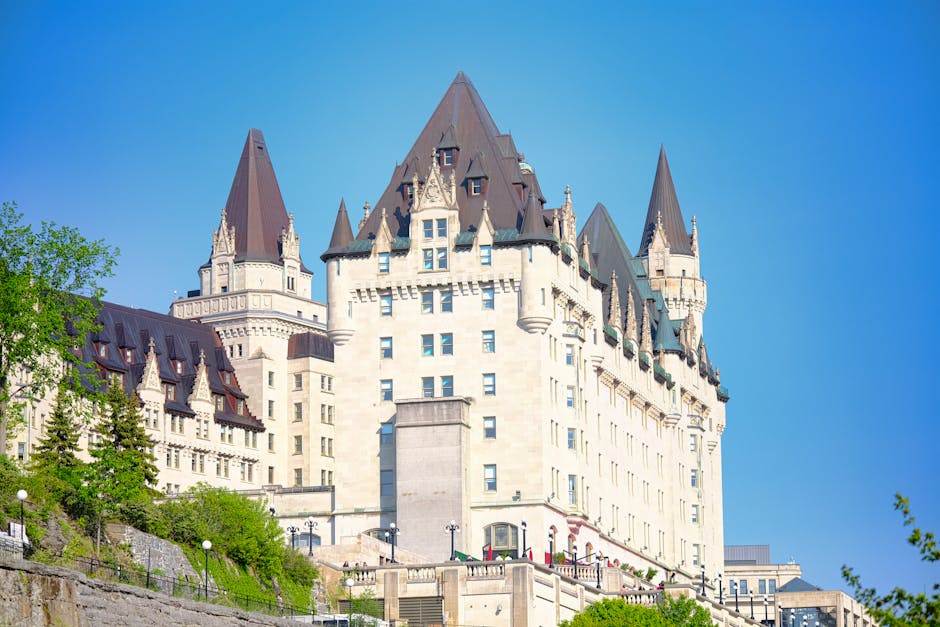
A typical Scottish castle hotel rising from the mist — the kind of view that greets you at sunrise.
💰 Estimated budget: $300–$900 per night (mid-range); suites can exceed $2,000.
⏱️ How long to spend: 2 nights minimum to absorb the atmosphere; 3–4 nights for a proper escape.
🎯 Difficulty level: Moderate — requires planning, advance booking, and sometimes navigating narrow roads.
📍 Recommended season: Late spring or early autumn for mild weather and fewer crowds.
👥 Best for: Couples seeking romance, solo travelers craving solitude, history buffs, and families who want an unforgettable overnight.
Introduction: A Night That Changes How You See Travel
I still remember the sound of my footsteps echoing across a stone-flagged hall as I walked toward a massive oak door. It was nearly midnight, and I was in a 15th-century tower in the Irish countryside, clutching a wrought-iron key the size of my palm. The only light came from a single torch sconce and a sliver of moon through a narrow slit window. For a moment, I forgot I was a paying guest — I felt like a character in a gothic novel, half-expecting a ghost to drift through the wall. That night, shivering under a down duvet in a room that had once held a chieftain, I realized that a castle hotel is not just a place to sleep; it’s a time machine wrapped in stone and velvet.
I’ve stayed in over a dozen castle hotels across Ireland, Scotland, and Germany — from converted fortresses with four-poster beds to family-run baronial manors where the owner pours your whisky. I’ve made the mistakes (booking ground-floor rooms in 800-year-old buildings — damp, always damp), and I’ve discovered the magic (a private tour of the ramparts at dawn, with only ravens for company). This guide is the one I wish I’d had before my first stay. You’ll learn when to go, how to budget, which castles are worth the price, and exactly what to pack for cobbled courtyards and candlelit dining.
The Essentials at a Glance
- 🏰 Book direct or via specialist agencies: Small castle hotels often hold back their best rooms. Calling them can unlock upgrades and dinner reservations.
- 🌦️ Prepare for real weather: Many castles lack modern insulation. Even in summer, pack a sweater and waterproof shoes — the damp stone means cold floors.
- 🕯️ Embrace the quirks: Wonky stairs, low doorways, and creaking floorboards are part of the experience. You’re not in a chain hotel — that’s the point.
- 🍽️ Dinner is an event: Most castle hotels serve fixed menus in a grand dining hall. Reserve ahead; dietary restrictions are usually accommodated with notice.
- 📸 Morning light is golden: The best photos happen between 6:30 and 8:00 a.m., before the crowds arrive for tours. The mist over the battlements is unreal.
The Complete Guide
Why This Matters / Why You Should Go
Let’s be honest: a castle hotel stay is expensive, and it can feel a little bit like playing dress-up in someone else’s history. But here’s the truth that makes it worth every penny — there is simply no other accommodation that offers this combination of authenticity, silence, and ceremony. You don’t just sleep in a castle; you participate in its story. In Ireland, I sat in a library where a medieval lord once plotted rebellions. In Scotland, I drank single malt in a dungeon-turned-bar while bagpipes played from a courtyard. In Germany, I walked along a parapet that had stood since the Holy Roman Empire.
This is not for everyone. If you need a gym, a 24-hour reception, and perfectly level floors, you will struggle. But if you want to wake up in a place that makes you feel small in the best possible way — surrounded by stones that have witnessed centuries — then a castle hotel is your kind of adventure. It’s for the writer, the dreamer, the couple celebrating something real, and the solo traveler who craves uninterrupted thought.
When to Visit (Seasonal Guide)
May to September is the sweet spot for most castle hotels in Ireland, Scotland, and Germany. Gardens are in bloom (Ashford Castle’s formal gardens are breathtaking in June), the days are long, and many castles offer guided tours of their grounds. The downside? Peak pricing and full bookings — you’ll need to reserve 4–6 months ahead for popular properties like Dromoland Castle or Edinburgh’s Prestonfield House.
October to March flips the experience entirely. The landscape turns moody and dramatic. Fires crackle in every hearth, the dining rooms feel intimate, and rates often drop 30–40%. The catch: some castles close their outer courtyards or reduce breakfast hours. I stayed at a small castle in Bavaria in January, and the frozen moat was hauntingly beautiful — but the heating system was struggling at night. Bring thermal layers.
Winter Tip: Castle hotels in Scotland’s Highlands can close for a short period in January. Always check individual websites before booking.
Budget Breakdown
Accommodation (per night, including breakfast):
– Low budget: $250–$400 (guest wing rooms, smaller castles like Ballygally Castle in Northern Ireland).
– Mid-range: $400–$700 (standard double in an iconic castle like Edinburgh’s Dalhousie Castle).
– High end: $700–$2,000+ (suites with turret views, private butlers — think Ashford Castle or Schlosshotel Kronberg in Germany).
Food: Dinner at a castle’s formal restaurant runs $60–$150 per person with wine. Lunch options are often limited to nearby villages — budget $15–$30 for a pub meal. Many offer afternoon tea for around $40–$70.
Activities: Falconry ($80–$120), castle tours ($20–$40), whisky tastings ($30–$60), spa treatments ($100–$200). Some castles include a free guided walk of the grounds.
Transport: Renting a car is almost essential for rural castles. Budget $50–$100 per day including fuel and insurance. Trains to nearby towns are cheaper but require taxis for the last 5–20 miles.
Total daily cost for a couple: roughly $600–$1,400. Solo travelers can shave 20–30% by sharing a room in a smaller property or Traveling in shoulder season.
Money‑saving tip: Book a midweek stay (Monday–Thursday) for 20–30% off weekend rates. Some castles offer “dinner, bed, and breakfast” packages that cut food costs by 15%.
Getting There & Getting Around
Ireland: Most castle hotels are within 2 hours of Dublin or Shannon airports. Rent a car from the airport — you’ll need it for the narrow, winding roads leading to places like Ballynahinch Castle in Connemara. GPS is essential; cell service can be spotty in the west. Parking is always free at castle hotels.
Scotland: Edinburgh and Glasgow are the main hubs. For Highland castles (like Inverlochy or the beautiful Gleneagles), take a train from Edinburgh to Fort William or Stirling, then a taxi. Driving the A82 is spectacular but requires confidence on single-track roads with passing places.
Germany: Frankfurt is the best gateway for Rhine Valley castles like Schloss Johannisberg. Munich serves Bavaria’s fairy-tale castles (Schloss Neuschwanstein is a day trip, but there are nearby hotel-castles like Schlosshotel Oberlech). Public transport is excellent — trains run frequently, and many castle hotels offer free shuttle service from the nearest train station.
Navigational note: Castle driveways can be long and unmarked at night. Download offline maps before setting out. I once spent an hour navigating a dirt track in Scotland’s dark because my GPS had no signal.
Top Recommendations / Must-Do Activities
Ashford Castle, Ireland (County Mayo): This is the gold standard of castle hotels. You can try falconry with a Harris hawk on the lawns (my favorite memory of any trip), take a sunset cruise on Lough Corrib, or simply sink into a leather armchair in the drawing room with a copy of Yeats. The downside: it’s expensive and popular, so the lobby can feel busy. Book a private boat tour for a quieter experience.
Dalhousie Castle, Scotland (near Edinburgh): This 13th-century fortress has a dungeon spa — yes, a real dungeon converted into a steam room — and a gorgeous library. I loved wandering the spiral staircases at dusk when most guests were at dinner. Insider tip: request the “Jail Tower” room for the most atmospheric experience. It’s slightly less polished than others, but the authenticity is unmatched.
Schloss Kronberg, Germany (near Frankfurt): Built for Empress Victoria in the 19th century, this hotel feels like a royal residence (because it was). The gardens are immaculate, the rooms are adorned with original antiques, and the restaurant serves exceptional German wine. The historic oddity: there are no ghost stories — it’s too well-maintained. For spookiness, skip this one. For sheer elegance, don’t.
Insider tip for beating crowds: At any castle hotel, ask for a “history tour” at reception. Often a staff member will show you the private chapel, the secret staircase, or the old kitchens that aren’t on the public tour. I got a personal tour of the battlements at Ballygally Castle this way — completely free.
Traveler’s Pro Tips
Pack a pair of soft-soled slippers: Castle floors are stone, flagstone, or cold wood. Even with underfloor heating in modern wings, the bathrooms are often icy. Slippers with grip are your best friend for midnight trips to the bathroom.
Call the hotel directly before booking online: I’ve received upgrades to a suite with a four-poster bed simply because I asked, “Do you have any special packages this week?” Online booking systems rarely show all available rooms, and direct staff can offer dinner reservations at the castle’s own restaurant that are otherwise full.
Ask about the ghosts at check-in: Whether or not you believe in spirits, the stories are part of the charm. At a castle in County Cork, the porter told me about the Grey Lady who walks the corridor at 2 a.m. I didn’t see her, but the story made my night walk unforgettable.
Don’t book a ground-floor room in an ancient castle: I learned this the hard way. Ground floor rooms in medieval structures often abut the old cellar — they’re damp, smell of stone, and lack natural light. Request a first-floor tower room if possible; the views are better and the air is drier.
Plan two nights minimum: One night is a rush. You arrive late, have dinner, sleep, and leave after breakfast. With two nights, you can explore the grounds, take a nearby hike, have a lazy afternoon tea, and truly feel the rhythm of the place.
Common Mistakes to Avoid
Mistake 1: Assuming modern amenities are standard. I once showed up at a castle in Bavaria expecting air conditioning. It had none, and the July heat turned my room into a stone oven. Solution: check for “air conditioning” in the room description, or book in spring/autumn. Most castles have excellent heating but poor cooling.
Mistake 2: Overpacking without considering stairs. Castle hotels rarely have lifts. I lugged a heavy suitcase up 50 spiral stone steps in Scotland — never again. Pack light, use a backpack, or ask the porter (they usually help).
Mistake 3: Eating dinner in the main restaurant every night. The formal dining is lovely once, but it’s expensive and long. Many castle hotels have a less formal bar or lounge menu. At Dalhousie, the pub-style bar serves excellent fish and chips for half the price of the dining room.
Mistake 4: Not booking afternoon tea in advance. Afternoon tea at a castle hotel is iconic — but it’s often included in packages, and walk-ins rarely get a table. Reserve at least a week ahead, even if you’re a guest. I missed out at Ashford because I waited until the day before.
Your Travel Checklist
- 📄 Documents: Passport (valid 6 months beyond travel), travel insurance confirming coverage for high-value items, and a printed copy of your castle booking confirmation (signal can be weak at check-in).
- 🎒 Packing: Warm layers (wool or cashmere), waterproof jacket with hood, comfortable walking shoes, a small flashlight (for dark corridors), and a formal outfit for dinner (jacket or dress—many castles enforce a smart dress code).
- 🗺️ Research: Check the castle’s history online before arrival — it deepens your appreciation. Look up nearby hiking trails or villages to visit during the day.
- 🏨 Bookings: Reserve dinner for both evenings at least 1 week out. Schedule any falconry, spa, or castle tours at least 2 weeks in advance during peak season.
- 🏥 Health/Safety: Bring any prescription medications in your carry-on. Castle staircases can be uneven — use handrails. Have emergency contacts for the region.
- 💶 Local Currency: Ireland and Scotland use pounds (Scotland also accepts Scottish notes, which are different from English notes — don’t worry, they’re legal tender). Germany uses euros. ATMs are often in the nearest town, not at the castle.
- 📱 Apps: Google Maps offline, Uber (for Germany mainly — limited elsewhere), a translation app (for German castles), and a flashlight app for phone.
Traveler FAQ
Q: Are castle hotels haunted, and will I be scared at night?
A: Many have ghost stories — it’s part of the lore — but none of the well-known castle hotels are actively trying to frighten you. The atmosphere is more cozy than creepy, with fireplaces and comfortable beds. If you’re uneasy, request a room in a newer wing; they’re less “atmospheric” but just as comfortable.
Q: Can I stay in a castle hotel on a budget?
A: Yes, but you’ll need to be strategic. Look for castle hotels that offer “tower rooms” or “coach house” annexes — these are often cheaper than main house suites. Consider staying in a castle-adjacent guesthouse that shares the grounds. Budget about $250–$350 per night for a decent experience.
Q: Are children welcome at castle hotels?
A: Most are family-friendly, but policies vary. Many offer family rooms, children’s menus, and activities like treasure hunts. However, some high-end properties (like Gleneagles) have adult-only areas. Always mention children when booking — they may need to arrange cots or high chairs ahead of time.
Q: Is it worth booking a guided tour of the castle grounds?
A: Absolutely. Most castles have hidden stories — a hidden chapel, a medieval wine cellar, a room where a queen once slept. Guided tours usually cost $15–$30 and add enormous depth. I recommend the “Historical Tour” at any castle that offers it.
Q: How far in advance should I book a castle hotel?
A: For popular castles (Ashford, Dromoland, Neuschwanstein’s surrounding properties), book 4–6 months ahead for peak season. For smaller, off-the-beaten-path castles, 2–3 months is usually fine. During shoulder season (April, October), 1–2 months is often enough.
Ready for Your Adventure?
Sleeping in a castle hotel isn’t just a luxury — it’s a rare chance to pause your modern life and inhabit a slower, older story for a few nights. Yes, the floors are cold, the stairs are steep, and the wifi can be temperamental. But those are the very things that make the experience unforgettable. You trade perfect comfort for perfect atmosphere. You trade convenience for memory. And when you stand on a parapet at dawn, watching fog lift over a landscape that has barely changed in 500 years, you’ll understand why we still dream of castles after all this time.
So start browsing. Pick one castle — Ireland’s misty green fields, Scotland’s rugged Highlands, or Germany’s wine country. Make the call. Pack the layers. And prepare for a night that changes how you see the world.
— Originally written from notes taken at a candlelit desk in a tower room overlooking Lough Corrib.


No comments:
Post a Comment