Tipping Around The World: The Savvy Traveler's Etiquette Guide to Never Overpay or Offend
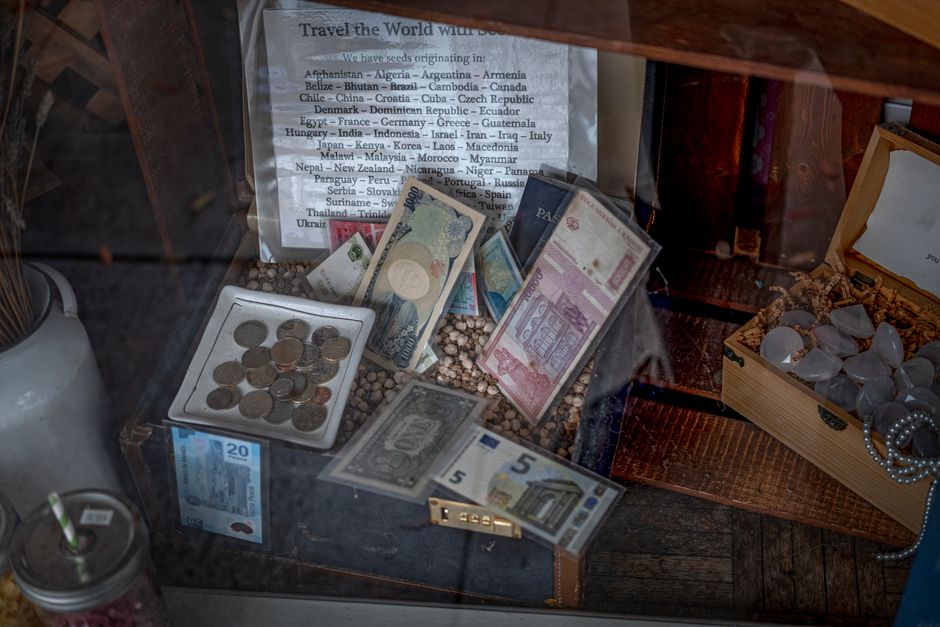
A stack of international currency notes and coins, a simple reminder that tipping customs vary wildly from country to country.
✈️ Best time to visit: Any time—but research your specific destination’s tipping norms before you arrive.
💰 Estimated budget range: Tipping can add 5–20% to your daily costs; budget $5–$20 extra per day depending on region.
⏱️ How long to spend: You’ll get these rules down in an hour of reading; practice them on your first trip abroad.
🎯 Difficulty level: Moderate – customs are nuanced and change fast.
📍 Recommended season: Always applicable; tipping etiquette is a year-round skill.
👥 Best for: Solo travelers, couples, business travelers, families—everyone who leaves their home country.
Introduction
I’ll never forget the cold stare I got in Tokyo. I had just finished a flawless omakase dinner at a tiny six-seat counter, and as I fumbled for a 10% cash tip, the chef gently pushed my hand back across the counter, shaking his head with a polite but firm “no, thank you.” I felt my face flush. In my eagerness to be generous, I had nearly insulted a craftsman who takes immense pride in his work and considers a tip a suggestion that his prices aren’t fair. That moment was my crash course in global tipping etiquette. I’ve since spent over a decade traveling to 50+ countries, working as a freelance travel writer, and on more than one occasion, I’ve made a fool of myself—over-tipping in Scandinavia, under-tipping in Mexico, leaving coins on a table in France. This guide is everything I wish I’d known before I spent my first night in a foreign hotel. By the end, you’ll know exactly when to tip, how much, and when to keep your wallet firmly in your pocket.
The Essentials at a Glance
- 🕵️ Do your homework: Never assume your home country’s tipping culture applies—Japan and the US are polar opposites.
- 💵 Cash is king: Even in card-heavy countries like Sweden, a cash tip for guides or housekeeping is always appreciated.
- 🍽️ Check the bill: In many European countries, service is included; leaving extra is a bonus, not an obligation.
- 🚕 Round up or give exact: For taxis in much of Asia and Latin America, rounding up to the nearest bill is standard—never demand change.
- 🙅 Never tip with a coin in some cultures: In India and parts of the Middle East, small coins can be seen as insulting.
The Complete Guide
Why This Matters / Why You Should Care
Tipping isn’t just about money—it’s a language of respect, gratitude, and social understanding. In the United States, a poor tip screams “bad service,” while in Japan, offering one screams “I don’t understand your culture.” This guide is for the curious traveler who wants to move through the world with confidence, not anxiety. It’s for the backpacker, the luxury tourist, the business traveler—anyone who wants to avoid awkward silences, offended hosts, or wasted cash. Understanding tipping etiquette makes you a better guest, and being a good guest is the whole point of travel.
When to Consider the Season (of Your Trip)
There’s no tipping season per se, but your travel dates affect your interactions. During peak tourist months (June–August in Europe, December in the Caribbean), many service workers handle more tourists and may be more expectant of tips—especially in North America. Avoid traveling during local holidays in countries like Japan (Golden Week) or China (Lunar New Year) if you want less crowded and more attentive service. Off-season travel often means more relaxed, personal interactions where a small tip goes further and is more appreciated.
Budget Breakdown: The Real Cost of Tipping
Let’s be frank—tipping can seriously inflate your daily spend if you aren’t careful. In the US, a 20% tip on a $60 dinner is $12. In Mexico, 10–15% is typical. In Argentina, you might add 10% at a nice restaurant. Here’s a realistic per-day breakdown:
- Low budget (backpacker, $50/day total): Tipping maybe $2–5/day in countries where it’s expected (Mexico, India, parts of Southeast Asia).
- Mid-range ($150/day total): Budget $8–12/day for tips—restaurants, taxis, hotel staff.
- High-end luxury ($400+/day): Tips can hit $30–50/day including concierge, housekeeping, private guides.
Money-saving tip: Carry small bills in local currency. In many countries, offering a $5 note when you only have $20s looks either stingy or too generous. Also, avoid tipping with large denominations—locals often can’t break them.
Getting There & Getting Around: Tipping Your Transport
Taxis are a minefield. In most European cities, rounding to the nearest euro is fine. In Bangkok, taxi drivers expect you to round up but don’t demand a percentage. In New York, a 10–15% tip on the fare is standard. Ride-hailing apps like Uber and Grab often include tip options, but in places like Indonesia, a small cash top-up (like 5,000–10,000 rupiah) is appreciated. For airport transfers in the Middle East, no tip is expected but a couple of dollars for help with heavy bags is polite.
Top Recommendations / Must-Do Activities
1. The “No Tip” Dinner in Tokyo: Go to a high-end sushi counter in Ginza. When you try to leave an extra yen note, watch the master’s reaction. It’s a cultural lesson you’ll never forget. Do it once for the experience, then don’t do it again.
2. The generous evening in Marrakech: After a tagine dinner, leave 10% in coins on the small brass table. The server will likely smile and nod—Morocco appreciates tipping but doesn’t demand it.
3. The awkward moment in Reykjavik: Go to a trendy cafe in Iceland. Try to leave a tip. The barista will probably say “no thanks” and hand it back. Icelanders value equality and find tipping strange. It’s a fascinating cultural artifact.
Insider tip: Always ask a local (or your hotel concierge) the first day you arrive. Norms change quickly—I’ve seen US-style tipping creep into Paris over the last decade.
Traveler’s Pro Tips
Tip 1 – The “No Coins” Rule in India: In India, never tip with loose coins. It’s perceived as alms-giving and is offensive. Use folded bills instead. I learned this the hard way after handing a rickshaw driver 10 rupees in coins—he handed it right back.
Tip 2 – The European “Service Charge” Trap: In Italy, France, and Spain, check the bill for “servizio incluso” or “service compris.” If it’s there, leave nothing extra. If not, 5–10% is generous, never expected. Many tourists overpay because they don’t read the fine print.
Tip 3 – The Housekeeping Envelope: In hotels worldwide, leave a cash tip in an envelope marked “housekeeping” or just leave it on the pillow with a note. In Dubai, $5 per night is standard. In rural Peru, $2 goes a long way. Don’t leave coins—always bills.
Tip 4 – The “Round Up” Method for Drivers: In Southeast Asia, Latin America, and parts of Africa, the simplest rule is: always round up to the nearest 100 or 500 units of local currency. It’s quick, easy, and locals appreciate the simplicity.
Common Mistakes to Avoid
Mistake 1 – Tipping in Japan or South Korea: Mistaking generosity for respect. In Japan, tipping can embarrass the recipient. In Korea, it’s almost never done in restaurants. Avoid it entirely unless you’re at a very high-end hotel where a small envelope might be accepted.
Mistake 2 – Leaving Coins in France: Leaving small coins on the table in a Parisian café is considered cheap and rude. If you must tip, leave a €1 or €2 coin, or better yet, a €5 note. I’ve seen locals leave nothing at all—and that’s fine too.
Mistake 3 – Over-tipping in Scandinavia: Swedes, Norwegians, and Danes have a collective attitude that service is included. A 10% tip can be seen as excessive. Round up or leave 5% at most. One time in Stockholm, a waitress chased me down to give back the extra money—I was mortified.
Mistake 4 – Tipping for bad service: This is universal. In any country, if the service is genuinely poor, you are under no obligation to tip. But always err on the side of cultural understanding—in some places, “slow” service is normal.
Your Travel Checklist
- Documents: Passport (valid 6+ months), visa (if needed), travel insurance (for peace of mind).
- Packing: Small-denomination bills in local currency, a money belt (for discreet cash access).
- Research: Read a current tipping guide for each country you’re visiting (even within a region, customs vary).
- Bookings: Reserve accommodation that doesn’t include “service charges” hidden in the fine print.
- Health & Safety: Know that tipping can sometimes be used to skip lines or get better service—use it ethically.
- Local Currency: Have $50–100 equivalent in small bills for the first 48 hours.
- Apps: Download XE Currency (for quick conversion), TripAdvisor forums (for local tipping advice), and a note-taking app (to jot down customs as you learn them).
Traveler FAQ
Q: Do I need to tip in all-inclusive resorts?
A: Not at all. Most all-inclusive resorts (e.g., in Mexico, Dominican Republic) already include tips in the price. However, a small cash tip for exceptional service—like $2 for a bartender or $5 for a housekeeper—is always well-received and never expected.
Q: Is it rude to tip in the Middle East?
A: No, but be discreet. In Dubai and Abu Dhabi, a 10–15% service charge is often added, so no extra tip is needed. In Jordan or Egypt, tipping (“baksheesh”) is a part of daily life for small services like restroom attendants or guides.
Q: What about tipping for tours?
A: For a full-day private guide in most countries, plan on $20–$50 per person per day. For a group tour, $5–$10 per person is standard. Always ask the tour company ahead of time—some include gratuities.
Q: Should I tip in Australia or New Zealand?
A: Generally no. Tipping is not part of the culture in either country, though it’s becoming slightly more common in high-end restaurants in big cities. Rounding up or leaving small change is fine, but do not feel obligated.
Q: How do I tip in countries where I don’t speak the language?
A: Smile, make eye contact, and hand the money with both hands (in Asia) or with a simple “thank you” in English (it’s understood everywhere). Avoid throwing money on the table—place it in the bill folder or hand it directly. Actions speak louder than words.
Ready for Your Adventure?
Tipping is one of the few travel habits that can make or break a connection with a local. It’s not about the money—it’s about signaling that you understand and respect their world. I’ve fumbled, overpaid, underpaid, and accidentally offended, but every mistake taught me something: to be humble, to ask questions, and to always carry small bills. You now have the tools to navigate this tricky terrain with confidence. The next time you sit down at a Parisian bistro or step into a Tokyo taxi, you’ll know exactly what to do. So go ahead—book that ticket, pack those small denominations, and travel with the knowledge that your wallet is a bridge, not a barrier. The world is waiting, and you’re ready.


No comments:
Post a Comment