The Global Sip: Why a Traditional Tea Ceremony in Japan, China, and Morocco Will Rewire Your Soul
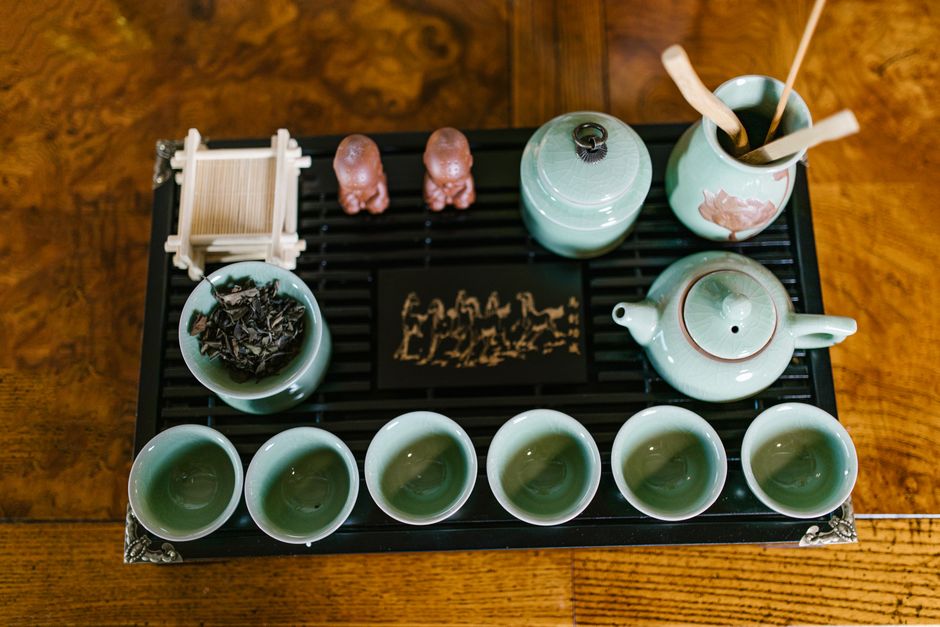
A traditional Japanese tea ceremony setting, where every movement is a meditation.
Quick Stats
✈️ Best time to visit: Spring (March-May) or autumn (October-November) for Japan and China; mild spring/autumn for Morocco.
💰 Estimated budget range: $50–$150 per day for mid-range; ceremony experiences $20–$100 extra.
⏱️ How long to spend there: Minimum 3–5 days per country for immersive tea experiences.
🎯 Difficulty level: Easy (most ceremonies welcome beginners with instruction).
📍 Recommended season: Japan: cherry blossom season (April); China: spring tea harvest (April); Morocco: mild winter (December-February).
👥 Best for: Solo travelers, couples, and culture enthusiasts seeking authentic, slow travel.
Introduction
I still remember the first time I sat cross-legged on a tatami mat in Kyoto, the scent of tatami and aged wood filling the small tea room. The host, a kimono-clad woman in her seventies, moved with a precision that felt older than the city itself. She placed a bowl of frothy green matcha in front of me, and I was told to turn the bowl three times—to pause, to admire its imperfection, to honor the moment. That single sip rewired my understanding of travel. It wasn’t about sightseeing; it was about presence.
I’ve since spent years exploring the world’s great tea cultures—not as a passing tourist, but as a curious student. I’ve sat in foggy tea villages in China’s Yunnan province, watching farmers roast fresh-picked leaves over open flames. I’ve shared sweet mint tea in a cramped Marrakesh souk with a Berber merchant who insisted I drink three glasses for good luck. Each experience taught me that a traditional tea ceremony is less about the drink and more about the ritual of slowing down. In a world obsessed with speed, these ceremonies are an act of rebellion.
This guide is your personal passport to three of the most profound tea destinations on Earth: Japan, China, and Morocco. You’ll learn exactly where to go, what to expect, how much it costs, and—most importantly—how to participate without feeling like a clueless outsider. No fluff. Just real, tested advice from someone who has burned their tongue, bowed too low, and laughed through the awkwardness.
The Essentials at a Glance
- 🍵 Japan: The ultimate intro to tea ceremony—structured, meditative, and deeply aesthetic. Best in Kyoto, with English-friendly instructors.
- 🌱 China: The birthplace of tea. Expect varied styles: gongfu (small pot brewing) in Chaoshan, or formal ceremonies in Hangzhou. Less rigid than Japan, more about the leaves.
- 🍃 Morocco: Mint tea is the national bloodstream. The ceremony is social, loud, and full of hospitality. Expect three rounds, each with a different meaning.
- 👘 Dress Code: In Japan, avoid loud patterns and heavy perfume. In China, casual but respectful. In Morocco, cover shoulders and knees.
- 💡 Insider Rule: Never fill your own cup in Morocco. The host refills; it signals you’re still welcome. Leaving tea unpoured is a polite exit.
The Complete Guide
Why This Matters / Why You Should Go
Let’s be honest: you could drink tea in your hotel room for free. But that’s not the point. A traditional tea ceremony is a gateway into a culture’s soul. In Japan, the ceremony (chanoyu) is built on Zen principles—harmony, respect, purity, tranquility. You aren’t just drinking matcha; you’re participating in a 400-year-old art form where every gesture—from how you pick up the bowl to how you wipe its rim—carries meaning. It’s a masterclass in mindfulness. For weary travelers, it’s a reset button.
China offers a different kind of magic. Here, tea is ancient—legend says Emperor Shen Nong discovered it in 2737 BCE. In places like Wuyi Mountain or Hangzhou’s Longjing tea plantations, ceremonies are less about strict rules and more about connoisseurship. You’ll learn to smell the “rock rhyme” of oolongs or the chestnut notes of a dragon well green tea. It’s for people who want to taste history, not just read about it.
Morocco’s ceremony is raw and communal. Mint tea poured from a silver pot held high—the foam is a sign of skill. The ritual has three rounds: the first gentle like life, the second strong like love, the third bitter like death. It’s a crash course in Berber hospitality. Go for the warmth, leave with a new perspective on what “celebration” means.
Who is this for? Solo travelers craving depth. Couples wanting a shared memory that isn’t a selfie stick. Anyone tired of museum fatigue. It’s for you.
When to Visit (Seasonal Guide)
Japan: April is peak—cherry blossoms in Kyoto make tea ceremony gardens look like a dream. Autumn (November) offers fiery maple leaves and fewer crowds. Summer (July-August) is brutally humid; some outdoor ceremonies pause. Winter (December-February) is quieter and cheaper, with indoor ceremonies perfect for warming up. Pro tip: book ceremonies a month ahead if visiting during sakura season.
China: The best tea leaves are harvested in spring (March-April). Visit Longjing village near Hangzhou in April to see hand-rolling demonstrations. Autumn (September-October) has pleasant weather for outdoor tea ceremonies in Yunnan. You can go year-round, but avoid Chinese New Year (January-February) when many tea houses close.
Morocco: Mild weather from October to April makes tea drinking in outdoor riads or mountain villages comfortable. Summer (June-September) is scorching—drink tea in shade, not midday sun. Ramadan (dates vary) means tea ceremonies happen after sunset; still possible but timing changes.
Budget Breakdown
Japan (daily, per person):
- Accommodation: Hostel/capsule $30, budget ryokan $80, luxury ryokan $300+.
- Tea ceremony class: $40–$60 for 1–2 hours (includes matcha and sweets).
- Food: $10–$30 (try kaiseki tea ceremony meal for $50+).
- Transport: $5–$15 (subway day pass in Kyoto $6).
- Total daily: $75–$150 moderate; $250+ luxury.
- Money-saving tip: Book tea ceremonies at community centers (e.g., Kyoto’s Tea Ceremony Experience by Maikoya) for $35.
China (daily, per person):
- Accommodation: Hostel $15, guesthouse $40, 4-star hotel $80.
- Tea ceremony: $15–$30 (in tea houses); private masterclass $60–$100.
- Food: $5–$15 (local noodle shops $2).
- Transport: $2–$10 (bus/taxi).
- Total daily: $30–$80 moderate.
- Money-saving tip: Go to a public tea market in Guangzhou or Hangzhou; many vendors offer free tastings.
Morocco (daily, per person):
- Accommodation: Hostel $10, riad $40, luxury riad $150.
- Tea ceremony: Free in a family home or $10–$25 in tourist spots.
- Food: $5–$15 (tagine dinner $5).
- Transport: $2–$8 (grand taxi shared).
- Total daily: $25–$60 moderate.
- Money-saving tip: Accept an invitation from a local merchant—they’ll serve tea as a greeting. No pressure to buy.
Getting There & Getting Around
Japan: Fly into Tokyo’s Narita or Osaka’s Kansai International. Take the shinkansen (bullet train) to Kyoto (2.5 hours from Tokyo, $130). Within Kyoto, the bus network is excellent; get a one-day pass for ¥600 ($4). For a deeper tea experience, go to Uji (20 minutes by train from Kyoto)—it’s the birthplace of matcha, with fewer tourists. Taxis are expensive; avoid them.
China: Fly into Shanghai or Beijing. For Hangzhou, take a high-speed train from Shanghai (1 hour, $15). For Yunnan, fly into Kunming, then bus to villages like Jingmai. Local buses are cheap ($1) but can be crowded. Didi (Chinese Uber) is safe and affordable. Download the app and add your credit card before you go—Alipay is king.
Morocco: Fly into Marrakesh Menara Airport or Casablanca. In Marrakesh, the souk districts are walkable but easy to get lost in—use a guide or hire a local (about $20 for a half-day). Grand taxis (shared rides) are fixed price: from Marrakesh to Essaouira is about $10 per person. Avoid petty taxis without a meter—negotiate upfront.
Top Recommendations / Must-Do Activities
Japan: The Real Kyoto Tea House – Skip the touristy “tea ceremony experience” in central Kyoto. Instead, head to Camellia Flower Tea Ceremony (near Kodaiji Temple). It’s run by a mother-daughter team in a 150-year-old machiya townhouse. You’ll kneel on the floor, whisk your own matcha, and eat a seasonal sweet. It costs ¥3,000 ($20) and books out two weeks in advance. What I loved: the quiet garden view during the ceremony. Downside: it’s popular—arrive 10 minutes early to find the hidden entrance.
China: Longjing Village, Hangzhou – Take bus 27 from Hangzhou’s city center to Longjing Village (30 minutes). Walk past the tea fields to a small family-run farm like Tea Talk. For ¥150 ($21), you get a 2-hour gongfu session with a farmer who speaks basic English. You’ll taste five teas from the same valley and learn why green tea should never be steeped in boiling water. Honest warning: the hike up the village hill is steep but worth it for the view of terraced tea fields.
Morocco: Mint Tea in a Berber Home, Aït Benhaddou – Skip the slick Marrakesh palace teas. Instead, take a day trip to Aït Benhaddou (3 hours from Marrakesh). Stay overnight in a family-run guesthouse like Maison d’Hôtes. The host will prepare mint tea ceremony at sunset on the rooftop. The foam is poured from three feet high—tradition says it aerates the tea and adds oxygen. The taste: fresh mint, sugar, and gunpowder green tea. The experience: raw, unpolished, and unforgettable. Cost: free with your stay (about $25 for the room).
Traveler’s Pro Tips
Learn the “thank you” gesture in advance: In Japan, after you finish your matcha, place the bowl down, turn it twice to the left, then bow slightly. Don’t say “thank you” out loud during the ceremony—a silent nod is more appropriate. In Morocco, say “Shukran” (thank you) and place your hand over your heart.
Bring your own sweets for Japan: Japanese tea ceremony includes a small wagashi (sweet). If you have dietary restrictions, bring a piece of dark chocolate or plain cookie. The host won’t mind—it’s polite to have a small palate cleanser before the bitter matcha.
In China, never accept the first pour: When the host serves you, it’s customary to refuse the first cup politely (say “bú yòng xiè”). The host will insist; then accept. This shows you’re not greedy. It’s a subtle dance, but you’ll be respected for knowing it.
Wear socks without holes: In Japan and some Chinese tea houses, you remove your shoes. Hole-y socks are a silent embarrassment. Pack a clean pair of dark no-shows—they look intentional and hide dirt.
Learn the sugar count in Morocco: Moroccans put sugar in their mint tea—a lot of it. If you prefer less sweet, ask for “shwiya sucre” (a little sugar). The host will still pour the same amount (it’s a pride thing), but they’ll add mint leaves to cut the sweetness.
Common Mistakes to Avoid
Rushing the ritual: The biggest mistake I made in Kyoto was trying to drink matcha too quickly. The host immediately poured me another bowl—it’s a sign you’re satisfied, not finished. Sip slowly, in three deliberate sips. In Morocco, each round has a spiritual meaning; don’t chug. Rushing insults the ceremony.
Wearing strong perfume or cologne: Tea ceremonies rely heavily on scent—from the tatami, the bamboo whisk, the roasted leaves. Heavy fragrance (or even scented lotion) will overpower these delicate notes. In Japan, I once wore a floral perfume and the host winced. Stick to unscented deodorant and skip the perfume entirely.
Inappropriate footwear: In China’s tea villages, you often walk through muddy fields. I wore white sneakers once—regretted it in ten minutes. Pack waterproof hiking boots or sturdy sandals that wash easily. In Japan, you remove shoes in tea houses, so bring slip-on shoes like loafers—not lace-ups.
Skipping the local etiquette book: Every culture has a tea “rulebook.” In Japan, don’t cross your legs—sit seiza (kneeling) or cross-legged if you can’t. In Morocco, don’t sit with your soles facing the host—it’s rude. A five-minute YouTube search saved me from these faux pas on my second trip. Do it before you go.
Your Travel Checklist
Documents: Passport (6-month validity), visa for China (if needed), printed copies of tea ceremony reservations.
Packing: Dark-colored socks, unscented lotion, a small cloth napkin (to wipe your bowl rim), slip-on shoes, a light scarf (for temples and riads).
Research: Read one article on cha-no-yu (Japan) or gongfu (China) before you go. Book your ceremony at least two weeks in advance, especially in Kyoto or Hangzhou.
Health/Safety: Caffeine-sensitive? Ask for hojicha (roasted green tea) in Japan—it’s low-caffeine. In Morocco, tea is strong; drink small glasses. Always have a bottle of water—tea is a diuretic.
Apps: Google Translate (download offline language packs for Japanese, Chinese, Arabic), Maps.me (offline maps), TripIt (itinerary), and Hyperdia (Japan train timetables).
Traveler FAQ
Q: I’m a complete beginner. Will I feel stupid during the ceremony?
A: Not at all. In Japan, tea masters are used to foreign visitors and will guide you step by step. In Morocco, the host expects you to fumble—it’s part of the fun. The beauty of these rituals is that they’re taught, not judged. Just watch, copy, and laugh at yourself.
Q: Can I take photos during a tea ceremony?
A: It depends. In Japan, never take photos during the actual preparation—it’s considered a sacred moment. Most tea houses will have a designated photo time after the ceremony. In China, it’s more relaxed but still ask permission. In Morocco, go ahead—your host will likely pose with the teapot.
Q: Which country is easiest for a first-time tea ceremony?
A: Japan, hands down. The structured nature of chanoyu means you know what to expect. Many Kyoto tea houses have English-speaking guides and printed instructions. China’s gongfu ceremonies are more freeform; Morocco’s are chaotic (butlovable). For your first time, pay a bit more for a Japanese experience.
Q: Is it worth paying extra for a private ceremony versus a group one?
A: For Japan, yes. A private ceremony costs about double ($80 vs $40) but you get one-on-one instruction and can ask questions. In group settings, you might be rushed. In China and Morocco, group ceremonies at tea houses are fine—the communal aspect is part of the culture. But if you can afford it, private always wins for depth.
Q: What if I don’t like matcha or mint tea?
A: You’re not alone. Matcha is an acquired taste—earthy and slightly bitter. In Japan, you can request hojicha (roasted green tea) or genmaicha (toasted rice tea) instead. In China, ask for oolong or pu-erh. In Morocco, mint tea is the norm, but you can ask for “atay nana” (mint tea with less sugar) or “atay boushir” (plain green tea). Your hosts won’t be offended—honesty is better than politely grimacing.
Ready for Your Adventure?
The world’s tea ceremonies aren’t Instagram moments—they’re quiet revolutions. In Japan, you’ll learn that a single cup can be a universe of attention. In China, you’ll discover that age matters—older leaves, older farmers, older wisdom. In Morocco, you’ll realize that shared hospitality is the most potent ingredient of all. I’ve been to all three, and what stays with me isn’t the taste of the tea—it’s the pause. The moment when the host hands you a bowl and you’re forced to set down your phone, close your mouth, and just be.
You don’t need to be a tea connoisseur or a seasoned traveler to do this. You just need curiosity and the willingness to sit still for an hour. The rest—the etiquettes, the flavors, the cultural layers—unfolds like steam from a fresh pour. So book that ticket. Reserve that spot in a tiny room in Kyoto, a village in Hangzhou, or a rooftop in Marrakesh. Trust me: the sip you take will echo long after you’ve returned home.
— Written by a traveler who has burned more tea than they’ve brewed, but keeps coming back for that perfect, imperfect cup.


No comments:
Post a Comment