Why Shelf Discovery is the Ultimate Travel Adventure: A Guide to Grocery Store Tourism
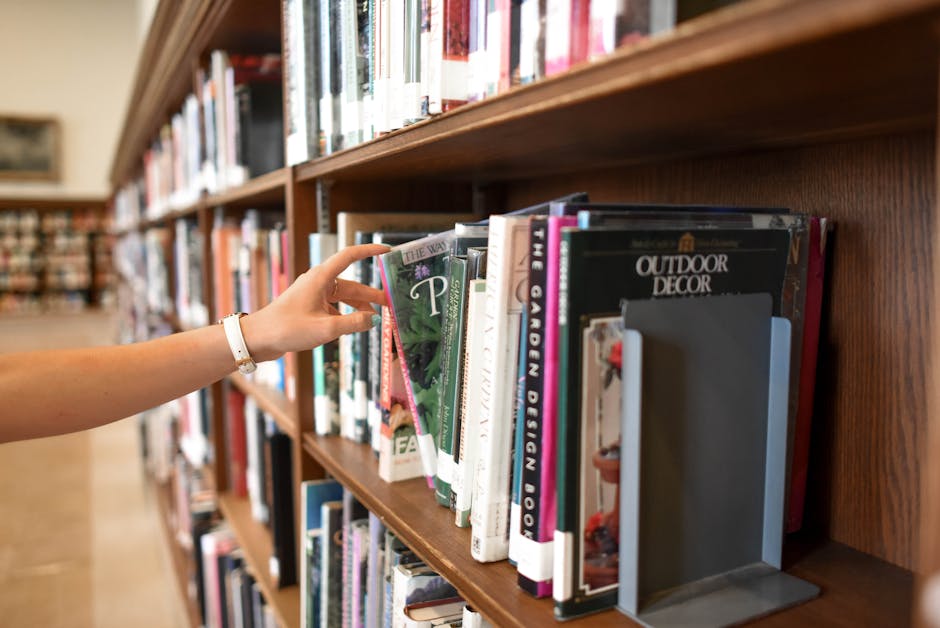
The aisles of a local supermarket hold secrets no museum can offer.
💰 Estimated daily budget: $5–$15 per person for snacks and tasting
⏱️ How long to spend: 1–2 hours per store, half-day for a market district
🎯 Difficulty level: Easy – no specialized skills needed
📍 Recommended season: Harvest season (late summer to fall) for peak produce
👥 Best for: Solo travelers, foodies, budget backpackers, and cultural adventurers
Introduction
I still remember the first time I walked into a Carrefour in Paris, not for a baguette or a bottle of wine, but simply to wander. The fluorescent lights buzzed over aisles of yogurt pots in flavors I’d never seen—chestnut, lavender, fig. A middle-aged woman tutted as I lingered too long in front of the cheese section, and I didn’t care. I had discovered something profoundly honest: a supermarket is a city’s diary, written in ingredients. As a travel writer who has clocked thirty countries in the past decade, I’ve learned that the quickest shortcut to understanding a culture isn’t a tour guide—it’s the middle aisle. In this guide, I’ll show you how to turn grocery store visits into immersive, budget-friendly cultural experiences. You’ll learn where to go, what to look for, and how to avoid looking like a clueless tourist holding a can of Spam. Trust me, I’ve made the mistakes so you don’t have to.
The Essentials at a Glance
- 🛒 Start small: Hit local corner shops before big chains—more authentic, less plastic packaging.
- 🌍 Snack like a local: Buy one new snack per aisle; it’s a cheap taste test for less than $2.
- 🧂 Spices tell stories: Head to the spice section in any foreign supermarket—you’ll find regional blends impossible to find at home.
- 📸 Ask permission: Snap photos of shelves only if no workers are nearby; some stores frown on it.
- 🍶 Drink local: Skip the familiar cola and grab a local soda, tea, or fermented drink—it’s a flavor bomb.
The Complete Guide
Why This Matters / Why You Should Go
Grocery store tourism isn’t about buying souvenirs; it’s about decoding a culture through its daily essentials. In Japan, the convenience store (konbini) ofers egg sandwiches on milk bread and hot cans of corn soup—things that feel alien to a Western palate but are comfort food to locals. In Thailand, the refrigerated section of a 7-Eleven holds packets of sticky rice and ready-to-eat green curry that taste more authentic than any sit-down restaurant in Bangkok. This matters because food is the most democratic expression of a place. A Michelin-starred tasting menu might be theater, but a family shopping at a Carrefour in Marseille is reality. Who is it for? It’s for travelers tired of tourist traps, for budget adventurers who want to stretch their dollars, and for food lovers who want to taste something real. It’s also for anyone who’s ever felt lost in a foreign city—because a supermarket aisle is always a safe, quiet place to reset.
When to Visit (Seasonal Guide)
The best time for shelf discovery is during local harvest seasons, but the beauty is that stores are open year-round. In Europe, autumn (September–November) brings pumpkin-spiced everything, plus fresh chestnuts and wild mushrooms in Italian markets. Summer (June–August) offers overflowing fruit displays—peaches in Spain, cherries in Germany. Winter is magical for holiday-specific items: panettone in Italian supermarkets, stollen in German ones. The downside? Major holidays (Christmas, Lunar New Year, Eid) see shelves cleared early and crowds thick. Aim for Tuesday or Wednesday mornings between 10 a.m. and noon for the quietest, most fully stocked experience. If you’re in a country with a local “siesta” or break, note that smaller stores may close for two hours in the afternoon.
Budget Breakdown
Here’s the beauty: shelf discovery is the cheapest travel activity you can do. For a one-hour exploration in a mid-range country (say, Spain or Thailand), budget $3–$5 for a single snack combo (local chips + drink + piece of fruit). In expensive countries like Switzerland or Japan, that jumps to $8–$12 for the same. Accommodation is irrelevant—you’re not sleeping in the supermarket. Transport to a local grocery chain might cost a $1 bus fare or $3 for a short taxi ride. For a day of supermarket-hopping across three shops, my total cost is rarely more than $15. Money-saving tip: avoid the pre-packaged tourist snacks near the checkout—instead, buy loose items from bulk bins or produce sections. In many Asian supermarkets, you can fill a small bag with durian chips or wasabi peas for pennies compared to packaged versions.
Getting There & Getting Around
From any major city hub, local supermarkets are just a short walk or bus ride away. In Tokyo, head to the Maruetsu chain in any residential neighborhood—it’s a ten-minute walk from Shinjuku Station. In Paris, Monoprix is ubiquitous; the one on Rue de Rennes is huge. In Mexico City, Walmart (yes, Walmart) has an entire aisle of fresh tortillas and salsas that taste homemade. For navigation, use Google Maps and search “supermercado” or “épicerie.” I once spent an hour in a small Carrefour in Lisbon just because I couldn’t stop staring at the canned sardines—thirty varieties. Get around on foot or by local bus; avoid taxis for short hops. One insider trick: use the store’s loyalty card (often free to sign up at customer service) for discounts on local products. In Portugal, Continente’s card gave me 20% off a bag of regional cheeses.
Top Recommendations / Must-Do Activities
My top recommendation is to visit a Mexican tienda in a working-class neighborhood. The one I stumbled into in Oaxaca City had stacks of dried chiles (guajillo, ancho, pasilla) and a woman making fresh tortillas on a manual press in the back. Not touristy, just real. The cost? $1 for six tortillas. Why I loved it: I could smell the masa before I saw it. Insider tip for beating crowds: go at 9:30 a.m. after the morning rush but before lunch. Downsides: you might get stared at if you’re clearly foreign, but a smile and a nod at the abuela in the tortilla line will earn you respect.
Another must-do is the Asian supermarket—specifically, a big chain like H-Mart in the U.S. or Don Quijote in Japan. In Tokyo’s Don Quijote, I found a entire aisle just for onigiri (rice balls) with fillings like salted plum and grilled salmon. I spent 20 minutes just reading the labels (with my phone’s translation app). The best part: a small onigiri costs less than $2 and makes a perfect lunch. Insider tip: avoid the pre-made sushi rolls near the deli—they’re often stale. Instead, grab a package of instant miso soup mix ($1.50) and a cup of hot water from the store’s coffee station. Cheap, warm, and perfectly Japanese.
Finally, don’t skip the European discount chain like Lidl or Aldi. In Germany, Lidl has a “weekly surprise” section with rotating regional specialties—Swiss chocolate, Italian pasta, Polish pierogi. I once found a pack of Hungarian salami for €2 that beat any restaurant charcuterie board. The catch: these items sell out fast, so go on Thursday mornings when stock is refreshed. The downside? No English labels, so bring a translator app or simply point and guess—half the fun is the surprise.
Traveler’s Pro Tips
Embrace the isle of unintentional items: Pick up one item you cannot identify by sight. I once bought a jar of “tentekomai” in Peru—turns out it was a fermented corn drink. Disgusting, but a story I tell everyone. Don’t be afraid to fail.
Use your phone as a field guide: Open a translation app and point it at ingredient lists. You’ll discover that “harina de maíz” is corn flour and “salsa de soja” is soy sauce—but the brands and combinations will surprise you. Google Lens works magic here.
Strike up a conversation at the checkout: Ask the cashier what they’d buy for dinner tonight. In a small supermarket in Croatia, the cashier pointed me to a local olive oil brand I’d never seen—it cost $4 and was the best I’ve ever tasted. Cashiers know the real deals.
Bring your own bag: Many countries charge for plastic bags (Italy, Japan, parts of Mexico). A reusable tote not only saves you a few cents but also marks you as a considerate traveler, not a wasteful tourist.
Go during store restocking times: In most supermarkets, restocking happens early morning (6–8 a.m.) or late evening (8–10 p.m.). Fresh bread, pastries, and prepared foods are often marked down near closing—I snagged a $10 sushi platter in Tokyo for $3 at 9 p.m.
Common Mistakes to Avoid
Mistake #1: Only hitting souvenir sections. I once spent 20 minutes in a “local market” in Morocco that was all tourist junk. Big mistake. Real grocery stores have no woven baskets or ceramic tagines. Avoid shops that smell like incense and sell fridge magnets. Head to a real supermarket like Marjane or Aswak Assalam for actual food, not photo props.
Mistake #2: Not checking expiration dates. In some countries, especially rural areas, products can be way past their sell-by date. I bought a bottle of tamarind soda in India that was six months expired—it fizzed weirdly and tasted like vinegar. Always glance at the date, especially on dairy and canned goods.
Mistake #3: Buying the “international” section. Don’t buy Pringles or Snickers in a foreign supermarket—you’re paying triple for something you can get at home. The international aisle exists for locals, not for you. Skip it and dive into the local crisps (potato chips) and candies. In Mexico, that means Takis and Mazapán; in Thailand, it’s Tao Kae Noi seaweed snacks.
Mistake #4: Being shy. I once stood for ten minutes too scared to open a refrigerated door because I didn’t know what was inside. Just open it. Worst case, you see a dead fish and close it. Best case, you discover a new cheese. People watch in supermarkets—you’re just another curious traveler.
Your Travel Checklist
Documents: Nothing special needed beyond your passport and any visa. No tickets required.
Packing: Bring a reusable tote bag (foldable is best), a small knife or spork (for impromptu picnic), and ziplock bags for open snacks.
Research: Before you go, search “local supermarket chain in [city]” and “typical snacks of [country]” to know what to look for.
Bookings: No bookings needed—walk in anytime. But check store hours online, as some close for lunch or open late on Sundays.
Health & Safety: In hot climates, avoid raw dairy unless refrigerated properly. Drink bottled water only. Wash fresh fruit before eating.
Local currency: Carry small bills and coins—many supermarkets don’t accept cards for small amounts, and ATMs inside stores may have high fees.
Apps: Google Lens for translation, XE Currency for prices, and a note-taking app (like Apple Notes) to jot down items you want to look up later.
Traveler FAQ
Q: Is it weird to just walk around a supermarket with no intention to buy much?
A: Not at all. I do it all the time. As long as you’re respectful, quiet, and not blocking aisles, no one cares. Pick up one or two small items (a piece of fruit, a drink) to look like a regular shopper, and you’ll blend in perfectly.
Q: How do I know what’s good to buy? I don’t recognize any brands.
A: Look for products that have local writing only—no English. The more “alien” the label, the more authentic it likely is. Also check social media tags or ask locals. I once asked a teenage cashier in South Korea what she buys for snacks—she showed me a bag of honey butter chips that is now my favorite.
Q: What if I buy something and hate it?
A: That’s part of the adventure! I still regret a jar of pickled herring I bought in Sweden (too fishy), but I laughed about it with friends. Worst case, you donate it to a local food bank (respectfully) or throw it out. Don’t let fear of a bad taste stop you from trying.
Q: Can I take photos inside grocery stores?
A: Generally yes, but discretely. In many countries, store employees may ask you not to photograph due to security or local customs. If they approach, smile and put your phone away. I’ve never had a serious issue, but I avoid photos when there are lots of employees nearby.
Q: How do I find the best local supermarket vs a big chain?
A: Big chains are easier for first-timers (consistent quality, labels in English sometimes). But for real authenticity, look for shops with “farmacia” or “panadería” signs—often adjacent to traditional markets. Ask your hostel or hotel front desk: “Where do you buy your groceries?” Their answer is gold.
Ready for Your Adventure?
Shelf discovery isn’t just about saving money or eating cheap—it’s about finding the pulse of a place through its everyday sustenance. I’ve stood in a tiny supermarket in rural Vietnam, unable to read a single label, and felt more connected to the country than in any colonial-era museum. The hesitation you might have—feeling silly, being lost—dissolves the moment you pick up a bag of local chips and taste something entirely new. This is travel stripped of pretense, raw and edible. So next time you land in a new city, skip the souvenir shop. Walk into the nearest grocery store. Let your curiosity lead you down an aisle of unknown treats. Your taste buds—and your wallet—will thank you. Go discover a world on a shelf.


No comments:
Post a Comment