How to Conquer the Great Wall of China: An Authentic Travel Guide for History Lovers and Hikers
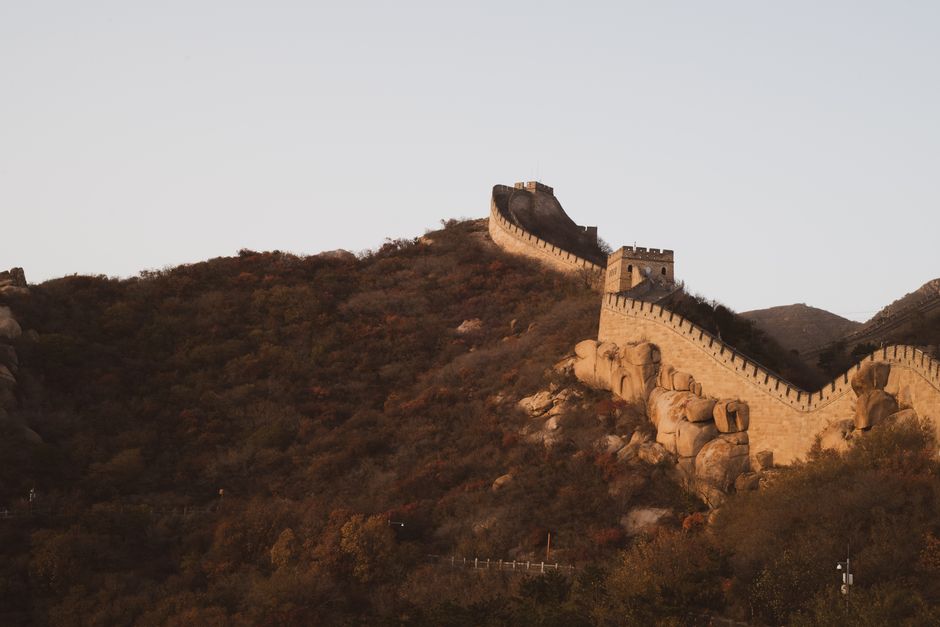
A peaceful morning on a less-crowded stretch of the Great Wall, where the only sounds are your footsteps and the wind.
✈️ Best Time to Visit: April–May & September–October (mild weather, clear skies). 💰 Estimated Budget: $50–150/day per person (mid-range). ⏱️ How Long to Spend: Full day (8–10 hours) for one section; 2–3 days for multiple sections. 🎯 Difficulty Level: Moderate to Hard (steep stairs, uneven stone). 📍 Recommended Season: Autumn (October foliage). 👥 Best For: Solo adventurers, history buffs, active families (with older kids), couples seeking awe & quiet.
I remember the precise moment I stopped being a tourist and started becoming a traveler. It was 7:15 AM on a crisp November morning at the Jinshanling section of the Great Wall. The sun had just crested the jagged horizon, casting long shadows across the ancient stones. To my left and right, the wall curved over emerald hills like a sleeping dragon, completely empty except for me and a lone hawk circling above. No selfie sticks. No busloads. Just the raw, humbling presence of a structure built over centuries by millions of hands. I had spent three years living in Beijing, teaching English and chasing stories, and the Great Wall eluded me for the first two. When I finally went, I made every mistake in the book – the wrong section, the wrong time, the wrong shoes. This guide is born from those blunders, from afternoons spent talking to village tea sellers and local guides who knew the hidden paths. I want you to feel that same magic I found at Jinshanling, not the chaos of Badaling at noon. In the sections ahead, you’ll learn exactly which section matches your travel style, when to go to avoid the crush, how to budget without breaking the bank, and the insider secrets that turn a day trip into a lifelong memory. Let’s do this right.
The Essentials at a Glance
- 🧱 Pick the right wall: Skip Badaling (tourist trap). Go to Mutianyu (restored & family-friendly) or Jinshanling (rugged & authentic).
- 📅 Go early or late: Arrive by 8 AM or after 3 PM to have sections almost to yourself.
- 🚍 Book transport smart: Avoid package tours with shopping stops. Use the direct express bus from Dongzhimen (only 12 RMB) or hire a private driver.
- 👟 Wear proper shoes: Running shoes with grip are fine, but hiking boots are heaven. The stones are uneven and the stairs are brutal on your calves.
- 🥪 Bring your own food and water: Water is 3x the price on the wall. Pack snacks, a picnic, and a reusable bottle.
The Complete Guide
Why This Matters / Why You Should Go
Look, I love a good museum. But the Great Wall is not a museum – it’s a conversation with 2,300 years of human ambition. Walking on stones that soldiers, builders, and traders stepped on before Christ was born connects you to something bigger than a screenshot. What makes the Great Wall special compared to, say, the Colosseum or Machu Picchu is the sheer physical engagement. You don’t just look at it; you climb it, you feel the burn in your thighs, you watch the wall disappear into mist. It demands something from you. And here’s the honest truth: not every section delivers that feeling. About 30% of visitors go to Badaling, a heavily restored stretch two hours from Beijing that feels more like a pedestrian mall than a wonder of the world. I went there first and was genuinely disappointed. The magic is for those willing to travel a little further, hike a little harder, and arrive a little earlier. This experience is for the traveler who values silence over convenience, who wants to sit on a watchtower and eat a steamed bun while looking at a landscape unchanged for centuries. That’s why you should go.
When to Visit (Seasonal Guide)
Timing separates a transcendent trip from a miserable one. Let’s break it down honestly. Spring (April–May) is spectacular: pink wild peach blossoms, mild 15–20°C weather, blooming apricot trees. But it’s also crowded, especially around Chinese Labor Day (May 1st). Summer (June–August) is brutally hot (35°C+) and humid. The wall becomes a sweat lodge. Avoid unless you’re a masochist. Autumn (September–October) is the undisputed champion. The hills turn gold and crimson, temperatures hover around a perfect 18–22°C, and the light for photography is divine. Mid-October is peak foliage. The downside? It’s also peak season, so book your transport and accommodation weeks in advance. Winter (November–February) is my personal secret. Yes, it’s cold (sometimes -15°C with wind), but the crowds vanish. I visited Jinshanling in late January and saw only 12 people over seven hours. The snow-covered wall is breathtaking. Just wear thermal layers, windproof pants, and sturdy gloves. You’ll have the dragon to yourself.
Budget Breakdown
Let me give you accurate numbers based on my trips and ongoing research. These are per person, per day for a single-day trip from Beijing (excluding accommodation). Low Budget ($30–50): Take the public bus (Dongzhimen #916 Express to Huairou, 12 RMB, then local minibus to Mutianyu, ~10 RMB). Entrance fee is 45 RMB. Bring your own lunch. Total: around 100–150 RMB ($15–20) plus bus fare. Mid-Range ($80–120): Hire a private driver for the day via a local app like Didi or a hotel concierge (400–600 RMB). Eat a proper lunch at a farmhouse restaurant near Mutianyu (80–120 RMB per person with fresh fish and vegetables). Add entrance fee. Total: 600–800 RMB ($85–115). High-End ($150–250): Book a private tour with an English-speaking historian (800–1500 RMB), include a cable car ride (120 RMB round trip), and dine at The Schoolhouse at Mutianyu (decent Western-Chinese fusion, 200 RMB). Total: 1,200–1,800 RMB ($170–250). Money-saving tip: Avoid buying water on the wall – a 500ml bottle costs 15 RMB. Bring 2 liters from a convenience store in Beijing. Also, skip the souvenir stalls near the entrance; they charge triple the price you’ll find in Beijing’s Panjiayuan market.
Getting There & Getting Around
Your starting point is Beijing. For Mutianyu (the best restored section), take Subway Line 2 to Dongzhimen, exit B, and catch the #916 Express bus (fast, 70 minutes) to Huairou North Avenue. From there, a local minibus (#H23 or #H24) goes to Mutianyu village for 10 RMB. Alternatively, a private taxi from central Beijing costs 300–500 RMB – split among friends, it’s affordable. For Jinshanling (the best hiking section), it’s trickier. Take a high-speed train from Beijing North Station to Miyun (30 minutes, 60 RMB), then a taxi to the wall (40 minutes, 100–150 RMB). You can also join a small-group tour from Beijing that focuses on hiking (recommended). For Badaling (the most crowded), the S2 tourist train from Beijing North Station is scenic and cheap (6 RMB), but the station queues can be ridiculous. Navigation tip: Download the app “Amap” (GaoDe) offline maps before you go – Google Maps is unreliable in China. And always carry a physical card with the name of your destination in Chinese characters to show taxi drivers.
Top Recommendations / Must-Do Activities
1. Hike from Jinshanling to Simatai. This is the holy grail for hikers. It’s a 10-kilometer, 4–5 hour trek along the unrestored wall with crumbling towers, wild vegetation, and panoramic views that’ll make your jaw drop. I did it in November and saw maybe 20 other people the entire day. The downside? It’s physically demanding – think steep ascents, loose stones, and sections where the wall has no guardrails. Bring a hiking pole. Start at Jinshanling gate (entrance 50 RMB), hike west to the Simatai section, then take a cable car down (40 RMB). 2. Mutianyu’s Toboggan Ride. Sounds cheesy, but it’s pure childhood joy. After exploring the wall, slide down a metal track on a hand-braked sled through the forest. It costs 120 RMB and takes about 5 wild minutes. Perfect for families or anyone who loves giggles. 3. Visit an unrestored section like Jiankou. This is only for experienced hikers. Jiankou is dangerous – the wall literally has holes you can fall through. I went with a guide from Beijing Hikers (a reputable company) and it was terrifying and beautiful. If you go, wear a helmet and boots. 4. Sunrise at Badaling. Yes, I criticised Badaling, but I will say this: arriving at 6:45 AM before the gates open to the public is glorious. Stay at the Badaling Youth Hostel the night before (dorm bed, 80 RMB) and walk to the wall entrance at dawn. The light hitting the hexagonal watchtowers is worth the early alarm.
Traveler’s Pro Tips
Bring a photocopy of your passport: The wall ticket booths will ask for your passport number. A photocopy speeds things up. The actual passport is safer locked in your hotel safe.
Use the “Wall Walkers” guide app: This free app by a nonprofit called the Great Wall Protection Society gives GPS coordinates, historical notes, and real-time crowd data for every section. It saved me from walking into a wall closure at Mutianyu.
Pack a headlamp: If you’re hiking Jinshanling or Jiankou and misjudge the time, you’ll be walking back in near-total darkness. The wall has no lighting. A $10 headlamp is a lifesaver.
Learn to say “no” politely: At Mutianyu, persistent souvenir vendors will follow you. A firm but friendly “Bu yao, xie xie” (don’t want, thank you) with a smile and a direct gaze usually works.
Check pollution levels before you go: Beijing’s smog can drift to the wall. On days with AQI over 150, the views are muted and gray. Use the “AirVisual” app to check; if it’s bad, reschedule or choose a section further north like Jinshanling.
Common Mistakes to Avoid
Mistake 1: Going to Badaling on a weekend or holiday. I made this rookie error on a Saturday in May. The wall was so packed I couldn’t move. People were taking selfies in stairwells. It felt like a subway station. The solution? Go to Mutianyu or Jinshanling instead. If you must do Badaling, go on a Tuesday or Wednesday at 7 AM.
Mistake 2: Wearing casual sneakers or flats. I saw a woman in ballet flats trying to climb the steep, 500-year-old steps near the Eastern Gate at Jinshanling. She slipped and twisted her ankle. The consequence: a ruined day and a long, painful hike down. Wear trail runners or hiking boots with good traction. Trust me, your ankles will thank you.
Mistake 3: Booking a tour that includes “lunch” at a jade factory. Many budget tours lure you with low prices (200 RMB) but spend three hours at overpriced shopping stops. I once sat in a jade showroom for 90 minutes while a saleswoman tried to sell me a $500 bracelet. Avoid this by booking a “no-shopping” tour through a reputable company like Beijing Layover Tours (which I used twice) or hiring a driver independently.
Mistake 4: Underestimating the distance between sections. The Great Wall is 21,000 km long. The sections are not connected by easy pathways. If you plan to visit both Mutianyu and Jinshanling in one day, you’ll spend 4 hours in transit. Choose one, do it well, and come back another day.
Your Travel Checklist
Documents: Valid passport with at least 6 months validity, printed visa (if applicable), and a photocopy of both. Packing: Hiking boots (worn in), moisture-wicking socks, layering system (thermal base, fleece, windproof shell), rain jacket (sudden mountain showers), wide-brimmed hat, sunglasses, sunscreen (SPF 50), insect repellent (for summer). Research: Download offline maps (Amap/Maps.me), save the Chinese names of your chosen wall section, read two blog posts about the specific section. Bookings: Pre-book entrance tickets online (official WeChat mini-programs for Mutianyu and Badaling), arrange private driver or confirm bus schedule. Health & Safety: Travel insurance that covers hiking (World Nomads is reliable), basic first aid kit (blister plasters are gold), water purification tablets (if hiking remote sections). Local Currency: Chinese yuan (RMB), carry small bills (5, 10, 20 RMB) for taxi drivers and village snacks. Apps: WeChat (for payments and maps), Didi (for taxis), Trip.com (for train tickets), AirVisual (for air quality).
Traveler FAQ
Q: Is the Great Wall visible from space?A: Nope, that’s a persistent myth. It’s not visible to the naked eye from low Earth orbit. But that doesn’t make it any less impressive; the scale and history are what truly awe you.
Q: Can I visit the Great Wall on a layover in Beijing?A: Absolutely, if you have at least 8 hours and choose a nearby section (Badaling or Mutianyu are closest). I’ve done it myself: land at PEK, clear customs, take a taxi directly to Mutianyu (1.5 hours), spend 3 hours on the wall, and return. Just account for traffic both ways.
Q: Do I need a guide, or can I go independently?A: For the main restored sections (Mutianyu, Badaling), you absolutely can and should go alone. The paths are clear. For unrestored sections like Jiankou or Jinshanling’s deep hiking trails, a local guide is strongly recommended for safety and navigation. I’ve done both; guides for the wild parts saved me from getting dangerously lost.
Q: What should I eat while at the wall?A: Bring your own high-energy snacks – nuts, dried fruit, granola bars. There are basic noodle shops near the entrances, but the hygiene is questionable. I once ate a questionable dumpling at Jinshanling and regretted it for hours. A packed lunch of steamed buns from a Beijing bakery is safer and cheaper.
Q: Are there restrooms on the wall?A: Yes, at the entrance areas and near the main watchtowers, but they get foul by mid-afternoon. The squat toilets at Mutianyu are grim. Use the clean ones at the visitor center before you start climbing, and bring hand sanitizer and tissues.
Ready for Your Adventure?
Standing on the Great Wall, I felt two things: the immensity of time and the smallness of my own worries. That’s a gift no crowded tour bus can give you. Here’s the thing – you don’t need to be a super-athlete or a history professor to have a profound experience. You just need to pick the right section, show up early, and let the stones tell their story. The Wall has seen dynasties rise and fall, armies march and retreat, and billions of footsteps come and go. Now it’s waiting for yours. If you’re hesitating about the logistics, the language barrier, or the sheer scale of planning, take a breath. Start with one decision: which section calls to you? Mutianyu for family fun and a toboggan ride? Jinshanling for quiet hiking and crumbling towers? Or Jiankou for raw, heart-pounding adventure? Pick one, book your transport, pack your bag, and go. The dragon is waiting, and I promise you – the moment you place your hand on a sun-warmed stone laid by a Ming dynasty worker, you’ll understand exactly why this adventure matters. Pack your curiosity and your hiking boots.


No comments:
Post a Comment