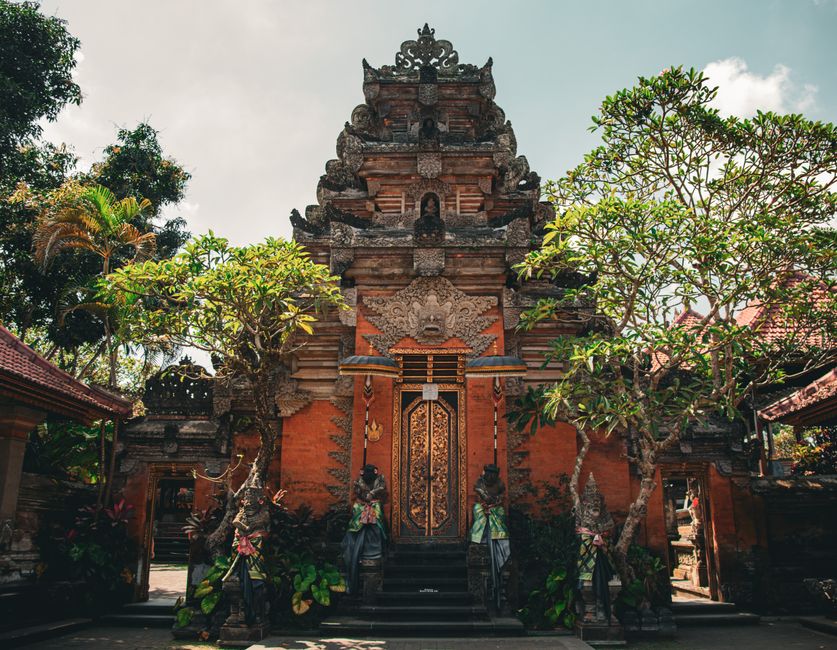
Introduction to Ubud: Bali’s Cultural Heart
Nestled in the cool, misty highlands of Bali, far from the crashing surf and beach clubs of the coast, lies a town that has captured the imagination of artists, yogis, and spiritual seekers for nearly a century. Ubud is not just a destination; it is a feeling. In 2026, as travel continues to evolve toward mindful, experience-rich journeys, Ubud stands out as a beacon of authentic Balinese culture. The moment you arrive, the air changes. It smells of frangipani and clove cigarettes, of rain-soaked earth and temple incense. This is a place where the spiritual and the everyday are inseparable, where offerings to the gods are placed on the sidewalk with as much care as a barista pours latte art.
Understanding Ubud means understanding that it is more than a dot on a map. It is the island's cultural heart, a living museum where ancient traditions are not performed for tourists but are part of the daily rhythm of life. The town’s royal palace still stands at the central crossroads, and gamelan music echoes through the narrow lanes each evening. The streets are a labyrinth of organic cafes, artisan workshops, and hidden temples. You can spend your mornings walking through emerald rice fields that have been tended by the same families for generations and your afternoons diving deep into a yoga practice in a bamboo shala overlooking a river valley.
For those compiling their list of things to do in Ubud, the sheer variety can feel overwhelming. Should you chase waterfalls hidden deep in the jungle or master the art of Balinese cooking? Should you bargain for handcrafted silver in a backstreet gallery or simply sit in silence at a water temple, listening to the flow of a sacred spring? The beauty of Ubud is that there is no wrong answer. It rewards both the planner and the wanderer. This guide is designed to navigate that abundance, curating 33 unforgettable experiences that go beyond the obvious photo spots. We will take you from iconic landmarks to secret local haunts, always with an eye on mindful, respectful travel.
Travel in 2026 brings a renewed appreciation for slow travel. Ubud is the perfect antidote to the fast-paced, checklist-style tourism that dominated previous decades. While the world has changed, Ubud has managed to hold onto its soul. The local banjars, or community organizations, still govern daily life, and the ceremony schedule is as packed as ever. You are likely to be caught in a traffic jam caused not by cars, but by a procession of hundreds of women balancing towering fruit offerings on their heads, dressed in lace kebaya. This is the real Ubud, and it does not require a ticket. It simply requires you to be present. As you plan your trip, consider this guide a conversation with a well-traveled friend, offering the deep cuts and practical tips you need to craft a journey that feels entirely your own.
Iconic Temples and Sacred Sites
To visit Ubud without exploring its temples is to miss the very soul of the region. These are not merely historical relics frozen in time; they are active, breathing centers of worship where the scent of incense hangs heavy in the air and the sound of chanting priests creates a hypnotic backdrop. The Balinese Hindu faith is a vibrant, syncretic blend of ancient animism, ancestor worship, and Hindu dharma, and nowhere is this more visible than in the sacred sites scattered around Ubud. In 2026, respectful tourism is paramount. Temples require visitors to wear a sarong and sash, which can usually be rented at the entrance, and women who are menstruating are traditionally prohibited from entering. These rules are not arbitrary; they are a fundamental part of showing respect for a tradition that has survived a millennium. When planning your things to do in Ubud, scheduling temple visits for the early morning will reward you with softer light, thinner crowds, and a cooler climate, allowing you to sit and absorb the mystical energy without the midday rush. The architecture alone is a revelation, with intricately carved sandstone gates depicting epic scenes from the Ramayana, and multi-tiered meru pagodas reaching toward the sky. But beyond the aesthetics, these sites offer a profound sense of peace. They are places where you can witness locals performing their daily rituals, dipping into holy water, and leaving tiny canang sari offerings of flowers and rice. It is a reminder that the divine is not confined to a Sunday service but is woven into every moment of existence.
Pura Taman Saraswati: The Water Palace Temple
Right in the heart of central Ubud, just behind the bustling Café Lotus, lies a sanctuary of tranquility that feels worlds away from the motorbike traffic. Pura Taman Saraswati, dedicated to the goddess of knowledge, literature, and the arts, is a stunning example of Balinese water architecture. To reach the temple, you walk a path flanked by a large pond overflowing with pink and fuchsia lotus blossoms. The reflection of the classical Balinese gate in the still water creates one of the most photogenic scenes on the island. This temple is particularly special for those seeking creative inspiration; it is believed that Saraswati’s blessings flow through the water and into the hearts of artists and writers. In the evenings, the temple comes alive with the Ubud Royal Palace's traditional Legong dance performances. The stage, set against the dramatically lit backdrop of ancient stone carvings, offers an unforgettable cultural experience. While the inner sanctum is reserved for prayer, the outer courtyard and the lotus pond area are open to visitors. It is a perfect spot to sit on a shaded bench and escape the afternoon heat, reminding us that among the many things to do in Ubud, sometimes simply sitting in silence in a sacred space is the most profound.
Goa Gajah: The Elephant Cave
Located just a ten-minute drive from the town center, Goa Gajah is an archaeological wonder that dates back to the 11th century. Despite its name, you will not find any elephants here; the moniker likely derives from the nearby Sungai Petanu, or perhaps the chaotic, demonic face carved into the cave’s entrance. As you approach, the gaping mouth of the cave stares at you, surrounded by a frenzy of leaves, rocks, and mythical creatures, intended to ward off evil spirits. Stepping inside the T-shaped cave is a cool, dimly lit experience. You will find a statue of Ganesha, the elephant-headed god, and three lingam and yoni symbols representing the Hindu trinity. But the magic of Goa Gajah extends far beyond the cave itself. Descend the steps to the right of the courtyard, and you will find yourself in a hidden, mossy valley. Here, a stunning bathing pool was excavated in the 1950s after being buried by an earthquake centuries ago. The pool is fed by seven stone statues of women holding water pitchers, representing the seven holy rivers of India. Though you cannot currently swim here, the sight of the crystal-clear water flowing from these ancient vessels is mesmerizing. It is a site that combines history, nature, and spirituality, and it remains a quieter alternative to some of the more crowded things to do in Ubud.
Tirta Empul: The Holy Water Temple
For a truly immersive cultural experience, a visit to Tirta Empul is essential. Founded around a large water spring in 962 AD, this temple is famous for its purification rituals. Unlike many archaeological sites that are purely observational, Tirta Empul invites you to participate. Locals and visitors alike enter the long rectangular pool, fully clothed in sarongs, to bathe in the gushing fountains that line the edge. The water is startlingly cold and crystal clear, originating from a sacred underground source. The ritual is precise: starting from the left side of the pool, you move from spout to spout, bowing your head under the powerful flow of water. However, you must skip the last two fountains, which are traditionally reserved for cleansing the dead and are part of funeral rites. Watching the line of people, eyes closed, hands pressed together in prayer, is a moving spectacle of devotion. The temple complex also contains a labyrinth of inner courtyards and a large pond teeming with koi fish. It gets busy by mid-morning, so arriving at the 8 AM opening time is a strategic move to experience the purification without long queues. Remember to secure your sarong tightly if you plan to enter the water, and bring a change of dry clothes. It is, without a doubt, one of the most spiritually cleansing things to do in Ubud.
Ubud’s Famous Rice Terraces and Countryside Walks
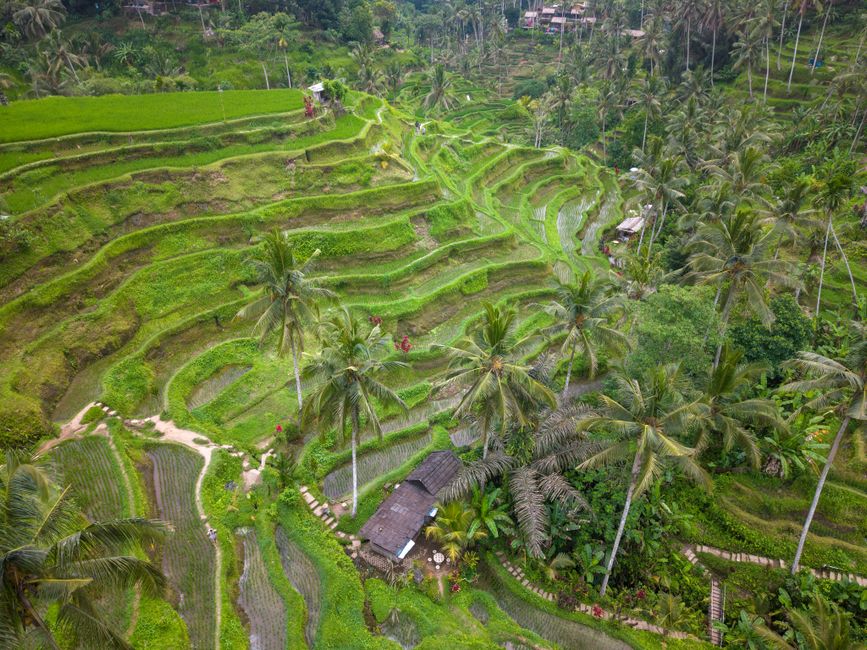
Beyond the temples and the bustling market stalls, Ubud’s countryside reveals a landscape that has defined Balinese civilization for a thousand years: the subak. This ancient, UNESCO-recognized irrigation system is not just a feat of engineering; it is a spiritual and communal philosophy made visible. The cascading rice terraces that carpet the hillsides are the result of cooperative water management, and they create a visual poetry that changes with the seasons. In 2026, as the world becomes more urbanized, these green lungs offer a vital reconnection to nature. Walking through a rice paddy is a multi-sensory experience. You will hear the rustle of the wind through the stalks, the splash of a farmer’s foot in the mud, and the distant quack of ducks employed as natural pest control. You’ll see the intricate network of canals and bamboo aqueducts dividing the water equally among the plots. These walks are also a window into rural life that no museum can replicate. You might pass a farmer wearing a conical cap, a wooden plow pulled by a pair of water buffalo, or a tiny temple shrine draped in black and white checkered cloth standing sentinel in the middle of a field. Whether you choose the world-famous Tegallalang or a lesser-known trail, a countryside walk is a mandatory entry on any list of things to do in Ubud. The key is to wear sturdy shoes, as the mud paths can be slippery, and to carry water, as the tropical sun is relentless even in the highlands.
Tegallalang Rice Terrace: A Photographer’s Dream
Tegallalang is the postcard image you have seen a hundred times, and in 2026, it is still just as breathtaking. Located about a 20-minute drive north of Ubud center, this valley is a masterclass in agricultural sculpture. The rice paddies are carved into the cliff face at dramatic, vertical angles, creating a texture of green layers that seems almost digitally designed. To experience Tegallalang properly, plan to arrive at sunrise. Not only will you avoid the harsh midday sun and the largest tour groups, but you will also watch the morning mist lift slowly from the valley floor as the first light turns the dewy rice tips to gold. There are numerous warungs, or small cafes, perched on the cliff edge where you can drink a fresh coconut while taking in the view. From the main road, steep paths lead down into the terraces. Be prepared for a calf-burning climb back up, and be aware that some local farmers stationed at makeshift bamboo gates will request a small "donation" to pass through specific sections of the path. While this can feel informal, it is a way of directly supporting the families who maintain this stunning landscape. For adrenaline seekers, a giant swing over the valley has become a signature activity, but simply walking the narrow ridges between the plots is equally thrilling. Tegallalang remains one of the most essential things to do in Ubud, a testament to the harmonious relationship between humans and nature.
Campuhan Ridge Walk: A Scenic Stroll
If Tegallalang feels like a grand expedition, the Campuhan Ridge Walk is Ubud’s daily constitutional, and it is completely free. Starting just a five-minute walk from the Ubud Palace, at the entrance to the Ibah Hotel, this trail offers an immediate escape into a landscape of waving elephant grass and jungle-clad river valleys. The name "Campuhan" means "where two rivers meet," and the ridge is the high spine of land separating the Wos rivers. This convergence is considered sacred, and the walk has a palpable healing energy. The paved path is well-maintained and relatively flat, making it accessible for most fitness levels, though the lack of shade means you should strictly avoid the midday hours. The best time is either at dawn, when local joggers and long-term expats start their day, or in the late afternoon during the golden hour. The light transforms the tall grass into a sea of silver and gold, and the silhouette of Mount Agung often appears majestically in the distance on a clear day. Along the route, you will pass artists sitting with their easels, capturing the timeless landscape. At the far end, the trail descends into a sleepy village where you can rest at a small cafe before looping back. It is a minimalist experience, a breath of fresh air, and a reminder that the most rewarding things to do in Ubud often require nothing more than your own two feet.
Art, Culture, and Traditional Performances
Ubud is often called the cultural heart of Bali, and for good reason. The town pulses with creativity, from ancient temple dances to contemporary galleries. Immersing yourself in the local art scene is one of the most rewarding things to do in Ubud, offering a window into the island's soul that goes far beyond its beautiful landscapes. You can watch stories from the Ramayana unfold through intricate gestures, explore museums set in lush tropical gardens, and haggle for handcrafted treasures. This section of your 2026 journey is all about connecting with the traditions that make this place so profoundly special.
The artistic heritage here isn't locked away behind glass; it's a living, breathing part of daily life. Everywhere you turn, you'll find evidence of devotion to beauty and craft, from the stone carvings on a family temple to the daily offerings of woven palm leaves and vibrant flowers. Taking the time to witness a performance or explore a museum is not just a tourist activity. It's a way of honoring and supporting a culture that has captivated travelers for generations. The experiences below represent the essential starting points for any cultural exploration in the Ubud area.
Ubud Palace and Evening Legong Dance
Right in the center of town lies Ubud Palace, or Puri Saren Agung, a historic complex that’s still a royal residence. Walking through its ornate stone gates and well-kept courtyards during the day is free and gives you a sense of the architectural grandeur of Balinese royalty. The intricate details on the statues and doorways, often draped in checkered black-and-white cloth, provide fantastic photo opportunities and a quiet escape from the bustling main street just outside its walls. The palace is the focal point of the village's traditional layout, a physical and spiritual center.
But the real magic happens at night. As dusk falls, the palace courtyard transforms into an enchanting open-air stage for traditional Balinese dance performances. Watching a Legong dance here is arguably the most iconic of all things to do in Ubud. The performance is a hypnotic combination of precise finger movements, expressive eye glances, and dazzling gold costumes, all set to the percussive sounds of a live gamelan orchestra. The story, typically a fragment from the Hindu epic Ramayana, is told without words, requiring you to interpret the language of gesture and music.
Arrive early, at least 30 to 45 minutes before the 7:30 PM start, to get a seat with a good view, as the benches fill up quickly. Tickets are purchased at the entrance on the evening of the show. The setting, with the ancient palace doors as a backdrop and fragrant frangipani trees overhead, makes the experience unforgettable. It’s a powerful, beautiful introduction to Bali’s performing arts that will linger in your memory long after the final chime of the gamelan fades away.
Agung Rai Museum of Art (ARMA)
For a deeper dive into Balinese art, the Agung Rai Museum of Art, known as ARMA, is an essential stop. More than just a museum, ARMA is a cultural complex founded by a passionate local collector. The architecture itself is a work of art, with traditional pavilions set amidst water gardens and rice fields. This tranquil setting makes wandering the grounds one of the most peaceful things to do in Ubud. The permanent collection is a masterclass in Balinese painting, tracing its evolution from the classical Kamasan style on tree bark to the bold innovations of the Pita Maha artists of the 1930s and modern works.
Don’t miss the room dedicated to the influential German painter Walter Spies, whose work and life in Bali profoundly shaped the local art scene. The museum also houses an impressive collection of works by Raden Saleh, a pioneering 19th-century Javanese Romantic painter. The display spaces are well-lit and informative, though the labels are sometimes minimal, inviting you to simply absorb the visual power of the art. Plan to spend at least two hours here to fully appreciate both the indoor galleries and the outdoor sculptures.
A visit to ARMA is a full sensory experience. The on-site café overlooks a lush valley, making it a perfect spot to process what you’ve seen with a fresh juice. The museum also holds regular cultural workshops and evening dance performances, which are often less crowded than the palace. Checking their 2026 schedule upon arrival for classes in gamelan, batik, or wood carving is a fantastic way to actively participate in the culture you’re admiring on the walls.
Ubud Art Market: A Treasure Trove of Crafts
Located right across from the Ubud Palace, the Ubud Art Market is a chaotic, colorful labyrinth of handicrafts and souvenirs. This is not a sterile shopping mall; it’s a sensory assault in the best possible way, where bargaining is not just expected but part of the fun. Exploring its stalls is one of the quintessential things to do in Ubud for anyone who loves to shop for unique, handcrafted items. You’ll find everything from silk scarves and lightweight rayon pants to intricately carved wooden statues, beaded jewelry, woven baskets, and colorful paintings.
The key to navigating the market is to go early, ideally around 8:00 or 9:00 AM, when the first sale of the day is considered good luck, and you might get a better price with less of a crowd. The market is physically split into two sections. The western block, closer to the palace, is where the main tourist market operates daily. Just a few steps across the main road, the eastern block is the traditional morning market, where locals buy fresh produce, flowers for offerings, and household goods. Wandering through both gives you a complete picture of Ubud’s daily commerce.
Be prepared to haggle with a smile. A good rule of thumb is to start at about half the initial asking price and negotiate from there, always remaining polite and lighthearted. This is a place to find gifts, remember, but also to observe the incredible artistry that goes into even simple items. Look closely at the wood carving or the tight weave of a basket; you’re often buying a piece of a family tradition. The market is a testament to the island's prolific creativity and a vital economic engine for countless local artisans.
Wellness and Spiritual Experiences
Many travelers come to Ubud to rest, heal, and reconnect with themselves, and the town has evolved into a world-class hub to do just that. The pursuit of wellness here is not a passing trend; it’s woven into the fabric of daily life through ancient Balinese traditions of herbal medicine, energy healing, and spiritual offerings. From open-air yoga shalas overlooking misty jungles to healing rituals passed down through generations, the wellness-related things to do in Ubud are transformative. In 2026, the scene is more refined than ever, offering both authentic, rustic experiences and polished, luxury retreats. The energy of the island seems to support introspection, making even a single class or treatment feel profoundly restorative. This section guides you through the practices and treatments that define Ubud’s reputation as a sanctuary for the soul.
Yoga and Meditation Retreats in Ubud
Ubud is synonymous with yoga, and for many visitors, rolling out a mat in a breezy jungle studio is the ultimate Balinese experience. The town and its surrounding villages are dotted with world-renowned studios that attract top-tier teachers from around the globe. The most famous is The Yoga Barn, a sprawling center south of the town center that offers over 15 classes a day, from dynamic Vinyasa Flow to deeply restorative Yin and guided meditation. A single drop-in class is a great way to sample the experience, but their multi-day retreats are where profound transformation can happen.
For a more intimate experience, seek out smaller shalas that are integrated into their natural surroundings. Radiantly Alive, located in the heart of Ubud, offers a fantastic schedule with a strong focus on intelligent alignment and community. Many smaller guesthouses and villas also run private morning sessions by their pools or in rooftop pavilions. In 2026, there's a strong trend towards specialized practices, including sound healing journeys with crystal singing bowls, breathwork sessions, and kundalini activation classes. Booking a retreat that combines yoga with meditation, philosophy, and clean eating is one of the most popular things to do in Ubud for a holistic reset.
Your choice of retreat should match your intention. Whether you’re a complete beginner looking to build a foundation or an experienced practitioner wanting to deepen your practice, Ubud has a program for you. Look for packages that include accommodation, daily meals, and perhaps a Balinese massage. The serene atmosphere, nourishing food, and supportive community create a bubble where you can truly disconnect from external stress and tune into your inner rhythm. Even a three-day retreat can provide tools that last a lifetime.
Balinese Healing and Traditional Spa Treatments
Beyond the yoga mat, Ubud offers a deep well of traditional Balinese healing practices that have been used for centuries. This is not your standard spa massage; it’s a holistic system known as Usada, which views health as a balance between the physical body, spiritual energy, and the natural environment. Seeking out a traditional healer, or Balian, is a unique and often profound thing to do in Ubud. A session might involve a physical diagnosis, light acupressure, deep tissue massage, herbal medicine prescriptions, and an energy cleansing. The most well-known Balian was the late Cokorda Rai, but his teachings live on through many practitioners in the area.
For a more accessible but still authentically Balinese wellness experience, the traditional spas of Ubud are exceptional. Treatments like the Boreh body mask, a warming paste of ginger, cloves, and cinnamon designed to ease muscle pain and improve circulation, are a local specialty. Another must-try is the Mandi Lulur, a royal Javanese-inspired treatment that begins with a fragrant turmeric and rice powder scrub, followed by a flower-petal bath. These treatments use fresh, local ingredients—coconut oil, frangipani, sandalwood, and volcanic clay—that connect you directly to the island’s healing bounty.
In 2026, many of Ubud’s high-end spas are blending these ancient rituals with modern wellness science. You can find floating sound baths in geothermal pools, chakra-aligning crystal therapies, and spa journeys that last half a day. When booking, look for places that employ local therapists and source ingredients from their own gardens. The Purification or Melukat ritual, a water-based cleansing ceremony often done at sacred springs like Tirta Empul, is another powerful practice to explore. This is not a treatment you can book at a spa; it requires a guide and a respectful, participatory approach, but it represents the spiritual core of Balinese wellness.
Adventure and Nature Activities Around Ubud
While Ubud is a haven for culture and wellness, the lush landscapes surrounding it are a playground for adventure seekers. The same rivers that carved the deep ravines and irrigated the rice terraces also create thrilling white water rapids and hidden waterfalls. The dense jungle canopy is alive with wildlife, offering encounters you won't find anywhere else. For those who like to balance their relaxation with an adrenaline rush, the outdoor-centric things to do in Ubud deliver spectacularly. In 2026, sustainable tourism practices are making these adventures even more rewarding, with operators emphasizing eco-friendly protocols and community support. From chasing cascades of cool mountain water to rafting through a tropical gorge, this section covers the essential nature-based thrills that should be on your itinerary.
You don't need to be an extreme athlete to enjoy these experiences. Most activities are accessible to a wide range of fitness levels and ages, with professional guides ensuring safety and providing insights into the local ecosystem. The key is to embrace the early starts, the occasional bumpy ride, and the chance to get a little muddy. The reward is seeing a side of Bali that remains beautifully wild and untamed, a dramatic contrast to the serene hotel pools and yoga studios. Prepare to feel the pulse of the island's volcanic heart as you dive into its rivers and forests.
Chasing Waterfalls: Tegenungan, Kanto Lampo, and Tibumana
No trip to Ubud is complete without a waterfall pilgrimage, and the nearby cascades offer a perfect escape from the tropical heat. The most famous and accessible is Tegenungan Waterfall, located in the village of Kemenuh. It’s a powerful, wide cascade that plunges into a large, swimmable pool. You'll descend around 150 steps through the lush jungle to reach the base, where the roar of the water and the cool spray are instantly invigorating. It’s a popular spot, so arriving before 9:00 AM is wise for a more tranquil experience and the best light for photography from the viewpoints halfway down.
For a more unique geological feature, head to Kanto Lampo, a tiered cascade that fans out over a textured rock wall. The water flows down like a gentle veil, and you can carefully climb the shallow rock formations (with assistance from local guides) to sit right in the flow. This waterfall is a photographer's dream, especially on a sunny morning when the light filters through the canopy. It’s less about swimming and more about the visual spectacle and the fun of clambering over the rocks. Wear sturdy water shoes, as the surface is slippery. This is one of the most Instagram-famous things to do in Ubud, and for good reason.
For a quieter, more romantic atmosphere, Tibumana Waterfall is the ideal choice. A short, flat walk through a palm and fern-lined path leads you to a perfect curtain of water dropping into a shallow, clear pool. It feels like a hidden grotto, and the calm water is excellent for a peaceful swim. Bamboo rafts are often tied to the side, adding to the idyllic, jungle-fantasy vibe. In 2026, the local management has improved the pathways and safety measures, making it a stress-free visit. Combining Tibumana with a nearby waterfall like Tukad Cepung, a stunning sun-ray cascade inside a cave, makes for a perfect morning adventure.
Ayung River Rafting: Thrills in the Jungle
Flowing right through the deep valley west of Ubud, the Ayung River provides the ultimate adventure activity. White water rafting here is a brilliant way to witness the raw, untamed beauty of the Balinese jungle from a completely unique vantage point. The trip typically covers around 10 to 12 kilometers and lasts for two to two and a half hours on the water. You’ll paddle through a procession of class II and III rapids, which are thrilling enough to get your heart pumping but perfectly safe for beginners and families with older children. The moments between rapids are just as magical, as you float calmly under hanging vines and past intricate rock carvings on the canyon walls.
A highlight of the Ayung River journey is passing by the cliffside reliefs depicting scenes from the Ramayana epic. These enormous carvings, commissioned by a local artist, add a mythic quality to the journey. You'll also see hidden waterfalls cascading directly into the river, where your guide will likely pull the raft over for a refreshing natural shower. The lush jungle scenery is simply breathtaking, with kingfishers darting across the water and butterflies fluttering in the dappled sunlight. This is, without a doubt, one of the most exhilarating things to do in Ubud, combining nature, culture, and a splash of adrenaline.
Most rafting packages in 2026 include hotel transfer, a professional guide, all safety equipment, a dry bag for valuables, and a hearty Indonesian lunch at the finish point. You’ll be provided with a helmet and life jacket, and a comprehensive safety briefing is given before you launch. Wear a swimsuit and secure water shoes, and leave anything you don't want to get soaked in your hotel safe. The climb out of the gorge at the end involves a significant number of steps, so a moderate level of fitness is required. The sense of accomplishment mixed with the stunning river-level views of the jungle makes it a must-do adventure.
Monkey Forest Sanctuary: Playful Encounters
The Sacred Monkey Forest Sanctuary in the village of Padangtegal is far more than a tourist attraction; it’s a vital conservation area, a spiritual site, and one of the most accessible nature-based things to do in Ubud. Spanning over 12 hectares of dense jungle, the sanctuary is home to over 1,200 long-tailed Balinese macaques. Walking through the ancient, moss-covered temple gates and along the winding forest paths feels like stepping into another world. The monkeys are everywhere—playing on the paths, swinging from the banyan trees, and grooming each other with a casual indifference to their human visitors.
The sanctuary also contains three sacred Hindu temples, the most prominent being the Pura Dalem Agung Padangtegal, a temple of the dead. The temples, built in the 14th century, are adorned with elaborate and weathered carvings, many of which are being slowly reclaimed by the jungle. The deep spiritual energy of the place is palpable, and it’s important to remember that the entire site is holy ground. The monkeys are considered guardians of the temple, and their presence is deeply integrated into the local spiritual belief system. Exploring the temple courtyards and the dragon stairway while watching the macaques' antics is a surreal and memorable experience.
For a safe and enjoyable visit in 2026, a few rules are paramount. Keep all loose items—sunglasses, hats, water bottles, and even earrings—securely stashed in a zipped bag, as the monkeys are expert pickpockets. Do not bring any food inside, and avoid direct eye contact or smiling at them with teeth, as this is perceived as a sign of aggression. While the monkeys are accustomed to humans, they are wild animals. The staff are excellent at managing interactions and will help you take a photo with a monkey on your shoulder safely if you wish. It's a place of genuine wonder, conservation science, and cultural significance, all rolled into one fascinating forest walk.

Culinary Delights: Where to Eat and What to Try
Ubud isn't just a feast for the eyes—it's a paradise for your taste buds. The town has evolved into a serious food destination where traditional warungs sit comfortably alongside world-class vegan cafes and fine dining establishments overlooking lush rice paddies. Whether you're craving a simple plate of nasi goreng from a street-side cart or a meticulously plated degustation menu, the culinary scene here delivers unforgettable flavors at every price point. What makes eating in Ubud so special is the deep connection between food and culture. Many dishes are still prepared using recipes passed down through generations, often incorporating fresh ingredients harvested that same morning from nearby farms.
One of the joys of exploring things to do in Ubud is simply wandering down a side street and following the scent of lemongrass, turmeric, and charcoal-grilled satay. The town caters brilliantly to all dietary preferences—vegetarians and vegans will think they've landed in heaven, with countless dedicated plant-based restaurants serving everything from jackfruit rendang to cashew-based cheesecakes. Meanwhile, carnivores can dive into succulent babi guling (suckling pig) at legendary spots that locals have sworn by for decades. The best approach is to mix it up: spend one morning at a sleek organic cafe, then grab lunch at a no-frills warung where the menu is handwritten and the sambal is homemade.
Must-Try Balinese Dishes
Bali's culinary identity is bold, aromatic, and deeply satisfying. At the heart of it lies a complex spice paste called bumbu Bali—a fragrant blend of shallots, garlic, ginger, turmeric, galangal, candlenuts, and chilies that forms the base of countless dishes. You simply cannot leave Ubud without sampling babi guling, the island's most famous ceremonial dish. This spit-roasted suckling pig is stuffed with a heady mixture of cassava leaves, turmeric, and spices before being slow-roasted until the skin crackles like glass. Head to Ibu Oka near the Royal Palace for the most iconic version, where the meat is juicy and the crackling shatters perfectly.
Equally essential is bebek betutu, duck that's been generously seasoned with bumbu Bali, wrapped in banana leaves, and slow-cooked for hours until the meat falls off the bone. It's smoky, rich, and profoundly aromatic. For something lighter, seek out lawar, a traditional mix of finely chopped green beans, grated coconut, and minced meat tossed with fresh herbs and spices. There are red versions with blood and white versions without—both are worth trying. Don't overlook sate lilit, where minced fish or chicken is molded onto lemongrass stalks and grilled over coconut husk charcoal, infusing the meat with a subtle citrus perfume. Finally, a bowl of bubur injin—black rice pudding drizzled with coconut milk and palm sugar—makes the perfect sweet ending to any Balinese meal.
Cooking Classes: Learn from Local Chefs
One of the most rewarding things to do in Ubud is stepping into a local kitchen and learning how to recreate those incredible Balinese flavors yourself. Cooking classes here are far more than just recipe demonstrations—they're immersive cultural experiences that typically begin with a guided tour through a traditional morning market. You'll learn how to select the freshest turmeric, identify different types of ginger, and haggle playfully for aromatic kaffir limes while your instructor explains the medicinal properties of each ingredient according to Balinese tradition.
Back in the kitchen, often set within an open-air pavilion overlooking rice fields or a family compound, you'll grind spices with a mortar and pestle, wrap fish in banana leaves, and discover the precise balance of sweet, salty, sour, and spicy that defines Balinese cuisine. Most classes are hands-on and finish with a communal feast where you enjoy the fruits of your labor. Look for classes offered by family-run operations like Paon Bali or Tamarind Kitchen, where the atmosphere is warm and generous. You'll leave not just with a booklet of recipes, but with a genuine understanding of why food sits at the very heart of Balinese culture.
Day Trips and Nearby Hidden Gems
While Ubud itself could easily occupy weeks of your time, the surrounding region holds treasures that reward those willing to venture a little further. The beauty of basing yourself in Ubud is its strategic position in central Bali—you're perfectly placed to explore dramatic volcanic landscapes, ancient temple complexes, and villages where time seems to have stood still. Day trips from Ubud reveal a different side of the island, one that feels further removed from the tourist trail despite being just a scenic drive away. Hiring a private driver for the day is affordable and gives you the flexibility to stop whenever a particularly stunning view demands a photograph.
What strikes you most on these excursions is how quickly the landscape transforms. One moment you're weaving through Ubud's art galleries and cafes, and within an hour you're climbing misty mountain roads with views stretching all the way to the ocean. These day trips add depth to your understanding of Bali and rank among the most memorable things to do in Ubud, even though they technically take you beyond the town limits. Pack a light jacket for higher elevations, wear comfortable shoes, and bring your sense of wonder.
Explore the Sidemen Valley
About ninety minutes east of Ubud lies the Sidemen Valley, a swath of emerald terraced rice fields cascading down the slopes of Mount Agung that remains wonderfully untamed. If you've found the Tegallalang terraces a touch too crowded, Sidemen offers the same breathtaking geometry of rice paddies without the selfie sticks. The valley is best explored on foot, following narrow paths between fields where farmers still tend their crops by hand and offer warm smiles as you pass. You can arrange gentle treks through local guides who will lead you through hidden trails, across bamboo bridges, and into small villages where traditional weaving is still practiced on backstrap looms. The silence here is profound—broken only by the rustle of palm fronds, the distant gurgle of irrigation channels, and the occasional rooster.
Besakih Mother Temple on Mount Agung
Perched on the slopes of Bali's highest and most sacred volcano, Besakih is the island's largest and holiest temple complex—a sprawling collection of over twenty separate temples that climb dramatically up the mountainside. Known as the Mother Temple, Besakih has been a site of worship for over a thousand years and remains deeply important to Balinese Hindus, who make pilgrimages here for major ceremonies. The complex is vast and layered, with the main Pura Penataran Agung at its heart featuring tiered pagodas that seem to reach toward the summit of Mount Agung itself. Arrive early in the morning to catch the temples emerging from the mountain mist, and be prepared for a steep but rewarding walk. The spiritual energy here is palpable, especially when ceremonies are underway and the air fills with the sound of chanting and gamelan.
Penglipuran Village: A Traditional Balinese Hamlet
Tucked into the cool highlands near Bangli, Penglipuran Village offers a rare glimpse into traditional Balinese village life preserved with remarkable integrity. The village is laid out along a single immaculate avenue lined with traditional entrance gates that lead into family compounds, each following the same tri-mandala spatial concept that governs Balinese architecture. What makes Penglipuran special is that it's not a museum—real families live here, and you'll see daily life unfolding as you walk respectfully through. The village is famous for its cleanliness, its uniform architecture, and its enchanting bamboo forest that borders the lower end of the settlement. Spending an hour here feels like stepping back a century, and the cool mountain air makes it a refreshing escape from Ubud's tropical warmth.
Wrapping Up Your Ubud Adventure
As your time in Ubud draws to a close, you'll likely find yourself already planning your return. There's something about this place that settles into your bones—the rhythm of morning offerings, the way the light filters through palm fronds at golden hour, the genuine warmth of the people who call this cultural heartland home. Ubud doesn't demand that you see everything or rush from temple to waterfall. Instead, it gently invites you to slow down, to breathe deeply, and to connect with something larger than yourself, whether that's through a yoga practice, a conversation with a local artisan, or simply sitting in silence as the rain falls over the rice paddies.
The list of things to do in Ubud is extensive, but the real magic often lies in the unplanned moments—the impromptu invitation to a village ceremony, the discovery of a tiny warung serving the best soto ayam you've ever tasted, or the afternoon spent watching clouds drift across Mount Agung from a cafe balcony. Carry home the flavors you learned in a cooking class, the sense of peace cultivated during a morning meditation, and the understanding that travel can be both deeply enriching and wonderfully restorative. Ubud has a way of reminding you what matters, and that's a souvenir far more valuable than anything you'll find in the market. Until next time, selamat jalan—safe travels.
Gear for this trip
- Sturdy Walking Shoes for Muddy Terrain
- Water Shoes for Slippery Rocks
- Travel Sarong for Temple Visit
- Light Jacket for High Elevation
As an Amazon Associate I earn from qualifying purchases.


No comments:
Post a Comment