Finding Stillness in Chaos: My Journey Through India’s Best Spiritual Retreats
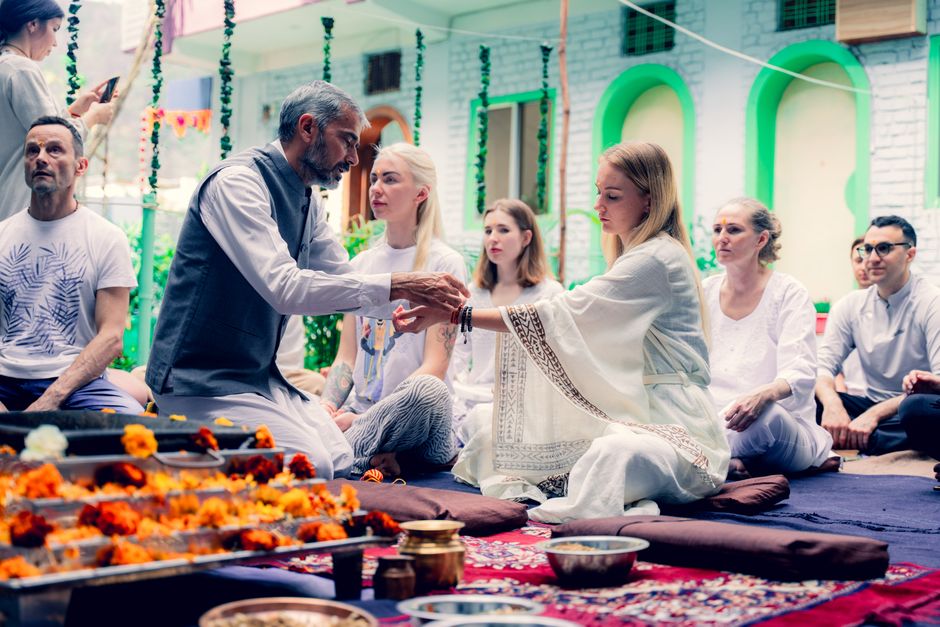
Early morning meditation on the banks of the Ganges in Rishikesh – where the river’s sound becomes your mantra.
✈️ Best time to visit: October to March (pleasant weather, fewer rains)
💰 Estimated budget range: $35–$150 per day (depends on ashram vs. luxury retreat)
⏱️ How long to spend: Minimum 5 days; ideally 10–14 days for a meaningful reset
🎯 Difficulty level: Easy (if you choose a guided retreat); moderate for self‑organized trips
📍 Recommended season: Winter and early spring (dry, cool, ideal for outdoor meditation)
👥 Best for: Solo travelers, couples seeking quiet time, and spiritual beginners
By Sarah Devraj — I’ve spent six months living in ashrams across India, from the forested hills of Kerala to the ghats of Rishikesh. I’m not a guru, just a curious traveler who needed to slow down. This guide comes from real mornings chanting in cold temples, afternoons eating simple khichdi, and evenings watching the Ganges reflect a hundred flickering lamps. You’ll learn exactly where to go, what to expect, and how to avoid the pitfalls I stumbled into.
The first time I stepped onto a yoga mat in Rishikesh, I was a jittery mess of deadlines and bad sleep. That week changed the way I breathe. I’m writing this to give you a clear, honest map—not just of places, but of experiences that actually quiet the mind. No fluff, no over‑hyped promises. Just the real places where you can feel your shoulders drop for the first time in years.
The Essentials at a Glance
- 🧘 Start in Rishikesh: The yoga capital of the world—authentic ashrams, daily meditation, and the Ganges flowing by your window.
- 🌴 Kerala’s backwaters offer quiet: Houseboat retreats and Ayurvedic centers where silence is a practice, not an absence.
- ⛰️ Dharamshala for Buddhist calm: Tibetan monasteries, mountain treks, and teachings from refugee lamas.
- 🕉️ Pondicherry’s Auroville: A experimental township focused on inner transformation—no gurus, just you and the community.
- 🌿 Mysore’s Ashtanga tradition: For dedicated practitioners who want rigorous, lineage‑based yoga from certified teachers.
The Complete Guide
Why This Matters / Why You Should Go
You’ve probably read that India is “spiritual” in the same way you’ve read that Paris is romantic. Both are true, but neither captures the raw, messy, beautiful reality. I came to India after burning out in a corporate job—my mind was a browser with forty tabs open, and I couldn’t find the mute button. A spiritual retreat here isn’t about finding a guru who will fix you. It’s about creating space for the noise to settle.
What makes India unique isn’t just the ancient traditions—it’s that the entire culture breathes spirituality. Shopkeepers greet you with Namaste, cows wander through temple courtyards, and the air smells of incense and marigolds. In Rishikesh, you can wake at 4:30 AM for a meditation that ends with the sunrise hitting the Himalayan foothills. In Kerala, you’ll experience Panchakarma—a five‑day Ayurvedic cleanse that makes you feel like you’ve shed a layer of old skin. This is for anyone who feels disconnected from their own body or breath. It’s not vacation—it’s a reset.
When to Visit (Seasonal Guide)
India’s climate varies dramatically, and timing can make or break your retreat. In Rishikesh, the best months are October to March. The weather is dry and cool—20–28°C—perfect for morning yoga outdoors. I visited in July once, and the monsoon turned the Ganges into a roaring brown torrent; many outdoor classes were canceled. Avoid May and June when the heat hits 40°C in the north.
Kerala is best from November to February. The humidity drops, and the backwaters are calm. I did a retreat in Alleppey during January, and the early mornings had a light mist over the water—absolutely magical for meditation. The monsoon (June–September) brings lush greenery but also leeches and canceled boat trips. For Dharamshala and the Himalayas, stick to April–June (spring flowers) or September–October (clear skies). Winters are freezing—I made the mistake of going in December without a proper jacket and spent most of the time shivering in a wool blanket.
Budget Breakdown
Accommodation: Basic ashram rooms in Rishikesh start at $15–$25 per night (shared bathroom, simple bed). I stayed at the Parmarth Niketan Ashram for $20/night, and it included two vegetarian meals and a daily yoga class. Mid‑range retreats cost $50–$80/night for a private room with attached bathroom and organic meals. Luxury retreats like Ananda in the Himalayas run $250–$500/night but include spa treatments, personalized programs, and stunning views.
Food: Most ashrams include meals—simple, vegetarian, and timed (breakfast at 7 AM, lunch at noon, dinner at 6 PM). Outside, a thali costs $2–$5. I recommend sticking to ashram food; it’s designed to support your practice (no garlic, onions, or caffeine in many places).
Activities: Yoga and meditation classes are often included in accommodation. Private sessions cost $10–$20/hour. Ayurvedic treatments in Kerala range from $30 for a massage to $200 for a full Panchakarma program.
Transport: Local buses are cheap ($0.50–$2), but they’re chaotic. I recommend pre‑booking an Uber or Ola (India’s ride‑share apps) for airport transfers—$15–$30 depending on distance. A daily budget of $40 is realistic for mid‑range comfort. Money‑saving tip: book ashrams directly via their websites, not through third‑party sites that take a 20% cut.
Getting There & Getting Around
Rishikesh: The nearest airport is Dehradun (Jolly Grant Airport), about 35 km away. I flew into Delhi, then took a 6‑hour bus to Rishikesh ($10). Trains from Delhi to Haridwar run regularly ($5–15), then a 20‑minute taxi to Rishikesh. Once there, everything is walkable—the main ghats and ashrams are along the river. Avoid renting a scooter; the roads are narrow and chaotic.
Kerala (Kochi/Alleppey): Kochi International Airport connects to major cities. From there, take a taxi (1.5 hours to Alleppey, $25) or a train ($2). The backwaters are best navigated by houseboat or local canoe. I booked a shared canoe tour for $10—it was intimate and allowed me to watch village life unfold.
Dharamshala: Fly into Gaggal Airport (15 km from McLeod Ganj) or take a bus from Delhi (12 hours, $12). Shared jeeps run from the bus stand to the upper town. The area is hilly; wear comfortable walking shoes. I used local buses for short distances, but taxis are cheap ($5–10 per ride).
Navigation tip: Download Google Maps offline before you arrive. Wi‑Fi is spotty in ashrams. Also, carry a physical map—I got hopelessly lost in McLeod Ganj’s winding lanes without one.
Top Recommendations / Must‑Do Activities
1. Ganga Aarti at Parmarth Niketan, Rishikesh. Every evening at sunset, the ashram hosts an hour‑long fire ceremony on the ghats. Hundreds of people gather, singing hymns and floating oil lamps on the river. I sat on the stone steps, and the sound of the chants mixed with the river’s flow—it was the most peaceful moment of my trip. Insider tip: Arrive by 5 PM to get a front‑row spot. The ceremony ends around 6:30 PM, and the crowd disperses quickly afterward.
2. Early morning silent walk along the Ganges in Laxman Jhula. At 6 AM, the riverbank is nearly empty. I walked barefoot on the cold stones, watching the fog lift over the mountains. This is when you’ll see the real Rishikesh—no tourists, just devotees doing their morning rituals. The silence is profound. Downside: The path gets crowded and noisy by 8 AM, so you must go early.
3. Ayurvedic massage at Kairali Ayurvedic Centre, Kerala. I booked a 90‑minute Abhyanga (warm oil massage) for $35. The therapist applied rhythmic pressure using medicated herbal oils. For the first ten minutes, I felt tense—my body wasn’t used to being touched. By the end, I felt like a puddle. Pro tip: Ask for a light pressure if you’re new to Ayurveda; otherwise, it can be intense. The center uses organic oils from their own garden—absolutely authentic.
4. Meditation at Tushita Meditation Centre, Dharamshala. This Tibetan Buddhist center offers a 10‑day introductory course ($100 including food and dorm accommodation). I attended just a one‑day session ($25), which included guided meditation, a talk on the Four Noble Truths, and a vegetarian lunch. The view of the Dhauladhar mountains from the meditation hall is breathtaking. Insider tip: Book weeks in advance—spots fill fast. The dress code is modest; avoid shorts and sleeveless tops.
5. Silent retreat at Ananda in the Himalayas. Yes, it’s expensive. But I saved for a year and spent three days there. The program includes personalized yoga, meditation, and a Himalayan salt scrub. What I valued most was the “silent hours” policy—no talking after 8 PM. I sat in my room and wrote in a journal for two hours. Who it’s for: If you can afford it, and you’re serious about a digital detox (no phones allowed in common areas), this is transformative. If you’re on a budget, skip it—the magic is in the discipline, not the price tag.
Traveler’s Pro Tips
Tip 1: Pack a thin cotton shawl or scarf. Temples often require you to cover your shoulders and knees. But it’s not just for modesty—the mornings in Rishikesh and Dharamshala can be chilly even in summer. I used my shawl as a blanket on the bus, a meditation cushion on cold floors, and a towel in a pinch. It weighs nothing.
Tip 2: Eat only freshly cooked food for the first three days. Your gut needs time to adjust. Avoid raw salads, fruit juices from street stalls, and anything that’s been sitting out. I got a mild stomach bug from a seemingly clean thali on day two—turns out the paneer had been reheated twice. Stick to roti, dal, and boiled vegetables at your ashram. After day five, I slowly introduced local fruits and street food without issue.
Tip 3: Start your meditation practice two weeks before you leave. I didn’t, and the first day of sitting for 30 minutes was excruciating. My mind was a storm. If you spend just 10 minutes a day sitting in silence before your trip, the transition into an ashram’s discipline will be smoother. I now recommend this to everyone.
Tip 4: Don’t book an ashram that promises instant enlightenment. I saw a retreat ad that said “Become a Peaceful Buddha in 5 Days.” I almost booked it. A friend who’d been to the same ashram told me it was a commercialized circus—loud music, selfie‑taking gurus, and a $300 price tag for what was essentially a resort stay. Look for places that teach practice (like Pranayama or Vipassana) rather than quick fixes.
Tip 5: Use WhatsApp for everything. Indian phone numbers are a hassle to dial; WhatsApp is universal for messaging, calls, and even booking taxis. Download it before you arrive. Also, get a local SIM card at the airport ($5 for 1GB data per day for a month). It’s cheaper than roaming and works in most remote areas, including parts of Rishikesh.
Common Mistakes to Avoid
Mistake 1: Assuming all ashrams are quiet. I chose an ashram in Rishikesh that looked peaceful online, but it was located right next to a main road. Honking started at 5 AM. I couldn’t meditate for the first three days. How to avoid it: Use Google Street View to check the surroundings. Look for “riverfront” or “forest‑side” in the description. Call ahead and ask, “Is there any road noise?”
Mistake 2: Skipping travel insurance for medical evacuation. I was healthy, but a friend at my retreat dislocated her shoulder during a yoga inversion. The nearest clinic in Rishikesh was basic; she had to be taken to Dehradun (1.5 hours away). Her insurance covered the ambulance and treatment. Consequence without it: You could be stuck with a $1,000+ bill. Get insurance that covers remote areas and spiritual retreats specifically.
Mistake 3: Overpacking. I brought three pairs of jeans and a hair dryer. In the ashram, everyone wore loose cotton clothes. The dryer was useless—most ashrams have 24/7 power but not high‑wattage outlets. How to avoid it: Pack only 5–7 days of clothes (you can hand‑wash and dry in the sun). Bring a cheap pair of rubber sandals for shower floors and temple visits.
Mistake 4: Expecting privacy in basic ashrams. In my $20/night room, the walls were thin. I could hear my neighbor chanting at 4 AM. The shared bathrooms meant waiting in line. Why it happens: Ashrams are communal by design. How to avoid it: If you need solitude, pay for a private room in a mid‑range retreat. Or accept the lack of privacy as part of the spiritual practice—I eventually did, and it taught me patience.
Your Travel Checklist
Documents: Passport (valid 6+ months), printouts of ashram confirmations, travel insurance certificate, photocopies of all documents (keep separate from originals).
Packing: Loose cotton clothes (3 pairs), a warm layer (shawl or pullover), waterproof sandals, reusable water bottle, earplugs (for noisy ashrams), a headlamp (power cuts happen), small lock for lockers.
Research: Read recent reviews of your chosen ashram (last 6 months). Check if they have a code of conduct (silence hours, dress code). I once picked an ashram that didn’t allow phones at all—which I loved, but some people panicked.
Bookings: Book your first 3 nights in advance. I recommend arriving a day early to adjust to the time zone before any structured program. Many ashrams require a 50% deposit via bank transfer.
Health & Safety: Visit your doctor for travel vaccines (Hepatitis A, Typhoid, Tetinus). Carry a basic first‑aid kit (paracetamol, ORS packets, bandaids, anti‑diarrheal meds). Hand sanitizer is essential—ashram bathrooms are clean but not sterile.
Local currency & apps: Carry ₹4,000–₹6,000 in small notes ($50–$70) for taxis, tips, and tea shop purchases. Download WhatsApp, Google Maps offline, and a meditation timer app (I use Insight Timer).
Traveler FAQ
Q: I’m a complete beginner to yoga. Can I still go to a spiritual retreat in India?
A: Absolutely. Most ashrams have beginner‑friendly classes. I started in Rishikesh not knowing a single pose. Just email ahead and confirm they offer “gentle” or “introductory” yoga. Avoid Ashtanga‑focused centers (like those in Mysore) until you have a few months of practice under your belt.
Q: Is it safe for a solo female traveler?
A: Yes, with common sense. I traveled solo for two months. Stick to reputable ashrams, avoid walking alone at night in deserted areas (especially near the river), and dress modestly. The ashram community is usually very protective of solo women. I made friends within hours of arriving.
Q: How do I deal with the food differences?
A: Most ashram food is vegetarian and bland by design—it’s meant to not stimulate the senses. If you have dietary restrictions (gluten‑free, vegan), email the ashram in advance. Some places accommodate, but don’t expect a western menu. I brought protein bars for the first few days until my stomach adjusted.
Q: Can I get internet access?
A: In most Rishikesh ashrams, yes—Wi‑Fi is available in common areas but often slow. In Kerala’s backwater retreats, signal can be spotty. Some retreats in Dharamshala intentionally have no Wi‑Fi to encourage disconnection. If you need connectivity for work, ask before booking. I loved being offline, but I had to walk 10 minutes to a café to check emails once a day.
Q: How do I choose between Rishikesh and Kerala?
A: If you want structure, community, and a non‑stop spiritual vibe, go to Rishikesh. It’s bustling with ashrams, yoga studios, and like‑minded travelers. If you want deep rest, silence, and Ayurveda, choose Kerala. I’d recommend both if you have the time. I spent a week in Rishikesh (activation) and a week in Kerala (restoration). The combination was perfect.
Ready for Your Adventure?
I still remember the morning I left Rishikesh. I sat by the Ganges one last time, watching the first light hit the mountains. My mind wasn’t empty of thoughts—but the thoughts were softer, like waves instead of storms. That’s what a spiritual retreat in India gives you: not perfection, but permission to slow down and listen.
If you’re hesitating because of cost, time, or fear of the unknown, I understand. I felt all of that. But the cost of staying in a state of burnout is higher than any plane ticket. The time you lose to stress is never refunded. And the unknown? That’s where the magic lives.
Start with one step: pick a destination from this guide. Send an email to an ashram. Pack a small bag. The rest will unfold, as it always does, with patience and a little bit of faith. Your journey begins now.
© 2024 Sarah Devraj. All rights reserved. All experiences are personal and based on independent travel.


No comments:
Post a Comment