
- Introduction to Big Sky, Montana: Why Visit in 2026
- Getting to Big Sky: Transportation and Logistics
- Where to Stay in Big Sky in 2026
- Top Things to Do in Big Sky: Summer Adventures
- Top Things to Do in Big Sky: Winter Wonderland
- Big Sky Dining and Nightlife Scene
- Day Trips from Big Sky: Yellowstone and Beyond
- Packing and Planning Tips for 2026
- Wrapping Up Your Big Sky Adventure
Introduction to Big Sky, Montana: Why Visit in 2026
Tucked between the imposing peaks of the Madison Range and the rolling Gallatin Canyon, Big Sky is not just a dot on the map—it’s a state of mind. In 2026, this slice of southwestern Montana is stepping into a fresh era of mountain travel, balancing wild solitude with just the right amount of modern comfort. Whether you’ve been dreaming of uncrowded slopes, backcountry trails that stretch for miles without a single boot print, or nights so dark the Milky Way casts a visible glow, Big Sky delivers with a quiet confidence that louder resort towns can’t match.
The 2026 season is particularly special. Big Sky Resort has invested heavily in infrastructure upgrades over the past few years, and travelers this year will feel the difference. New high-speed chairlifts cut lift lines dramatically, while expanded snowmaking ensures reliable conditions from late November through mid-April. Off the slopes, the community has leaned hard into sustainable tourism. Local outfitters are emphasizing low-impact guided experiences, farm-to-table restaurants are sourcing from Gallatin Valley growers, and a renewed focus on wildlife corridors means your chance of spotting elk, moose, or even a grizzly from a safe distance remains thrillingly high.
What truly sets Big Sky apart in 2026 is the sheer scale of the experience. With over 5,850 skiable acres, it claims the title of one of the largest ski areas in North America, yet daily lift ticket caps keep the mountain feeling spacious. Summer unveils a different kind of playground. The same trails that challenge skiers become wildflower-lined hiking and mountain biking routes. The Gallatin River roars with class IV rapids, and hidden alpine lakes warm just enough for a bracing swim by late July. This is a year-round destination that doesn’t have to try hard to impress.
For the traveler who values authenticity over flash, 2026 is the year to come. You won’t find designer boutiques or velvet-rope nightclubs here. Instead, you’ll discover genuine Western hospitality, where the person next to you at the diner might be a fourth-generation rancher or a fly-fishing guide with stories that stretch long into the evening. Big Sky feels like Montana unfiltered, and in a world that grows louder by the day, that kind of quiet is worth traveling for.
What Makes Big Sky a Top 2026 Destination
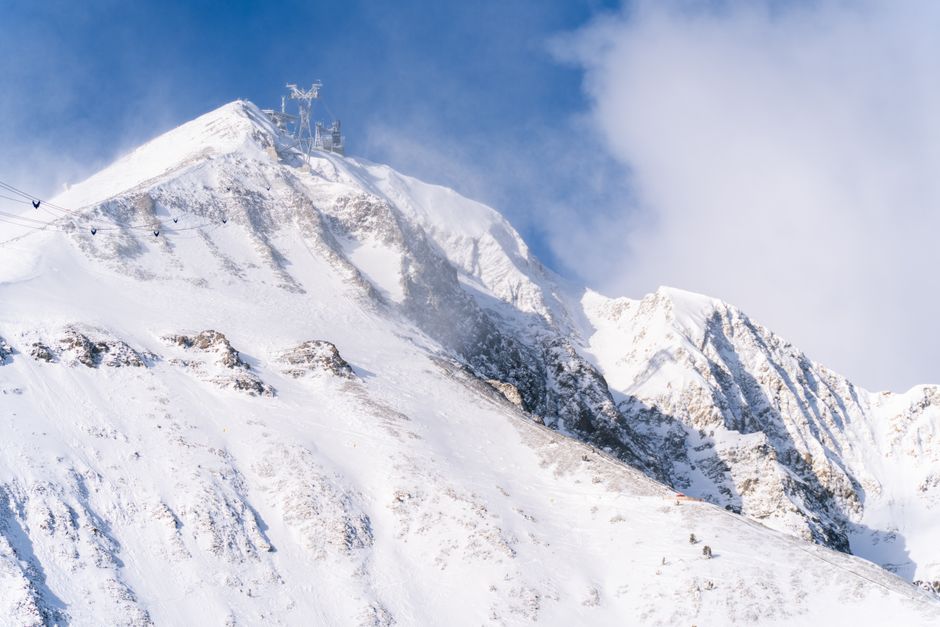
Big Sky has always been a magnet for those in the know, but 2026 marks a tipping point. The resort’s tram modernization project is now complete, whisking visitors to the 11,166-foot summit of Lone Peak in sleek, glass-backed cabins. From the top, you’re staring straight down at vertical drops that rival anything in the Alps. The terrain spans gentle cruisers, steep chutes, and wide-open bowls, meaning a group of mixed abilities can ski together without anyone getting bored or overwhelmed.
Beyond the lifts, the town’s event calendar is stacked. The Big Sky Wildlands Festival in August brings together conservationists, artists, and musicians for a celebration of public lands. Weekly farmers markets in the Town Center pulse with live bluegrass and the scent of huckleberry pie. And for 2026, the local brewery scene has matured beautifully—Beehive Basin Brewery and Lone Peak Brewery now offer barrel-aged seasonals worth planning an evening around. It’s this combination of world-class adventure and grounded, community-driven culture that locks Big Sky into the top tier of 2026 destinations.
Big Sky vs. Other Montana Destinations
Montana is blessed with iconic stops—Whitefish, Bozeman, Missoula, Glacier National Park—but Big Sky occupies a distinct niche. Compared to Whitefish, Big Sky feels more tucked away, less a town you stumble upon and more a deliberate destination. You don’t get the train-whistle charm of Whitefish’s downtown, but you gain immediate access to terrain that dwarfs Whitefish Mountain Resort in scale and vertical drop. The skiing here is simply in a different league.
Set against Bozeman, Big Sky sacrifices urban convenience for raw proximity. Bozeman buzzes with a university-town energy, abundant dining, and a lively Main Street, yet you’ll spend 45 minutes to an hour commuting to the slopes. In Big Sky, you roll out of bed and onto the chairlift. The trade-off is fewer restaurant choices and quieter nights, but for many, that’s exactly the point. Unlike the heavily regulated access of Glacier National Park—which in 2026 still requires timed entry reservations for popular corridors—Big Sky offers spontaneity. You can wake up, decide to hike Beehive Basin, and be on the trail in twenty minutes with no permit required.
When to Visit: Best Seasons for 2026
Choosing the right season for your Big Sky Montana travel guide 2026 adventure depends entirely on what you want to do. Winter is the headliner, running reliably from early December through early April. January and February deliver the deepest powder, with cold, light smoke that stays fresh for days. The 2026 President’s Day weekend will be busy, but the cap on daily tickets means you won’t face the crushing crowds typical of Colorado resorts. March brings longer days and softer snow, ideal for families and those who prefer sunny carving over blower powder.
Summer emerges in late June and holds strong through September. July and August are peak season, with wildflowers at full riot, daytime temperatures hovering in the pleasant mid-70s, and every lift-served bike trail open. This is the window for rafting the Gallatin, summiting Lone Peak on foot, and casting dry flies to rising trout on the Madison River. September is an underrated gem. The crowds thin sharply after Labor Day, aspens ignite in gold, and the elk rut fills the air with bugling. Trail conditions remain excellent, and lodging prices dip noticeably.
Shoulder seasons—late April to mid-June and October to late November—require a flexible mindset. Many businesses close for a few weeks in spring and fall. Mud and lingering snow can limit high-elevation trails. But if you’re after solitude and don’t mind a quieter scene, you’ll be rewarded with rock-bottom rates and a landscape in transition. For the ideal balance of reliable conditions and manageable crowds, target mid-March for winter sports or the last week of August for summer pursuits.
Getting to Big Sky: Transportation and Logistics
Reaching Big Sky is part of the adventure, and in 2026, the journey is smoother than ever thanks to expanding flight options and improved mountain corridor infrastructure. The community sits roughly halfway between Yellowstone National Park’s northwestern edge and Bozeman’s bustling Gallatin Valley. While it feels remote once you’re here, you’re actually within a manageable drive of a well-connected regional airport, and the route itself is one of the most beautiful stretches of highway in the American West. Understanding your options before you book will save you money, time, and unnecessary stress on travel day.
The key to a seamless arrival is planning your transport around the season. Winter storms can temporarily close mountain passes or require tire chains, while summer construction along Highway 191 can add delays. Fortunately, local authorities have prioritized road improvements ahead of the 2026 season, widening shoulders and adding passing lanes between Four Corners and the Big Sky turnoff. This means fewer white-knuckle moments and quicker, safer travel regardless of when you visit. Still, treating the drive as part of the experience rather than a chore sets the right tone. You’ll pass through a canyon carved by the Gallatin River, with cliffs rising hundreds of feet on either side and pullouts that beg for a photo stop.
For those who prefer to skip driving entirely, Big Sky’s shuttle ecosystem has grown significantly. New private transfer companies have entered the market, and the existing Skyline bus service continues to offer free, reliable transportation within the community once you arrive. Whether you’re a solo traveler on a budget or a family hauling ski gear, there’s a logistics combination that works for your Big Sky Montana travel guide 2026 itinerary.
Nearest Airports and Flight Deals for 2026
Bozeman Yellowstone International Airport (BZN) is your primary gateway, sitting just 50 miles northeast of Big Sky. In 2026, BZN continues its remarkable growth trajectory with direct flights from over 20 major U.S. cities, including New York, Chicago, Dallas, Los Angeles, Seattle, and Atlanta. Seasonal routes expand in winter and summer, with carriers like United, Delta, Southwest, and Alaska Airlines competing on popular corridors. This competition is good news for your wallet—book at least three months ahead for peak ski weeks, or consider midweek arrivals for significantly lower fares.
For maximum flexibility, some travelers opt to fly into Billings (BIL) or Idaho Falls (IDA), both roughly three hours away. The drive from Idaho Falls crosses a scenic stretch of Idaho farmland before climbing into the Montana mountains, while Billings offers an alternative if Bozeman flights are sold out during holiday periods. However, for most visitors, BZN’s convenience outweighs the potential savings of a longer drive. The baggage claim is famously efficient, rental car counters are steps away, and the whole airport experience is refreshingly uncrowded compared to Denver or Salt Lake City.
Driving to Big Sky: Routes and Road Conditions
The classic route from Bozeman follows Highway 191 south through Gallatin Canyon, a 50-mile stretch that hugs the river and winds beneath towering limestone walls. In summer, this drive takes about an hour and is absolutely gorgeous. Pull over at the Gallatin River overlooks, watch for rafters navigating the rapids, and keep an eye out for bighorn sheep on the rocky slopes. In winter, the same road demands respect. The canyon is shaded for long stretches, meaning ice can persist even on sunny days. All-wheel drive and winter tires are strongly recommended, and Montana’s Department of Transportation maintains an up-to-date road conditions hotline and mobile app for 2026 travelers.
An alternative route approaches from the west via Highway 287 and Highway 87, passing through Ennis and connecting to the Madison River valley. This is a longer but often quieter drive, favored by those coming from Yellowstone’s West Entrance or from points south. The scenery shifts to wide-open ranchland with the Madison Range as a backdrop, and the road is generally less winding than the Gallatin Canyon route. If you’re traveling in an RV or towing a trailer, this western approach is less stressful. Regardless of your chosen route, always check the weather forecast before departing and carry emergency supplies—blankets, water, snacks, and a fully charged phone—especially between November and March.
Getting Around Without a Car: Shuttles and Rentals
Big Sky is surprisingly navigable without a personal vehicle, a fact that catches many first-time visitors off guard. The free Skyline bus system connects the Meadow Village, Town Center, and Mountain Village areas with regular loops throughout the day, and in 2026 the winter schedule extends into the evening to accommodate après-ski dining. You can easily move between your condo, the lifts, and the grocery store without ever turning a key.
For the journey from Bozeman airport to Big Sky, several shuttle services operate year-round. Karst Stage and Big Sky Shuttle offer shared and private rides, and advance reservations are essential during peak seasons. A shared shuttle costs around $60–80 per person each way, while private SUVs run closer to $250 and make sense for groups or families with lots of gear. Ride-sharing apps like Uber and Lyft exist in Bozeman but are unreliable for the Big Sky route—drivers are often unwilling to make the long round trip without a guaranteed fare back.
If you want the freedom to explore trailheads and Yellowstone day trips without the full commitment of a rental car for your entire stay, consider a hybrid approach. Rent a vehicle from Bozeman airport for just a few days, then return it and use shuttles the rest of the time. Several local companies, including Explore Rentals Big Sky, offer 4WD vehicles with ski racks and all-weather tires specifically configured for mountain driving. Demand is high for 2026, so lock in your reservation early.
Where to Stay in Big Sky in 2026
Big Sky’s lodging scene in 2026 reflects the destination itself: varied, unpretentious, and deeply connected to the landscape. You won’t find a single high-rise hotel tower or a sprawling all-inclusive compound. Instead, accommodations cluster into three main zones—the slopeside Mountain Village, the more residential Meadow Village, and the canyon-bottom Town Center—each with its own personality and price point. Choosing the right base shapes your entire trip, so it’s worth understanding the trade-offs between convenience, atmosphere, and budget before you book.
The Mountain Village sits at 7,500 feet, right at the base of Big Sky Resort’s main lifts. Staying here means ski-in/ski-out access, crisp alpine mornings, and the hum of chairlifts starting up just outside your window. The trade-off is that dining and nightlife options thin out once the lifts stop spinning, and the altitude can take a night or two to adjust to. Meadow Village, about six miles down the mountain, feels more like a genuine community. You’ll find the post office, the library, a handful of excellent restaurants, and a quieter pace. Town Center, the newest and most walkable hub, blends condos, shops, and gathering spaces around a central plaza that hosts live music and farmers markets throughout the summer.
Wherever you land, book early. The 2026 calendar is already filling for peak weeks, and last-minute availability often comes with a steep premium. The good news is that Big Sky’s inventory has expanded, with several new properties opening their doors and existing ones refreshing rooms and amenities. From slope-view suites with private hot tubs to canvas-walled glamping tents along the Gallatin, the range of options means there’s a perfect bed for every kind of traveler following this Big Sky Montana travel guide 2026.
Luxury Lodges and Resorts
For those who want their mountain experience wrapped in high-thread-count sheets and stone fireplaces, Big Sky’s luxury tier delivers without the pretension you might find in Aspen or Vail. The crown jewel remains the Montage Big Sky, a sprawling slopeside resort that opened to acclaim and continues to raise the bar in 2026. Rooms feature timber-frame architecture, soaking tubs with mountain views, and ski valets who handle your gear from door to lift. The on-site spa, one of the best in Montana, offers treatments using locally foraged botanicals and heated indoor pools that look out onto Lone Peak.
Summit Hotel at Big Sky Resort anchors the Mountain Village with a more contemporary take on luxury. Recent renovations have brightened the lobby, added a rooftop hot tub deck, and introduced a craft cocktail bar that draws a lively après-ski crowd. The location cannot be beat—you’re steps from the Ramcharger 8 and Swift Current lifts. For a more intimate experience, consider the Lone Mountain Ranch, a historic homestead turned upscale guest ranch about 20 minutes from the resort. Here, the luxury is in the details: hand-hewn log cabins, wood-burning stoves, and guided cross-country skiing on 85 kilometers of groomed Nordic trails. It’s rustic elegance done right, and the ranch’s farm-to-table Horn & Cantle restaurant is worth visiting even if you’re staying elsewhere.
Mid-Range Hotels and Condos
The sweet spot for most visitors lies in Big Sky’s abundant mid-range condominiums and hotels, which balance comfort and cost without sacrificing location. The Wilson Hotel, a Residence Inn by Marriott in Town Center, has become a reliable favorite. Rooms feature full kitchens, separate living areas, and a complimentary breakfast that actually tastes good. The outdoor pool and hot tub plaza face the mountains, and you’re walking distance to the Town Center’s restaurants and shops. It’s particularly well-suited for families who want space to spread out and the option to cook meals.
Condos scattered through the Meadow Village and Mountain Village offer another excellent mid-range path. Properties like Beaverhead Condos, Hill Condos, and Shoshone Condominiums range from one-bedroom units to spacious three-bedroom layouts with fireplaces and balconies. Many are individually owned, so quality and decor vary, but property management companies like Big Sky Vacation Rentals and Vacasa maintain consistent standards. Booking a condo gives you a kitchen, a living room, and often a private hot tub—luxuries that elevate a ski or hiking trip considerably. For 2026, expect nightly rates in the $250–450 range during peak seasons, with better deals available in late spring and fall. Hot Tip: Check if your condo complex offers a complimentary shuttle to the lifts; some Meadow Village properties include this, saving you the hassle of parking at the resort.
Budget-Friendly Cabins and Campgrounds
Big Sky on a budget is absolutely possible, and the options go beyond bare-bones motels. The Whitewater Inn, located about 10 minutes down the canyon toward Gallatin Gateway, offers clean, comfortable rooms with a complimentary breakfast and an indoor pool. It’s not fancy, but it’s affordable, and the drive up the canyon each morning is a scenic ritual many guests come to love. In Town Center, the independently owned Big Sky Motel provides basic but tidy lodging with easy access to the free shuttle system.
For a more memorable budget experience, lean into the camping and cabin culture that defines Montana summers. The Gallatin National Forest surrounds Big Sky, and several campgrounds operate on a first-come, first-served basis. Red Cliff Campground along the Gallatin River offers shaded sites, fire rings, and the sound of rushing water to lull you to sleep. Moose Creek Campground, slightly farther north, sits at a higher elevation and stays cooler in peak summer. Both are primitive—vault toilets, no hookups—so come prepared.
If sleeping on the ground isn’t your style but you still want that woodsy feel, several local outfitters rent rustic cabins. The 320 Guest Ranch, a short drive south on Highway 191, offers simple log cabins with kitchenettes and front porches facing the river. In 2026, their weekly campfire cookouts and horseback rides add value without inflating the price. For the truly adventurous, canvas glamping tents near the Gallatin provide real beds, solar lighting, and the kind of star-gazing that makes you forget about thread counts entirely. These options run $100–175 per night, a fraction of resort pricing, and connect you directly to the landscape that makes Big Sky worth visiting in the first place.

Top Things to Do in Big Sky: Summer Adventures
When the snow melts, Big Sky transforms into a vibrant green playground that rivals any national park experience. This Big Sky Montana travel guide 2026 reveals a summer season packed with endless daylight, wildflower meadows, and adrenaline-pumping activities. The warm months from June through September offer comfortable temperatures hovering between 70°F and 85°F, making it the perfect escape from the sweltering heat found at lower elevations. You will discover that the lack of crowds compared to nearby Yellowstone is the area's best-kept secret, giving you room to breathe in that crisp mountain air without elbowing through selfie sticks. Whether you are a hardcore trail runner or a family looking for a scenic picnic spot, the sheer variety of terrain here is staggering.
Summer in Big Sky is defined by the mighty Gallatin River and the surrounding Custer Gallatin National Forest. The landscape shifts from dense pine forests to high-alpine tundra, offering a biodiversity hotspot that keeps binoculars glued to faces. As part of planning your trip using this Big Sky Montana travel guide 2026, you will want to book key activities like guided fly fishing or downhill mountain bike passes a few weeks in advance, as summer is becoming an increasingly popular season. The basecamp vibe in the Meadow Village is relaxed, with gear shops and coffee huts buzzing from dawn until the late sunset, which often stretches past 9:30 PM. You will quickly learn to maximize every hour of daylight here because there is simply too much to explore.
Hiking and Backpacking Trails for Every Level
The trail system in Big Sky is a mosaic of gentle creekside strolls and lung-busting peak scrambles. You do not need to be an elite mountaineer to soak in the views, though fitness certainly unlocks the high-alpine magic. For newcomers or families, the Ousel Falls Trail is the quintessential starter hike. This wide, well-maintained path winds through pine forest for just over a mile round-trip, culminating in a roaring waterfall that crashes into a deep granite pool. It is accessible, shaded, and requires minimal elevation gain, yet it delivers a massive visual payoff. You will often spot mountain bluebirds flitting through the trees here.
If you are looking to stretch your legs a bit more, the Beehive Basin Trail sits at the top of everyone's must-do list. Clocking in at about 6.6 miles round-trip, this trail gains steady elevation before spilling you out into a stunning glacial cirque. The water is a surreal shade of turquoise, and the surrounding peaks reflect perfectly on calm days. It is a moderate trek that gets rocky near the top, so sturdy shoes are non-negotiable. This is also a prime spot for a backcountry lunch, but watch for curious mountain goats who often patrol the basin rim. For the hardcore crowd, the ascent of Lone Peak via the exposed summit ridge is a technical, dizzying scramble reserved for experienced peak-baggers.
Backpacking opportunities here link up with the vast trail network into the Lee Metcalf Wilderness. You can string together multi-day loops that cross high passes and drop into secluded valleys where the only sounds are wind and distant elk bugles. Permits are generally not required for standard dispersed camping, but you must practice strict Leave No Trace principles, especially regarding food storage in bear country. Always carry bear spray in an accessible holster, not buried in your pack. The altitude and dry air dehydrate you faster than you realize, so calculate at least one liter of water per two hours of hiking. Trailhead parking for popular spots like Beehive fills by 8:00 AM in peak summer, so an early start is your ticket to solitude.
Fly Fishing and Water Activities
The Gallatin River is the liquid heart of Big Sky, immortalized by the film *A River Runs Through It* and still teeming with wild trout. As you dip your wading boots into the cold, gin-clear currents, you will understand why anglers treat this water with near-religious reverence. The river features a mix of fast pocket water and deep emerald runs, and it is a haven for rainbow, brown, and cutthroat trout. If you do not have your own gear, the local fly shops in the Meadow Village offer half-day guided walk-and-wade trips that come highly recommended in any Big Sky Montana travel guide 2026. A guide will put you on the exact seam where a size 16 caddis fly is about to trigger a strike, saving you hours of guesswork.
Drift boat fishing is also an option on the broader stretches of the Gallatin downstream, but the canyon stretch near Big Sky is strictly a wading game. The water levels usually peak with snowmelt in early June, making July through September the prime window for dry fly action. You will often see guides rigging up hopper patterns in late summer when the grasshoppers buzz through the dry banks. Strict catch-and-release regulations apply in many sections to preserve the fishery, so barbless hooks are mandatory. You will also find solitude on the lesser-known tributaries, like the West Fork, where tighter casting quarters reward accurate presentation over distance.
Beyond fishing, the Gallatin offers invigorating whitewater rafting trips that range from scenic family floats to heart-pounding Class IV rapids. The infamous "Mad Mile" section drops steeply through a boulder garden, delivering a guaranteed soaking. Several outfitters run half-day trips directly from the canyon, providing all the necessary splash gear. If you prefer still water, Lake Levinsky up at the resort base offers paddleboarding and kayaking rentals in a no-wake, family-friendly environment with Lone Peak towering directly above. It is a surreal spot to paddle, as the reflection of the mountain shatters every time you dip your blade. For a more rugged alpine lake experience, hike into Lava Lake and cast a lightweight spinning rod from the rocky shore.
Scenic Gondola Rides and Mountain Biking
You do not need to be a downhill racer to experience the high country, thanks to the scenic lift access provided by Big Sky Resort. The Explorer Gondola runs during the summer months, whisking you from the base area up to the mid-mountain zone in enclosed eight-person cabins. As you glide over the pine canopy, the bowl of the Madison Range opens up in a jaw-dropping panorama that stretches all the way to the Tetons on a crystal-clear day. At the top, you will find a restaurant and interpretive nature trails where you can walk through wildflower meadows without breaking a sweat. This is the most accessible way to get a high-altitude fix if you are traveling with grandparents or small children.
For thrill-seekers, however, the real action lies in the Big Sky Bike Park. It has rapidly gained a reputation as one of the most underrated lift-served downhill parks in the Rockies. You load your bike onto the Ramcharger 8 chairlift, ascend through the thin air, and choose your adrenaline level from a network of sculpted flow trails and technical rock gardens. The park services a wide spectrum, from the smooth, bermed rollers of Easy Rider to the dizzying steeps of the black diamond trails. The 2026 season promises continued investment in trail maintenance, ensuring the berms are packed hard and the wooden features are grippy. Rental shops on-site offer full-suspension downhill rigs and full-face helmets, so you can travel light and still ride hard.
If lift-served gravity is not your style, the cross-country mountain biking scene here connects endless miles of singletrack. The Moose Creek Trail and the connector paths in the Gallatin Canyon offer lung-busting climbs followed by rewarding views. You will share these trails with hikers and the occasional horseback rider, so bell etiquette and yielding protocols are essential. The dirt here is a dark, loamy mix that provides incredible traction, except immediately after a thunderstorm when it turns to sticky peanut butter. Always check the sky by noon because afternoon lightning storms roll in fast over the peaks. Whether you are dangling your feet over a gondola glass floor or sending a gap jump on two wheels, summer in Big Sky keeps your pulse elevated in the best possible way.
Top Things to Do in Big Sky: Winter Wonderland
Winter in Big Sky is not just a season; it is a deep, powdery obsession that buries the landscape under an average of 400 inches of the "Greatest Snow on Earth." This Big Sky Montana travel guide 2026 directs you straight into a frozen kingdom where the air crackles with dry cold and the tree wells are deeper than a car roof. The winter months stretch reliably from late November through April, with the resort often extending its season due to a deep snowpack that refuses to quit. Unlike the congested mega-resorts of Colorado, Big Sky offers a striking sense of vertical freedom where you can ride fresh lines days after a storm cycle ends. The absence of lift-line mazes means you spend more time with gravity pulling you down the mountain than standing still, a vanishing luxury in modern skiing.
The Meadow Village quiets down under a thick blanket of white, but the energy shifts up the hill to the Mountain Village. Here, the slopes are illuminated by the orange glow of fire pits, and the sound of snow guns hums in the background during early-season preparations. This Big Sky Montana travel guide 2026 emphasizes the importance of a four-wheel-drive rental car during these months, as the winding Gallatin Canyon road can turn treacherous with black ice and sudden squalls. The temperature can swing dramatically, often sitting at a balmy 20°F at the base while the summit of Lone Peak shivers at -10°F with a biting wind chill. Dressing in non-cotton layers is not a fashion choice here; it is a survival mechanism that lets you stay out for last chair when the light turns golden on the Spanish Peaks.
Skiing and Snowboarding at Big Sky Resort in 2026
The sheer scale of Big Sky Resort is difficult to comprehend until you are standing at the base, neck craned upward at the hulking massif of Lone Peak. With over 5,850 skiable acres, it is one of the largest single ski areas in North America, yet it hosts a fraction of the skier traffic of its competitors. The 2026 season brings continued enhancements to the lift infrastructure, building on the recent upgrades that have made the on-mountain flow seamless. You will find that the Lone Peak Tram remains the crown jewel of the experience, a high-alpine elevator that requires a separate ticket and a strong nerve. After a steep, rocky scramble out of the tram station, expert skiers drop into iconic lines like the Big Couloir, a narrow, 50-degree chute that plunges over 1,400 vertical feet into a surreal big-mountain arena.
You do not need to be an extreme athlete to enjoy the resort, however. The vast majority of the terrain is a blue-cruiser paradise and wide-open bowl skiing. The Southern Comfort and Ramcharger lifts serve perfectly pitched groomers where you can arc giant slalom turns on silky corduroy. For intermediate riders looking to step up their game, the Powder Seeker lift accesses the upper bowls without the mandatory airs and cliffs found off the Tram. The snow on this side of the mountain holds cold smoke powder for days, thanks to a north-facing aspect that shields it from the sun. You will find that tree skiing off the Thunder Wolf lift provides a magical maze of widely spaced pines, perfect for storm days when visibility drops to zero on the alpine.
Navigating the resort requires a quick study of the trail map, as the connectivity between the south side and Moonlight Basin can be confusing at first. The 2026 season continues to integrate the two sides seamlessly, allowing you to traverse from the steep chutes of Headwaters Bowl all the way to the long, rolling groomers of the North Side without unclipping. Ski school programs here are exceptionally good for families, with small group sizes that give kids personalized instruction on magic carpet carpets and green-circle trails. You will want to book lessons online well in advance for holiday periods like President's Day week. The base area dining has expanded, but the on-mountain strategy remains the same: eat early or late to avoid the noon rush at the Everett's mountaintop restaurant, where the views of the Spanish Peaks steal the show.
Snowshoeing, Cross-Country Skiing, and Dog Sledding
When your quads scream for a rest day from alpine skiing, the silent forests of Big Sky offer a slower, more meditative pace of winter travel. Snowshoeing is the most accessible entry point, requiring no technical skill beyond walking with a slightly wider stance. You can rent a pair of modern, lightweight snowshoes in the meadow and head straight for the Rendezvous Ski Trails or the unplowed forest service roads that spiderweb into the Gallatin Canyon. A popular route follows the North Fork Trail, where you will crunch through deep powder under a canopy of snow-laden spruce trees. The silence here is absolute, broken only by the distant caw of a raven or the soft thump of a snow clod falling from a branch.
For those who crave a glide, the cross-country skiing network in Big Sky is a world-class Nordic destination. The non-profit Big Sky Community Organization grooms an extensive trail system, including the Lone Mountain Ranch tracks that wind through pristine meadows. You can choose between classic stride-and-glide tracks or wider skate-skiing lanes. The landscape here is a living snow globe, with bison often seen grazing on the hillside near the 320 Guest Ranch, their thick winter coats dusted with frost. Trail passes are required and can be purchased at the trailhead kiosks or local outdoor shops. The grooming is meticulous, resetting overnight so that the morning skiers find an untouched ribbon of corduroy stretching toward the Tobacco Root Mountains.
If you want to hand the reins over to a team of professionals—canine professionals, that is—dog sledding is a bucket-list experience that captures the wild heart of Montana. Operations like Spirit of the North Sled Dog Adventures run half-day excursions through the Taylor Fork area. The energy of a husky team right before launch is a cacophony of howls and leaps, a restless engine of fur and enthusiasm. Once the brake is released, the world goes almost silent except for the rapid patter of paws and the sled runners slicing through snow. You will snuggle deep into the sled bag as the musher guides the team through a winter wilderness that feels untouched by the 21st century. It is a genuinely moving way to see the backcountry, and most outfitters let you spend time petting and thanking the dogs after the run, which is the real highlight for animal lovers.
Winter Wildlife Watching and Photography
The cold months strip the landscape bare, making it paradoxically easier to spot the iconic megafauna that calls the Greater Yellowstone Ecosystem home. Winter wildlife watching in Big Sky focuses heavily on the ungulate populations that migrate down from the high country into the lower river valleys. The Gallatin Canyon becomes a vital winter range where you are almost guaranteed to spot herds of elk digging through the snow with their hooves to reach dormant grass. You will also see mule deer picking their way through the sagebrush, their large ears swiveling like radar dishes at the sound of a car slowing down. The key to responsible viewing is to use your vehicle as a blind; animals are far less stressed by a stationary car than by a human on foot.
Bison are the stars of the winter show, and while the main Yellowstone herds are a drive away, the managed herd near the entrance to Big Sky often drifts into the open fields. These massive animals are built for the brutal cold, their massive heads acting as snowplows to uncover forage. A thick frost forms on their woolly coats, creating a dramatic, almost prehistoric visual that photographs beautifully in the low-angle winter light. You must stay at least 25 yards away from bison and 100 yards from bears, though bears should be denning deep in hibernation by mid-December. The golden hour in winter arrives early, around 4:00 PM, casting alpenglow onto the peaks and turning the snowfields a warm peach color.
For the serious photographer, this Big Sky Montana travel guide 2026 recommends a 200-400mm telephoto lens to compress the landscape and isolate subjects against the white canvas. The steam rising from the Gallatin River creates ethereal hoarfrost on the overhanging branches, a macro-photographer's dream that lasts until the sun burns it off. Trumpeter swans and bald eagles frequent the open water sections of the Madison River, just a short drive over the pass. You will find that battery life plummets in the extreme cold, so keep spare camera batteries in an inner pocket close to your body heat. A sturdy tripod is essential for those slow-shutter shots of the river ice formations, but wrapped sections of the legs are helpful to prevent your hands from sticking to frozen metal.
Big Sky Dining and Nightlife Scene
After a day of shredding powder or hiking ridgelines, the appetite you work up in Big Sky is monumental, and the dining scene has evolved to meet the demands of hungry adventurers. This Big Sky Montana travel guide 2026 highlights a culinary landscape that punches well above the weight of a small mountain town, blending classic ranch-style comfort with innovative Rocky Mountain cuisine. You will not find a sprawling urban gastronomy scene here, but what you get instead is a curated collection of eateries where the beef is locally sourced, the trout was likely swimming that morning, and the craft beer flows like the Gallatin itself. The vibe oscillates between cozy log-cabin intimacy and lively, raucous bar rooms where ski boots clomp across the hardwood floors. Reservations are strongly advised for the finer dining rooms, especially during the peak winter and summer holiday weeks, as the secret is out about Big Sky's kitchen talent.
The nightlife here is refreshingly unpretentious. You will not find velvet ropes or bottle service, but you will find live bluegrass bands, crackling stone fireplaces, and bartenders who can discuss the day's snow conditions in granular detail. The après-ski culture is sacred, beginning the moment the lifts stop spinning and continuing until the last elk burger is served. Because the mountain community is relatively compact, you can easily hop between a brewery taproom in the Meadow and a distillery tasting room in the Mountain Village using the free Skyline shuttle bus. This means everyone can indulge responsibly in the local huckleberry mules or Montana microbrews without worrying about navigating the icy canyon road after dark. The altitude can amplify alcohol's effects quickly, so pacing yourself with water is key to enjoying a full evening.
Best Restaurants for Local Montana Cuisine
When you want to taste the essence of Big Sky, you head to the places that specialize in wild game and hearty ranch fare. Horn & Cantle, located at the Lone Mountain Ranch, is the spiritual home of the "cowboy gourmet" movement. Housed in a historic lodge with a roaring stone fireplace, the dining room serves bison ribeye, elk tenderloin, and ruby-red trout in a setting that feels like a private club. The preparation is refined but never fussy, letting the natural richness of the game meat speak for itself. You should absolutely start with a charcuterie board featuring local cured meats and pickled vegetables, a perfect pairing with a smoky rye whiskey cocktail.
Down in the Meadow, Riverhouse BBQ is a mandatory pilgrimage for smoked meat aficionados. This is the real deal Texas-style barbecue right in the middle of Montana, where the brisket is smoked for over 14 hours until it achieves a perfect black bark and a jiggly tenderness. The patio overlooking the Gallatin River is the place to be on a summer evening, with a tray piled high with pulled pork, jalapeño cornbread,
Day Trips from Big Sky: Yellowstone and Beyond
While Big Sky itself offers endless adventure, its location places you within striking distance of some of America's most iconic landscapes. The biggest draw is undoubtedly Yellowstone National Park, but don't overlook the dramatic Gallatin Canyon right on your doorstep or the vibrant mountain towns that add cultural depth to your 2026 vacation. Using this Big Sky Montana travel guide 2026, you can strategically plan day trips that maximize scenery without exhausting yourself with excessive driving. The key is starting early, packing smart, and understanding that the journey through the Gallatin River corridor is an attraction in itself.
Road conditions in 2026 remain a critical planning factor. Highway 191 snakes through Gallatin Canyon between Big Sky and West Yellowstone, and while it's well-maintained, summer construction projects can create delays up to 30 minutes. Check the Montana Department of Transportation website before departing. Wildlife is abundant along this route—expect to see elk, mule deer, and possibly black bears grazing near the road. Never stop in the middle of the highway for photos; use designated pullouts instead. Fuel up in Big Sky before leaving, as gas stations become sparse once you enter the canyon proper. The Meadow Village area has the last reliable fuel stop heading south.
For those wanting a break from driving, several outfitters in Big Sky offer guided day trips to Yellowstone in comfortable vans, handling all logistics while providing expert naturalist commentary. This option proves particularly valuable in 2026 as park visitation continues trending upward, and guides know the optimal timing to avoid peak congestion at major attractions. Alternatively, the free Skyline shuttle connects Big Sky to Bozeman during peak seasons, opening up car-free exploration options for the towns to the north.
Yellowstone National Park: West Entrance Guide
The West Entrance in West Yellowstone, Montana, sits just 50 miles south of Big Sky, making it the most logical gateway for your park exploration. In 2026, timed entry reservations are not currently required for the West Entrance, though the park service continually evaluates crowd management strategies. Always verify current requirements on the official NPS website two weeks before your trip. The drive from Big Sky takes roughly one hour without stops, but budget 90 minutes to account for wildlife sightings and the dramatic scenery through Gallatin Canyon.
Once inside the park, the Madison River corridor greets you with sprawling meadows where bison herds frequently lounge, creating immediate photo opportunities. Your first major junction arrives at Madison, where you must choose your adventure direction. Turning north toward Norris Geyser Basin and Mammoth Hot Springs offers geothermal wonders and the park's historic headquarters. Heading south toward Old Faithful delivers the iconic geyser basin experience most first-timers seek. A strategic one-day itinerary from Big Sky typically loops south to Old Faithful, then returns via the same route, allowing stops at Fountain Paint Pots, Midway Geyser Basin (home to Grand Prismatic Spring), and Biscuit Basin.
Start your day no later than 6:30 AM from Big Sky to reach Old Faithful before the largest crowds build. The geyser's predicted eruption times are posted at the visitor center and on the NPS app, which now offers reliable offline functionality for 2026 visitors. While waiting for the eruption, walk the full Upper Geyser Basin boardwalk loop—this 3-mile trail passes dozens of thermal features most day-trippers miss. Morning light creates spectacular steam effects for photography. After Old Faithful, drive north to Midway Geyser Basin and climb the newly improved Grand Prismatic Spring Overlook trail for the iconic aerial view of the rainbow-hued pool. This short but steep path now features better erosion controls and interpretive signage installed in recent years.
Pack a substantial picnic lunch—dining options inside the park remain limited and crowded. The picnic area at Whiskey Flats near Madison Junction offers tables with mountain views. Keep all food secured in your vehicle when not eating; ravens and squirrels are notoriously bold thieves. Bring at least two liters of water per person, as the high elevation and geothermal steam create dehydrating conditions even on mild days. Binoculars are essential for spotting wolves and grizzly bears in the Hayden Valley, though that area requires a longer drive better suited to a multi-day Yellowstone stay rather than a single day trip from Big Sky.
Gallatin Canyon and River Adventures
The Gallatin Canyon, through which Highway 191 threads between Big Sky and the park boundary, deserves recognition as more than just a transit corridor. This dramatic limestone gorge presents some of Montana's most accessible river recreation and rock climbing. In 2026, the Gallatin River's class III-IV whitewater section through the Mad Mile draws rafters and kayakers throughout summer. Several Big Sky-based outfitters run half-day trips departing right from the canyon put-ins, meaning you can sleep in, raft thrilling rapids, and still return for an afternoon hike.
For a more serene experience, the upper Gallatin above the Big Sky turnoff offers exceptional fly fishing. This stretch holds wild rainbow and brown trout in crystal-clear pools. Even if you don't fish, the river access points make perfect picnic and wading spots. The Lava Lake trailhead, located roughly 20 miles north of Big Sky, launches a popular hike to an alpine lake, but the real gem is the lesser-known Storm Castle Peak trail across the highway. This 5-mile round trip climb rewards hikers with a panoramic view of the entire canyon and the Spanish Peaks beyond. The trail sees far fewer boots than anything in Yellowstone, making it ideal for solitude seekers. Carry bear spray on all Gallatin Canyon trails—this is active grizzly habitat throughout 2026.
Exploring Bozeman and Livingston
An hour north of Big Sky, Bozeman has evolved far beyond its cow-town roots into a cultural hub that complements your mountain adventure. Montana State University brings youthful energy, while the thriving tech sector has attracted excellent restaurants, breweries, and the world-class Museum of the Rockies. This museum alone justifies the drive, housing one of the largest Tyrannosaurus rex fossil collections anywhere, including the famous Montana's T. rex specimen. The newly expanded Siebel Dinosaur Complex, refreshed for 2026, offers immersive exhibits that captivate adults and children alike. Plan at least two hours here, especially if your Big Sky itinerary includes rainy-day backup options.
Downtown Bozeman's Main Street stretches several walkable blocks of historic brick buildings now housing independent bookstores, outdoor gear shops, and farm-to-table restaurants. The Western Cafe, a Bozeman institution since 1946, serves honest breakfasts where ranchers and tourists share counter space. For lunch, the bustling food hall at the Emerson Center for Arts and Culture provides diverse options in a renovated school building. Bozeman's craft brewery scene rivals cities ten times its size—Mountains Walking Brewery and Bozeman Brewing Company both offer tasting rooms with outdoor patios perfect for summer afternoons. If you're visiting during the weekly summer Farmers' Market at Lindley Park, you'll find local huckleberry products, fresh produce, and live music that captures the community's vibrant spirit.
Continue 25 miles east over Bozeman Pass to reach Livingston, a town with a grittier, more artistic character. Livingston's historic downtown faces the Absaroka Range, and its strong winds have carved a personality distinct from Bozeman's polished vibe. The Yellowstone Gateway Museum explains the region's railroad and pioneer history, while numerous art galleries showcase Western and contemporary works. The Murray Hotel, a restored 1904 railroad hotel, offers a glimpse into Livingston's past and serves excellent cocktails in its lobby bar. For dinner, follow the locals to the Livingston Bar and Grille or Neptune's Brewery. The drive back to Big Sky along the lesser-used frontage roads instead of the interstate reveals pastoral ranchlands with the Crazy Mountains silhouetted against big sky sunsets—a fitting end to your day off the mountain.
Packing and Planning Tips for 2026
Packing for Big Sky in 2026 demands strategic thinking because mountain weather resists categorization. The same July day can deliver blazing sun at noon, a brief hailstorm at 3 PM, and a chilly evening requiring a puffy jacket by dinner. Your suitcase needs to handle all three scenarios without becoming unwieldy. Beyond clothing, considerations around altitude adjustment, advance booking timelines, and the 2026 event calendar will significantly impact how smoothly your trip unfolds. This Big Sky Montana travel guide 2026 emphasizes preparation that enhances spontaneity—when you're properly equipped and informed, you can say yes to unexpected adventures without hesitation.
The retail landscape in Big Sky continues maturing, but prices run higher than in Bozeman, and specialty items sell out during peak weeks. Do not assume you can easily replace forgotten essentials. The Hungry Moose Market in the Meadow Village carries quality provisions including local meats, craft beer, and organic produce, making it viable to stock a condo kitchen upon arrival. For major gear gaps, Bozeman's numerous outdoor retailers offer better selection and pricing, so consider a stop there if you're flying into Bozeman Yellowstone International Airport and renting a car.
Essential Gear for Mountain Weather
The layering system remains your best defense against Big Sky's mercurial weather patterns in 2026. Start with a merino wool or synthetic base layer that wicks moisture and resists odor over multiple wears. Add a mid-layer fleece or lightweight down jacket for insulation. Your outer shell must be genuinely waterproof, not just water-resistant—afternoon thunderstorms can materialize rapidly and drench unprepared hikers. A packable rain jacket that stuffs into its own pocket lives permanently in your daypack. For pants, quick-drying hiking trousers outperform jeans, which become cold and heavy when wet.
Footwear choices matter tremendously. Waterproof hiking boots with ankle support serve well on rocky trails like Beehive Basin and Lava Lake. For casual village wandering, trail running shoes provide comfort and grip. Bring multiple pairs of wool hiking socks and change them midday if your feet get damp. Accessories punch above their weight: a warm beanie, lightweight gloves, and a Buff neck gaiter add minimal packing bulk but substantial comfort during chairlift rides or windy ridge walks. Sunglasses and high-SPF sunscreen are non-negotiable—at Big Sky's elevation, UV exposure intensifies significantly, and snowfields linger well into July on north-facing slopes, reflecting radiation onto your face.
Altitude Tips and Safety Precautions
Big Sky's base area sits at 7,500 feet, with Lone Peak's summit reaching 11,166 feet. These elevations affect every visitor differently, regardless of fitness level. The most effective strategy for 2026 travelers is building in a gradual acclimatization period. Spend your first day at lower elevations around the Meadow Village (6,200 feet) rather than immediately riding the tram to Lone Peak's summit. Hydration becomes your most powerful tool—drink twice the water you normally would, starting on your flight into Montana. Alcohol's effects amplify dramatically at altitude, so limit consumption during your first 48 hours and pair any drinks with extra water.
Recognize altitude sickness symptoms early: headache, nausea, dizziness, and unusual fatigue signal that you need to descend, not push through. Lone Peak's summit tram reaches elevations where oxygen levels are roughly 25% lower than sea level. Even fit individuals may feel winded simply walking across the summit area. The ski patrol and mountain staff in 2026 continue emphasizing that visitors with cardiac or respiratory conditions should consult their physicians before ascending above 10,000 feet. Beyond altitude, bear safety requires vigilance. Carry EPA-approved bear spray in an accessible holster—not buried in your backpack—on every trail. Make noise while hiking, travel in groups when possible, and maintain at least 100 yards distance from any bear you encounter. The Big Sky area is home to both grizzly and black bears actively foraging throughout the summer months.
Booking Windows and 2026 Event Calendar
The 2026 Big Sky travel season rewards early planners. Lodging at the resort base and in the Meadow Village typically opens for summer reservations 11 months in advance, with prime July and August dates booking solidly by March. If you're targeting specific dates around major events, secure accommodations even earlier. July 4th in Big Sky brings a beloved small-town parade and fireworks display that fills every bed in town. The Big Sky Classical Music Festival in early August draws audiences for orchestral performances against mountain backdrops. The PBR (Professional Bull Riders) Big Sky event in late July transforms the Town Center into a rodeo arena, marking one of the summer's liveliest weekends.
For 2026, lift-served summer operations on the Swift Current and Ramcharger chairlifts typically run from mid-June through late September, weather permitting. The Lone Peak Tram requires separate tickets and often sells out during peak hours—purchase these online up to a week ahead to guarantee your preferred time slot. Restaurant reservations at popular dinner spots like Horn & Cantle and Everett's 8800 fill weeks in advance for prime evening times. The Big Sky Resort app, updated for the 2026 summer season, provides real-time lift status, trail conditions, and dining availability. Download it before arriving, as cellular service remains inconsistent once you venture up the mountain or into the canyons. Booking key experiences—guided fly fishing, whitewater rafting, and horseback rides—at least three weeks ahead prevents disappointment during the compressed July-August high season.
Wrapping Up Your Big Sky Adventure
As your time in Big Sky draws to a close, you'll likely find yourself already calculating when you can return. There's something about this corner of Montana that lingers—the way morning light hits Lone Peak, the sound of the Gallatin River tumbling over ancient stones, the genuine conversations with locals who chose this life deliberately. This Big Sky Montana travel guide 2026 has walked you through the practicalities, but the emotional resonance of the place is something you discover on your own, usually in quiet moments between the big adventures.
The beauty of Big Sky lies partly in what it isn't. It isn't a manufactured resort town with a homogenized main street. It isn't overcrowded to the point of frustration, even as its reputation grows. It isn't trying to be Aspen or Jackson Hole—it's carving its own identity as a place where serious outdoor enthusiasts and families seeking genuine connection can coexist. The absence of a single centralized village, while initially disorienting, ultimately spreads visitors across the landscape in a way that preserves breathing room. You come to appreciate the deliberate separation between the mountain operations, the Meadow Village, and the Town Center as a feature rather than a flaw.
If you invested in the full experience—hiking through wildflower meadows to alpine lakes, rafting the Gallatin's rapids, standing on Lone Peak's summit, and venturing into Yellowstone's geothermal wonderland—you've sampled the range that makes this region extraordinary. But you've also likely realized how much remains for a future visit. The mountain biking trails you didn't ride, the remote lake basins you glimpsed from ridgelines, the winter season that transforms everything into a different kind of paradise. Big Sky doesn't exhaust itself in a single trip. It leaves threads deliberately untied, invitations for your return. Travel safe, tip your guides well, and carry the spirit of big sky country with you until the mountains call you back.
Gear for this trip
- Bear Spray
- Waterproof Hiking Boots
- Packable Rain Jacket
- Merino Wool Hiking Socks
- Binoculars for Wildlife Viewing
As an Amazon Associate I earn from qualifying purchases.


No comments:
Post a Comment