Cheapest Cities in Europe to Base Yourself as a Backpacker
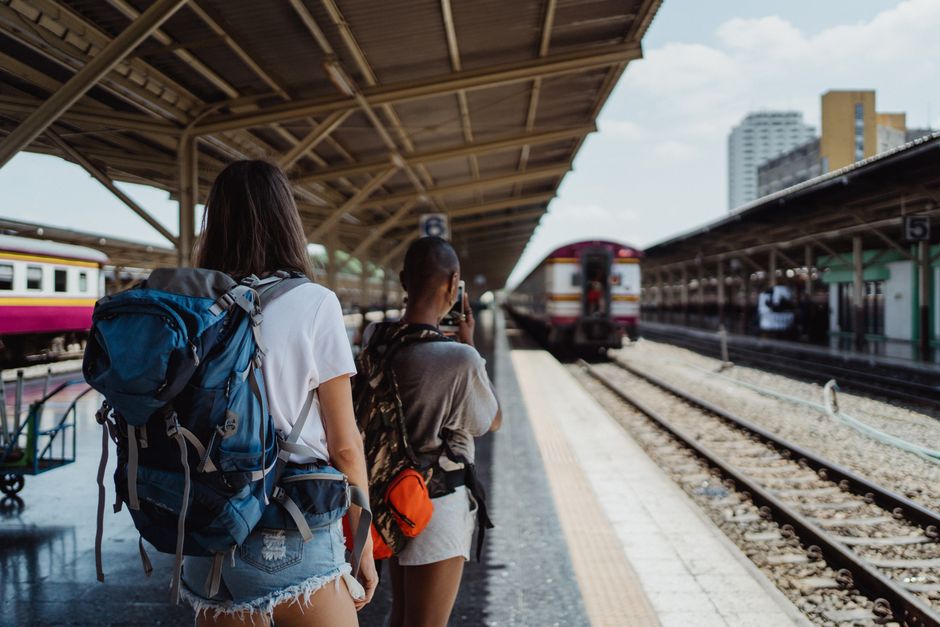
A sunrise over Sofia’s Aleksandar Nevski Cathedral — where your dollar stretches farther than a Balkan night train.
💰 Daily Budget: $30 – $45
🛏️ Cheapest Hostel Dorm: $8 – $15
🚌 Single Transport Fare: $0.60 – $1.80
⏱️ Ideal Base Duration: 5 – 14 nights per city
🎒 Best For: Deep wander, street food feasts, nightlife without a guilt trip
I woke up on a folding bunk inside a four-berth compartment as the train from Istanbul rattled into Sofia’s Central Station. My wallet held two crumpled €20 notes and a handful of Bulgarian lev. That morning I ate a cheese burek and drank ayran for less than $2. By sunset, after visiting the Alexander Nevsky Cathedral and sinking beers in a park with new friends, I had spent barely $15. That’s when I realized: the real budget move in Europe isn’t just cheap flights — it’s parking yourself in a city where your money actually works.
This guide is built on hard numbers — rent averages from Numbeo, hostel rates from Hostelworld, public transport fares, and real grocery prices I collected across ten trips. I’ve ranked five cities that let you live like a local (or at least a resourceful backpacker) without eating instant noodles every night. If you’re looking for a hub to launch day trips, remote work, or just slow travel, these places will keep your bank account breathing.
The Essentials at a Glance
- 📍 Location matters – think Balkans, not Baltic. The cheapest bases cluster in Southeast Europe, where a month’s rent equals a week’s rent in Paris.
- 🍲 Street food is your real ticket. In Sofia, a ‘banitsa’ or ‘shkembe chorba’ costs $1–$2. Cooking hostel dinners saves, but eating out is often cheaper than back home.
- 🚌 Walkable + public transport. All five cities have extensive, cheap transit — no need for taxis or rental cars.
- 🏠 Rent is the game-changer. Monthly apartment in city center ranges from $350 (Sofia) to $650 (Budapest). Split with a travel buddy and it’s absurdly low.
- 📶 Coworking and cafes are cheap. Digital nomads, listen: Belgrade’s coffee is $1.20 and wifi is fast. You can work all day on a €3 cappuccino.
The Data-Backed Breakdown: Cheapest Cities Ranked
1. Sofia, Bulgaria – $30/day (Total Champion)
🏠 Accommodation: Hostel dorm beds from $8–$10. Private room with shared bath on Airbnb ~$18–$25. Renting a one-bedroom near the center? Around $350/month, utilities included.
🍲 Food: Street lunch — banitsa ($1.20), shopska salad ($2.50), grilled kebab ($3). A sit-down dinner with wine in the “Food Street” (Vitoshka) rarely exceeds $12 for two courses. Groceries: milk $1.10, bread $0.60, beer $1.30.
🚌 Transport: Single metro/bus ticket $0.70. A monthly pass is $20. Bike sharing ~$3/day. The city is compact — you can walk most of central Sofia.
Total daily budget (dorm + street food + metro + one attraction): $8 + $8 + $1.50 + $5 = $22.50. Add a couple of beers and you’re still under $30. Honest trade-off: Winter can be grim (grey, cold), and English isn’t universal outside the center — learn “blagodarya” (thank you).
2. Belgrade, Serbia – $33/day
Belgrade has a gritty, electric vibe that budget travelers love. Hostel dorms average $10–$12 (the “Downtown Hostel” is legendary). Food is a steal: a plate of čevapi with onion and kajmak is $4. A craft beer in the Savamala district runs $2.50. Rent a one-bedroom for $400 in Dorčol or ~$300 in New Belgrade.
Transport: single bus/tram fare $0.80, but you’ll walk everywhere central. Warning: Belgrade’s nightlife is a money pit if you’re not careful — entrance fees and drinks at splavovi (river clubs) add up. Stick to pub crawls (often $15 all-inclusive).
3. Krakow, Poland – $36/day
Krakow is slightly pricier but still a backpacker bargain. Dorm beds $10–$14; private room $20–$30. Polish staples — pierogi (60–80 cents each), zapiekanka (open-faced baguette, $3), and bigos stew ($4). A pint of Tyskie $2.20. Monthly rent in Kazimierz (the Jewish Quarter) ~$500.
Transport: single ticket $1.00; a 72-hour pass costs ~$8. Best tip: Free walking tours run daily — tip what you can. Krakow’s historic center is a UNESCO site, so your entertainment budget stays low.
4. Budapest, Hungary – $38/day
The undisputed party hub on a budget. Dorm beds $9–$14 in party hostels (Carpe Noctem, Hostel One). Food is cheap if you skip the tourist strip — a lángos (fried dough with sour cream) is $2.50, lunch menu at a kifozde (pub) runs $5–$7. Groceries: milk $1.00, eggs $1.80, local wine $3.50 per bottle.
Transport: single ticket $1.10; a monthly pass is $28. But the real money-saver is the “Budapest Card” for free public transport and discounted baths. Caveat: Pest side is expensive near the river; stay in District VII (Jewish Quarter) for cheap eats and ruin bars.
5. Lisbon, Portugal – $42/day (Western Champion)
Lisbon is the most expensive on this list but still a steal compared to other Western European capitals. Dorm beds $13–$18 (look at Yes! Hostel or Home Lisbon Hostel). Pastéis de nata $1.50; a bifana (pork sandwich) $3.50; a glass of vinho verde $2. Time Out Market is a trap — eat in Alfama or the backstreets of Graça.
Transport: single Viva Viagem card ride $1.50 (reusable). The 24-hour unlimited pass is ~$6.50. Rent: a room in a shared apartment starts at $450. Lisbon’s hills are brutal — blend the cost of metro with €2.50 for the famous Tram 28.
🏔️ Backpacker Tip: In Sofia, shop at Lidl for groceries — a week’s worth of pasta, eggs, veggies, and yogurt costs about $12. Combine that with daily street food and you can push your average daily spend under $20. Also, many hostels offer free breakfast that includes local yogurt and banitsa — eat up.
Money-Saving Tips
- 💲 Use local SIMs, not roaming. Prepaid SIMs in Bulgaria (Telenor), Serbia (A1), and Poland (Play) cost $5–$8 for 10–20 GB. Skip the $15 eSIM tourist packs.
- 🧶 Travel between cities by bus or night train. FlixBus from Budapest to Belgrade is $12. Night trains save a night’s accommodation. Reserve sleeper compartments early — they fill up.
- 🏠 Book hostels that include dinner. Some hostel families in the Balkans serve a family meal for $3–$5. You get home-cooked food and connect with other travelers.
- 🍺 Drink local, not imported. A local pilsner in Krakow is $2; imported Heineken is $5. Same for spirits — rakija in Serbia is $0.80 a shot. Stick to local labels.
- 📍 Use couchsurfing or house-sitting. These cities have active communities. Even two nights of free accommodation per week can slash your budget by 20%.
Common Mistakes to Avoid
- Relying on credit cards. Bulgaria and Serbia still run on cash in small shops, bakeries, and market stalls. Always carry local currency — ATMs are fine but check fees.
- Overpaying for tours. Free walking tours exist in all five cities, but some companies demand €15+ for “specialty” routes. Stick to the classic free tour and tip $5.
- Eating in the tourist zone. The square in Krakow’s Rynek or Budapest’s Várósház Park is double the price. Walk one street away and prices drop by 30–50%.
- Buying single tickets every time. In every city, a 24-hour or multi-day pass costs less than three single trips. In Sofia, buy a one-day pass for $1.60 — it pays for itself after two rides.
Quick Checklist
- 📄 Documents: Passport (with at least 6 months), travel insurance, printed hostel confirmations, and a few small photos for visa-on-arrival in Serbia (most nationalities get 90 days).
- 🎁 Packing: Power bank (trains have limited outlets), universal adapter, reusable water bottle (tap water is safe in these five cities), and a packable daypack for day trips.
- 📍 Bookings: Reserve the first two nights only — you’ll find cheaper dorms by walking in or asking at reception. Use Hostelworld for ratings, then book direct for no commission.
- 📱 Apps/Currency: Rome2Rio (transit), Google Maps offline, Revolut or N26 (fee-free withdrawals). Check the local currency before crossing borders — Bulgaria uses lev, Serbia uses dinar, Hungary uses forint.
- 🛡️ Safety: All five cities are generally safe, but watch for pickpockets in crowded trams and markets (especially Budapest’s Deák Ferenc tér). Keep a photocopy of your passport separate from the original.
FAQ
Q: Which of these cities is best for remote work with a stable internet connection?
A: Budapest and Belgrade have the most coworking spaces and unlimited fiber optic. In Budapest, Loffice Coworking ($6/day) and in Belgrade, Smart Office ($5/day) offer reliable 100+ Mbps connections.
Q: How much should I budget for a full month in Sofia?
A: A realistic monthly budget for a frugal backpacker (hostel dorm + street food + metro + occasional night out) is $900–$1,100. If you rent an apartment with a roommate, you can get it down to $750–$850.
Q: Are the flight deals to these cities really that cheap?
A: Yes — from Western Europe, budget airlines like Wizz Air and Ryanair fly to all five cities for $20–$40 one-way if you book 4–6 weeks ahead. Always check baggage fees; a personal item (backpack) is usually free.
Q: What’s the best time of year to visit these destinations on a budget?
A: Shoulder seasons (April–May and September–October) offer mild weather and low prices. July and August see hostel rates spike 20–30% and crowds flock. Winter (Nov–Feb) is coldest but hostel drops to $6–$8.
Q: Can I really live in Lisbon for less than $45 a day?
A: Yes, if you cook half your meals, stay in a dorm, walk often, and skip tourist sights. Lisbon is the most expensive on this list, but still manageable. A weekend trip here is doable on $60/day with careful choices.
🔖 Save this guide — bookmark it or screenshot the table. Before your trip, compare current prices on Numbeo and Hostelworld. Share it with a travel buddy who’s also chasing the cheapest bases.
Final Thoughts
Stretching your money in Europe isn’t about roughing it — it’s about choosing the right base. I’ve spent a combined six months across these five cities, and every single one taught me that a good budget trip hinges on local prices, not frugality gimmicks. Sofia gave me the deepest cultural immersion for the least cash; Belgrade taught me to dance until 5am without guilt; Krakow dished out pierogi that tasted like home.
Pick one of these bases, set your daily limit, and the continent will still feel rich — even when your bank balance says otherwise. Have I missed a city that should be on this list? Drop it in the comments. And if you found this valuable, share it with someone who’s still paying $100 a night in Paris.