How to Backpack the Balkans on a Budget
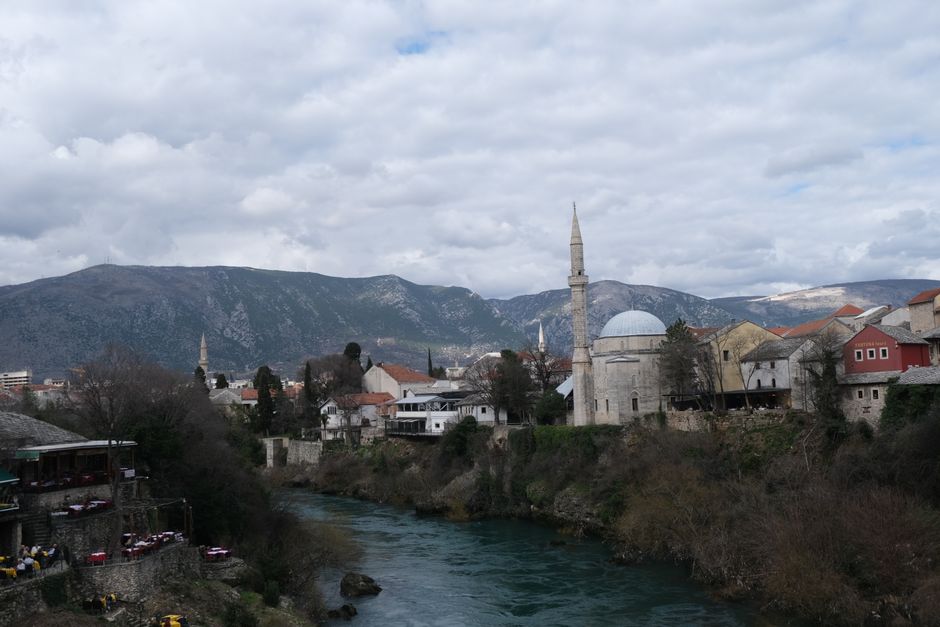
The old stone bridge in Mostar, Bosnia & Herzegovina — one of the most memorable stops on a budget Balkan loop.
💰 Quick Stats
💰 Daily budget: $35–45 · 🛏️ Cheapest hostel: $8–12/night · 🚌 Bus leg cost: $5–15 · ⏱️ Ideal trip length: 3–4 weeks · 🎒 Best for: Solo travelers, history lovers, street-food eaters
I remember the exact moment I knew the Balkans were different. I was on a rattling bus from Sarajevo to Mostar, the guy next to me was passing around a bag of dried figs, and the driver pulled over at a roadside spring so everyone could refill their water bottles for free. The ticket had cost me $8. The view of the Neretva River gorge from the window was priceless. That was three weeks into a trip I'd budgeted at $40 a day — and I was actually underspending.
Everyone talks about Southeast Asia as the budget traveler's playground. But Europe's southern underbelly — from Slovenia right down to Albania — gives you real medieval cities, genuine Adriatic coastline, and meals that taste like somebody's grandmother made them, all at prices that haven't yet caught up with the rest of the continent. The trick is knowing how to move between countries without wasting cash, and which borders treat your wallet kindly. This guide lays out the exact routes, bus lines, and border crossings that make the Balkans possible on a backpacker's budget.
The Essentials at a Glance
- 🌍 Best route shape: A clockwise or counter-clockwise loop starting in Belgrade or Sarajevo — avoids backtracking and doubles the border variety.
- 🚍 Primary transport: Intercity buses (FlixBus, Balkan Express, local carriers) — cheaper and more frequent than trains across most routes.
- 🛂 Easiest borders: Croatia–Bosnia (near Neum), Montenegro–Albania (at Sukobin), and Serbia–North Macedonia (at Preševo) — quick crossings with minimal queuing.
- 💵 Currency trick: Carry euros for Bosnia, Montenegro, Kosovo, and North Macedonia — many bus stations and border cafes accept them alongside local currency.
- 🍜 Meal cost floor: Street burek and yogurt in Bosnia — $1.50 and you're full for four hours.
Route Planning & Bus Routes That Actually Work
The single biggest mistake new Balkan backpackers make is trying to "see everything" in two weeks. The region's mountain roads and winding Adriatic coastal highways mean a 200-kilometer bus ride can take four hours. I learned this the hard way trying to go from Kotor to Sarajevo in one day — ended up sleeping in a bus station in Trebinje. Plan for 3–4 weeks minimum if you want to hit five or six countries without burning out.
The Classic 21-Day Loop
Start in Belgrade, Serbia — a gritty, electric city where hostel dorms run $10–14 and a plate of grilled ćevapi with kajmak costs about $4. From there, take the 7:15 AM bus to Sarajevo (Balkan Express, $22, 6 hours) — the route cuts through the Drina River valley and you'll cross into Bosnia at the Zvornik border, usually a 10-minute wait. Spend three nights in Sarajevo. Then catch the daily 2:30 PM bus to Mostar (local operator, $8, 2.5 hours). Mostar deserves two nights — one for the bridge and old town, one for a day trip to Kravica Waterfalls (entry $6, bus from Mostar east station $3).
From Mostar, the route splits. If you want Croatia, cross at the Neum border corridor — it's a tiny 9-kilometer stretch of Bosnian coastline that connects to Dubrovnik. The bus from Mostar to Dubrovnik runs twice daily ($14, 3.5 hours including border stop). Dubrovnik is the most expensive stop on any Balkan trip — dorms start at $22 and a basic restaurant meal hits $15. I skipped it on my second lap and took the inland route instead: Mostar to Trebinje ($6, 1.5 hours), then a shared minibus across the border at Gostun into Montenegro, heading straight for Kotor.
Border Crossings That Won't Eat Your Day
Not all borders are created equal. The Gostun crossing between Bosnia and Montenegro is a sleepy two-lane road with a single booth on each side. I crossed on a Tuesday at 10 AM and was through in four minutes — no luggage check, no questions. Compare that to the Preševo crossing between Serbia and North Macedonia on a Friday afternoon, where truck traffic can back up for an hour. Cross borders on weekday mornings if you can. The Sukobin crossing between Montenegro and Albania is another fast one — the Montenegrin side is a small hut, the Albanian side waves most backpackers straight through. Total time: under 10 minutes.
Getting Around Without Bleeding Cash
Buses are the backbone of Balkan travel. Trains exist but are slower and less frequent — the Belgrade-to-Bar line through Montenegro is scenic but takes 10 hours for what a bus does in 6. My go-to bus strategy: book long hauls (4+ hours) one day ahead through FlixBus or Balkan Express websites for a small discount. For short hops like Skopje to Ohrid ($7, 3 hours) or Tirana to Shkodër ($4, 2 hours), just show up at the bus station 30 minutes early and buy from the driver. Local buses don't have websites — that's just how it works. The price is always posted on a sign inside the windshield.
🎒 Backpacker Tip
On the Kotor–Tirana route, the bus stops at the Sukobin border around midday. There's a small café on the Albanian side that sells homemade byrek (spinach and cheese pie) for $0.80. Stock up — same pie in Tirana's city center costs $2.50. Also, the driver usually waits 20 minutes, so you've got time to eat.
Where Your Money Goes Furthest
North Macedonia is the cheapest country in the region. A dorm bed in Skopje costs $8. A full plate of tavče gravče (baked beans) at a local restaurant runs $3. The bus from Skopje to Lake Ohrid is $7. Next is Bosnia & Herzegovina, where a good hostel in Sarajevo goes for $10–12 and a cevapi lunch is $3.50. Montenegro splits the difference — Kotor is pricier (dorms $14–18), but inland spots like Žabljak or Podgorica drop to $10–12. Serbia is slightly above Bosnia but still well under Western Europe — Belgrade dorms average $12–14. Croatia, especially Dubrovnik and Split, is the budget breaker. If you're on a tight daily limit, limit Croatia to 3–4 days or skip it entirely for the Albanian Riviera.
Money-Saving Tips
1. Eat where the drivers eat: Bus stations and markets always have a stall or small restaurant where the drivers grab food before departures. In Sarajevo, that's Buregdžinica "Sač" near the main bus station — burek with yogurt for $1.80. In Skopje, follow drivers to the bakery row on Makedonija Street for $1 cheese pogacha.
2. Use shared taxis for border gaps: Some bus routes stop at a border and you switch vehicles on the other side. The 5-kilometer gap between Ulcinj (Montenegro) and the Albanian border at Sukobin has no public bus — three locals in a shared taxi charged me $2. Always offer to split the fare with other backpackers waiting.
3. Stay in private rooms, not just hostels: In Bosnia and Albania, private rooms in family homes (booked through Booking.com or just showing up and asking) often cost $12–16 — barely more than a hostel dorm but with a real bed, a bathroom, and sometimes a home-cooked breakfast thrown in. In Mostar, I paid $14 for a private room with a balcony overlooking the river.
4. Buy bus tickets from the station, not online agents: FlixBus prices on the website are about 10–15% higher than the same ticket bought at the counter. The catch: you need to speak enough local language to say "Jedna karta za Mostar, molim" — or just show your destination on Google Maps. It works every time.
5. Cook one meal a day: Hostel kitchens in the Balkans are underused. A 15-minute walk from Kotor's old town, a supermarket sells pasta for $0.60, a jar of local tomato sauce for $1.20, and a block of cheese for $1.50. That's a full dinner for $3.30 versus a restaurant meal pushing $12.
Common Mistakes to Avoid
✖ Assuming every country uses the same currency. Serbia uses the dinar. Bosnia uses the convertible mark (KM). Montenegro and Kosovo use the euro but not as official EU territory. North Macedonia uses the denar. Albania uses the lek. I once tried to pay for a bus ticket in Podgorica with Serbian dinars — the driver laughed and pointed me to an exchange booth that took a 12% cut. Carry a small stash of euros (which are accepted in Bosnia, Montenegro, Kosovo, and often North Macedonia), plus a little local currency for markets and taxis.
✖ Overpacking for mountain terrain. The Balkans are hilly, and you will walk up and down cobblestone streets with your backpack. A 55-liter pack is too big. I saw a woman in Kotor struggling with a 70-liter bag up the stairs to her hostel — she had to pay a local kid $3 to carry it. Keep it under 40 liters and pack layers for temperature swings.
✖ Relying on credit cards in smaller towns. Most hostels and bus stations in Bosnia, Albania, and North Macedonia are cash-only. ATMs exist but charge fees of $3–5 per withdrawal. Withdraw larger amounts less often — I aim for $100 at a time to minimize fees.
✖ Not checking bus schedules on Sunday. Sunday schedules in the Balkans are reduced — sometimes half the routes don't run. I got stuck in Ohrid for an extra day because the 3 PM bus to Skopje didn't exist on a Sunday. Always verify schedules at the station the day before.
Quick Checklist
📄 Documents: Passport (valid 6+ months), printed copies of hostel bookings (digital is fine but some border guards ask), travel insurance card.
🎒 Packing: 35–40L backpack, quick-dry towel, earplugs (hostels can be noisy), a warm layer (even in summer, mountain evenings get cold), reusable water bottle (refill at springs and hostel taps), padlock for lockers.
📱 Bookings & Apps: FlixBus app (for long-distance routes), Booking.com (private rooms), Maps.me (offline maps for the whole region — critical for navigating border towns), Google Translate (download Serbo-Croatian and Albanian offline packs).
💵 Currency & Cards: €100 in cash as emergency stash, local currency from ATMs (avoid currency exchange booths at borders — rates are bad), a Visa or Mastercard with no foreign transaction fees.
🛡️ Safety: The Balkans are generally safe for solo travelers — violent crime against tourists is rare. Common-sense stuff: keep your wallet in a front pocket on crowded buses, don't walk alone in unlit areas late at night, and be aware that some rural roads have loose dogs (carry a walking stick or just ignore them — they usually back down).
FAQ
Q: What's the cheapest way to get from Croatia into Bosnia?
A: The cheapest way from Croatia into Bosnia is the bus from Dubrovnik to Mostar, which costs $14 and takes 3.5 hours, crossing at the Neum border corridor — no additional transport fees.
Q: Do I need a visa to backpack the Balkans?
A: Most nationalities (US, UK, Canada, Australia, EU) can enter all Balkan countries visa-free for up to 90 days within a 180-day period — just your passport is enough at every border crossing.
Q: How much cash should I carry for a 3-week trip?
A: Carry $200–300 in mixed currencies (euros and local cash) for a 3-week trip — enough for bus tickets, market meals, small-town accommodation, and emergencies without relying on ATMs daily.
Q: Which Balkan country is easiest to travel on a tight budget?
A: North Macedonia is the easiest on a tight budget — daily costs average $30–35 including a hostel, three meals, and one bus ticket, and the border crossing from Serbia at Preševo is straightforward with no visa requirements.
Q: Can I cross borders on foot to save money?
A: Yes, you can cross several Balkan borders on foot — the Neum corridor (Croatia–Bosnia) and the Sukobin crossing (Montenegro–Albania) both allow pedestrian passage, and you'll save $2–5 on short taxi or bus transfers between border towns.
📌 Save This Guide
Bookmark this page or screenshot the route map — you'll want it when you're standing at a bus station in Mostar trying to decide which direction to go next. The Balkans reward the prepared traveler.
Final Thoughts
The Balkans aren't a budget travel hack — they're just a place where your money happens to go further because tourism hasn't flattened everything into one-price-fits-all. That $8 bus ride from Sarajevo to Mostar doesn't feel cheap because you're scrimping; it feels like a win because you saw a river gorge, ate dried figs with a stranger, and rolled into a 16th-century town with change in your pocket. The region has rough edges — Sunday bus schedules, cash-only hostels, border guards who take their time — but those are exactly the things that keep it honest. If you plan the route smart, cross at the quiet borders, and eat where the bus drivers eat, you'll stretch forty bucks a day further than you ever thought possible in Europe.
Got your own Balkan budget route to share? Drop it in the comments — or save this guide for your next trip planning session. The best routes come from people who've ridden the rattling buses themselves.


No comments:
Post a Comment