Hostel vs Guesthouse: Which Is Cheaper in Southeast Asia?
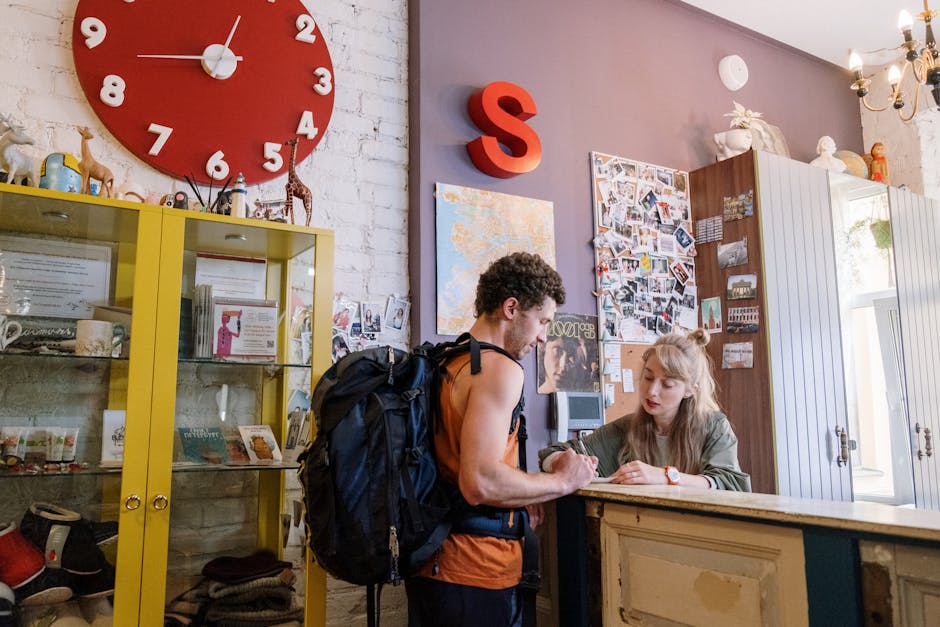
A shared dorm in Chiang Mai — friendly, loud, and $7 a night. But was it really the cheapest option?
💰 Daily budget: $25–35 · 🛏️ Cheapest hostel dorm: $5–8 · 🚌 Local transport: $1–3 · ⏱️ Ideal trip length: 3–4 weeks · 🎒 Best for: Solo backpackers on a tight budget
I still remember the moment I realised guesthouses weren’t always the budget-friendly champions I’d assumed. It was my third week in Southeast Asia, two hours deep into a bumpy bus ride from Luang Prabang to Vang Vieng. A French guy next to me mentioned he was paying $4 a night for a dorm bed in a guesthouse in Ninh Binh. “But it’s a guesthouse, so it’s basically a private room, right?” I asked. He laughed. “No, mate — it’s a bunk bed in a converted family home. The bathroom is a squat toilet and a bucket of water.” That conversation blew open my assumptions. Hostels vs guesthouses — which is actually cheaper in Southeast Asia? The answer isn’t as simple as picking the word that sounds cheaper. In this article, I’ll walk you through real numbers, real trade-offs, and a few hard-learned lessons from crossing six countries in three months.
The Essentials at a Glance
- 🏠 Hostels — Dorm beds $5–12/night, common areas, social vibe. Often include towels, lockers, Wi-Fi. Most are clean but can be loud.
- 🛖 Guesthouses — Private rooms $10–20/night, sometimes dorms. Run by families, often quieter. Basic amenities, less social. Breakfast sometimes included.
- 💰 Real cost difference — For a solo traveller, hostels are usually $2–5 cheaper per night. For couples or groups, guesthouses can be cheaper than two hostel beds.
- 📉 Hidden costs — Hostels charge for earplugs, extra towel hire, or mandatory lockers. Guesthouses might not have hot water or reliable Wi-Fi, pushing you to cafés.
- 🍜 Street food factor — Both options are near local markets, but guesthouses often offer free or cheap family meals ($1–2). Hostels tend to be on tourist strips with pricier eats.
Cost Breakdown: What You Actually Pay
Accommodation: The Bed vs. The Room
In Bangkok, a dorm at a hostel like Sleepover Bangkok (Phra Athit Road) costs about $8 a night with A/C, free coffee, and a rooftop. A basic guesthouse private room around Khaosan Road — say, Lamphu Tree House — starts at $16. That’s double. But if you’re two people, a guesthouse shared room can be cheaper per person than two hostel beds. In Chiang Mai, a dorm at Green Tiger House is $6; a double room at Baan Thai Guesthouse is $12 — the same per person if you split. So rule one: solo = hostel; duo = guesthouse often wins.
In Vietnam, the gap narrows. A dorm in Ho Chi Minh City’s Long Hostel (District 1) costs $5. A private room at Thanh Guesthouse (close to Ben Thanh Market) is $10. Still double, but the guesthouse includes a simple breakfast of pho or banh mi. That breakfast alone would cost $1.50 on the street, so the real nightly cost is about $8.50 vs hostel at $6.50 (since hostel breakfast rarely included). The decision becomes about privacy and noise, not just pennies.
Food: Street Food vs. Hostel Cafés
Hostels in tourist hubs often have their own bar or café where a plate of pad thai is $3–4 — double the street price. Guesthouses, especially in smaller cities, may have a family kitchen where you can buy a home-cooked meal for $1–2. In Hoi An, stay at Thien Thanh Guesthouse and the owner’s mum will serve you cao lầu with fresh herbs for $1.50. A hostel in the Old Town will charge $3 for a similar dish. Over a week, that difference saves you $10–15. If you cook your own rice or noodles in a guesthouse kitchen (some allow it), you can stretch even further.
Transport: Location Matters
Hostels tend to cluster in backpacker zones — Khao San Road, Bui Vien Street (Ho Chi Minh City), Sisavangvong Road (Luang Prabang). Guesthouses are often a 10–30 minute walk from the main drag. That walk can save you $2–3 on accommodation per night, but cost you $0.50 in tuk-tuk rides or $0.20 on a rented bicycle. In Chiang Mai, a guesthouse in the old city moat area will put you close to night markets, while hostels on Nimman Road are farther from budget food — so transport costs can eat your savings. Always check Google Maps walking distance to a local market, not just to the “party street.”
Activities and Drinks
Hostels usually run daily tours — pub crawls, cooking classes, scooter rentals — with a commission baked in. A pub crawl might cost $10 but includes free drinks that you wouldn’t otherwise buy. Guesthouse owners often know cheaper local guides. In Luang Prabang, our guesthouse arranged a waterfall trip for $8 per person including a picnic lunch; the hostel across the street charged $15 for the same trip with a mediocre buffet. The catch: the guesthouse trip had no English-speaking guide and left at 7am, while the hostel’s left at 9am. You pay for convenience and comfort.
Total Weekly Cost Comparison (Solo Traveller, Thailand)
| Expense | Hostel ($) | Guesthouse ($) |
|---|---|---|
| Accommodation (7 nights) | 56 | 49 |
| Food (3 meals + water) | 56 | 42 |
| Local transport | 14 | 10 |
| Activities (3 outings) | 30 | 24 |
| Total | $156 | $125 |
*Based on average prices in Chiang Mai and Bangkok. Guesthouse total assumes dorm bed in a family-run guesthouse (some offer double rooms at per-person rates).
🎒 Backpacker Tip:
Never assume a guesthouse is cheaper just because it’s not called a hostel. In Cambodia, many guesthouses now charge $8–10 for a private room with a fan only — while a hostel dorm with A/C costs $4. Check the bathroom situation: a shared squat toilet vs a Western toilet with hot water can change your daily happiness more than $2.
Money-Saving Tips
- Use the “three-night negotiation”: Most guesthouses will knock off 10–20% if you book three nights upfront. In Hoi An, I offered $14 for a $18 room for three nights — the owner smiled and said yes. Hostels seldom negotiate; their rates are fixed online.
- Eat where the owner eats: At guesthouses, ask the family where they buy their morning rice soup. That spot will be $0.50 cheaper than the tourist cafe two blocks away. In Kampot, Cambodia, I followed the guesthouse owner to a market stall and paid $0.80 for a bowl of noodles that would cost $2 on the riverside.
- Book hostels midweek, guesthouses on weekends: Hostels near universities (Chiang Mai, Hanoi) fill with students on weekdays; guesthouses near temples see weekend price spikes. Use Hostelworld’s 30-day calendar view to spot cheap nights. I saved $3 per night in Luang Prabang by checking in on a Tuesday instead of Friday.
- Bring a sleep sheet and padlock: Many budget guesthouses don’t provide sheets or lockers. Buying a cheap sheet in a local market costs $2; a hostel locker rental can be $1 per night. Over two weeks, that’s $14 saved by being prepared.
- Share a guesthouse room with another solo traveller: Use hostel common rooms or Facebook groups to find a buddy. Two people in a $12 guesthouse double equals $6 each — cheaper than an $8 hostel dorm, and you get privacy. Always check if the guesthouse charges per room or per person.
Common Mistakes to Avoid
- ❌ Assuming “guesthouse” means authentic and cheap: Many guesthouses in tourist areas have become mini-hotels with AC, TV, and breakfast, charging $15–20. Always check recent reviews for the words “basic room” and “fan only” to know what you’re getting.
- ❌ Not checking if the price is per person or per room: In Vietnam and Laos, some guesthouses list $10 per person even for a double room. That’s actually $20 for two. Always confirm on Booking.com or Agoda, or ask directly: “Is that for the room or for one person?”
- ❌ Ignoring location multiplier: A hostel in the centre of Bangkok may cost $10, but a guesthouse in a side soi (alley) 15 minutes away could be $5. However, the guesthouse might be on a dark street with no street food nearby — so your dinner cost adds up. Map out both the transfer cost and food cost.
- ❌ Booking without checking for hot water and A/C: Budget guesthouses in Chiang Rai or Hpa-an often advertise “cold shower only.” If you can’t handle that, add $2–3 for a hostel with proper facilities. I learned this the hard way in Battambang — a $4 guesthouse with a freezing bucket shower made me spend $1.50 at a café just to warm up.
Quick Checklist
📄 Documents: Passport (keep copy separate), printed booking confirmations, travel insurance card, ATM card with no foreign fees.
🎒 Packing: Earplugs ($1), sleep sheet ($3), combination padlock ($2), microfiber towel (dries fast), flip-flops for shared showers, a reusable water bottle with filter (save $0.30 per fill).
📱 Bookings/Apps: Hostelworld (for dorms), Agoda (for guesthouse private rooms), Maps.me (offline maps), Grab (South-East Asian Uber — often cheaper than street taxis), WhatsApp/Grab for contacting hostels directly.
💰 Currency & Budget: Carry 20–30% in local cash (many guesthouses don’t accept cards), keep a daily budget diary (pen + small notebook). In Myanmar and Cambodia, US dollars are widely accepted — always carry small denominations.
🔒 Safety: Use dorm lockers (bring your own lock), never leave valuables on a bed, sleep with a padlock on your bag in guesthouses that don’t have lockers, and share your location with a friend back home via Find My or WhatsApp Live Location.
FAQ
Q: Is a guesthouse always cheaper than a hostel in Southeast Asia?A: No. For solo travellers, hostels are typically $2–5 cheaper per night. Guesthouses can be cheaper when split between two people or when a private room costs the same as two hostel beds. Always compare total cost per person, including breakfast and location.
Q: Do guesthouses offer the same social atmosphere as hostels?A: Rarely. Guesthouses are family-run and quieter. If you want to meet other backpackers for pub crawls or shared tours, a hostel is better. Guesthouses are better for early sleepers or couples wanting privacy.
Q: Are guesthouses in Southeast Asia safe for solo female travellers?A: Generally yes, but vet them. Look for reviews mentioning security, lockable doors, and a female-friendly environment. Some guesthouses have shared bathrooms with multiple doors — less secure than hostel dorms with key-card access. I found guesthouses in Vietnam and Thailand very safe; in Cambodia, I always paid an extra $1 for a lockable private room.
Q: Which is better for a long-term stay — a month or more?A: A guesthouse with a kitchen and quiet environment wins. Many offer monthly rates of $100–150 in places like Chiang Mai or Da Nang. Hostels rarely discount for long stays and you’ll go insane in the same dorm bed for 30 days. I stayed a month in a guesthouse in Hoi An for $120 — private room, Wi-Fi, and a shared kitchen.
Q: Can I book a guesthouse online or only by walking in?A: Most guesthouses are listed on Booking.com and Agoda, often with free cancellation. Walking in can sometimes get you a lower price (cash discount), but I’ve also been quoted higher rates because they thought I was a tourist. Book online for transparency, then negotiate your extended stay at check-in.
Final Thoughts
Choosing between a hostel and a guesthouse isn’t a binary “cheaper or not” decision. It’s about your travel style, your company, and what you value more: a social atmosphere or a quiet private space. After three months on the road, I found myself alternating — hostels in big cities like Bangkok and Ho Chi Minh City for the energy and cheap tours, guesthouses in small towns like Kampot and Ninh Binh for the home-cooked meals and rest. The real budget trick is to mix them. Use hostels on party nights (Wednesday to Friday), switch to a guesthouse for weekends when hostel prices spike and you need to sleep. Track your spending in a simple notebook — I used a tiny Moleskine — and you’ll quickly see where your money actually goes. If you found this breakdown useful, save the link and drop a comment below with your own hostel vs guesthouse tipping point. Safe travels, and may your mattress always have a full-length sheet.
📌 Save this guide
Pin it on Pinterest, bookmark the page, or share with your travel buddy. The cost difference compounds fast — one decision can save you $100 in a month.
Heads-up: prices are from mid-2024 and may shift a dollar or two. Always check the local exchange rate before booking.


No comments:
Post a Comment