How to Avoid Getting Sick from Food and Water Abroad
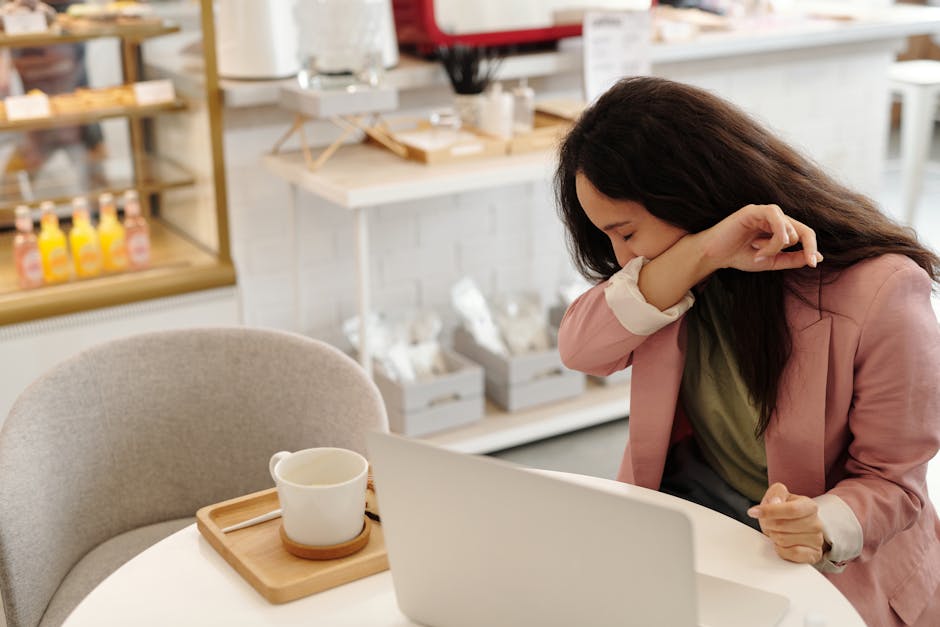
That street stall in Bangkok? It may look chaotic, but the steam rising from that wok might just be safer than the hotel buffet. Knowing the difference is everything.
Who this solves for: First-time international travelers, backpackers, business travelers in unfamiliar cities, anyone who has ever hugged a toilet in a foreign country.
When to use this advice: Before you book the trip, while you're packing, and the moment you step off the plane.
Estimated effort: 🟢 2/5 (a little planning, a little nerve)
Cost range: $10–$60 for a solid water-purification setup; $0 for street-food smarts
Risk level: 🔴 High if ignored — but drops to near-zero with these steps
Time saved: 3–5 days of ruined vacation — plus the mental spiral.
It hit me at 2:47 a.m. in a hotel room in Marrakech. I was on the bathroom floor, cheek pressed against cold tile, wondering if I could actually die from a bad plate of merguez sausage. The ceiling fan made a clicking sound every third rotation. I remember that detail with startling clarity — because I counted a lot of rotations that night.
Seven hours earlier, I'd been so smug. I'd ordered from a shiny restaurant near Jemaa el-Fnaa, the kind with laminated menus and a waiter who called me "boss." I thought I was playing it safe. I was wrong. The sausage had been sitting under a heat lamp since lunch. The salad — the harmless-looking salad — had been washed in tap water. By midnight, my body was staging a full-scale revolt.
Here's the thing nobody tells you: getting sick from food or water abroad isn't about bad luck. It's almost always about a specific, predictable set of mistakes. And I've made every single one of them — in Vietnam, in Mexico, in India, in that damn Marrakech hotel — so you don't have to.
This isn't a theoretical guide. I'm not going to tell you to "be careful" or "trust your gut." I'm going to show you exactly how to eat safely, where to find the food that won't betray you, and what to do when your stomach still rebels. Because let's be honest: the best travel stories should involve food, not a pharmacist in a foreign language.
Why This Problem Ruins Trips (And Why Most Advice Fails)
Foodborne illness is the travel equivalent of a flat tire on a highway with no shoulder. It doesn't just hurt — it derails everything. You lose days. You lose money. You lose the fragile confidence you built up after figuring out the metro system.
But here's what frustrates me most: the standard advice is either useless or actively harmful. "Eat only at clean-looking restaurants." Okay, but what does clean look like in a place where the kitchen is open to the street and the only running water comes from a bucket? "Drink only bottled water." Great advice — except studies show that in some countries, up to 40% of bottled water is just re-bottled tap water. You paid a premium for the same bacteria.
The real problem is binary thinking. Travelers assume a place is either "safe" or "dangerous." They eat at the hotel buffet (terrible idea, usually) and skip the street stall where the same family has been cooking the same soup for forty years. They buy chlorine tablets they never use. They pack antibiotic pills they can't legally buy abroad. They cross their fingers.
I've done all of it. I once spent my last day in Hanoi lying in a hostel bunk, staring at a ceiling fan (I have a thing with ceiling fans now), regretting the $2 bowl of noodles that looked innocent but had been sitting out for four hours. The Vietnamese family eating next to me knew better. They arrived at 7 a.m., when the broth was fresh. I rolled in at 11 a.m., a lazy tourist, and paid the price.
The root cause is almost never the cuisine itself. It's time + temperature + water source. Master those three variables, and you can eat almost anywhere with confidence.
The Step-by-Step Solution
1. The Before-Trip Prep (Do This Before You Leave Home)
You don't need to bring your own food. But you do need three things that fit in your daypack.
First: a SteriPen or a Grayl Geopress. I've used both. The SteriPen (about $90) uses UV light to kill 99.9% of bacteria and viruses in 90 seconds. The Grayl ($70–$85) is a pressurized filter bottle that works instantly — you push the plunger and clean water comes out. I carry the Grayl now. It's idiot-proof, and I am, on my worst mornings, an idiot.
Second: oral rehydration salts (ORS). Not sports drinks — actual ORS packets. They cost about $1 each. If you get sick, they're worth their weight in hotel mini-bar chocolate. I keep four packets in every bag I own.
Third: a basic stomach toolkit. Pepto-Bismol tablets (the chewable kind), loperamide (Imodium) for emergencies, and a probiotic you start taking three days before departure. The probiotic won't stop you from getting sick, but it makes recovery faster. Trust me on this one.
One more thing: check the local water situation before you go. Not all tap water is created equal. In Singapore, the tap water is better than most bottled water in Europe. In Mexico City, even locals filter. A quick search — "is tap water safe in [city name]" — takes ten seconds and saves you a world of pain.
2. The First 24 Hours: Ground Rules for the Streets
Your first day in a new place is when you're most vulnerable. You're tired, hungry, disoriented, and the smell of fried something is coming from a cart that looks like it was built in 1973. I get it. I've been there.
Rule one: watch where the locals eat, but also when they eat. In Bangkok, a street stall with a line at 7:30 a.m. is a miracle. In Mexico City, the taco stand that's packed at 2 p.m. is serving fresh meat from the morning delivery. The stall that's full at 10 p.m.? Maybe still good, maybe reheating leftovers from 6 p.m. The difference is turnover. High turnover means fresh food. Fresh food means less time for bacteria to multiply.
Rule two: look at the heat source. Gas flame? Good. Electric hot plate? Questionable. No visible heat at all? Walk away. When I got sick in Marrakech, the sausage was sitting in a lukewarm tray. No flame, no steam, just a heat lamp and hope. Never trust a heat lamp.
Rule three: watch the water. In India, I learned to order chai — which is boiled — instead of bottled juice cut with tap water. In Vietnam, I stopped ordering iced coffee from places that pulled ice from a bucket. Ice made from municipal water is a gamble. Ice made by a reputable factory, in sealed bags? Usually fine. Ask to see the ice. If it's a solid block with a brand name, you're good. If it's chipped off a bigger block with a knife — no.
Rule four: salads are a trap. Raw vegetables washed in tap water are the number one cause of traveler's diarrhea that I've personally investigated. In Vietnam, I watched a restaurant "rinse" lettuce in a bucket of water that had been sitting out all day. I ate the pho instead. Never regretted it.
3. Restaurant Survival: How to Pick a Good One
The shiniest restaurant on the street is rarely the safest bet. The ones that survive are the ones that cook with volume and turnover, not the ones with fancy menus and empty chairs.
Here's my system, developed over 14 years of eating on six continents:
- ✅ Kitchen visible from the street. If I can see the wok, I can see the cook. If the cook looks like he's about to drop from heatstroke, the fire is hot and the food is fresh. That's a good sign.
- ✅ The bathroom test. Ask to use the restroom before you order. If the bathroom is clean enough that you'd use it without cringing, the kitchen is probably clean too. If the bathroom has no soap, no toilet paper, and a smell you can't identify — eat elsewhere.
- ✅ Single-item specialists. A place that only makes one thing — grilled chicken, banh mi, biryani — is usually better than a place with a 50-item menu. They've perfected that one thing, and they buy their ingredients in daily batches.
- ❌ Avoid the "tourist menu." Those laminated folders with pictures of pizza, pasta, and pad thai? They've been sitting there for months. The food arrives cold because it was pre-cooked and microwaved. Just don't.
In markets, look for the vendor who's too busy to talk to you. In Ho Chi Minh City, I found a woman selling grilled pork skewers from a tiny charcoal grill. She had a line of 12 people, all local. She didn't smile, didn't make eye contact, just kept turning skewers and handing them over. That's confidence. I ate three. Perfect. No issues. The vendor who's waving you over and shouting "best in town, my friend!" is the one with the slowest business.
4. Water: The Unseen Danger
Water is trickier than food, because you can't always see a problem. Here's the honest truth: the safest water is the water you treat yourself.
In places where tap water is sketchy, I use a tiered system:
- 🟢 Tier 1 (safe): Bottled water from a sealed bottle, water I boiled myself, or water I treated with my Grayl or SteriPen.
- 🟡 Tier 2 (cautious): Bottled water from a street vendor — I check the seal and the brand. If the cap doesn't crack audibly when opened, I don't drink it. Counterfeit bottles are real.
- 🔴 Tier 3 (avoid): Tap water, well water, stream water, and "filtered water" from a restaurant unless I saw the filter.
- ⚠️ Ice: Only from sealed bags or from a place I trust. In Japan? Fine. In rural Cambodia? Hard pass.
Also — and this is one I learned the hard way — be careful with rinsing your toothbrush. I brushed my teeth with tap water in Peru for three days before I realized the water was the reason my stomach felt "off." Now I use my SteriPen on the water I use for brushing. It feels ridiculous. It works.
5. The Sick-Day Protocol (When It Still Happens)
You followed all the rules. You were careful. And yet here you are, at 3 a.m., on that cold bathroom floor. It happens. The average traveler gets traveler's diarrhea once every three or four trips. So here's what to do:
Don't take Imodium immediately. I know it's tempting. But if your body wants to expel something, let it. Imodium is for emergencies — like a 10-hour bus ride with no bathroom. For normal sick days, let the system flush. Use ORS to stay hydrated. Sip it, don't chug it.
When to see a doctor: Blood in stool, fever over 101°F (38.5°C), or no improvement after 72 hours. Those are the red lines. I've crossed one of them — the fever — in rural Laos, and ended up at a clinic where the doctor spoke no English and I spoke no Lao. We communicated through gestures and a translation app. I got antibiotics. I got better. It cost $12.
What to eat when recovering: Plain rice, bananas, toast, boiled vegetables, clear soup. No dairy, no spices, no alcohol. Yes, it's boring. That's the point.
Pro Tips From Someone Who's Been There
These are the things I've learned that you won't find in a guidebook. They're weird, specific, and they work.
- 1. Eat breakfast at the same stall for three days straight. If you find a street vendor whose food agrees with you on day one, go back on day two and day three. Your gut acclimates to the local bacteria gradually. This is called the "probiotic effect" — you're building tolerance strain by strain. I did this in Jaipur with a woman who made parathas from scratch every morning. By day four, I could eat anything in the city without issues.
- 2. Carry a small bottle of hand sanitizer that isn't gel. The gel kind dries out your hands after ten uses. Get the spray kind — it evaporates faster and you'll actually use it. I refill a 30ml spray bottle from a larger bottle I keep in my luggage. Use it before every meal, even if you think you don't need it.
- 3. The "three-bite rule" for street food. If you're nervous about something, take three bites. That's enough to taste it, enjoy it, and let your stomach give you feedback. If it sits well after 15 minutes, finish it. If something feels off, stop. You've just saved yourself from 300 bites of regret.
- 4. Avoid the "airplane stomach" trap. On long-haul flights, your gut microbiome takes a hit from cabin pressure, dry air, and weird meal timing. For 24 hours after landing, eat conservatively. Cooked food, simple spices, nothing raw. Then start exploring. The two biggest cases of food poisoning I've ever had both happened on the first day after a long flight. I see the pattern now.
- 5. Google "food safety [city name] Reddit" before you go. Seriously. Real travelers post real warnings. In Mexico City, I learned from a Reddit thread to avoid a specific chain of juice stands near the Zócalo. Three days later, I walked past that stand and saw a tourist doubled over on a bench. The thread was two years old. The advice still held.
A friend — let's call him Dave — went to Zanzibar and drank "fresh coconut water" from a beach vendor. The coconut was opened with a machete that had been sitting in sand. The water inside was warm. Dave drank it because he thought "coconut water is naturally sterile." It's not. The machete introduced bacteria, and the warm coconut water was a perfect incubator. Dave spent his entire safari lying in the back of the jeep, moaning. Don't be Dave. Ask for the coconut to be opened in front of you, and check the machete.
Common Mistakes Travelers Make With This Issue
1. Assuming "spicy food" causes stomach problems. No. Spice doesn't cause food poisoning. It's not the chili that got you — it's the bacteria that grew in the meat while it sat out for four hours. Spicy food can irritate an already upset stomach, but it won't cause the sickness. Stop blaming the pepper.
2. Taking prophylactic antibiotics. I've met travelers who pop ciprofloxacin every morning "just in case." This is terrible. It nukes your gut bacteria, leaving you vulnerable to nastier infections like C. diff. Antibiotics are for treatment, not prevention. The only exception is if your doctor prescribes something specific for a high-risk trip — but that's rare.
3. Over-relying on the hotel restaurant. The hotel buffet is one of the riskiest places to eat. Food sits under heat lamps for hours. Other guests cough on the sneeze guard. The salad bar is a petri dish. I've gotten sick from hotel buffets more times than from street food. And hotel buffets are expensive. You're paying a premium for the privilege of getting sick in an air-conditioned room.
4. Ignoring the tap water in the shower. You don't have to drink it to get sick. If you're brushing your teeth, rinsing your mouth, or washing fruit in tap water, you're exposing yourself. And if you have an open cut, bacteria can enter through your skin. This is rare, but it happens. I learned this in Fiji, where I washed a cut on my hand with tap water and spent three days fighting a localized infection. Use your treated water for everything oral.
Your Quick-Action Checklist
Before you go:
- ✅ Pack a water filter (Grayl Geopress or SteriPen) + ORS packets + Pepto-Bismol
- ✅ Start a probiotic 3 days before departure
- ✅ Save "Reddit [city] food safety" in your offline notes
- ✅ Download a translation app with a medical phrase pack
- ✅ Buy travel insurance that covers food poisoning (yes, it exists)
Your first day in-country:
- ✅ Eat only cooked food — nothing raw, nothing cold
- ✅ Check the ice situation before ordering drinks
- ✅ Use treated water for brushing teeth
- ✅ Find one street stall with high turnover and become a regular
- ✅ Take a photo of a local pharmacy sign (in case you need to find one in a hurry)
If you get sick:
- ✅ Sip ORS water — don't chug
- ✅ Skip Imodium unless you're about to board a bus
- ✅ Eat plain rice, bananas, toast — nothing else
- ✅ See a doctor if: blood in stool, fever over 101°F, or no improvement after 72 hours
- ✅ Email your travel insurance provider with symptoms (for the record)
Frequently Asked Questions
Q: Is it safe to eat street food in developing countries?
A: Yes, street food is often safer than restaurant food because the turnover is higher and you can see the cooking process with your own eyes. The key is to eat where locals eat, during peak hours, and watch for high heat and fresh preparation. Avoid anything that has been sitting under a heat lamp or that looks like it was cooked hours ago.
Q: How do I know if bottled water is safe to drink?
A: Check the seal carefully — it should crack audibly when you open it. Look for brand names you recognize, and avoid bottles from street vendors that look tampered with or have blurry labels. In some countries, counterfeit bottled water is common, so buy from reputable stores or treat your own water with a filter or UV pen.
Q: Should I avoid ice in my drinks abroad?
A: Not always — ice made from purified water in sealed bags is usually safe, and many restaurants in tourist-friendly areas use commercial ice. But if the ice is chipped from a larger block with a knife or looks like it came from a bucket, skip it. In doubt, ask for your drink without ice or use your own filtered water for ice cubes if you have a portable ice tray.
Q: What should I do if I get traveler's diarrhea?
A: Start sipping oral rehydration salts immediately — don't wait until you're dehydrated. Avoid Imodium for the first 24 hours unless you have to travel; let your body flush out the bacteria. Eat plain rice, bananas, and toast. See a doctor if you have blood in your stool, a fever over 101°F, or if symptoms persist beyond three days.
Q: Can I take antibiotics before my trip to prevent food poisoning?
A: No — taking prophylactic antibiotics without an active infection can harm your gut microbiome and increase your risk of antibiotic-resistant infections. Antibiotics should only be used for treatment under a doctor's supervision. A better prevention strategy is the probiotic approach, careful food choices, and proper water treatment.
Final Word: You've Got This
Look: eating abroad is supposed to be one of the great joys of travel. And it is. The best meal of my life was a $1.50 bowl of cacio e pepe in Rome, eaten standing up at a counter where the cook yelled at me in Italian and I had no idea what I was doing. That meal didn't make me sick. It made me feel alive.
The secret isn't fear. It's information + a little preparation. You now have both. You know what to look for, what to carry, and what to do when things go sideways. That's more than most travelers ever learn.
So go. Eat the thing. Try the stall. Drink the chai. The world is full of incredible food, and almost all of it is safe if you know how to read the signals. Your gut will thank you — not just for avoiding disaster, but for the stories you'll carry home.
Bookmark this page. Print the checklist. Share it with a friend who's planning a trip.
And if you've got a food-safety hack I didn't mention — hit the comments. The road is full of shared wisdom.
Photo by cottonbro from Pexels · Article by a travel journalist who has hugged toilets in 14 countries so you don't have to.


No comments:
Post a Comment